
Let's cut to the chase: if you're acquiring or developing property in New York or New Jersey, you need a Phase I Environmental Site Assessment. Your lender requires it. Your investors expect it. And frankly, you should want it: because discovering contamination after you close is a nightmare no one needs.
But here's where things get murky. Search "Phase I ESA cost" and you'll find numbers all over the map. National averages that don't apply to the tristate. Vague ranges that could mean anything. Marketing fluff that hides the real picture.
We're going to fix that. This is the transparent breakdown of what Phase I ESAs actually cost in NY/NJ in 2026: and what drives those numbers up or down.
The Baseline: What Phase I ESAs Cost in 2026
Nationally, Phase I ESA costs range from $2,000 to $5,000. But if you're working in the NY/NJ market, plan for the higher end of that spectrum.
Here's why: our region is older, denser, and more industrially complex than most of the country. That former warehouse in Newark? It might have been a dry cleaner, a gas station, and a machine shop across its lifetime. Researching that history takes time. Time costs money.
Typical 2026 cost ranges for NY/NJ properties:
| Property Type | Expected Cost Range |
|---|---|
| Small commercial / retail | $2,500 – $3,500 |
| Standard multi-building complex | $3,500 – $6,000+ |
| Industrial or warehouse | $3,000 – $6,000+ |
| Large or complex urban sites | $4,000 – $6,000+ |
For most standard commercial acquisitions in our market, budget $2,500 to $4,000 for a quality Phase I ESA.
What Actually Drives Phase I ESA Costs in NY/NJ
Understanding what affects pricing helps you anticipate costs before you get quotes. Here are the factors that move the needle:
Historical Complexity
A property in Midtown Manhattan that's been office space since 1960? Relatively straightforward. A Jersey City industrial parcel with five previous owners and three different uses? That's a different story.
Urban properties in our region often have layered histories: manufacturing, storage, fuel handling, commercial operations. Each historical use requires documentation, database searches, and analysis. More complexity equals more time equals higher cost.
Site Size and Configuration
A 10,000 square-foot retail pad gets assessed differently than a 5-acre industrial campus with multiple structures. Larger sites require more reconnaissance time, more interviews, and more thorough documentation.
Regulatory Requirements
New York and New Jersey both have state-specific environmental requirements that go beyond the federal ASTM E1527-21 standard. Depending on your property's location and intended use, you may need additional documentation to satisfy NYSDEC or NJDEP requirements. This can add $200 to $500 to your assessment.
Consultant Expertise
Here's something the industry doesn't talk about enough: not all Phase I ESAs are equal. A cut-rate assessment might check the boxes, but it may not catch the nuances that matter: especially for properties with industrial history or complex permitting needs.
"The cheapest Phase I ESA is almost never the best value. We've seen developers spend months: and tens of thousands of dollars: cleaning up issues that a thorough initial assessment would have flagged."
The Hidden Costs Developers Forget to Budget
The base Phase I ESA cost is just one line item. Smart developers budget for the full picture:
Rush Fees
Standard turnaround for a Phase I ESA is 3-4 weeks. Need it faster? Expect to pay for it.
- Expedited (10 business days): Add 25-50% to base cost
- Rush (5 business days): Add 50-100% to base cost
If your deal timeline is tight, factor this in from day one. We've seen too many developers scramble at the last minute and pay premium fees that could have been avoided with better planning.
Complex Historical Research
Some properties require deeper dives into historical records: Sanborn maps, city directories, aerial photographs going back decades. If your site has a complicated past, budget an additional $500 or more for comprehensive historical research.
Phase II ESA (If Issues Are Found)
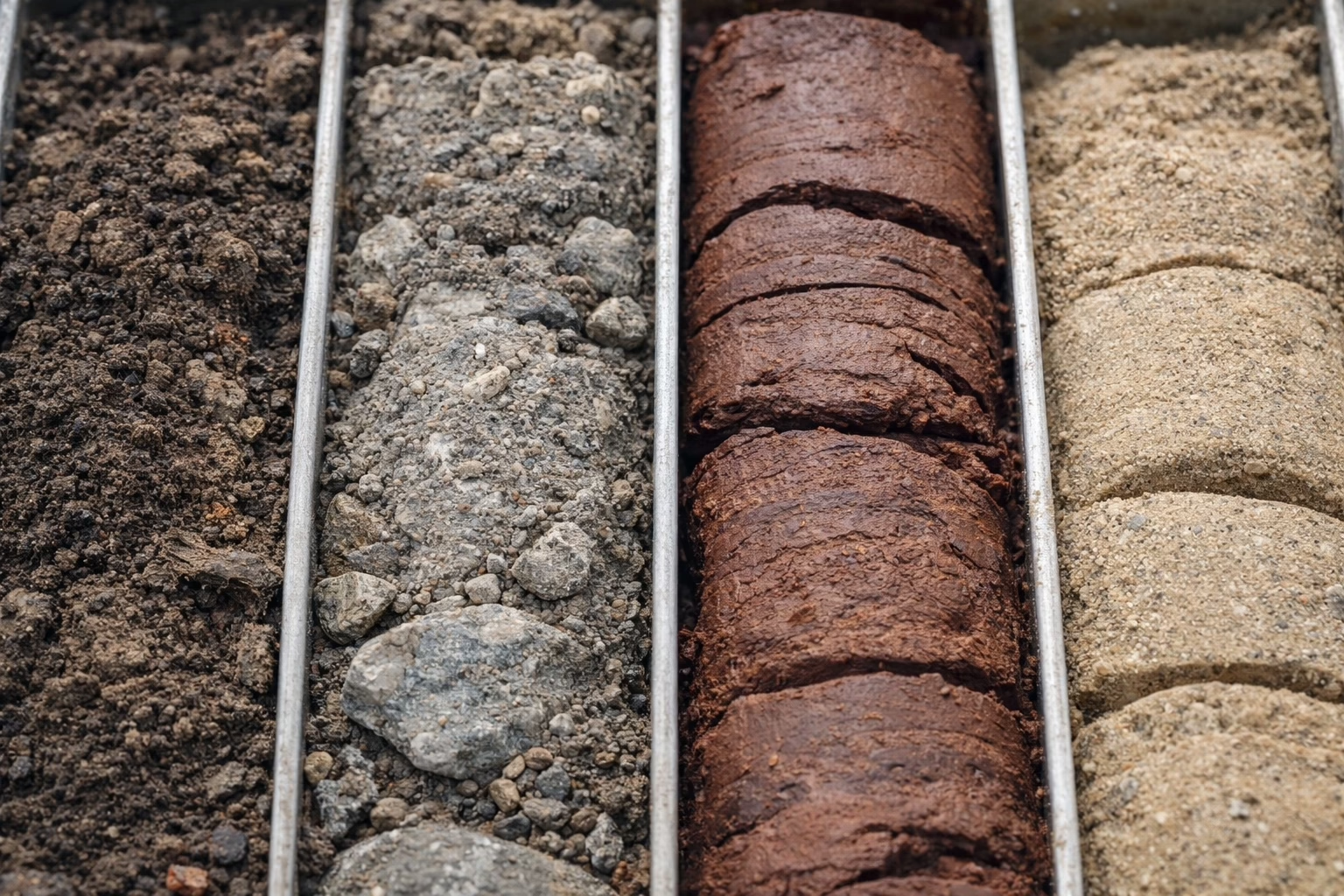
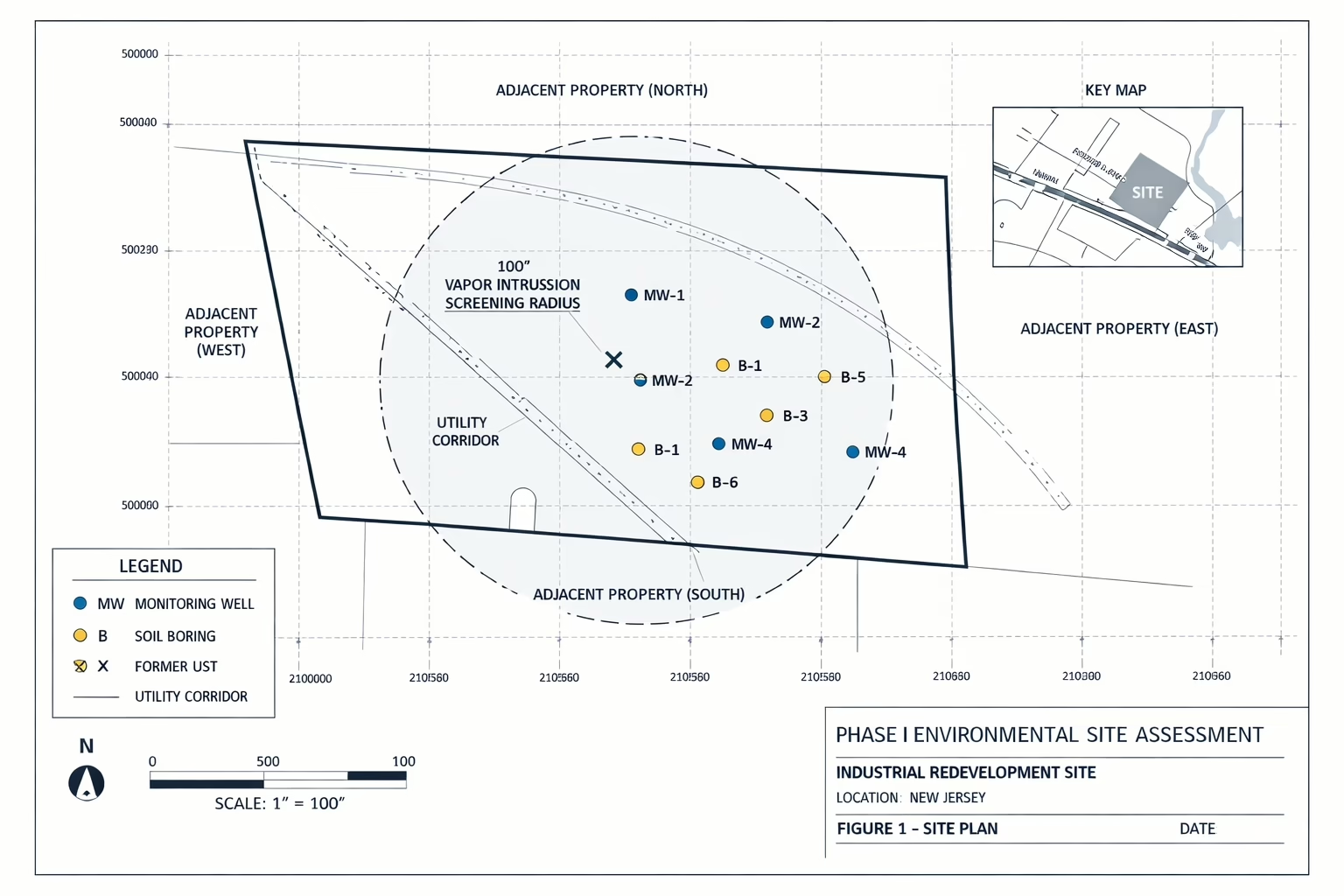
This is the big one. A Phase I ESA is a records review and site reconnaissance: it identifies potential contamination. If recognized environmental conditions (RECs) are identified, you'll likely need a Phase II ESA to actually test soil, groundwater, or soil vapor.
Phase II ESA costs in NY/NJ typically range from $5,000 to $20,000+, depending on the scope of investigation required.
Not every Phase I leads to a Phase II. But if you're acquiring industrial property, former gas station sites, or anything with manufacturing history, build contingency into your budget.
The Lender-Ready Checklist
Your Phase I ESA needs to satisfy your lender's requirements, not just check a box. Here's what lenders typically look for:
- ASTM E1527-21 compliance (the current standard as of 2026)
- 180-day validity from report date to transaction close
- Clear identification of RECs, CRECs, and HRECs
- Qualified Environmental Professional (EP) signature
- User questionnaire completion documenting your knowledge of the property
If your report is missing any of these elements, you may face delays at closing. When you're selecting a consultant, confirm their reports meet current ASTM standards and include all required documentation.
How to Budget Smart: Our Recommendations
Based on our experience with hundreds of environmental assessments across NY/NJ, here's how we advise developers to approach Phase I budgeting:
For Standard Commercial Acquisitions
Budget $3,000-$4,000 for the Phase I ESA, with an additional $5,000-$10,000 contingency for potential Phase II work.
For Industrial or Brownfield Properties
Budget $4,000-$6,000 for Phase I, with $15,000-$25,000 contingency for Phase II and preliminary remediation planning.
For Complex Multi-Parcel Deals
Request a custom scope and quote. Cookie-cutter pricing doesn't work for portfolio acquisitions or large-scale redevelopment sites.
Get Detailed Quotes Upfront
Don't accept a single number without understanding what's included. Ask consultants to break down their pricing and explain what would trigger additional costs. A reputable firm will be transparent about their fee structure.
Why Cutting Corners Costs More
We'll be direct: the Phase I ESA is not the place to minimize spending.
A thorough assessment protects you from inheriting environmental liability, satisfies your lender, and gives you leverage in negotiations if issues are found. A cheap assessment that misses something? That can cost you six figures in remediation: or kill your deal entirely.
"Environmental due diligence isn't an expense. It's insurance against the unknown. In a market as complex as NY/NJ, that insurance needs to be comprehensive."
The consultants who understand NY/NJ's regulatory landscape, historical industrial patterns, and lender expectations deliver value that goes far beyond the report itself. They help you anticipate problems, structure deals appropriately, and move forward with confidence.
The Bottom Line
For NY/NJ developers in 2026, here's your Phase I ESA budgeting framework:
- Standard commercial property: $2,500 – $4,000
- Industrial or complex sites: $4,000 – $6,000+
- Rush fees: Add 25-100% depending on timeline
- Phase II contingency: $5,000 – $20,000+
Build these numbers into your acquisition pro forma from the start. Account for the possibility of Phase II work on any property with industrial history. And choose your consultant based on expertise and thoroughness: not just price.
At Envicon, we've built our environmental services practice around one principle: giving developers the clear, accurate information they need to make smart decisions. No surprises. No hidden costs. Just the expertise to move your project forward.
Ready to get a realistic quote for your next acquisition? Let's talk specifics.