
You found the perfect property. The numbers work. Your development timeline is tight. Then your lender kicks back your Phase II Environmental Site Assessment with questions, and suddenly, your closing date is slipping further away.
We see this scenario play out constantly with developers and investors across the NY/NJ market. The Phase II ESA looked complete. The consultant delivered a thick report. But somewhere between the soil borings and the signature page, critical details got missed that make underwriters nervous.
Here's the reality: lenders aren't environmental experts. They're risk managers. And when your Phase II ESA doesn't clearly communicate risk, or worse, raises more questions than it answers, your loan application hits a wall.
Let's break down the five red flags that make lenders hesitate and, more importantly, how to avoid them before you even submit your application.
Red Flag #1: Sampling Locations That Don't Match the Site History
Every Phase II ESA starts with a Phase I that identifies Recognized Environmental Conditions (RECs). The Phase II is supposed to investigate those specific concerns through targeted soil and groundwater sampling.
The problem? We routinely review Phase II reports where sampling locations seem almost random. A Phase I identifies a former dry cleaner on the northeast corner of a property, but the Phase II borings are clustered in the center of the site. That disconnect is a red flag lenders notice immediately.
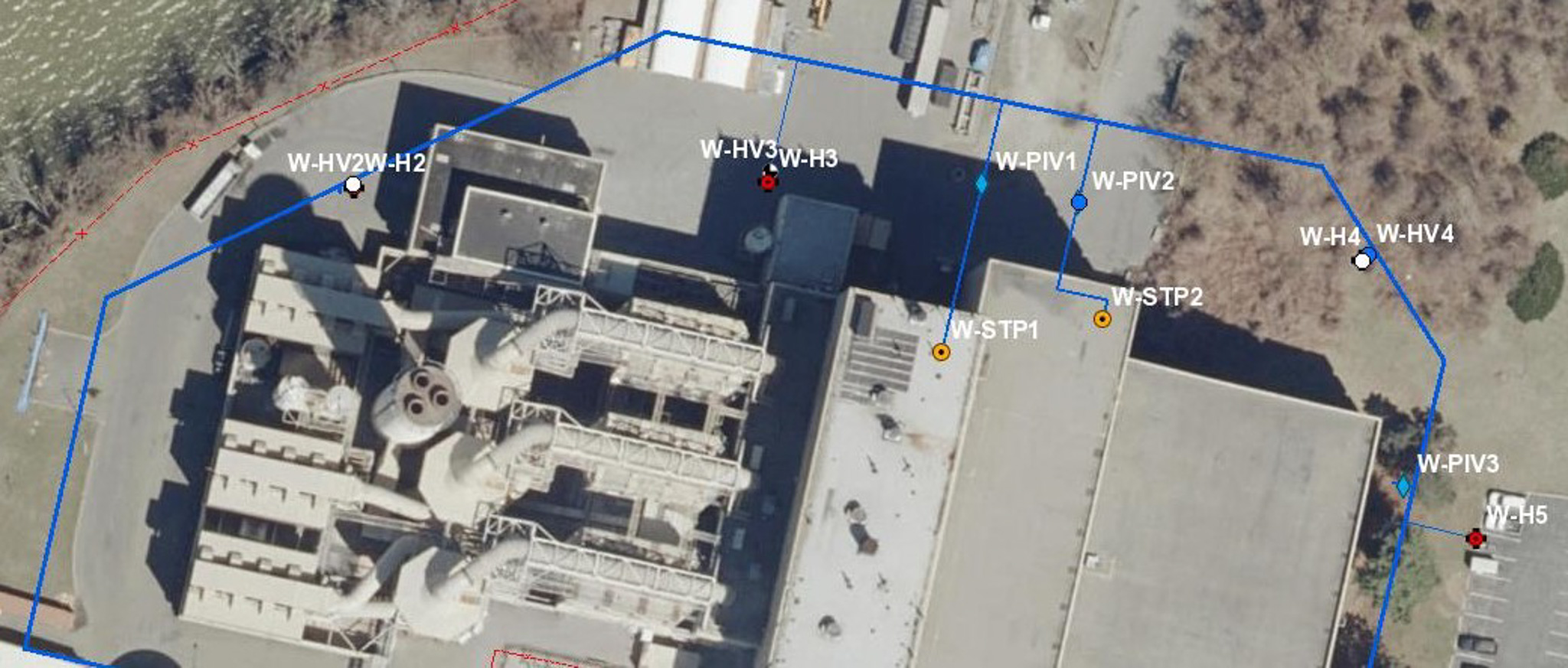
What lenders want to see:
- Clear rationale connecting each sampling location to a specific REC or area of concern
- A site map showing boring locations overlaid with historical features
- Explanation of why certain areas were prioritized over others
When your sampling strategy tells a logical story, underwriters can follow along. When it doesn't, they assume something was missed.
Red Flag #2: Vague or Missing Data Quality Objectives
Data Quality Objectives (DQOs) are the technical foundation of any defensible Phase II ESA. They define what you're testing for, why you're testing for it, and what standards you're comparing results against.
Here's where many reports fall short: they include pages of laboratory data without clearly stating what those numbers mean in context. A soil sample showing 150 mg/kg of lead sounds alarming, until you realize the NJDEP Residential Direct Contact Soil Remediation Standard is 400 mg/kg.
"Lenders don't want to interpret raw data," says one commercial loan officer we've worked with extensively. "They want conclusions backed by clear regulatory benchmarks."
What lenders want to see:
- Explicit identification of applicable regulatory standards (NJDEP, NYSDEC, etc.)
- Clear comparison tables showing results versus standards
- Statement of whether contamination exceeds unrestricted use criteria
Without this framework, your Phase II is just a collection of numbers. With it, you have a decision-making tool.
Red Flag #3: Contamination Without Boundaries
Finding contamination isn't necessarily a deal-killer. Plenty of commercial real estate transactions close on properties with known environmental issues. What kills deals is uncertainty about the extent of that contamination.

When a Phase II identifies petroleum-impacted soil at one location but doesn't include step-out borings to define the plume boundaries, lenders get nervous. Why? Because undefined contamination means undefined liability, and undefined remediation costs.
What lenders want to see:
- Horizontal and vertical delineation of any contamination identified
- Clear statement of whether contamination is "bounded" or requires additional investigation
- Preliminary volume estimates if remediation appears necessary
We've seen transactions close smoothly with significant contamination present, because the Phase II clearly defined the problem and provided enough data to estimate cleanup costs. Conversely, we've seen deals collapse over minor contamination that wasn't properly characterized.
The difference is delineation.
Red Flag #4: Conclusions That Don't Address Risk
Here's where many Phase II reports lose lenders entirely: the conclusions section reads like a technical summary rather than a risk assessment.
A typical weak conclusion might read: "Soil sampling identified petroleum hydrocarbons exceeding residential soil cleanup criteria at boring B-3."
That's a finding, not a conclusion. Lenders need to understand: What does this mean for the transaction? What are the potential costs? What are the options moving forward?
What lenders want to see:
- Clear risk characterization (low, moderate, high) with supporting rationale
- Discussion of potential remediation pathways and order-of-magnitude costs
- Assessment of whether contamination affects the intended use of the property
- Recommendations for next steps (additional investigation, remediation, or closure)
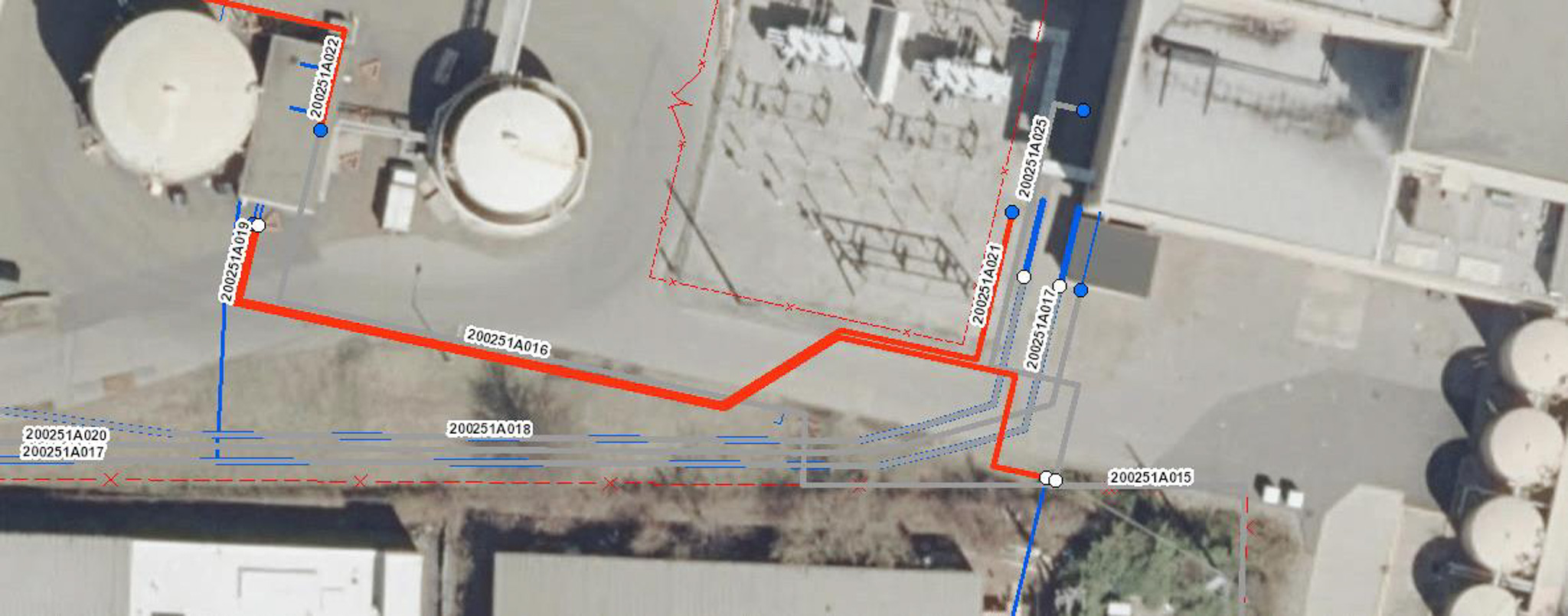
At Envicon Strategic Solutions, we structure our Phase II conclusions around a simple question: Does this property represent an acceptable environmental risk for this transaction? Everything in the conclusions section builds toward answering that question clearly.
Red Flag #5: Documentation Gaps and Chain of Custody Issues
This red flag is the most avoidable, and the most damaging when it appears. Lenders and their environmental risk consultants review Phase II reports looking for signs of professional rigor. Documentation gaps signal the opposite.
Common issues we see in competitor reports:
- Missing or incomplete chain of custody forms
- Laboratory reports from non-accredited labs
- Photographs that don't clearly show sampling locations or conditions
- Field logs with incomplete information about sampling methods
- Inconsistent boring/well identification between text and figures
"Documentation issues make us question everything else in the report," notes a risk manager at a regional bank. "If the basics aren't right, how confident can we be in the conclusions?"
What lenders want to see:
- Complete chain of custody documentation for all samples
- Laboratory certifications for all applicable parameters
- Detailed field logs with sampler identification, methods, and observations
- Professional photographs documenting site conditions and sampling activities
- Consistent nomenclature throughout all report sections and appendices
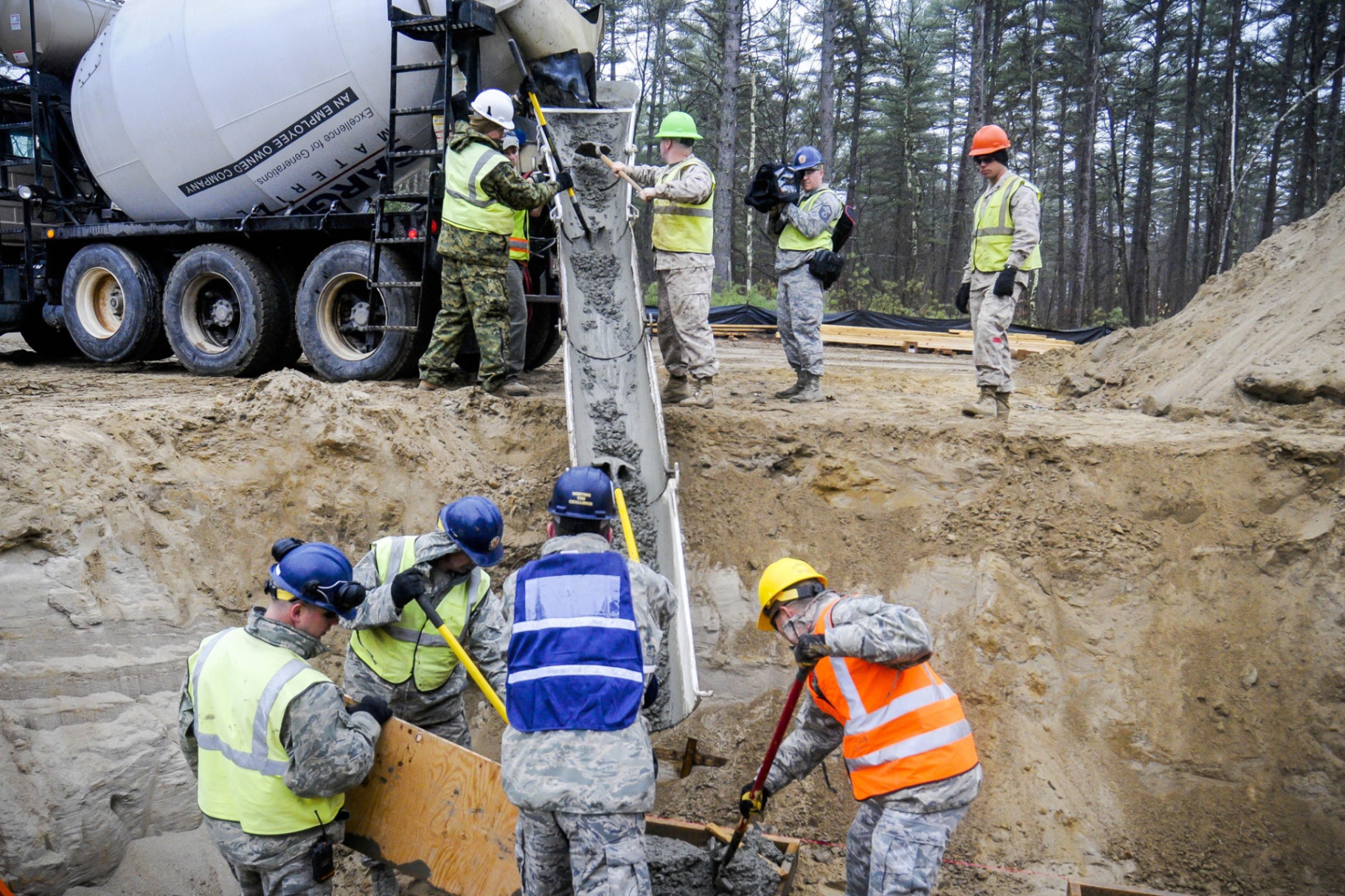
These details might seem administrative, but they're the foundation of a defensible assessment. When documentation is airtight, the entire report carries more weight.
The Lender-Ready Difference
So what separates a Phase II ESA that sails through underwriting from one that triggers weeks of back-and-forth?
It comes down to anticipating the questions lenders will ask, and answering them before they're asked.
At Envicon, our environmental assessment services are built around lender expectations because we've navigated hundreds of commercial real estate transactions across NYC, New Jersey, and the broader Northeast. We know what makes underwriters comfortable and what keeps them up at night.
Our lender-ready approach includes:
- Pre-investigation coordination with your lender's environmental risk team
- Sampling strategies explicitly tied to Phase I findings
- Regulatory framework clearly stated upfront
- Complete delineation of any contamination identified
- Risk-based conclusions with actionable recommendations
- Documentation packages that withstand scrutiny
We also integrate our environmental expertise with civil engineering capabilities, meaning we can speak directly to remediation feasibility, site development constraints, and construction timelines, questions that inevitably arise when contamination is present.
Key Takeaways for Your Next Transaction
Before you submit your next Phase II ESA with a loan application, run through this quick checklist:
- Sampling rationale is clear: Every boring location connects to a specific concern from the Phase I
- Regulatory standards are stated: Results are compared against applicable criteria with clear pass/fail determinations
- Contamination is bounded: Any impacts identified are delineated horizontally and vertically
- Conclusions address risk: The report answers "what does this mean for the deal?" not just "what did we find?"
- Documentation is complete: Chain of custody, lab certs, field logs, and photos are all present and consistent
Get these five elements right, and your Phase II becomes an asset in your loan application rather than an obstacle. Get them wrong, and you're looking at delays, additional investigation costs, and potentially a dead deal.
Your lender isn't trying to kill your transaction. They just need enough information to say yes. A lender-ready Phase II ESA gives them exactly that.
Ready to discuss your next acquisition? Reach out to our team to ensure your environmental due diligence clears underwriting the first time.
Leave a Reply