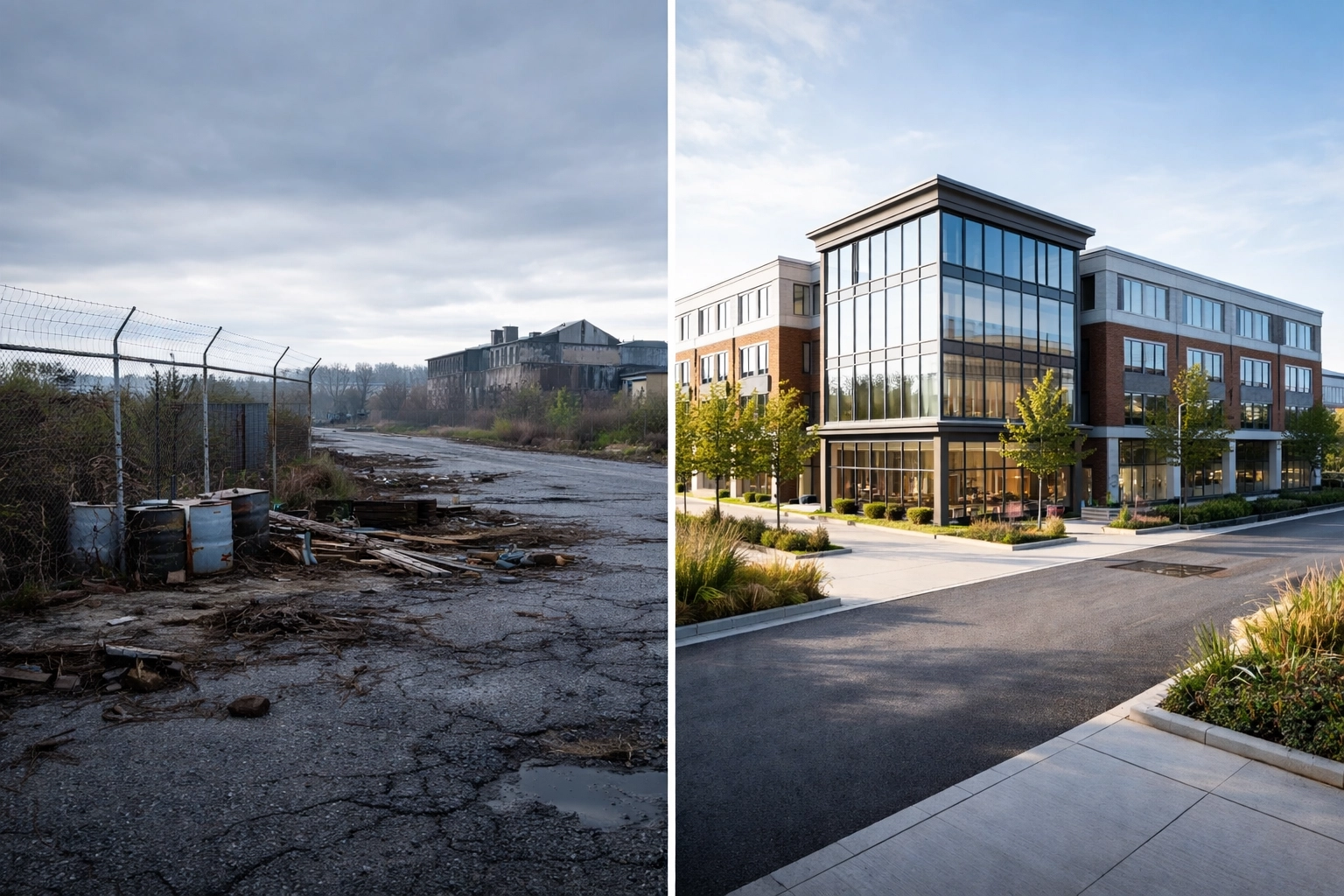
That contaminated parcel everyone else passed on? It might be the most valuable piece of land in your portfolio: if you know how to approach it.
In the competitive real estate markets of NYC and Northern New Jersey, the cleanest sites are long gone. What remains are the former gas stations, dry cleaners, industrial facilities, and manufacturing plants that developers have avoided for decades. But here's the reality: brownfield redevelopment isn't just about environmental cleanup. It's about strategic asset conversion that turns liability into leverage.
The difference between a money pit and a market-ready asset comes down to one thing: your remediation strategy. Get it right, and you unlock value that competitors never see. Get it wrong, and you're burning capital on over-engineered solutions that delay your exit date by years.
Why Smart Developers Are Chasing "Dirty" Sites
The math is straightforward. In markets like Hudson County, the Bronx, or Queens, prime developable land commands premium prices: when you can find it at all. Brownfield sites often trade at significant discounts to their uncontaminated neighbors, creating an arbitrage opportunity for developers who understand the remediation process.
The key insight? Not all contamination is created equal. A site with petroleum impacts from a former heating oil tank requires a fundamentally different approach than one with chlorinated solvents from a dry cleaning operation. Your remediation plan needs to match your contamination profile, your intended use, and your project timeline.
"The optimal brownfield strategy depends on project goals, market context, and risk tolerance. Brownfield sites can offer superior ROI in strong urban markets, especially when incentives and higher property values outweigh remediation costs."
We've seen clients acquire contaminated parcels at 40% below market value, execute targeted remediation, and achieve returns that make clean-site developments look pedestrian by comparison.
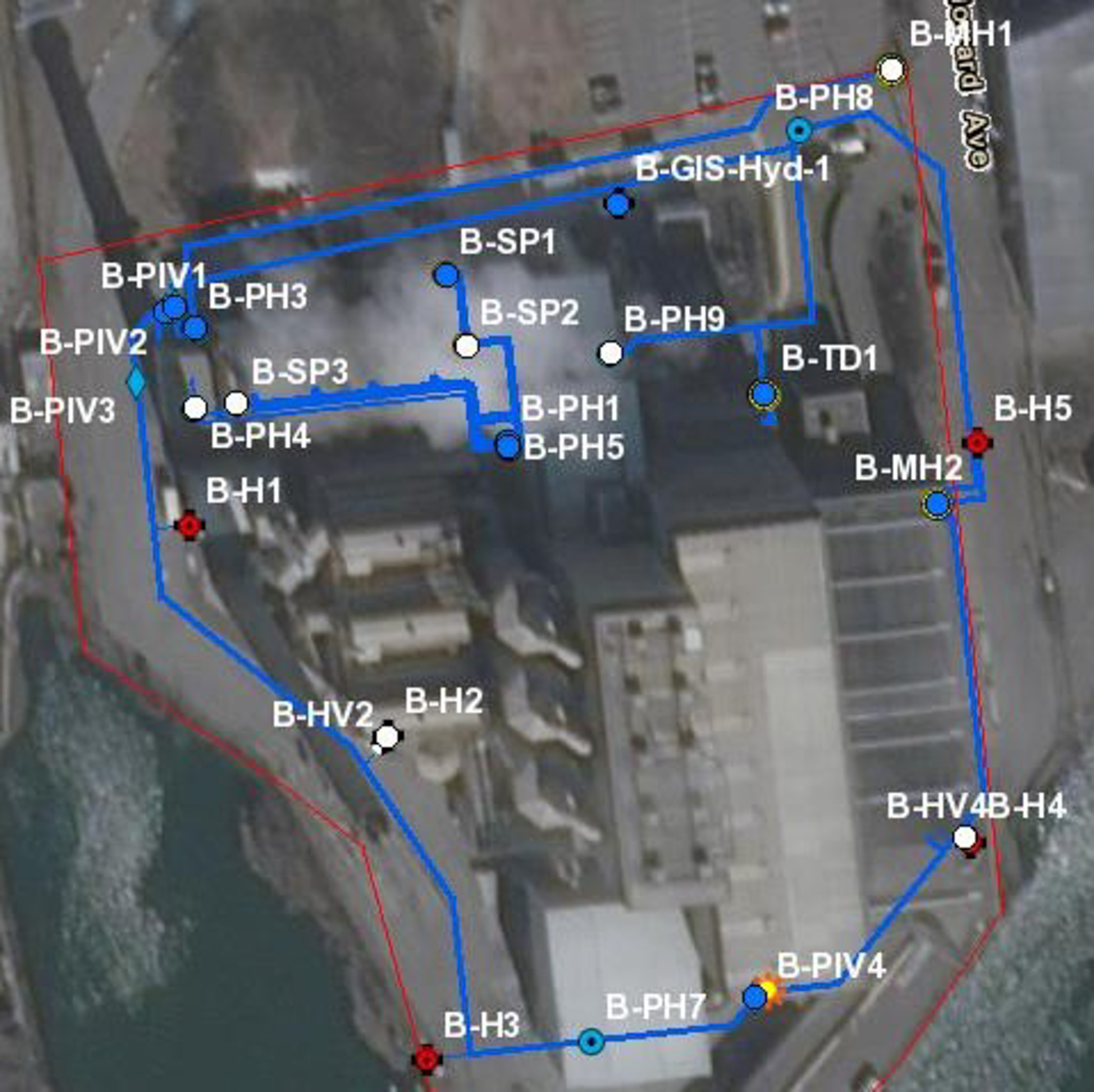
Start With the Investigation: Not the Solution
The biggest mistake we see? Developers who skip straight to remediation without understanding what they're actually dealing with. A robust Phase II Environmental Site Assessment isn't just a regulatory checkbox: it's the foundation of every cost-effective remediation plan.
Strategic soil sampling and groundwater investigation tell you:
- What contaminants are present and at what concentrations
- Where the contamination is located horizontally and vertically
- How it's moving through soil and groundwater
- What the source was and whether it's been removed
- What regulatory standards apply based on your intended use
This last point is critical. Residential redevelopment triggers different cleanup standards than commercial or industrial use. A site that requires $2 million in remediation for a residential project might only need $400,000 in work for a commercial development. Your investigation needs to inform your land use strategy, not the other way around.
Choosing the Right Remediation Approach
Once you understand your contamination profile, you can select remediation techniques that balance effectiveness, cost, and timeline. The goal isn't necessarily to remove every molecule of contamination: it's to reduce risk to acceptable levels for your intended use while protecting human health and the environment.
Excavation and Disposal
The most straightforward approach: dig it up and haul it away. Excavation works best for localized contamination: think underground storage tanks or small spill areas. It's fast and provides regulatory certainty, but costs escalate quickly for larger volumes or deeper contamination. In the NYC metro area, disposal fees alone can run $150-300 per ton depending on contaminant type.
Capping and Engineering Controls
Sometimes the smartest move isn't removal: it's isolation. Installing clean soil caps, vapor barriers, or hardscape covers can effectively manage contamination at a fraction of excavation costs. This approach works particularly well when you're developing the site anyway. That parking structure or building slab? It doubles as a containment system.
In-Situ Treatment
Chemical oxidation, bioremediation, and other in-place treatments can address contamination without the disruption and expense of excavation. These technologies are especially valuable for groundwater contamination or sites where excavation would destabilize neighboring structures. The tradeoff: treatment timelines often extend 12-24 months or longer.
Monitored Natural Attenuation
For certain contaminants, natural processes like biodegradation can reduce concentrations over time. This approach requires patience and ongoing monitoring but can be highly cost-effective for sites where you have timeline flexibility.
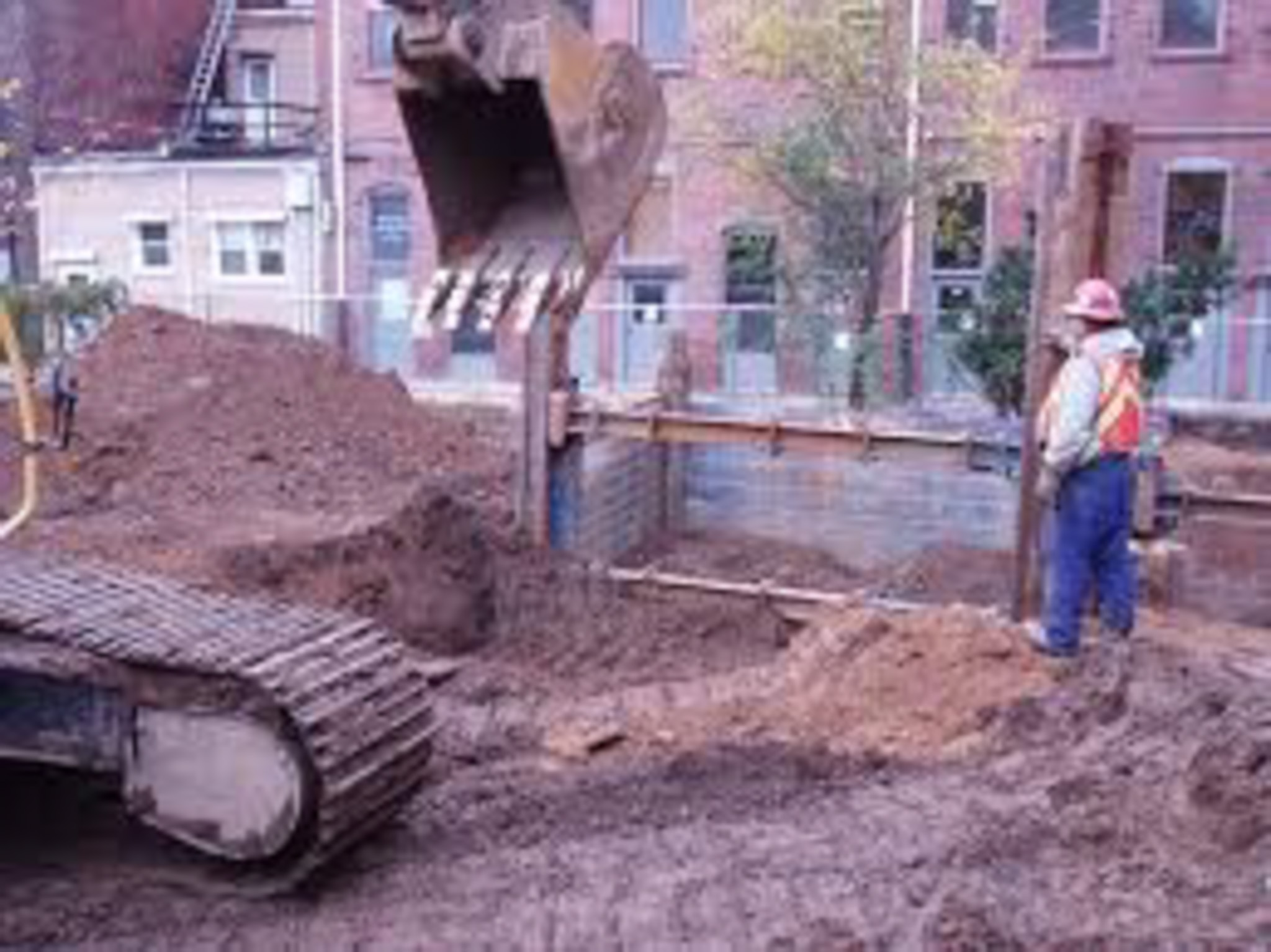
The LSRP Advantage in New Jersey
If your brownfield sits in New Jersey, you're operating under the Licensed Site Remediation Professional (LSRP) program. This matters for your bottom line.
The LSRP program allows qualified professionals to oversee remediation without direct NJDEP case management, dramatically accelerating timelines. Projects that once took 5-7 years under the old system now routinely close in 18-36 months. For developers, that timeline compression translates directly to faster returns.
But here's what separates good LSRPs from great ones: strategic remediation design. The regulations allow flexibility in how you achieve compliance. An LSRP who understands your development goals can design remediation that integrates with your construction schedule, uses your building as an engineering control, and phases work to match your capital deployment.
Financial Levers That Maximize ROI
Smart brownfield developers don't just manage remediation costs: they actively leverage financial incentives that can transform project economics.
State Brownfield Programs
Both New York and New Jersey offer substantial incentives for brownfield redevelopment. New Jersey's Brownfield Tax Credit can reimburse up to 75% of eligible remediation costs. New York's Brownfield Cleanup Program provides tax credits tied to site preparation costs and tangible property investments. These aren't minor subsidies: we've seen projects where incentives covered the entire remediation budget with room to spare.
Environmental Insurance
Pollution legal liability policies can cap your exposure, satisfy lender requirements, and provide comfort to future buyers or tenants. For sites with residual contamination or ongoing institutional controls, insurance often makes the difference between a financeable project and one that stalls.
Strategic Land Use Decisions
Remember: cleanup standards vary by use. Sometimes the highest ROI comes from adjusting your development plan to match the site's contamination profile rather than forcing expensive remediation to enable a predetermined use.
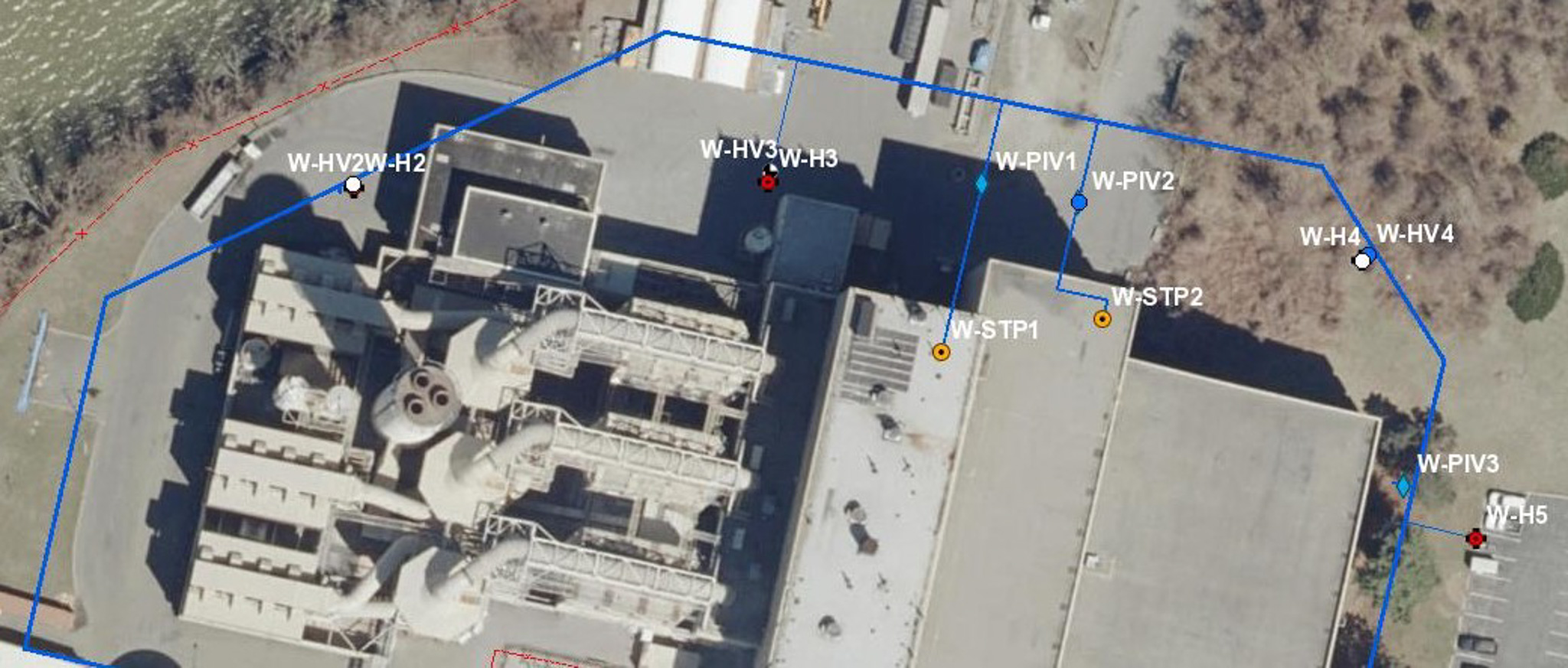
Integrating Remediation With Development
The most cost-effective brownfield projects treat remediation and development as a single integrated process: not sequential activities. This requires coordination between your environmental consultant, civil engineer, and construction team from day one.
Design decisions that reduce remediation costs:
- Locating building footprints to avoid the most contaminated areas
- Using foundation systems that don't penetrate into impacted zones
- Incorporating vapor mitigation into standard building envelope design
- Timing excavation to coincide with basement or underground parking construction
- Using clean fill requirements as an opportunity to improve site grades
At Envicon, our integrated approach to civil and environmental engineering means these decisions happen at the design table, not as expensive change orders during construction.
The Path Forward
Brownfield redevelopment isn't for the faint of heart, but for developers who approach it strategically, contaminated sites offer opportunities that clean parcels simply can't match. The formula is straightforward:
- Investigate thoroughly before you commit capital
- Match your remediation strategy to your contamination profile and intended use
- Leverage every available incentive to offset costs
- Integrate remediation with development to eliminate redundant work
- Engage experienced advisors who understand both the technical and financial dimensions
The developers who master this process aren't just cleaning up contaminated sites: they're creating market-ready assets while their competitors fight over the scraps of clean land that remain.
That abandoned industrial parcel everyone else walked away from? With the right strategy, it's not a liability. It's your competitive advantage.
Leave a Reply