
Here's a scenario we see all the time: A developer closes on a promising site in Jersey City. They hire an environmental consultant to handle the Phase I and Phase II ESAs. Separately, they bring on a civil engineer to start site planning. Both teams work in their own lanes, barely talking to each other.
Six months later, the civil plans are 60% complete when the environmental team discovers contaminated soil that requires excavation: directly beneath the planned foundation footprint. Now the civil drawings need to be scrapped and redesigned. The remediation scope just tripled. And the project timeline? Add another four months.
The cost of this disconnect? Easily $100,000 or more. And it happens more often than you'd think.
There's a better way.
The Problem with the Traditional Approach
For decades, the development industry has treated environmental and civil engineering as separate disciplines. You hire one firm to handle your environmental assessments and remediation. You hire another to do your site grading, stormwater management, and civil design. They submit their deliverables independently, and you hope everything aligns.
But hope isn't a strategy.
When these disciplines operate in silos, critical information gets lost in translation. Environmental consultants identify contamination but don't understand how it impacts foundation design. Civil engineers design beautiful site plans without knowing there's a plume of chlorinated solvents sitting right where they want to put the parking garage.
The result? Change orders. Delays. Regulatory headaches. And budgets that balloon out of control.
What "Integrated" Actually Means
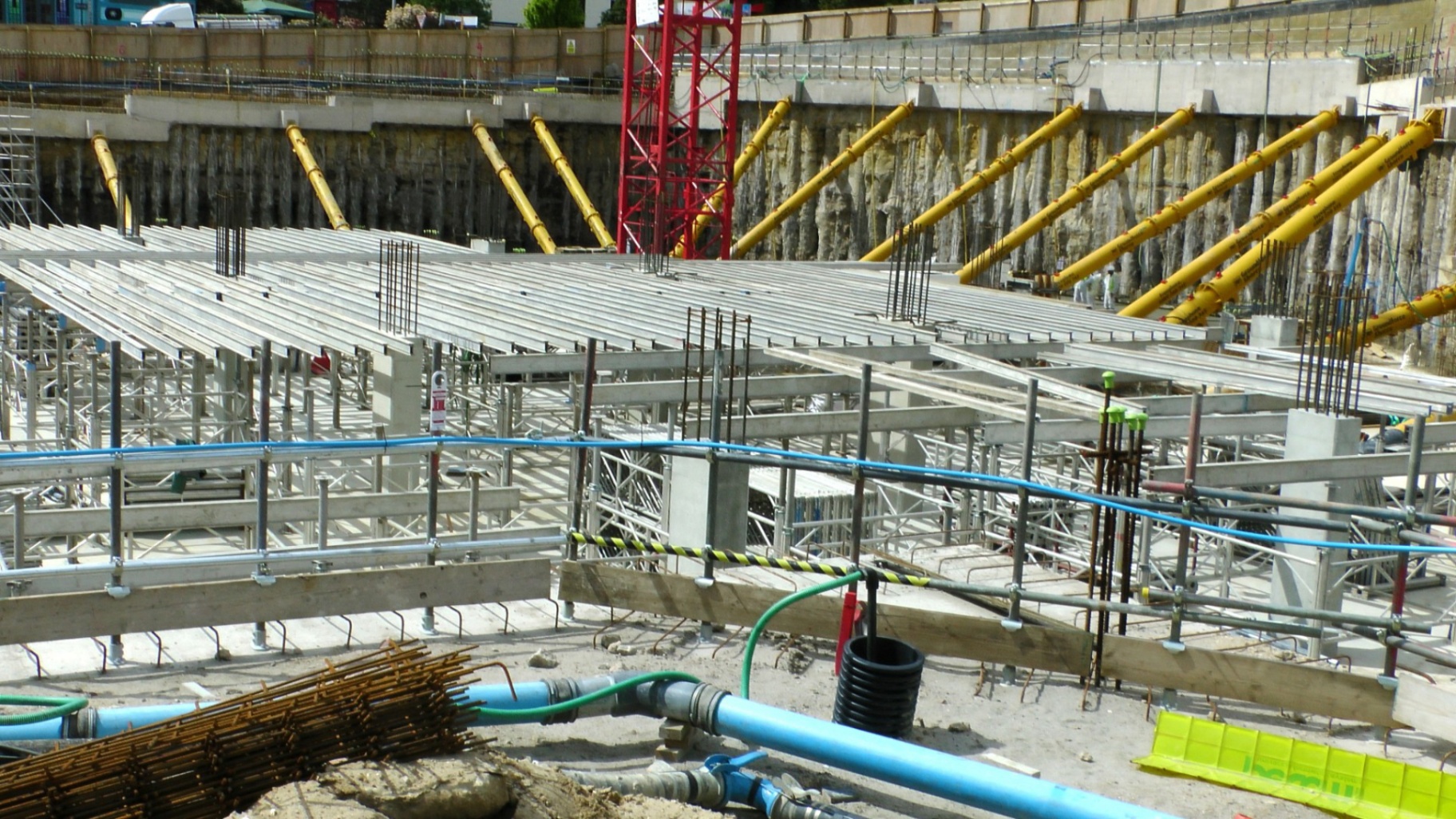
When we talk about integrated civil and environmental engineering, we're not just talking about having both services under one roof. We're talking about a fundamentally different approach to site development: one where environmental considerations inform civil design from day one, and civil engineering objectives shape the remediation strategy.
At Envicon, our environmental scientists and civil engineers work together on every project. When we conduct a Phase II ESA, we're not just looking at contamination in a vacuum. We're thinking about:
- Where is the proposed building footprint?
- What excavation is already planned for foundations or utilities?
- Can we design the site layout to minimize contact with impacted soils?
- How can we turn required remediation into a value-engineering opportunity?
This isn't rocket science. It's just smart project management. But you'd be surprised how rarely it happens.
Five Ways Integration Saves Real Money
Let's get specific. Here are the tangible ways an integrated approach puts money back in your pocket:
1. Remediation Becomes Part of Construction: Not a Separate Phase
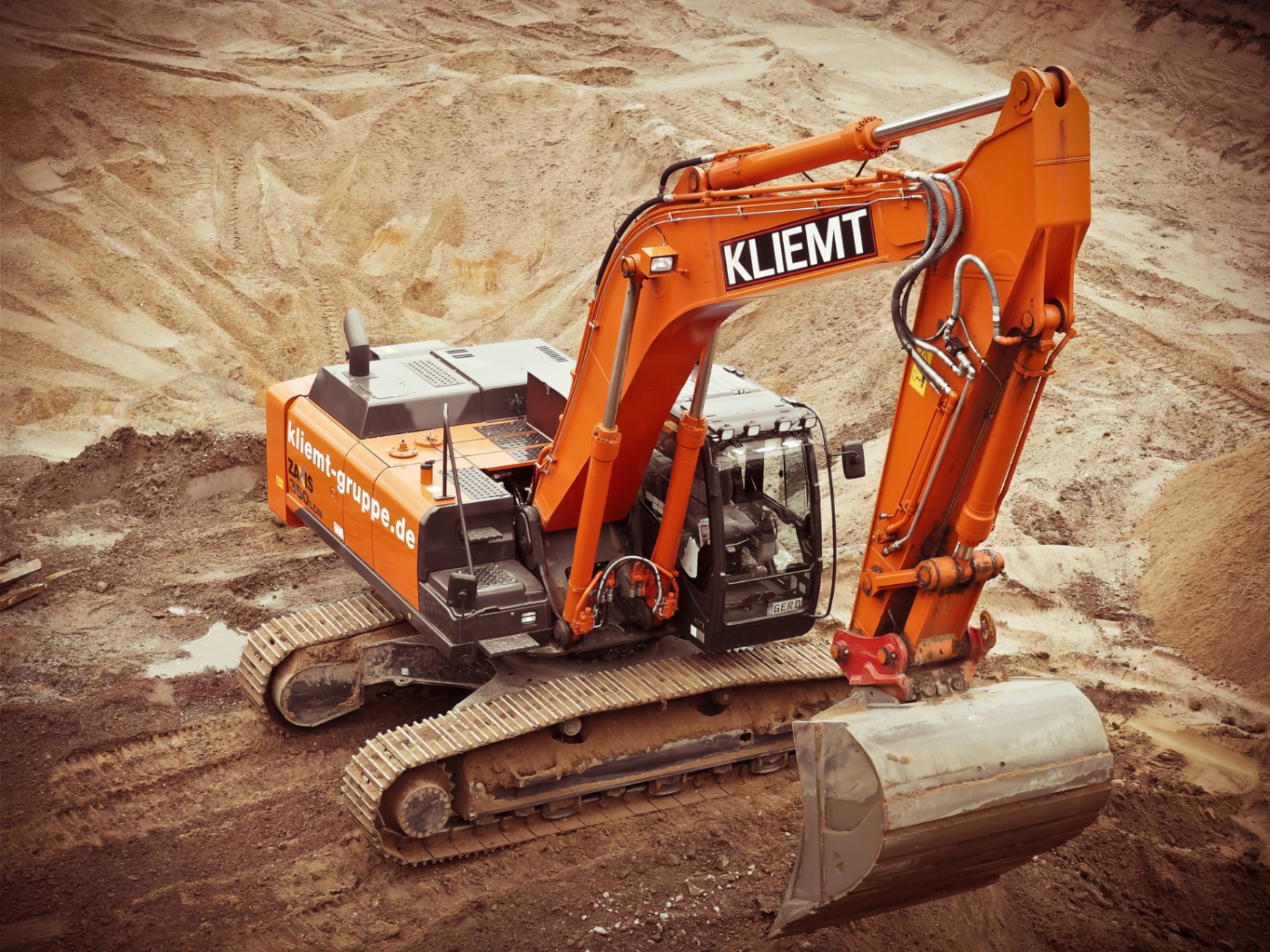
When environmental and civil teams coordinate early, contaminated soil removal can often be incorporated into planned excavation activities. Instead of paying for remediation as a standalone project, you're removing impacted material that was coming out anyway for foundations or utilities.
We've seen this single strategy save clients anywhere from $50,000 to $200,000 on mid-sized urban redevelopment projects.
2. Site Plans Get Optimized Around Environmental Realities
Imagine your Phase II reveals petroleum contamination concentrated in the northeast corner of your site. A siloed approach would remediate the entire area and then hand off to civil. An integrated approach asks: Can we shift the building footprint 20 feet south and put a surface parking lot over the impacted area instead?
That kind of creative problem-solving maximizes developable area while minimizing remediation costs. The result is better density, lower infrastructure costs, and a higher return on investment.
3. Regulatory Approvals Move Faster
Here's something developers don't always realize: regulatory agencies like the NJDEP and NYC OER respond well to coordinated submittals. When your remedial action workplan clearly demonstrates how it integrates with your civil site plan, you're showing the regulators that you've thought this through. That credibility translates to faster approvals and fewer rounds of comments.
Time is money. Every month of delay on a development project costs you carrying costs, lost rental income, and opportunity cost. Shaving even 60 days off your approval timeline can be worth six figures.
4. Change Orders Get Eliminated at the Source
The most expensive words in construction are "we didn't know." When your environmental and civil teams are working from the same playbook, surprises become rare. Subsurface conditions are understood before design is finalized. Regulatory requirements are baked into the plans from the start.
No surprises means no change orders. And that's where the real savings compound.
5. Long-Term Liability Gets Designed Out
Smart integrated design doesn't just save money during construction: it reduces your exposure for decades. Engineering controls like vapor barriers, cap systems, and institutional controls can be designed to work with your building systems rather than against them.
Green infrastructure elements like bioswales and permeable pavement can manage stormwater while also serving as part of your site's environmental controls. The result is lower long-term maintenance costs and cleaner liability profiles when it's time to refinance or sell.
A Real-World Example: Value Engineering in Action
One of our recent projects in the Bronx illustrates this approach perfectly. The client acquired a former industrial property with known soil contamination. The traditional path would have been a full excavation and off-site disposal: a remediation bill north of $400,000.
Instead, our team looked at the project holistically. The proposed building required significant excavation for a below-grade parking level. By coordinating the remediation with the civil excavation plan, we were able to remove the majority of impacted soils as part of standard construction activities.
For the remaining contamination outside the building footprint, we designed an engineered cap system that doubled as the base for the site's landscaped areas. The client got a clean closure letter from the state, a functional site design, and a remediation cost that came in under $180,000.
That's $220,000 back in the project budget. That's the power of integration.
Why This Matters More Than Ever in 2026
The regulatory landscape is getting more complex, not less. New York's evolving E-Designation requirements, New Jersey's updated Part 375 soil standards, and the ongoing expansion of PFAS regulations all demand a more sophisticated approach to site development.
Developers who continue to treat environmental and civil as separate line items are going to find themselves at a competitive disadvantage. Those who embrace integration will move faster, spend less, and close more deals.
"Geochemical engineering and environmental planning at the design stage can greatly reduce the cost and duration of short- and long-term water treatment and management and avoid the need for extremely costly remediation works."
That's not just theory: it's what we see play out on project after project.
The Bottom Line
Integrated civil and environmental engineering isn't a luxury. It's a competitive advantage that translates directly to your bottom line.
When your environmental consultants and civil engineers work as one team, you eliminate the costly disconnects that plague traditional projects. You turn regulatory challenges into design opportunities. And you deliver projects faster, cleaner, and more profitably.
At Envicon, this integration is built into everything we do. Our environmental assessment and civil engineering services work hand-in-hand from feasibility through construction. It's not an add-on: it's how we operate.
If you're acquiring a site with known or suspected environmental issues, or if you're tired of watching budgets evaporate to change orders and delays, let's talk. There's almost certainly $100,000 sitting in your next project( you just need the right team to find it.)
Leave a Reply