
Let's start with what nobody wants to hear: there is no secret pathway to bypass New Jersey's Brownfield Redevelopment Incentive Program (BRIP) approval timeline. The NJEDA Board review takes six months to a year, minimum. Add the two-week Governor's veto period, and you're looking at substantial calendar time regardless of who you hire or how connected you think you are.
But here's where most developers get it wrong. They focus on the approval timeline when the real delays happen before they ever submit an application. The firms winning BRIP awards in 2026 aren't faster because they've cracked some regulatory code. They're faster because they understand that brownfield tax credit approval is an integrated problem, not just a paperwork exercise.
Why the Timeline Exists (And Why You Can't Skip It)
BRIP is a competitive program, not a first-come-first-served entitlement. Every application gets ranked against pre-established criteria: economic feasibility, community benefit, job creation potential, board diversity considerations, and environmental remediation scope. The NJEDA reviews dozens of applications per cycle, and yours is competing for limited funding against projects throughout the state.
That evaluation process is baked into the statute. You can't expedite it any more than you can expedite a court trial. What you can control is ensuring your application ranks high enough to win funding and doesn't trigger additional review cycles due to incomplete documentation or environmental uncertainties.
Where the Real Delays Happen
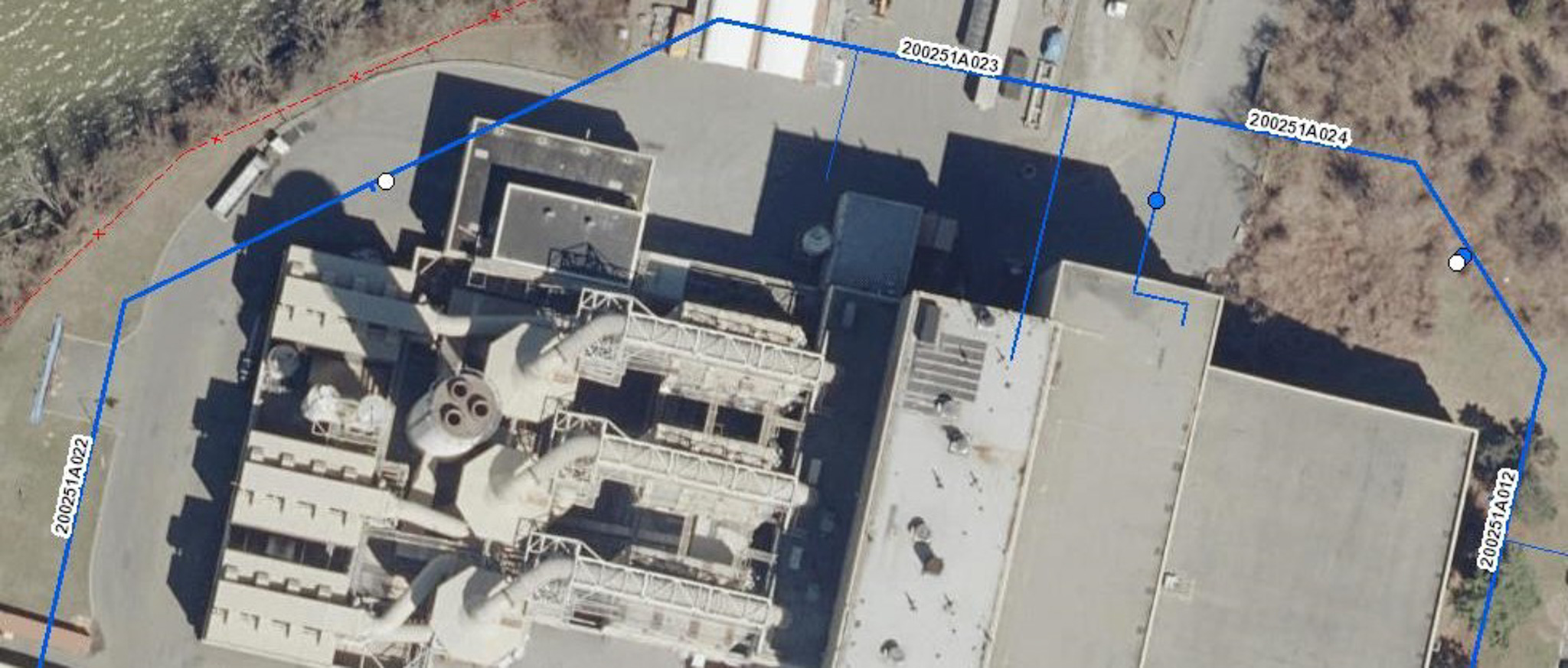
Most BRIP applications fail not during NJDEP review but during the pre-application phase. Here's where projects stall:
- Incomplete environmental characterization – Submitting a Phase I ESA without understanding the full remediation scope means your cost estimates are guesses. NJEDA will catch this.
- Missing NJDEP coordination – If you don't have a clear pathway to a Remedial Action Outcome (RAO) or No Further Action Letter, your application raises red flags about project viability.
- Civil engineering disconnects – Proposing a redevelopment plan that doesn't account for site grading, stormwater management, and utility relocation means your budget and timeline are fiction.
- Incomplete municipal support – The letter of support from the local governing body isn't ceremonial. If the municipality hasn't bought into your vision, expect delays or rejection.
The pattern across these failures? Treating environmental remediation, civil engineering, and financial structuring as separate workstreams instead of a unified strategy.
The Integrated Approach: Why It Actually Accelerates Approval
We've worked on BRIP applications where the developer hired an environmental consultant, a civil engineer, a land use attorney, and a financial advisor: all operating independently. By the time they assembled the application, the environmental scope had changed, the civil plans didn't match the remediation strategy, and the financial pro forma was based on outdated assumptions.
That's not a recipe for fast approval. That's a recipe for resubmission.
The firms getting approvals in under a year approach BRIP applications differently:
They start with the end in mind. Before spending a dollar on Phase II ESAs or remedial investigations, they map out the entire approval pathway: NJDEP remediation requirements, municipal planning board approvals, infrastructure upgrades, and BRIP application timing. This isn't theoretical planning: it's sequencing activities so each phase informs the next without backtracking.
They integrate environmental and civil from day one. Your remedial action workplan should inform your site grading plan. Your stormwater management design should account for soil disturbance during remediation. These aren't separate projects happening on the same site: they're interconnected decisions that affect cost, timeline, and regulatory approval.
They front-load NJDEP coordination. NJDEP's RAO guidance for contaminated sites is explicit about documentation requirements, but it's less explicit about how to navigate the review process efficiently. The difference between a streamlined remediation and one that drags out for years often comes down to early coordination with the assigned Case Manager and clear communication about your remediation strategy.
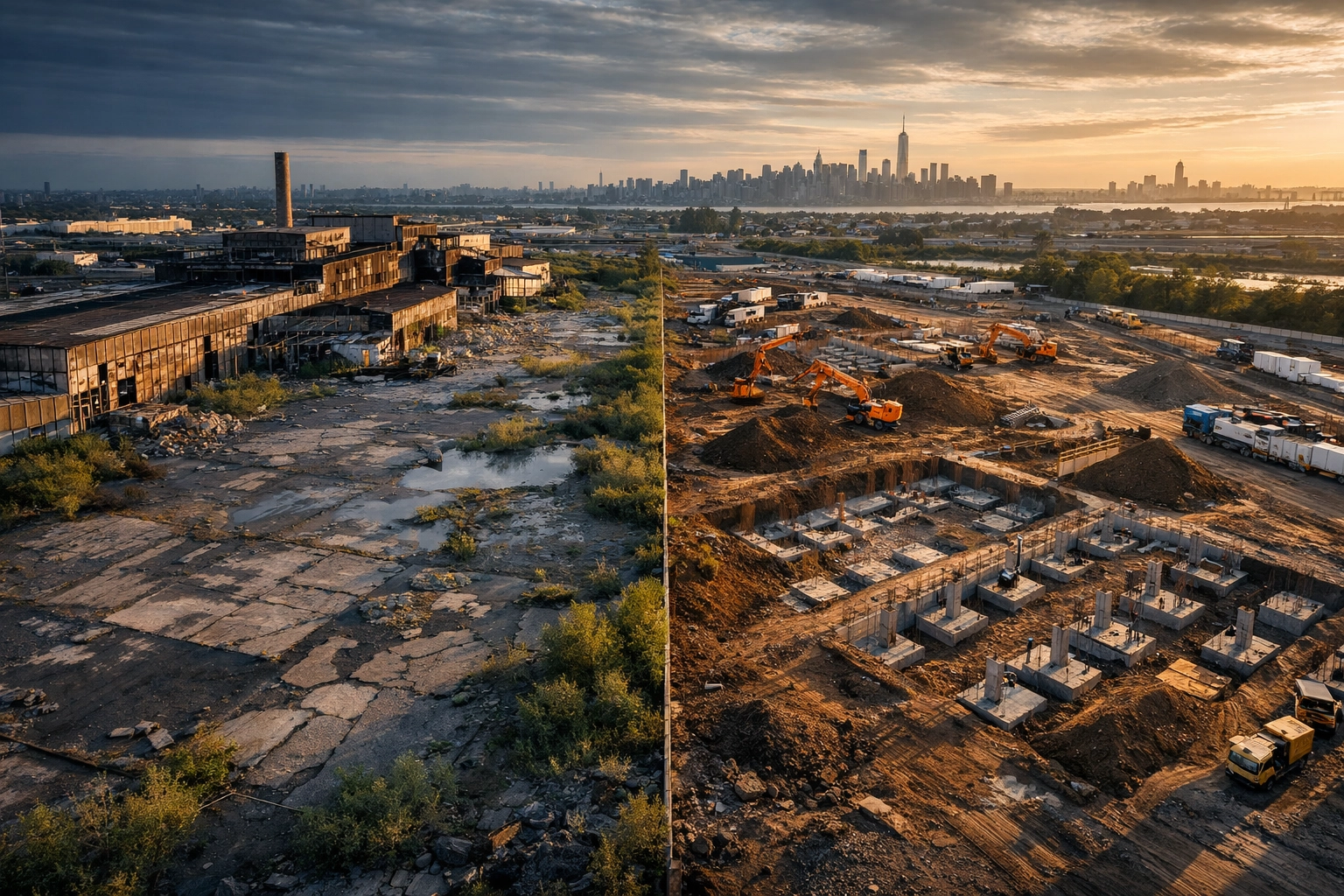
Step-by-Step: Positioning Your Application for Fast-Track Approval
Month 1-2: Integrated Site Assessment
Don't just order a Phase I ESA. Coordinate a comprehensive site evaluation that includes environmental conditions, geotechnical characteristics, existing utilities, and civil infrastructure constraints. This integrated assessment should answer:
- What contaminants are present and at what concentrations?
- What remediation pathway will NJDEP require (Remedial Investigation/Remedial Action, or a streamlined approach)?
- What site conditions will affect grading, foundation design, and stormwater management?
- What off-site infrastructure improvements will the municipality require?
Month 3-4: Remediation Strategy & RAO Pathway
Work with your LSRP to develop a remediation strategy that aligns with your redevelopment timeline and budget. This is where NJDEP RAO guidance becomes critical. The pathway to a No Further Action Letter or Response Action Outcome varies significantly based on contaminant type, site use, and remediation approach.
For BRIP applications, you need documentation showing:
- A Licensed Site Remediation Professional (LSRP) has been retained
- A clear scope of remedial work (and cost estimate)
- A realistic timeline to achieve an RAO
- Any deed notices or engineering controls that will be required
This documentation directly strengthens your BRIP application by demonstrating that environmental risks are quantified and manageable.
Month 5-6: Civil Engineering Integration
Your civil engineering plans should be developed in parallel with: not after: environmental remediation planning. This includes:
- Site grading and drainage design that accounts for soil disturbance during remediation
- Utility relocation or upgrades coordinated with remedial excavation work
- Stormwater management systems designed for post-remediation conditions
- Construction sequencing that minimizes disruption and cost
This integration is where Envicon's dual expertise in environmental and civil engineering creates tangible value. We're not coordinating between separate consultants: we're designing the remediation and civil work as a single, optimized scope.
Month 7-8: Financial Structuring & Application Assembly
With environmental and civil scopes locked in, your financial pro forma becomes reliable. You can now prepare:
- Accurate remediation cost estimates (not placeholder numbers)
- Civil infrastructure costs based on actual site conditions
- Project timeline that reflects real-world sequencing
- Tax credit calculations based on eligible costs
Assemble your BRIP application with all required documentation: tax clearance certificate, property appraisal, letter of municipal support, and environmental oversight agreements. Review everything twice. No changes are permitted after submission.
Month 9+: NJEDA Review & Approval
At this point, you've done everything possible to position your application for approval. The NJEDA review process will take its course, but you've eliminated the common reasons for rejection or requests for additional information:
- Your environmental scope is clearly defined and supported by an LSRP
- Your civil engineering plans are realistic and coordinated with remediation work
- Your financial projections are based on actual site conditions, not assumptions
- Your municipal support is documented and genuine
The ROI of Getting It Right
The difference between a successful BRIP application and one that gets rejected or delayed isn't luck. It's preparation. Developers who treat brownfield redevelopment as an integrated challenge: environmental, civil, financial, and regulatory: consistently outperform those who approach it as a series of disconnected tasks.
The tax credit can cover up to 75% of eligible remediation costs for projects in qualifying municipalities. For a typical brownfield redevelopment with $2-3 million in environmental remediation costs, that's $1.5-2.25 million in credits. The ROI on getting your application right the first time is substantial.
More importantly, projects that navigate BRIP efficiently also navigate the entire redevelopment process more efficiently. Early coordination between environmental and civil teams means fewer change orders during construction. Clear NJDEP pathways mean fewer surprises during remediation. Strong municipal relationships mean smoother planning board approvals.
What This Means for Your Next Brownfield Project
If you're evaluating a brownfield acquisition or planning a BRIP application for the next funding cycle, the fastest path forward isn't about shortcuts: it's about smart sequencing and integrated execution.
Start by understanding the full scope of your environmental obligations under NJDEP RAO guidance. Don't wait until you've purchased the property to figure out that your remediation costs are double what you modeled. Engage an LSRP early and coordinate environmental assessment with civil engineering evaluation from day one.
The firms dominating brownfield redevelopment in New Jersey aren't doing anything magical. They're simply refusing to treat environmental remediation and site development as separate projects. At Envicon Strategic Solutions, that integrated approach isn't a selling point: it's how we've always operated.
Need to accelerate your brownfield tax credit approval? The timeline to the next BRIP application window is shorter than you think. Contact our team to discuss how integrated environmental and civil engineering can position your project for funding in 2026.![[FOOTER] Envicon Strategic Solutions](https://cdn.marblism.com/iL_cQAc3jVV.webp)
Leave a Reply