You've done your homework. You hired an environmental consultant, commissioned a Phase I ESA, maybe even sprung for a Phase II. The report lands on your desk: thick, official-looking, full of boilerplate language about "recognized environmental conditions" and "standard practice." You breathe a sigh of relief and move forward.
Then, six months into construction, you hit contamination that wasn't supposed to be there. Or your lender gets cold feet over a detail buried on page 47. Or worse: you're staring down a regulatory notice that could freeze your project for months.
Here's the uncomfortable truth: most environmental due diligence is designed to check boxes, not to actually protect your investment. The standard consultant playbook focuses on compliance and liability transfer, not on the hard questions that determine whether your deal succeeds or implodes.
After working with property investors across New York and New Jersey for years, we've seen the same blind spots show up again and again. So let's talk about the three questions your consultant should be asking during every environmental audit: but probably isn't.
Question 1: "What's the Exit Strategy for This Property in 5-10 Years?"
Most environmental consultants treat due diligence as a snapshot in time. They assess the property as it exists today, for its current intended use. That's fine if you plan to hold the asset forever and never refinance, sell, or reposition it.
But if you're like most investors, you're thinking about exit multiples, refinancing opportunities, or eventually flipping to an institutional buyer. And here's what nobody tells you: environmental liability is a moving target.
What qualifies as "clean enough" for an industrial warehouse conversion today might not fly when you try to sell to a REIT in 2031. Regulatory standards change. Lender appetites shift. The discovery of PFAS contamination that was considered a non-issue three years ago? Now it's a deal-breaker for certain buyers.
A smart environmental consultant should be asking you about your exit timeline and likely buyer profile from day one. They should be stress-testing the property against not just today's regulatory standards, but the trajectory of where regulations are heading.
Why it matters: We've worked with developers who completed successful remediations under 2023 NJDEP standards, only to discover that their 2026 refinancing required additional investigation because institutional lenders had updated their environmental risk matrices. That's not a consultant problem: that's a strategic planning failure.
The questions your consultant should be asking:
- What type of buyer or lender will you approach at exit?
- Are you planning any use changes that could trigger regulatory review?
- What regulatory changes are pending that could impact this property class?
- Should we be documenting conditions that exceed minimum compliance today?
Question 2: "What Happens When We Actually Start Moving Dirt?"
Here's a dirty secret about Phase I and Phase II ESAs: they're great at identifying what's in the ground. They're terrible at telling you what happens when you try to get it out.
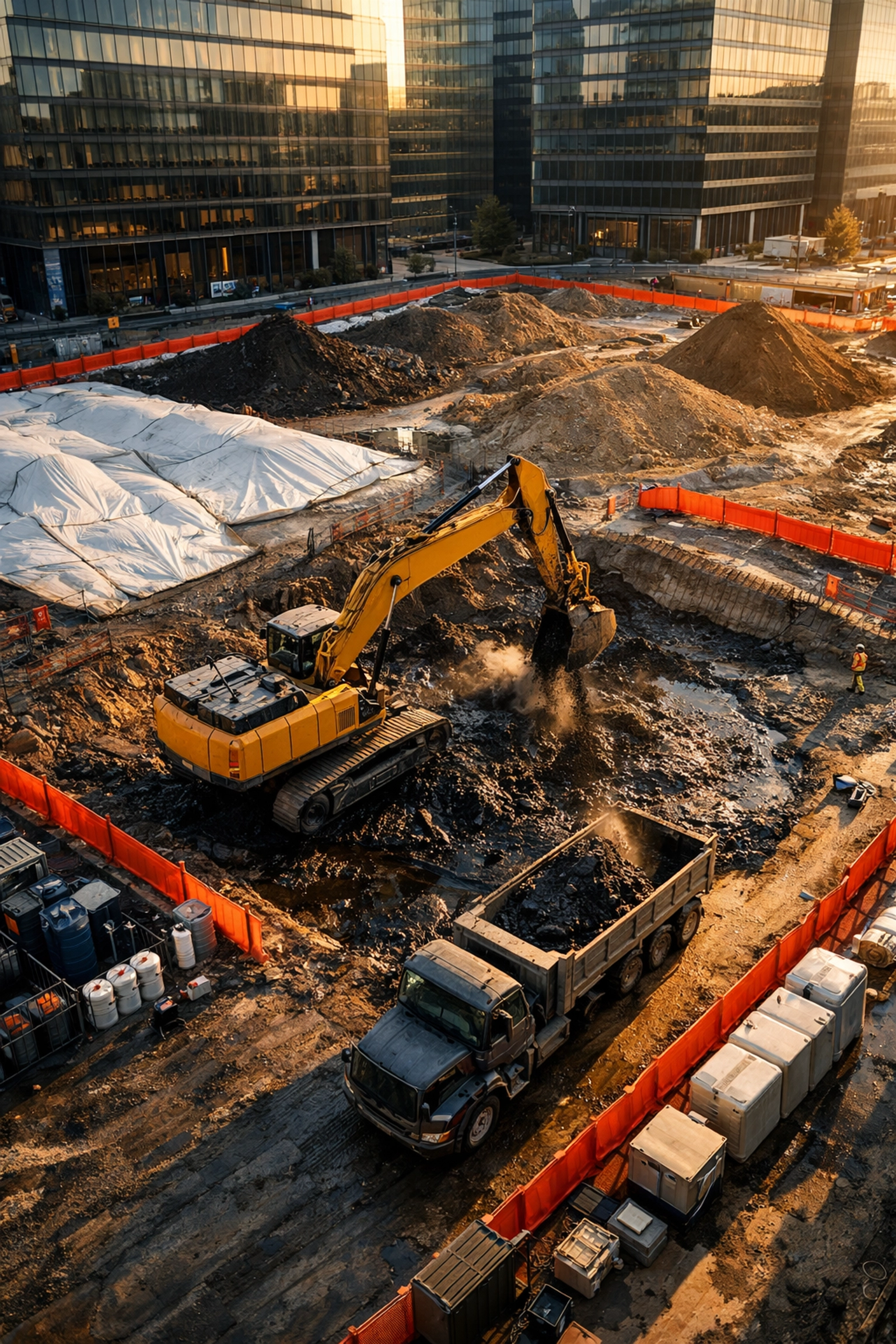
Your Phase II might confirm petroleum impacts in shallow soil. Check. You budget for excavation and disposal. But did your consultant ask about:
- Logistics and staging? Is there enough space on-site to stockpile and test soil before trucking it off? Or will you be paying premium rates for daily hauling?
- Water table depth? That petroleum may be above the water table now, but what happens when you dig down for your foundation and hit groundwater? Now you've got a dewatering operation and potential groundwater treatment costs nobody budgeted for.
- Soil classification complexity? Not all contaminated soil goes to the same landfill at the same price. Some loads might be hazardous, some non-hazardous, some can be treated on-site. Did anyone actually model the cost scenarios?
The gap between "we found contamination" and "here's exactly how we'll remove it and what it will cost" is where budgets go to die.
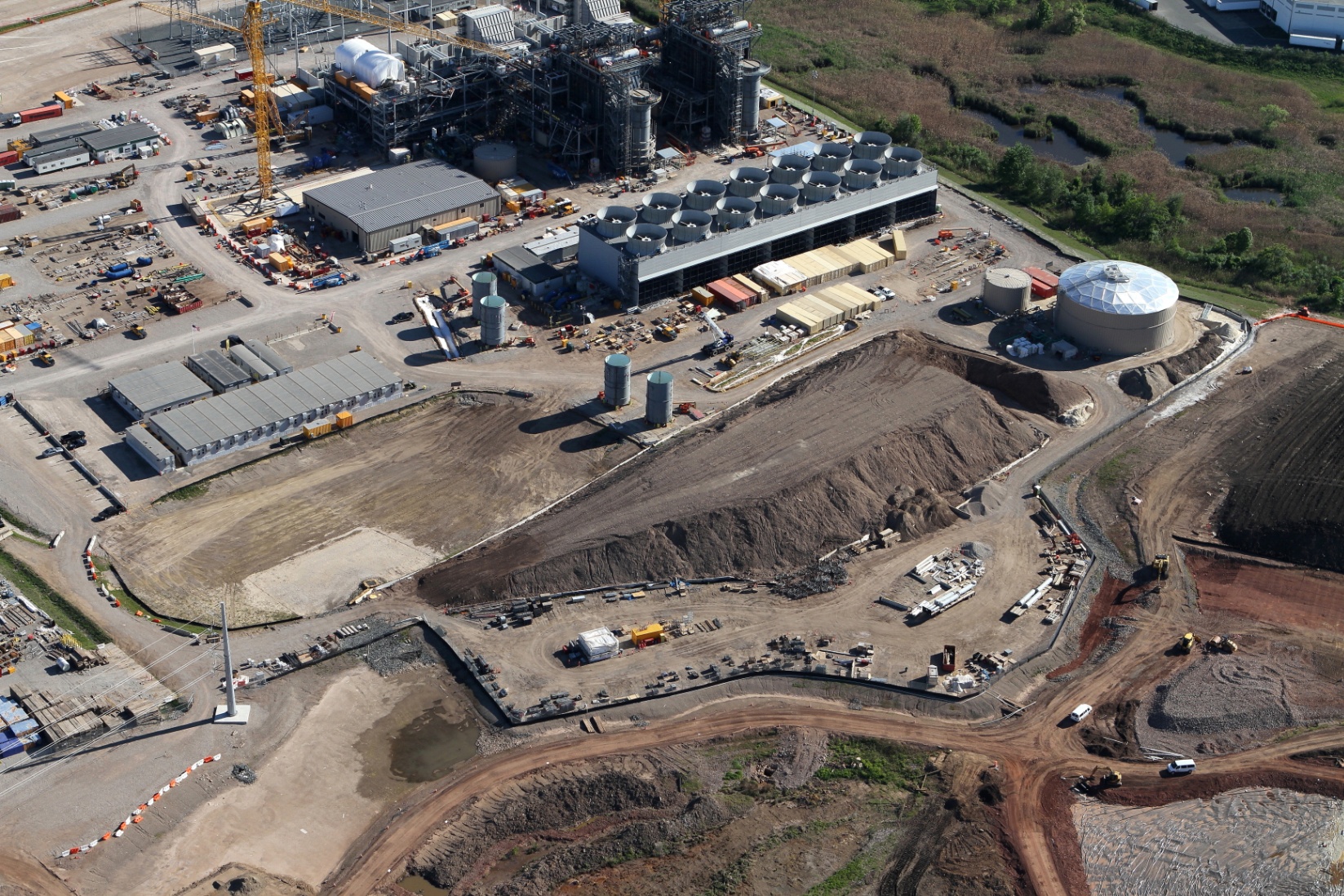
Why it matters: We recently supported a client who inherited a Phase II report that identified soil contamination but never addressed the fact that the property was landlocked between active commercial buildings. There was literally no path for excavation equipment or soil trucks without coordinating access easements and off-hours work. A two-week soil removal project turned into a three-month logistical nightmare.
The questions your consultant should be asking:
- What's the construction sequence, and how does remediation fit into it?
- Are there site access or staging constraints that will impact remediation costs?
- What's the plan if we encounter worse contamination than expected during excavation?
- Can any soil be reused on-site to reduce disposal costs?
For insights on how soil management strategies impact project budgets, check out our full range of services.
Question 3: "What's the Political and Community Context for This Site?"
This is the question that separates transactional consultants from strategic advisors.
Your Phase I ESA will tell you if there's a former dry cleaner next door. It won't tell you that the community association has been fighting industrial redevelopment in this neighborhood for five years. It won't mention that the local councilmember is up for reelection and has made environmental justice a campaign cornerstone.
Environmental compliance isn't just about passing regulatory tests anymore: it's about navigating community sentiment, political optics, and public perception. A technically compliant cleanup plan can still face months of delays if you haven't thought through the stakeholder landscape.
Why it matters: In densely populated markets like New York City and Northern New Jersey, community opposition can materialize out of nowhere. We've seen projects that met every NYSDEC and NJDEP requirement still face challenges because nobody thought to brief the local environmental advocates or address neighbor concerns proactively.
This is especially critical for brownfield sites, where community memories are long and trust is low. If your consultant isn't asking about the site's history in the public consciousness: not just the regulatory file: you're flying blind.
The questions your consultant should be asking:
- What's the site's history with the surrounding community?
- Are there any active environmental justice concerns in this neighborhood?
- Have previous owners or operators faced public scrutiny or complaints?
- Will your remediation or construction activities require public notifications or hearings?
- Should you be planning proactive community engagement as part of your environmental work plan?
The Real Cost of the Wrong Questions
Here's what ties these three questions together: they all require your environmental consultant to think like a business advisor, not just a technical specialist.
The standard Phase I/Phase II process is designed to satisfy ASTM standards and protect against lender liability. That's important. But it's not sufficient for making smart acquisition and development decisions.
Property investors don't just need to know what contamination exists: they need to know how it impacts deal economics, timeline risk, and exit optionality. They need consultants who can connect environmental findings to business strategy.
At Envicon, we've built our practice around this integrated approach. Our environmental engineers work hand-in-hand with our civil engineering and owner's rep teams because we've learned that the best environmental work happens when everyone understands the full project context: not just the soil boring logs.
The Bottom Line
If your environmental consultant's questions end at "Is there contamination?" and "Does it meet regulatory standards?": you're not getting the full picture.
The consultants who add real value are the ones asking about your exit strategy, your construction logistics, and your stakeholder landscape. They're thinking about your project as a business investment, not just a compliance exercise.
Before you commission your next environmental audit, ask yourself: Is my consultant helping me make better business decisions, or just helping me check boxes?
The difference between the two could be the difference between a profitable project and a very expensive education.
Ready for a different kind of environmental due diligence conversation? Let's talk about how integrated engineering can protect your investment( not just your liability.)
Leave a Reply