
If you’re developing in New York City, you’ve likely encountered a small, lowercase "e" on a zoning map that carries massive weight. An E-Designation is a formal notice that a property has potential environmental concerns: specifically regarding hazardous materials, air quality, or noise. For a developer, that "e" stands between you and your building permit.
At Envicon Strategic Solutions, we don’t see E-Designations as roadblocks; we see them as puzzles with a predefined solution. Navigating the Office of Environmental Remediation (OER) requires more than just technical knowledge: it requires a tactical approach. If you’re looking at an NYC OER brownfield cleanup, this is your blueprint for getting that designation removed and your project vertical.
Understanding the "E": What You’re Up Against
The E-Designation is a result of a CEQR (City Environmental Quality Review) during a rezoning action. It ensures that any potential environmental issues are addressed before a new development begins. You cannot bypass the OER. To get your permit from the Department of Buildings (DOB), you need a Notice to Proceed (NTP) or a Notice of No Objection (NNO) from the OER.
There are three main types of E-Designations:
- Hazardous Materials: Soil, groundwater, or soil vapor contamination.
- Air Quality: Requirements for specific fuel types (like natural gas) or stack locations.
- Noise: Requirements for specific Window-Wall Attenuation and Alternate Means of Ventilation (AMV).
Most developers find the Hazardous Materials designation the most daunting, but the process is structured. Here is how we navigate it.
Step 1: The Investigation (Phase I and II)
Everything starts with a Qualified Environmental Professional (QEP). You can’t self-certify this. At Envicon, we step in as your QEP to conduct a Phase I Environmental Site Assessment (ESA). If that Phase I identifies "Recognized Environmental Conditions" (RECs), we move to a Phase II, or what the OER calls a Remedial Investigation (RI).
Before we even put a drill in the ground, we submit a Remedial Investigation Work Plan (RIWP) to the OER. They need to approve where we’re sampling and what we’re testing for. This is where "Big Box" consultants often fail: they over-sample to "be safe," costing you time and money. We focus on what’s necessary to satisfy the regulator while protecting your bottom line.
Step 2: The Remedial Action Work Plan (RAWP)
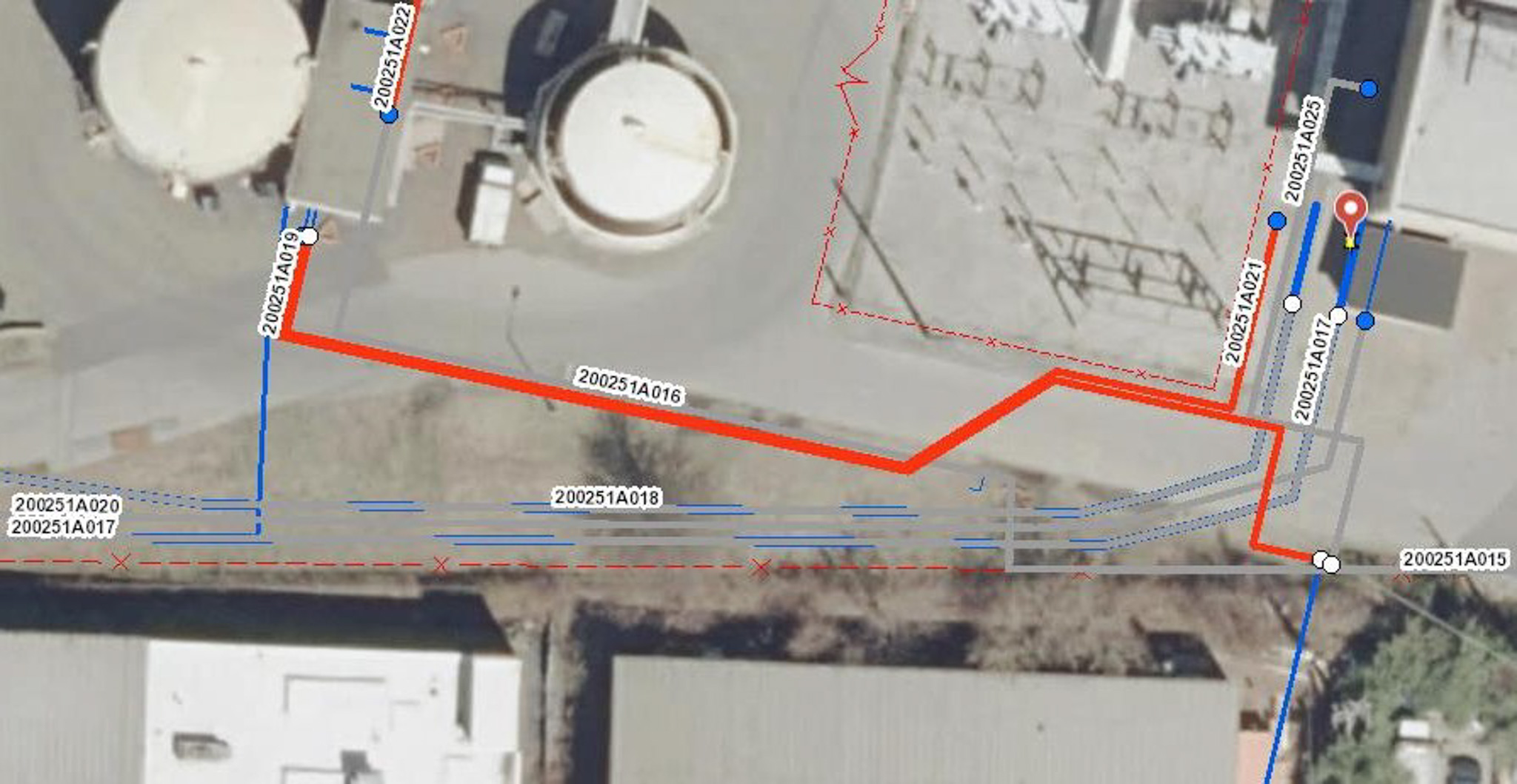
Once the investigation is complete and the OER approves the Remedial Investigation Report (RIR), we draft the Remedial Action Work Plan (RAWP). This is the "how-to" guide for your cleanup. It outlines exactly how we will handle contaminated soil, install vapor barriers, or manage groundwater.
The RAWP is a critical document because it dictates your construction costs. If your consultant suggests a massive dig-and-dump strategy when a capping system would suffice, you’re losing money. We advocate for the most efficient remedial path that ensures safety without unnecessary waste.
"In the world of NYC development, time isn't just money; it's the difference between a successful exit and a stalled project. Navigating the OER is about precision, not just compliance." : Jason Pancoast, CEO of Envicon Strategic Solutions.
Step 3: Securing the Notice to Proceed (NTP)
With the RAWP approved, the OER issues a Notice to Proceed (NTP). This is the golden ticket. You take this document to the DOB, and they can finally issue your work permits.
Keep in mind, for projects that don't involve subsurface disturbance (like a simple interior build-out), we can often skip the heavy lifting and apply for a Notice of No Objection (NNO), which is a much faster track to your permit.
Step 4: Implementation and Oversight
This is where the rubber meets the road. During construction, a QEP must be on-site to implement the RAWP. This includes:
- Community Air Monitoring Plan (CAMP): Ensuring no dust or vapors migrate to neighbors.
- Soil Management: Documenting where every yard of dirt goes.
- Vapor Barrier/Composite Cover Installation: Ensuring the engineering controls are installed exactly as planned.
If you hit an "unexpected" tank or a pocket of contaminated soil, you need a partner who can make a call to the OER immediately, rather than waiting three days for a corporate office to review the file. We pride ourselves on that responsiveness.

Step 5: The Final Certification (RAR and NOS)
Once the building is up and the remediation is complete, we submit a Remedial Action Report (RAR). This report is certified by both a QEP and a Professional Engineer (PE). It includes all the "as-built" drawings, disposal manifests, and monitoring data.
According to OER guidelines, once the final report is approved, the OER issues a Notice of Satisfaction (NOS). This allows the DOB to issue your Temporary Certificate of Occupancy (TCO). Finally, the Department of City Planning (DCP) can officially remove the E-Designation from the tax lot.
Specialized Tracks: Air Quality and Noise
Removing Air Quality and Noise E-Designations is often more straightforward but equally rigid.
- Air Quality: You must prove that the HVAC systems and fuel sources match the requirements set during the rezoning.
- Noise: You must provide window/door specs and an installation report showing the required decibel attenuation was met.
The OER typically certifies these within ten days of receiving the final installation reports, provided everything matches the initial plan.
The Voluntary Cleanup Program (VCP) Shortcut
If you’re dealing with a complex NYC OER brownfield cleanup, we often recommend enrolling in the NYC Voluntary Cleanup Program (VCP). The VCP offers several advantages over the standard E-Designation process:
- Liability Protection: You get a New York City Liability Release.
- Grants: You may be eligible for NYC Brownfield Incentive Grants (BIG) to help cover the costs of the investigation and cleanup.
- Green Property Certification: A badge of honor that adds value to your marketing.

Why Envicon is the Strategic Choice Over "Big Box" Firms
Most developers start with the big national firms because they think "big" means "safe." But in the nuances of NYC and NJ environmental law, "big" often means "slow."
At Envicon Strategic Solutions, we offer a points-of-parity edge that big consultants can’t match:
- Direct Access: You’re not talking to a junior associate; you’re talking to experts who have sat across the table from OER directors.
- Speed to Permit: We understand that every day you wait for an NTP is a day you aren’t building. Our regulatory strategy is built for speed.
- Local Grit: We know the NYC landscape because we live in it. We don't just provide reports; we provide solutions that get your project to the finish line.
- Visionary Approach: We don't just see a contaminated site; we see the future high-rise, the community park, or the logistics hub that will take its place.
Summary Checklist for Developers
To successfully remove an NYC E-Designation, keep these steps in your playbook:
- Hire a QEP Early: Don't wait until the DOB rejects your permit.
- Engage the OER: Start the RIWP process before you even think about mobilizing equipment.
- Budget for Oversight: The CAMP and soil management aren't optional; they are your legal shield.
- Document Everything: Every manifest and every photo of a vapor barrier is a piece of the final NOS puzzle.
- Consider the VCP: Evaluate if the BIG grants and liability releases are worth the enrollment.

Removing an E-Designation isn't just about cleaning up soil; it's about cleaning up the title of your property so you can realize its full value. Whether you’re an architect, a lawyer, or a developer, we are here to handle the "e" so you can focus on the build.
Ready to clear your site? Explore our Remediation Services or check out our Project Gallery to see how we’ve cleared the way for NYC’s next great developments.
Contact Envicon Strategic Solutions today to fast-track your OER cleanup.
Leave a Reply