
Let's talk about the elephant in the boardroom: big box consulting firms are hemorrhaging credibility in New York City, and nowhere is this more obvious than in the environmental and civil engineering space.
You know the firms I'm talking about. The ones with the glass tower headquarters, the 200-person "environmental practice groups," and the PowerPoint decks that could double as sleep aids. They promise integrated solutions, local expertise, and "partnership." What you actually get is a revolving door of junior staff, cookie-cutter reports, and invoices that make your CFO physically ill.
Here's the uncomfortable truth: if you're a developer, property owner, or attorney working on NYC projects, you've probably been burned by one of these outfits. And you're not alone.
The Numbers Don't Lie
A recent survey of 702 executives found that 84 percent of those who worked with big three consultancies felt they "were no help at all" in corporate transformation projects. That's not a typo. Eighty-four percent.
The consulting industry knows they have a problem. Entry-level consulting hiring has plummeted by 54% year-over-year. McKinsey alone reportedly planned thousands of job cuts: roughly 10% across non-client-facing groups. When the biggest names in the business are shedding staff faster than a Phase II ESA report sheds credibility under DEC scrutiny, something is fundamentally broken.
But here's what those studies miss: the environmental consulting market in NYC has its own special brand of dysfunction.

Why NYC Broke the Big Box Model
New York City isn't Dallas. It's not Phoenix. It's not even Boston. The environmental and civil engineering challenges here are uniquely complex, brutally time-sensitive, and completely intolerant of the "standard operating procedures" that big box firms love to deploy.
When you're working with NYC OER E-Designations, navigating NYSDEC Part 375 updates, or trying to push a brownfield project through the city's legendary bureaucracy, you need someone who lives and breathes this market. Not someone who flew in from the Cleveland office for a "site visit" and thinks Hudson County is in Manhattan.
The Four Fatal Flaws
1. The Revolving Door Problem
You hire a senior consultant with 20 years of NYC experience. Great! Except you'll meet them exactly twice: at the kickoff meeting and when they show up to sell you the next phase of work. The actual work? That's done by a 26-year-old analyst who's never set foot on a contaminated site in their life and thinks "LSRP" is a typo.
This isn't cynicism: it's the business model. Big firms need to keep utilization rates high and partner compensation higher. That means your $350/hour principal is selling and schmoozing, not reviewing boring logs or red-flagging vapor intrusion risks before they kill your deal.
2. The Template Trap
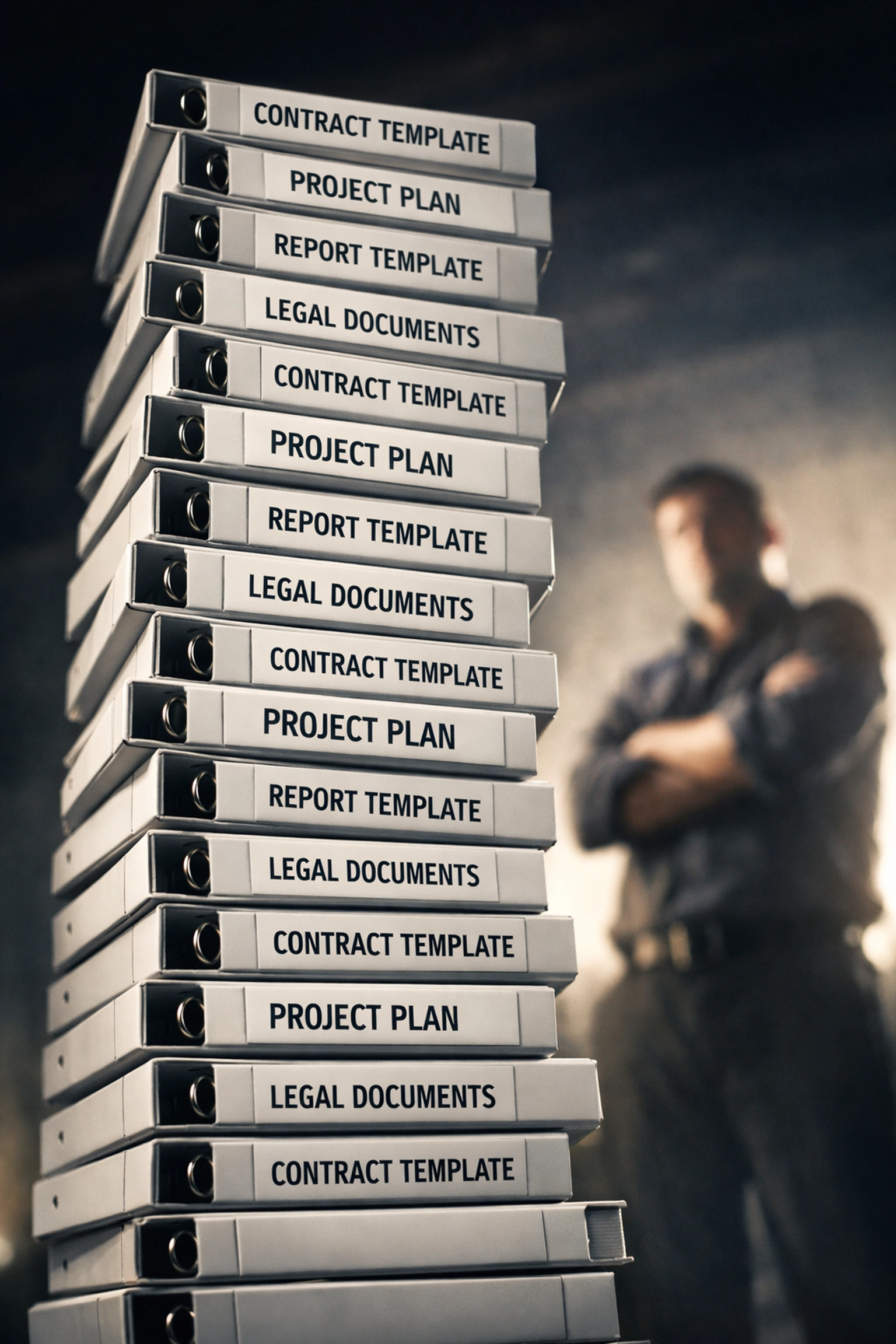
Big box firms love standardization. It's efficient! Scalable! Also completely useless when you're dealing with a former manufactured gas plant site in Long Island City that's now zoned for residential, has riparian rights issues, and needs to close in 60 days or your buyer walks.

We've seen Phase I ESAs from major firms that miss obvious red flags because the template said "check these boxes" but nobody bothered to actually think about the property's history. We've reviewed remediation plans that would work great in suburban New Jersey but completely ignore the logistical nightmare of soil export in Midtown Manhattan.
When you're paying for expertise, getting a template is insulting. When that template fails the lender test and blows up your financing, it's malpractice.
3. The Conflict of Interest Labyrinth
Here's something your big box environmental consultant NYC probably won't tell you: many of them have cozy relationships with remediation contractors, software vendors, and lab companies. They'll recommend a $2 million remediation plan when a $400,000 engineering control would pass regulatory muster, because guess who's getting a piece of that contract?
This isn't hypothetical. We regularly get calls from developers who were told they needed full-scale excavation and off-site disposal, only to discover later that on-site treatment or institutional controls would have worked fine. The difference? About $1.5 million and six months of schedule.
4. The Communication Black Hole
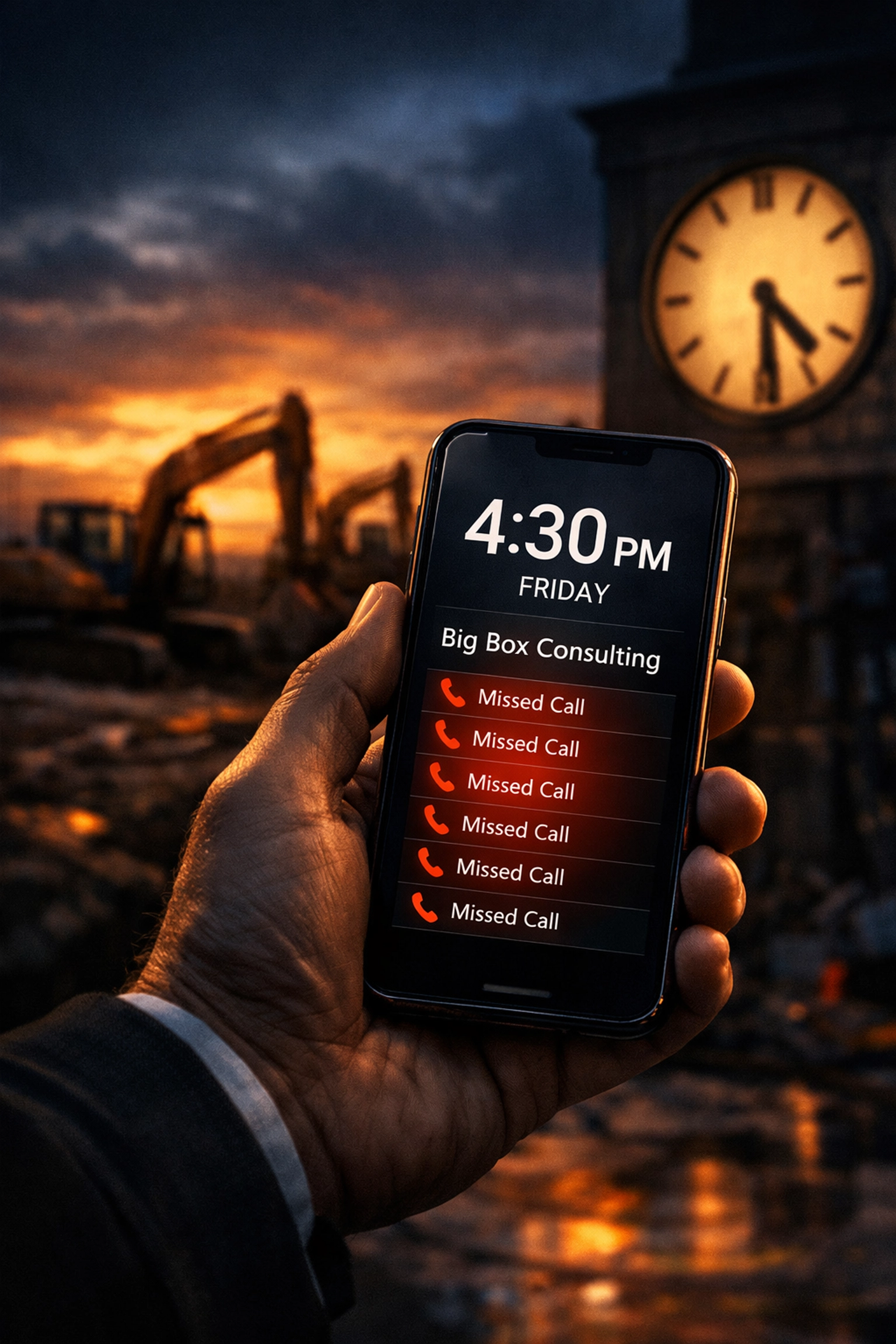
Try calling your big box project manager at 4:30 PM on a Friday when NYSDEC just sent comments on your Remedial Action Work Plan and your closing is Monday. Good luck. You'll get voicemail, an auto-reply about "business hours," and maybe: maybe: a response by Tuesday.
Meanwhile, your deal is dying. Your lender is panicking. Your attorney is drafting termination clauses. And your consultant is unreachable because they're "working on other priorities."
In NYC's fast-moving real estate market, this communication lag isn't just annoying: it's financially catastrophic.
What the Market Actually Needs
Look, we're not saying big firms are evil. They're just structurally incapable of delivering what NYC projects actually require.
What works in this market is the exact opposite of the big box model:
Responsive, Direct Access
When issues arise: and they always do: you need to talk to the person who actually knows your project. Not a call center. Not a junior associate reading from your file. The principal engineer who's been on your site and understands the regulatory context.
Local Regulatory Expertise
NYC and New Jersey environmental regulations aren't just different from other markets: they're constantly evolving. NYSDEC's recent Part 375 changes alone created massive implications for brownfield developers. You need an environmental engineering firm NYC that lives in these regulations daily, not one that has to "research" basic compliance questions.
Integrated Engineering Approach
Here's a radical idea: what if your civil engineer and your environmental consultant actually talked to each other before designing your site plan? What if they worked for the same firm and understood how remediation constraints affect grading, drainage, and foundation design?
Big box firms claim to offer this integration. In practice, their civil group and environmental group operate like competing fiefdoms, each protecting their turf and billable hours.
Business-Focused Solutions
At the end of the day, you're not hiring an environmental consultant to write reports. You're hiring them to solve business problems. Can we close this deal? Can we get this site shovel-ready? Can we satisfy the lender without spending six figures on unnecessary testing?
Big firms are trained to identify problems and recommend comprehensive solutions (translation: expensive ones). Small, nimble firms understand that the best solution is the one that actually works for your proforma and timeline.
The Envicon Difference
We've spent years cleaning up the messes left by big box consultants. It's actually a significant part of our business: developers and attorneys come to us when their previous firm has blown a deadline, missed a critical issue, or proposed a solution that makes no financial sense.
What we do differently:
- Principal involvement on every project. Not as a figurehead. As the person actually reviewing your data and making strategic calls.
- Integrated civil and environmental engineering. We don't hand off between departments. We design holistically from day one.
- Transparent, fixed-fee options. No surprise invoices. No scope creep justified by "unforeseen conditions" that we should have foreseen.
- Local regulatory fluency. We're not researching NYSDEC requirements: we're on a first-name basis with the reviewers.
The Takeaway
The big box consulting model made sense in a different era. When projects moved slower, communication was harder, and standardization was actually valuable. That era is over.
Today's NYC market demands speed, precision, and accountability. It requires consultants who understand that your environmental due diligence isn't an academic exercise: it's the linchpin of a financial transaction with real money at stake.
If you're working with a big box firm and feeling like you're getting generic service at premium prices, trust that instinct. You probably are.
The good news? You have options. The NYC environmental consulting market is full of talented, responsive firms that actually give a damn about your project's success.
You just have to be willing to break up with the big box.
Need an environmental consultant who actually answers the phone? Let's talk. We're not the biggest firm in New York. But we might be the most effective one for your next project.
Leave a Reply