If you are looking at a redevelopment site in New Jersey right now, you already know the stakes have changed. We aren't just talking about old heating oil tanks or a bit of historic fill anymore. We are in the era of "forever chemicals," and as of 2026, the regulatory and financial landscape for PFAS remediation has hit a tipping point.
At Envicon, we spend a lot of time on-site at 7:00 AM talking to developers who are frustrated. They’ve seen the headlines about multi-billion dollar settlements, and they want to know one thing: How much is this going to cost my project?
The short answer is that while the settlements are huge, they aren't a "get out of jail free" card for private developers. In fact, 2026 is the year where we’re seeing the most aggressive enforcement and the most complex budgeting requirements yet.
Here is the no-fluff breakdown of what you need to budget for PFAS remediation in NJ this year, why the "big box" consulting firms are probably steering you toward a budget blowout, and how we handle things differently.
The 2026 Landscape: Settlements vs. Reality
You might have heard that the 3M settlement is pumping over $43 million into New Jersey this year alone for natural resource damages. There’s also the massive $2 billion DuPont, Chemours, and Corteva settlement finalized in late 2025.
On paper, that looks like the state is picking up the tab. In reality, that money is largely earmarked for municipal water system upgrades and state-level abatement. If you are a private developer with a contaminated site, you are still on the hook for the investigation, the remediation, and the long-term monitoring.
Based on what we are seeing in the field, individual property-level costs for PFAS-related issues are currently ranging anywhere from $30,000 to over $300,000, depending entirely on the scale of the groundwater impact.
Why PFAS Costs Are Spiking in 2026
Budgeting for PFAS isn’t like budgeting for a standard soil excavation. With traditional contaminants, you dig it up, haul it away, and you’re done. PFAS is a different beast for three reasons:
1. The Detection Limits are Near Zero
The NJDEP has some of the strictest standards in the country. We are measuring these chemicals in parts per trillion (ppt). To put that in perspective, that’s like finding one specific grain of sand in an Olympic-sized swimming pool. This means your Phase II Environmental Site Assessment needs to be surgical. If your consultant uses "big firm" sampling protocols that aren't hyper-precise, you risk cross-contamination, which leads to false positives and thousands of dollars in unnecessary work.
2. Disposal and Media Management
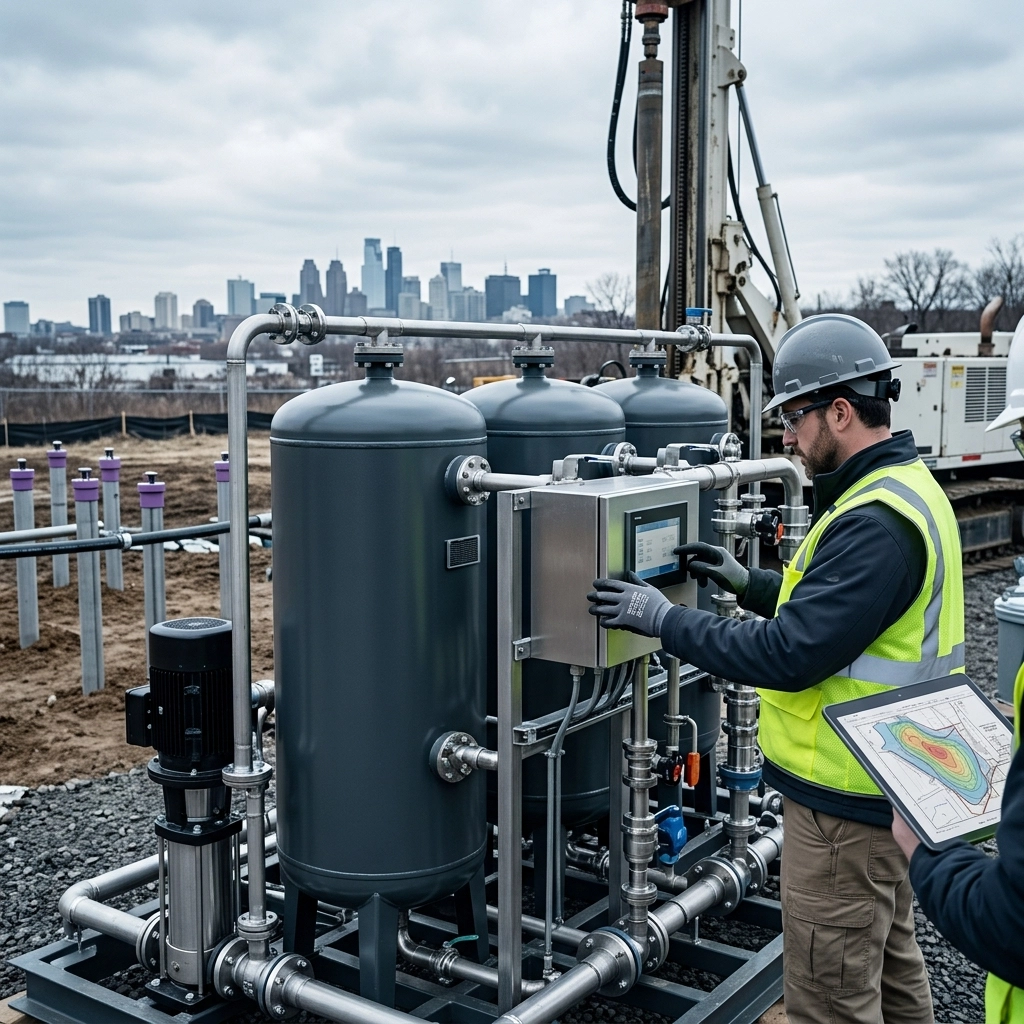
You can’t just dump PFAS-impacted soil or water anywhere. In 2026, the cost of disposing of "spent media" (the filters used to pull PFAS out of water) has risen significantly. If your site requires a pump-and-treat system, you aren't just paying for the electricity; you’re paying for the specialized disposal of the hazardous waste those filters collect.
3. The "Uncertainty" Premium
Lenders are spooked. If your environmental report doesn't have a clear, definitive path to closure, your financing is going to stall. Most consultants write reports to protect themselves (CYA). They use phrases like "further investigation may be required." At Envicon, we think that’s garbage. We provide value-add work, meaning we don't just hand you a problem; we hand you a cost-benefit analysis of the solution so you can actually close your loan.
What to Put in Your 2026 Pro Forma
If you’re running numbers on a NJ site today, here are the line items you need to account for:
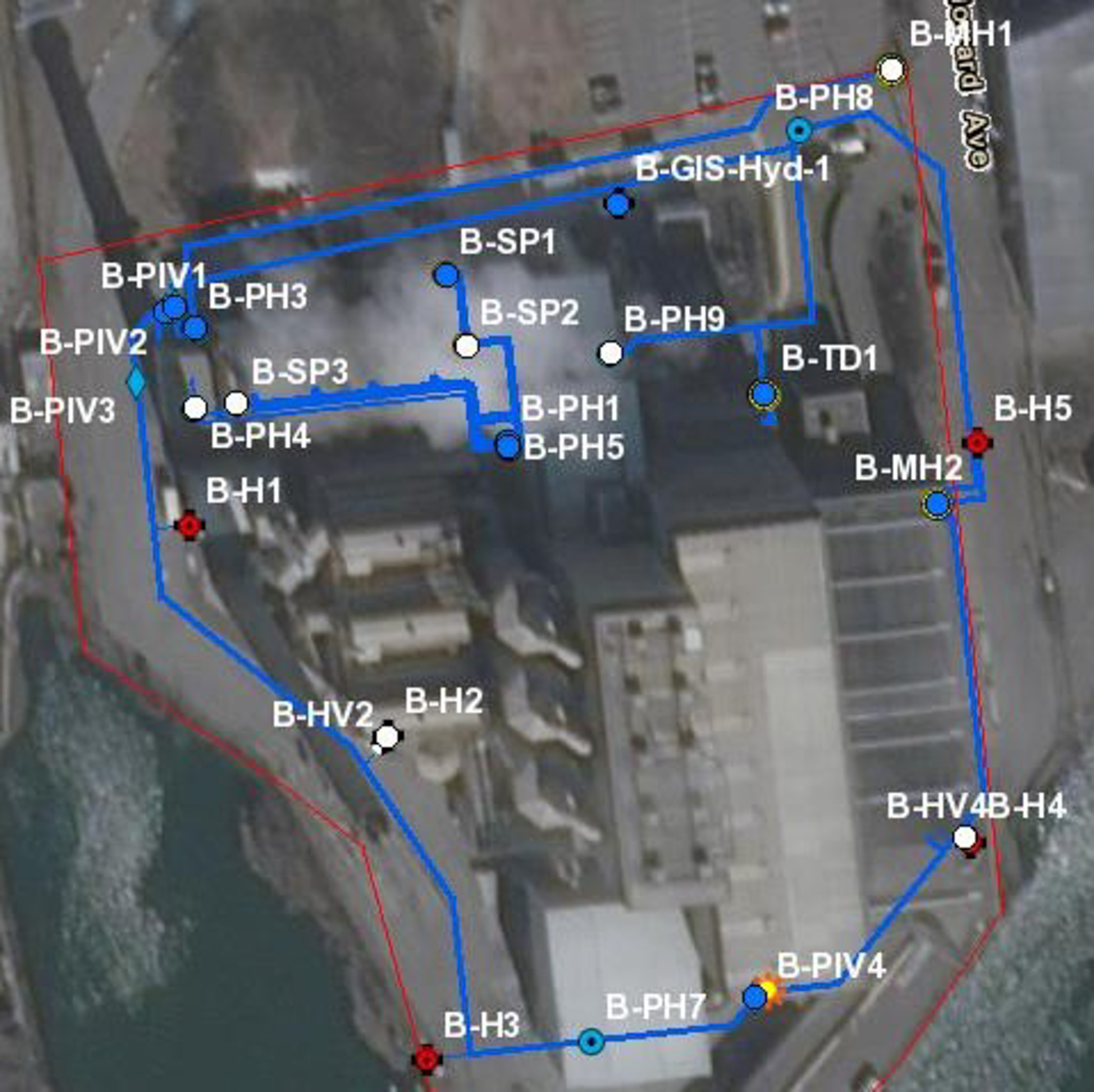
- Surgical Groundwater Sampling: Budget for high-frequency monitoring. Because PFAS moves quickly through groundwater, the NJDEP wants to see a clear "plume" map.
- Reverse Osmosis or Granular Activated Carbon (GAC): If you are dealing with significant water issues, these systems are the gold standard. They are expensive to install but necessary for compliance.
- LSRP Oversight: In New Jersey, your Licensed Site Remediation Professional (LSRP) is the gatekeeper. You need an LSRP who understands that your goal is a buildable site, not a decade-long research project.
- Legal and Regulatory Coordination: PFAS litigation is a moving target. You need a team that coordinates directly with your attorneys and the NJDEP to ensure you are taking advantage of any settlement credits that might actually apply to your specific site.

The "Big Firm" Overhead vs. Envicon Precision
We see it all the time: a developer hires a national firm with 10,000 employees because the name looks good on a pitch deck. Three months later, that developer is staring at a 400-page report written by a junior staffer who has never actually set foot on the site. The report is full of fluff, costs a fortune in overhead, and, worst of all, doesn't give the developer a "yes" or "no" on whether to move forward.
Envicon does things differently.
We are a family-owned, PE-led firm. When you call us, you talk to the people doing the work. We don't sell reports; we sell cleared paths.
- Speed: We know that every week your project is stalled, you’re eating carry costs. We operate with a contractor-adjacent sense of urgency.
- Regional Fluency: We don't apply a "national playbook" to a Jersey City or Newark project. We know the NJDEP reviewers. We know the local soil conditions. We know how to get things through the system without the "black box" mystery of a large firm.
- Integrity: If a site is a dog, we’ll tell you it’s a dog before you spend six figures investigating it. We believe in delivering the truth, even when it’s not what you want to hear, because that’s how you build trust.
"Collaboration is not a buzzword: it’s how we work. We don't just deliver services; we help transform underused and contaminated properties into thriving assets." : Jason Pancoast, CEO
How to Manage the Risk
If you are worried about PFAS costs, the worst thing you can do is wait. The regulations aren't getting looser.
- Start Due Diligence Early: Don't wait for the lender to ask for PFAS sampling. If the site had industrial use, assume it’s there and get ahead of it.
- Focus on Value-Add Engineering: Don't just sample; plan. If we find PFAS, can we use an institutional control (like a deed notice) or an engineering control (like a cap) to manage it without a $1M cleanup?
- Hire for the Finish Line: You don't need a consultant who can find a problem. You need a partner who can get you an NFA (No Further Action) or a RAO (Response Action Outcome).
At Envicon, we sit at the table with the architects, attorneys, and regulators to make sure everyone is aligned. We take ownership of the outcome. Whether it's coordinating subcontractors or resolving a field challenge at sunrise, we are there to keep the project moving.
The Bottom Line
PFAS remediation in NJ is expensive, but it doesn't have to be a project-killer. The key is moving away from the "academic" approach of big-box firms and moving toward a field-first, engineering-heavy strategy.
Don't let a 400-page report sit in your inbox while your carry costs pile up. You need a team that treats your budget like their own.
Summary/Takeaway for Developers:
- Settlements exist but won't cover everything: Private developers still bear the brunt of site-specific costs.
- Budget $30k-$300k+: Depending on groundwater impact and the need for specialized filtration.
- Precision matters: Low detection limits require expert sampling to avoid expensive false positives.
- Choose a partner, not a vendor: Avoid big-firm overhead and choose a firm that provides a cleared path to a buildable site.
Ready to clear the path for your next project? Let’s get to work.
Contact Envicon today to discuss your site’s environmental strategy and get a no-nonsense look at your 2026 budget requirements.
Leave a Reply