Buying commercial real estate in New York is rarely slowed by the purchase agreement alone. Environmental due diligence can become the critical path, especially when your lender reviews the Phase I ESA after the rest of the transaction is already moving.
A lender-approved Phase I ESA in New York must do more than identify potential contamination. It must follow the right standard, document the right components, address the lender’s reliance requirements, and arrive within the closing schedule.
That is true for a Manhattan acquisition, a Brooklyn warehouse conversion, a Queens industrial property, or a multifamily redevelopment in the Bronx, Staten Island, or Westchester.
We do not just deliver reports. We help clear the path to closing.
What “lender-approved” actually means
A Phase I ESA can comply with ASTM E1527-21 and EPA’s All Appropriate Inquiries rule without automatically satisfying every lender.
Those are related, but they are not the same thing.
ASTM E1527-21 establishes the technical process for evaluating commercial real estate. EPA recognizes ASTM E1527-21 as consistent with the AAI requirements in 40 CFR Part 312. AAI supports certain CERCLA landowner liability protections when the buyer also meets continuing obligations.
Lender approval is a separate business and contractual decision. A bank, credit union, SBA lender, private credit fund, or institutional lender may add its own requirements, including:
- Naming the lender as an authorized user.
- Providing a lender reliance letter.
- Addressing specific environmental databases or regulatory files.
- Expanding the vapor or adjacent-property review.
- Updating the report close to the acquisition date.
- Evaluating activity and use limitations, institutional controls, or environmental liens.
- Requiring a Phase II ESA when the report identifies a REC.
EPA describes AAI as “the process of evaluating a property’s environmental conditions and assessing potential liability for any contamination.” That process protects the buyer’s decision-making. It does not guarantee that a lender will approve the collateral.
The ASTM E1527-21 checklist for New York buyers
A closing-ready Phase I ESA should clearly document the following.
1. Records review
The Environmental Professional reviews current and historical information about the property and surrounding area. That typically includes:
- Federal, state, and local environmental databases.
- Historical aerial photographs.
- Sanborn fire insurance maps.
- City directories.
- Topographic maps.
- Building department records.
- Spill, tank, hazardous waste, and cleanup records.
- Prior environmental reports when available.
- Regulatory files for adjoining and nearby properties.
In New York City, site history often changes block by block. A former dry cleaner, auto repair facility, printing operation, manufactured gas use, or petroleum operation may not be obvious from the current building façade.
For a Phase I ESA lender requirements Brooklyn review, the surrounding industrial history may be just as important as the subject parcel. The same applies to warehouse acquisitions in Queens, commercial corridors in the Bronx, and redevelopment sites in Westchester.

2. Site reconnaissance
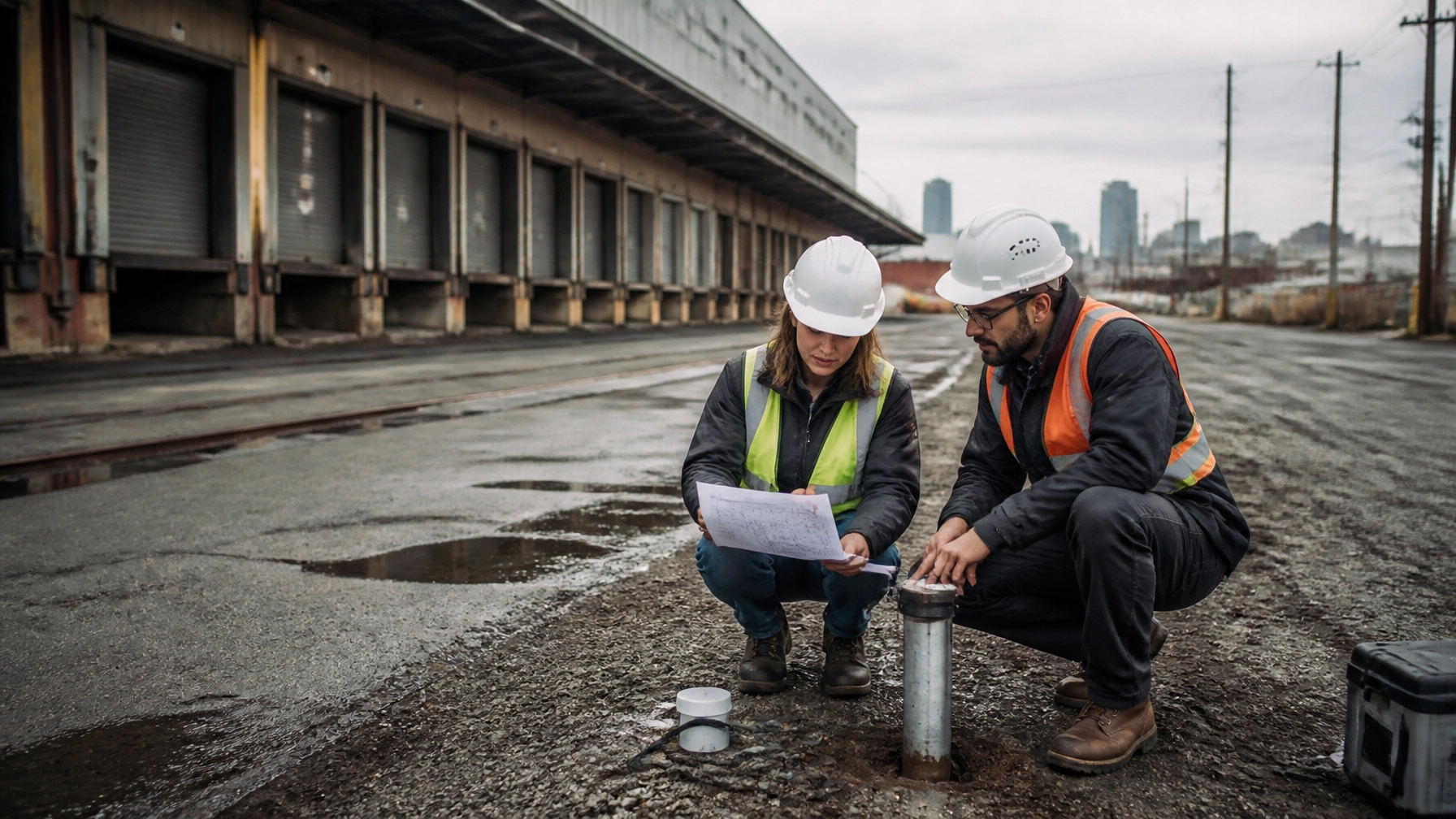
The site visit is not a formality. The Environmental Professional inspects the property and adjoining properties for evidence that may not appear in records.
The reconnaissance may identify:
- Underground or aboveground storage tanks.
- Floor drains, sumps, pits, or oil-water separators.
- Chemical storage.
- Drums, staining, stressed vegetation, or unusual odors.
- Electrical transformers and potential PCB concerns.
- Waste handling areas.
- Vent pipes and fill ports.
- Cracks or pathways relevant to vapor migration.
- Conditions on adjoining properties that may affect the subject site.
A report that relies on old photographs or a limited exterior view may not satisfy a lender’s expectations. Physical access limitations should be documented, not hidden in vague language.
3. Interviews
ASTM E1527-21 and AAI require meaningful interviews with current and past owners, operators, occupants, and other knowledgeable parties when appropriate.
Interviews can reveal:
- Former operations that were not included in public records.
- Historic spills or tank removals.
- Environmental notices.
- Known fill placement.
- Prior investigations or remediation.
- Areas that were inaccessible during the site visit.
For a lender Phase I ESA in Manhattan, an interview with a building manager may identify a former boiler fuel system or maintenance area. In Brooklyn or Queens, an operator may know that a former tenant used solvents or stored petroleum products.
The interview record also matters when the lender reviews the report. A report that simply states “no one was available” without explaining the effort made to obtain information may generate questions late in the transaction.
4. Environmental liens and activity and use limitations
Environmental cleanup liens are part of the AAI process. Buyers should also provide available title materials and information about recorded restrictions.
The Phase I should address whether the property has:
- Environmental cleanup liens.
- Environmental easements.
- Deed restrictions.
- Institutional controls.
- Engineering controls.
- Soil or groundwater management obligations.
- Vapor mitigation requirements.
- Long-term operation and maintenance obligations.
These conditions may affect financing, future construction, tenant use, and resale value. They also create a distinction between a property that was cleaned up and a property that remains subject to an ongoing remedy.
RECs, HRECs, and CRECs: what the lender is reading for
The conclusions section should classify findings clearly.
Recognized Environmental Condition
A REC generally involves the presence or likely presence of hazardous substances or petroleum products due to a release, likely release, or material threat of a future release.
A REC does not automatically kill a transaction. It does mean the lender may require additional investigation, a cost estimate, a remediation plan, or a purchase agreement adjustment.
Historical Recognized Environmental Condition
An HREC refers to a past release that has been addressed to the satisfaction of applicable regulatory requirements, with no current evidence that it remains a REC.
The report should explain why the condition qualifies as historical. A vague reference to “closed” is not enough for a cautious lender.
Controlled Recognized Environmental Condition
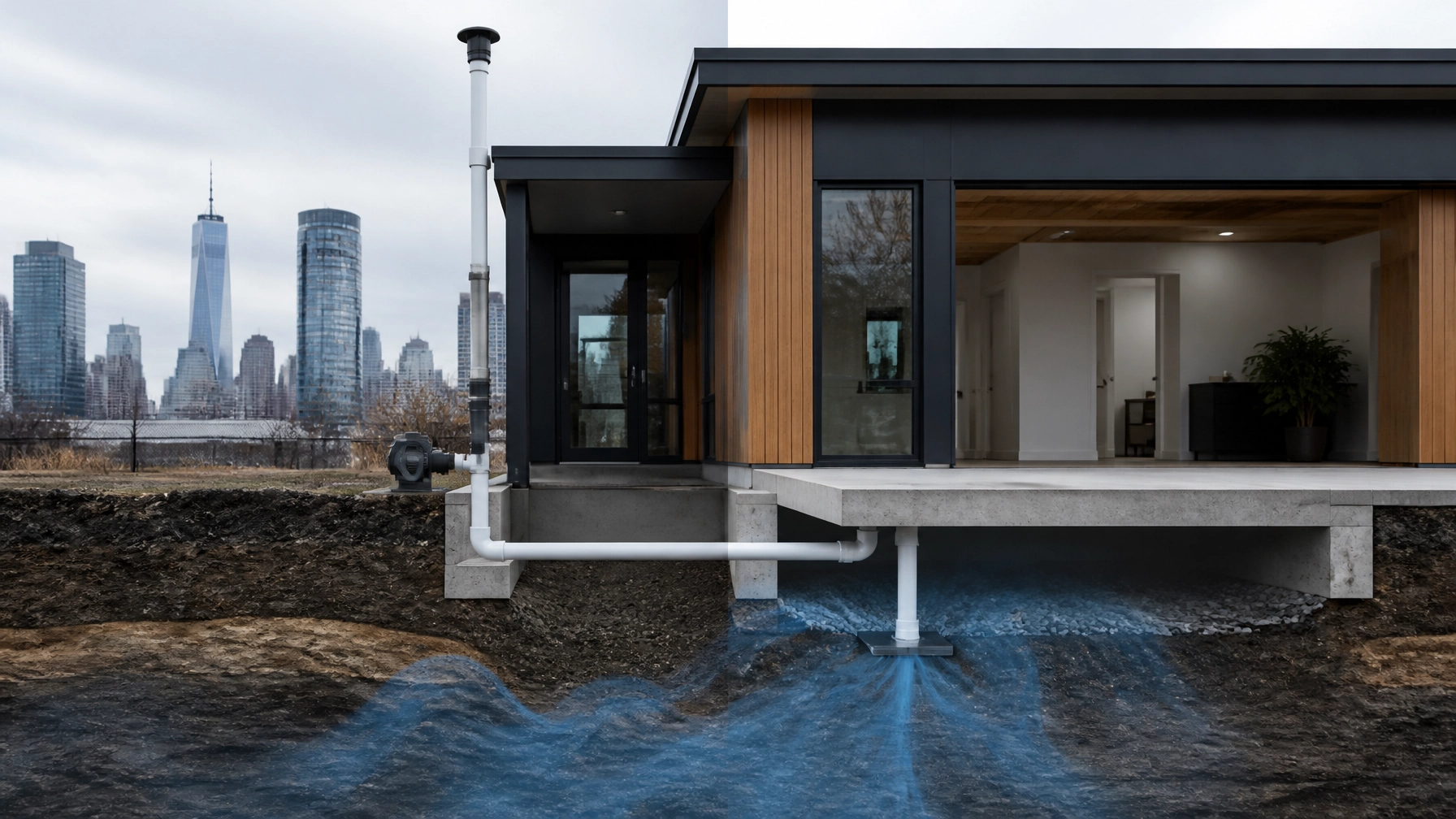
A CREC involves contamination that remains in place but is controlled through measures such as a cap, deed restriction, groundwater-use restriction, or vapor mitigation system.
A CREC may be manageable. It is not the same as a clean site. The lender will want to understand the control, who maintains it, what happens if it fails, and whether the proposed property use is compatible with it.
Vapor encroachment is now part of the closing conversation
Vapor risk can move from an adjacent property into a building through soil, groundwater, utility corridors, cracks, joints, or other preferential pathways.
A Phase I ESA is not a full vapor intrusion investigation. It does, however, need to consider whether site history and surrounding conditions create a potential vapor concern.
That review may lead to recommendations for:
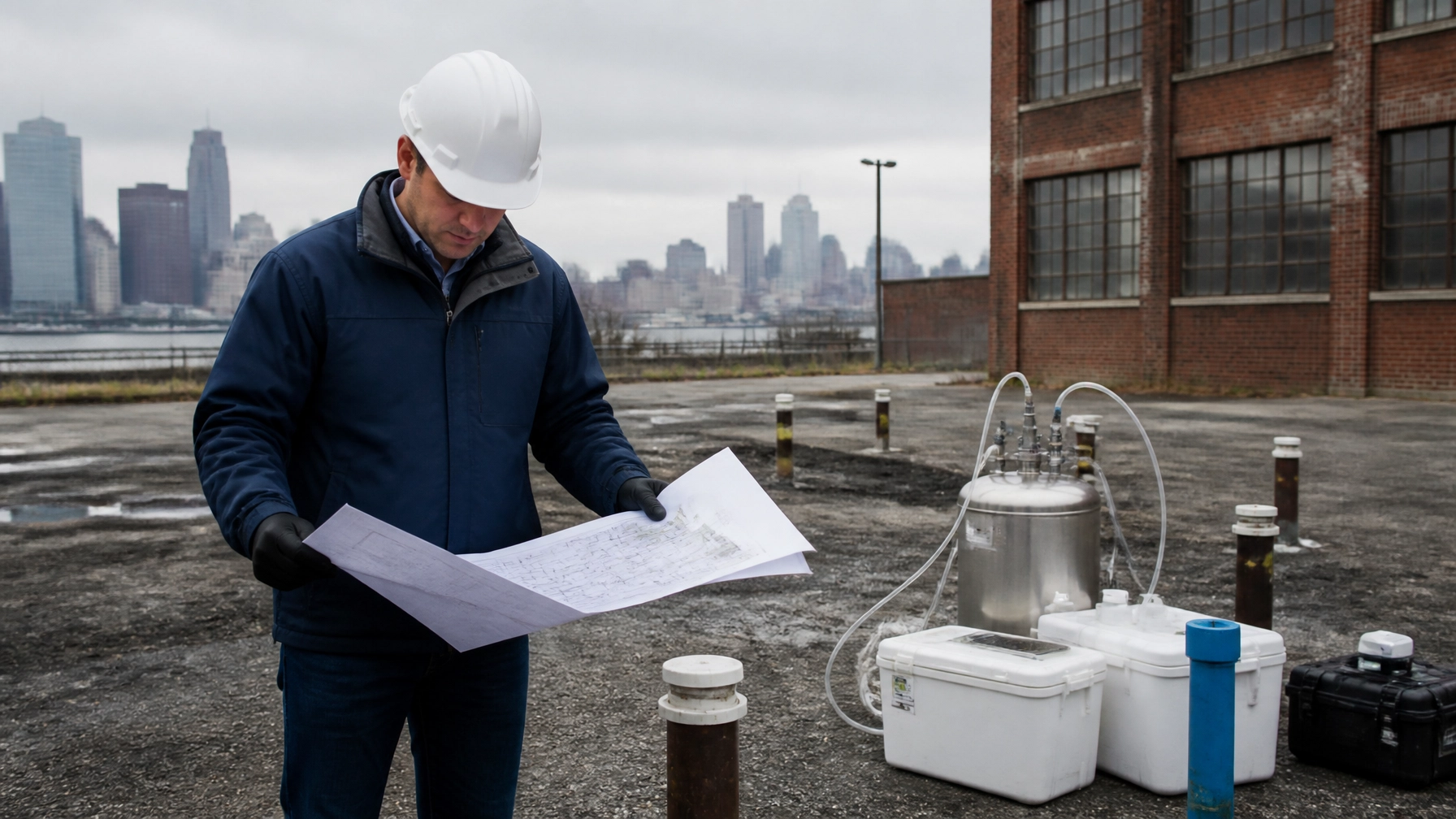
- Soil gas sampling.
- Sub-slab sampling.
- Indoor air sampling.
- Groundwater investigation.
- A vapor intrusion assessment.
- A mitigation system evaluation.

This issue is especially relevant for former dry cleaners, industrial properties, gas stations, and dense urban sites where subsurface pathways connect neighboring parcels.
The 180-day rule and the closing schedule
The report date alone does not determine whether a Phase I remains usable.
Under EPA’s AAI guidance, AAI must be completed or updated within one year before acquisition. Five components must be conducted or updated within 180 days before the acquisition date:
- Interviews with current and past owners, operators, and occupants.
- Searches for recorded environmental cleanup liens.
- Reviews of federal, state, tribal, and local government records.
- Visual inspections of the property and adjoining properties.
- The Environmental Professional’s declaration.
A report completed eight months before closing may still be usable, but these components need to be updated. A report older than one year generally cannot be treated as current AAI without a new assessment.
Do not wait until the lender requests an update. Build the timing into the acquisition schedule.
A practical sequence looks like this:
- Week 1: Confirm the property address, lender, intended use, closing date, and user requirements.
- Week 1: Lock the scope and schedule with the Environmental Professional.
- Week 1 to 2: Complete records review, interviews, and site reconnaissance.
- Week 2 to 3: Resolve data gaps and prepare the report.
- Before closing: Confirm reliance language, report age, lien search timing, and any lender overlay.
- If a REC is identified: Scope the Phase II ESA quickly enough to support negotiation and financing decisions.

Common reasons lenders reject or return Phase I reports
Most lender comments are preventable. Common problems include:
- The report uses ASTM E1527-13 instead of ASTM E1527-21.
- The lender is not named as a user or covered by a reliance letter.
- The report does not identify the dates of the five 180-day components.
- The site reconnaissance was incomplete or poorly documented.
- Interviews were omitted without a clear explanation.
- Environmental liens were not addressed.
- REC, HREC, and CREC conclusions are unclear.
- Vapor risk receives no meaningful discussion.
- Significant data gaps are buried instead of explained.
- The report does not address lender-specific forms or overlays.
- The consultant cannot respond quickly when the lender asks a technical question.
A large national consultant may deliver a technically acceptable report and still leave your attorney, lender, and acquisition team to resolve these issues. Envicon’s approach is different. We coordinate directly with the people who need to rely on the report, provide clear conclusions, and identify the next action instead of handing you a document with no path forward.
Envicon’s published Phase I track record reports a 100% lender approval rate across more than 350 ASTM E1527-21 assessments. Our team also offers same-business-day scoping, fixed-fee proposals, and priority scheduling for transactions with compressed timelines.
The closing-ready checklist
Before ordering or approving a Phase I ESA, confirm that:
- The scope states ASTM E1527-21 and AAI compliance.
- A qualified Environmental Professional will sign the report.
- The lender’s reliance requirements are known before field work begins.
- The report covers Manhattan, Brooklyn, Queens, the Bronx, Staten Island, or Westchester conditions as applicable.
- Site reconnaissance includes adjoining properties.
- Interviews and environmental liens are addressed.
- RECs, HRECs, CRECs, and data gaps are clearly explained.
- Vapor encroachment potential is screened.
- The report and 180-day components align with the closing date.
- A Phase II path is available if the Phase I identifies a REC.
Get a Phase I ESA that supports the transaction
A lender-approved Phase I ESA in New York is not simply a compliance document. It is a decision tool for the buyer, lender, attorney, and development team.
Envicon Group provides ASTM E1527-21 Phase I ESA services across Manhattan, Brooklyn, Queens, the Bronx, Staten Island, and Westchester. Our NYC environmental consulting team works directly with lenders, counsel, developers, and property owners.
- Request a free quote
- Estimate your project cost
- Review environmental assessment services
- Call (917) 764-2171
A clear report protects more than the closing date. It protects the decisions that come after it.
Sources
- EPA: All Appropriate Inquiries
- 40 CFR Part 312: Innocent Landowners and All Appropriate Inquiries
- ASTM E1527-21: Standard Practice for Environmental Site Assessments