
If you're planning to break ground on a development project in New York or New Jersey in 2026, PFAS contamination isn't just a buzzword, it's a regulatory landmine that can stall your project, torpedo your financing, and add six figures to your environmental compliance budget if you're not prepared.
Here's what changed: New Jersey signed the Protecting Against Forever Chemicals Act into law at the end of 2025, with enforcement beginning January 12, 2028. New York followed suit with phased restrictions starting in 2029. Both states are tightening drinking water standards and expanding sampling requirements for site investigations. Translation? If you're not incorporating PFAS assessment into your pre-acquisition due diligence and site remediation plans right now, you're already behind.
What PFAS Actually Means for Your Project
PFAS, per- and polyfluoroalkyl substances, are synthetic chemicals that don't break down naturally. They've been used since the 1940s in everything from firefighting foam to industrial coatings to stain-resistant carpets. The problem? They accumulate in soil, groundwater, and human bodies. And they're everywhere.

For developers, PFAS contamination creates three immediate headaches:
Site Investigation Requirements: NJDEP now expects PFAS sampling as part of Phase II Environmental Site Assessments for properties with any history of industrial use, firefighting training, or manufacturing. This isn't a recommendation, it's becoming standard practice for compliance with the Brownfield and Contaminated Site Remediation Act.
Remediation Liability: If PFAS is detected above New York's proposed Maximum Contaminant Levels (MCLs), as low as 4 parts per trillion for PFOS and PFOA, you're looking at potential remedial action obligations that weren't on your radar during acquisition.
Material Sourcing Disruptions: New Jersey's product ban affects construction materials including carpets, fabric treatments, and certain waterproofing products. Your specs need updating, and your supply chain needs vetting.
New Jersey: The January 2028 Deadline Is Closer Than You Think
New Jersey's legislation is the most aggressive in the region. Governor Phil Murphy's signature on S1042 set a firm compliance date: January 12, 2028. Here's what's banned:
- Cosmetics – Complete prohibition on PFAS-containing products
- Food packaging – No intentionally added PFAS in any food contact materials
- Carpets and rugs – New products cannot contain PFAS (secondhand exempt)
- Fabric treatments – Waterproofing and stain-resistance products with PFAS are out
The law includes a critical threshold: if total fluorine is detected above 50 ppm, NJDEP presumes intentional PFAS addition. Manufacturers can rebut this with documentation, but the burden of proof shifts to them.
For developers, this means cookware in model units, carpeting in commercial spaces, and fabric treatments in hospitality projects all need verification. False "PFAS-free" claims carry penalties.
The Technical Exemption: "Technically unavoidable trace residues" from manufacturing or storage don't count as violations. This protects you from liability for incidental contamination, but only if you can document it. That's where proper environmental consulting comes in.
New York: A Two-Phase Regulatory Rollout
New York's approach is more gradual but equally consequential:
Phase 1 – January 2029:
Ban on intentionally added PFAS in carpets, cookware, cosmetics, fabric treatments, and personal care products (unless use is unavoidable).
Phase 2 – January 2034:
Comprehensive prohibition extending to all products with intentionally added PFAS.
Reporting Requirement – January 2028:
Manufacturers must begin documenting and reporting PFAS content to New York's Department of Environmental Conservation. If you're sourcing materials for a 2028 groundbreaking, your vendors need to be ready.
New York's proposed drinking water standards are even stricter than federal guidelines:
- 4 ppt for PFOS and PFOA
- 10 ppt for PFNA, PFHxS, and HFPO-DA
- Cumulative hazard index for multiple PFAS compounds

If your project includes potable water systems, well installation, or groundwater discharge permits, these thresholds will determine whether you need treatment systems that weren't in your original budget.
PFAS Sampling Requirements: What NJDEP Expects in 2026
NJDEP hasn't issued a standalone PFAS sampling guidance document yet, but the Licensed Site Remediation Professional (LSRP) community is already incorporating PFAS into standard investigation protocols. Here's the emerging framework:
Soil Sampling:
- Minimum detection limits of 1-10 ppb depending on compound
- Focus on surface soils (0-2 feet) where foam or industrial discharge occurred
- Composite sampling acceptable for initial screening; discrete samples required for delineation
Groundwater Sampling:
- Low-flow sampling methods to minimize turbidity
- HDPE bottles (avoid glass due to PFAS adhesion)
- Target depth intervals at water table and any confining layers
Investigation Triggers:
Sites with historical fire training, military use, metal plating, textile manufacturing, or waste disposal are automatic candidates for PFAS assessment. If you're redeveloping an industrial property in Hudson County, Bergen County, or urban Essex County, assume PFAS sampling is on the table.
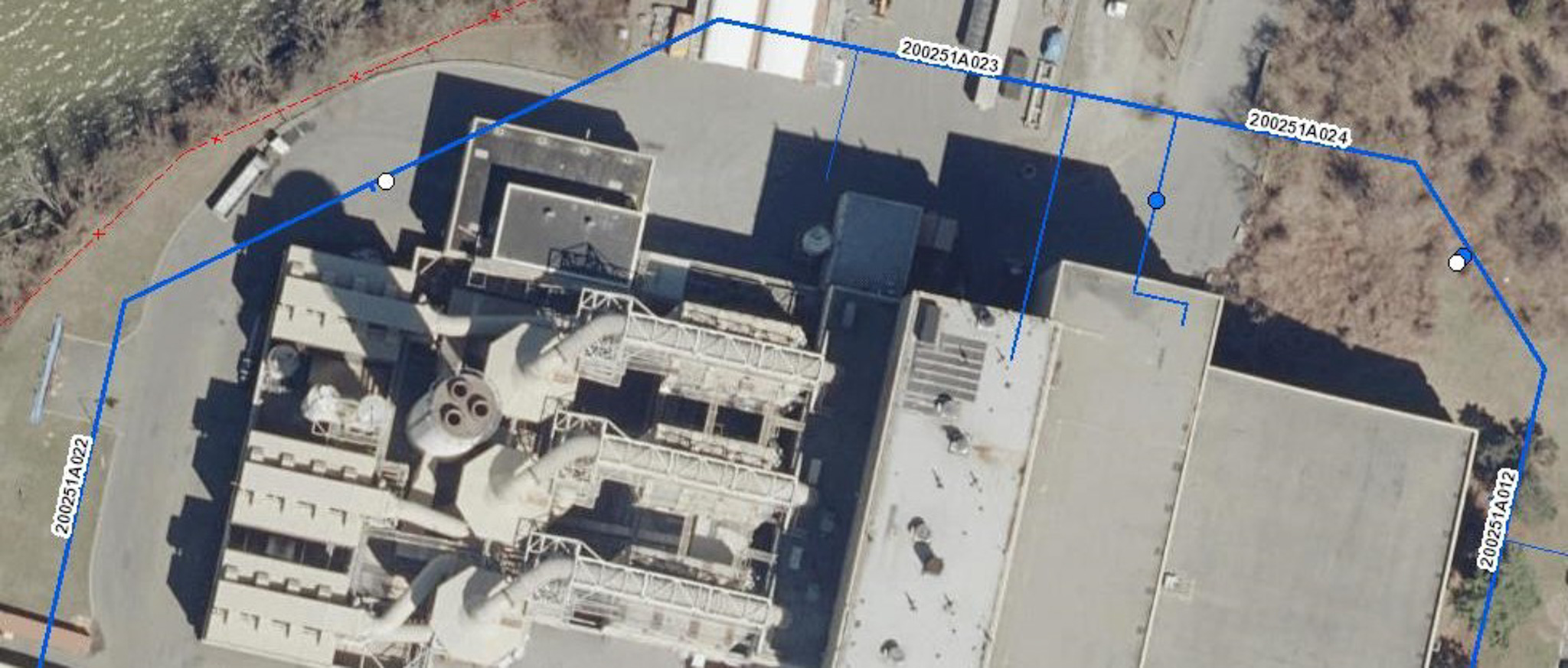
One developer we worked with in Newark discovered PFAS contamination during a routine Phase II ESA for a warehouse-to-residential conversion. The result? A four-month delay while the LSRP designed a groundwater extraction system and negotiated a Remedial Action Workplan with NJDEP. That's four months of carrying costs and construction downtime that could have been avoided with upfront sampling during due diligence.
What You Need to Do Right Now
1. Update Your Phase I and Phase II ESA Scopes
If your environmental consultant isn't automatically flagging PFAS risk during Phase I records reviews, you need a new consultant. Historical site use matters. Former dry cleaners, airports, industrial parks, and municipal facilities are all red flags.
2. Budget for PFAS Sampling in Your Acquisition Pro Forma
A targeted PFAS investigation adds $8,000–$15,000 to a standard Phase II ESA depending on the number of sampling locations. That's a fraction of the cost of discovering contamination after closing.
3. Review Your Construction Material Specifications
Work with your architect and general contractor to identify PFAS-containing products in your current specs. Carpeting, membrane waterproofing, and certain sealants may need substitution. Lead time for PFAS-free alternatives is longer in 2026 than it was two years ago: supply chains are still adjusting.
4. Engage an LSRP Early if Contamination Is Found
New Jersey's LSRP program gives you control over the remediation timeline, but only if you engage qualified professionals who understand NJDEP's evolving PFAS policies. Remediating PFAS isn't like remediating petroleum: the compounds don't biodegrade, and pump-and-treat systems require specialized resin or activated carbon.

5. Coordinate with Your Lender and Title Company
Lenders are starting to require PFAS-specific representations in loan documents for properties with industrial history. Title companies are adding PFAS exclusions to environmental impairment liability policies. Get ahead of these conversations before you're negotiating at the closing table.
How Envicon Keeps Your Project Moving
We've been navigating New Jersey's contaminated site regulations since before the LSRP program existed. Our team includes LSRPs who've closed out hundreds of remediation cases and worked directly with NJDEP's Case Assignment and Site Remediation sections. When PFAS contamination surfaces, we don't just identify the problem: we engineer the fastest, most cost-effective path to regulatory closure.
Our PFAS consulting services include:
- Pre-acquisition PFAS risk screening using historical research and predictive modeling
- Targeted sampling protocols that satisfy NJDEP and New York DEC expectations without oversampling
- Remedial strategy development including cost-benefit analysis of treatment technologies
- LSRP oversight and regulatory negotiation to secure approvals and No Further Action letters
We've managed PFAS investigations at redevelopment sites across the NY/NJ metro area, from former industrial facilities in Jersey City to commercial properties in Westchester County. We understand the interplay between environmental compliance, construction schedules, and financing contingencies.
If you're evaluating a site acquisition in 2026, the question isn't whether PFAS will be an issue: it's whether you'll find out in time to plan for it.
The Bottom Line
New Jersey's January 2028 product ban and New York's 2029 phase-in are non-negotiable deadlines. PFAS sampling is transitioning from optional to standard practice in Phase II site investigations. Drinking water standards are tightening. Material sourcing is getting more complex.
Developers who treat PFAS as an afterthought will pay for it in delays, cost overruns, and regulatory complications. Developers who integrate PFAS assessment into their due diligence, remediation planning, and material specifications will have a competitive advantage in an increasingly regulated market.
The sites with the best redevelopment potential: former industrial properties in prime urban locations: are also the sites most likely to have PFAS contamination. That's not a reason to avoid them. It's a reason to work with environmental consultants who know how to characterize, remediate, and close out these sites efficiently.
PFAS regulations aren't going away. They're expanding. The developers who adapt fastest will be the ones still building when others are stuck in remediation limbo.
Leave a Reply