
Developing on either side of the Hudson River requires a tolerance for complexity. But if you’re a real estate developer or property investor working in both New York City and New Jersey, you know that the "complexity" isn't just about the soil: it’s about the vastly different regulatory engines driving your project toward a buildable site.
The choice between the NYC Voluntary Cleanup Program (VCP) and New Jersey’s Brownfield Cleanup framework isn't just an administrative checkbox. It’s a strategic business decision that impacts your closing timeline, your lender’s comfort level, and millions of dollars in potential incentives.
At Envicon Group, we don’t just fill out the forms. We navigate these two distinct ecosystems every day. Whether you're dealing with an E-Designation in Brooklyn or a legacy industrial site in Jersey City, the goal is the same: clearing the path from a contaminated liability to a compliant asset.
The NYC VCP: Speed, Certainty, and the OER Reviewer
The NYC Voluntary Cleanup Program, run by the NYC Office of Environmental Remediation (OER), is widely regarded as one of the nimblest municipal programs in the country. It was designed specifically for "E-Designation" sites: parcels flagged during rezoning for potential hazardous materials, air quality, or noise issues.
The Strategic Upside of VCP
The VCP is built for speed. If your project is moderately contaminated (think typical NYC urban fill), the VCP is often your best bet for a predictable schedule.
- Liability Protection: This is the big one. Upon completion, you receive a Notice of Completion (NOC). Because of a Memorandum of Understanding (MOU) between the City and the NYSDEC, this NOC provides a City liability release and a state "no further interest" letter. Lenders love this. It effectively satisfies the NYSDEC without the grueling timelines of the state-level Brownfield Cleanup Program (BCP).
- Green Property Certification: Sites that complete the VCP receive a "Green Property Certification," which adds a layer of marketability and ESG (Environmental, Social, and Governance) value to the project.
- BIG Grants: The Brownfield Incentive Grants (BIG) provide upfront money for investigation and remediation. While smaller than NJ tax credits, they are easier to access and help offset the immediate costs of a Phase I or Phase II ESA.
The Reality Check
You aren't working with a private consultant in a vacuum here. You are working with an OER reviewer. At a large national firm, your "project manager" might never have met the reviewer assigned to your Brooklyn site. At Envicon, we sit at the table with OER. We know their technical thresholds and what they need to see in a Remedial Investigation Report (RIR) to keep the project moving.
New Jersey Brownfields: Scale, Incentives, and the LSRP Model
Cross the river, and the game changes entirely. New Jersey doesn’t have a "municipal" equivalent to the VCP. Instead, remediation is governed by the NJDEP under the Site Remediation Reform Act (SRRA).
The LSRP Factor
In NJ, the "regulator" is often the Licensed Site Remediation Professional (LSRP) you hire. The LSRP has the authority to issue a Response Action Outcome (RAO), which is the NJ equivalent of a clean bill of health.
- Scale of Incentives: New Jersey’s brownfield incentives are often more capital-intensive than NYC’s. Through programs like the Brownfield Redevelopment Tax Credit or the Hazardous Discharge Site Remediation Fund (HDSRF), developers can often recoup a significantly higher percentage of their remediation costs compared to NYC BIG grants.
- Flexibility: Because the LSRP drives the day-to-day decisions, you aren't always waiting on an agency reviewer to clear a minor field change. However, this puts an immense amount of pressure on the LSRP’s technical judgment and their ability to defend that judgment if the NJDEP audits the file later.

Head-to-Head: A Strategic Comparison
| Feature | NYC Voluntary Cleanup Program (VCP) | NJ Brownfield Framework (NJDEP/LSRP) |
|---|---|---|
| Primary Oversight | Direct OER Agency Reviewers | Licensed Site Remediation Professional (LSRP) |
| Best Site Profile | Small to mid-size urban infill; E-Designations | Large-scale industrial; complex soil/groundwater |
| Liability Relief | City Release + NYSDEC "No Further Interest" | RAO issued by LSRP (State-level protection) |
| Financial Hook | Upfront BIG Grants (Investigation/Remediation) | Significant Tax Credits & HDSRF Grants |
| Public Process | Formal Citizen Participation Requirements | Dependent on redevelopment area status |
| Speed | Extremely nimble for moderate contamination | Highly dependent on LSRP efficiency |
Why the "Big Firm" Approach Fails Cross-River Developers
If you’re using a massive national consulting firm, you’re likely feeling the friction of the "Black Box" model.
- The New York Problem: Large firms often treat NYC OER as a burden. They write 400-page reports that are defensively worded to protect the consultant’s liability, rather than focusing on the specific "cleared path" OER needs to see. This leads to endless rounds of comments and stalled permits.
- The New Jersey Problem: At a big firm, the LSRP who signed your proposal is rarely the one looking at your sampling data at 7:00 AM. Your project is handed off to junior staff who don't understand the local geology or the specific nuances of the NJDEP Field Sampling Procedures Manual.
At Envicon, we remove these obstacles. We don't just "hand you a report." We give you value-add work that moves the project forward. Whether it's coordinating directly with your architect to align a Soil Management Plan with your foundation design, or sitting with a local official to explain why a specific remedial strategy is the best fit for the community, we take ownership of the outcome.

The Digital Edge: Transparency on Both Sides of the Hudson
One of the biggest pain points for developers is the lack of visibility. "Where is my report?" "Is the lab data back?" "What's the status of the OER submittal?"
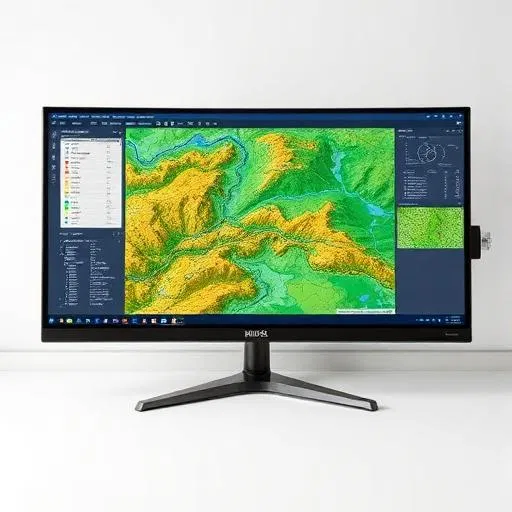
We solved this with our proprietary project management infrastructure. Our clients don't wait for a monthly PDF. They have real-time access to dashboards that show:
- Regulatory Status: Exactly where your submittal sits in the OER or NJDEP queue.
- Field Activity: Real-time updates from soil borings and groundwater sampling.
- Budget vs. Actuals: No more "surprise" change orders at the end of the quarter.
This transparency changes the dynamic. It moves the relationship from "client and vendor" to "strategic partners."
Technical Takeaways for Your Next Project
Before you commit to a remedial path, consider these three variables:
- Site Constraints: In NYC, the VCP is almost always the correct path for E-Designation sites. In NJ, your choice of LSRP is more important than the program itself: you need a partner who understands your specific industry, whether it's warehousing or multi-family.
- Lender Requirements: Some lenders are strictly "NYC VCP or State BCP only" for New York projects. Ensure your environmental consultant is talking to your financing team early.
- Soil Management: Soil disposal is often the single largest environmental cost. Whether you’re utilizing the NYC Clean Soil Bank or navigating NJ’s "Fill" definitions, your civil engineering and environmental teams must be perfectly aligned to minimize off-site disposal costs.
Summary: From Liability to Asset
The Hudson River divides two of the most complex regulatory environments in the world. Success requires more than technical knowledge; it requires regional fluency.
- NYC VCP provides the fastest route to liability relief for urban redevelopment.
- NJ Brownfield programs offer massive financial incentives for large-scale industrial projects.
- Envicon Group provides the technical precision, urgency, and direct agency relationships to bridge the gap between both.
Stop paying for bloated reports and defensive consulting. Get a cleared path to a buildable site.
Ready to de-risk your next NYC or NJ project? Contact Envicon Group today to discuss your site characterization and remediation strategy. We don't sell reports. We sell cleared paths.
Leave a Reply