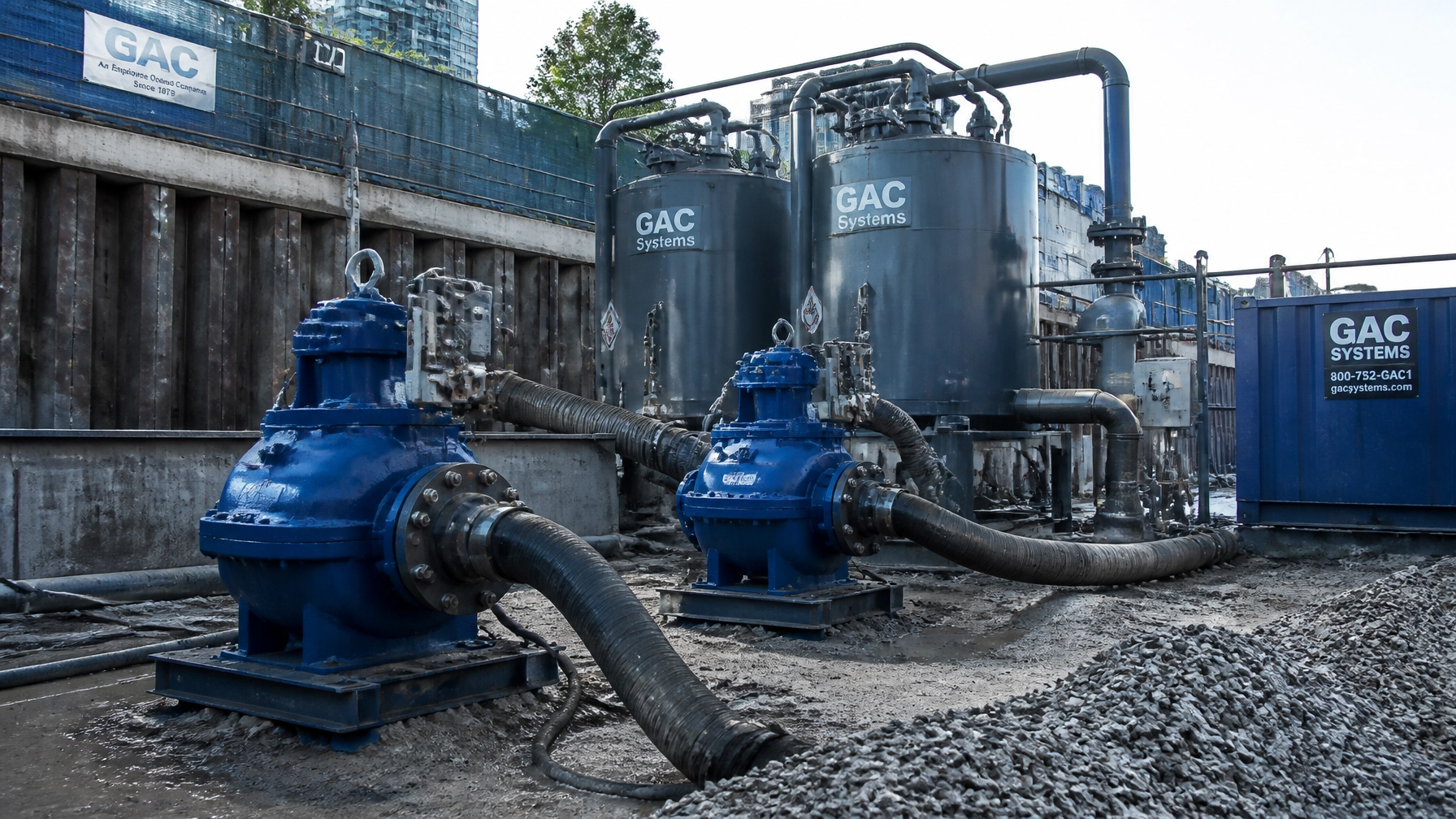
For developers and contractors moving dirt in New Jersey, regulatory costs are a moving target. On January 1, 2026, the New Jersey Department of Environmental Protection (NJDEP) implemented a revised fee schedule for water supply allocation permits, temporary dewatering permits, and water use registrations.
These adjustments aren’t a result of new policy whims but are a direct byproduct of the consumer price index (CPI). Under the framework codified in N.J.A.C. 7:19-3.6, the NJDEP is mandated to adjust its fee schedule for inflation. For 2026, that adjustment sits at a 2.4 percent increase across the board, based on the previous 12-month CPI.
If you’re managing a high-stakes development project in Hudson County or a large-scale remediation in Newark, this isn't just about a few extra dollars on a check. It’s about ensuring your project’s budget and compliance permitting are aligned with the latest state mandates to avoid the type of administrative friction that stalls closings and stops machines.
The Technical Breakdown: The 2.4% Adjustment
The formal amendment of the Water Supply Allocation Permits rules (N.J.A.C. 7:19) on January 5, 2026, finalized the numbers that developers have been bracing for. The adjustment applies to initial application fees, major modification fees, and the recurring annual fees that projects must pay to maintain their legal right to divert water.
In New Jersey, water allocation is divided into classes based on the volume of water being diverted. Whether you are operating under a standard allocation permit or a temporary dewatering permit: critical for deep excavations and foundation work: the new schedule applies.
Allocation Classes and Fee Tiers
The NJDEP categorizes diversions into six primary classes (Class 1 through Class 6), based on monthly allocation:
- Class 1: 3.1 million to < 15.5 million gallons per month (mgm)
- Class 2: 15.5 mgm to < 31.0 mgm
- Class 3: 31.0 mgm to < 62.0 mgm
- Class 4: 62.0 mgm to < 155.0 mgm
- Class 5: 155.0 mgm to < 310.0 mgm
- Class 6: 310.0 mgm and above
The 2.4% increase impacts both the "entry price" of the permit and the "holding cost" of keeping it active. For contractors running 24/7 dewatering operations to keep a site dry, these annual fees are a non-negotiable part of the site development playbook.

Why This Matters for Your Project’s Bottom Line
At Envicon, we don't sell reports; we sell cleared paths. While a 2.4% increase might sound marginal on a single line item, it reflects a broader trend of rising regulatory overhead in the NY/NJ metro area. The real cost isn't the fee itself: it’s the delay caused by an improperly filed permit or an overlooked fee update that leads to a "Stop Work" order or a rejected submittal.
"The firm you hired doesn't know your regulator's reviewer by name. That’s why your permit is sitting in a queue while your carry costs mount." : Jason Pancoast, CEO of Envicon Group.
When a large national firm handles your permitting, they often treat these updates as administrative paperwork for junior staff. At Envicon, we treat them as critical project milestones. Every week your project is stalled due to a permitting snag, you’re losing lender patience and market timing.
Temporary Dewatering: The High-Stakes Variable
Temporary dewatering permits are often the most time-sensitive components of a construction start. If you are breaking ground on a site with high groundwater: common across the Jersey City and Hoboken waterfronts: you cannot move forward without an approved plan and a paid-up permit. The January 1st change means that any new applications or renewals must reflect the adjusted schedule or face immediate return for "administrative incompleteness."
Navigating the N.J.A.C. 7:19 Framework
The rules governing water allocation are dense, but the objective is simple: managing New Jersey's finite water resources. The NJDEP's official notice makes it clear that these fees support the administrative and technical staff required to review complex hydrogeological reports and monitor state-wide water usage.
For a developer, the "root cause" of permit delays often isn't the regulator: it's a consultant who wrote a report for "CYA" (Cover Your Assets) rather than for a path to closure. A report that is technically sound but fails to address the specific concerns of the NJDEP reviewer is just a very expensive paperweight.
What You Should Do Now
- Audit Your Active Permits: Ensure all annual fees for 2026 have been calculated against the new 2.4% increased schedule.
- Review Upcoming Applications: If you have a project slated for a Q1 or Q2 2026 start, verify that your budget reflects the January 5th rule amendments.
- Check Your Allocation Class: If your site conditions have changed: perhaps you’ve optimized your stormwater management: you might be able to modify your permit to a lower allocation class, potentially offsetting the fee increase.

The Envicon Difference: Speed, Precision, and Trust
Most consultants hand you a report and leave you to figure out what it means. When the NJDEP updates a fee schedule or amends a rule, a "big box" firm might send out a generic newsletter three months late.
Envicon Group works differently. We sit at the table with the NJDEP and NYSDEC daily. We don't just notify you of a 2.4% fee increase; we analyze how that increase fits into your overall remediation design and site-civil strategy.
- Hands-on Leadership: You won't talk to a partner at the pitch and then never see them again. The person who knows the regulator is the person writing your report.
- Regional Fluency: We don't apply a cookie-cutter national playbook. We know the specific geology of the NJ metro area, from the Rahway River Basin to the Highlands.
- Technology-Driven: Our project management infrastructure gives you real-time visibility into your permit status. You’ll know the fee is paid and the permit is active before the excavator even arrives on-site.
Summary: A Proactive Approach to 2026
The 2026 NJDEP Water Allocation fee adjustment is a reminder that in environmental consulting and civil engineering, details matter.
- Effective Date: January 1, 2026.
- Rule Change: N.J.A.C. 7:19 formally amended January 5, 2026.
- Adjustment: 2.4% increase across all water allocation and dewatering permit fees.
- Impact: Higher initial application, major modification, and annual fees.
Don't let a minor fee adjustment become a major project hurdle. Whether you're navigating brownfield redevelopment or managing complex site-civil engineering, you need a partner who values urgency and integrity as much as you do.

Take the Next Step
Navigating NJDEP regulations shouldn't be a black box. If you’re concerned about how these fee changes or the broader N.J.A.C. 7:19 amendments will impact your upcoming project, reach out to the team that treats your site like their own.
- Call now: tel:9177642171
- Book a free consultation: https://envicongroup.com/contact
- Assess your project risk: Envicon Risk Screener Tool
- Estimate your costs: Envicon Cost Estimator Tool
Leave a Reply