For New York City developers, an E-designation is more than just a footnote on a zoning map; it is a significant regulatory hurdle that can stall a project before the first shovel hits the dirt. As we move through 2026, the NYC Office of Environmental Remediation (OER) has refined the process for satisfying and eventually removing these designations.
An E-designation is a "flag" placed on a property to ensure that environmental requirements related to hazardous materials, air quality, or noise are addressed during redevelopment. While obtaining a Notice to Proceed (NTP) or a Notice of Satisfaction (NOS) allows you to move through construction and obtain a Certificate of Occupancy, it does not automatically remove the E-designation from your property’s title.
At Envicon Group, we don’t just deliver reports: we deliver cleared paths. If your goal is to exit the OER program entirely and clear your property’s zoning record, you need to understand the technical nuances of the removal process.
The Three Pillars of an E-Designation
Before you can remove an E-designation, you must satisfy its specific components. Most designations fall into one or more of these categories:
1. Hazardous Materials
This is the most common and complex component. It requires a rigorous Phase I and Phase II Environmental Site Assessment to identify potential contamination. To achieve full removal of a hazmat E-designation, the site must be remediated to a level that requires no ongoing engineering or institutional controls.
2. Air Quality
Air quality E-designations typically involve restrictions on fuel types (e.g., natural gas only), HVAC stack locations, or filtration requirements. Removal requires proof that these systems were installed exactly as approved and that the source of the potential air impact has been mitigated.
3. Noise Attenuation
Noise designations focus on the building envelope. Developers must provide specific window-wall attenuation (measured in OITC ratings) and "alternate means of ventilation" (AMV) so that windows can remain closed while maintaining fresh air flow.

The Road to Removal: 2026 Requirements
To have an E-designation administratively removed from the NYC Zoning Resolution, the project must meet three high-level criteria:
Full Build-Out to Zoning Potential
OER generally will not remove a designation if the site is only partially developed. The agency wants to ensure that the environmental mitigations: especially for air and noise: are representative of the site’s final, full-scale use.
No Active Engineering or Institutional Controls
This is the "deal-breaker" for many hazmat removals. If your site requires an active sub-slab depressurization system (SSDS) or a permanent deed restriction to remain safe, the E-designation will stay in place to ensure those systems are maintained. To qualify for removal, you typically need to achieve a "Track 1" or a high-level "Track 2" cleanup where no long-term management is required.
Installation Reports & Documentation
The transition from construction to removal hinges on the Remedial Action Report (RAR). For air and noise, this includes detailed installation reports with manufacturer specs, photographs of installed windows, and PE-certified HVAC plans.
"Collaboration is not a buzzword: it's how we work. We navigate these technical hurdles so your project doesn't just get built, it gets cleared." : Jason Pancoast, CEO, Envicon Group
The EPIC Submission Process
All communication with OER now flows through the EPIC (Environmental Project Information Center) portal. This digital infrastructure is where your site investigation results and remedial plans are logged.
In 2026, the EPIC portal serves as the official record for:
- Notice to Proceed (NTP): Issued after your Remedial Action Work Plan (RAWP) is approved, allowing DOB to issue permits.
- Notice of Satisfaction (NOS): Issued after construction and closure report approval, allowing for a Certificate of Occupancy.
- Final Notice of Satisfaction: The specific document OER sends to the Department of City Planning (DCP) to trigger the administrative removal of the E-designation from the Zoning Map.

Regulatory Exit: OER to DCP
Once OER issues the Final Notice of Satisfaction, the process moves into the hands of the Department of City Planning (DCP). While OER certifies the environmental work is done, DCP manages the "Zoning Resolution Appendix C," which lists the affected tax lots.
This administrative removal is the final step in restoring your property’s status to a "clean" asset. It removes the cloud on the title that often complicates future financing, refinancing, or sales.
Offsetting Costs: The BIG Grant Program
Navigating these requirements isn't cheap, but NYC offers a lifeline: the Brownfield Incentive Grant (BIG) program. For eligible sites, the BIG program provides financial assistance for:
- Pre-development environmental investigations.
- Remedial planning and professional services.
- Cleanup activities.
For developers dealing with an E-designation, BIG grants can significantly offset the premium costs of the high-level remediation required for full removal. At Envicon, we help our clients identify and apply for these incentives as part of our Brownfield Redevelopment Support.

Why Envicon? The Difference Between a Report and a Result
When you hire a large national firm, your NYC project often ends up in the hands of a junior staffer in a regional satellite office who has never met an OER reviewer. They’ll hand you a bloated, defensive report and leave you to figure out why the DCP hasn't updated your zoning record.
At Envicon, we bring 20 years of direct agency relationships. We know the reviewers at OER, NYSDEC, and NYC Parks by name. We don't just write reports to cover ourselves; we write them to get your project to the next step.
- Hands-on Leadership: You talk to the PEs who are actually on your site.
- Direct Coordination: We work with your architects and attorneys to ensure the Noise and Air RAPs don't conflict with your building's design.
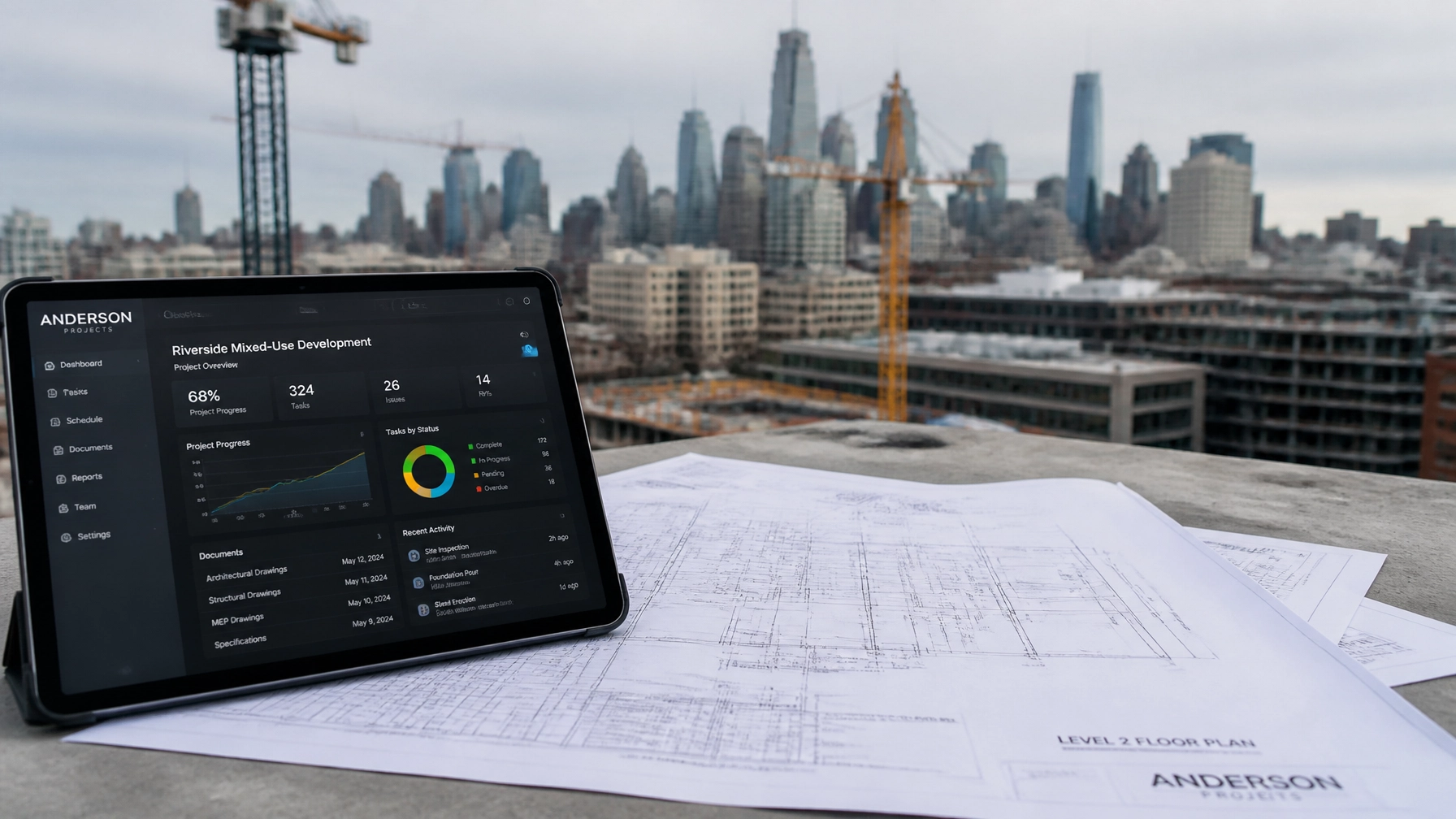
- Technical Transparency: Our digital dashboards give you real-time visibility into your project's status, so you’re never wondering if your submission is sitting in someone's queue.
Summary & Key Takeaways
- Understand the Type: Know if your E-designation covers Hazmat, Air, Noise, or all three.
- Aim for Clean: If you want the designation removed, aim for a remediation level that requires no ongoing management.
- Document Everything: Installation reports for windows and HVAC are just as critical as soil samples.
- Leverage EPIC: Ensure your environmental professional is proficient in the OER EPIC portal to avoid delays.
- Seek Funding: Don't leave money on the table: check your eligibility for BIG grants early.
Stop paying for junior execution and big-firm overhead. Let Envicon clear the path for your next buildable site.
Take Action Today
- Book a free consultation to review your site’s E-designation requirements.
- Use our Cost Estimator tool to budget for your remedial investigation.
- Run a Risk Screener on your property to identify hidden environmental flags.

Leave a Reply