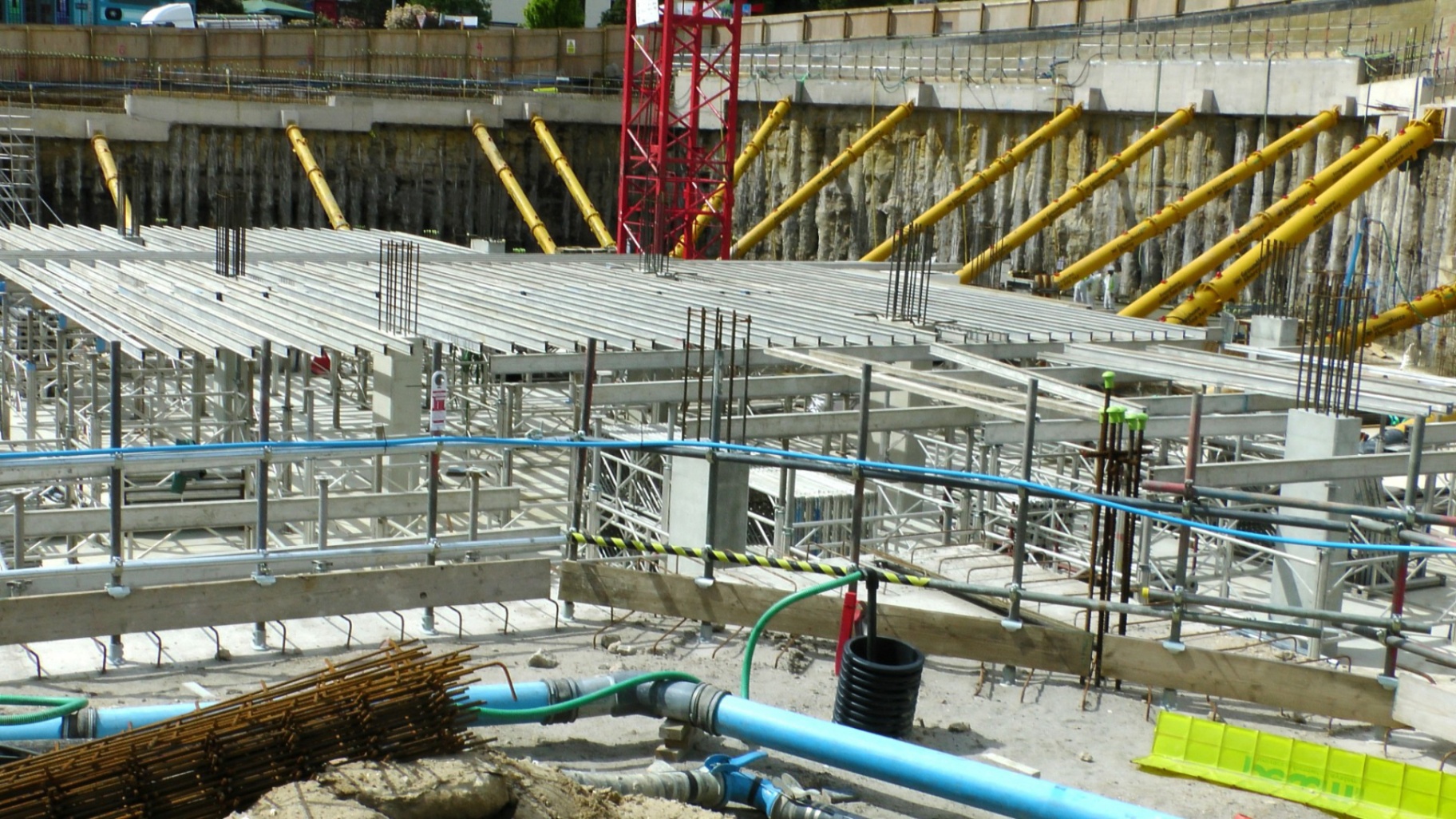
A construction impact analysis is not a general description of construction activity. In a CEQR or SEQRA environmental impact statement, it is a technical forecast of how the proposed project will affect traffic, air quality, noise, vibration, access, community facilities, and neighborhood conditions before the project becomes operational.
For developers in Queens, Newark, and Monmouth County, the analysis also creates a practical obligation. Commitments documented in the EIS, findings, permits, and approval conditions can become requirements that the contractor must follow in the field.
The distinction matters. A project may receive approval based on specific construction hours, truck routes, staging limits, monitoring procedures, and mitigation measures. If the contractor ignores those commitments, the project can face complaints, stop-work direction, agency enforcement, or a new round of regulatory review.
CEQR, SEQRA, and New Jersey environmental review
New York’s State Environmental Quality Review Act, or SEQRA, provides the state framework for environmental review. New York City implements that framework through the City Environmental Quality Review process, known as CEQR.
The NYC CEQR Technical Manual provides the analytical methods used for construction, transportation, air quality, noise, socioeconomic conditions, community facilities, and other impact categories.
New Jersey does not use SEQRA. Projects in Newark and Monmouth County may instead involve NJDEP requirements, municipal approvals, Executive Order 215, federal NEPA review, or project-specific environmental conditions. The New Jersey Executive Order 215 guidance and N.J.A.C. 7:22-10.6 illustrate the draft, public review, final statement, and mitigation structure used for certain New Jersey projects.
The legal pathway can differ. The project management problem is the same. The analysis must be accurate, the commitments must be clear, and the contractor must know exactly what compliance looks like.
Construction analysis is not operational analysis
An EIS usually evaluates both construction-period conditions and the long-term operational condition. These analyses answer different questions.
Construction analysis
Construction analysis evaluates temporary effects caused by activities such as:
- Demolition and excavation
- Foundation work and support of excavation
- Pile installation or deep foundation work
- Concrete placement and structural construction
- Soil export and material deliveries
- Temporary lane, sidewalk, or curb-lane closures
- Equipment emissions and fugitive dust
- Noise and vibration
- Construction worker travel
- Emergency access and pedestrian circulation
- Access to nearby schools, businesses, residences, and community facilities
Construction impacts may last only a few months, but a large project can create impacts over several years. Temporary does not mean insignificant. A recurring truck queue outside a school, a blocked sidewalk near a transit stop, or vibration next to an older masonry building can become a material community and compliance issue.
Operational analysis
Operational analysis evaluates conditions after the project opens. It may consider:
- Long-term traffic and parking demand
- Residential population and employment
- School-age children
- Demand on libraries, police, fire, and health facilities
- Transit use
- Building emissions
- Open space and neighborhood character
- Long-term noise or access conditions
The construction analysis focuses on how the project is built. The operational analysis focuses on how the completed project functions. A project can have no significant operational traffic impact and still require substantial construction traffic mitigation.
The Reasonable Worst Case Development Scenario
The Reasonable Worst Case Development Scenario, or RWCDS, establishes the development envelope used for analysis. Under CEQR, the lead agency evaluates the range of reasonable and likely outcomes and selects the scenario with the greatest potential environmental consequences.
The CEQR glossary describes the RWCDS concept as a conservative projection of development used to evaluate likely environmental effects. The analysis generally compares:
- The future No Action condition, meaning what is expected without the proposed approval
- The future With Action condition, meaning what could occur if the approval is granted
The difference between those conditions forms the basis for impact analysis.
For construction, the RWCDS affects the assumed building area, number of buildings, development mix, excavation volume, construction phases, worker population, delivery schedule, and peak truck activity. The worst case for traffic may not be the worst case for noise or air quality. A technical chapter may therefore use a specific phase or development condition that creates the greatest effect for that topic.
The RWCDS should not be treated as a theoretical exercise. It controls the assumptions that later become construction commitments.
Construction duration and phasing
Duration is one of the first factors agencies review. The NYC Environmental Assessment Statement specifically asks whether construction will last more than two years. A “yes” response can require additional analysis under CEQR Chapter 22, although duration is only one consideration.
The schedule should identify:
- Demolition and site preparation
- Excavation and support of excavation
- Foundation construction
- Structural framing
- Exterior enclosure
- Interior construction
- Utility connections and street work
- Site restoration and completion
The analysis should identify overlapping phases. For example, excavation may generate the highest soil export, while structural work may create the greatest concrete delivery demand. Exterior work may increase sidewalk and lane occupancy. Different phases create different peak conditions.
A credible schedule also accounts for:
- Seasonal constraints
- Night or weekend work
- Utility relocations
- Agency inspection windows
- Material delivery restrictions
- Unexpected subsurface conditions
- Remediation or soil handling requirements
A schedule that looks reasonable on paper but ignores field constraints will produce weak truck and staging assumptions.
Truck trips, routes, and staging
Truck-trip analysis should be tied to actual construction quantities and phases. A generic statement that “trucks will use local roads” does not give the lead agency or community enough information.
The analysis typically considers:
- Excavated soil and imported fill
- Concrete and reinforcing steel deliveries
- Structural steel and precast materials
- Equipment mobilization
- Waste and recycling hauling
- Worker vehicle trips
- Peak daily and hourly truck activity
- Arrival and departure routes
- Queueing and waiting areas
- Restrictions on deliveries near schools, residences, or transit stops
Staging plans should show where trucks enter, wait, load, unload, and exit. They should also identify how the site will maintain pedestrian access, emergency access, fire department access, and neighboring business operations.

For a Queens project, a staging plan may need to address dense sidewalks, bus routes, curb regulations, and limited laydown space. In Newark, the plan may need to coordinate industrial traffic, transit access, and adjacent redevelopment. In Monmouth County, the focus may include roadway capacity, residential access, seasonal traffic, and longer haul routes.
The plan should be usable by the superintendent and traffic coordinator. If the mitigation cannot be translated into a gate plan, delivery protocol, or daily inspection item, it is not finished.
Community facilities and public access
Community facilities analysis generally evaluates the completed project’s demand on schools, libraries, police, fire, health care, and social services. Residential population and employment assumptions drive much of this work.
Construction can create a separate access issue. A project may temporarily affect:
- A school drop-off area
- A library entrance
- A firehouse access route
- A medical facility driveway
- A senior center
- A public park or recreation facility
- A community organization serving nearby residents
The EIS should explain how access will be maintained and how temporary disruptions will be communicated. Construction fencing, sidewalk closures, truck movements, and noise should not be treated as isolated contractor concerns when they affect community facilities.
Public review: scope, DEIS, hearing, FEIS, and findings
For a CEQR EIS in New York City, the public review sequence generally includes the following steps.
1. Draft scope
The draft scope identifies the technical topics and methods proposed for the EIS. It should explain how the project will evaluate construction duration, traffic, staging, noise, air quality, community facilities, and other relevant issues.
The public can comment on whether the scope is complete. In Queens, community boards, elected officials, agencies, neighborhood organizations, and residents may raise concerns about truck routes, school access, construction hours, or the duration of disruptive work.
2. Scoping meeting and comments
The lead agency holds a public scoping meeting. Written comments are accepted according to the project notice and CEQR procedures. The NYC CEQR procedures guidance explains the public participation framework.
Public comments can expand the analysis, add study locations, require additional traffic counts, or produce more specific mitigation commitments.
3. Draft Environmental Impact Statement
The DEIS presents the initial technical analysis. It identifies significant impacts and proposes mitigation. Once the DEIS receives a Notice of Completion, it enters public review and a public hearing is held.
The DEIS is the point where the community can test the assumptions. Are the truck trips realistic? Does the staging plan account for school dismissal? Does the construction schedule include overlapping phases? Is the proposed monitoring adequate?
4. Final Environmental Impact Statement
The FEIS responds to substantive comments, updates the analysis, and finalizes the mitigation program. Changes may include revised truck routes, added noise monitoring, stronger pedestrian protections, adjusted work hours, or additional agency coordination.
5. Findings
After the FEIS, the lead agency issues findings before taking the final action. Findings identify the environmental record, significant impacts, mitigation, and unavoidable adverse effects.
For land use actions subject to ULURP, the community board process operates alongside CEQR. The community board may issue recommendations that identify local construction concerns and request conditions. The final decision remains with the applicable approving bodies, but community comments become part of the public record.
Newark and Monmouth County projects follow different procedures depending on the lead agency, approval type, and funding source. The project team must identify the controlling review pathway early rather than applying NYC CEQR assumptions to a New Jersey project.
When EIS mitigation becomes a contractor obligation
Mitigation commitments can become binding through:
- Findings statements
- Permits and approval conditions
- Land use approvals
- Construction protection plans
- Traffic maintenance plans
- Agency commitments
- Contract specifications
- Environmental monitoring requirements
A contractor should receive a compliance matrix before mobilization. Each commitment should identify the requirement, responsible party, timing, evidence of compliance, and escalation procedure.
Examples include:
- Approved construction hours
- Truck routes and delivery windows
- Idling controls
- Noise and vibration limits
- Dust control procedures
- Pedestrian and sidewalk protections
- Air monitoring
- Community notification
- Historic structure monitoring
- Soil handling and disposal documentation
- Incident reporting and corrective action
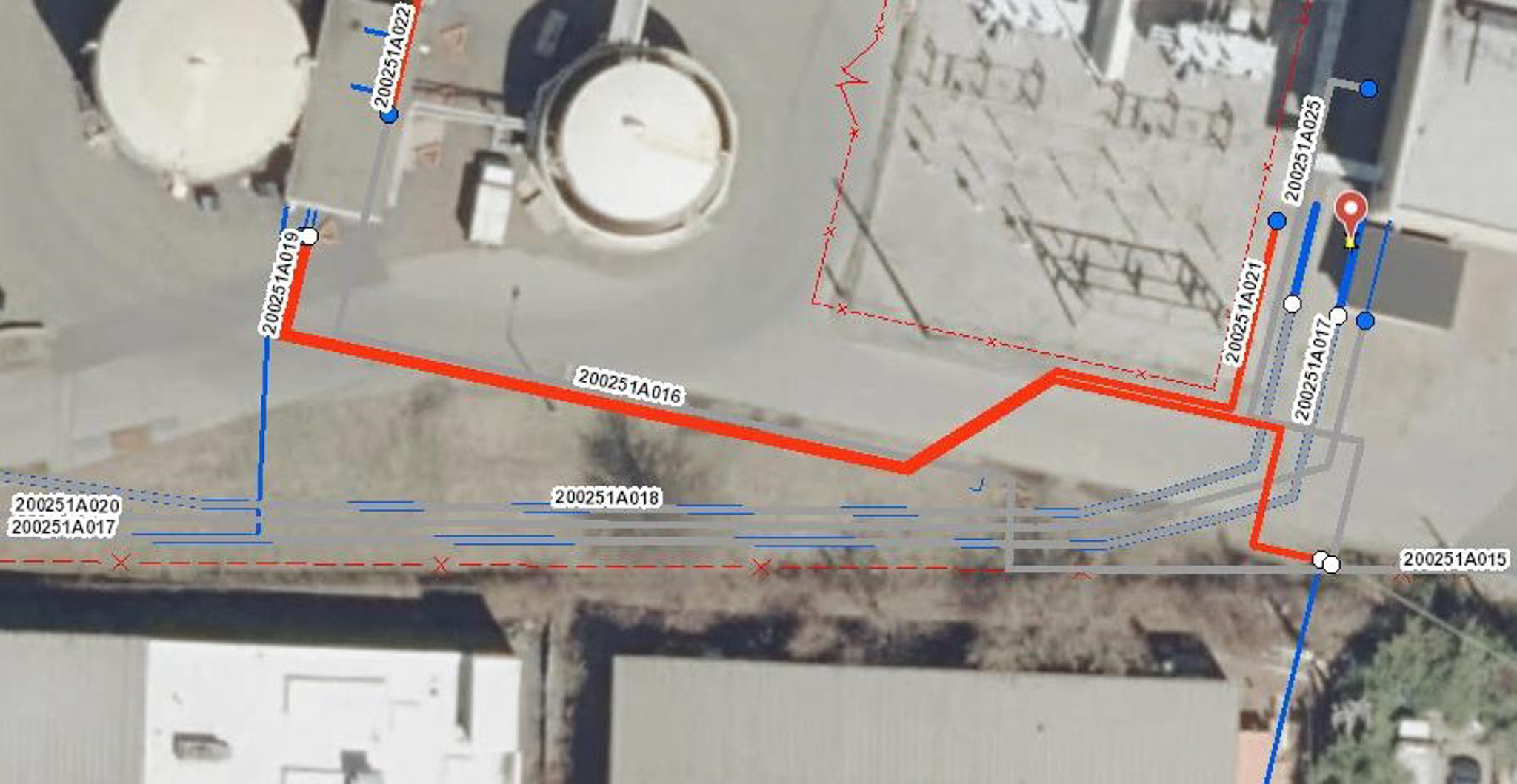
Environmental monitoring during construction verifies that the approved plan matches field conditions. Records may include daily inspection logs, truck counts, photographs, noise and vibration readings, air monitoring results, delivery records, complaints, and corrective action reports.
This is where construction oversight matters. A consultant should not wait for a complaint or agency inspection to discover that the contractor changed the staging area. Field-level oversight identifies the deviation, documents it, and directs correction while the project can still stay on schedule.
How Envicon keeps the commitments enforceable
Envicon provides construction oversight and compliance and permitting support for projects that need more than a completed EIS on a shelf.
We connect the EIS commitments to the drawings, specifications, contractor briefings, field inspections, monitoring records, and agency coordination that follow. Our team works directly with developers, contractors, attorneys, architects, engineers, municipalities, and regulators.
That approach is especially important in Queens, Newark, and Monmouth County, where the regulatory path and field conditions can change from one project to the next. Collaboration is not a buzzword. It is how the work gets done.
Key takeaway
A construction impact analysis is a project control document. It establishes the assumptions used for duration, truck trips, staging, traffic, community access, and monitoring. Public comments can change those assumptions. The FEIS and findings can turn them into enforceable commitments.
The contractor must understand the environmental record before work begins. The owner must verify compliance throughout construction. And the consultant must be present when the plan meets the field.
Envicon helps clients solve environmental and engineering challenges with precision, speed, and trust. We do not just deliver reports. We help keep complex projects moving toward a buildable, compliant outcome.
Take the next step
- Use Envicon’s proprietary project risk screener
- Use our proprietary cost estimator tool
- Check us out on LinkedIn

Leave a Reply