
The PFAS regulatory landscape just shifted dramatically across New York and New Jersey, and if you’re a developer planning your next project, ignoring these changes could cost you big time. What started as a “nice to have” environmental consideration has become mandatory compliance with strict testing requirements, new groundwater standards, and enforcement actions that can derail projects overnight.
Gone are the days when PFAS was an afterthought in Phase I Environmental Site Assessments. Recent regulatory updates from both NYSDEC and NJDEP have fundamentally changed the game, requiring developers to integrate PFAS considerations into their due diligence from day one. Here’s what you absolutely need to know before breaking ground on your next project.
1. PFAS Testing Is Now Mandatory for NJ Remediation Sites
New Jersey dropped a regulatory bombshell in March 2025 with proposed rules requiring PFAS sampling at remediation sites “when contaminants are unknown or not well documented.” This isn’t a suggestion: it’s becoming law.
The new requirements specifically mandate testing for GenX, PFOA, PFNA, and PFOS at sites where contamination history is unclear or incomplete. For developers, this means your Phase I ESA scope just expanded significantly. What used to be optional PFAS screening is now a regulatory requirement that can’t be skipped or deferred until Phase II investigations.
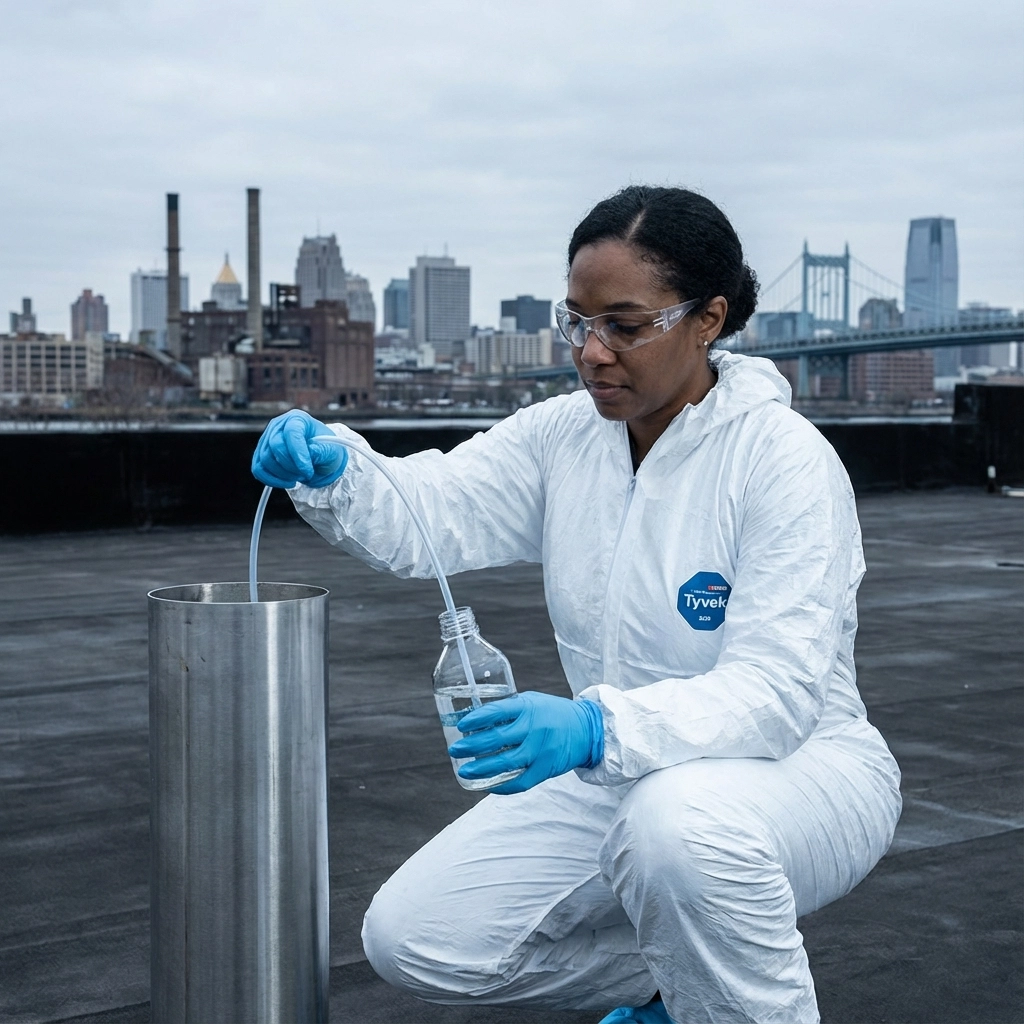
Cost Impact: Budget an additional $300-$500 per sample for certified PFAS analysis, with special handling and chain-of-custody requirements that can extend turnaround times by 1-2 weeks. For larger sites requiring multiple sampling points, you’re looking at thousands of dollars in additional assessment costs.
2. New Jersey’s Groundwater Standards Just Got Stricter
NJDEP established a groundwater quality criterion of 0.02 μg/L for GenX with a practical quantitation level (PQL) of 0.0075 μg/L. To put this in perspective, these are detection limits so low they’re measured in parts per quadrillion: making previous contamination standards look practically generous.
This isn’t just an academic exercise. These new standards directly impact:
- Remediation trigger levels for contaminated sites
- Long-term monitoring requirements
- Treatment technology specifications
- Project timeline and cost projections
Developers need to factor these ultra-low thresholds into their due diligence calculations. A site that previously appeared clean under older standards might now require extensive remediation under the new PFAS criteria.
3. New York’s Apparel Manufacturing Restrictions Are Already in Effect
Since January 1, 2025, New York prohibits manufacturing, distributing, or selling new textile articles containing intentionally added PFAS. This might seem like it only affects clothing manufacturers, but the implications run deeper for mixed-use developments, industrial redevelopment projects, and any property with historical textile manufacturing operations.
The current regulations allow PFAS concentrations up to 50 ppm, but this drops to even stricter limits starting January 1, 2027. For developers working on brownfield sites with historical textile operations, this creates a complex compliance web where legacy contamination intersects with current manufacturing restrictions.
If your development includes any textile-related operations or sits on former apparel manufacturing sites, you need to verify PFAS-free compliance documentation and understand how historical contamination might impact future land use restrictions.
4. Wastewater Treatment Requirements Just Got More Complex
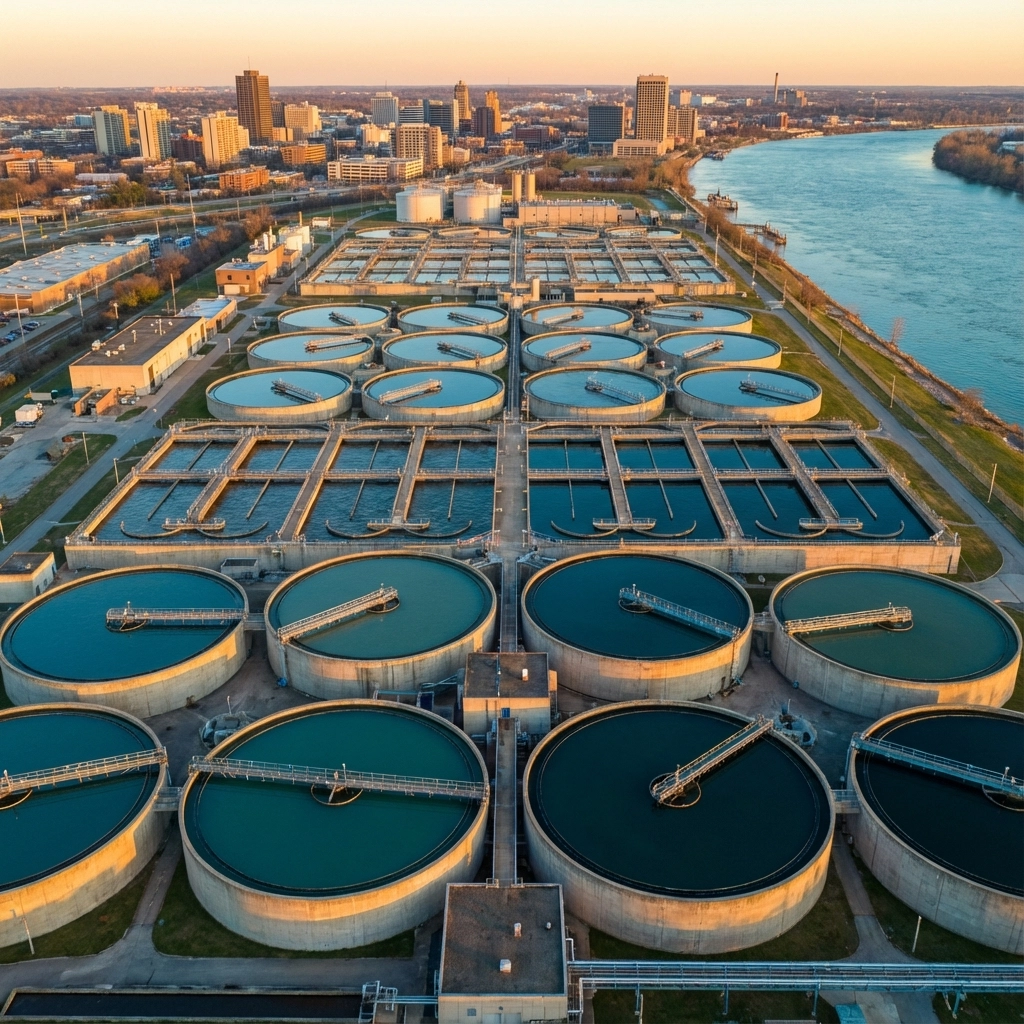
NYSDEC’s December 11, 2025 final guidance for wastewater treatment plants represents a significant shift in how municipalities handle PFAS in their treatment systems. The guidance specifically targets protection of drinking water sources and surface waters, creating new coordination requirements for developers.
What This Means for Your Project:
- New developments with significant wastewater discharge must coordinate with municipal treatment facilities on PFAS removal capabilities
- Industrial developments may face discharge permit modifications or pretreatment requirements
- Stormwater management systems need evaluation for potential PFAS pathways
- Municipal utility connections might require additional PFAS monitoring and reporting
The guidance recognizes that conventional wastewater treatment doesn’t effectively remove PFAS compounds, meaning developers need to consider alternative treatment technologies or discharge management strategies for projects with potential PFAS sources.
5. Biosolids and Land Application Create New Compliance Headaches
NYSDEC’s new policies requiring PFAS sampling in soil products made from biosolids have created unexpected compliance challenges for developers. If your project involves land application of treated biosolids, soil amendments from municipal treatment facilities, or purchasing fill material from questionable sources, you’re now responsible for verifying PFAS levels.
This is particularly problematic for large-scale developments requiring significant soil imports or agricultural land conversions where biosolids have been historically applied. The testing requirements add another layer of material sourcing verification that can impact project timelines and costs.
Red Flags to Watch For:
- Fill material sourced from agricultural areas with biosolids history
- Soil amendments from municipal wastewater treatment facilities
- Compost products containing municipal biosolids
- Any land with historical septage or sludge application
6. Laboratory Testing Complexity Is Driving Up Costs and Timelines
PFAS analysis isn’t your typical environmental testing. It requires specialized laboratory capabilities, unique preservation methods, and contamination-free sampling protocols that most contractors aren’t equipped to handle properly.
Certified laboratory analysis costs $300-$500 per sample with 2-3 week turnaround times under normal conditions. During peak demand periods, you might face 4-6 week delays. The specialized handling requirements mean field teams need additional training and equipment, adding 15-20% to typical sampling costs.

Sample Management Challenges:
- Teflon-free sampling equipment requirements
- Specialized preservation and shipping containers
- Chain-of-custody protocols for PFAS-specific analysis
- Temperature and holding time restrictions
- Laboratory certification requirements for reliable results
For developers used to fast-track environmental assessments, these extended timelines can significantly impact project scheduling and financing deadlines.
7. State-Specific Enforcement Approaches Require Local Expertise
The biggest mistake we’re seeing developers make is assuming PFAS compliance strategies that work in one state will satisfy requirements in neighboring states. New York and New Jersey have taken notably different regulatory approaches, and what passes muster with NYSDEC might fall short of NJDEP expectations.
New Jersey maintains stricter groundwater standards and more comprehensive sampling requirements, while New York focuses heavily on specific industry sectors like textiles and emphasizes wastewater treatment facility coordination. Connecticut and Pennsylvania add their own regulatory wrinkles, creating a patchwork of compliance requirements across the tri-state region.
Why This Matters:
- Multi-state developers can’t use standardized PFAS protocols
- Local environmental consultants understand state-specific enforcement patterns
- Regulatory interpretation varies between state agencies
- Appeal processes and variance requests follow different procedures in each state
Working with environmental consultants who understand these regional differences isn’t just recommended: it’s essential for avoiding costly compliance mistakes and project delays.
Taking Action on PFAS Compliance
The PFAS regulatory landscape continues evolving rapidly, but waiting for “final” rules isn’t a viable strategy. Developers need to integrate PFAS considerations into their project planning immediately, not as an afterthought during remediation or construction.
Immediate Action Items:
- Amend your standard Phase I ESA scopes to include PFAS sampling protocols
- Establish baseline PFAS levels in soil and groundwater before development begins
- Identify potential PFAS sources in your project area (industrial discharges, firefighting foam use, historical textile operations)
- Budget additional testing costs and extended assessment timelines
- Review municipal wastewater treatment capabilities for your target locations
The developers who proactively address PFAS compliance will have significant competitive advantages over those still treating it as optional. Environmental due diligence that includes comprehensive PFAS assessment protects your investment, satisfies increasingly demanding lender requirements, and positions your projects for long-term regulatory compliance.
At Envicon Strategic Solutions, we’re helping developers navigate these complex PFAS requirements while keeping projects on track and within budget. The regulatory environment will only get more demanding( the time to act is now.)
Leave a Reply