Here's a truth that keeps catching developers off guard: environmental compliance is boring, until it's expensive. And nowhere is this more evident than in Stormwater Pollution Prevention Plan (SWPPP) inspections across New York and New Jersey.
We've seen it happen too many times. A contractor walks the site, checks a few boxes on a form, snaps a couple of photos, and calls it a day. Three months later, a NYSDEC or NJDEP inspector shows up unannounced. Suddenly, that "routine" inspection turns into a Notice of Violation with fines that can reach tens of thousands of dollars per day.
The irony? Most of these penalties are completely avoidable. But only if you understand that SWPPP inspections aren't about checking boxes, they're about proving genuine compliance.
What Is a SWPPP, and Why Should You Care?
A Stormwater Pollution Prevention Plan is your site's blueprint for managing stormwater runoff during construction. It's required under the Clean Water Act for any construction activity disturbing one acre or more of land. In New York, the NYSDEC administers the SPDES General Permit for Stormwater Discharges. In New Jersey, the NJDEP oversees similar requirements through its Construction Activity Stormwater General Permit.
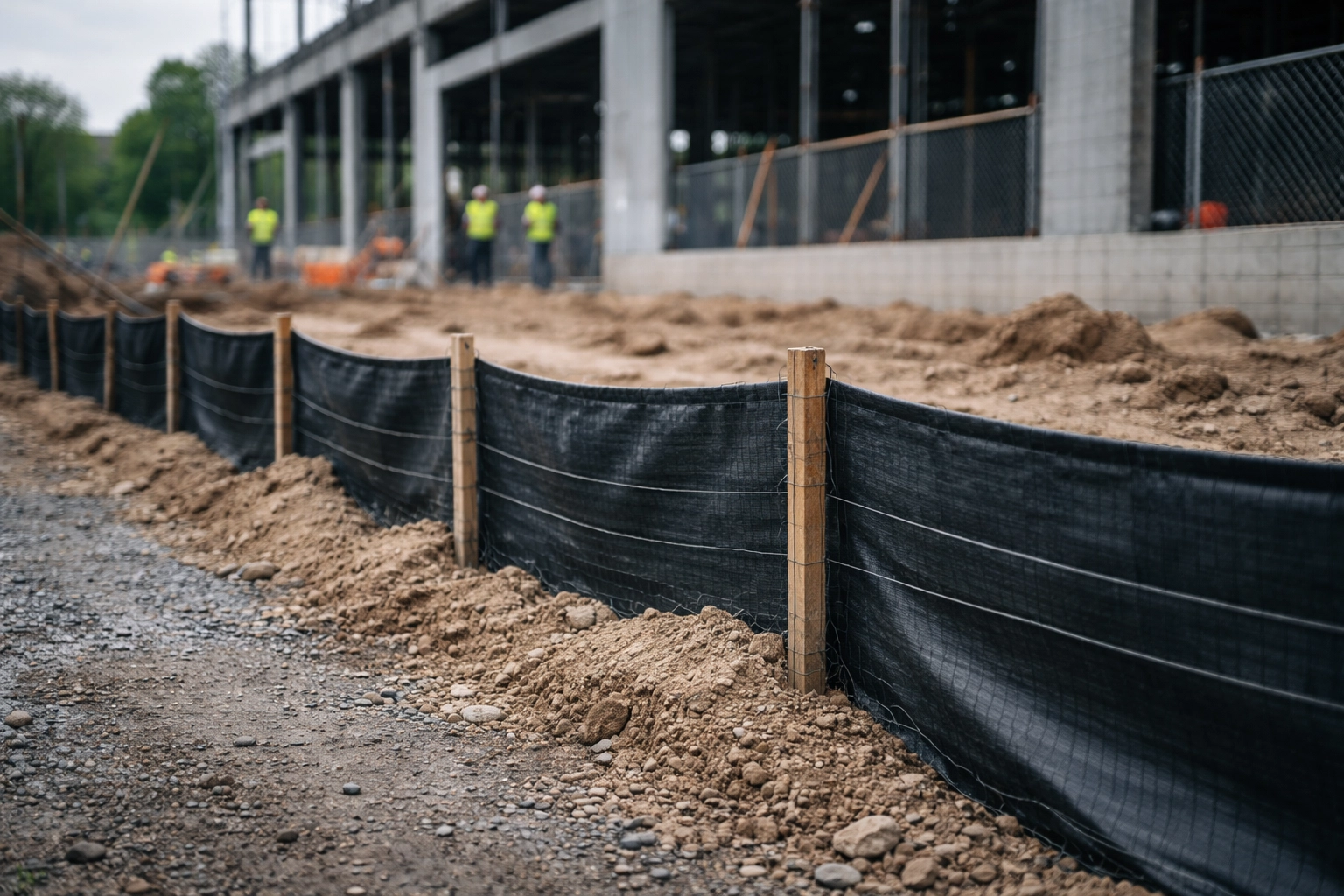
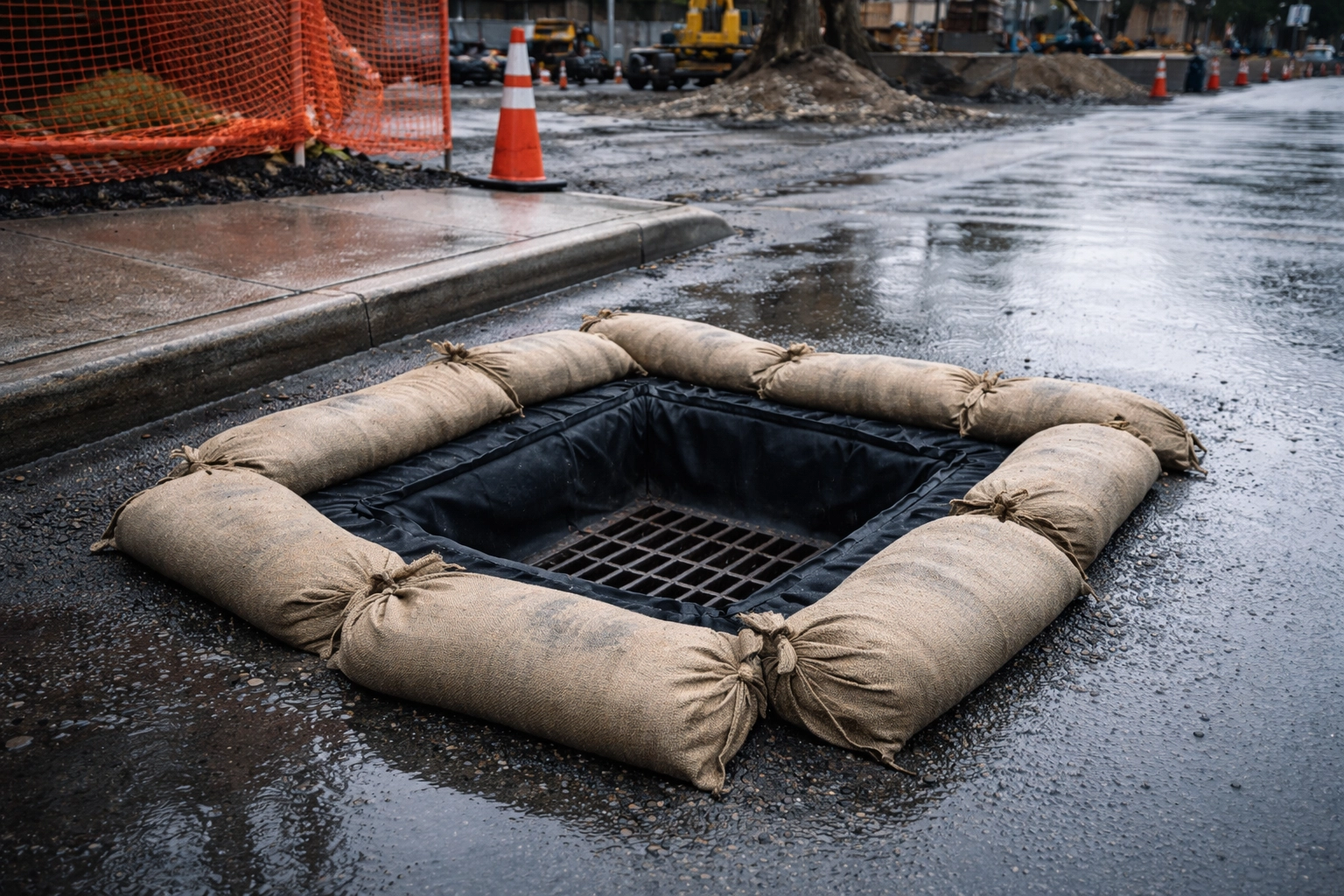
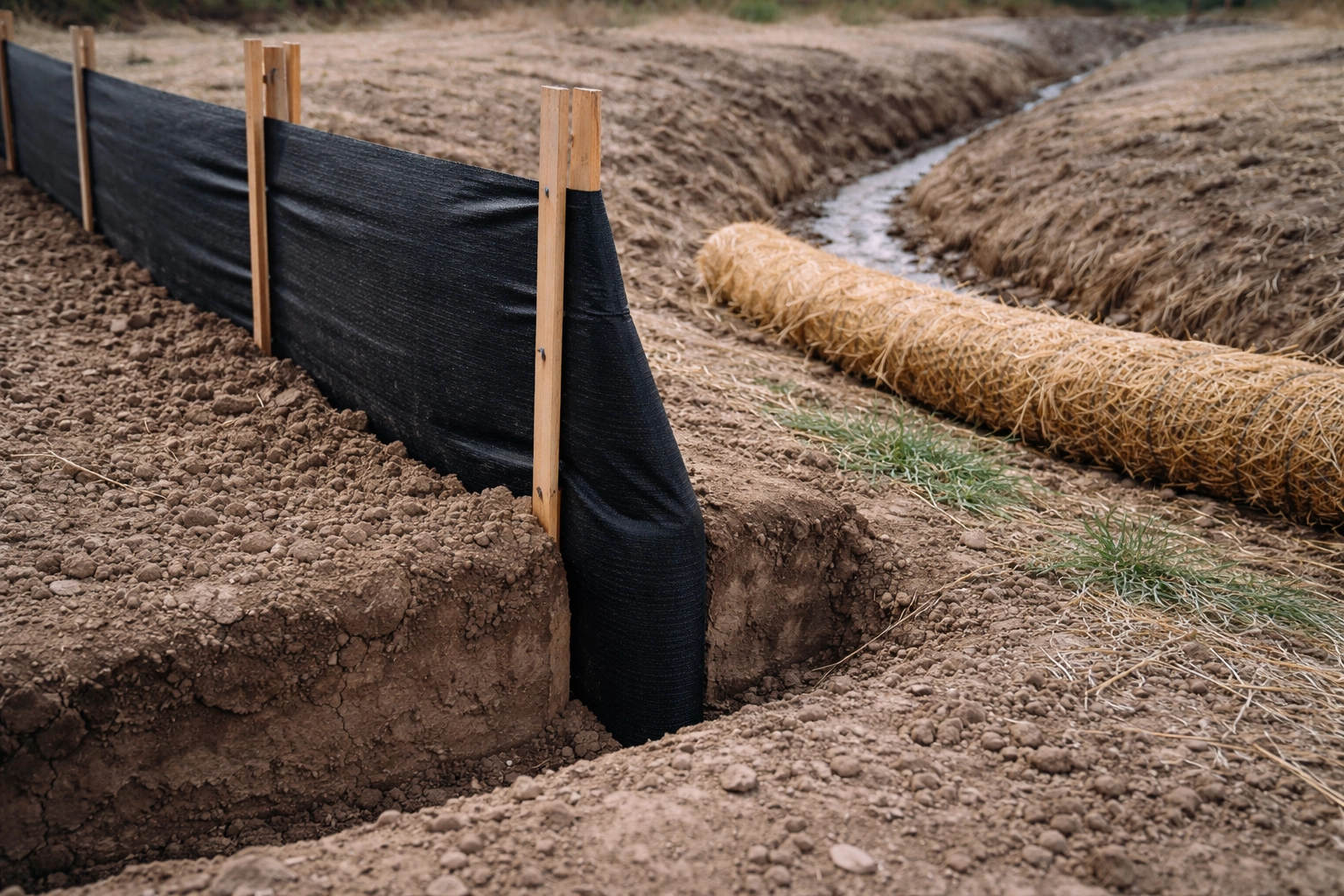
The plan itself outlines Best Management Practices (BMPs), things like silt fences, sediment basins, inlet protection, and stabilization measures, designed to prevent pollutants from leaving your site and entering local waterways.
Sounds straightforward enough. The problem is what happens after the plan gets written.
The "Check-the-Box" Trap
Here's where things go sideways. Your SWPPP requires regular inspections, typically weekly and after significant storm events. These inspections must document whether your BMPs are in place, functioning properly, and actually preventing pollution.
But on a busy construction site with tight deadlines and tighter budgets, SWPPP inspections often become an afterthought. Someone walks the perimeter, notes "all BMPs in place," and files the report. No photos. No corrective actions documented. No follow-up.
This is the check-the-box approach, and it's a ticking time bomb.
Here's why it fails:
-
Documentation gaps are treated as non-compliance. Missing inspection logs or incomplete SWPPP updates cannot be distinguished from never conducting inspections at all during an audit. To regulators, if it isn't documented, it didn't happen.
-
Identifying problems without fixing them violates your permit. When a visual assessment reveals issues, a torn silt fence, a clogged inlet, sediment tracking onto the road, your permit requires follow-up inspections to confirm corrective measures were implemented. Simply noting a problem and moving on leaves you non-compliant.
-
Superficial inspections miss escalating risks. That small breach in your perimeter controls today becomes a sediment plume in the neighboring stream tomorrow. And once contaminated runoff reaches a waterway, you're not just facing fines, you're facing potential cleanup costs and project shutdowns.
The Real Cost of Non-Compliance in NY/NJ
Let's talk numbers, because this is where "boring" becomes very expensive very quickly.
Under the NYSDEC SPDES General Permit, violations can result in penalties up to $37,500 per day for each violation. The NJDEP operates under similar enforcement authority, with penalties that can stack up based on the nature and duration of violations.
But fines are just the beginning. Consider the cascade of consequences:
-
Project delays: A stop-work order from NYSDEC or NJDEP doesn't just pause your timeline, it freezes your financing, frustrates your investors, and potentially triggers breach clauses in your construction contracts.
-
Increased regulatory scrutiny: Once you're on the radar, expect more frequent inspections and closer oversight on future projects. Your reputation with regulators follows you.
-
Legal liability: If your stormwater runoff causes documented harm to a waterway or neighboring property, you're exposed to civil litigation on top of regulatory penalties.
-
Permit complications: Good luck getting your next SPDES permit approved quickly when your compliance history shows a pattern of violations.
We recently worked with a client in Hudson County who inherited a project mid-construction. The previous contractor's SWPPP documentation was a disaster, incomplete inspection logs, undated photos, and zero evidence of corrective actions. It took weeks of intensive remediation work just to get the site back into compliance before the NJDEP conducted their scheduled review.
That's time and money that could have been saved with proper inspections from day one.

What Genuine Compliance Actually Looks Like
So what separates a legitimate SWPPP inspection from a check-the-box exercise? It comes down to three things: thoroughness, documentation, and follow-through.
Thoroughness
A proper inspection covers every BMP identified in your SWPPP. Not just the ones visible from the site trailer: all of them. Inspectors should be evaluating:
- Are BMPs adequately designed for current site conditions?
- Have they been properly installed and maintained?
- Are they actually effective at controlling sediment and preventing pollution?
- Do any BMPs need repair, replacement, or modification?
This isn't a five-minute walk-around. It's a systematic review that often takes an hour or more on active construction sites.
Documentation
Every inspection needs detailed records. That means:
- Date, time, and weather conditions
- Name and qualifications of the inspector
- Specific observations for each BMP location
- Photographs documenting conditions (dated and labeled)
- Any deficiencies identified and their locations
- Corrective actions required and deadlines for completion
As one EPA guidance document puts it: "Recordkeeping is not optional; it is regulatory proof of compliance." Your inspection logs are your defense if regulators come knocking.
Follow-Through
This is where most check-the-box approaches fall apart. Identifying a problem is only half the job. Your permit requires you to:
- Implement corrective actions within a specified timeframe (often 24-72 hours for significant issues)
- Conduct follow-up inspections to verify corrections were made
- Document the completed corrective actions with photos and notes
- Update your SWPPP if site conditions have changed
Skipping any of these steps leaves you exposed.
How Envicon Approaches SWPPP Differently
At Envicon Strategic Solutions, we treat SWPPP inspections as what they actually are: a critical risk management function, not a paperwork exercise.
Our environmental consultants don't just walk your site: they assess it with the same rigor a NYSDEC or NJDEP inspector would bring. We're looking for the gaps before regulators find them. We're documenting conditions thoroughly enough to withstand audit scrutiny. And we're flagging corrective actions with clear timelines so nothing slips through the cracks.
What this means for your project:
-
Inspection reports that hold up. Our documentation is audit-ready, with dated photographs, GPS-tagged observations, and detailed corrective action tracking.
-
Proactive problem identification. We catch issues when they're small and fixable, not after they've triggered a violation.
-
Regulatory relationships that work in your favor. When you demonstrate genuine compliance, regulators become partners rather than adversaries. We've seen projects sail through inspections because the documentation told a clear story of ongoing diligence.
-
Integration with your broader environmental strategy. SWPPP compliance doesn't exist in a vacuum. Our team coordinates stormwater management with Phase I/II ESA findings, remediation activities, and civil engineering design to keep your entire project moving forward.
The Bottom Line
SWPPP inspections aren't glamorous. They won't make the highlight reel of your project ribbon-cutting. But they're one of the clearest examples of a simple truth in development: the cost of doing it right is always less than the cost of doing it wrong.
A check-the-box approach might save you an hour this week. But when that NJDEP inspector shows up: and they will show up: you'll wish you'd invested in inspections that actually protect your project.
Ready to get your SWPPP program on solid ground? Contact Envicon Strategic Solutions to discuss how our environmental compliance team can keep your NY/NJ construction project out of the penalty box.
Because compliance isn't just about avoiding fines. It's about building projects that stand up to scrutiny: from the first shovel in the ground to the final certificate of occupancy.
Leave a Reply