If you’re moving dirt in New Jersey or New York, you already know the stakes. In our world, a "good deal" can turn into a million-dollar liability overnight if you miss a single detail in the soil or groundwater. For years, the industry relied on the ASTM E1527-13 standard for Phase I Environmental Site Assessments (ESAs). It was the gold standard: until it wasn't.
In late 2021, the standard evolved to ASTM E1527-21. While some consultants treated this as a minor clerical update, we at Envicon Strategic Solutions saw it for what it truly is: a fundamental shift in how we protect your capital and your legacy.
If you’re still hearing "we can just do a standard Phase I" from your current consultant without a deep dive into these new requirements, you’re likely walking into a closing with a blindfold on. Let’s break down why the new standard isn't just "better": it's the only way to play the game in today's regulatory climate.
The Legal Shield: Why the "Old Way" Leaves You Exposed
The primary reason anyone performs a Phase I ESA isn't just to be a good steward of the Earth; it’s to qualify for the Innocent Landowner Defense under CERCLA (the Comprehensive Environmental Response, Compensation, and Liability Act). This is your "get out of jail free" card if you accidentally buy a property with legacy contamination you didn't cause.
As of February 13, 2024, the EPA officially retired the old E1527-13 standard for satisfying "All Appropriate Inquiries" (AAI). This means if you are using the old standard for a deal today, you do not have federal liability protection. Period.
At Envicon, we don't just check boxes. We look at a property in Jersey City or Newark and see the layers of history. Using the outdated standard in a high-stakes market like ours isn't just a mistake; it's a choice to remain vulnerable.

RECs Reimagined: It’s Not Just About the "No Further Action" Letter
In the old days (pre-2021), if a property had a "No Further Action" (NFA) letter or a Response Action Outcome (RAO) from the NJDEP, many consultants would mark it as a "Historical Recognized Environmental Condition" (HREC) and move on.
The new ASTM E1527-21 standard changes the math. Now, we are required to evaluate whether that past closure meets current unrestricted use standards.
Think about that for a second. New Jersey's remediation standards for soil and groundwater change constantly. A cleanup that was "good enough" in 2005 might be a massive red flag in 2026. Under the new standard, if the old cleanup doesn't meet today's stricter numbers, it’s a Recognized Environmental Condition (REC).
This is where the "Big Box" consulting firms often fail our clients. They see an old NFA letter and stop digging. We see an old NFA letter and ask, "Does this protect my client's 2026 ROI?" We bridge the gap between yesterday’s compliance and tomorrow’s reality.
The PFAS Factor: The "Invisible" Deal-Killer
Perhaps the most significant: and controversial: addition to the E1527-21 standard is the explicit mention of Emerging Contaminants, specifically PFAS (per- and polyfluoroalkyl substances).
While PFAS aren't currently classified as "hazardous substances" under federal CERCLA law (though that is rapidly changing), the new ASTM standard encourages looking at them as "Non-Scope Considerations." In New Jersey, where the NJDEP is a national leader in PFAS regulation, ignoring these "forever chemicals" is a recipe for disaster.
If you’re acquiring an industrial site or even a former dry cleaner in Hudson County, you need to know if PFAS is present. Even if it doesn't trigger a federal CERCLA issue today, it will absolutely impact your ability to get financing or sell the property five years from now.
We don't just follow the federal minimum. We look at the industry resources and local trends to ensure your NJ property acquisition isn't haunted by chemicals the rest of the industry is too afraid to talk about.

Data Gaps: No More "I Couldn't Get In"
We’ve all seen Phase I reports where the consultant says, "The basement was locked, so we couldn't inspect it." Under the old standard, that was often brushed aside.
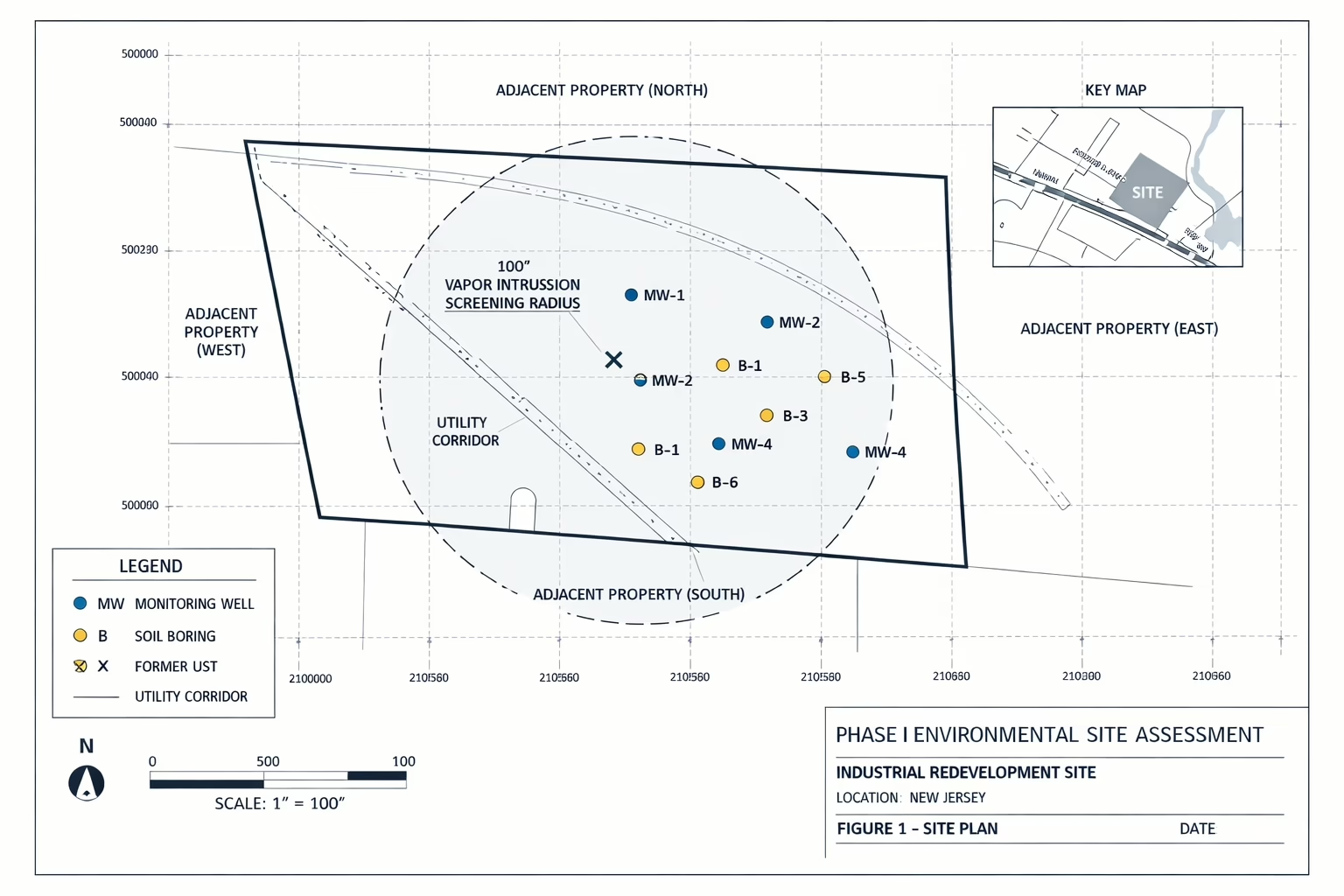
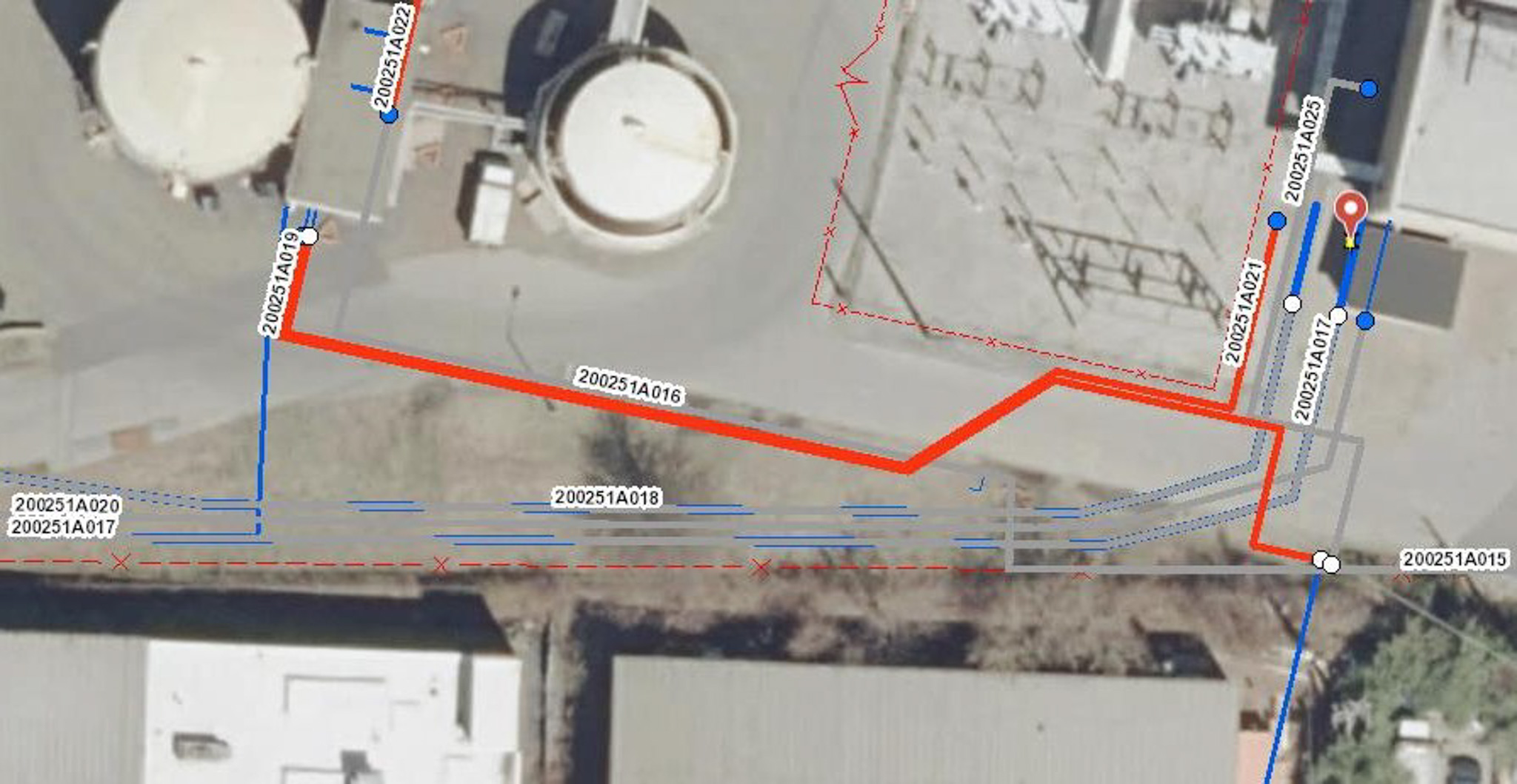
The E1527-21 standard is much tougher on Data Gaps. It requires us to explicitly state why a gap exists, how significant it is, and how it affects our ability to identify RECs. It also mandates more visual documentation: photographs and maps are no longer "nice to haves"; they are requirements.
When you work with Envicon, you aren't getting a report full of excuses. You're getting a clear, visual site map overlay that shows exactly what we saw and, more importantly, what it means for your development timeline. We use technology to close the gaps that leave other firms guessing.
Why Envicon Beats the "Big Box" Consultant
You have a choice when it comes to your environmental due diligence. You can go with a massive, multinational firm where your project is handled by a junior staffer in a different time zone, or you can partner with an agile, visionary team that lives and breathes the NY/NJ market.
Here is why the smart money is switching to Envicon:
- Local Nuance: We don’t just know the ASTM standard; we know the NJDEP LSRP program and the NYC OER "E-Designation" process inside and out.
- Visionary Thinking: We don't just tell you there's a problem. We tell you how to fix it, what it will cost, and how to turn a "hazard" into a community asset.
- Responsiveness: In this market, deals move at the speed of light. We deliver lender-ready reports that actually pass through underwriting without the back-and-forth.
- Accountability: When you call Envicon, you talk to the experts who actually walked your site. We take ownership of our findings because we know your closing depends on them.
"Environmental due diligence shouldn't be a hurdle to your closing; it should be the foundation of your confidence." : Jason Pancoast, CEO
Summary of Key Changes: E1527-13 vs. E1527-21
| Feature | E1527-13 (The Old) | E1527-21 (The New) |
|---|---|---|
| EPA Status | Retired / Not Valid for AAI | Only Valid Standard for AAI |
| REC Definition | Broadly interpreted | Clarified and tightened |
| HRECs | Often ignored if NFA was present | Must meet current standards |
| PFAS | Not mentioned | Included as "Emerging Contaminant" |
| Visuals | Optional/Limited | Mandatory photos and maps |
| Shelf Life | 180 days (vague start) | 180 days (strict milestone dates) |
The Takeaway for Your Next Acquisition
The shift to ASTM E1527-21 isn't just a technicality: it’s a superior tool for de-risking your investments. By choosing the new standard, you are opting for better documentation, a more thorough look at historical risks, and the only path to federal liability protection.
Don't let your acquisition be derailed by a "standard" report that misses the modern reality of environmental risk. Whether you’re an architect, a developer, or an environmental lawyer, you need a partner who sees the vision for your property as clearly as you do.
Ready to de-risk your next NJ or NY acquisition?
Let’s talk. At Envicon Strategic Solutions, we don't just provide reports; we provide the strategic clarity you need to build the future.
Contact us today to schedule your next Phase I ESA or to review your current portfolio for hidden risks. Your legacy: and your bottom line: will thank you.
For more insights into navigating the complexities of urban redevelopment, check out our blog or explore our recent projects.![[FOOTER] Envicon Strategic Solutions](https://cdn.marblism.com/iL_cQAc3jVV.webp)