
ASTM E1527-21 vs. The Old Standard: Which Is Better For Your NJ Property Acquisition?
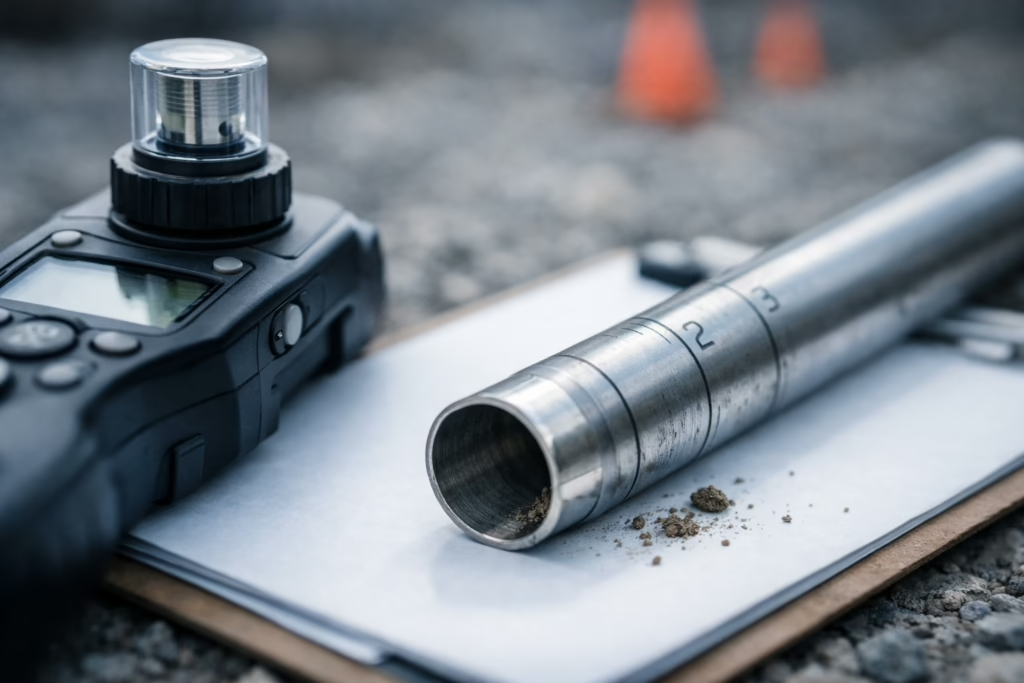
If you’re moving dirt in New Jersey or New York, you already know the stakes. In our world, a "good deal" can turn into a million-dollar liability overnight if you miss a single detail in the soil or groundwater. For years, the industry relied on the ASTM E1527-13 standard for Phase I Environmental Site Assessments […]
ASTM E1527-21: The Technical Nuances That Most Developers Miss
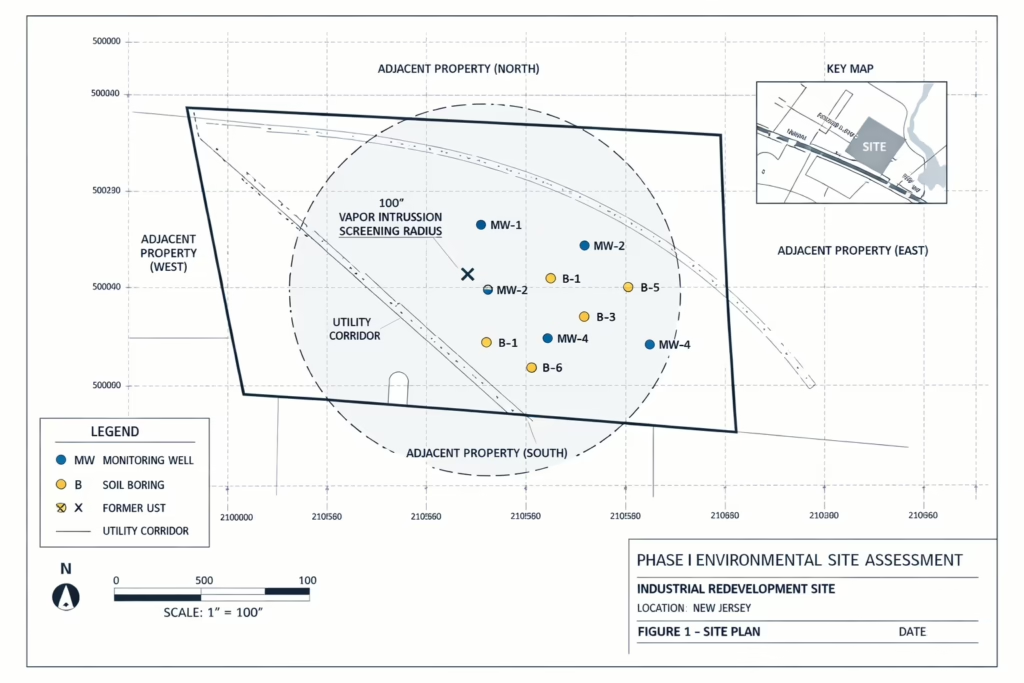
If you’re developing property in New Jersey or the surrounding tri-state area, you know that the Phase I Environmental Site Assessment (ESA) is the gatekeeper of your deal. It’s the document that satisfies the "All Appropriate Inquiries" (AAI) requirement under CERCLA, providing you with that crucial status as a Bona Fide Prospective Purchaser. However, since […]
How to Remove an NYC E-Designation: The Developer’s Blueprint for OER Cleanup

If you’re developing in New York City, you’ve likely encountered a small, lowercase "e" on a zoning map that carries massive weight. An E-Designation is a formal notice that a property has potential environmental concerns: specifically regarding hazardous materials, air quality, or noise. For a developer, that "e" stands between you and your building permit. […]
The Regulatory Cliff: Why “Wait and See” is a Default Strategy for Failure in NJ
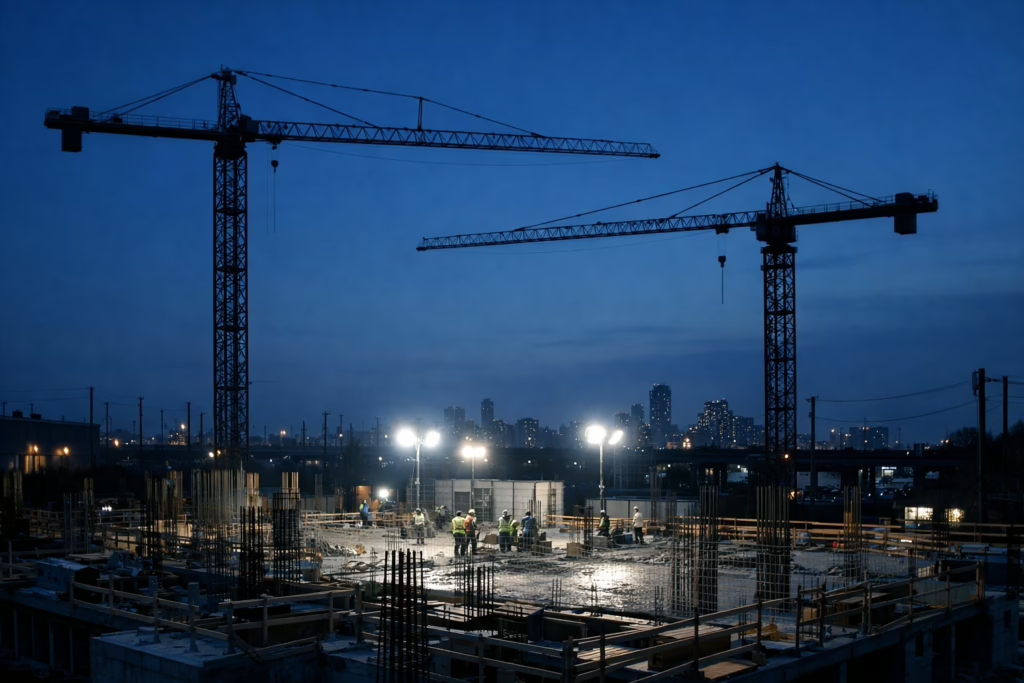
Here's the thing about New Jersey environmental compliance: it doesn't wait for you to be ready. We're 24 days into Governor Sherrill's 90-day regulatory freeze, and if you're a property owner still waiting to see how things shake out before taking action on that contaminated site, you've already lost time you can't get back. The […]
The 30-Minute Environmental Red Flag Check: What to Look for Before You Even Call an Engineer

You're standing in front of a property that looks like a slam-dunk investment. The numbers work, the location is solid, and your acquisition team is ready to move. But here's the thing: you haven't spent 30 minutes asking yourself the one question that could save you six figures in remediation costs: What environmental surprises are […]
Clean Sites are Overrated: Why the Biggest ROI is Hiding in NJ’s Brownfields
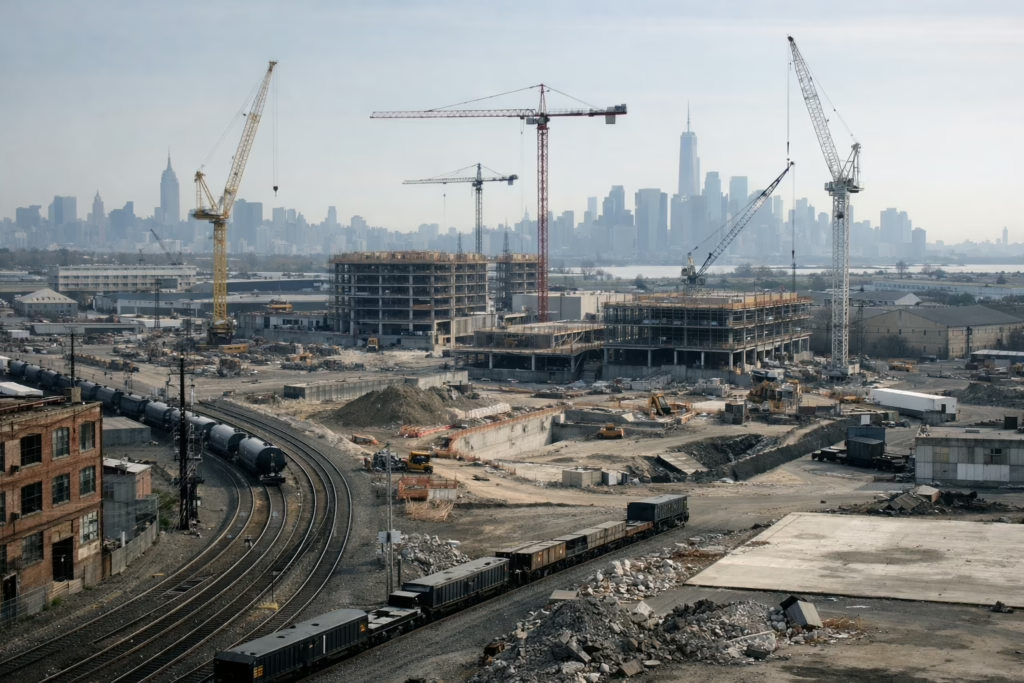
Let's get one thing straight: that pristine, "never been touched" greenfield site you're eyeing? It's probably going to make you less money than the old industrial property across town with a petroleum tank farm in its past life. I know what you're thinking. "Jason, have you lost your mind? Why would I deliberately take on […]
March 2026 Alert: Navigating the NJDEP Technical Requirements Sunset

If your project involves New Jersey site remediation, March 2026 isn't just another month on the calendar. It's the inflection point where regulatory goalposts could shift beneath your feet. NJAC 7:26E: the Technical Requirements for Site Remediation: is entering its regulatory review window. For developers, LSRPs, and lenders navigating brownfield redevelopment, contaminated site cleanups, or […]
Stop Fixing the Soil, Start Fixing the Plan: A Case for Design-First Remediation
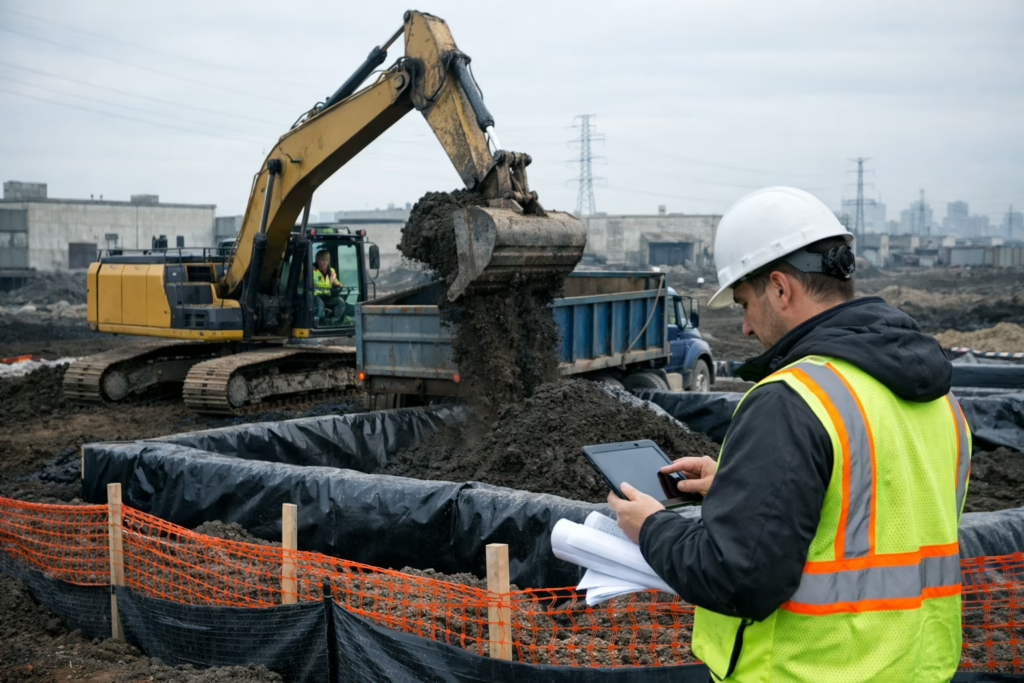
Here's a question that keeps me up at night: Why are we still treating soil remediation like it's a standalone problem? You're eight weeks into a brownfield redevelopment. The Phase II came back hot: petroleum hydrocarbons, maybe some metals. Your environmental consultant hands you a remedial action plan that reads like a medical prescription: excavate, […]
7 Mistakes You’re Making with Phase I ESAs (and How to Fix Them Before Your Lender Finds Out)

Your lender wants a Phase I Environmental Site Assessment. It's the weekend before closing. You call the cheapest consultant you can find, they send a report, and you assume you're good to go. Three months later, during excavation, your contractor hits an underground storage tank. Now you're staring at a $200,000+ remediation bill, construction delays, […]
The “Red Flag” Audit: 3 Questions Your Consultant Should Be Asking, But Isn’t
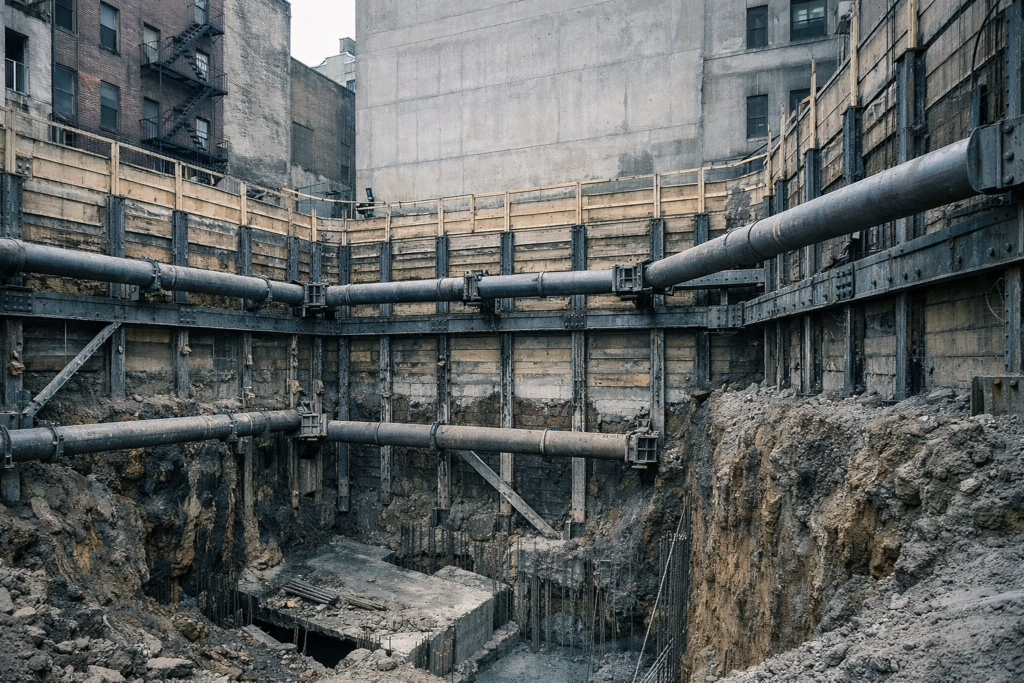
You've done your homework. You hired an environmental consultant, commissioned a Phase I ESA, maybe even sprung for a Phase II. The report lands on your desk: thick, official-looking, full of boilerplate language about "recognized environmental conditions" and "standard practice." You breathe a sigh of relief and move forward. Then, six months into construction, you […]