Author: jpancoas23

  • NJDEP REAL Rules Legacy Period: Proposed One-Year Extension to July 2027

    NJDEP REAL Rules Legacy Period: Proposed One-Year Extension to July 2027

    The New Jersey Department of Environmental Protection (NJDEP) recently issued a proposal that has sent ripples through the development community: a one-year extension of the "legacy period" for the Resilient Environments and Landscapes (REAL) rules. Originally slated to expire on July 20, 2026, the NJDEP is now proposing to move that finish line to July 20, 2027.

    For developers, engineers, and municipal planners operating in the New Jersey market, this isn’t just a administrative adjustment: it’s a tactical reprieve. The REAL rules represent the most significant overhaul of land use regulations in a generation, fundamentally shifting how we calculate flood hazards, manage stormwater, and assess sea-level rise. This proposed extension buys time, but it also demands a strategic pivot.

    If your project is currently navigating the "legacy" window, you have a 12-month window to lock in pre-REAL standards. But the clock is ticking, and the rules of engagement are specific.

    What is the Legacy Period?

    The REAL rules were officially adopted on January 20, 2026. Recognizing that projects already in the design or financing phase could be derailed by a sudden shift in standards, the NJDEP included a "legacy" provision. This provision allows certain permit applications to be reviewed under the regulations in effect prior to January 20, 2026.

    The most critical difference lies in elevation standards. Under the legacy rules, projects typically adhere to FEMA’s Base Flood Elevation (BFE) plus one foot. Under the full weight of the REAL rules, that standard jumps significantly: often requiring an additional four to five feet of elevation to account for projected sea-level rise.

    The proposed extension to July 20, 2027, means that if you can get a "qualifying" application in before that date, you may be able to build under the older, less restrictive standards.

    The "In-Group": Which Permits Qualify?

    Not every submittal to the NJDEP counts as a ticket into the legacy period. The Department has drawn a clear line between discretionary reviews and automated certifications. To benefit from the extension, your project must involve one of the following "qualifying" applications:

    • Individual Permits (IPs): Complex projects requiring site-specific environmental review.
    • General Permits (GPs): Standardized permits for activities with minimal environmental impact.
    • Verifications: Flood Hazard Area (FHA) verifications that establish the limits of flood plains and floodways.
    • Letters of Interpretation (LOIs): Freshwater wetlands boundary determinations.
    • Transition Area Waivers (TAWs): Permits allowing activity within the "buffer" zones of protected wetlands.
    • Water Quality Certificates: Section 401 approvals required for federal licenses or permits.

    These permits require a level of technical scrutiny that the NJDEP views as substantive. At Envicon, we see these not just as forms to be filled, but as the legal foundation of your project’s value. A compliance and permit matrix is essential here to ensure no deadlines are missed across multiple disciplines.

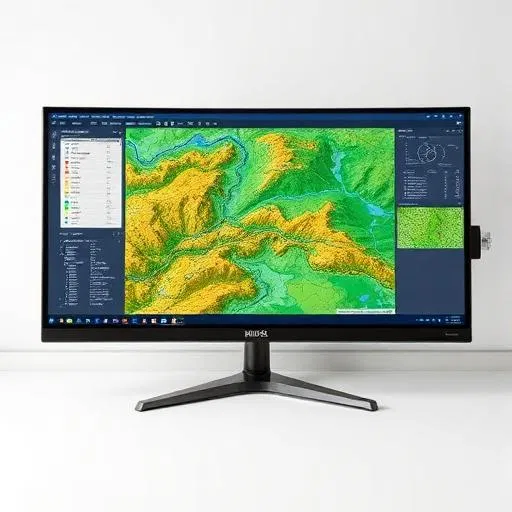
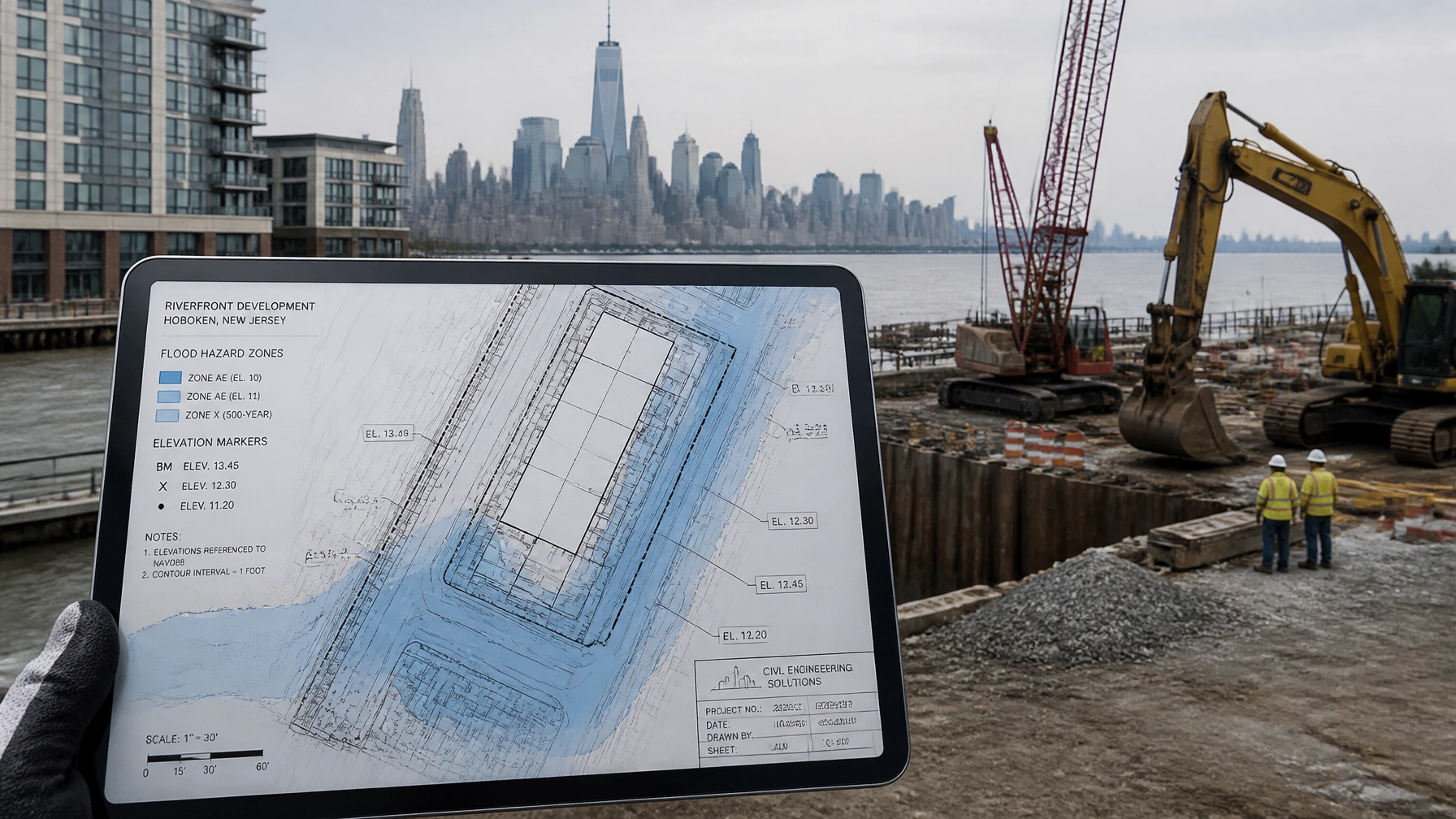
    GIS visualization of NJDEP flood hazard zones and elevation markers

    The "Out-Group": What Doesn't Qualify?

    This is where many developers get burned by "big-box" consulting firms that treat all permits as equal. The NJDEP has explicitly excluded certain "automated" or "registration-based" permits from the legacy extension.

    Permits-by-Registration (PBR) and General-Permits-by-Certification (GP-by-Cert) do not qualify for the legacy period. These are typically processed through the NJDEP’s online portal and are issued nearly instantaneously without a case manager's review. Because these permits are intended to be "current" at the time of issuance, the NJDEP requires them to meet whatever standards are in effect on the day of registration.

    If your strategy relies on a PBR or GP-by-Cert, you will be subject to the full REAL rule standards, regardless of when you started your design. This distinction is critical for project budgeting; an unexpected four-foot increase in site grading because a consultant relied on the wrong permit type can decimate a project's ROI.

    The July 31, 2026 Deadline: Your Voice Matters

    The one-year extension is currently a proposal, not a final law. The NJDEP is holding a public comment period that closes on July 31, 2026.

    In our experience, the developers who win are the ones who stay ahead of the regulatory curve. Providing technical comments on how the REAL rules impact project feasibility isn’t just a civic duty: it’s a business necessity. A virtual public hearing was held on July 7, 2026, but written comments remain the most effective way to get your specific site challenges into the official record.

    The NJDEP is looking for data on how the transition period affects the "pipeline" of development in New Jersey. If your project faces unique hardship due to the REAL standards, this is the window to speak up.
    Engineering stopwatch on top of site blueprints and technical reports

    Strategic Implications: Buy Time or Push Now?

    A common mistake we see is the "wait and see" approach. Many developers see the July 2027 extension and think they have plenty of time. They don't.

    1. The Queue Phenomenon: As the July 2027 deadline approaches, the NJDEP will be flooded with applications. Large national firms often submit "bloated" reports that end up in the back of the queue because they require multiple rounds of clarification.
    2. Lender Scrutiny: Banks and investors are already pricing in REAL rule risks. They want to see a cleared path to a buildable site, not a "maybe" on a legacy permit. Having a Phase I ESA and a clear permitting roadmap is more critical now than ever.
    3. The Design Pivot: If you cannot meet the July 2027 deadline, your design team needs to pivot now to accommodate the 5-foot elevation increase. Waiting until 2027 to find out you need a massive redesign is a million-dollar mistake.

    "We don’t sell reports. We sell cleared paths. In the world of REAL rules, a 'cleared path' means knowing exactly which day your submittal hits the desk of the regulator you know by name." : Jason Pancoast, CEO of Envicon Group

    The Envicon Difference: Why Speed and Local Fluency Matter

    At Envicon, we don't treat the NJDEP as a "black box." We know the reviewers at the NJ DEP and the Land Use Regulation Program because we work with them daily. While national firms are applying a cookie-cutter playbook designed for Texas or California to your Jersey City waterfront project, we are leveraging 20 years of regional fluency.

    When you hire Envicon, you aren't just getting an engineer; you're getting a PE-led team that understands the "field-first" reality of remediation and civil design. We utilize real-time project reporting dashboards that give you full visibility into your permit status. You’ll never wonder if your LOI or FHA verification is sitting in someone's queue.

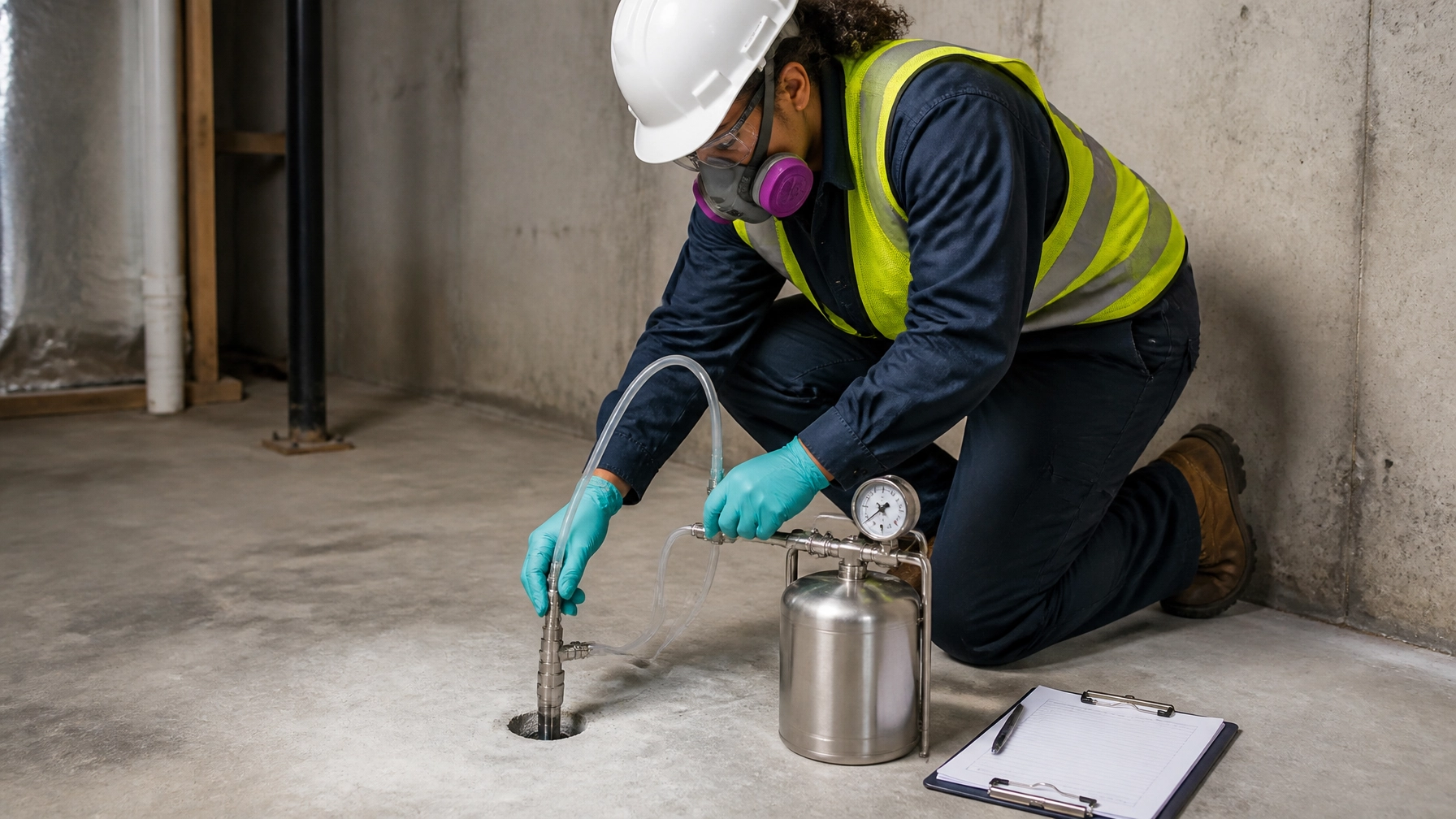
    Active brownfield remediation site in New Jersey with groundwater sampling equipment

    Summary of Key Takeaways

    The proposed extension to July 20, 2027, is a significant opportunity for New Jersey developers, but it requires precise execution.

    • Deadline: The extension is proposed for July 20, 2027.
    • Qualifying: Individual Permits, General Permits, Verifications, LOIs, TAWs.
    • Non-Qualifying: PBRs and GPs-by-Certification (these must meet REAL standards immediately).
    • Urgency: The public comment deadline is July 31, 2026.
    • Strategy: Don't wait. Use the extra year to finalize designs and secure legacy status before the NJDEP system becomes overloaded.

    Navigating the REAL rules requires more than just technical knowledge; it requires a partner who takes ownership of the outcome. We understand that every week of delay incurs carrying costs and affects your market timing. We are here to remove the obstacles between you and a buildable, compliant, and profitable asset.

    Ready to secure your project's legacy status?

    Don't let your project get stalled in a regulatory queue. Whether you need a rapid site characterization or a comprehensive permitting strategy, our team is ready to move.

    Envicon Group Logo

  • NYC OER Voluntary Cleanup Program 2026: BIG Grants, Jumpstart, and Brownfield Funding Opportunities

    NYC OER Voluntary Cleanup Program 2026: BIG Grants, Jumpstart, and Brownfield Funding Opportunities

    In the high-stakes world of New York City real estate, environmental contamination isn't just a technical hurdle: it’s a financial and scheduling bottleneck that can stall a project before the first shovel hits the ground. As of 2026, the NYC Office of Environmental Remediation (OER) has refined its toolkit to move these projects forward with unprecedented precision.

    The Voluntary Cleanup Program (VCP) remains the gold standard for developers looking to transform contaminated fill and complex sites into buildable, compliant assets. For developers, property investors, and attorneys, navigating the VCP isn't just about compliance; it’s about strategically capturing millions in potential savings and grants.

    The 12,000-Unit Milestone: Brownfields as Assets

    As of early 2026, OER has officially surpassed the milestone of 12,000 affordable housing units created specifically through its cleanup programs. This isn't just a municipal stat; it’s proof that the city’s regulatory framework is working to bridge the gap between "environmentally challenged" and "shovel-ready."

    At Envicon Group, we don’t see a brownfield as a liability. We see it as a cleared path to a high-value asset. Whether you are building 100% affordable housing or a mixed-use commercial hub, the 2026 VCP incentives are designed to reward speed and technical accuracy.

    The 2026 BIG Grant Program: Up to $50,000 for Cleanup

    The Brownfield Incentive Grant (BIG) program remains one of the most effective ways to offset the high costs of NYC remediation. For 2026, the grant structure provides significant capital injections at critical stages of the project.

    • Standard Qualifying Projects: Projects enrolled in the VCP can access cleanup grants of up to $25,000.
    • Preferred Community Development: For non-profit developers or 100% affordable housing projects, the stakes are higher. These "Preferred" projects are eligible for grants up to $50,000 for remedial work.
    • Pre-Development & Investigation: The BIG program also supports the early-stage "heavy lifting," with pre-development grants capped at $5,000 and investigation grants capped at $10,000.

    Unlike large consulting firms that treat grant applications as an afterthought, Envicon integrates these funding milestones into our site development playbook. We ensure your RAWP (Remedial Action Work Plan) is approved and your BIG application is submitted within the strict 6-month window following the Notice of Completion (NOC).

    A technical, professional engineering visual showing a close-up of a GIS mapping interface on a rugged tablet at a job site.

    Jumpstart: Bridging the Gap to State Tax Credits

    One of the most powerful: and often underutilized: tools in the 2026 OER arsenal is the Jumpstart Program. This is specifically designed for city-supported affordable housing and industrial projects that plan to access the New York State Department of Environmental Conservation (NYSDEC) Brownfield Cleanup Program (BCP) tax credits.

    The Jumpstart Program provides upfront, refundable grants of up to $125,000 for investigation and $125,000 for site remediation. These funds act as a bridge, allowing developers to start work immediately without waiting for state tax credits to materialize. Once the project receives its BCP tax credits, the Jumpstart funds are repaid to OER.

    For developers working against tight financing deadlines, this liquidity is a game-changer. It eliminates the "black box" of state-level timing and puts control back into the hands of the developer.

    The "Invisible" Savings: Hazardous Waste Exemptions and the Clean Soil Bank

    While grants are high-profile, the operational savings found in the VCP's 2026 guidelines are often where the real margin is found.

    Hazardous Waste Fee Exemptions

    Projects enrolled in the NYC VCP are eligible for exemptions from New York State’s hazardous waste program fees and special assessments. On a site with significant contaminated soil or historic fill, these exemptions can save a project hundreds of thousands of dollars in disposal costs.

    The NYC Clean Soil Bank

    The Clean Soil Bank is OER’s match-making service for dirt. It matches "generator" sites (those with surplus clean native soil) with "receiver" sites (those that need clean fill for remediation covers or grading).

    • Cost Efficiency: Receiver sites get clean soil for free or at a significantly reduced cost.
    • Sustainability: It keeps thousands of tons of clean soil out of landfills and off the roads.

    At Envicon, we manage the soil characterization and logistics to ensure our clients are on the winning side of this exchange. We don't just write reports; we coordinate the field-level logistics that move soil and save money.

    Active brownfield redevelopment site with heavy equipment and soil staging areas.

    Navigating the VCP: The Envicon Difference

    Large national firms often apply a cookie-cutter approach to NYC brownfields. They deliver defensive, bloated reports that protect the consultant rather than the project.

    At Envicon, our approach is field-first and regulator-facing. We sit at the table with NYC OER, not behind a queue. Our Phase I & Phase II Environmental Site Assessments are designed to identify the exact technical thresholds that trigger VCP eligibility, ensuring you don't leave money on the table.

    "Collaboration is not a buzzword: it's how we work. We don't just deliver services; we help transform underused properties into thriving assets." : Jason Pancoast, CEO of Envicon Group.

    When you hire Envicon, you aren't getting a junior staffer reading from a template. You are getting licensed professionals who know the OER reviewers by name and understand the nuances of the 2026 regulatory landscape. We provide real-time project reporting dashboards that give you full visibility into your schedule, budget, and deliverable status.

    Desk covered with multiple lender-ready Environmental Site Assessment (ESA) forms and reports.

    Summary of 2026 Opportunities

    • BIG Cleanup Grants: Up to $25k for standard sites; $50k for 100% affordable housing or non-profit projects.
    • Jumpstart Funding: Up to $250k in bridge funding for projects targeting State BCP tax credits.
    • Soil Management: Free clean soil via the Clean Soil Bank and full hazardous waste fee exemptions.
    • Housing Impact: Over 12,000 units of affordable housing delivered through the program to date.

    The obstacles between you and a buildable site are real, but they are not insurmountable. The NYC OER VCP is a pathway to clearing those obstacles with precision and speed.

    Mixed-use mid-rise building in a densely developed NYC neighborhood at dusk.

    Ready to Unlock Your Site's Potential?

    Don't let your project sit in someone's queue. Whether you're navigating a complex brownfield or need a technical review of your current environmental strategy, we’re here to move you forward.

    https://cdn.marblism.com/9pkrESHYKOm.png

  • Vapor Intrusion Mitigation Cost in NYC & NJ: Sub-Slab Depressurization System Pricing

    Vapor Intrusion Mitigation Cost in NYC & NJ: Sub-Slab Depressurization System Pricing

    Published August 12, 2026 · 8-minute read

    If you’re budgeting a vapor intrusion remedy in New York City or New Jersey, the first number you’ll find online may be misleading.

    A basic residential radon-style system can cost a few thousand dollars. A regulated vapor intrusion mitigation system for a commercial, multifamily, or mixed-use building can cost tens of thousands: or more than $100,000: once investigation, design, construction, agency coordination, and monitoring are included.

    The difference comes down to site conditions and regulatory requirements.

    This guide breaks down the major drivers behind sub slab depressurization system cost and explains what developers should expect on NYC E-designation and NJDEP-regulated projects.

    “We don’t sell reports. We sell cleared paths.”

    What a sub-slab depressurization system does

    Vapor intrusion occurs when volatile organic compounds (VOCs) in soil or groundwater migrate upward through the subsurface and enter a building through cracks, joints, utility penetrations, sumps, elevator pits, or other openings.

    A sub-slab depressurization system, or SSDS, creates negative pressure beneath the building slab. The system draws soil gas away from occupied space and vents it safely above the roofline.

    A typical active system includes:

    • One or more suction points below the slab
    • Perforated collection piping
    • Vertical PVC risers
    • An inline fan or blower
    • Sealed slab penetrations
    • A roof-level exhaust point
    • Pressure monitoring ports
    • Operating and maintenance documentation

    Technical cutaway diagram of a sub-slab depressurization system

    The system must be designed around the building: not pulled from a generic template. A small warehouse with an accessible slab may require one approach. A high-rise, mixed-use building with multiple basements, elevator pits, and complicated HVAC systems may require several zones, fans, and monitoring locations.

    Typical vapor intrusion mitigation cost ranges

    There is no universal price schedule for SSDS work. The following ranges are useful for early budgeting, not final bids.

    Project component Planning-level range What it may include
    Initial vapor intrusion screening $3,500–$6,000 Records review, pathway evaluation, screening report
    Sub-slab and indoor air sampling $6,000–$12,000 Probe installation, indoor/outdoor air samples, laboratory analysis
    SSDS or vapor mitigation design $12,000–$35,000 Engineering plans, specifications, monitoring plan, regulatory coordination
    Regulated SSDS installation $40,000–$70,000+ per building Piping, suction points, fans, roof penetrations, sealing, commissioning
    Large commercial or multifamily remedy $100,000+ Multiple buildings, zones, barriers, complex routing, long-term controls

    These figures should not be confused with the cost of a straightforward residential radon system, which commonly falls in the approximate range of $800 to $2,500. A regulated vapor intrusion project requires a much broader scope.

    One published remediation case study reported approximately $47,000 to $66,000 in capital and first-year operating costs per building for SSDS implementation. That is a useful reference point for commercial planning, but actual costs depend on the building footprint, contamination, and regulatory pathway.

    Envicon’s current vapor intrusion assessment service lists these professional-service ranges:

    • Screening: $3,500–$6,000
    • Sub-slab and indoor air sampling: $6,000–$12,000
    • Vapor mitigation system design: $12,000–$35,000

    Installation and long-term operation are priced separately because they depend on field conditions.

    The five biggest cost drivers

    1. Building footprint and number of suction points

    The larger the footprint, the more difficult it becomes to create and verify a consistent pressure field beneath the slab.

    A small building may use one or two suction points. A larger commercial or multifamily building may require multiple points connected into separate zones. The design must account for:

    • Total square footage
    • Separate foundation areas
    • Interior footings and grade beams
    • Slab elevations
    • Basement levels
    • Sub-slab aggregate and soil permeability
    • Occupied and unoccupied areas

    More suction points mean more coring, piping, fittings, fans, electrical work, and testing.

    Building use also matters. A residential building, school, medical facility, or childcare space may require a more conservative design and more extensive verification than a vacant industrial structure.

    2. Slab condition and foundation access

    A new building gives the project team more control. A vapor barrier and venting layer can be incorporated before the slab is poured.

    Retrofits are different.

    Existing slabs may contain:

    • Cracks and construction joints
    • Thickened footings
    • Moisture barriers in unknown condition
    • Multiple utility penetrations
    • Sumps and floor drains
    • Finished flooring
    • Mechanical equipment
    • Limited access below occupied spaces

    These conditions increase labor and can require additional sealing, exploratory openings, core drilling, or alternative suction methods.

    The question isn’t only whether a fan can be installed. The question is whether the system can create measurable negative pressure throughout the intended area and maintain that performance over time.

    3. Venting and routing complexity

    The simplest SSDS route runs vertically through an accessible interior space and exhausts above the roof. NYC and NJ buildings rarely offer simple conditions.

    Venting complexity can increase when:

    • The building has multiple occupied floors
    • The roof is difficult to access
    • The system must avoid windows, air intakes, and occupied areas
    • Existing fire-rated assemblies must be penetrated
    • Piping must pass through finished spaces
    • The building has several disconnected slab areas
    • The system must coordinate with HVAC, plumbing, electrical, or structural elements

    In dense NYC construction, even a short pipe route can become a coordination issue. In northern New Jersey, industrial buildings may have large footprints, multiple additions, and undocumented subsurface utilities.

    Field verification before design can prevent expensive changes during installation.

    4. Consultant, laboratory, and regulatory fees

    A reliable vapor intrusion mitigation cost estimate must include more than equipment and installation labor.

    Professional fees may cover:

    • Phase I and Phase II environmental review
    • Soil gas, sub-slab, indoor air, and outdoor air sampling
    • VOC analysis, often using EPA Method TO-15
    • Data validation and interpretation
    • Engineering design
    • Remedial Action Plans or work plans
    • Construction Health and Safety Plans
    • Agency meetings and responses
    • Construction oversight
    • Startup testing and pressure-field verification
    • Operation and maintenance manuals
    • Closure or periodic reporting

    At an NYC property with a hazardous-materials E-designation, the project may require a testing protocol and remedial plan reviewed through the NYC Office of Environmental Remediation. Sampling should not begin until the applicable protocol receives approval.

    That process affects schedule as well as cost. A low initial quote that excludes agency coordination can become expensive when the project reaches review or construction.

    5. Post-mitigation monitoring and maintenance

    Installation is not the end of the project.

    A functioning system must be commissioned and documented. Depending on the approved plan and regulatory requirements, the owner may need:

    • Sub-slab pressure measurements
    • Pressure-field extension testing
    • Indoor air sampling
    • Follow-up sub-slab sampling
    • Fan and alarm inspections
    • Periodic system operation checks
    • Repair documentation
    • Annual or otherwise scheduled reporting

    The exact monitoring frequency should come from the approved remedial plan, regulator, or site management requirements. It should not be assumed.

    Long-term costs may include electricity, fan replacement, access coordination, laboratory analysis, engineering inspections, and reporting. These expenses should appear in the project’s operating budget from the beginning.

    NYC: E-designation and OER considerations

    An NYC hazardous-materials E-designation signals that environmental requirements may apply before development, renovation, or a change in use.

    Where VOCs or soil vapor are a concern, the project may involve:

    1. Phase I and historical records review
    2. OER-approved soil, groundwater, and soil vapor testing
    3. Sub-slab and indoor air sampling
    4. Evaluation using NYSDOH soil vapor intrusion guidance
    5. A remedial action plan or work plan
    6. Vapor barriers, SSDS, or other engineering controls
    7. Construction oversight and performance verification
    8. Closure documentation and ongoing control requirements

    The NYC Office of Environmental Remediation E-designation page provides the City’s current program information. NYC projects may also rely on the CEQR Technical Manual hazardous materials chapter and NYSDOH soil vapor intrusion decision matrices.

    For a small site, professional fees may begin in the low five figures. For a larger building requiring a full SSDS, vapor barrier, construction controls, and monitoring, the total can move into the six-figure range.

    New Jersey: NJDEP screening levels and LSRP oversight

    New Jersey uses contaminant-specific vapor intrusion screening levels for groundwater, soil gas, and indoor air. The applicable values depend on the chemical, building use, exposure pathway, and medium being evaluated.

    NJDEP’s Vapor Intrusion Technical Guidance and Vapor Intrusion Screening Levels and Indoor Air Remediation Standards tables should be checked for the current requirements before sampling or design.

    Northern New Jersey redevelopment site with vapor mitigation and monitoring equipment

    If results exceed applicable screening or action levels, the project may require additional delineation, interim measures, permanent mitigation, and follow-up monitoring. An NJDEP-regulated site generally benefits from early coordination with the project’s Licensed Site Remediation Professional, or LSRP.

    Costs can rise when:

    • Contamination extends beneath multiple buildings
    • Soil gas results vary significantly across the site
    • Indoor air results require immediate response
    • The building contains occupied residential or commercial space
    • The system must remain as a long-term engineering control
    • Additional sampling is needed to demonstrate stable conditions

    The key is to price the regulatory pathway: not just the fan and pipe.

    How to reduce avoidable SSDS costs

    You can’t control every subsurface condition. You can control when you investigate and how clearly the work is scoped.

    Before requesting proposals, assemble:

    • Building square footage and foundation plans
    • Current and proposed building use
    • Known E-designation or NJDEP case information
    • Prior soil, groundwater, or indoor air data
    • Utility and HVAC plans
    • Slab and basement information
    • Construction schedule
    • Lender, attorney, and agency requirements

    Then ask whether the proposal includes investigation, design, installation oversight, agency coordination, monitoring, and reporting.

    A large consultant may give you a low-looking initial number and add scope later. Envicon’s approach is different: we define the path early, identify the decisions that affect cost, and keep the same project team involved from fieldwork through closeout.

    “Collaboration is not a buzzword: it’s how we work.”

    Our licensed professionals work directly with developers, attorneys, architects, contractors, LSRPs, OER, NYSDEC, NJDEP, and local officials. You get clear deliverables, real-time project visibility, and answers tied to your actual site.

    The bottom line on sub slab depressurization system cost

    For a basic home system, the cost may be a few thousand dollars. For a regulated NYC or New Jersey building, a realistic budget must account for:

    • Site investigation and laboratory analysis
    • Building footprint and suction-point requirements
    • Slab and foundation conditions
    • Pipe and fan complexity
    • Engineering and regulatory coordination
    • Construction oversight
    • Post-mitigation monitoring and maintenance

    The fastest way to refine your vapor intrusion mitigation cost is to evaluate the building and regulatory pathway together. Start with Envicon’s vapor intrusion mitigation systems guide for the technical options, then develop a site-specific scope before committing to construction.

    Get a site-specific cost and mitigation path

    Vapor intrusion shouldn’t be treated as a surprise change order. Envicon Group helps NY and NJ developers, investors, attorneys, and contractors move from uncertainty to a buildable, compliant plan.

    Envicon Group logo

  • NYSDEC Model and Compliance: NYSDEC Part 253 Mandatory GHG Reporting and the September 1 Monitoring Plan Deadline

    NYSDEC Model and Compliance: NYSDEC Part 253 Mandatory GHG Reporting and the September 1 Monitoring Plan Deadline

    For industrial operators, manufacturers, energy providers, and waste management facilities across New York State, regulatory calendars are shifting quickly. The New York State Department of Environmental Conservation (NYSDEC) Climate Leadership and Community Protection Act (CLCPA) implementation has reached a critical juncture with 6 NYCRR Part 253: the state’s Mandatory Greenhouse Gas Reporting Program.

    If your facility qualifies as an applicable reporter or Large Emission Source under Sections 2.2 and 2.13 of the rule, your immediate priority sits squarely on the calendar: September 1, 2026, when your facility’s Emissions Monitoring and Measurement Plan (EMMP) is due to NYSDEC for formal review and approval [1][2][3][5][6].

    This is not a routine administrative checkbox that can be delegated to junior staff or rushed through a generic template. Part 253 establishes rigorous, enforceable requirements for direct emission measurements, continuous monitoring, and strict third-party verification. Missing this deadline, or submitting a defensive, poorly structured plan that fails to satisfy agency expectations, immediately triggers regulatory scrutiny, potential enforcement action, and costly project friction.

    At Envicon Group, we don’t just deliver reports: we clear the path between your facility and absolute regulatory compliance. With two decades of hands-on engineering, field-first oversight, and direct agency relationships across New York and New Jersey, our PE-led team helps industrial leaders navigate complex environmental mandates without the bureaucratic bloat of national consulting firms.


    Deconstructing 6 NYCRR Part 253: Who Qualifies and What Is Required?

    Part 253 applies broadly to fossil fuel suppliers, electricity generators, large industrial manufacturing plants, and specific waste-handling sectors. However, the rule draws sharp distinctions between general greenhouse gas (GHG) reporting obligations and specialized methane-monitoring requirements.

    Understanding your facility’s precise threshold status is the first line of defense against compliance delays.

    The Part 253 Compliance Timeline At a Glance

    Navigating Part 253 requires mastering multiple overlapping deadlines. Missing any single milestone cascades into broader operational and legal liabilities:

    • September 1, 2026: Submission deadline for the specialized Emissions Monitoring and Measurement Plan (EMMP) under Section 2.20 for applicable reporters (including anaerobic digesters, liquid waste handlers, solid waste facilities, and high-emission sources) [1][2][3][5][6].
    • December 31, 2026: General GHG Monitoring Plans due to NYSDEC for designated Large Emission Sources [2][3][4][5][8].
    • June 1, 2027: First annual Emissions Data Report due, covering facility emissions generated throughout calendar year 2026 [1][3][4][6][7][8].
    • December 1, 2027: First annual third-party verification statements due for Large Emission Sources verifying the 2026 data [3][4][5][6].

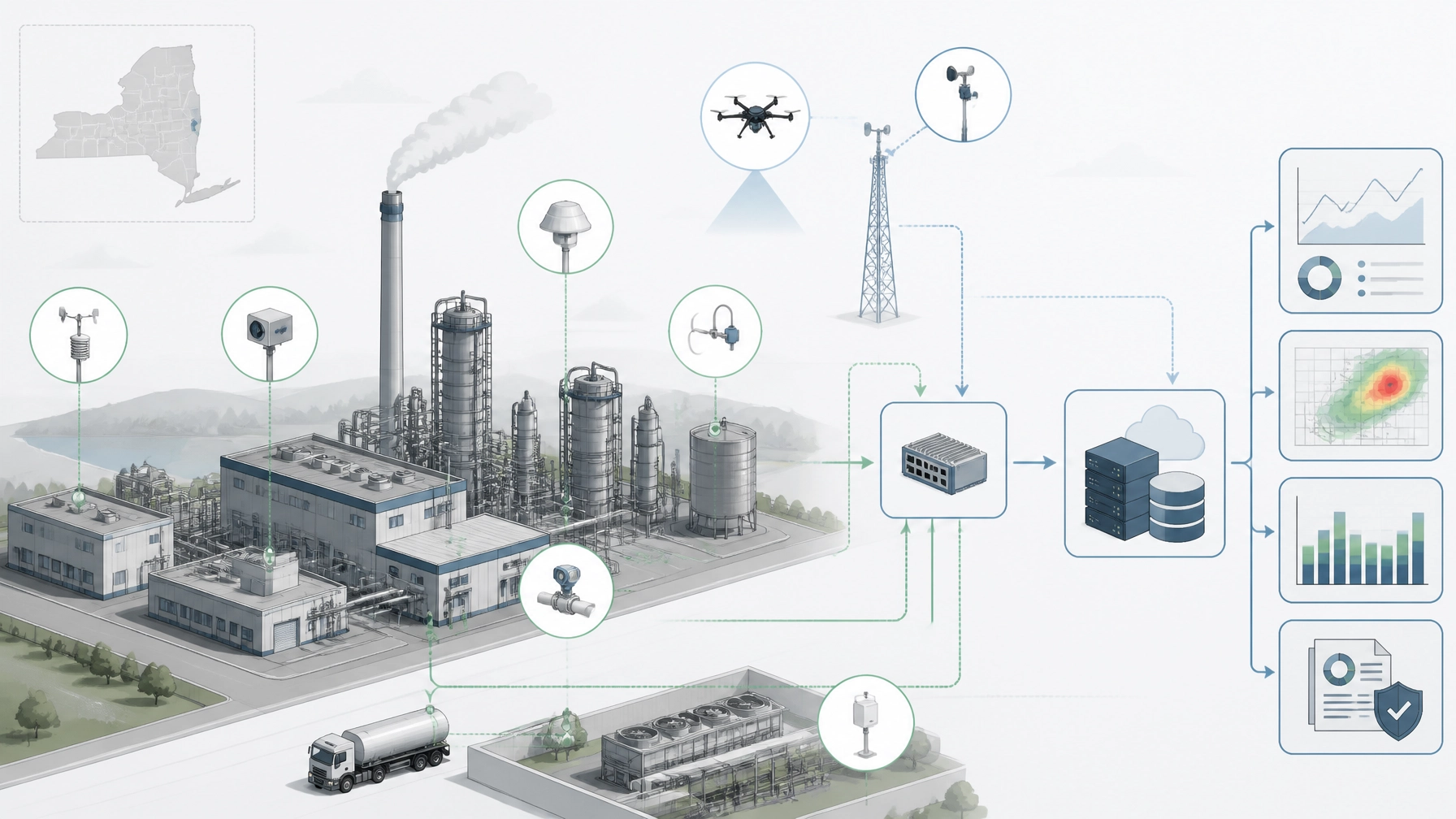
    Industrial facility in New York State with environmental monitoring equipment


    The September 1 Deadline: Why the Specialized EMMP Demands Immediate Attention

    While general GHG monitoring plans cover broad data collection and quality assurance protocols, Section 2.20 of Part 253 requires covered facilities to develop and submit a standalone Emissions Monitoring and Measurement Plan (EMMP) focused specifically on methane emissions [1][2][5].

    This requirement targets specific high-methane sectors, including:

    • Anaerobic digesters processing organic waste or agricultural byproducts.
    • Handlers of liquid wastes operating under specific emission thresholds.
    • Solid waste management facilities and landfills with fugitive gas generation potential.
    • Industrial sources exceeding 300,000 metric tons of $\text{CO}_2\text{e}$ calculated under Section 2.13 [2].

    Unlike standard recordkeeping obligations where documents remain on-site for review, the EMMP is an approval-based plan. NYSDEC must affirmatively review and approve your methodology [2]. If your submission lacks technical rigor, relies on out-of-date emission factors, or fails to meet EPA 40 CFR Part 98 cross-references, your facility enters a regulatory limbo that can stall operations, complicate financing, and invite enforcement penalties.


    Big-Box Consulting vs. The Envicon Advantage

    When facing complex regulatory mandates like Part 253, industrial operators often default to large national consulting firms. The pitch sounds reassuring: a global footprint, massive staff numbers, and a recognizable brand name.

    In reality, hiring a big-box firm introduces hidden friction:

    • The Bait-and-Switch: You meet senior partners during the pitch, but your actual monitoring plan is written by junior staff who have never stepped foot on an industrial floor in New York.
    • Defensive, Bloated Reports: Large firms write reports designed to protect their own liability rather than move your project forward, burying your engineering team in dense, unactionable text.
    • The Regulatory Black Box: You never know who is talking to your NYSDEC reviewer, when discussions are happening, or whether your submittal is languishing at the bottom of a queue.

    At Envicon Group, we operate differently. We are PE-led, field-first, and regulator-facing. We sit at the table with NYSDEC officials: not behind an automated queue. When you partner with us, you get direct access to seasoned engineers and environmental scientists who know your regional jurisdiction, understand your industrial processes, and take full accountability for your compliance outcomes.


    Key Elements of a Defensible EMMP Submittal

    Building an approved EMMP under Section 2.20 requires meticulous technical documentation. A comprehensive plan must incorporate:

    1. Detailed Source Characterization: Precise identification of all emission units, fugitive methane sources, process vents, and combustion devices operating on-site.
    2. Measurement Methodologies: Clear documentation of direct measurement techniques, continuous emission monitoring systems (CEMS), or mass-balance calculations that align strictly with state and federal standards.
    3. Quality Assurance and Quality Control (QA/QC): Documented calibration schedules, sensor maintenance protocols, and data validation procedures to ensure data integrity.
    4. Execution Timeline and Contact Protocols: A clear schedule for implementing monitoring activities, alongside designated authorized representatives and signed certifications [2].

    Technical schematic and data dashboard displaying environmental compliance metrics


    The Business Impact of Non-Compliance

    Treating Part 253 as a minor paperwork exercise is a high-stakes gamble. The business impact of delayed or rejected submittals extends far beyond statutory fines:

    • Carrying Costs and Market Timing: Regulatory delays stall capital improvements, encumber facility financing, and disrupt operational planning.
    • Re-Mobilization and Re-Sampling Expenses: If NYSDEC rejects your monitoring plan or data submittal due to methodological errors, correcting the record requires costly re-evaluations and extended agency negotiations.
    • Lender Scrutiny: Institutional investors and commercial lenders routinely flag unresolved environmental liabilities during due diligence and refinancing rounds. Clean, defensible compliance documentation is your best insurance policy.

    As our core philosophy dictates: Collaboration is not a buzzword: it’s how we work. We bridge the gap between engineering precision and regulatory reality, ensuring your facility stays fully compliant and operational.


    Action Items for Facility Operators Ahead of September 1

    To ensure your facility meets the upcoming September 1 EMMP deadline without operational disruption, take these proactive steps today:

    • Audit Your Source Categories: Review your facility’s 2025 and projected 2026 emission totals against Sections 2.2 and 2.13 thresholds to determine if your operations trigger mandatory EMMP submittal [1][2].
    • Review Existing Monitoring Infrastructure: Evaluate whether your current data collection systems, flow meters, and sampling protocols satisfy EPA and NYSDEC measurement standards.
    • Partner with Regional Experts: Engage an experienced environmental engineering firm that maintains active, daily working relationships with NYSDEC Division of Air Resources personnel.

    Industrial manufacturing plant exterior with environmental engineering equipment


    Take Control of Your Regulatory Compliance Today

    Navigating NYSDEC Part 253 doesn't have to be a guessing game. Whether you need a comprehensive Emissions Monitoring and Measurement Plan drafted before September 1, a rigorous GHG monitoring plan for your Large Emission Source, or a strategic partner to manage your upcoming third-party verifications, Envicon Group delivers certainty when it matters most.

    We remove the obstacles between your facility and absolute compliance. We don't sell reports. We sell cleared paths.

    Ready to Secure Your NYSDEC Part 253 Compliance?

    Talk directly with our senior environmental engineers and schedule your regulatory readiness review today.

    Call now: (917) 764-2171
    Book a free consultation
    Cost estimator tool

    Envicon Logo

  • NYC OER E-Designation Removal 2026: What Developers Need to Know About the Process and Requirements

    NYC OER E-Designation Removal 2026: What Developers Need to Know About the Process and Requirements

    For New York City developers, an E-designation is more than just a footnote on a zoning map; it is a significant regulatory hurdle that can stall a project before the first shovel hits the dirt. As we move through 2026, the NYC Office of Environmental Remediation (OER) has refined the process for satisfying and eventually removing these designations.

    An E-designation is a "flag" placed on a property to ensure that environmental requirements related to hazardous materials, air quality, or noise are addressed during redevelopment. While obtaining a Notice to Proceed (NTP) or a Notice of Satisfaction (NOS) allows you to move through construction and obtain a Certificate of Occupancy, it does not automatically remove the E-designation from your property’s title.

    At Envicon Group, we don’t just deliver reports: we deliver cleared paths. If your goal is to exit the OER program entirely and clear your property’s zoning record, you need to understand the technical nuances of the removal process.

    The Three Pillars of an E-Designation

    Before you can remove an E-designation, you must satisfy its specific components. Most designations fall into one or more of these categories:

    1. Hazardous Materials

    This is the most common and complex component. It requires a rigorous Phase I and Phase II Environmental Site Assessment to identify potential contamination. To achieve full removal of a hazmat E-designation, the site must be remediated to a level that requires no ongoing engineering or institutional controls.

    2. Air Quality

    Air quality E-designations typically involve restrictions on fuel types (e.g., natural gas only), HVAC stack locations, or filtration requirements. Removal requires proof that these systems were installed exactly as approved and that the source of the potential air impact has been mitigated.

    3. Noise Attenuation

    Noise designations focus on the building envelope. Developers must provide specific window-wall attenuation (measured in OITC ratings) and "alternate means of ventilation" (AMV) so that windows can remain closed while maintaining fresh air flow.

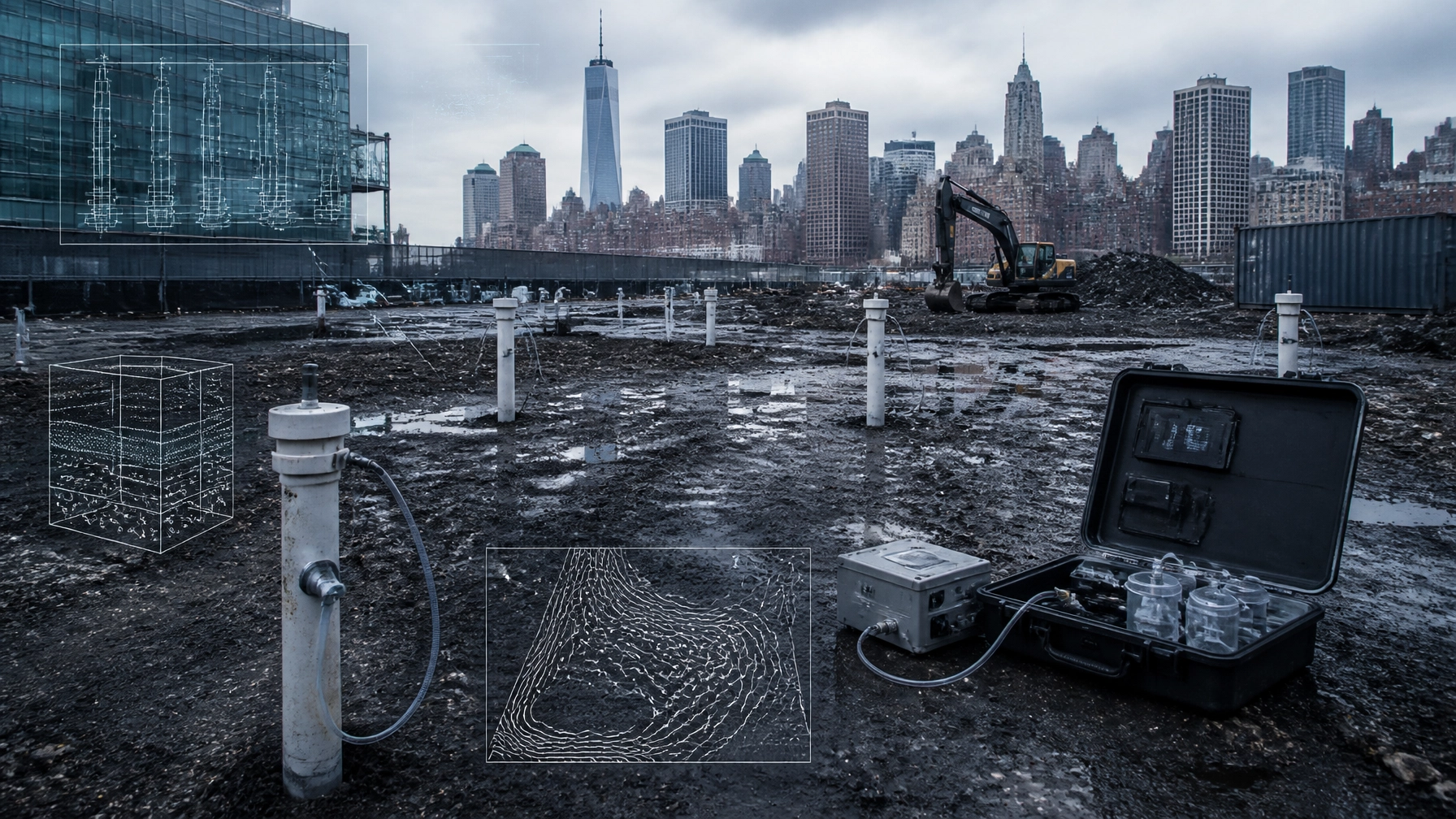
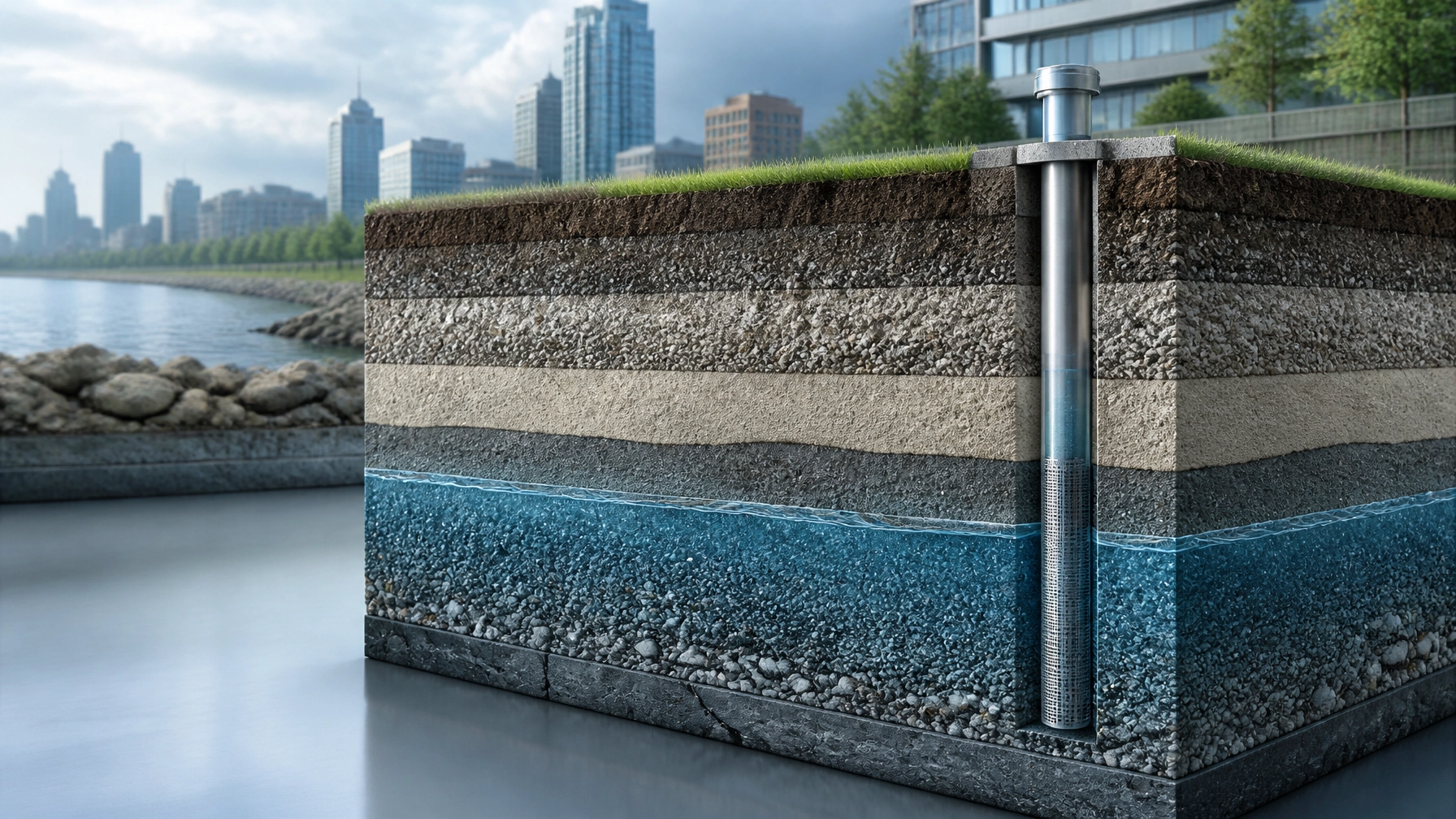
    Technical soil strata and monitoring well diagram

    The Road to Removal: 2026 Requirements

    To have an E-designation administratively removed from the NYC Zoning Resolution, the project must meet three high-level criteria:

    Full Build-Out to Zoning Potential

    OER generally will not remove a designation if the site is only partially developed. The agency wants to ensure that the environmental mitigations: especially for air and noise: are representative of the site’s final, full-scale use.

    No Active Engineering or Institutional Controls

    This is the "deal-breaker" for many hazmat removals. If your site requires an active sub-slab depressurization system (SSDS) or a permanent deed restriction to remain safe, the E-designation will stay in place to ensure those systems are maintained. To qualify for removal, you typically need to achieve a "Track 1" or a high-level "Track 2" cleanup where no long-term management is required.

    Installation Reports & Documentation

    The transition from construction to removal hinges on the Remedial Action Report (RAR). For air and noise, this includes detailed installation reports with manufacturer specs, photographs of installed windows, and PE-certified HVAC plans.

    "Collaboration is not a buzzword: it's how we work. We navigate these technical hurdles so your project doesn't just get built, it gets cleared." : Jason Pancoast, CEO, Envicon Group

    The EPIC Submission Process

    All communication with OER now flows through the EPIC (Environmental Project Information Center) portal. This digital infrastructure is where your site investigation results and remedial plans are logged.

    In 2026, the EPIC portal serves as the official record for:

    • Notice to Proceed (NTP): Issued after your Remedial Action Work Plan (RAWP) is approved, allowing DOB to issue permits.
    • Notice of Satisfaction (NOS): Issued after construction and closure report approval, allowing for a Certificate of Occupancy.
    • Final Notice of Satisfaction: The specific document OER sends to the Department of City Planning (DCP) to trigger the administrative removal of the E-designation from the Zoning Map.

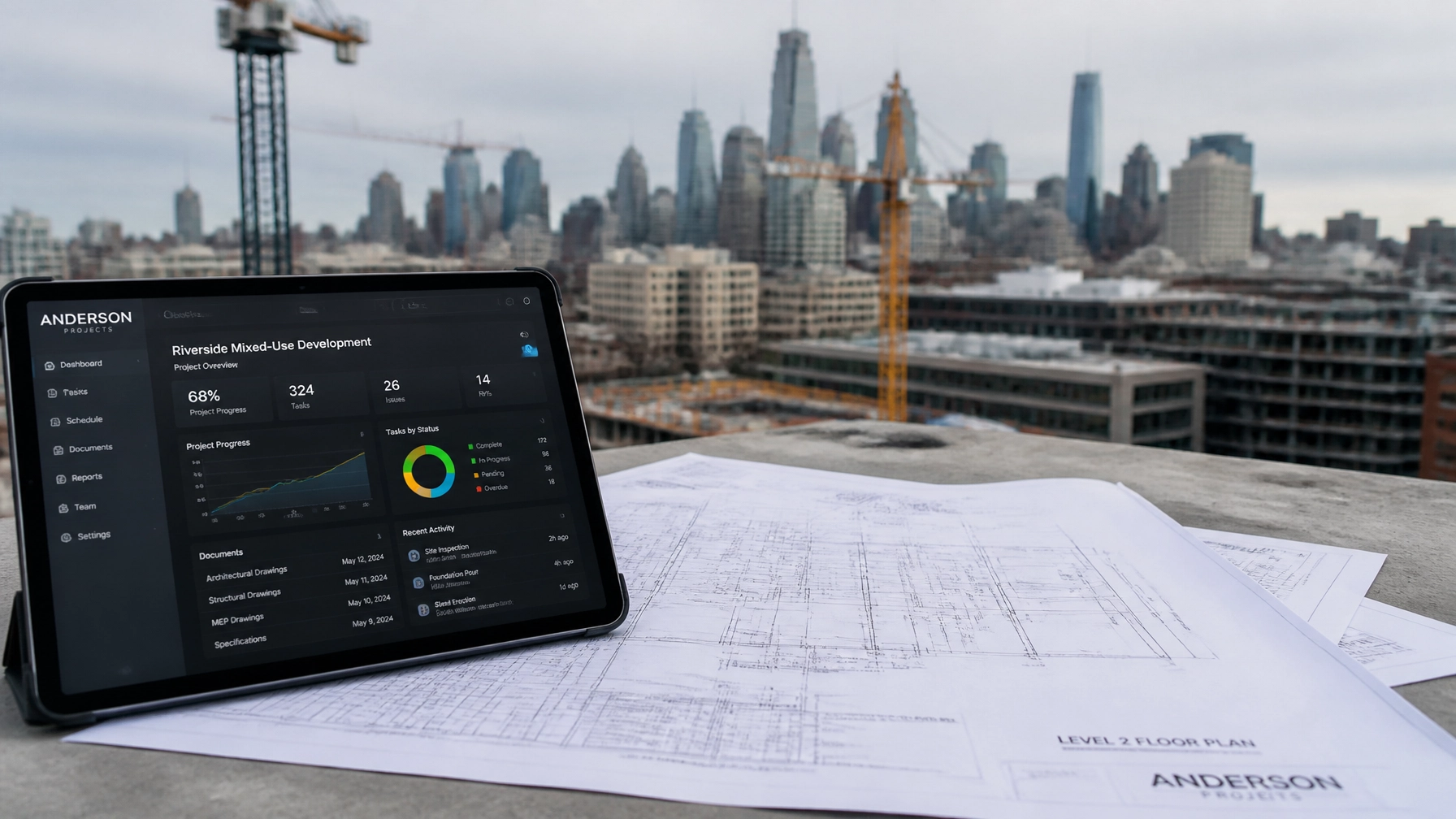
    Project management dashboard showing OER EPIC portal status

    Regulatory Exit: OER to DCP

    Once OER issues the Final Notice of Satisfaction, the process moves into the hands of the Department of City Planning (DCP). While OER certifies the environmental work is done, DCP manages the "Zoning Resolution Appendix C," which lists the affected tax lots.

    This administrative removal is the final step in restoring your property’s status to a "clean" asset. It removes the cloud on the title that often complicates future financing, refinancing, or sales.

    Offsetting Costs: The BIG Grant Program

    Navigating these requirements isn't cheap, but NYC offers a lifeline: the Brownfield Incentive Grant (BIG) program. For eligible sites, the BIG program provides financial assistance for:

    • Pre-development environmental investigations.
    • Remedial planning and professional services.
    • Cleanup activities.

    For developers dealing with an E-designation, BIG grants can significantly offset the premium costs of the high-level remediation required for full removal. At Envicon, we help our clients identify and apply for these incentives as part of our Brownfield Redevelopment Support.

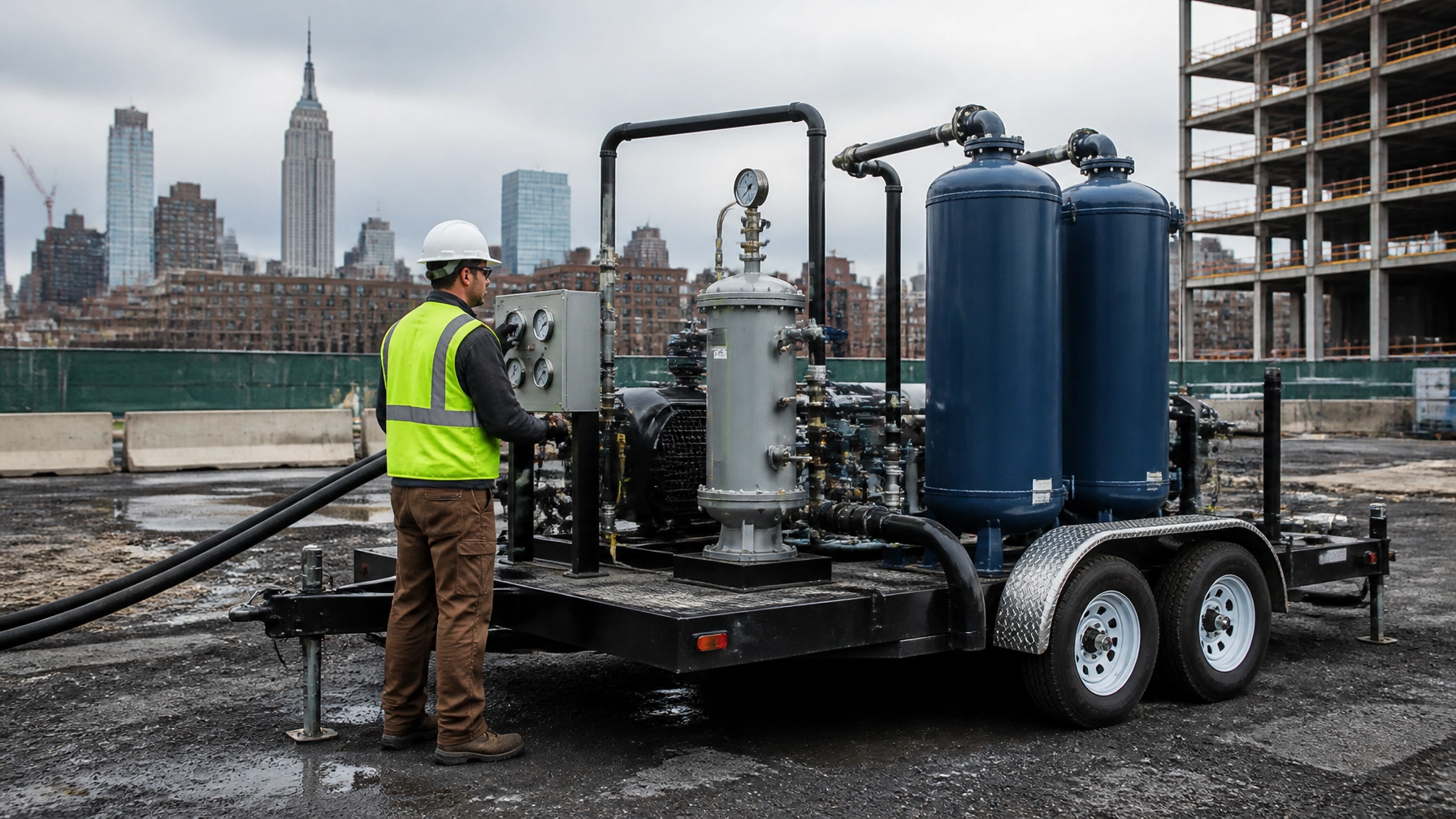
    Remediation barrier installation at NYC construction site

    Why Envicon? The Difference Between a Report and a Result

    When you hire a large national firm, your NYC project often ends up in the hands of a junior staffer in a regional satellite office who has never met an OER reviewer. They’ll hand you a bloated, defensive report and leave you to figure out why the DCP hasn't updated your zoning record.

    At Envicon, we bring 20 years of direct agency relationships. We know the reviewers at OER, NYSDEC, and NYC Parks by name. We don't just write reports to cover ourselves; we write them to get your project to the next step.

    • Hands-on Leadership: You talk to the PEs who are actually on your site.
    • Direct Coordination: We work with your architects and attorneys to ensure the Noise and Air RAPs don't conflict with your building's design.
    • Technical Transparency: Our digital dashboards give you real-time visibility into your project's status, so you’re never wondering if your submission is sitting in someone's queue.

    Summary & Key Takeaways

    1. Understand the Type: Know if your E-designation covers Hazmat, Air, Noise, or all three.
    2. Aim for Clean: If you want the designation removed, aim for a remediation level that requires no ongoing management.
    3. Document Everything: Installation reports for windows and HVAC are just as critical as soil samples.
    4. Leverage EPIC: Ensure your environmental professional is proficient in the OER EPIC portal to avoid delays.
    5. Seek Funding: Don't leave money on the table: check your eligibility for BIG grants early.

    Stop paying for junior execution and big-firm overhead. Let Envicon clear the path for your next buildable site.

    Take Action Today

    Envicon Group Logo

  • Soil Vapor Extraction (SVE) System Design and Operation for NY & NJ Sites

    Soil Vapor Extraction (SVE) System Design and Operation for NY & NJ Sites

    A soil vapor extraction system can remove volatile organic compounds (VOCs) from unsaturated soil without excavating the entire source area. That matters on dense, active sites across New York City, Hudson County, Newark, Jersey City, and northern New Jersey, where excavation may disrupt structures, utilities, streets, or ongoing operations.

    SVE is not a plug-and-play equipment package. The system must match the site’s geology, contaminant profile, depth to groundwater, building conditions, and regulatory endpoint.

    “A vacuum only works when the site lets air move.”

    That is the central design issue. Before selecting a blower or treatment vessel, the project team needs to understand how air will move through the vadose zone: and where it will not.

    What a Soil Vapor Extraction System Does

    SVE applies a vacuum to extraction wells screened in the unsaturated zone above the water table. The vacuum creates pressure gradients that draw soil gas through the pore spaces. VOCs partition into that moving air and travel through subsurface piping to an aboveground treatment system.

    A typical system includes:

    • SVE extraction wells and wellheads
    • Individual conveyance lines and a common manifold
    • Isolation and throttling valves
    • Vacuum blower or regenerative blower
    • Moisture knockout or air-water separator
    • Particulate filtration
    • Granular activated carbon or thermal treatment
    • Pressure, flow, and temperature instruments
    • Influent and effluent vapor sampling ports
    • Controls, alarms, and emergency shutdowns

    SVE works best when contaminants are sufficiently volatile and the soil has enough permeability to support airflow. Sands and gravels generally respond better than tight clays, silts, or heavily stratified fill. Low-permeability layers can limit the radius of influence and leave isolated pockets of contamination untreated.

    SVE also has limits. It may not adequately address contamination below the water table, highly sorbed compounds, free product, or areas where utilities and foundations create preferential pathways. In those cases, the remedy may require air sparging, excavation, in-situ treatment, groundwater recovery, vapor intrusion mitigation, or a combined approach.

    For building-related concerns, SVE should be coordinated with a broader vapor intrusion mitigation evaluation. Removing VOC mass from soil is source control. It does not automatically prove that indoor air is protective.

    Start With the Conceptual Site Model

    The first design document should not be a blower specification. It should be a defensible conceptual site model (CSM).

    For a New York or New Jersey property, the CSM should address:

    • VOC source areas and historical operations
    • Soil types, fill conditions, and stratigraphy
    • Depth to groundwater and seasonal fluctuations
    • Contaminant concentrations by depth
    • Building slabs, basements, crawl spaces, and occupied areas
    • Underground utilities and other preferential pathways
    • Nearby receptors and potential off-site migration
    • Existing monitoring wells, borings, and soil vapor points
    • Expected remedial standards and closure requirements

    A Phase II investigation may include soil borings, groundwater sampling, soil vapor points, sub-slab sampling, and indoor air testing. Envicon’s environmental assessment team uses these data to determine whether SVE is technically appropriate and how it should fit into the overall remedial strategy.

    The CSM also establishes whether the target is contaminant mass removal, risk reduction, protection of indoor air, achievement of soil cleanup objectives, or a combination of these goals.

    Technical cutaway schematic showing SVE extraction wells, vadose zone airflow, groundwater, blower, and carbon treatment

    Pilot Testing Establishes the Design Basis

    The most important SVE parameters should come from field testing, not generic spacing tables.

    A pilot test can evaluate:

    • Applied vacuum at the extraction well
    • Flow rate at the wellhead
    • Radius of influence (ROI)
    • Vacuum response at nearby monitoring points
    • Air permeability and preferential pathways
    • VOC concentrations in extracted soil gas
    • Condensate generation
    • Potential short-circuiting through utilities or fractures

    A step-vacuum or step-flow test typically starts at a controlled operating condition and increases the applied vacuum or extraction rate while measuring the response at surrounding points. The results show whether the target zone receives meaningful vacuum and whether the system is pulling air from the intended subsurface interval.

    For example, a well may show a strong vacuum response nearby but little response across a clay lens. That is not a minor operating detail. It may require additional wells, deeper screened intervals, pulsed operation, soil blending, or another remedial technology.

    The pilot test should support the final design memorandum or remedial work plan. It should explain why the well spacing, operating range, treatment capacity, and performance criteria are appropriate for the site.

    Vacuum Blower Design: Flow Is Only Half the Question

    A blower must deliver the required airflow at the required vacuum. A high-cfm blower that cannot maintain vacuum through the piping and treatment train will not produce a reliable remedy.

    Blower selection should account for:

    • Number of extraction wells operating at one time
    • Expected flow per well
    • Required wellhead vacuum
    • Piping length, diameter, and fittings
    • Pressure losses through filters and treatment vessels
    • Condensate and moisture loading
    • Treatment system backpressure
    • Future operating changes as VOC concentrations decline
    • Electrical service and noise limitations
    • Required redundancy and emergency shutdown controls

    The design should include enough control at each well to balance the system. Individual isolation valves and throttling valves allow the operator to focus extraction on active source areas rather than wasting capacity on wells that have reached diminishing returns.

    Variable-frequency drives can provide additional flexibility where the system must operate across a broad range of flow and vacuum conditions. Smaller or more stable systems may use regenerative blowers with a narrower performance envelope.

    The system should also include pressure gauges or transmitters at the wells, manifold, blower inlet, and treatment stages. Flow meters help identify declining extraction, blocked lines, leaks, or a well that is drawing excessive air compared with the rest of the system.

    Vapor Treatment: Carbon Adsorption or Thermal Oxidation?

    Extracted soil gas contains VOCs. It cannot simply be discharged without evaluating emissions, treatment requirements, and applicable air regulations.

    Granular activated carbon adsorption

    Granular activated carbon (GAC) is common for low-to-moderate VOC concentrations and smaller SVE systems. The carbon adsorbs VOCs as contaminated air passes through the vessel.

    A properly designed carbon train generally includes:

    • Moisture knockout upstream of the carbon
    • Particulate filtration
    • One or more carbon vessels
    • Sampling ports before and after treatment
    • Pressure-drop monitoring
    • A planned changeout or regeneration schedule

    Two vessels in series provide a practical operating arrangement. The first vessel captures most of the VOC mass, while the second acts as a polishing vessel and helps identify breakthrough before treated air exceeds the project limit.

    Carbon capacity depends on VOC type, concentration, flow rate, humidity, temperature, and competing compounds. A carbon vessel that performs well during startup may load faster than expected if groundwater intrusion, high humidity, or concentrated source-area vapors enter the system.

    Spent carbon must be managed appropriately. Disposal, regeneration, manifests, and waste classification belong in the operating plan: not as an afterthought.

    Thermal or catalytic oxidation

    Thermal oxidation destroys VOCs rather than transferring them to a solid media. It may be appropriate for higher concentrations, larger air volumes, or projects where carbon changeout would become inefficient.

    A thermal treatment system can include:

    • Combustion chamber and burner
    • Combustion air controls
    • Temperature monitoring
    • Flame-failure and high-temperature interlocks
    • Heat recovery equipment
    • Stack and emissions monitoring
    • Automated shutdown controls

    Thermal oxidation usually requires more capital, energy, permitting, and operational oversight than GAC. The design must account for residence time, temperature, VOC loading, heating value, combustion byproducts, and applicable air emission limits.

    In New Jersey, the project team should evaluate air permitting under N.J.A.C. 7:27 and coordinate the treatment system with NJDEP requirements before equipment installation. Permit applicability depends on the specific equipment, emissions, control device, and operating conditions.

    New York Regulatory Coordination

    In New York, SVE design and operation typically fit within the NYSDEC site investigation and remediation framework, including DER-10 technical guidance and applicable soil cleanup objectives.

    Where vapor intrusion is part of the exposure pathway, the project should also follow the NYSDEC vapor intrusion guidance and the New York State Department of Health soil vapor intrusion guidance.

    The remedial design should define:

    • Extraction well construction and screened intervals
    • Pilot test results and ROI
    • Blower operating range
    • Vapor treatment and emissions controls
    • Sampling locations and analytical methods
    • Startup and shutdown procedures
    • Performance monitoring frequency
    • Contingency actions
    • Criteria for optimization and system termination

    On NYC properties, coordination may also involve NYC OER, E-Designation requirements, NYC Parks, building owners, construction managers, and local utility stakeholders. The system needs to function in the real site environment: not just on the design drawing.

    New Jersey Regulatory Coordination

    In New Jersey, the remedial approach must align with the Technical Requirements for Site Remediation under N.J.A.C. 7:26E.

    The SVE design should be documented in the appropriate remedial action work plan and supported by site data. Performance and closure should be evaluated under NJDEP’s Technical Guidance for the Attainment of Remediation Standards.

    NJDEP’s Vapor Intrusion Pathway guidance is used to evaluate soil gas, sub-slab, and indoor air conditions. SVE may reduce the source, but the project still needs to demonstrate that the vapor intrusion pathway is controlled for current and future receptors.

    That may involve continued monitoring or a separate sub-slab depressurization system, especially where VOCs remain in groundwater or beneath an occupied building.

    Operating and Optimizing the System

    Startup should proceed methodically:

    1. Inspect wells, piping, valves, vessels, electrical systems, and alarms.
    2. Confirm that condensate handling is operational.
    3. Open well valves according to the approved startup sequence.
    4. Start the blower at a controlled condition.
    5. Record vacuum and flow at each operating well.
    6. Collect baseline influent and effluent vapor data.
    7. Confirm treatment performance before normal operation.
    8. Adjust valves to balance extraction across the treatment area.

    Routine monitoring should track:

    • Wellhead vacuum and flow
    • Blower inlet conditions
    • VOC concentrations in influent and effluent vapor
    • Carbon vessel pressure drop
    • Carbon breakthrough indicators
    • Condensate volume and disposal
    • Ambient air near the treatment area
    • Indoor air or sub-slab conditions where applicable
    • Changes in subsurface vacuum response

    SVE performance often declines over time. That does not automatically mean the remedy has failed. It may indicate that the easily removed VOC mass is gone and the system needs optimization.

    Common optimization steps include:

    • Taking completed wells offline
    • Reducing flow in low-concentration areas
    • Increasing focus on persistent source zones
    • Adjusting vacuum to limit excess dilution air
    • Repairing leaks or blocked lines
    • Adding extraction points where the ROI is incomplete
    • Using pulsed operation to allow contaminant rebound
    • Conducting rebound testing before shutdown

    “The goal is not to run equipment longer. The goal is to prove the site is moving toward closure.”

    Why Project Leadership Matters

    A soil vapor extraction system connects subsurface investigation, mechanical design, air emissions, field operations, laboratory data, and regulatory coordination. When those pieces sit with separate teams, issues move slowly and accountability becomes unclear.

    Envicon keeps the work connected. Our team provides field-level oversight, direct agency coordination, technical documentation, and practical recommendations that help developers, attorneys, contractors, and property owners make decisions faster.

    We do not just deliver a report. We build a clear path from investigation to operation, optimization, and regulatory closure. Our digital project tools can also provide real-time visibility into field activity, deliverables, schedules, and compliance milestones.

    SVE Design Takeaway

    A successful SVE project depends on five fundamentals:

    • Confirm that the contaminant and geology are compatible with SVE.
    • Use pilot testing to establish vacuum, flow, and radius of influence.
    • Size the blower for the complete system: not just the extraction wells.
    • Match vapor treatment to VOC loading, humidity, flow, and air requirements.
    • Coordinate NYSDEC, NYSDOH, NJDEP, LSRP, air permitting, and vapor intrusion obligations from the beginning.

    The right system removes VOC mass, protects receptors, and gives the project team defensible evidence for the next decision.

    Ready to Evaluate SVE at Your Site?

    Precision gets the system working. Trust keeps the project moving.

    Envicon Group logo

  • NYC OER E-Designation Enforcement: What Property Owners Risk Without Annual Compliance Certifications

    NYC OER E-Designation Enforcement: What Property Owners Risk Without Annual Compliance Certifications

    If you own, develop, or manage commercial and residential real estate in New York City, an E-Designation is likely part of your property’s legal and environmental DNA. Whether assigned for hazardous materials, ambient air quality, or noise attenuation during a zoning change, an E-Designation is not a paperwork formality that disappears once construction wraps up.

    For properties requiring ongoing Site Management Plans (SMPs): such as those operating active vapor mitigation systems, sub-slab depressurization systems (SSDS), or engineered soil covers: the NYC Office of Environmental Remediation (OER) enforces strict annual compliance certification rules. Failing to submit these reports on time is no longer a minor administrative oversight. It triggers aggressive enforcement, steep monetary penalties starting at $10,000, and summonses adjudicated through the Office of Administrative Trials and Hearings (OATH).

    At Envicon Group, we work daily with developers, property owners, and environmental attorneys across New York and New Jersey to navigate complex regulatory hurdles. Below is a breakdown of what NYC OER enforcement looks like, who is affected, and how to protect your assets from costly penalties.


    Understanding E-Designations and Environmental Restrictive Declarations

    An E-Designation is placed on a tax lot to signal that environmental requirements must be satisfied before the NYC Department of Buildings (DOB) will issue building permits or a Certificate of Occupancy (CO). Originally administered jointly or under the NYC Department of Environmental Protection (DEP), the regulatory landscape shifted significantly with the Split of the E-Designation Rule.

    Under this rule framework:

    • The Placement Side: The establishment and placement of E-Designations on properties remain under the purview of the DEP.
    • The Remediation & Compliance Side: All post-remediation requirements, Remedial Action Plans (RAPs), Remedial Closure Reports, and ongoing site management rules are codified under OER’s regulations (Title 43, Chapter 14 of the Rules of the City of New York).

    When a site is remediated under OER supervision but leaves behind contamination or engineering controls, OER requires a recorded environmental restrictive declaration and an approved SMP. This is where long-term institutional controls (ICs) and engineering controls (ECs) come into play: and where annual certification mandates become legally binding.

    Engineering compliance dashboard on a rugged field tablet showing NYC OER site management plan status


    The Annual Certification Mandate: What Is Required?

    If your property operates under an OER-approved SMP that incorporates engineering controls (such as vapor barriers, composite covers, or active venting systems) or institutional controls (such as use restrictions or groundwater use bans), you are legally obligated to submit annual compliance certifications.

    Who Must Certify?

    • For Active or Passive Remedial Systems: The annual certification must be completed and stamped by a Qualified Environmental Professional (QEP) or a New York State-licensed Professional Engineer (PE).
    • For Institutional Controls Only: If the SMP involves strictly non-physical use restrictions or maintaining a certified site cover without active mechanical systems, the property owner may submit the certification, provided all criteria are fully met.

    What the Certification Must Prove

    OER’s inspection and reporting rules require your filing to explicitly state that:

    1. A comprehensive site inspection was conducted by the certifying professional.
    2. All required engineering controls and institutional controls remain in place, intact, and fully operational.
    3. Nothing has occurred that would impair the protective function of these controls or cause non-compliance with the SMP.
    4. The property owner continues to grant OER personnel site access to evaluate and verify maintenance of these controls.

    If an inspection reveals that a vapor barrier has been breached, a utility trench has compromised a soil cover, or a sub-slab depressurization fan has failed, you cannot truthfully submit a clean certification. In such cases, the owner must promptly notify OER and submit a corrective work plan.


    The Financial Sting: $10,000 to $20,000 Penalties and OATH Prosecution

    OER’s enforcement regime is designed to eliminate chronic reporting delays. If a property owner fails to submit the required institutional and engineering control certifications by the mandated deadline, the financial and legal consequences are severe:

    • Minimum Penalty: A baseline penalty of $10,000 for failing to submit an acceptable certification.
    • Default Penalty: Penalties can default to $20,000 or higher depending on the duration of non-compliance and site risk factors.
    • OATH Summonses: OER issues formal summonses for non-compliance, which are prosecuted through the Office of Administrative Trials and Hearings (OATH).

    The 45-Day Cure Window

    Fortunately, OER rules provide a narrow lifeline for owners who act quickly. If OER issues a summons for failing to file, the respondent can avoid monetary penalties entirely if they submit a formal “certification of correction” along with documentary proof of SMP compliance within 45 days of service. Once accepted by OER, prosecution of the summons is withdrawn.

    Waiting past that 45-day window, however, locks in the financial penalties and invites intensified agency scrutiny across your entire portfolio.

    Desk covered with multiple lender-ready Environmental Site Assessment forms and reports


    Why Big-Box Consulting Firms Drop the Ball on Annual Compliance

    Property owners often hire large national engineering firms during initial site acquisition, only to find themselves abandoned once the transaction closes. Big-box firms operate on high-volume models where junior staff manage dozens of disparate projects.

    When annual OER compliance deadlines approach, large firms frequently:

    • Miss the deadline: Because annual tracking is managed via generic spreadsheets rather than active project management dashboards, your filing slips through the cracks.
    • Deliver defensive, slow reports: Reports written primarily to protect the consultant rather than move your project forward create friction with agency reviewers.
    • Charge exorbitant change orders: Every routine coordination call or minor SMP amendment becomes an excuse for billable scope creep.

    At Envicon Group, we believe collaboration is not a buzzword: it's how we operate. As a family-owned, PE-led firm with 20 years of direct NYC and NJ agency experience, we sit at the table with OER regulators, not behind a ticketing queue.


    How Envicon Protects Your Assets and Keeps Projects Moving

    We don't just deliver static reports; we deliver cleared paths. When you partner with Envicon for E-Designation management and annual compliance, you get:

    • Proactive Scheduling & Tracking: Our proprietary technology and project management infrastructure track every OER and DEP milestone across your portfolio, eliminating surprise deadlines.
    • Direct QEP & PE Oversight: Licensed professionals inspect your site, verify engineering controls, and handle all agency coordination directly.
    • Real-Time Visibility: Clients gain access to transparent project reporting dashboards showing deliverable status, field activity, and compliance schedules in real-time.
    • Seamless OATH & Agency Resolution: If your property receives a notice or summons, our regulator-facing team intervenes immediately to prepare corrective documentation well within the 45-day cure window.

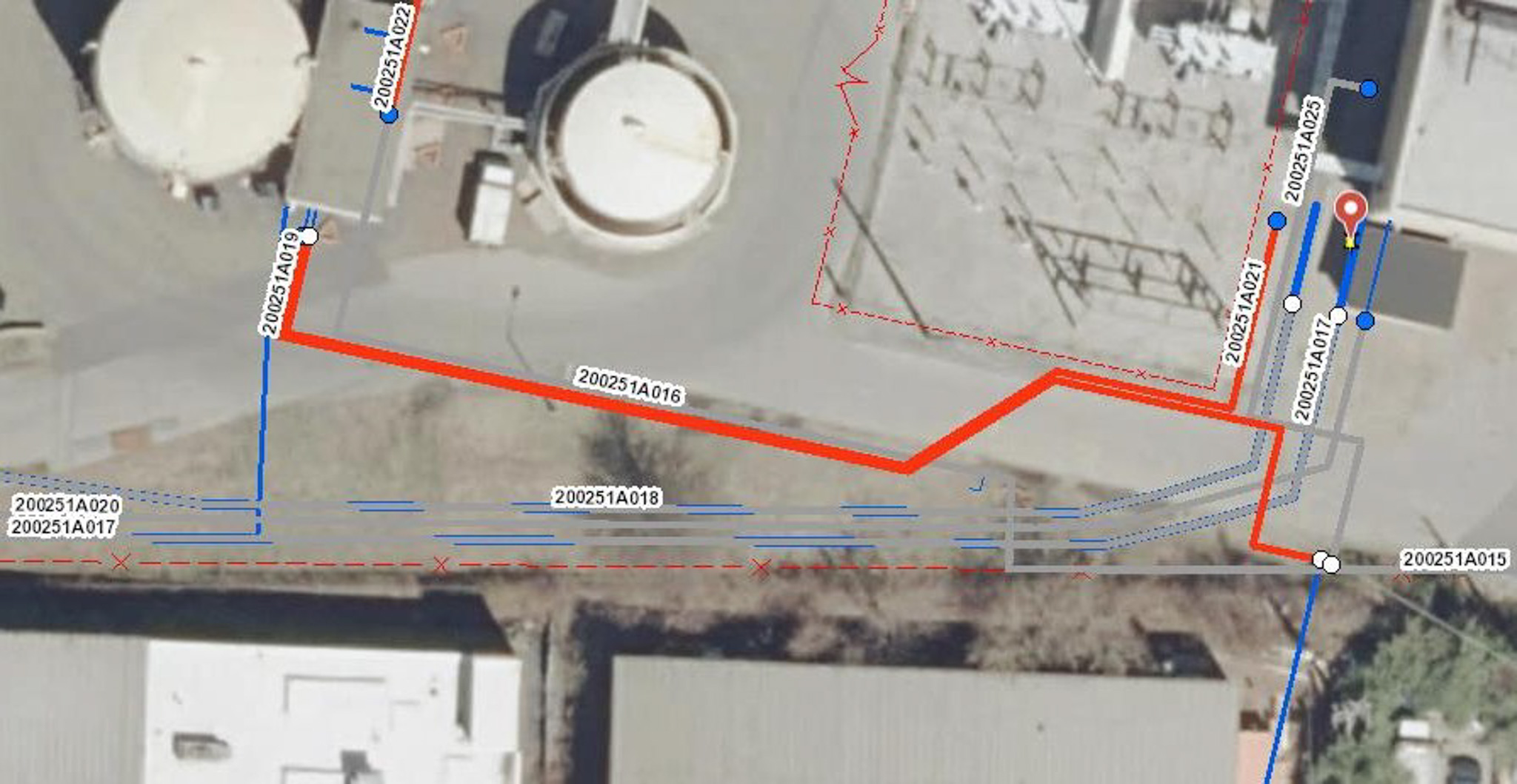
    Aerial site map overlay showing subsurface utility routes and monitoring points


    Actionable Takeaways for NYC Property Owners & Developers

    1. Audit Your Portfolio Today: Confirm whether your tax lots carry an E-Designation or Environmental Restrictive Declaration requiring an active SMP.
    2. Calendar Annual Deadlines: Never assume your previous consultant or architect filed your annual certification automatically.
    3. Inspect Engineering Controls Early: Have a Qualified Environmental Professional evaluate vapor barriers, venting systems, and soil covers months before the filing deadline.
    4. Partner with Local Experts: Work with a regional firm that knows NYC OER reviewers by name and understands how to keep your development clear of legal liabilities.

    Ready to Secure Your Site and Eliminate Compliance Risk?

    Don't let missed OER certifications trigger costly OATH penalties and stall your property transactions. Talk directly with our licensed environmental engineers today.

    Envicon Group Logo

  • NJDEP ISRA Compliance 2026: Expanded Corporate Officer Liability, Alternative Fill Restrictions, and RAP Modernization

    NJDEP ISRA Compliance 2026: Expanded Corporate Officer Liability, Alternative Fill Restrictions, and RAP Modernization

    The regulatory landscape for New Jersey industrial properties has undergone a fundamental shift. As of mid-2026, the New Jersey Department of Environmental Protection (NJDEP) has fully implemented a suite of rule changes that transform how Industrial Site Recovery Act (ISRA) compliance is handled, reported, and enforced.

    For developers, property owners, and corporate officers, the "business as usual" approach to environmental due diligence is now a high-risk strategy. The 2026 updates don't just add paperwork; they pierce the corporate veil, restrict how you move soil, and redefine the very nature of long-term remedial permits.

    1. The End of the LLC Shield: Expanded Personal Liability

    Perhaps the most significant change in the 2026 update is the expanded definition of a "person" under the Administrative Requirements for the Remediation of Contaminated Sites (ARRCS). The NJDEP has formally codified the inclusion of Responsible Corporate Officials as personally liable parties for environmental violations.

    This means that managing members of LLCs and general partners of partnerships can no longer rely solely on the corporate structure to shield them from the financial and legal fallout of non-compliance. If you sign an ISRA certification or oversee a site's remediation strategy, the NJDEP now views you as an individual who can be held responsible for penalties: which can reach up to $25,000 per day.

    Why This Matters Now

    In the past, many developers operated through "Single Purpose Entities" (SPEs) to isolate risk. While SPEs remain a valid structural tool for financing, they are no longer an absolute barrier against NJDEP enforcement. The department is increasingly applying the Responsible Corporate Officer (RCO) doctrine, targeting individuals who had the authority to prevent a violation but failed to do so.

    At Envicon, we emphasize that your LSRP is not just a technical consultant; they are your primary line of defense in documenting that "all appropriate inquiry" and due diligence were performed to protect your personal and corporate assets.

    2. Alternative Fill: The End of "Free" Grading

    For years, the use of alternative fill: material that isn't technically "clean" but meets certain criteria for reuse: was a standard cost-saving measure for site grading. The 2026 amendments to N.J.A.C. 7:26E-5.2(b) have effectively ended the era of loosely regulated fill placement.

    Active brownfield redevelopment site with soil remediation and stockpiles

    The NJDEP now requires prior written approval for the import of off-site alternative fill unless it meets stringent, pre-defined chemical and physical profiles that match the receiving site exactly. Furthermore, the department has imposed strict volume limits. If your project requires large-scale grading using alternative fill, you can no longer proceed based on an LSRP’s professional judgment alone; you must wait for the NJDEP’s signature.

    The Impact on Project Schedules

    This "approval bottleneck" can stall a project for months. Large-scale redevelopments in Jersey City, Newark, or the Meadowlands that rely on importing fill to reach design grades must now build NJDEP review time into their critical path.

    "Alternative fill is a remedial tool, not a development shortcut. The 2026 rules ensure that we aren't just moving contamination from one ZIP code to another under the guise of 'redevelopment.'" : Industry Regulatory Update

    3. RAP Modernization: Indoor Air as the Third Media

    The Remedial Action Permit (RAP) process has been modernized to reflect current scientific understanding of contaminant migration, specifically regarding Vapor Intrusion (VI).

    Indoor Air Compliance

    The NJDEP now formally recognizes Indoor Air as the "third media," alongside soil and groundwater, that must be managed under a RAP. If your site requires a Vapor Mitigation System (VMS), your RAP will now include specific monitoring and maintenance requirements for indoor air quality, often involving annual or biennial Summa canister sampling.

    Indoor air quality testing equipment with Summa canister

    Focused RAPs and IANA

    The introduction of Focused RAPs allows for the closure of specific Areas of Concern (AOCs) without waiting for the entire site to reach a Final Remediation Document (FRD). This is a massive win for phased developments where one portion of a block is ready for a Certificate of Occupancy while another is still undergoing groundwater treatment.

    Additionally, the Interim Administrative Notice Area (IANA) designation has been refined to provide clearer public notice of groundwater contamination, ensuring that institutional controls are respected even as ownership changes.

    4. Post-NFA Compliance and the Biennial Certification Trap

    Securing a No Further Action (NFA) letter or a Response Action Outcome (RAO) is no longer the "finish line." For sites with engineering controls (like caps or slurry walls) or institutional controls (Deed Notices), the 2026 rules have tightened Biennial Certification requirements.

    Failure to submit a Biennial Certification on time now triggers automatic administrative penalties. The NJDEP has automated its tracking systems; there are no more "warning letters" for late filings.

    Financial Assurance (FA)

    The 2026 updates also mandate a more frequent review of Financial Assurance. If the cost of maintaining your remedy increases due to inflation or system wear-and-tear, you must adjust your FA mechanism accordingly. If you’re using a Remediation Trust Fund or a Letter of Credit, your LSRP must now certify every two years that the funding is sufficient for the entire remaining life of the permit.

    LSRP reviewing site plan map on a tablet

    5. Navigating the "Field-First" Reality

    At Envicon, we’ve seen how these rules play out on actual job sites: not just in a boardroom. The transition to 2026 compliance requires a firm that understands the nuances of the NJDEP reviewers.

    The "Big-Box" national firms often deliver bloated reports that are written to protect the consultant, not to move your project forward. They might flag a 0.1 ppm exceedance as a catastrophe because they don't have the regional fluency to navigate the NJDEP’s Technical Requirements with precision.

    The Envicon Difference:

    • Direct Regulatory Coordination: We don't hide behind an email queue. We sit at the table with NJDEP and NJ Parks to resolve roadblocks before they become work-stoppages.
    • PE-Led Strategy: Every ISRA project at Envicon is led by a Professional Engineer who understands both the environmental science and the civil engineering constraints of your site.
    • Zero-Fluff Documentation: Our reports are built for regulatory scrutiny and project velocity. We provide clear paths to closure, not 500-page "defensive" documents.

    Summary: Key Takeaways for 2026

    • Personal Liability is Real: Corporate officers and LLC managing members are now "persons" for enforcement purposes.
    • Fill Approval is Slower: Import of alternative fill requires prior NJDEP approval and documented chemical matching.
    • RAPs are Dynamic: Indoor air is a regulated media, and Focused RAPs allow for phased site exits.
    • Compliance is Perpetual: Biennial certifications and Financial Assurance are strictly monitored and enforced.

    Soil core samples in plastic liner for environmental testing

    Don't let a "legacy" approach to environmental compliance stall your 2026 projects. Whether you are triggering ISRA through a business sale or managing a long-term RAP, you need a team that operates with the precision and urgency of a field-first partner.

    Take Action Today

    Is your current consultant prepared for the 2026 ISRA shifts? Ensure your project stays on track and your personal liability is managed.

    https://cdn.marblism.com/9pkrESHYKOm.png

  • Vapor Intrusion Testing and Screening: NJDEP Levels and NYC OER Requirements

    Vapor Intrusion Testing and Screening: NJDEP Levels and NYC OER Requirements

    A vapor intrusion investigation answers one practical question: Are volatile chemicals in soil, soil gas, or groundwater entering a building at concentrations that require further action?

    The answer depends on the jurisdiction, the chemical, the building, and the quality of the sampling data. New Jersey and New York City use related but different frameworks. NJDEP applies media-specific screening levels and rapid action levels. NYC OER evaluates E-designation properties through site-specific testing protocols, approved remedial plans, and NYSDOH/NYSDEC vapor intrusion guidance.

    This distinction matters for developers, lenders, attorneys, and construction teams. A report that applies the wrong table: or ignores crawlspace conditions, indoor background sources, or preferential pathways: can delay permitting, financing, occupancy, or construction.

    What Vapor Intrusion Testing Evaluates

    Vapor intrusion occurs when volatile organic compounds, or VOCs, migrate from contaminated soil or groundwater through the subsurface and enter an enclosed structure.

    A complete vapor intrusion pathway generally requires:

    • A volatile contaminant source
    • A migration pathway through soil, groundwater, utility corridors, or foundation openings
    • A current or future occupied structure

    The investigation should begin with a clear conceptual site model. That model maps the source, subsurface conditions, building foundation, utilities, crawlspaces, basements, HVAC systems, and potential receptors.

    NJDEP’s Vapor Intrusion Technical Guidance uses a staged approach. Existing groundwater data may be reviewed first, followed by soil gas, sub-slab vapor, and indoor air sampling where warranted.

    “Exceedances of the screening levels indicate that VI is of potential concern and that further evaluation and/or potential remediation of the pathway is necessary.” : NJDEP

    The result is not simply a laboratory number. It is a decision about whether the pathway is incomplete, requires additional investigation, or needs mitigation.

    The Three Core Sampling Lines of Evidence

    1. Sub-slab soil gas sampling

    Sub-slab sampling measures vapor directly beneath an existing building slab. Technicians install a temporary or permanent probe through the concrete and connect it to a clean sampling train and stainless-steel canister.

    This is usually the strongest soil-gas line of evidence because it measures conditions immediately below the structure rather than conditions at a distant exterior location.

    A defensible sub-slab program should address:

    • Probe location and depth
    • Foundation construction
    • Slab cracks, seams, sumps, and penetrations
    • Soil type and moisture
    • Utility corridors and preferential pathways
    • Leak testing and tracer gas
    • Canister vacuum and flow-rate documentation
    • Laboratory reporting limits and QA/QC

    Under NJDEP’s current framework, sub-slab soil gas results are compared to the applicable Soil Gas Screening Level, or SGSL. Exterior soil gas should not automatically be treated as equivalent to sub-slab data.

    2. Indoor air sampling

    Indoor air sampling measures the concentration occupants may actually breathe. Samples may be collected in basements, crawlspaces, first-floor rooms, or other occupied areas.

    Indoor air results require careful interpretation because VOCs can come from ordinary building sources, including:

    • Dry-cleaned clothing
    • Paints, adhesives, and solvents
    • Fuel storage
    • Cleaning products
    • Attached garages
    • New flooring or furniture
    • Smoking and vehicle exhaust
    • HVAC or combustion equipment

    For that reason, a strong vapor intrusion testing program often includes ambient outdoor air, sub-slab vapor, and indoor air collected during the same event. Investigators also perform a building survey and provide occupant instructions before sampling.

    NJDEP evaluates indoor air against current indoor air remediation standards and rapid action levels. Crawlspace air is treated as indoor air for NJDEP screening purposes.

    3. Crawlspace sampling

    Crawlspaces create a common blind spot. They may have exposed soil, limited ventilation, moisture, utility penetrations, or direct communication with occupied rooms.

    A crawlspace evaluation should consider:

    • Whether the crawlspace has a concrete slab, vapor barrier, or exposed soil
    • Whether it connects to living or working areas
    • Air exchange and ventilation conditions
    • Sumps, drains, cracks, and utility penetrations
    • Sub-slab or near-slab soil gas conditions
    • First-floor indoor air above the crawlspace

    A crawlspace sample alone does not always establish the source. It must be evaluated with the building layout and subsurface data.

    Technician documenting indoor-air and ambient-air sampling with stainless-steel canisters in a New Jersey commercial building

    NJDEP Vapor Intrusion Screening Levels

    NJDEP’s current Vapor Intrusion Screening Levels and Indoor Air Remediation Standards include three principal screening categories:

    • Groundwater Screening Levels (GWSL)
    • Soil Gas Screening Levels (SGSL)
    • Indoor Air Remediation Standards and Rapid Action Levels (RALs)

    The applicable value depends on the chemical and exposure scenario. Residential, school, daycare, and certain sensitive-use properties are evaluated differently from typical commercial or industrial settings.

    Representative NJDEP values

    The following examples come from NJDEP’s February 2025 screening-level basis and background tables. They are provided for orientation, not as a substitute for reviewing the current NJDEP table for a specific project.

    Chemical Residential sub-slab soil gas SGSL Nonresidential sub-slab soil gas SGSL NJDEP groundwater screening level
    Benzene 18 µg/m³ 79 µg/m³ 23 µg/L
    PCE 540 µg/m³ 2,400 µg/m³ 36 µg/L
    TCE 34 µg/m³ 150 µg/m³ 3.0 µg/L
    Vinyl chloride 32 µg/m³ 140 µg/m³ 0.59 µg/L

    NJDEP uses an attenuation factor of 0.02 when developing soil gas screening values from health-based indoor air criteria. The screening values are not cleanup standards. They are decision points that determine whether the vapor intrusion pathway needs additional evaluation or response.

    When does an NJDEP result trigger more work?

    A result above the applicable screening value does not mean that every project immediately requires excavation or a mitigation system. It means the pathway cannot be dismissed based on that data point.

    Typical next steps include:

    • Confirming that the sample is representative and valid
    • Reviewing the conceptual site model
    • Collecting confirmation samples
    • Evaluating indoor background sources
    • Performing indoor-air sampling
    • Reviewing groundwater, soil, and utility data
    • Assessing seasonal variability
    • Designing and implementing mitigation where necessary

    NJDEP also uses Rapid Action Levels for indoor air. An occupied building result above the applicable RAL requires prompt action to investigate and reduce potential exposure. Depending on the contaminant and building use, that may include an interim remedial measure, additional confirmation sampling, or immediate mitigation.

    NYC OER and E-Designation Requirements

    NYC OER does not use NJDEP screening tables for New York City properties.

    An E-designation means a property has environmental requirements connected to a zoning action. For hazardous-materials E-designations, those requirements must be addressed before the owner can obtain a building permit, and the approved remedy must be implemented before occupancy.

    The NYC Office of Environmental Remediation E-Designation page explains that hazardous-materials E-designations may require soil testing and an OER-approved remedial action plan.

    For vapor intrusion concerns, the site-specific work plan may include:

    • Soil vapor sampling
    • Sub-slab soil gas sampling
    • Crawlspace air sampling
    • Indoor air sampling
    • Ambient outdoor air sampling
    • VOC analysis using EPA Method TO-15
    • Laboratory data from an appropriately certified laboratory
    • Vapor barrier or sub-slab depressurization design
    • Construction Health and Safety Plan requirements
    • Long-term operation, monitoring, and maintenance

    NYC projects commonly rely on the NYSDOH Soil Vapor Intrusion Guidance and Updates. NYSDOH decision matrices compare sub-slab vapor and indoor air concentrations for specific chemical groups and identify outcomes such as no further action, monitoring, additional investigation, or mitigation.

    The controlling document, however, remains the E-designation language and the OER-approved testing and remedial plans for the property.

    Technical cross-section illustrating a NYC E-designation vapor intrusion conceptual site model with soil gas, groundwater, utilities, and building foundation

    What Happens When a Trigger Is Exceeded?

    The right response depends on the data, not on a generic checklist.

    A project team should immediately confirm:

    1. Which jurisdiction applies?
      NJDEP values do not control a NYC OER project.

    2. Which medium exceeded the threshold?
      Groundwater, soil gas, sub-slab vapor, crawlspace air, and indoor air have different decision criteria.

    3. Was the sample collected correctly?
      Probe leaks, excessive moisture, poor canister vacuum, elevated reporting limits, or inadequate QA/QC can make results unusable.

    4. Could the result come from an indoor or outdoor background source?
      PCE from dry-cleaned clothing and benzene from fuel or vehicle exhaust are common examples.

    5. Is the pathway complete?
      A high sub-slab result with no corresponding indoor-air impact may still require monitoring or mitigation, but it does not carry the same meaning as a confirmed indoor-air exceedance.

    6. Will the building use change?
      A future residential conversion may require a more protective evaluation than the current commercial use.

    Mitigation may include a vapor barrier, sub-slab depressurization system, membrane or coating, foundation sealing, HVAC adjustments, or source removal. The selected remedy must fit the building and the regulator’s requirements.

    Environmental engineering documentation setup with soil gas canister, pressure gauge, tubing, site plan, and GIS field records

    Why the Investigation Team Matters

    Vapor intrusion testing is not a commodity sampling exercise. The value comes from connecting field data to the decision that follows.

    Envicon approaches these projects with:

    • Direct, senior-level involvement from planning through closeout
    • Field-first investigation and construction coordination
    • Experience working with NJDEP, NYC OER, NYSDEC, and NYC agencies
    • Clear documentation built for lenders, attorneys, regulators, and contractors
    • Real-time project visibility through our technology platform
    • Practical recommendations instead of a report that leaves the next step to you

    Our team can coordinate Phase II investigations, soil gas and indoor air sampling, remedial design, vapor mitigation, regulatory submissions, and construction oversight as one connected process.

    The Takeaway

    For New Jersey properties, compare groundwater, sub-slab or near-slab soil gas, crawlspace air, and indoor air data against the current NJDEP tables. For NYC E-designation properties, follow the site-specific OER requirements and the applicable NYSDOH/NYSDEC vapor intrusion framework.

    A screening exceedance is a decision point. It is not the end of the project, and it is not a reason to guess. It is the point where qualified professionals need to confirm the data, understand the pathway, and move quickly toward the right response.

    If you need the next step after testing, review Envicon’s vapor intrusion mitigation hub.

    Get a Clear Path Forward

    Envicon Group logo

  • NJDEP Modernizes Remedial Action Permits: Indoor Air Regulation and Consolidated Applications

    NJDEP Modernizes Remedial Action Permits: Indoor Air Regulation and Consolidated Applications

    For years, managing environmental compliance across complex commercial and industrial properties in New Jersey meant juggling a fragmented suite of applications, permits, and schedules. If your site had both soil impacts and a vapor mitigation system, you were managing separate regulatory tracks with different timelines, separate renewal cycles, and administrative overhead that drained valuable resources from your development schedule.

    That landscape changed fundamentally with the New Jersey Department of Environmental Protection (NJDEP) Remedial Action Permit (RAP) modernization, which took effect on February 17, 2026.

    These sweeping amendments to N.J.A.C. 7:26C (Administrative Requirements for the Remediation of Contaminated Sites – ARRCS) officially elevate indoor air to a primary regulated RAP media, introduce consolidated application forms, establish the formal Indoor Air Notification Area (IANA) framework, and tighten enforcement around biennial certifications. For Licensed Site Remediation Professionals (LSRPS), environmental attorneys, and property developers, these changes demand an immediate operational pivot.

    At Envicon Group, we don't just track regulatory shifts from a distance: we work directly with state regulators, municipal officials, and local stakeholders every day. Below is a rigorous breakdown of what the February 2026 RAP modernization entails, how it impacts your active portfolios, and why navigating these new rules requires agile, hands-on engineering leadership rather than cookie-cutter consulting.


    1. Indoor Air Joins Soil and Groundwater as a Regulated RAP Media

    Under the modernized ARRCS framework, indoor air is no longer treated merely as a secondary parameter of vapor intrusion investigations. It is now officially recognized as a third standalone remedial action permit media, standing right alongside soil and groundwater.

    GIS data and technical terrain modeling used for environmental site assessment and remediation planning

    Whenever active or passive vapor mitigation systems are required to address vapor concerns or an Immediate Environmental Concern (IEC), ongoing operation, maintenance, and monitoring are officially managed under a formal RAP.

    The Indoor Air Notification Area (IANA) Framework

    A cornerstone of this update is the creation of the Indoor Air Notification Area (IANA) institutional control. Similar to how groundwater Classification Exception Areas (CEAs) function, an IANA must be established when indoor air quality is impacted or managed via engineering controls.

    • Timing: The IANA is typically established during the Remedial Investigation (RI) phase and must be formally documented by the time the Remedial Investigation Report (RIR) and Remedial Action Report (RAR) are submitted.
    • Notice Obligations: Establishing an IANA triggers mandatory notification requirements to local municipalities, county health departments, property owners, tenants, and building occupants.
    • Sampling Requirements: NJDEP guidance and training mandate rigorous baseline sampling: including at least two rounds of indoor air and sub-slab soil gas data: to support the RAP application and verify mitigation system effectiveness.

    When big-box national consulting firms handle vapor intrusion, their junior staff often treat indoor air testing as a one-off sampling event, leaving clients blind to long-term permit liabilities. At Envicon, our field-first, PE-led team integrates vapor mitigation engineering directly into your site’s overarching redevelopment strategy from day one. Explore our Phase I ESA Checklist to understand how early due diligence sets the right foundation.


    2. Consolidated RAP Applications and Version 1.0 Forms

    To eliminate the administrative nightmare of managing separate files for every affected medium, NJDEP released revised and brand-new RAP application forms (Version 1.0, dated February 17, 2026).

    The headline achievement of this update is the shift toward single, consolidated RAP applications that cover soil, groundwater, and indoor air under one unified umbrella.

    Key Consolidated Form Categories

    The updated application package streamlines submissions using a clear, color-coded structure (Yellow for soil, Blue for groundwater, Green for indoor air, and Gray for items applicable to all media):

    1. RAP Initial/New Media Component Application (Soil, Ground Water, and Indoor Air): A single application used for new permits across any combination of media, or for adding a new media component (such as adding an indoor air RAP to an existing soil/groundwater site).
    2. RAP Technical Modification Application: Replaces older modification terminology to handle technical adjustments across any combined media component.
    3. RAP Application to Administratively Combine RAPs: Allows property owners and LSRPs to merge existing, separate legacy RAPs into one comprehensive site permit.
    4. RAP Termination/Removal of a Media Component Application: Used when engineering controls are decommissioned or a specific media component is successfully removed from regulation.

    Stopwatch resting on engineering blueprints symbolizing timely execution and precision delivery

    By combining multiple media permits into a single RAP, site owners secure significant operational efficiencies: one annual fee and one unified biennial certification report covering all engineering and institutional controls at the facility.

    However, there is a catch: offsite properties or contiguous parcels with different Program Interest (PI) numbers cannot be combined into a single RAP. Administrative consolidation is strictly limited to permits governed under the same site PI. Knowing these jurisdictional boundaries prevents costly submittal rejections.


    3. Biennial Certifications and Post-NFA Obligations: Rising Enforcement

    Regulatory modernization rarely comes without increased scrutiny. Alongside consolidated applications, the NJDEP is aggressively stepping up enforcement around biennial certifications and post-No Further Action (NFA) compliance.

    If your property currently operates a vapor mitigation system under an older groundwater RAP, you cannot simply wait it out. Under the February 2026 rules, an indoor air/IANA RAP application is mandatory prior to your next scheduled biennial certification.

    Furthermore, the updated Remedial Action Protectiveness / Biennial Certification forms now require:

    • Detailed logging of all indoor air sampling conducted since the previous certification cycle.
    • Comprehensive tabular summaries of indoor air and sub-slab soil gas data uploaded via the updated Vapor Intrusion Spreadsheet.
    • Explicit reporting on any system recommissioning, pressure field extension testing, or mechanical maintenance performed on sub-slab depressurization systems (SSDS).

    The Big-Firm Problem vs. The Envicon Answer

    When national consulting firms manage biennial certifications, projects are often bounced between remote regional offices and revolving-door project managers who have never stepped foot on your concrete slab. The result? Missed certification windows, incomplete data spreadsheets, and triggered penalties from NJDEP case managers.

    "Integrity is not just ethical behavior : it is about delivering the truth and never cutting corners."

    At Envicon, our 20-year history in the New York and New Jersey metro area means we maintain active, daily working relationships with NJDEP reviewers, NYC OER, and local officials. We don't hide behind a queue; we sit at the table. Read more about our philosophy on our about page.


    4. Practical Action Plan for LSRPs, Attorneys, and Developers

    Navigating the February 2026 RAP modernization requires a proactive, structured approach. Whether you are closing on a commercial acquisition in Hudson County or managing a brownfield redevelopment in North Jersey, your technical team should execute the following steps immediately:

    • Audit Existing Portfolios: Review all active sites with vapor mitigation systems or groundwater RAPs to determine when your next biennial certification is due and whether an administrative combination is warranted.
    • Incorporate IANAs Early: Ensure that Indoor Air Notification Areas are mapped, established, and documented no later than the Remedial Investigation Report (RIR) stage.
    • Adopt Version 1.0 Forms: Purge legacy application templates from your document repositories. All new submittals must utilize the February 17, 2026 consolidated RAP forms.
    • Verify Financial Assurance: Ensure that financial assurance instruments match the expanded scope of combined soil, groundwater, and indoor air RAPs.

    Aerial view of an active brownfield remediation site featuring open soil excavations and sediment ponds


    Summary & Key Takeaways

    The NJDEP's February 2026 Remedial Action Permit modernization represents a major evolution in New Jersey environmental law. By codifying indoor air as a primary permit media and introducing consolidated application frameworks, the state has streamlined long-term compliance: provided your engineering team knows how to navigate the new rules.

    • Indoor Air is Now Permitted Media: Vapor intrusion controls require formal IANAs and long-term RAP oversight similar to soil and groundwater.
    • Consolidated Efficiency: Single RAP applications reduce administrative burden, unifying multi-media sites under one annual fee and one biennial certification.
    • Strict Timelines: Existing vapor systems must incorporate indoor air RAPs before their next biennial certification cycle.
    • Experience Matters: Avoid big-firm bureaucracy and junior-staff turnover. Partner with a PE-led, field-first team that delivers cleared paths, not defensive reports.

    Don't let regulatory updates stall your transaction or delay your construction schedule. Contact our team today to discuss your site portfolio, or use our Risk Screener Tool to evaluate your potential liabilities instantly.


    Ready to Clear the Path for Your Next Project?

    Envicon Group Logo