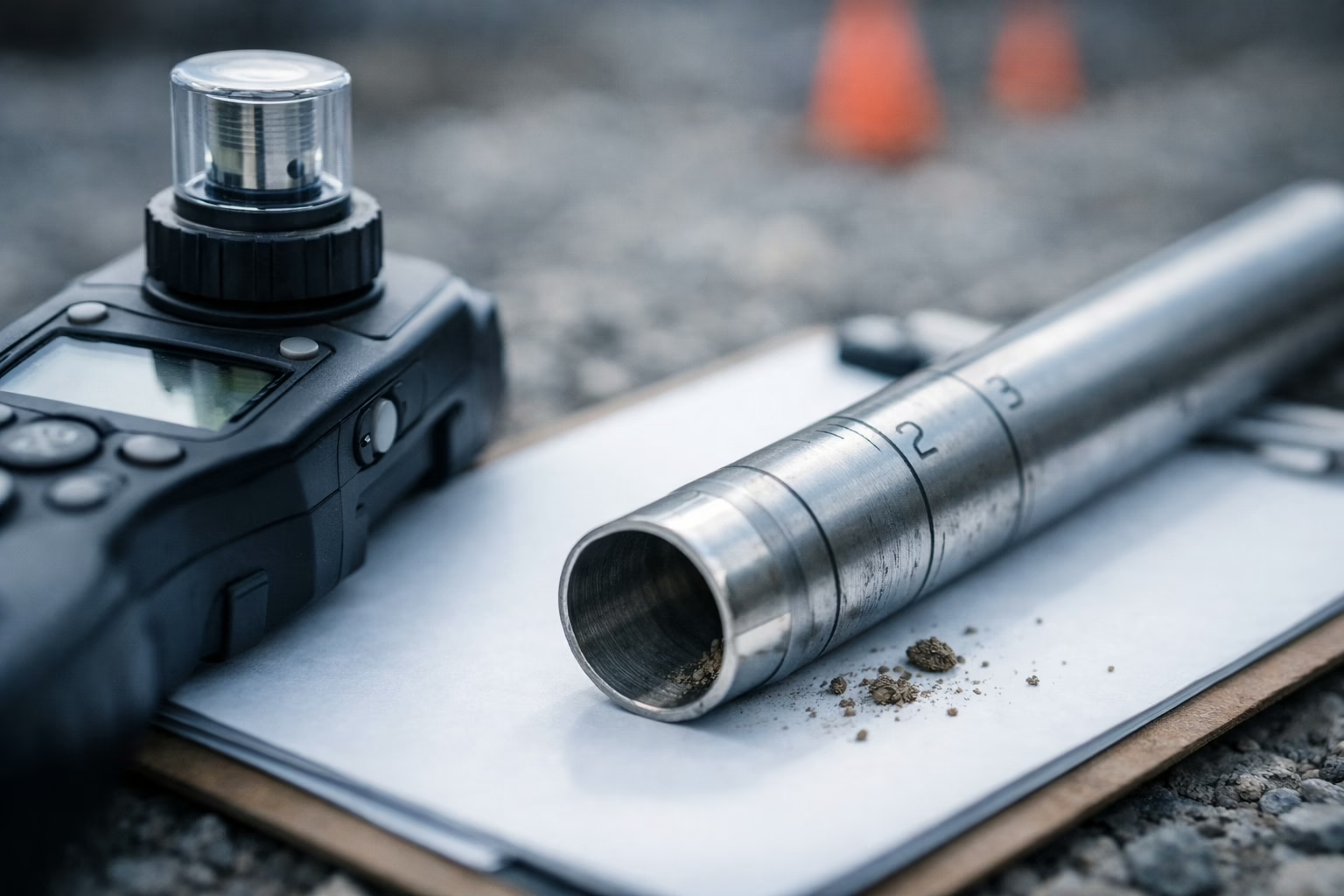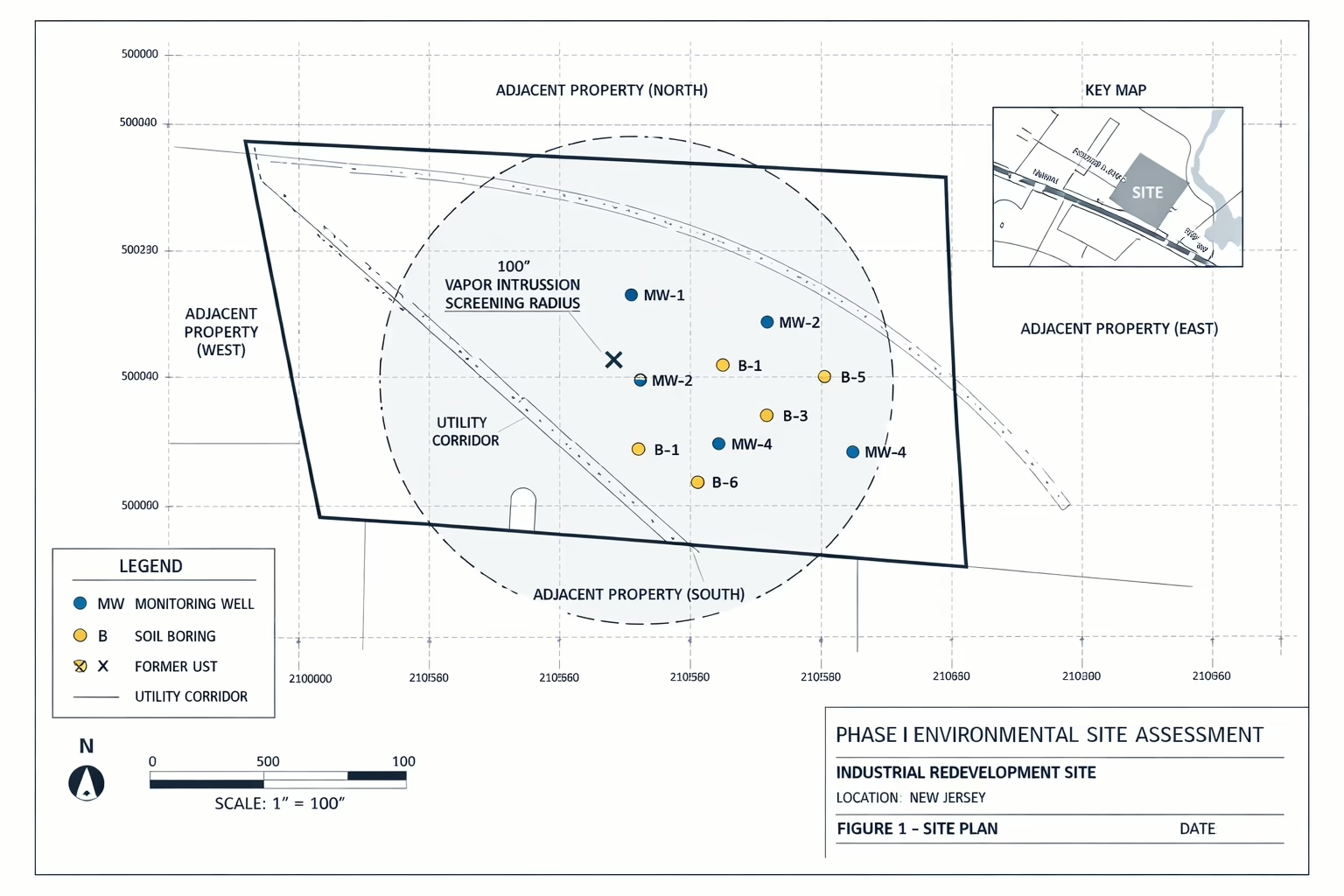
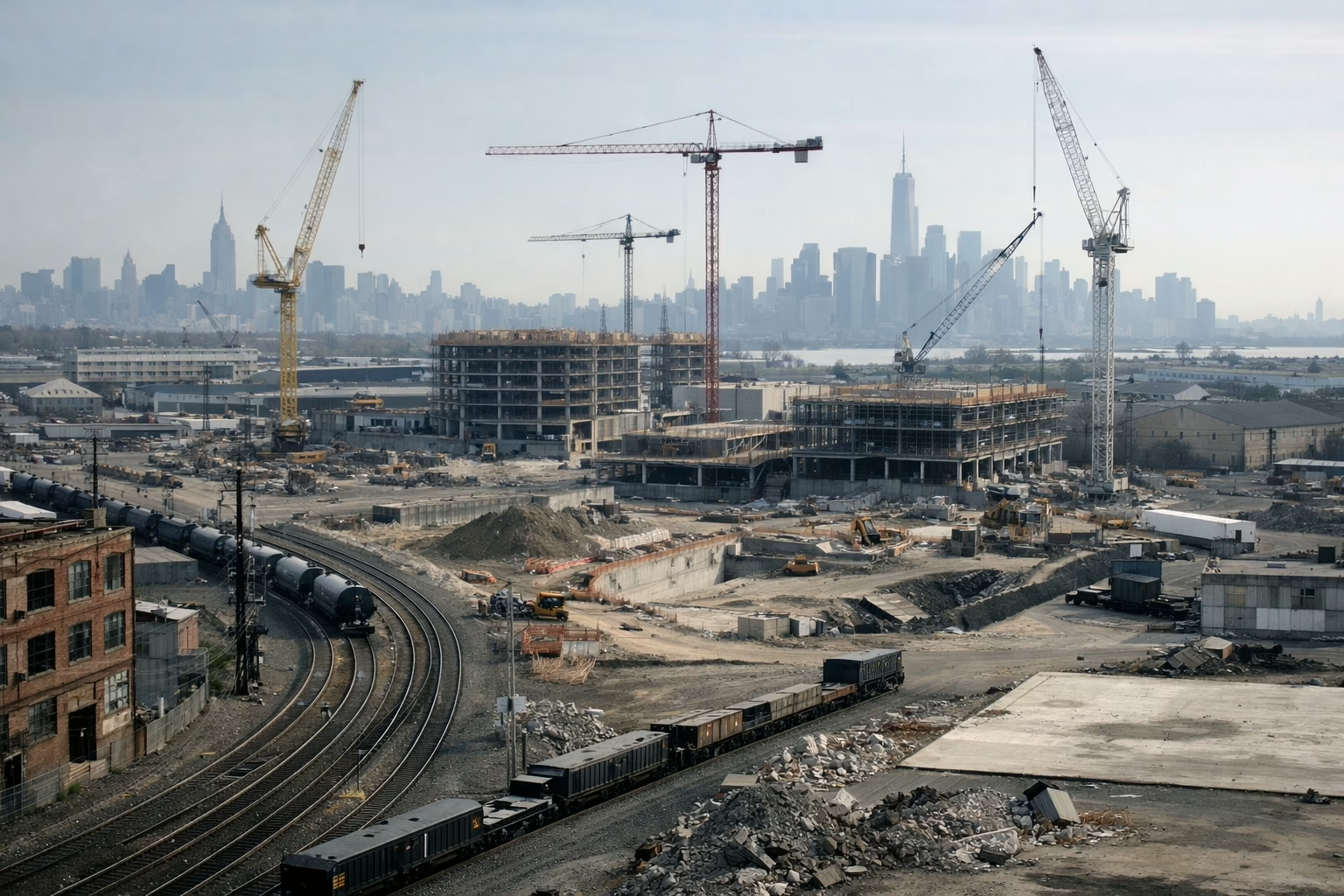
Let's get one thing straight: that pristine, "never been touched" greenfield site you're eyeing? It's probably going to make you less money than the old industrial property across town with a petroleum tank farm in its past life.
I know what you're thinking. "Jason, have you lost your mind? Why would I deliberately take on a contaminated site when I can just buy clean?"
Because the market has already priced in that safety premium, that's why. And while everyone else is fighting over the same clean parcels, driving up land costs and shrinking margins, the real pros are quietly printing money on New Jersey's brownfields.
The "Clean Site" Premium is Killing Your Returns
Here's the uncomfortable truth: clean sites in prime NJ locations are trading at a premium that's often disconnected from their actual development value. You're paying for perceived safety, not for superior economics.
Meanwhile, brownfield properties: especially in target markets like Hudson County, Newark, and the I-287 corridor: are trading at 30-50% discounts to comparable clean land. That discount alone can fund your entire environmental remediation and still leave you with better land basis than your competitors.
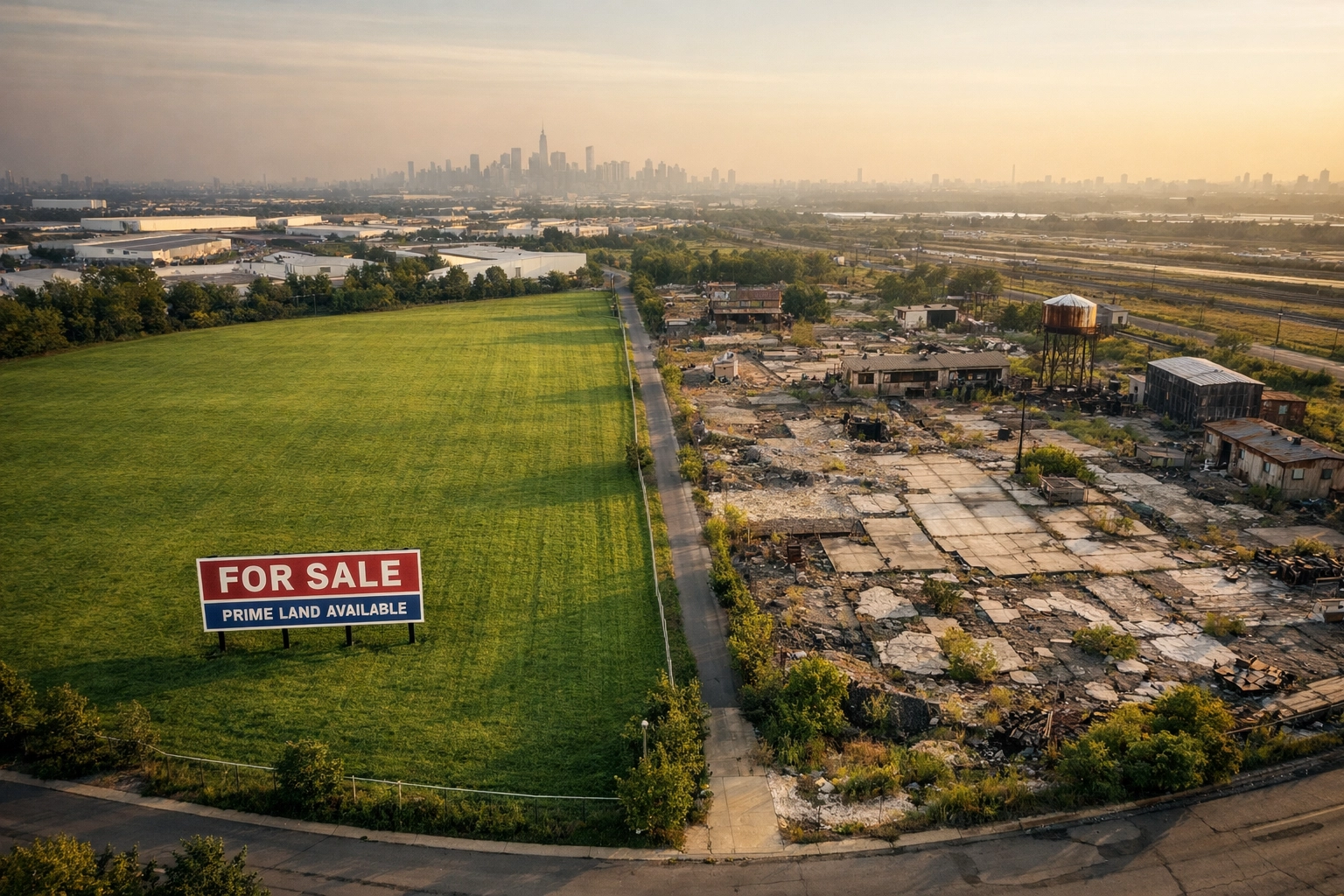
The math is simple. If a clean site costs $100 per buildable square foot and a brownfield costs $60 per buildable square foot, you'd need to spend more than $40 per square foot on environmental work just to break even. In reality, most brownfield remediation costs run $10-25 per square foot for typical petroleum contamination scenarios.
That's not a marginal advantage. That's a game-changer.
New Jersey Wrote You a Check (and Most Developers Haven't Cashed It)
Here's where it gets really interesting. The State of New Jersey has essentially subsidized brownfield redevelopment to the point where not pursuing these projects is leaving money on the table.
The Brownfields Redevelopment Incentive Program offers 50-80% tax credits on remediation costs. Let me repeat that: the state will reimburse you for up to 80% of your cleanup expenses.
For projects in Government-Restricted Municipalities or Qualified Incentive Tracts, you're looking at:
- 80% tax credits on remediation costs
- Up to $12 million in credits per project
- Transferable credits (meaning you can sell them for 75-85% of face value if you need liquidity)
For projects elsewhere in New Jersey:
- 60% tax credits on remediation costs
- Up to $8 million in credits per project
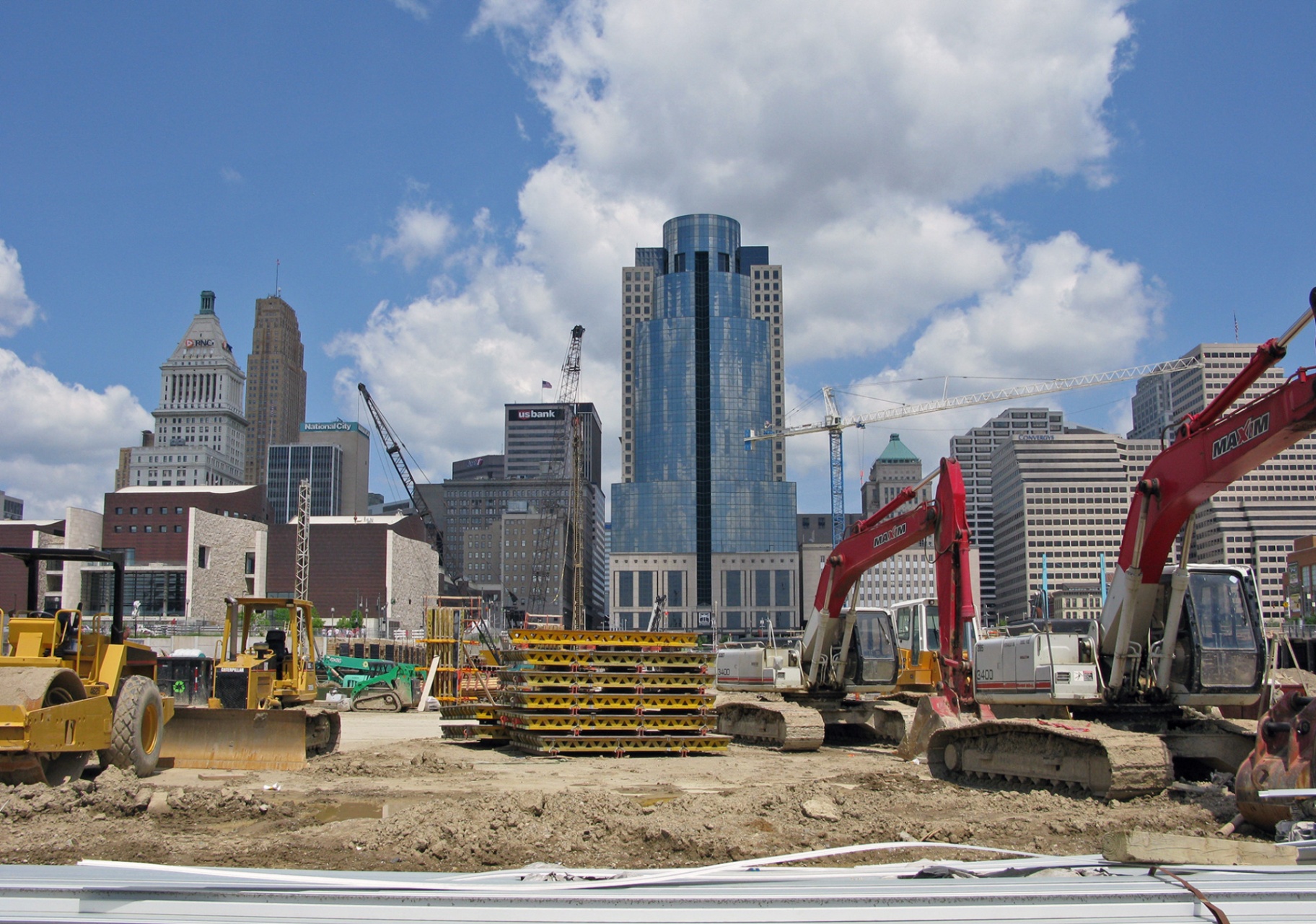
Let's run a real-world scenario. You acquire a 2-acre former industrial site in Jersey City for $3 million. Phase II ESA reveals petroleum contamination requiring $1.5 million in remediation. Here's your actual cost structure:
Without Incentives (Your Competitor on the Clean Site):
- Land: $5 million (clean site premium)
- Environmental: $0
- Total Basis: $5 million
With Brownfield Strategy:
- Land: $3 million
- Remediation: $1.5 million
- Tax Credit (80%): -$1.2 million
- Total Basis: $3.3 million
You're now $1.7 million ahead before you've even broken ground. That's real money that flows directly to your bottom line or gives you pricing flexibility your competitors don't have.
The Financing Stack Nobody Talks About
Beyond tax credits, New Jersey offers a financing ecosystem specifically designed to de-risk brownfield projects:
Brownfield Loan Program: Low-interest financing at 3% base rate with 10-year terms. Try getting that from your commercial lender on a clean site.
Brownfields Impact Fund: Targets the funding gap during remediation: the period when most conventional financing won't touch you because you're "between" acquisition and construction.
Brownfield Development Area Program: Up to $4 million in direct state funding for properties within designated areas.
The reality is that brownfield projects in New Jersey have better access to capital at better terms than clean sites in many cases. The state wants these projects done, and they've engineered the incentive structure to make it profitable.

The Competitive Moat You Didn't Know You Were Building
Here's the visionary part that most developers miss: brownfield expertise is becoming a competitive advantage that's nearly impossible to replicate.
As urban infill continues to dominate development patterns across the NY/NJ metro, the supply of truly "clean" sites is shrinking. Within 10 years, the majority of available urban land will have some environmental consideration. The developers who've been avoiding brownfields will find themselves at a structural disadvantage.
Meanwhile, the teams that have been building institutional knowledge around contaminated site redevelopment: working with LSRPs, understanding NJDEP processes, managing remediation contractors: will have a moat around their business that's measured in speed and certainty.
We've seen this play out dozens of times. While Developer A is still trying to figure out if they should touch a property with petroleum impacts, Developer B (who's done five brownfield projects) has already run the numbers, lined up their LSRP, and made an offer that accounts for the real risk: not the perceived risk.
Speed wins deals. Expertise creates speed.
Risk? Let's Talk About Actual Risk
"But what about liability?" Every first-time brownfield developer asks this question. It's the right question. Here's the right answer:
New Jersey's LSRP program provides a clear pathway to regulatory closure and liability protection. Once remediation is complete and you receive a Response Action Outcome or No Further Action letter, you've documented the environmental condition and protected yourself from future liability for that contamination.
Compare that to a "clean" site where you didn't do Phase II investigation. What's your actual liability position? You have no idea what's under there. Previous owners may have generated contamination that you'll inherit upon acquisition. The environmental condition is unknown.
The irony is that the brownfield property with documented contamination and a remedial action plan is often the lower risk profile, because you've eliminated uncertainty.
The Integration Advantage
This is where we need to talk about the difference between transactional environmental consulting and integrated engineering.
Most developers engage an environmental consultant to "clear" a site: run a Phase I, maybe a Phase II if required, then hand off to separate civil engineers for design. This siloed approach leaves value on the table and creates coordination gaps that blow budgets.
The winning strategy integrates environmental and civil engineering from day one. Your remediation strategy should inform your site design. Your grading plan should optimize soil management. Your infrastructure layout should account for remediation infrastructure.
When you approach brownfields with integrated engineering, you're not just managing contamination: you're turning environmental constraints into design opportunities. On-site soil reuse strategies can eliminate hundreds of thousands in export costs. Vapor mitigation systems can be value-engineered into foundation design. Institutional controls can be incorporated into site planning rather than treated as afterthoughts.
This is where our approach differs from conventional consulting models. We're not in the business of writing reports. We're in the business of making complex sites buildable, financeable, and profitable.
The 2026 Window
One more thing to consider: tax incentive programs don't last forever. While New Jersey's brownfield incentives are currently robust, political and fiscal climates change. The $50 million annual allocation to the Brownfields Redevelopment Incentive Program represents a massive state commitment that won't necessarily continue at this level indefinitely.
Smart developers are building their brownfield pipelines now while the incentive structure is strong. Every year you wait is a year of potential returns you're leaving on the table.
The Bottom Line
Clean sites are easy. They're comfortable. They're also increasingly expensive and competitively bid to razor-thin margins.
Brownfields are complex. They require expertise. They also offer superior returns, better incentive structures, and genuine competitive advantages for developers willing to build the necessary capabilities.
The biggest ROI in New Jersey real estate isn't hiding in the next clean suburban office park site. It's sitting in plain sight in former industrial properties that most developers are walking past because they're intimidated by environmental considerations that are entirely manageable.
The question isn't whether brownfield redevelopment makes financial sense. The numbers are clear. The question is whether you're going to build the expertise to capitalize on it: or watch your competitors do it instead.
If you're ready to stop leaving money on the table and start taking advantage of what New Jersey's brownfield market actually offers, let's talk. We've been doing this long enough to know which projects pencil and which don't: and more importantly, how to make the ones that pencil actually get built.![[FOOTER] Envicon Strategic Solutions logo on professional blue footer](https://cdn.marblism.com/pyjh-aiJmQ_.webp)