Every utility provider knows the frustration: your transmission line, pipeline, or distribution network needs to cross miles of varied terrain, multiple jurisdictions, and dozens of property parcels. The engineering is complex enough. But the environmental due diligence requirements for right-of-way projects? That's where timelines go to die.
Right-of-way (ROW) compliance isn't just another checkbox on your project plan. It's a strategic puzzle that, when solved correctly, keeps your infrastructure program on schedule and your legal exposure to a minimum. When handled poorly, it becomes a budget-crushing, schedule-wrecking liability that can stall critical infrastructure for months: or years.
Here's how utility providers can approach environmental due diligence for ROW projects with the precision and foresight these complex undertakings demand.
Why Right-of-Way Projects Are Different
Traditional environmental due diligence focuses on discrete parcels. You assess the site, identify concerns, and move forward. ROW projects break that model entirely.
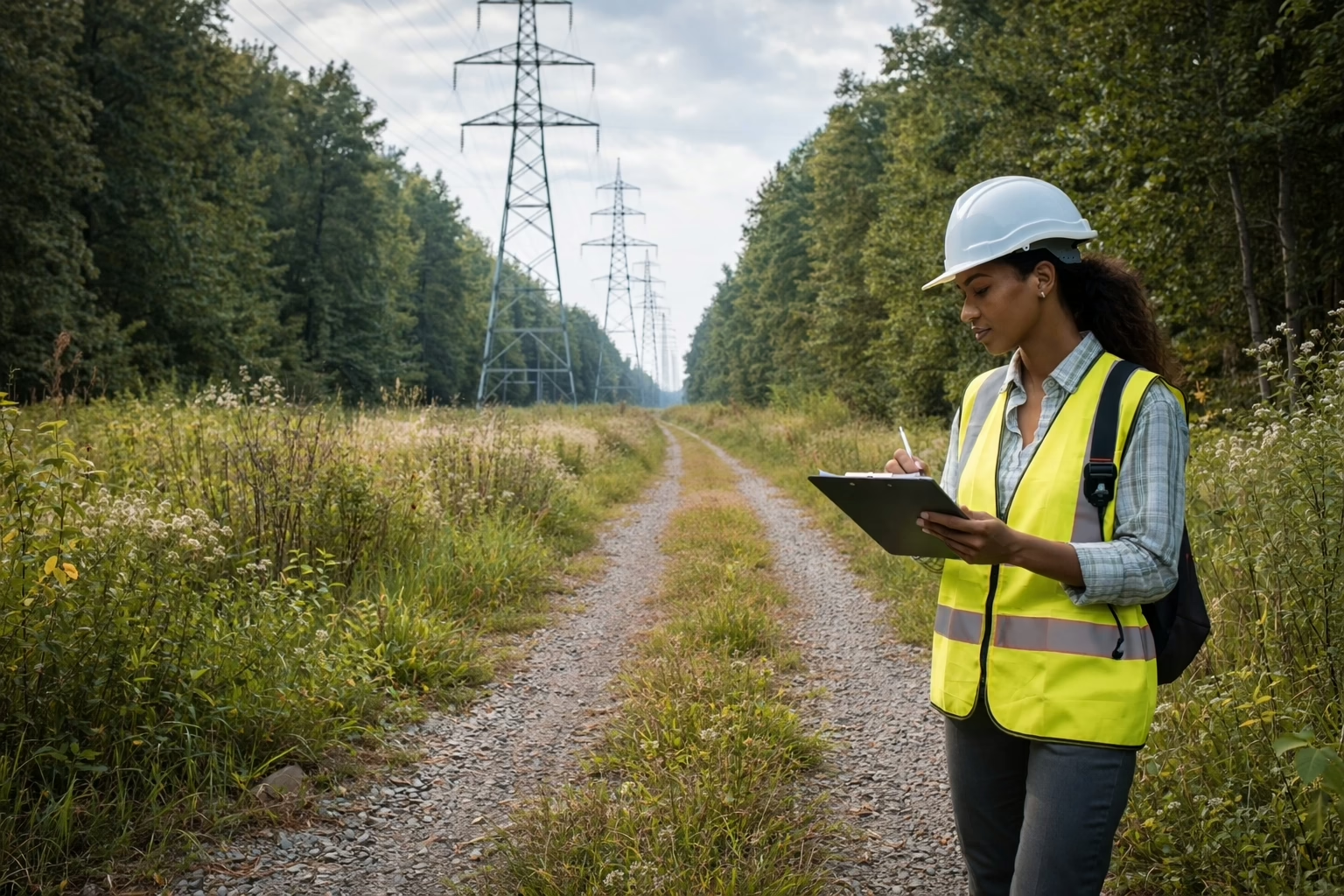
Instead of one site, you're dealing with a linear corridor that may stretch across:
- Multiple municipalities with different zoning requirements
- Varied land uses (industrial, residential, agricultural, conservation)
- Wetlands, floodplains, and Waters of the US
- Properties with unknown contamination histories
- Culturally sensitive areas requiring Section 106 review
Each segment of your ROW presents unique environmental constraints. A Phase I Environmental Site Assessment that works for a single commercial property simply doesn't translate to a 15-mile utility corridor crossing three counties.
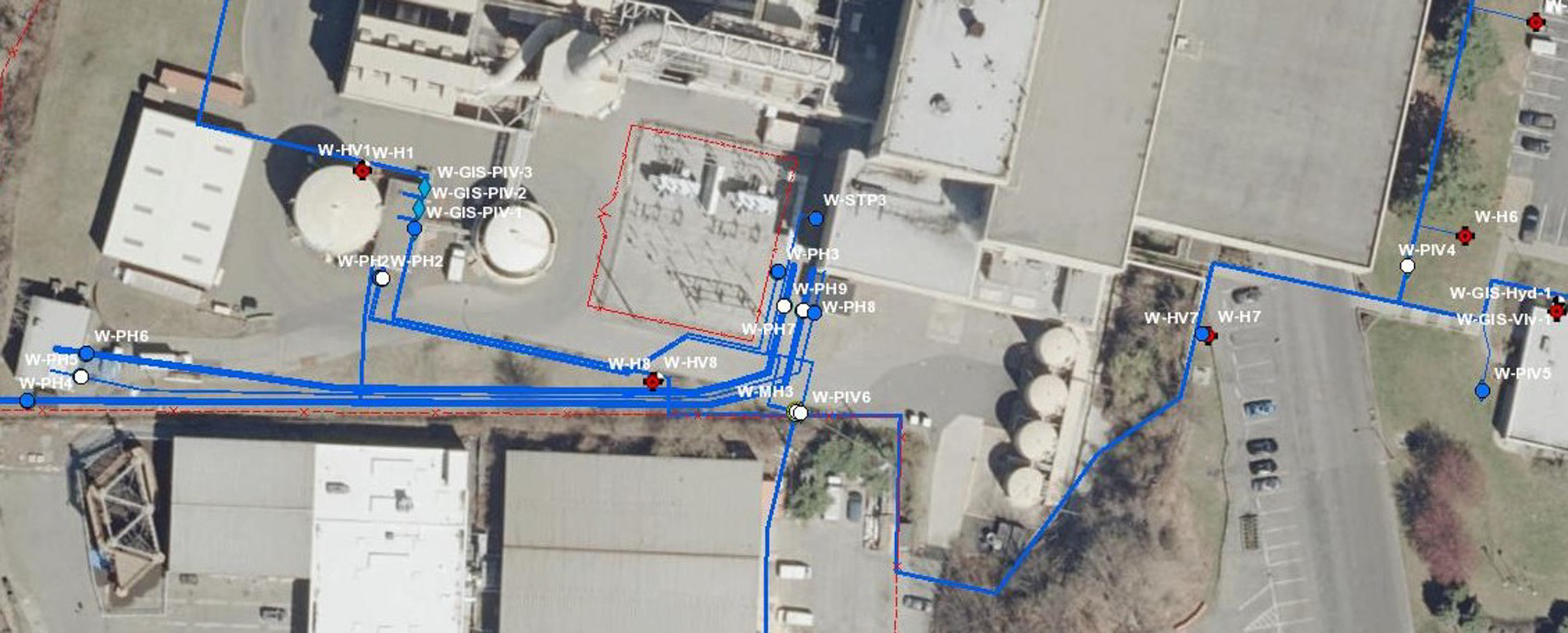
The stakes are high. Miss a contaminated parcel in your corridor, and you've just inherited someone else's cleanup liability. Overlook a wetland delineation, and your federal permits get delayed indefinitely. Fail to identify protected species habitat, and your project faces regulatory enforcement actions that make headlines for all the wrong reasons.
The Core Components of ROW Environmental Due Diligence
Effective environmental due diligence for utility ROW projects requires a layered approach. We've found that the most successful programs integrate these core components from day one: not as an afterthought when problems emerge.
Corridor-Wide Phase I ESA Strategy
Standard Phase I Environmental Site Assessments evaluate individual properties. For ROW projects, you need a corridor-wide strategy that efficiently screens the entire alignment while flagging high-risk segments for deeper investigation.
This means:
- Historical aerial photography review spanning the entire corridor length
- Regulatory database searches calibrated for linear projects (standard search radii don't work well for narrow corridors)
- Targeted site reconnaissance focused on areas with visible environmental concerns
- Interviews with knowledgeable parties along the alignment, including adjacent property owners and municipal officials
The goal isn't to conduct 50 individual Phase I reports. It's to develop a unified environmental risk profile for your entire alignment that identifies where Phase II investigations are truly necessary.
Constraints and Permitting Analysis
Before you finalize your route, you need a clear picture of environmental constraints that will affect permitting timelines and costs. This includes wetland and waterway delineations, threatened and endangered species habitat assessments, and cultural resource surveys.
"During early project planning stages, utility providers should obtain 'will serve' letters from all pertinent utility companies to verify service availability and understand project scope requirements. This proactive approach prevents costly design revisions and budget overruns later in the project lifecycle."
The same principle applies to environmental constraints. Identify them early, or pay for them later: usually at a much higher cost.
Phase II Investigations for High-Risk Segments
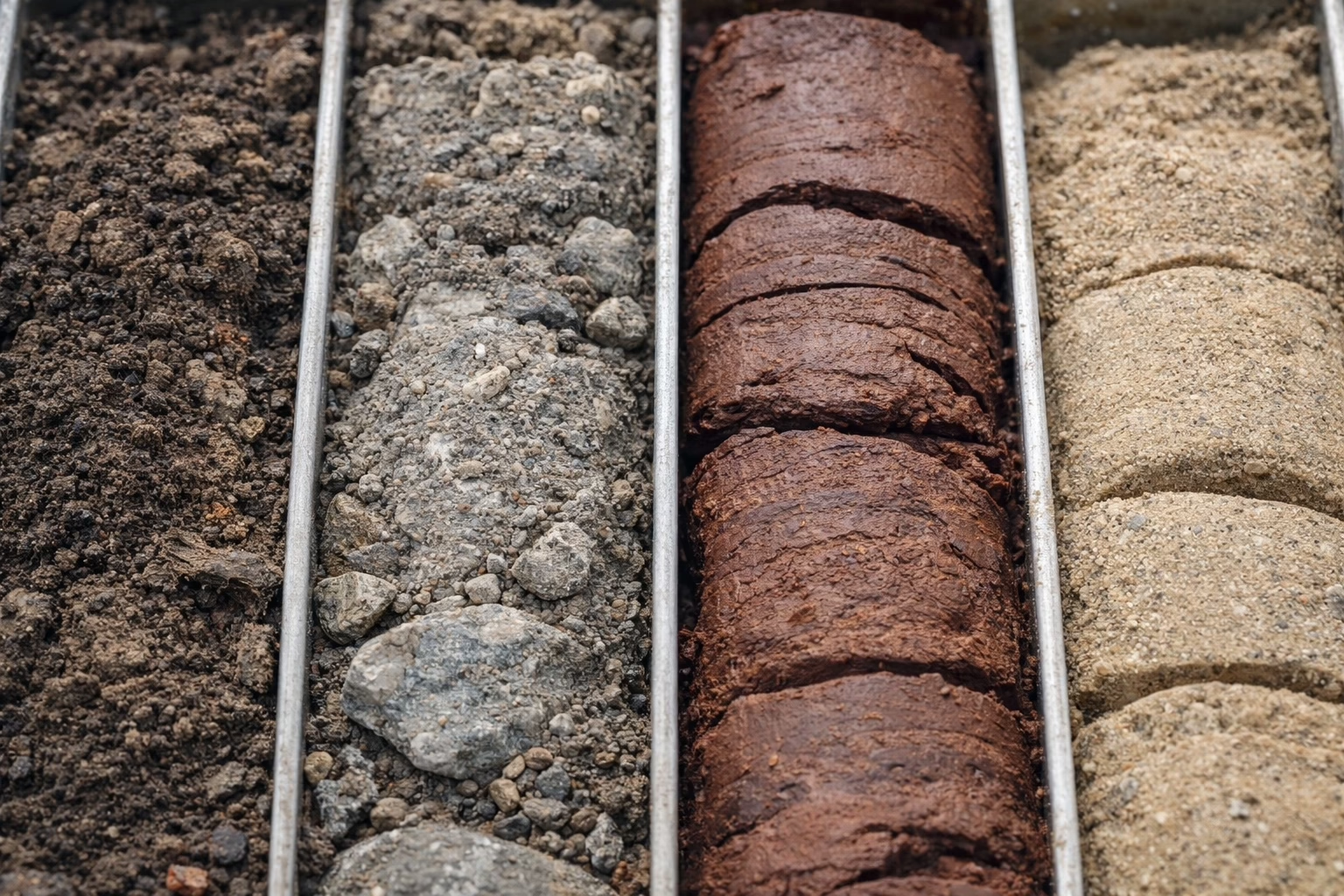
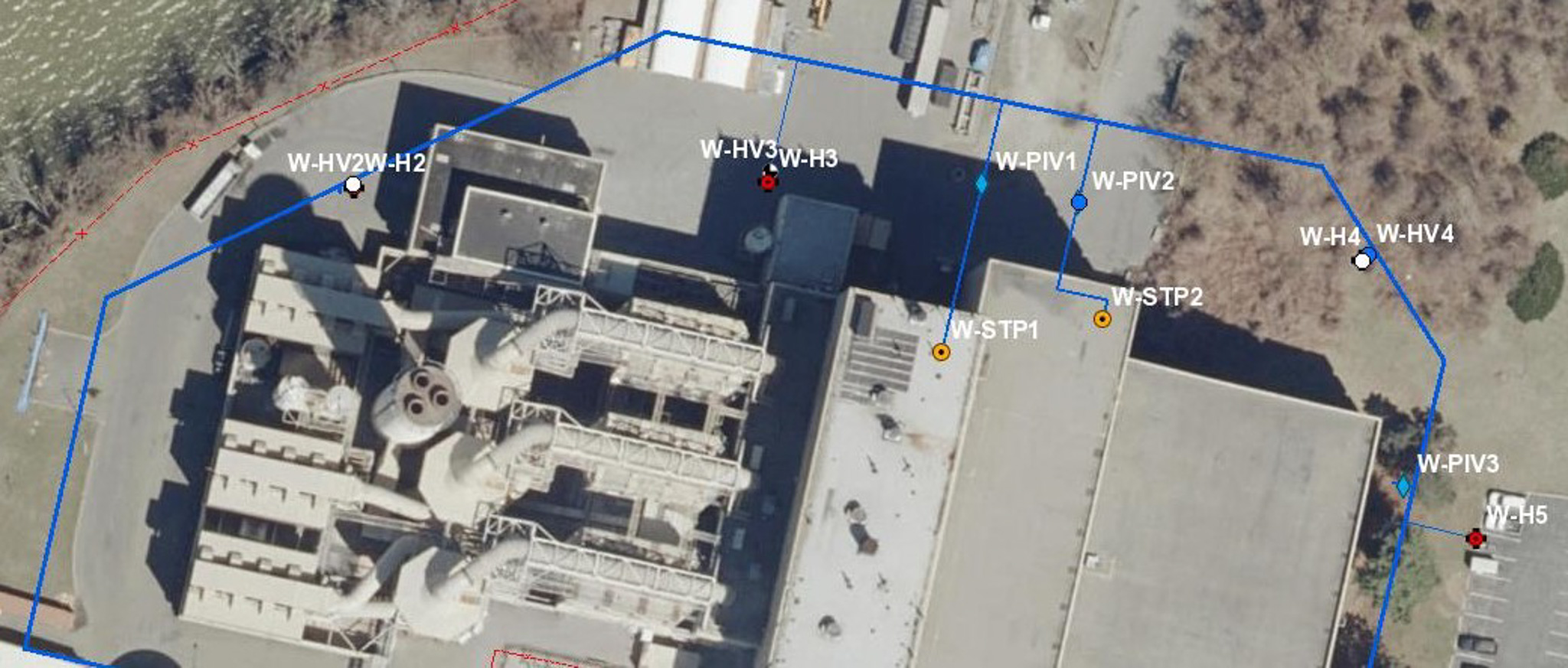
When your Phase I screening identifies recognized environmental conditions along the corridor, targeted Phase II Environmental Site Assessments become necessary. For ROW projects, these investigations need to answer specific questions:
- What is the nature and extent of contamination?
- Does it extend into the proposed ROW?
- Will your construction activities disturb contaminated soil or groundwater?
- What are the liability implications of proceeding?
We approach Phase II investigations for ROW projects differently than single-site assessments. The focus is on defining the intersection between contamination and your planned activities: not necessarily characterizing the entire contamination plume on an adjacent property.
Common Pitfalls That Derail ROW Projects
After supporting major infrastructure programs across the NY/NJ region, we've seen the same mistakes sink utility ROW projects repeatedly.
Treating Environmental Due Diligence as a One-Time Event
ROW projects often span multiple years from planning to construction. Environmental conditions change. Regulations evolve. Properties along your corridor get developed, contaminated, or remediated.
A Phase I ESA conducted during route selection may be outdated by the time you break ground. Lenders and regulatory agencies expect current assessments: typically within 180 days of transaction or permit application.
Build environmental due diligence updates into your project timeline. It's far cheaper than discovering a new contamination source during construction.
Underestimating Agency Coordination Requirements
Your ROW project likely requires permits from multiple agencies: USACE for wetland impacts, state environmental agencies for waterway crossings, local authorities for zoning compliance. Each agency has different requirements, different timelines, and different tolerance for incomplete applications.
We've seen utility providers submit permit applications before completing necessary environmental studies, assuming they can provide supplemental information later. This approach almost always backfires. Agencies issue requests for additional information, timelines reset, and projects stall.
Complete your environmental assessments before engaging with permitting agencies. Walk into those conversations with answers, not questions.
Ignoring Adjacent Property Conditions
Your ROW may be clean, but what about the properties you're crossing or bordering? Contamination doesn't respect property boundaries. A leaking underground storage tank on an adjacent industrial site can migrate into your corridor, creating liability exposure you never anticipated.
Thorough due diligence evaluates not just your ROW, but the environmental conditions surrounding it. This is particularly critical in industrial corridors where legacy contamination is common.
Strategic Approaches That Work
The utility providers who consistently deliver ROW projects on time and on budget share common approaches to environmental due diligence.
Early Integration of Environmental and Engineering Teams
When environmental consultants and design engineers work in silos, problems get discovered late: after route selection is finalized, after design is complete, after budgets are locked. That's when environmental issues become expensive change orders.
Integrate your environmental and engineering teams from the earliest planning stages. Environmental constraints should inform route selection, not react to it.
Phased Investigation Approach
Not every segment of your ROW requires the same level of environmental scrutiny. A phased approach concentrates resources where risk is highest:
- Desktop screening of the entire corridor using historical records and regulatory databases
- Targeted reconnaissance of areas flagged during desktop review
- Phase I ESA for segments with identified environmental concerns
- Phase II investigation only where recognized environmental conditions warrant
This approach is both cost-effective and defensible to lenders and regulators.
Proactive Regulatory Engagement
Don't wait for agencies to tell you what they need. Engage early with pre-application meetings to understand specific requirements for your project type and location. Regulatory staff can identify potential issues before they become formal objections: and before you've invested significant resources in a flawed approach.
Our team regularly coordinates with state and federal regulators on behalf of utility clients, translating technical findings into the documentation agencies need to move forward.
The Bottom Line
Environmental due diligence for utility ROW projects isn't just about checking boxes or avoiding liability: though it accomplishes both. It's about building the intelligence foundation that allows your infrastructure program to proceed with confidence.
The utility providers who treat environmental compliance as a strategic advantage, not an administrative burden, are the ones who deliver projects on schedule. They understand that the upfront investment in thorough due diligence pays dividends throughout the project lifecycle: faster permits, fewer surprises during construction, and defensible documentation that protects against future claims.
Your ROW project is too important to leave environmental compliance to chance. The right partner brings not just technical expertise, but the strategic perspective to navigate the regulatory landscape efficiently. That's the difference between a project that stalls and one that moves forward.