
Here's a scenario every developer knows too well: Your geotechnical engineer shows up in June, drills a dozen borings, tells you the soil is suitable for shallow foundations, and leaves. Fast forward to August, your environmental consultant arrives, drills their own borings 15 feet away from the geotech holes, discovers contaminated fill, and suddenly your budget needs another $80,000 for remediation nobody planned for.
Two mobilizations. Two sets of reports. Two invoices. And a three-month delay while you figure out if the contaminated soil can even support your building.
There's a better way, and it's not rocket science, it's just smart engineering.
The Old School Approach is Costing You More Than You Think
The traditional workflow treats geotechnical and environmental investigations like separate planets. Your geotech firm focuses on bearing capacity, settlement, and whether the ground can hold up your building. Your environmental consultant worries about contamination, regulatory compliance, and Phase II ESAs. They operate on different timelines, use different labs, and produce reports that rarely talk to each other.
This siloed approach made sense decades ago when specialization was king. But in 2026? It's leaving money on the table.
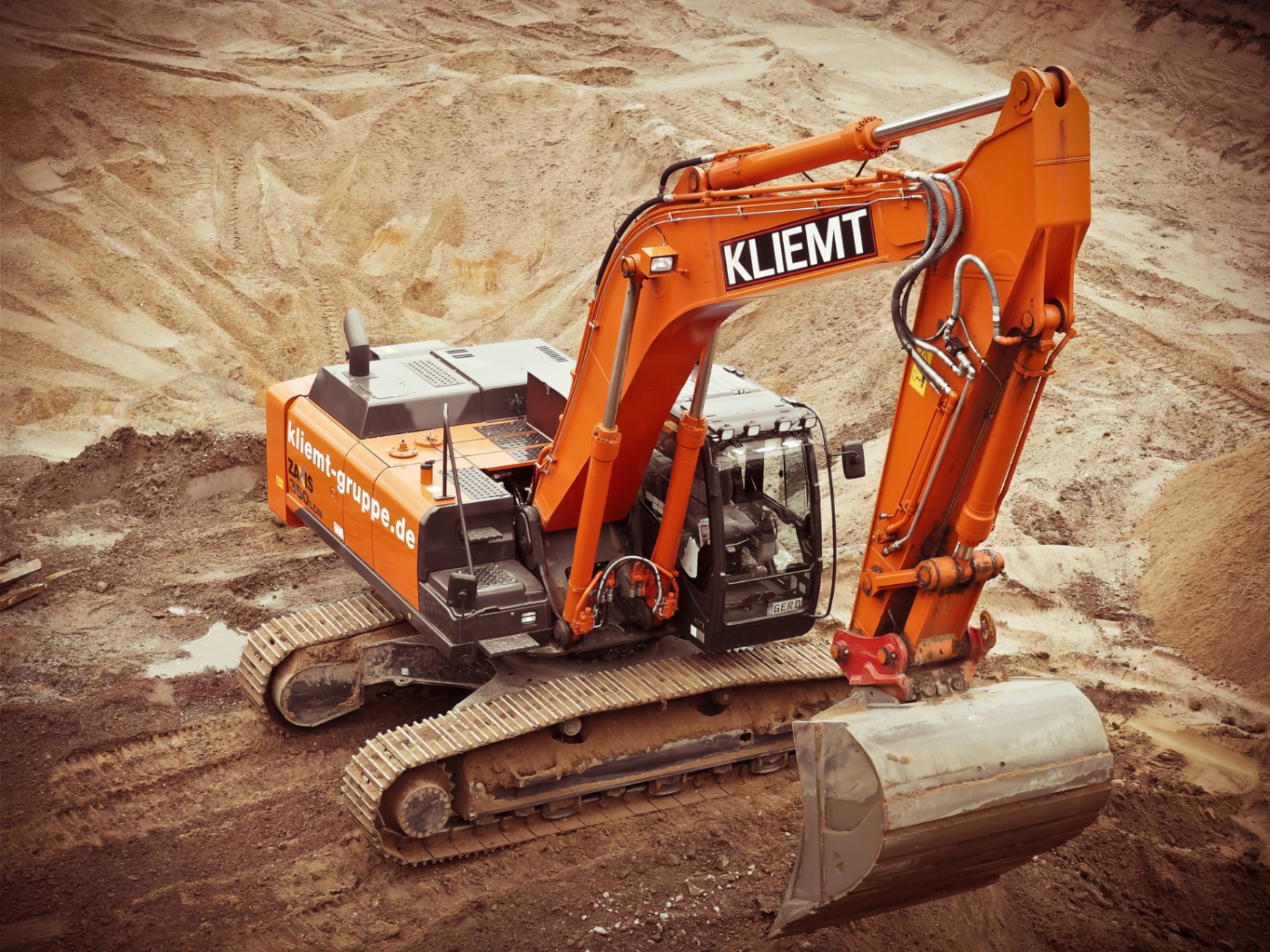
Every time you mobilize a drill rig separately for geotech and environmental work, you're paying mobilization fees twice. Every time those teams don't coordinate, you're risking data gaps that lead to change orders mid-construction. And every time you discover a surprise contamination issue after the geotech work is done, you're looking at schedule delays that cascade through your entire project timeline.
What Integration Actually Looks Like
Geo-environmental consulting merges the best of both worlds: you get structural subsurface analysis and contamination assessment in one coordinated effort. Instead of two separate firms showing up months apart, a single integrated team handles everything from soil boring to lab analysis to regulatory strategy.
Here's what that means on the ground:
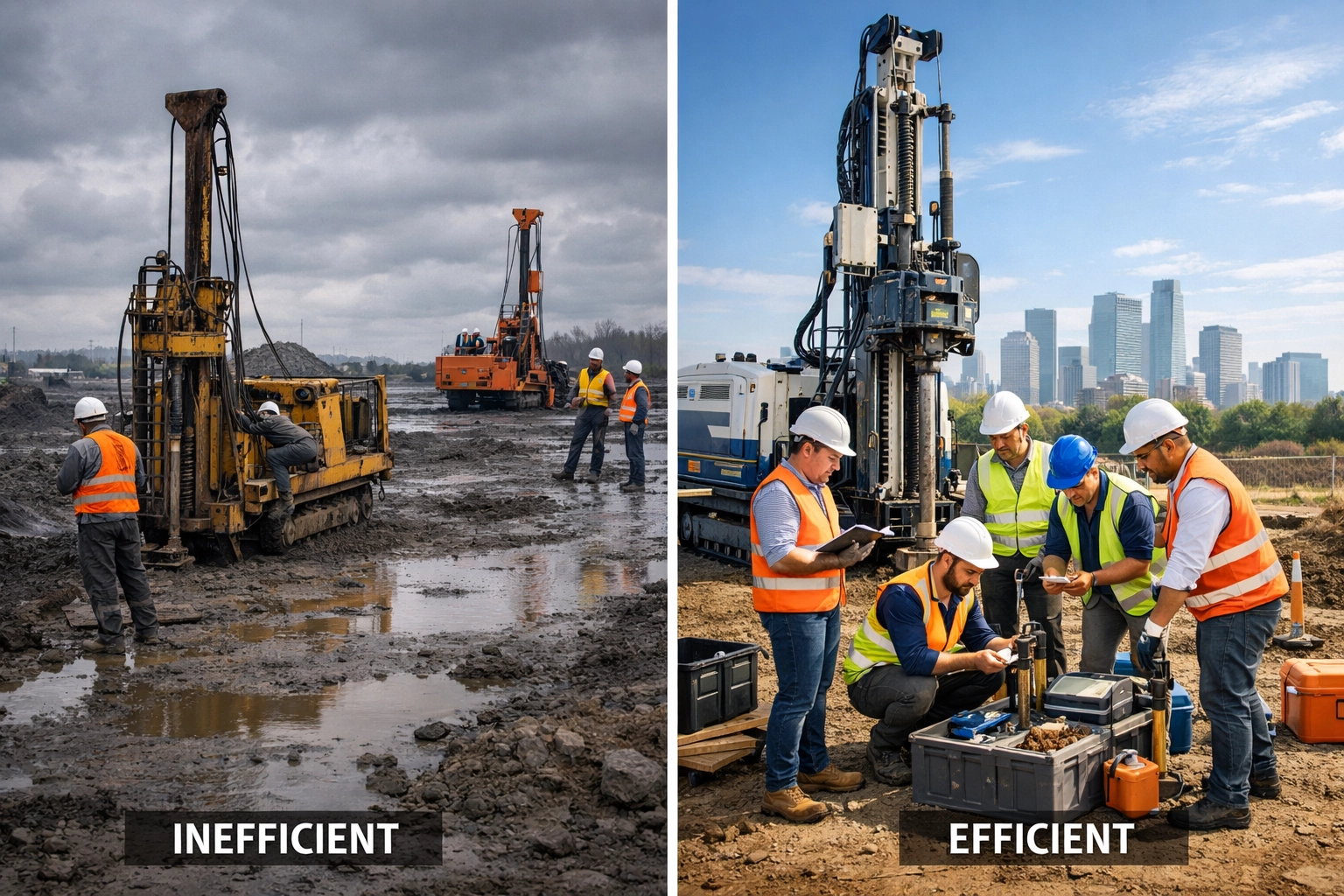
One mobilization. The drill rig shows up once. Your site manager coordinates with one team instead of juggling two schedules. Mobilization costs get cut nearly in half because you're not paying for redundant equipment, labor, and logistics.
Shared data, smarter decisions. When the same team is collecting both geotech and environmental samples from the same borings, they're building a complete picture of what's happening underground. Soil layers, groundwater depth, bearing capacity, and contamination profiles: all in one dataset. That unified understanding supports better design decisions and more accurate cost estimates before you break ground.
Faster timelines. Integrated investigations compress what used to take 8-12 weeks into 4-6 weeks. You're not waiting for one consultant to finish before the next one starts. Reports get delivered together, which means your design team and regulatory consultants can move forward simultaneously instead of in sequence.
The Value Engineering Advantage
This is where the real savings kick in. Value engineering isn't just about cutting costs: it's about optimizing every dollar you spend to get maximum project value. And integrated site investigations are one of the highest-ROI moves you can make early in a project.
Consider soil disposal. If your environmental team discovers contaminated fill but your geotech team already recommended over-excavation for structural reasons, you can kill two birds with one stone. Remove the contaminated soil, replace it with clean structural fill, and solve both problems in a single earthwork operation. That kind of coordination only happens when the same team is thinking about both issues from day one.
Or take foundation design. If your geotech data shows marginal bearing capacity at shallow depths, but your environmental data reveals contamination in the upper three feet of soil, an integrated team can recommend deeper foundations that avoid both problems. No redesign. No change orders. Just a smart solution based on complete information.
The numbers back this up: early, comprehensive site investigations reduce the likelihood of discovering environmental liabilities or geotechnical hazards mid-construction: which is exactly when those surprises cost the most. We're talking about change orders that can blow budgets by 20-30% and delays that push occupancy dates back by months.
Real-World Applications Across the Metro
In the NYC and northern New Jersey corridor, integrated site investigations aren't just a nice-to-have: they're becoming essential. Urban redevelopment sites are layered with complexity: historic fill contamination, tight site access, active utilities, and buildings on all sides. You can't afford to miss anything, and you definitely can't afford to mobilize heavy equipment twice.
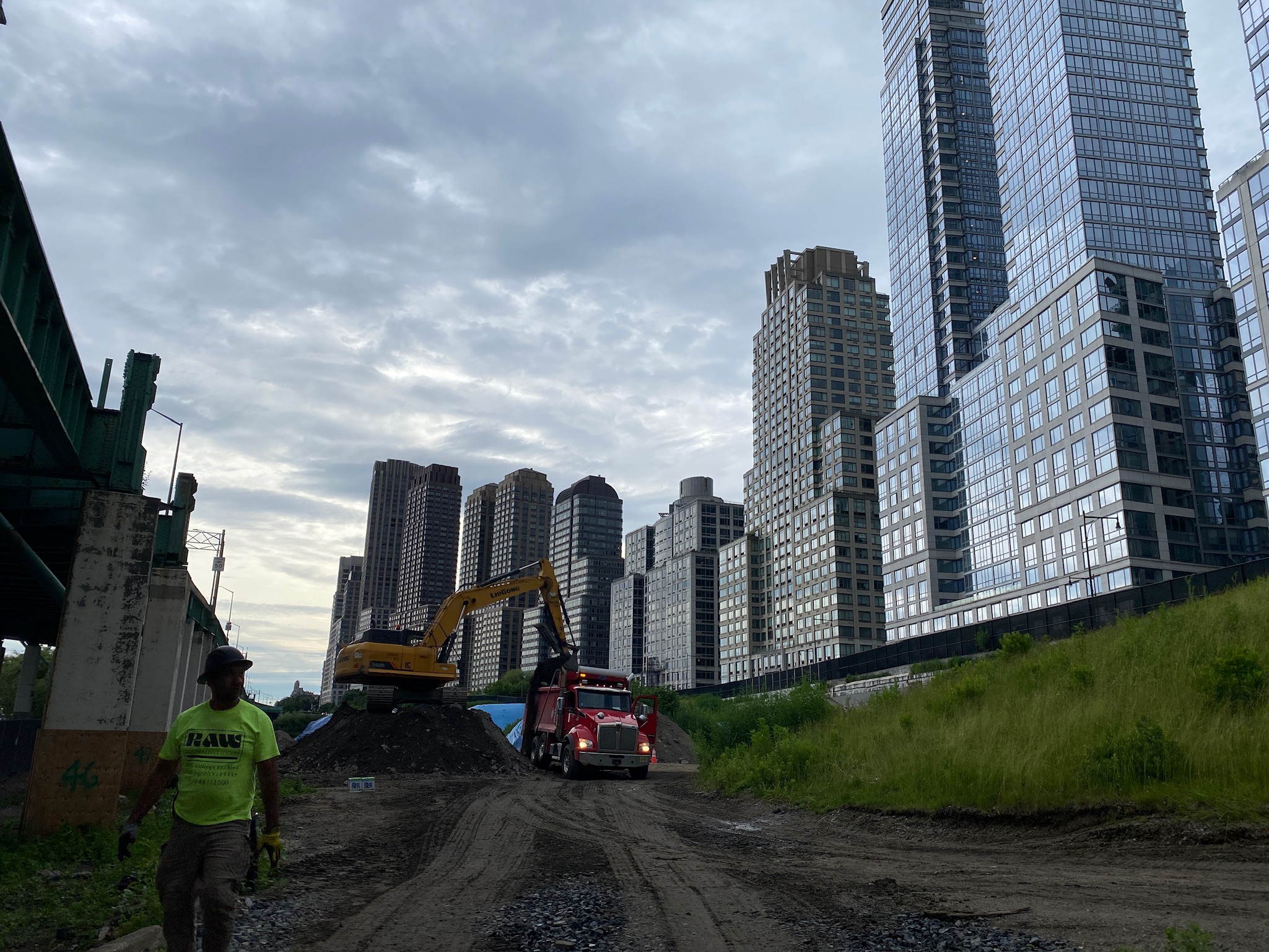
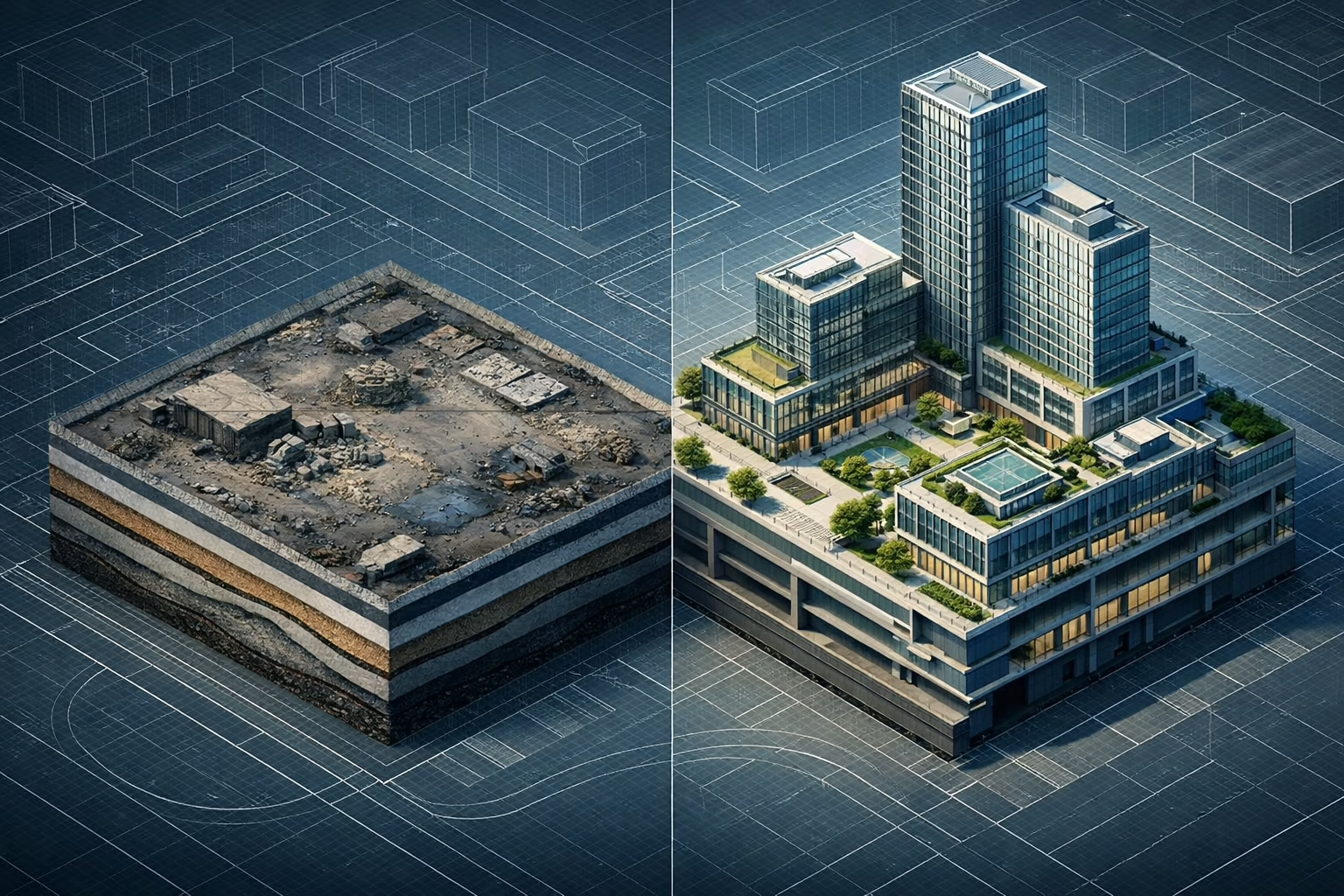
Take a typical brownfield redevelopment in Hudson County. The site has 90 years of industrial history, questionable fill materials, and a mix of soil and groundwater contamination. An integrated investigation tackles everything at once:
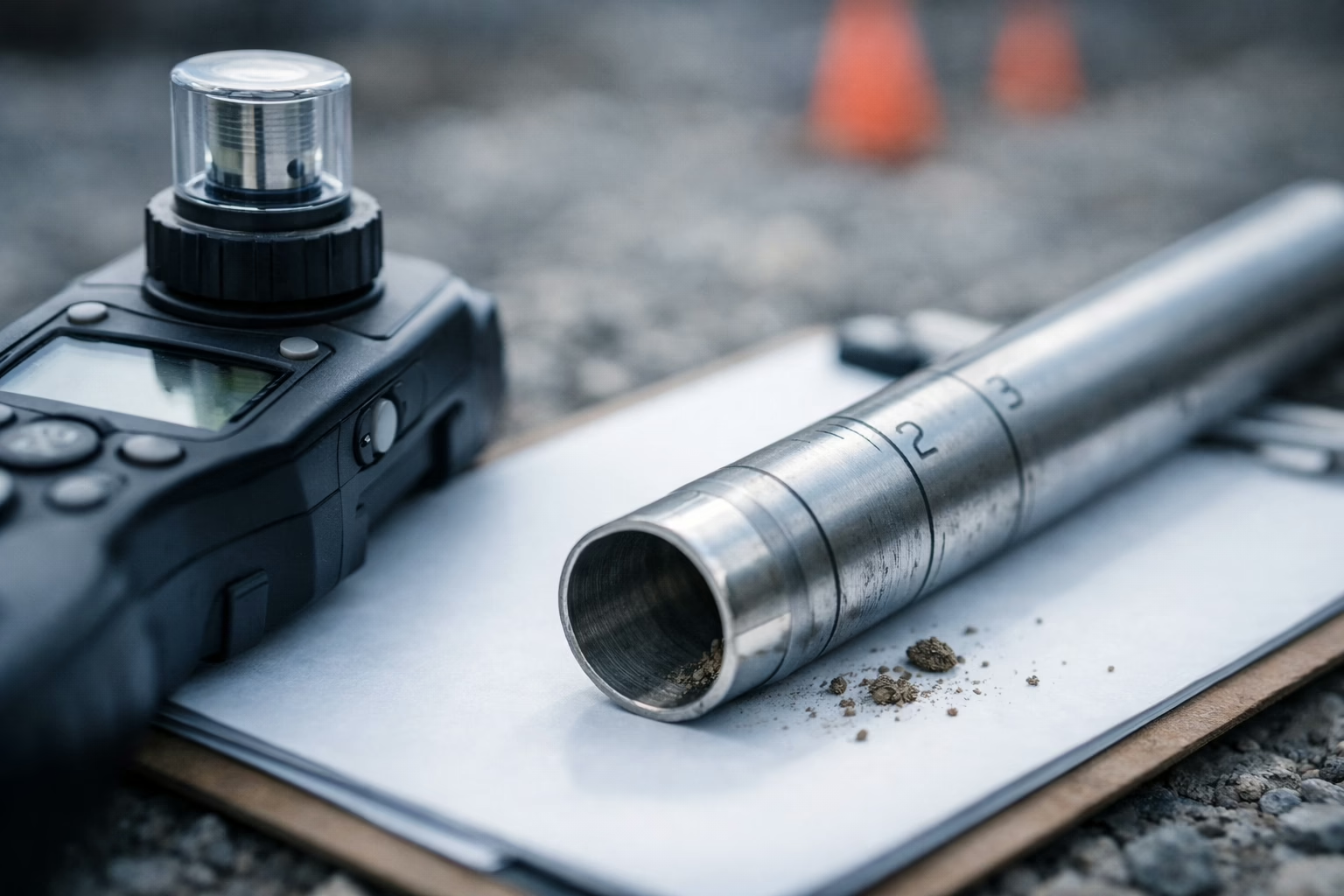
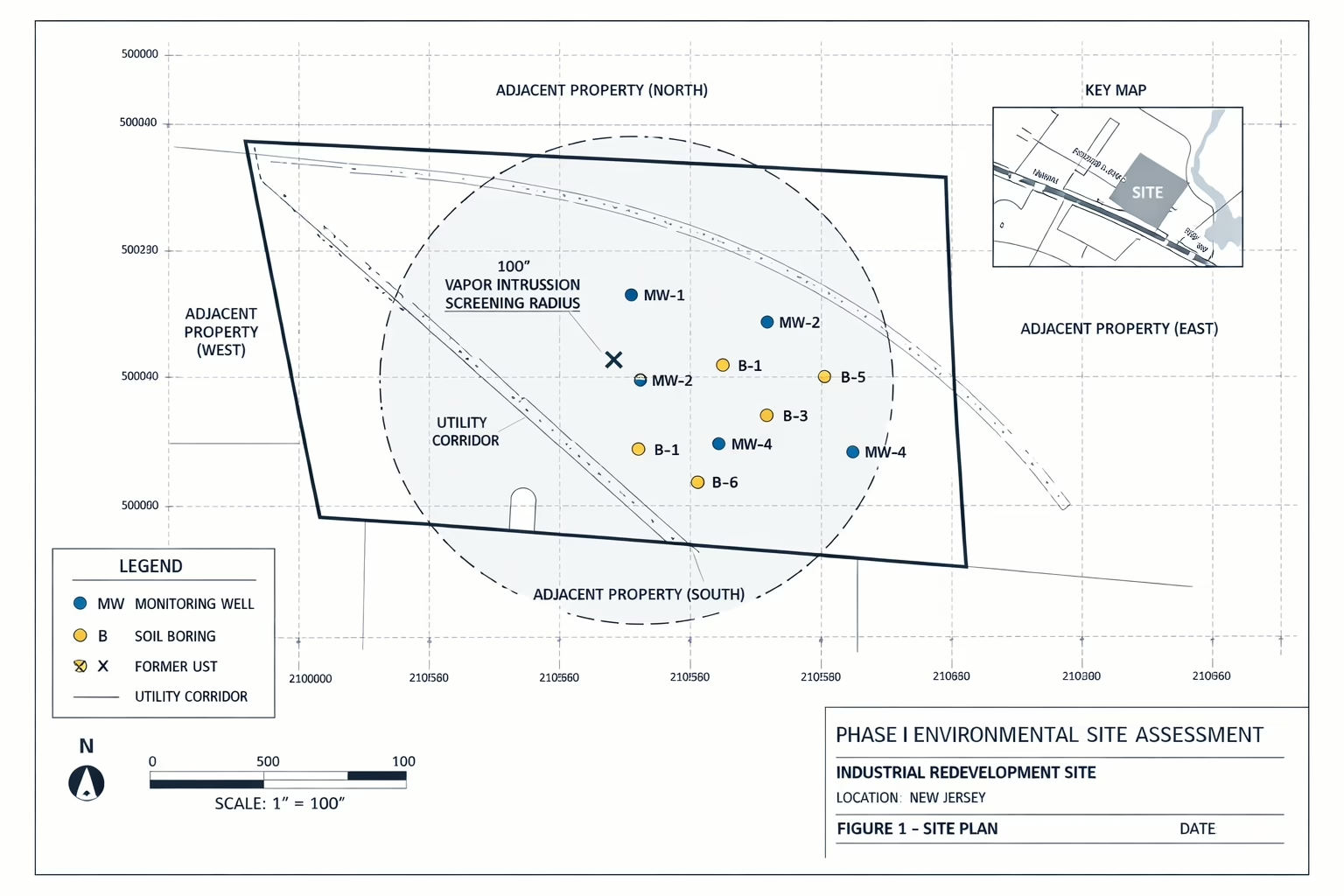
- Soil borings that collect both Standard Penetration Test (SPT) data for foundation design and environmental samples for lab analysis
- Groundwater monitoring wells that assess both hydrostatic pressure (for basement design) and contaminant migration patterns
- Unified reporting that feeds directly into both your structural engineer and your remediation strategy
This approach doesn't just save time and money: it reduces risk. When your civil engineer and environmental consultant are literally looking at the same data from the same holes, there's no room for miscommunication or conflicting recommendations.
Why Separate Investigations Create Hidden Costs
Let's break down what happens when you don't integrate:
Redundant site visits mean you're paying twice for traffic control, site safety plans, utility markouts, and project management oversight. In Manhattan, where lane closures require permits and coordination with NYCDOT, that's not trivial.
Data gaps are almost inevitable when two teams work independently. Your geotech borings might miss the hotspot that your environmental consultant would have flagged. Your environmental samples might not extend deep enough to inform foundation design. Fixing those gaps later means remobilizing: see the problem?
Conflicting recommendations slow down project approvals. If your geotech report says one thing and your Phase II ESA says another, your design team is stuck reconciling two sets of assumptions instead of moving forward with confidence.
Regulatory complications multiply when environmental and structural issues intersect. If you're working with an LSRP in New Jersey or navigating NYC's E-Designation program, having a team that understands both the environmental compliance pathway and the civil engineering requirements is the difference between a smooth approval process and months of back-and-forth.
The Bottom Line
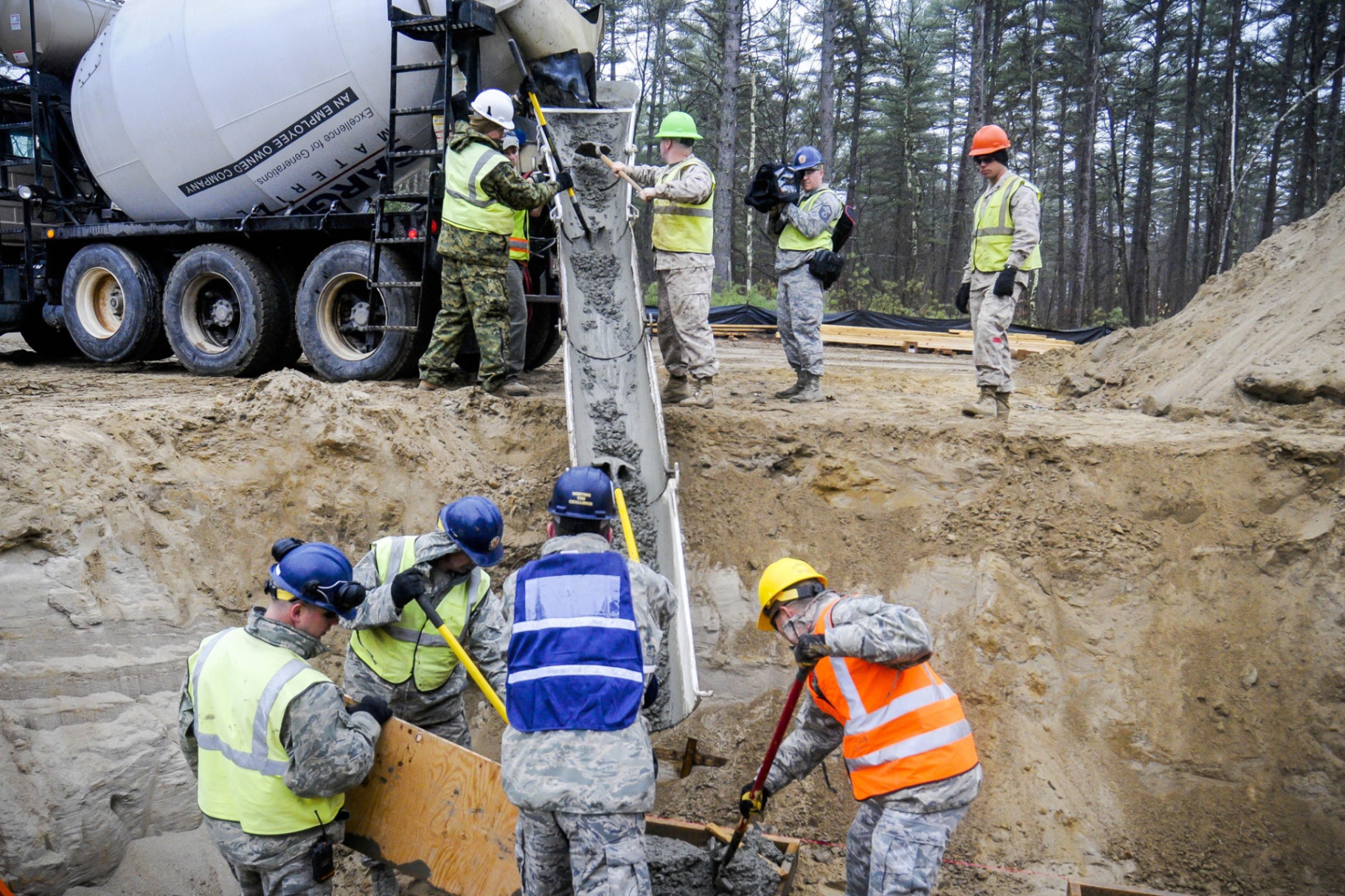
Integrating geotechnical and environmental site investigations isn't about doing more work: it's about doing the right work, once, with maximum efficiency. You get a complete picture of subsurface conditions. You avoid surprises that derail schedules and blow budgets. And you make better decisions earlier, when changes are cheap and easy instead of expensive and disruptive.
This is exactly the kind of value engineering that separates successful projects from problem projects. It's why developers who've been burned by siloed investigations are increasingly looking for integrated engineering partners who can handle both sides of the subsurface equation.
The next time you're scoping a site investigation, ask yourself: do you want two separate teams mobilizing at different times, producing disconnected reports, and leaving you to reconcile the gaps? Or do you want one coordinated effort that delivers complete data, faster timelines, and lower costs?
The answer really is a no-brainer.