
Here's a scenario we see all the time in New Jersey site development: A developer hires an environmental firm to handle contamination issues. Then they hire a separate civil engineering firm to design the site plan. Both teams work in their own little bubbles, rarely talking to each other, and definitely not coordinating their designs.
The result? Redundant soil testing. Grading plans that ignore contamination boundaries. Change orders that make your accountant cry. And a timeline that stretches longer than the Turnpike at rush hour.
We recently wrapped up a warehouse redevelopment project in central New Jersey where our integrated approach: civil and environmental engineering working as one team from day one: saved the client over $100,000 in construction costs. No magic. No cutting corners. Just smart coordination that most firms simply don't offer.
Let's break down exactly how that happened.
The Expensive Problem with "Siloed" Consulting
Traditional consulting models treat environmental and civil engineering as completely separate disciplines. And honestly? That made sense 30 years ago when environmental regulations were simpler and sites were less complicated.
Today, it's a recipe for wasted money.
When you hire separate firms, here's what typically happens:
- The environmental team completes their Phase I and Phase II ESAs, identifies contamination, and develops a remediation plan: all without knowing how the site will actually be graded or developed.
- The civil team designs stormwater systems, parking layouts, and utility connections: often without fully understanding where the contaminated soil sits or what restrictions exist.
- Nobody talks until there's a problem. And by then, you're already deep into construction with change orders piling up.
We've seen projects where developers paid to excavate and dispose of contaminated soil, only to have the civil contractor come back weeks later and dig up the exact same area for utility installation. That's not bad luck: that's bad coordination.
The Project: A Central NJ Warehouse Redevelopment
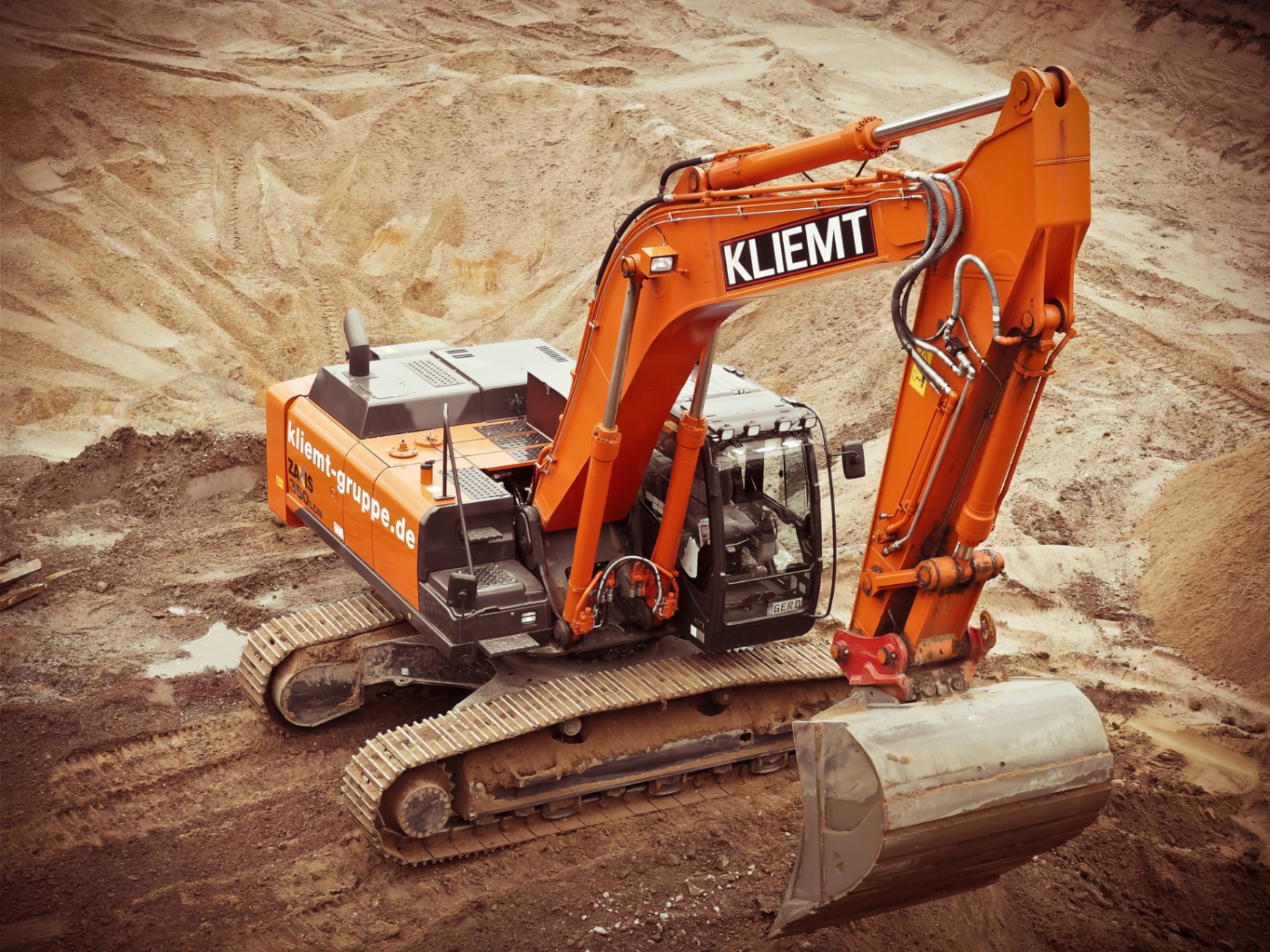
The site was a former light industrial property in Middlesex County: about 8 acres with a long history of manufacturing operations. The client, a logistics company, wanted to develop it into a modern distribution facility. Pretty standard stuff for the NJ market right now.
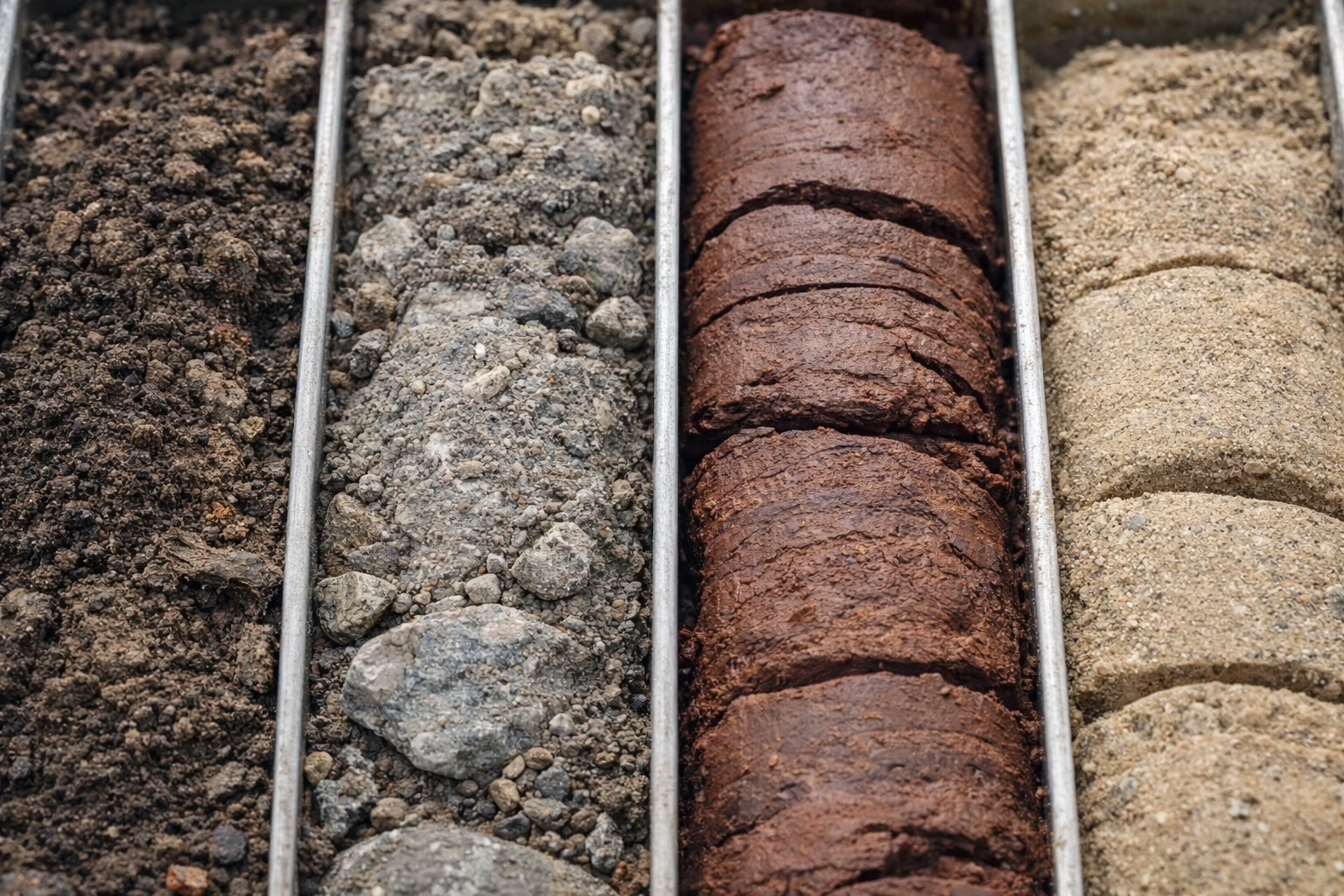
The catch? Previous environmental assessments had identified petroleum contamination in the soil across roughly 40% of the property. The client's original plan was to hire us for the environmental compliance work and bring in their usual civil engineering firm for the site design.
We suggested a different approach: let us handle both. One team. One set of drawings. One coordinated strategy.
They were skeptical at first: most developers are used to the siloed model. But when we showed them how the numbers could work in their favor, they gave us the green light.
Where the $100k Savings Actually Came From
This wasn't about cutting corners or skipping steps. Every permit was filed. Every NJDEP requirement was met. The savings came from three specific areas where integration created efficiency.
1. Coordinated Grading and Soil Management
In a traditional setup, the environmental team would have flagged the contaminated areas and recommended excavation and off-site disposal. Standard approach. Safe approach. Expensive approach.
Our civil engineers looked at the same data and asked a different question: What if we design the grading plan around the contamination?
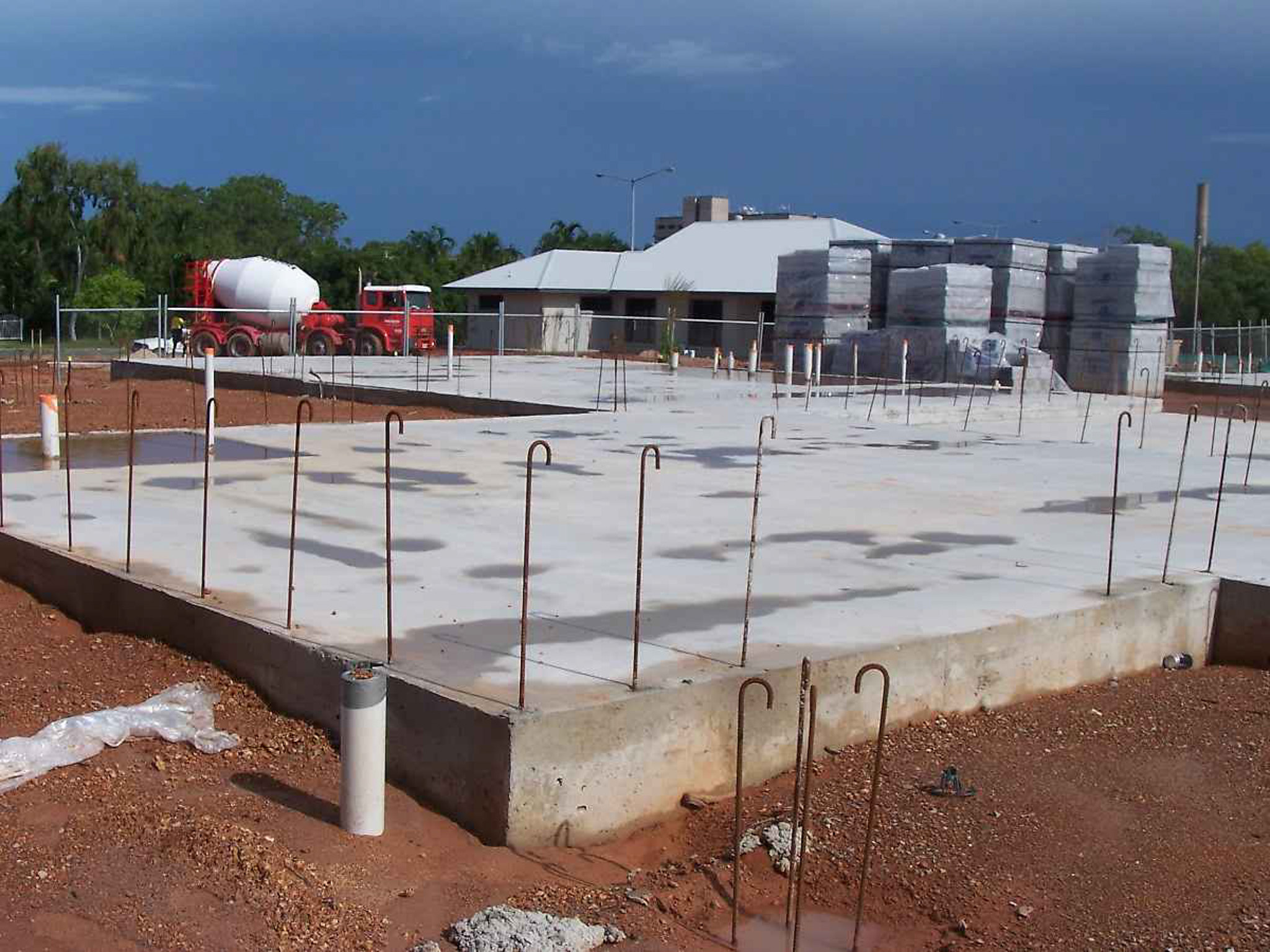
By adjusting the building footprint and parking layout, we were able to cap contaminated soil in place under impervious surfaces (the warehouse slab and parking areas) rather than hauling it off-site. This approach met all NJDEP requirements for institutional controls while eliminating approximately 3,200 cubic yards of soil disposal.
At roughly $85 per cubic yard for excavation, transport, and disposal of contaminated soil in New Jersey, that single decision saved over $270,000 in remediation costs.
2. Stormwater Infrastructure That Did Double Duty
Here's where value engineering gets fun.
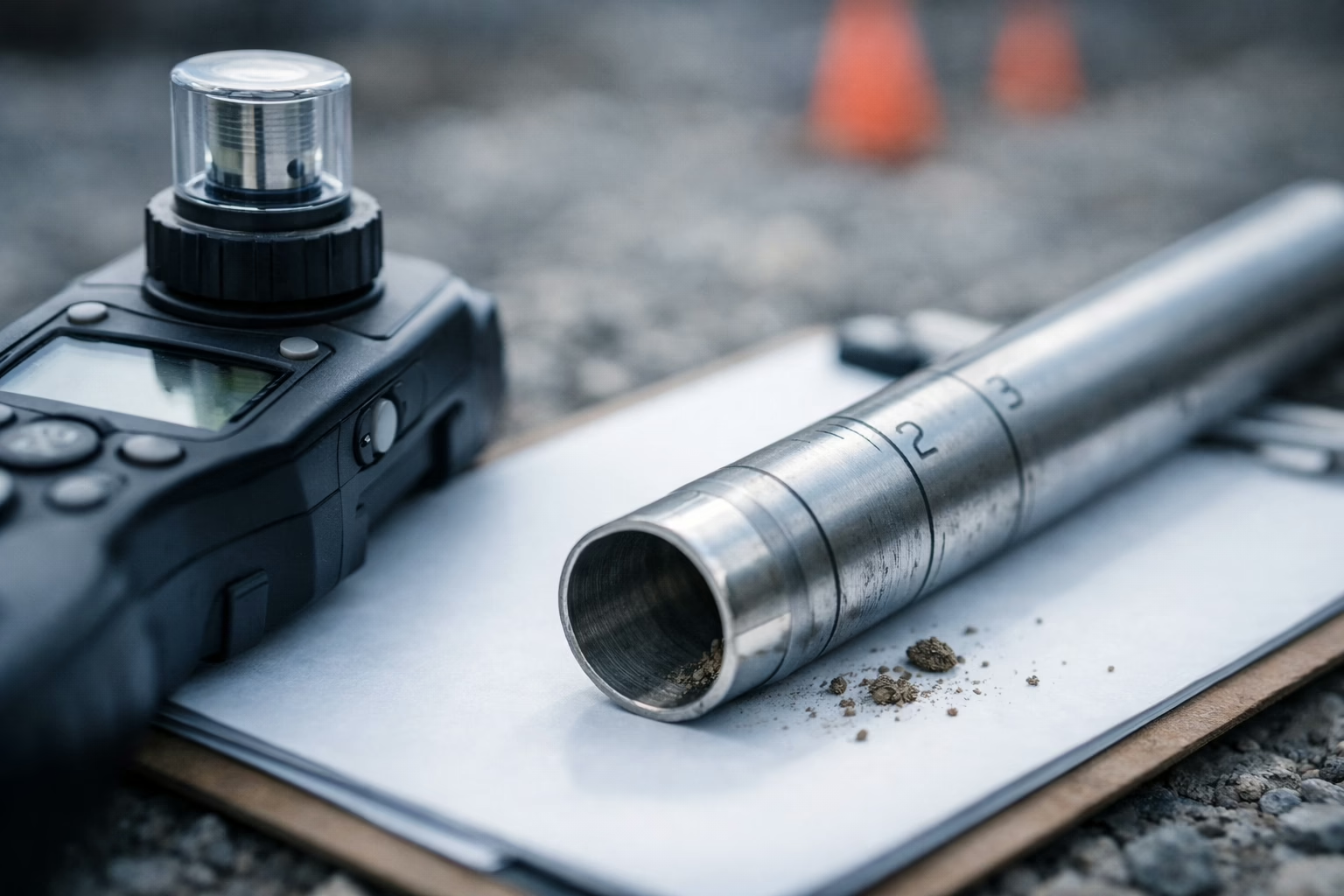
The site needed a stormwater management system to meet NJ Stormwater Rules. The environmental side needed groundwater monitoring wells and a soil vapor extraction system for ongoing compliance.
A siloed team would have designed these as completely separate systems. Our integrated team designed them together.
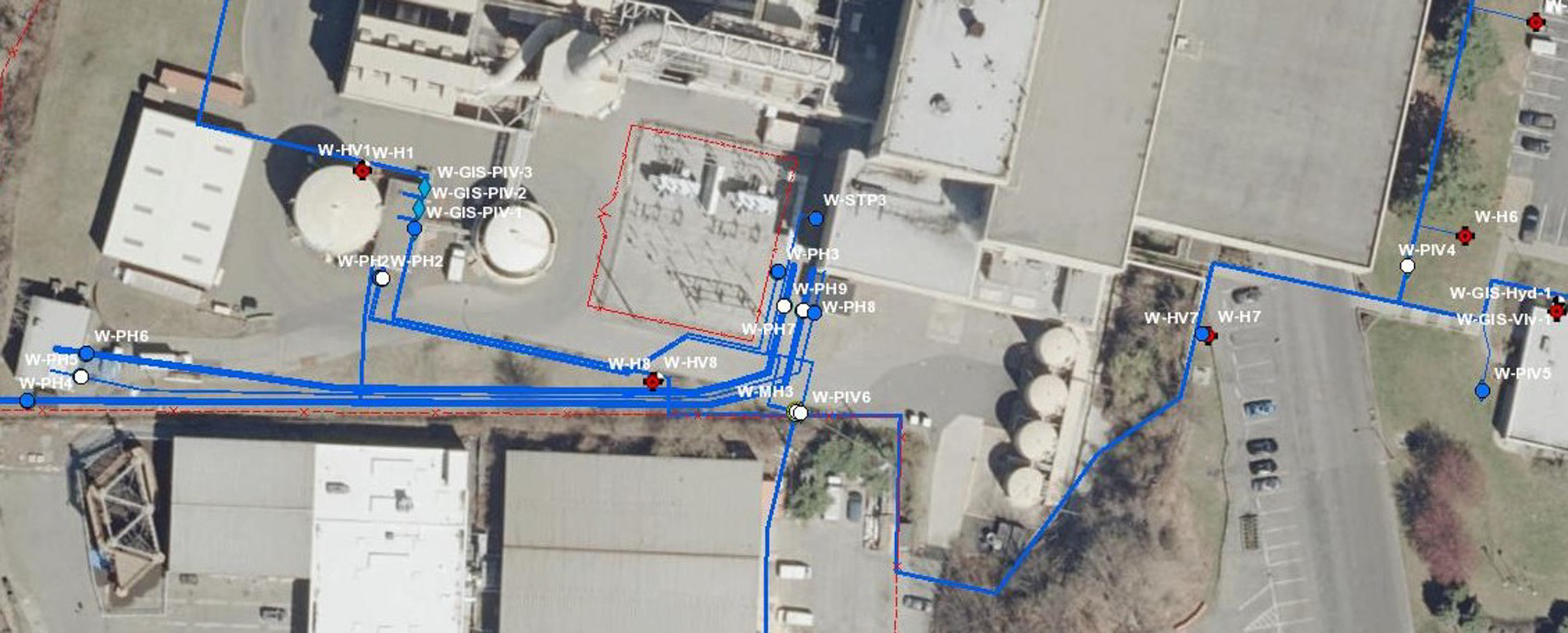
We positioned the stormwater infiltration basins to also serve as access points for environmental monitoring. The underground detention system was designed with clean-out access that doubles as sampling locations. One set of excavations. One set of installations. Two functions.
Savings: approximately $45,000 in reduced excavation and installation costs.
3. Phased Construction That Actually Made Sense
The original project schedule: built on the assumption that environmental work would be "done" before civil work "started": had a 14-month timeline.
Our integrated schedule? 9 months.
By coordinating activities that could happen simultaneously (environmental monitoring during civil earthwork, for example), we compressed the timeline without rushing anyone. The client saved five months of carrying costs on their construction loan.
At their interest rate, that translated to roughly $85,000 in reduced financing costs.
When you add it all up and account for some additional coordination fees on our end, the net savings landed right around $100,000.
Why This Matters for Your Next NJ Project
New Jersey has some of the most complex environmental regulations in the country. Between NJDEP oversight, LSRP requirements, and increasingly strict stormwater rules, every site development project involves layers of compliance that most states don't deal with.
That complexity creates opportunity: if you know how to find it.
"The best cost savings in site development don't come from doing less work. They come from doing the right work in the right order."
When civil and environmental teams operate as one unit, they can identify these opportunities early, before designs are locked in and before contractors are mobilized. That's where real value engineering happens.
Here's what to look for when evaluating your next project team:
- Single point of accountability. When problems arise (and they always do), you want one firm that owns the solution: not two firms pointing fingers at each other.
- Shared software and data. Our civil and environmental teams work from the same CAD files and GIS databases. No translation errors. No version conflicts.
- Experience with NJ-specific regulations. Understanding how NJDEP, local soil conservation districts, and municipal planning boards interact isn't something you can learn from a textbook. It takes years of local project experience.
The Bottom Line
The traditional model of hiring separate environmental and civil engineering firms made sense when projects were simpler and regulations were fewer. Today, that approach leaves money on the table: sometimes six figures worth.
Our integrated model isn't about being a jack-of-all-trades. It's about recognizing that modern site development requires disciplines to work together from the very first site walk.
If you're planning a redevelopment project in New Jersey: especially one with any environmental history: the question isn't whether you need environmental and civil engineering support. The question is whether those teams are actually talking to each other.
Ready to see how integration could work for your next project? Reach out to our team for a no-pressure conversation about your site. We'll give you an honest assessment of where the opportunities are: and whether we're the right fit to capture them.