You get the geotechnical report back. The structural engineer reviews it. And suddenly, your foundation budget just ballooned by $75,000.
The culprit? Recommendations for deep foundations, over-engineered footings, or excessive soil remediation: all based on a report that played it safe rather than played it smart. This scenario happens more often than most developers realize, and it's costing projects real money.
Here's the thing: a conservative geotechnical report isn't necessarily a bad report. But an overly conservative one? That's a different story entirely. When soil investigation protocols default to worst-case assumptions rather than site-specific realities, you end up paying for foundation systems your project doesn't actually need.
Let's break down why this happens and what you can do about it.
Why Geotechnical Reports Default to Conservative
Geotechnical engineers carry significant liability. If a foundation fails, fingers point directly at the geotech report. This reality creates a professional culture where recommending more robust (read: more expensive) foundation solutions is the safer career move.
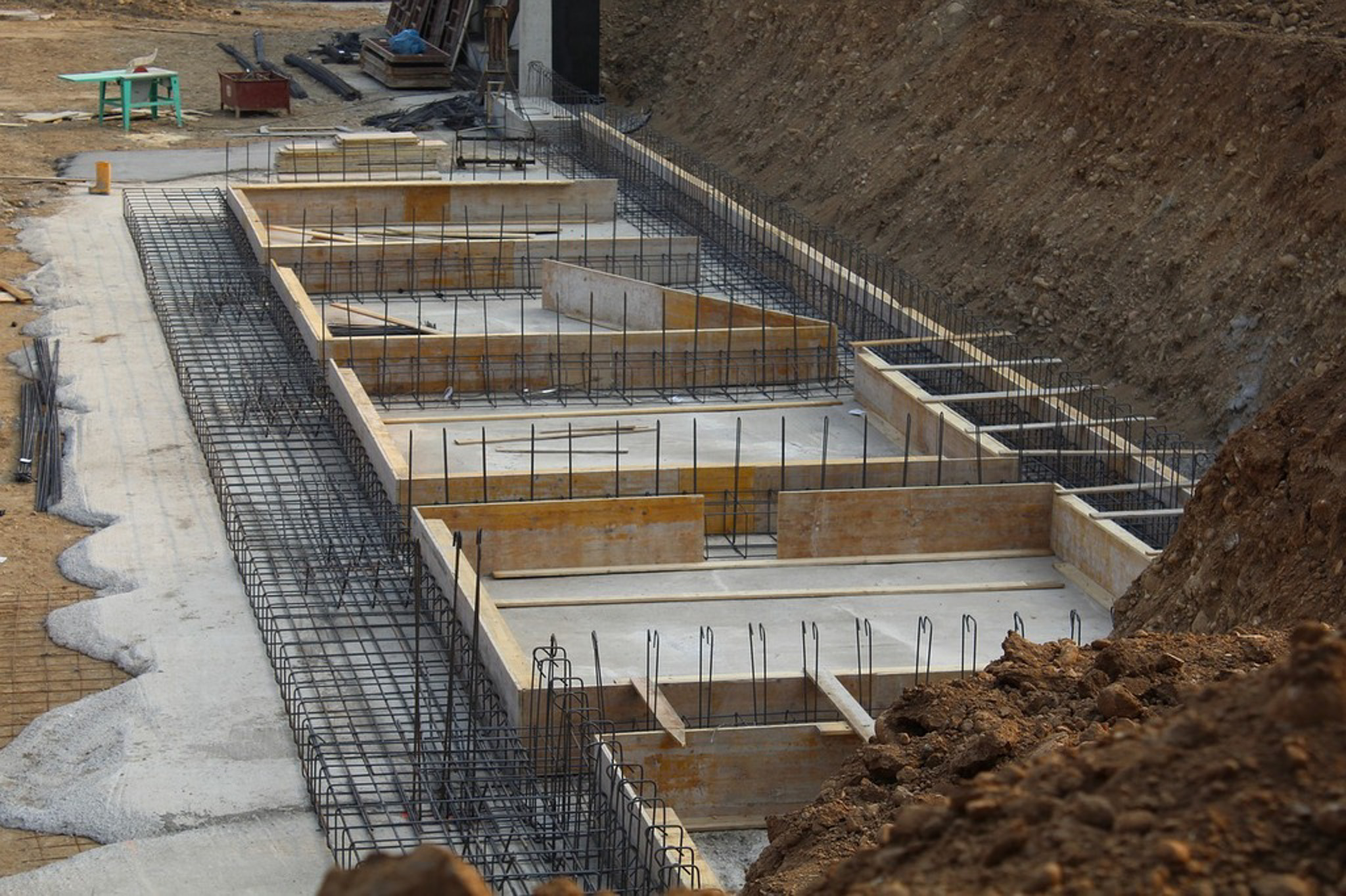
Here's what typically drives overly conservative recommendations:
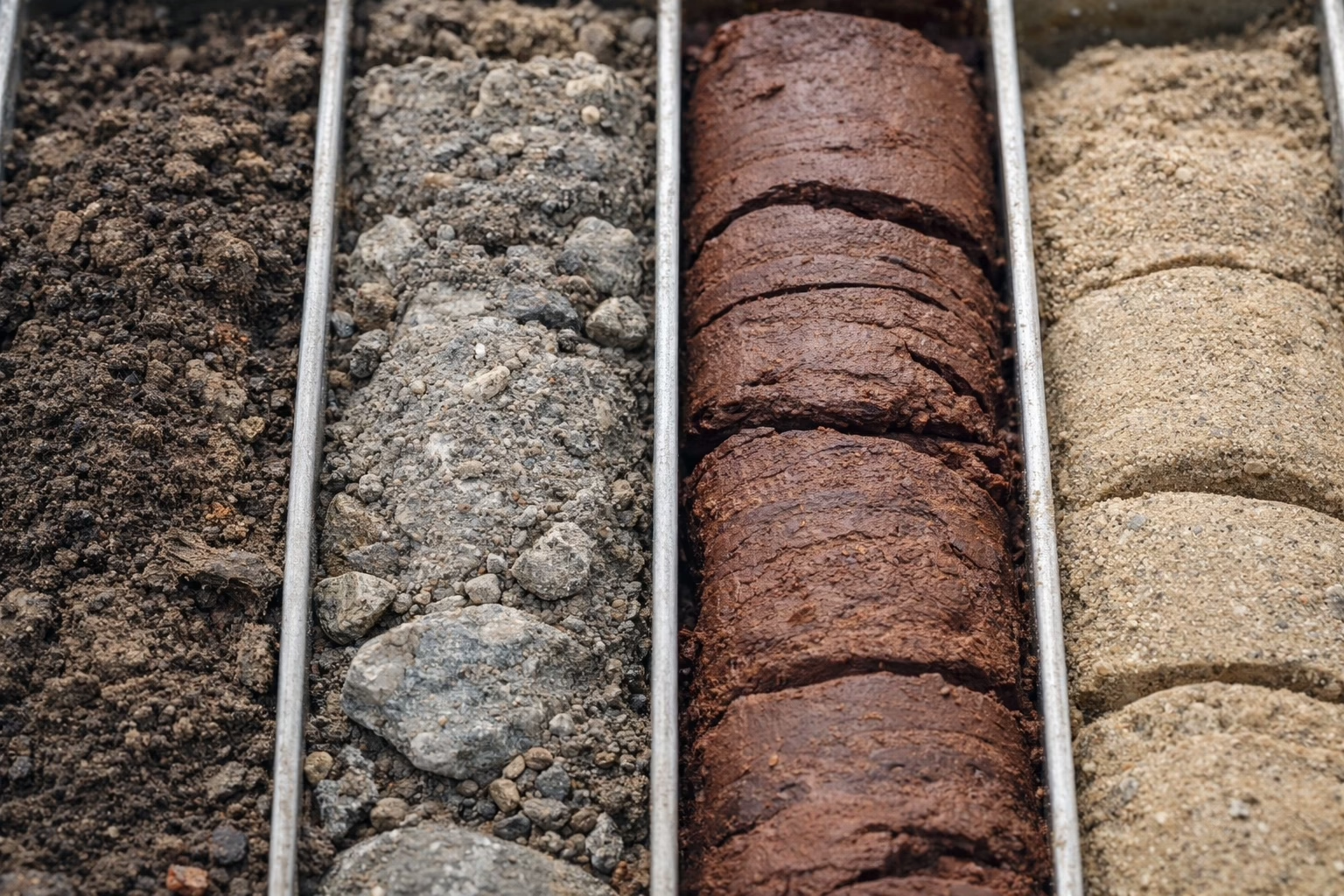
Limited boring locations – When budget constraints reduce the number of test borings, engineers have less data. Less data means more assumptions. More assumptions mean wider safety margins.
Generic soil parameters – Some reports rely heavily on published soil tables rather than site-specific lab testing. These tables represent conservative averages, not your actual conditions.
One-size-fits-all scoping – Cookie-cutter investigation programs don't account for what you're actually building. A three-story mixed-use building has different foundation demands than a warehouse.
Liability protection language – Many reports include boilerplate recommendations that cover every possible scenario, even ones that don't apply to your site.
As one industry veteran put it: "The cheapest geotech report is often the most expensive foundation." That cuts both ways: skipping proper investigation entirely can cost you $30,000 or more in foundation surprises, but an investigation that doesn't ask the right questions wastes money on the front end and the back end.
The Real Cost of Over-Engineering
Let's put numbers to this. A typical geotechnical investigation runs $1,000 to $5,000, with most projects landing around $2,700. That's a modest investment against your total project budget.
But foundation costs? Those scale dramatically based on what the geotech report recommends.
Consider the difference between these scenarios:
| Foundation Type | Typical Cost Impact |
|---|---|
| Spread footings on competent soil | Baseline |
| Spread footings with over-excavation | +15-25% |
| Mat foundation (when not needed) | +40-60% |
| Deep foundations (piles/caissons) | +100-300% |
When a report recommends deep foundations based on conservative assumptions rather than confirmed site conditions, you're potentially adding six figures to your project. That's not engineering: that's guesswork with expensive consequences.
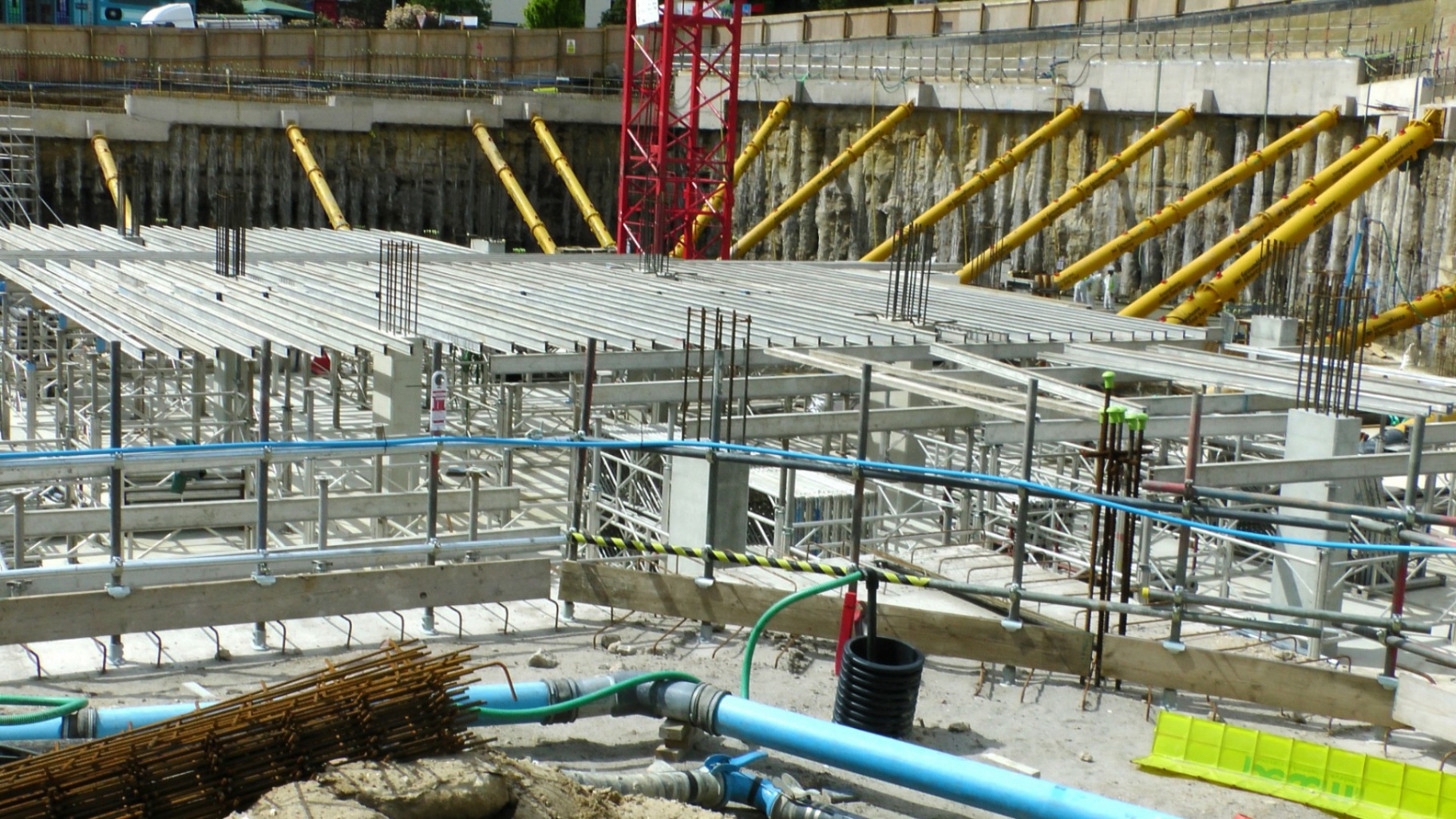
We've seen projects in the NYC metro area where the original geotech report called for driven piles through 30 feet of "questionable" fill. A more targeted investigation: additional borings, better lab testing, and actual engineering analysis rather than conservative defaults: revealed competent bearing soils at 12 feet. The foundation redesign saved the client over $200,000.
What a Smarter Site Investigation Looks Like
The difference between a conservative report and a smart report comes down to investigation design. Here's what separates the two:
Strategic Boring Locations
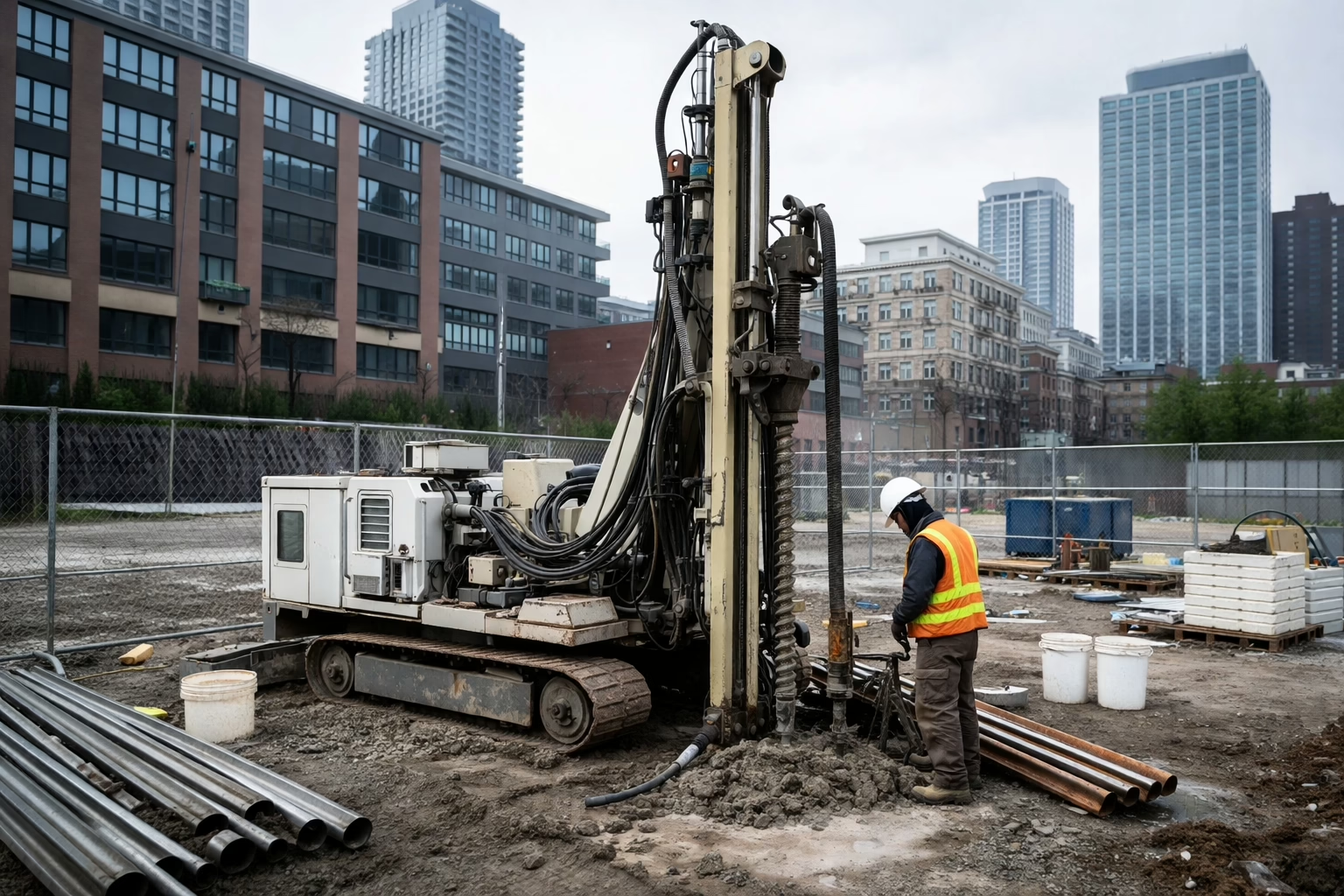
Generic investigations place borings on a grid pattern regardless of where your building loads actually concentrate. A targeted approach puts borings where they matter most: under elevator pits, at column locations, along proposed retaining walls. Better data where it counts means tighter recommendations where it matters.
Appropriate Testing Depth
Some investigations drill to arbitrary depths regardless of the structure being built. A single-story retail building doesn't need the same subsurface profile as a 15-story residential tower. Right-sizing the investigation scope to your actual project saves money without sacrificing data quality.
Site-Specific Lab Testing
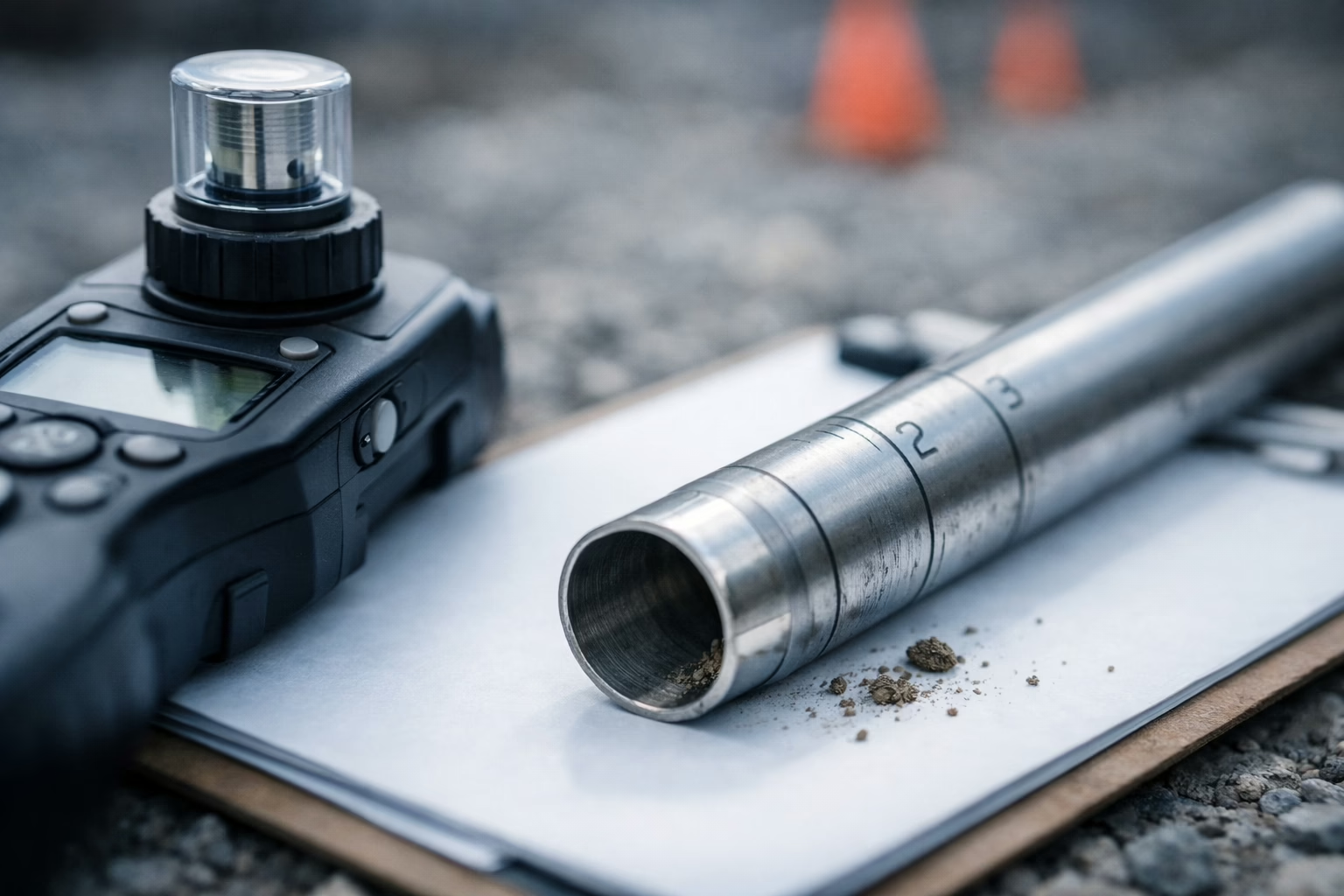
Standard penetration test (SPT) data only tells part of the story. For projects where foundation costs are sensitive, investing in lab testing: consolidation tests, direct shear, unconfined compression: provides actual soil strength parameters rather than conservative estimates from correlation tables.
Historical Context
In developed areas like Northern New Jersey and New York City, most sites have history. Previous investigations, construction records, and adjacent project data can inform your investigation scope. Why drill blind when neighboring buildings already proved the subsurface conditions?
Questions to Ask Before Your Next Investigation
Before you sign off on a geotech proposal, push back with these questions:
"How did you determine the boring locations?" If the answer is "standard practice" rather than "based on your building layout," that's a red flag.
"What assumptions will you make if we encounter variable conditions?" Understanding the engineer's default position helps you anticipate conservative creep.
"Can we phase the investigation?" Sometimes a preliminary investigation with targeted follow-up borings delivers better data at lower total cost than a single comprehensive program.
"What lab testing do you recommend, and why?" Generic lab programs add cost without adding value. Make sure every test serves a purpose.
"Have you worked on adjacent sites?" Local experience translates directly to better-calibrated recommendations.
When Conservative Actually Makes Sense
To be clear: we're not advocating for cutting corners. Some sites genuinely require conservative approaches.
Brownfield redevelopment projects with unknown fill materials need wider safety margins until contamination and soil variability are fully characterized. Sites with known seismic concerns or slope stability issues warrant additional analysis. Projects with zero tolerance for settlement: think sensitive manufacturing or medical facilities: justify more robust foundation systems even when basic bearing capacity isn't the concern.
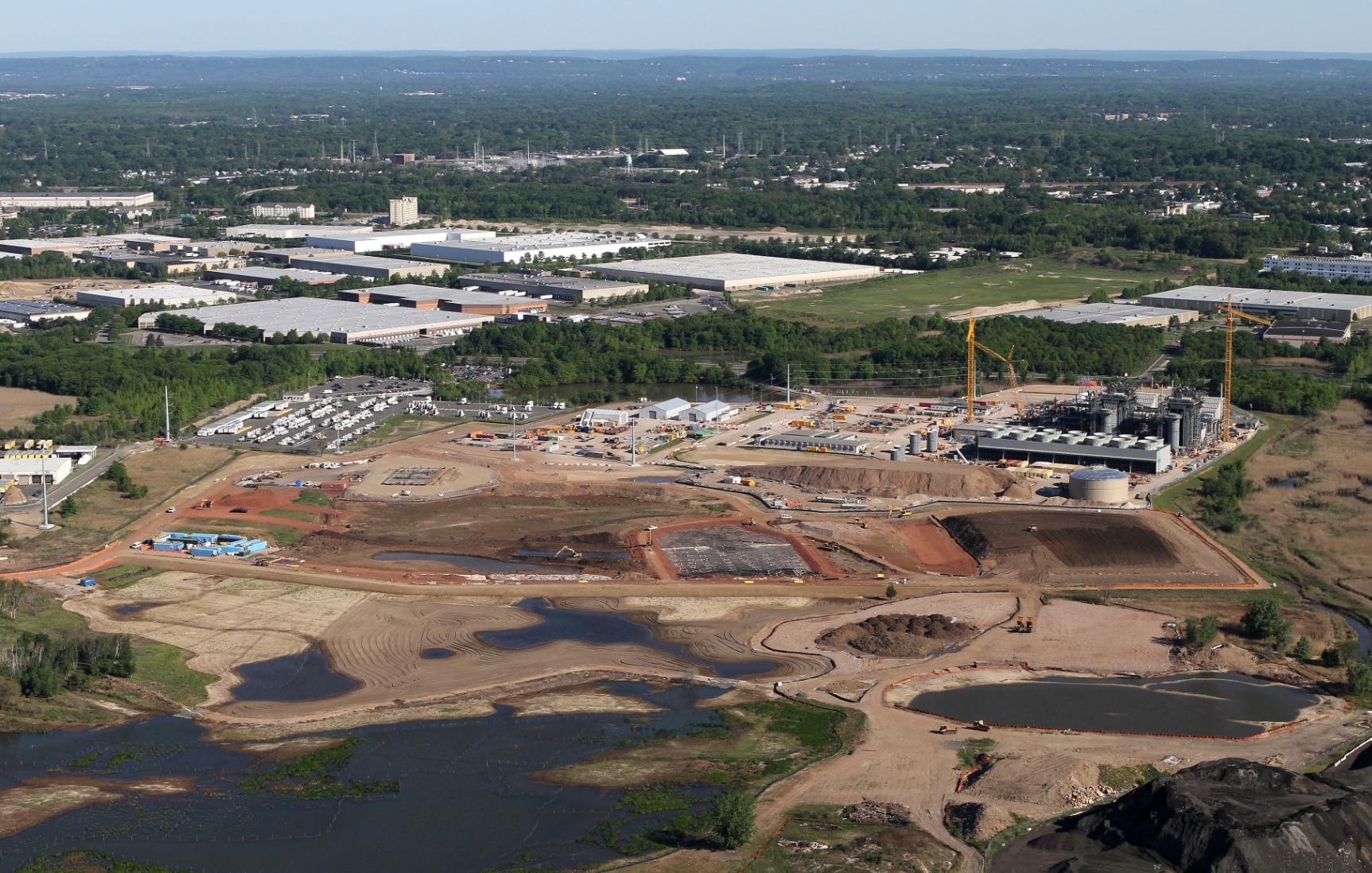
The goal isn't eliminating conservatism. It's eliminating unnecessary conservatism that adds cost without adding value. Smart geotechnical engineering matches the investigation intensity and recommendation rigor to your project's actual risk profile.
The Integrated Approach Advantage
Here's where working with firms that combine geotechnical and environmental services creates real value. On many sites: especially urban infill and brownfield redevelopment: environmental conditions directly affect foundation decisions.
Contaminated soils may require removal regardless of their bearing capacity. Groundwater management for environmental compliance can double as dewatering for foundation construction. Understanding both disciplines simultaneously prevents the expensive scenario where your geotech engineer recommends one approach and your environmental consultant requires another.
Our work on complex infrastructure projects across the NYC metro area has reinforced this lesson repeatedly: the best geotechnical recommendations emerge when engineers understand the full project context, not just the soil column.
The Bottom Line
Your geotechnical report shouldn't be a liability shield masquerading as engineering. It should be a strategic tool that optimizes your foundation investment against actual site conditions.
The $2,700 you spend on a soil investigation can save: or cost: ten times that amount depending on how the investigation is designed and how the recommendations are developed. Demand more from your geotech program than conservative defaults. Demand site-specific analysis, strategic boring locations, and recommendations calibrated to what you're actually building.
Because in foundation engineering, "safe" and "smart" aren't always the same thing. The smartest approach accounts for real conditions, real loads, and real project economics: not worst-case assumptions that protect everyone except your budget.
Need a second opinion on a geotechnical report, or planning an investigation for an upcoming project? Reach out to our team to discuss how targeted site investigation can optimize your foundation costs without compromising structural integrity.