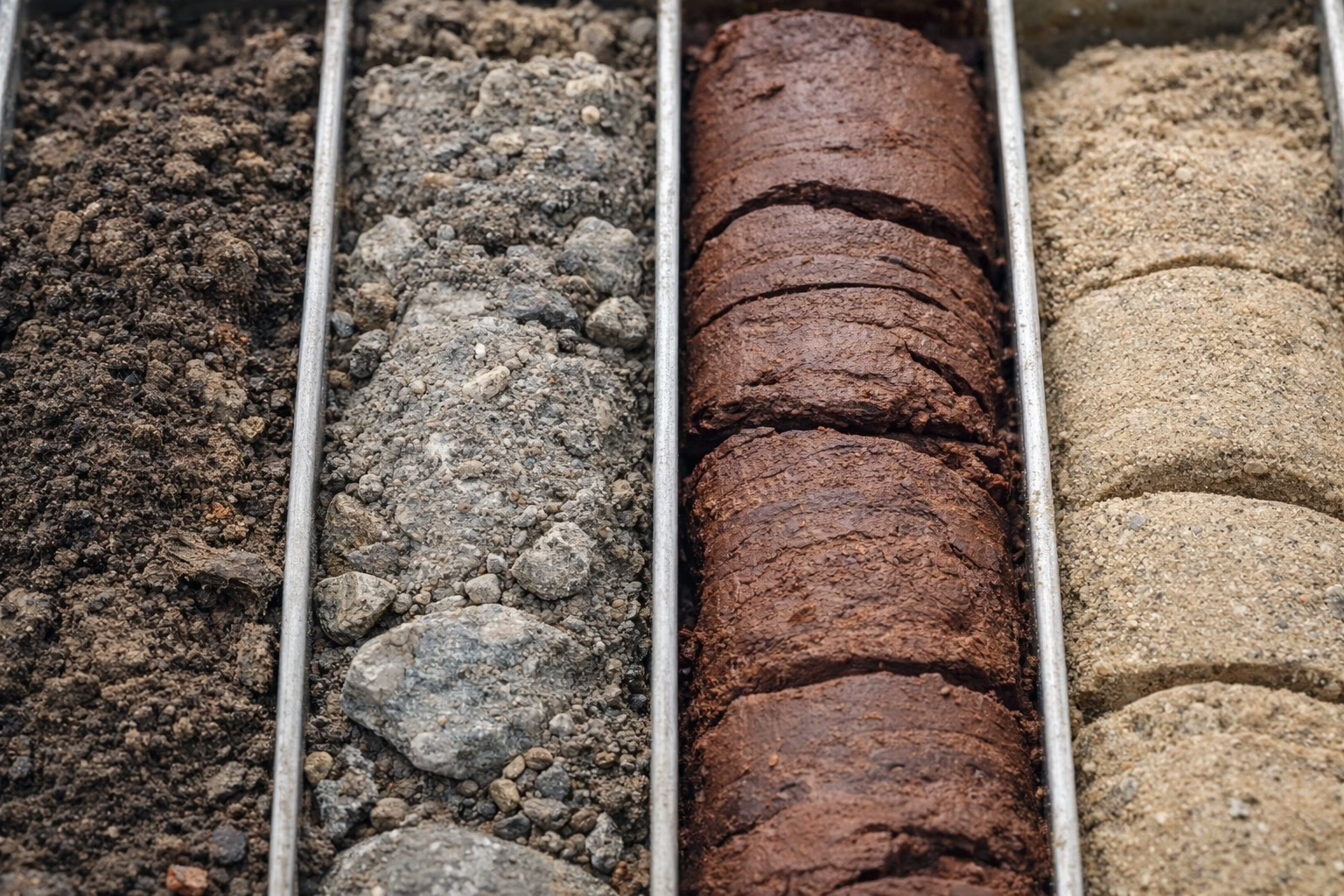
If you’re developing in New Jersey, you already know the ground beneath your feet is rarely just "dirt." Whether you’re looking at a sleek multi-family mid-rise in Jersey City or an industrial warehouse expansion in the Meadowlands, the subsurface is a complex puzzle of glacial till, urban fill, and regulatory landmines.
At Envicon Strategic Solutions, we see geotechnical investigations not just as a line item in your pre-construction budget, but as the foundational risk-mitigation tool for your entire project. If you’re asking, "What is this going to cost me?" the answer is rarely a single number. It’s a strategy.
Here are 10 things you need to know about NJ geotechnical investigation costs and how to navigate them without blowing your contingency fund.
1. The Baseline: Residential vs. Commercial Reality
For a standard residential property in New Jersey, you might see quotes ranging from $1,000 to $5,000, with a sweet spot around $2,700. However, for the developers we partner with: those handling commercial, industrial, or complex urban infill: these numbers are just the starting blocks.
When you move into contaminated sites or areas with poor structural soils, the investigation isn't just about bearing capacity; it’s about liability management. On these sites, costs can quickly climb into the five or even six-figure range depending on the depth of the "story" the ground is trying to tell.
2. Why Site Size Dictates Your Minimum Spend
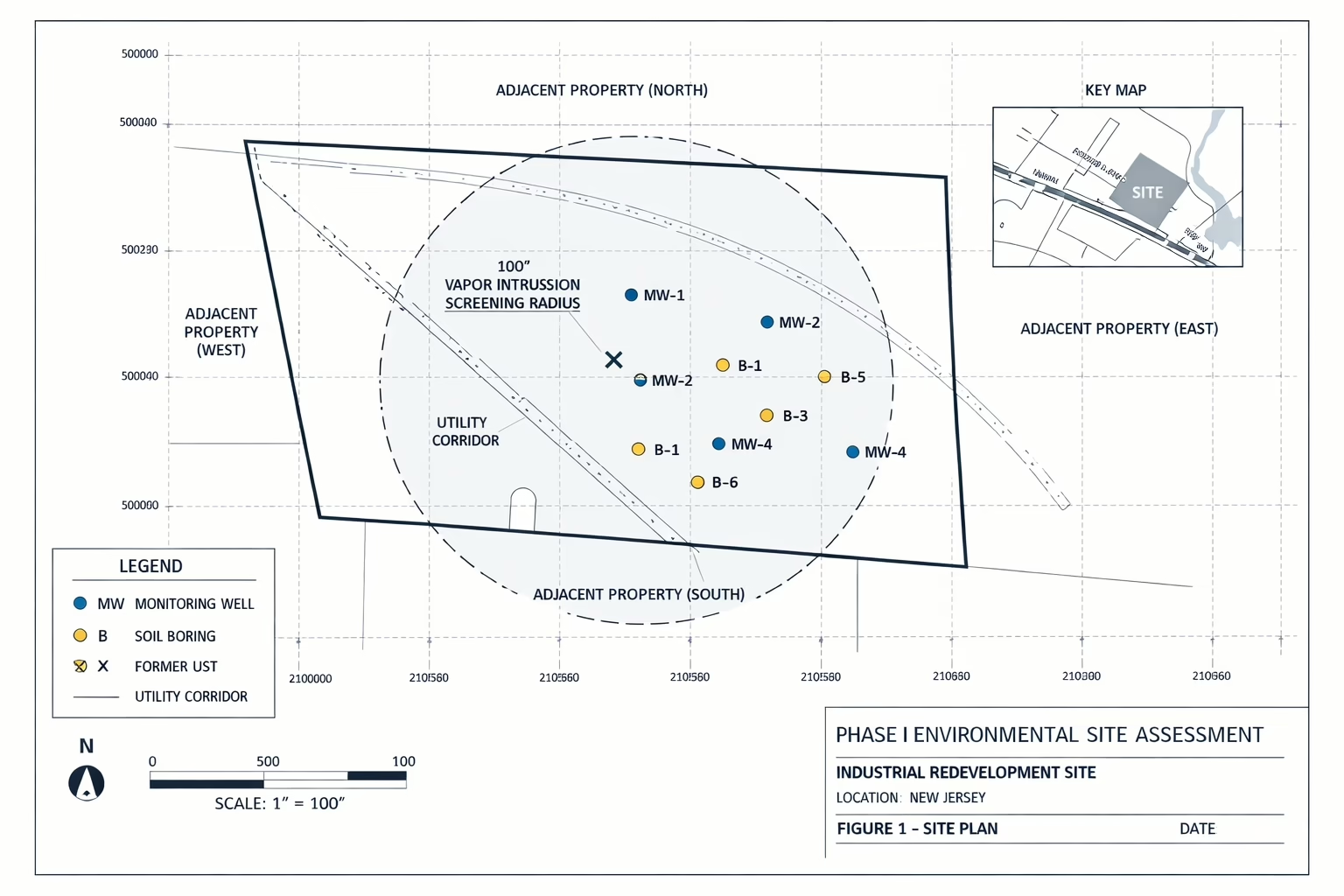
The NJDEP (New Jersey Department of Environmental Protection) doesn't leave much to guesswork when it comes to sampling density. For properties 4 acres or smaller, you’re looking at a minimum of two samples, with costs typically starting between $600 and $1,800.
Scale that up to a 100-acre logistics center, and your minimum entry fee for sampling alone jumps to approximately $7,000. We often see developers try to "skim" on the number of borings to save a few thousand dollars upfront, only to be hit with a $500,000 change order during excavation because they missed a lens of organic peat or a buried foundation.

3. Understanding the Menu of Test Types
Not all holes in the ground are created equal. Your total cost is a sum of specific technical needs:
- Soil Compaction Tests: Essential for slab-on-grade foundations, typically $190–$350.
- Soil Percolation Tests: If you’re dealing with septic or complex stormwater management, expect $250–$850.
- Advanced Composition Analysis: Necessary for determining chemical stability, ranging from $300–$1,750.
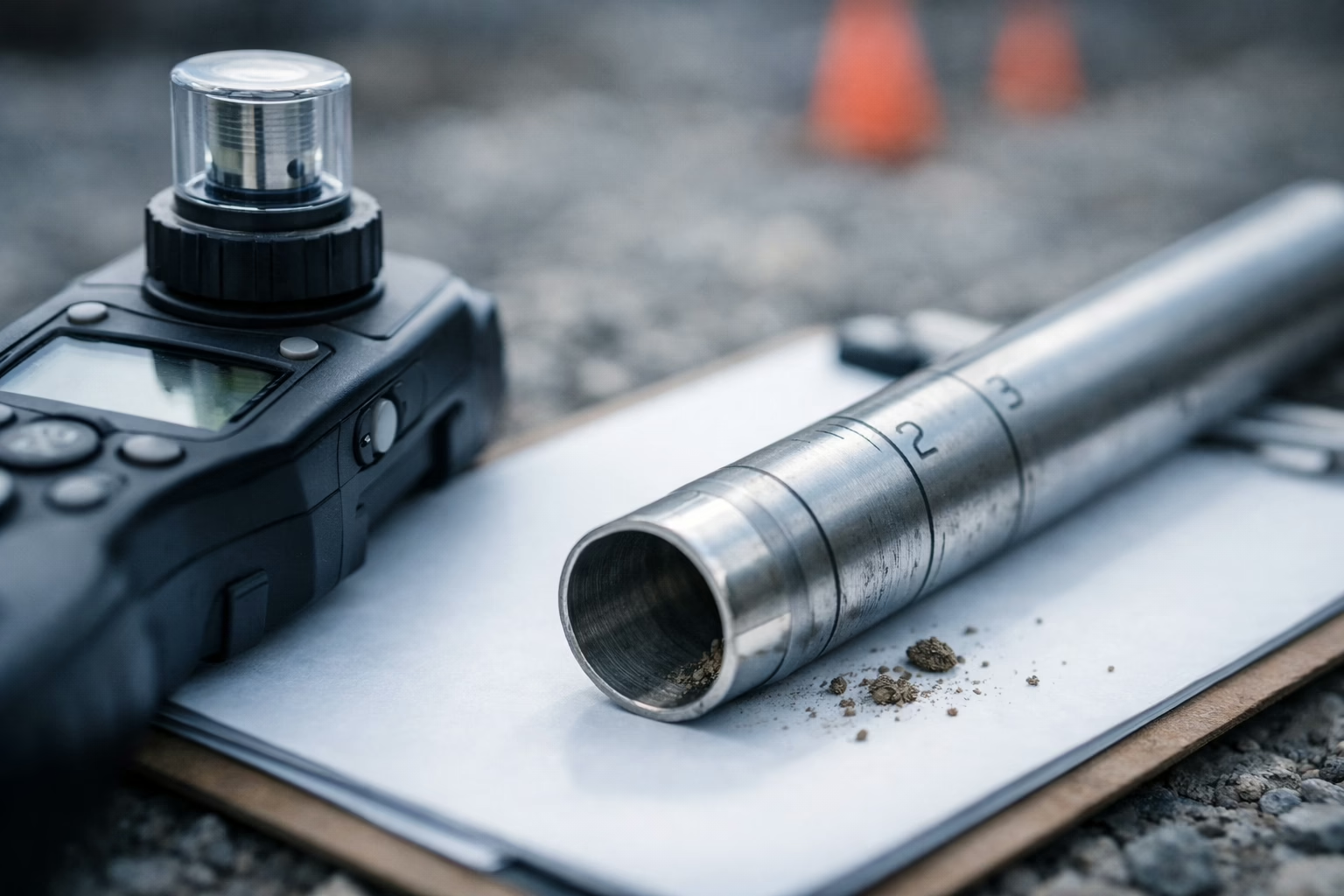
- Soil Borings (15–20 feet): The bread and butter of geotech, usually $750–$1,500 per hole.
4. The "Hidden" Costs of Site Prep
Before a drill rig even touches the site, there’s a logistical dance that costs money. Utility locating is non-negotiable in New Jersey’s dense infrastructure. Vegetation clearing, site access for heavy machinery, and private utility mark-outs can add $200 to $500 per day to your field costs.
At Envicon, we emphasize integrated civil engineering during this phase. If we can coordinate the utility survey with the geotech mobilization, we’re not just saving you money: we’re saving you a week on your critical path.
5. The Professional Premium (Why the "Cheap" Engineer is Expensive)
In New Jersey, a Licensed Geotechnical Engineer or a Licensed Site Remediation Professional (LSRP) typically charges between $100 and $250 per hour.
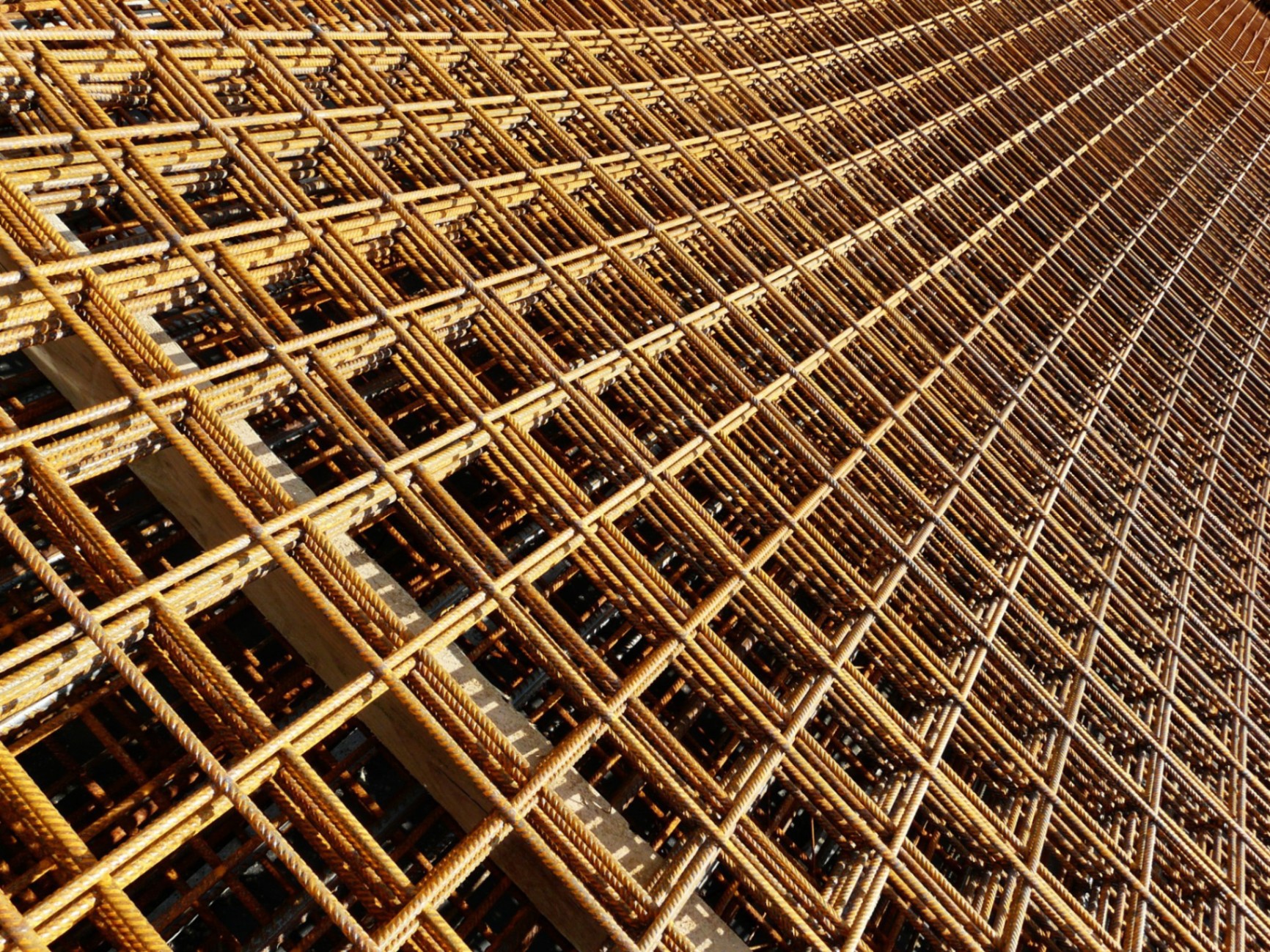
It’s tempting to go with the lowest hourly rate. However, the value isn't in the hour spent; it’s in the professional judgment that prevents over-engineering. A visionary engineer might spend two extra hours analyzing data to save you $100,000 in reinforced steel rebar or unnecessary deep foundations.
6. NYC OER vs. NJDEP: The Cross-Border Complexity
If you’re a developer working both sides of the Hudson, you know the NYC OER (Office of Environmental Remediation) and NJDEP speak different languages. NYC OER brownfield cleanup requirements often demand more rigorous upfront geotechnical and environmental data to secure "E-Designations" or Voluntary Cleanup Program (VCP) entries.
Integrating your geotechnical investigation with an environmental site assessment is the only way to avoid paying for two separate mobilizations. If you’re digging anyway, sample for both structural integrity and environmental compliance simultaneously.
7. The New Cost Driver: PFAS Remediation
The regulatory landscape shifted permanently with the focus on "forever chemicals." PFAS remediation costs in NJ are now a critical factor in due diligence. If your geotechnical investigation reveals groundwater issues, the cost of specialized testing for PFAS can add several thousand dollars to your laboratory bill.
Because New Jersey has some of the strictest PFAS limits in the country, identifying these risks during the geotech phase is a visionary move. It allows you to price the remediation into your acquisition cost rather than discovering it after you've closed.
8. Phase II Environmental Site Assessment Integration
We often see developers treat Geotech and Phase II ESAs as two different worlds. They aren't. A Phase II Environmental Site Assessment in NJ is often triggered by the same subsurface anomalies your geotech investigation is designed to find.
By running these processes in parallel, you reduce oversight fees and administrative bloat. More importantly, you get a holistic view of the "Site Constraints" map.
9. NJDEP Oversight and Administrative Fees
If you want a formal "No Further Action" (NFA) determination or a Response Action Outcome (RAO) from an LSRP, you have to pay the state for the privilege. NJDEP oversight costs range from $500 to $4,000 for standard sites. If contamination is detected, those fees can jump to $8,000 or more, not including the actual remedial work.
10. The Envicon Difference: Beyond the "Big Consultant" Model
Most developers are used to the "Big Box" consulting firms. You get a junior engineer in the field, a senior manager you never talk to, and a bill for "administrative overhead" that makes your eyes water.
Why choose Envicon?
- Responsiveness: We don't operate on "consultant time." We operate on "developer time."
- Accountability: Our CEO, Jason Pancoast, and our senior leads are in the trenches. We don't bury mistakes in 400-page reports; we solve them with practical site engineering.
- Sales Psychology Optimized: We don't just sell you a geotech report. We sell you the confidence to tell your investors that the site is de-risked. We sell the community the assurance that the development is safe. We sell authority.
Summary Takeaways for NJ Developers
- Don't ignore the extras: Budget for utility mark-outs and site access.
- Integrate or die: Combine your Geotech with your Phase II ESA and NYC OER requirements to save 20-30% on total field costs.
- PFAS is real: Include it in your pro forma if you’re in an industrial corridor.
- Invest in the brain, not the rig: The value is in the engineering analysis that keeps your foundation costs lean.
"The most expensive geotechnical report is the one that was too cheap to find the truth."
If you’re ready to move beyond the "pointing at dirt" style of consulting and want a visionary partner for your next NJ or NYC project, let’s talk.
Ready to de-risk your next acquisition?
Contact Envicon Strategic Solutions today for a strategic consultation that goes deeper than the soil.![[FOOTER] Envicon Strategic Solutions](https://cdn.marblism.com/iL_cQAc3jVV.webp)