
If you're acquiring, developing, or refinancing property in New Jersey right now, there's a regulatory shift you need on your radar: NJDEP's evolving PFAS soil standards are fundamentally changing how sites are evaluated, remediated, and: critically: valued.
As of January 2026, the compliance landscape has tightened significantly. The days of PFAS being a "future problem" are over. These forever chemicals are now a present-day factor in every transaction involving New Jersey real estate.
Here's what property owners, developers, and lenders need to understand to protect their investments and keep deals moving forward.
What Changed: The 2026 Regulatory Landscape
New Jersey has long been at the forefront of PFAS regulation, and 2026 marks another significant step forward. Effective January 8, 2026, legislation now prohibits the sale, manufacture, and use of Class B firefighting foams containing intentionally added PFAS throughout the state.
But the bigger impact for property transactions comes from the enforcement of interim soil remediation standards NJDEP established for four key PFAS compounds:
- PFNA (Perfluorononanoic acid)
- PFOA (Perfluorooctanoic acid)
- PFOS (Perfluorooctane sulfonic acid)
- GenX (a PFOA replacement chemical)
These standards set specific concentration limits ranging from 0.047 to 3.9 mg/kg, depending on the chemical compound, exposure pathway, and whether the property is classified as residential or nonresidential.
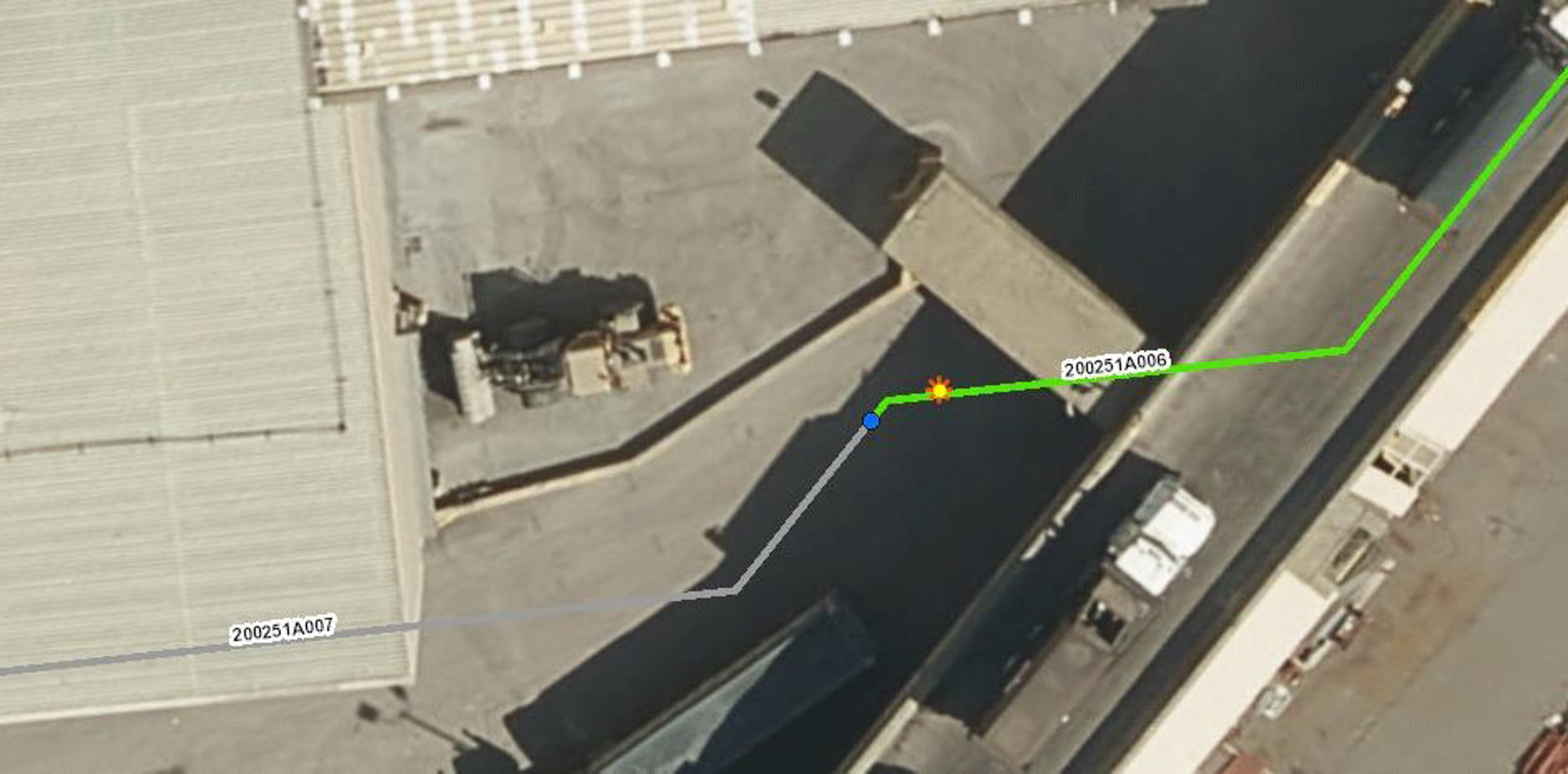
The practical effect? Any property currently undergoing cleanup: or undertaking future cleanup activities: must now investigate for these contaminants and remediate them to levels below applicable standards. That includes sites that previously received remediation certifications but lack a No Further Action (NFA) letter.
The February 2026 Deadline You Can't Miss
There's a critical compliance deadline that caught many property owners off guard: February 4, 2026 is the cutoff for submitting remedial action work plans or reports to maintain reliance on previous standards during the six-month phase-in period.
If your site is mid-remediation and you haven't submitted updated documentation by this date, you lose the ability to operate under the transitional framework. That means immediate compliance with the stricter 2026 standards: and potentially significant additional investigation and remediation costs.
"The properties most at risk are the ones where PFAS was never part of the original investigation scope. We're seeing deals stall because what looked like a clean site now requires additional assessment."
This isn't hypothetical. We're working with clients right now who are scrambling to meet this deadline. If you're in the middle of a transaction or remediation project, this date should be circled in red on your calendar.
How PFAS Standards Are Affecting Property Valuations
Here's where the regulatory meets the financial. PFAS contamination: or even the suspicion of it: is now a material factor in property valuations across New Jersey.
Increased Due Diligence Costs
Phase I Environmental Site Assessments have always flagged potential PFAS concerns based on historical use (think fire training areas, manufacturing facilities, airports, and industrial sites). But now, the threshold for triggering a Phase II investigation is lower. Lenders and buyers are more cautious, and the cost of that caution gets built into deal economics.
Remediation Cost Uncertainty
Unlike petroleum or chlorinated solvents, PFAS remediation is still an evolving science. Treatment technologies exist: granular activated carbon, ion exchange, high-temperature incineration: but costs can vary dramatically based on soil type, contamination depth, and volume.
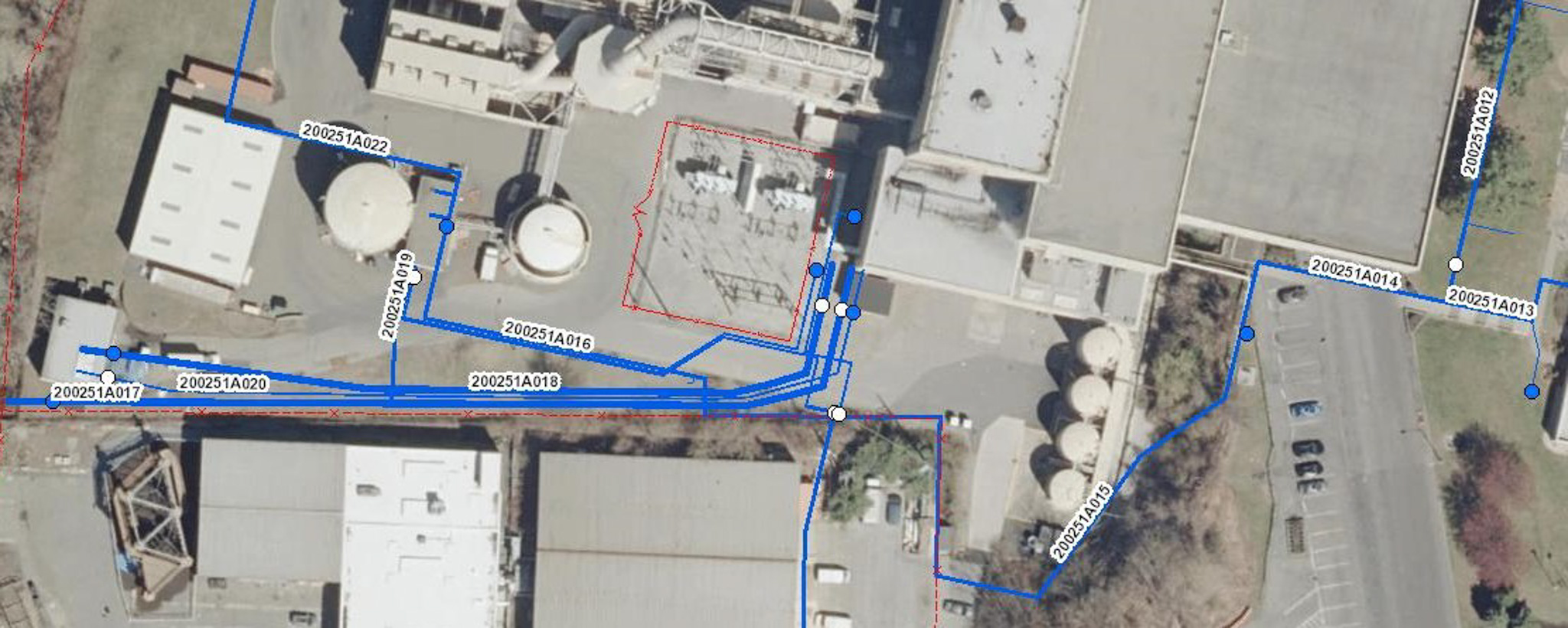
When buyers or appraisers can't confidently estimate cleanup costs, they discount aggressively. We've seen properties lose 10-25% of their anticipated value when PFAS is identified without a clear remediation pathway.
Expanded Scope for Previously Cleared Sites
Perhaps the most frustrating scenario for property owners: sites that received remediation certifications years ago: but without an NFA letter: are now potentially back in play. NJDEP's expanded enforcement means these properties may require additional PFAS-specific investigation, even if they were considered "closed" under prior standards.
This creates unexpected liability for sellers and complicates title transfer for buyers.
Which Properties Face the Highest Risk?
Not every property in New Jersey carries equal PFAS risk. Based on our experience working with clients across the NY/NJ metro area, these property types warrant the closest scrutiny:
- Former industrial sites with historical manufacturing operations
- Properties near airports or military installations
- Sites with fire training areas or heavy equipment maintenance facilities
- Landfills and waste handling facilities
- Properties with legacy underground storage tanks that may have used PFAS-containing firefighting foam
- Dry cleaners and metal finishing operations (secondary exposure pathways)
If your acquisition target falls into any of these categories, PFAS should be explicitly addressed in your environmental assessment scope: not left as a potential surprise during due diligence.
What Smart Developers Are Doing Right Now
The developers who are navigating this successfully aren't waiting for problems to surface. They're taking proactive steps to manage PFAS risk before it derails timelines or valuations.
1. Expanding Phase I Scope
Standard ASTM Phase I protocols don't require PFAS-specific investigation. But adding a PFAS historical use screening to your Phase I: even as a supplemental assessment: gives you early warning without the cost of full soil and groundwater sampling.
2. Building PFAS Contingencies into Purchase Agreements
We're seeing more sophisticated buyers include PFAS-specific indemnification language and remediation cost caps in their purchase agreements. If you're not doing this already, you're leaving yourself exposed.
3. Engaging Regulators Early
For complex sites, early coordination with NJDEP can prevent costly surprises later. Understanding which standards apply, what investigation scope is expected, and whether your site qualifies for any regulatory flexibility can save months of back-and-forth.
4. Integrating Remediation with Site Development
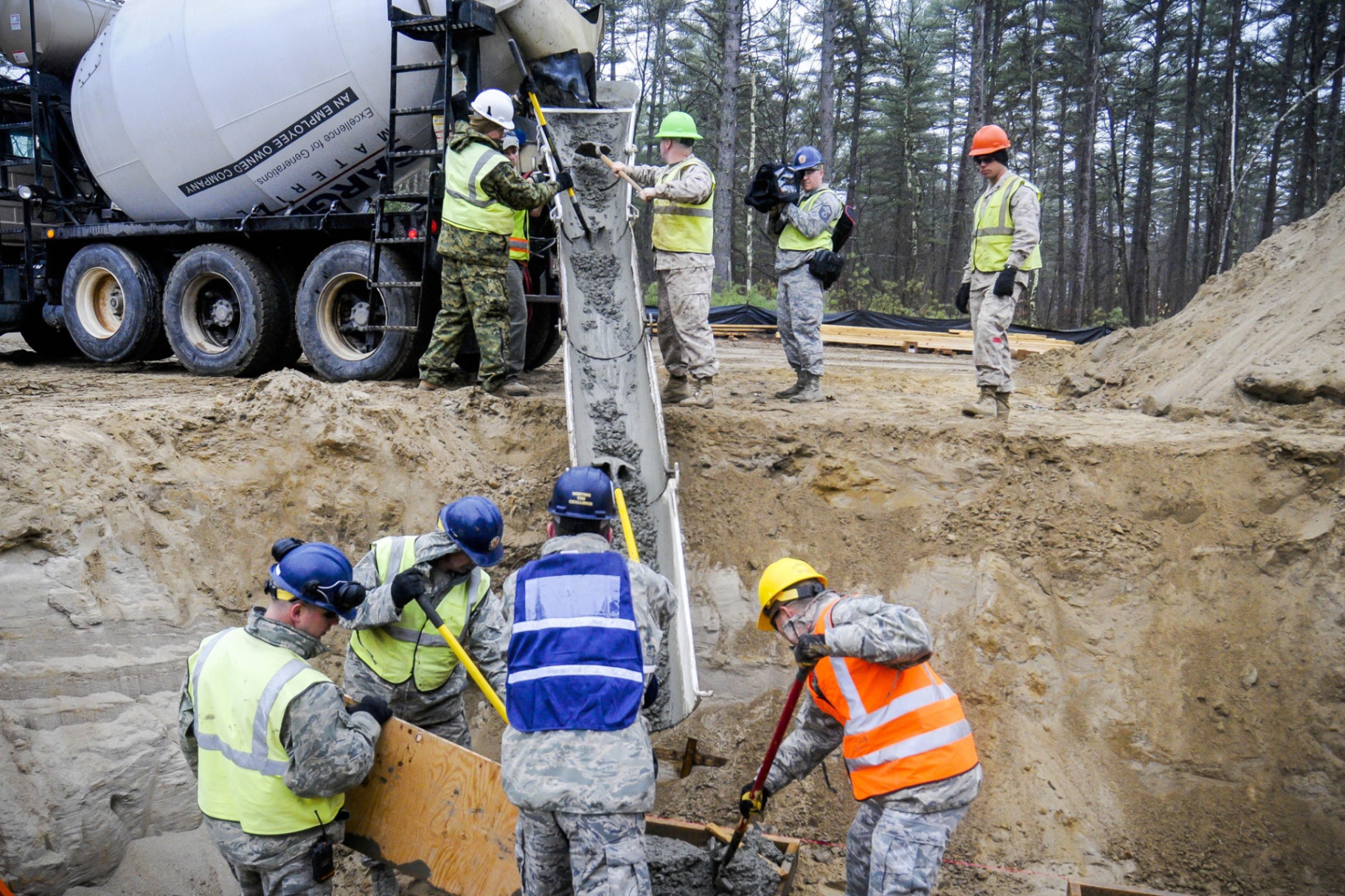
Here's where an integrated approach pays dividends. When your environmental consultant and civil engineer are working together from day one, you can often sequence remediation activities with site work: excavation, grading, utility installation: to reduce overall project cost and timeline.
This is exactly the kind of value engineering that separates projects that close on schedule from those that languish in regulatory limbo.
The Bottom Line for New Jersey Property Transactions
PFAS isn't going away. The regulatory framework will only get stricter, the list of regulated compounds will expand, and enforcement will intensify. New Jersey is leading this charge nationally, which means what's happening here will likely become the template for other states.
For property owners and developers, this creates both risk and opportunity. The risk is obvious: unexpected contamination, remediation costs, and deal delays. The opportunity? Properties that others overlook due to perceived PFAS risk may be undervalued: if you have the expertise to accurately assess and manage that risk.
Key Takeaways
- January 8, 2026: New legislation bans PFAS-containing firefighting foams in New Jersey
- February 4, 2026: Deadline to submit remedial action work plans under transitional standards
- Soil standards: NJDEP has set limits for PFNA, PFOA, PFOS, and GenX ranging from 0.047 to 3.9 mg/kg
- Valuation impact: Properties with PFAS uncertainty are seeing 10-25% value discounts
- Previously cleared sites: Properties without NFA letters may require new PFAS investigation
The firms that thrive in this environment are the ones that understand both the technical requirements and the business implications. At Envicon, we help clients navigate exactly this intersection: turning regulatory complexity into actionable strategy.
If you're evaluating a New Jersey property and need clarity on PFAS exposure, our team can help you understand your risk and chart a path forward. Because in this market, what you don't know absolutely can hurt you.