Blog

  • How to Remove an NYC E-Designation: The Developer’s Blueprint for OER Cleanup

    How to Remove an NYC E-Designation: The Developer’s Blueprint for OER Cleanup

    If you’re developing in New York City, you’ve likely encountered a small, lowercase "e" on a zoning map that carries massive weight. An E-Designation is a formal notice that a property has potential environmental concerns: specifically regarding hazardous materials, air quality, or noise. For a developer, that "e" stands between you and your building permit.

    At Envicon Strategic Solutions, we don’t see E-Designations as roadblocks; we see them as puzzles with a predefined solution. Navigating the Office of Environmental Remediation (OER) requires more than just technical knowledge: it requires a tactical approach. If you’re looking at an NYC OER brownfield cleanup, this is your blueprint for getting that designation removed and your project vertical.

    Understanding the "E": What You’re Up Against

    The E-Designation is a result of a CEQR (City Environmental Quality Review) during a rezoning action. It ensures that any potential environmental issues are addressed before a new development begins. You cannot bypass the OER. To get your permit from the Department of Buildings (DOB), you need a Notice to Proceed (NTP) or a Notice of No Objection (NNO) from the OER.

    There are three main types of E-Designations:

    1. Hazardous Materials: Soil, groundwater, or soil vapor contamination.
    2. Air Quality: Requirements for specific fuel types (like natural gas) or stack locations.
    3. Noise: Requirements for specific Window-Wall Attenuation and Alternate Means of Ventilation (AMV).

    Most developers find the Hazardous Materials designation the most daunting, but the process is structured. Here is how we navigate it.

    Step 1: The Investigation (Phase I and II)

    Everything starts with a Qualified Environmental Professional (QEP). You can’t self-certify this. At Envicon, we step in as your QEP to conduct a Phase I Environmental Site Assessment (ESA). If that Phase I identifies "Recognized Environmental Conditions" (RECs), we move to a Phase II, or what the OER calls a Remedial Investigation (RI).

    Before we even put a drill in the ground, we submit a Remedial Investigation Work Plan (RIWP) to the OER. They need to approve where we’re sampling and what we’re testing for. This is where "Big Box" consultants often fail: they over-sample to "be safe," costing you time and money. We focus on what’s necessary to satisfy the regulator while protecting your bottom line.
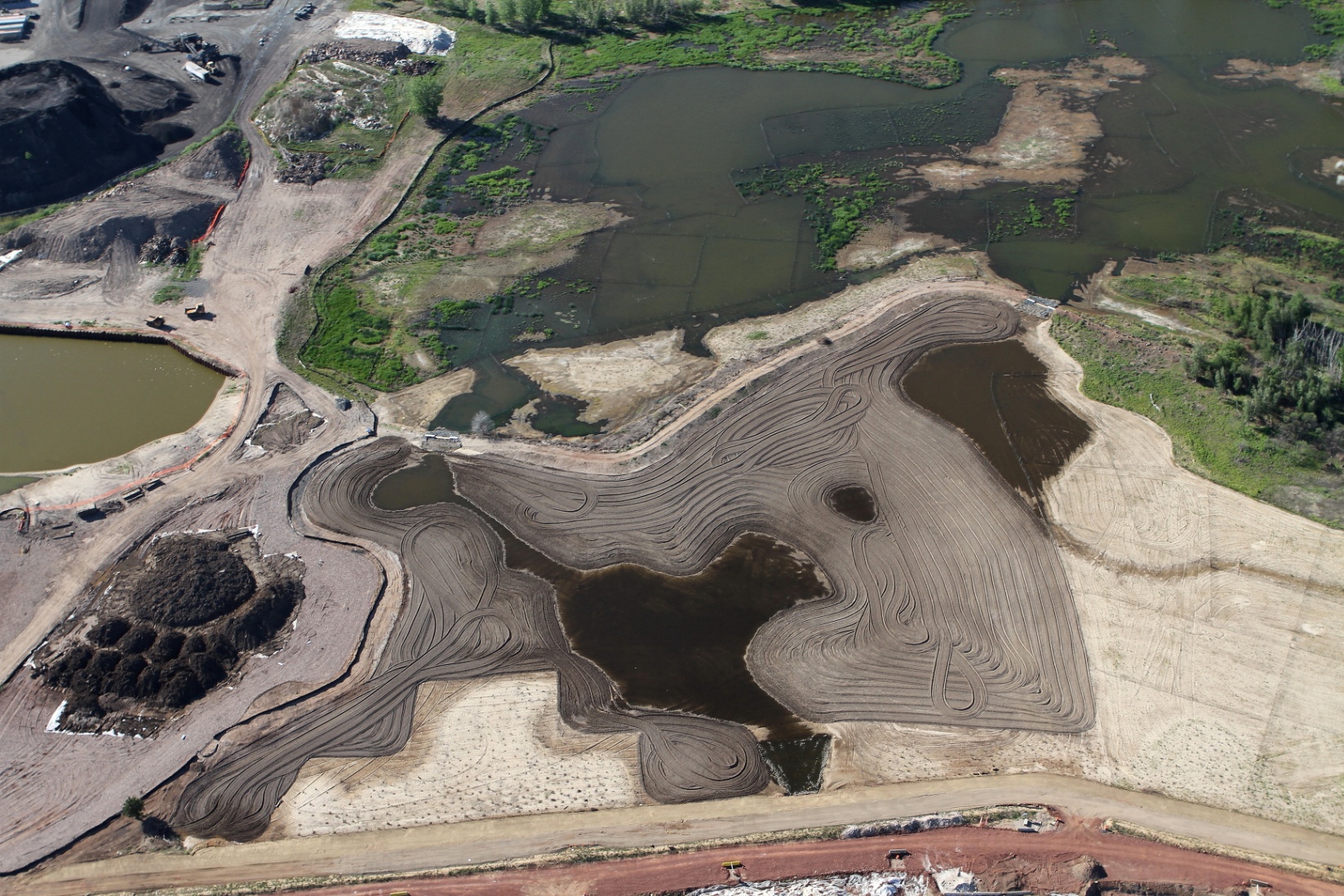
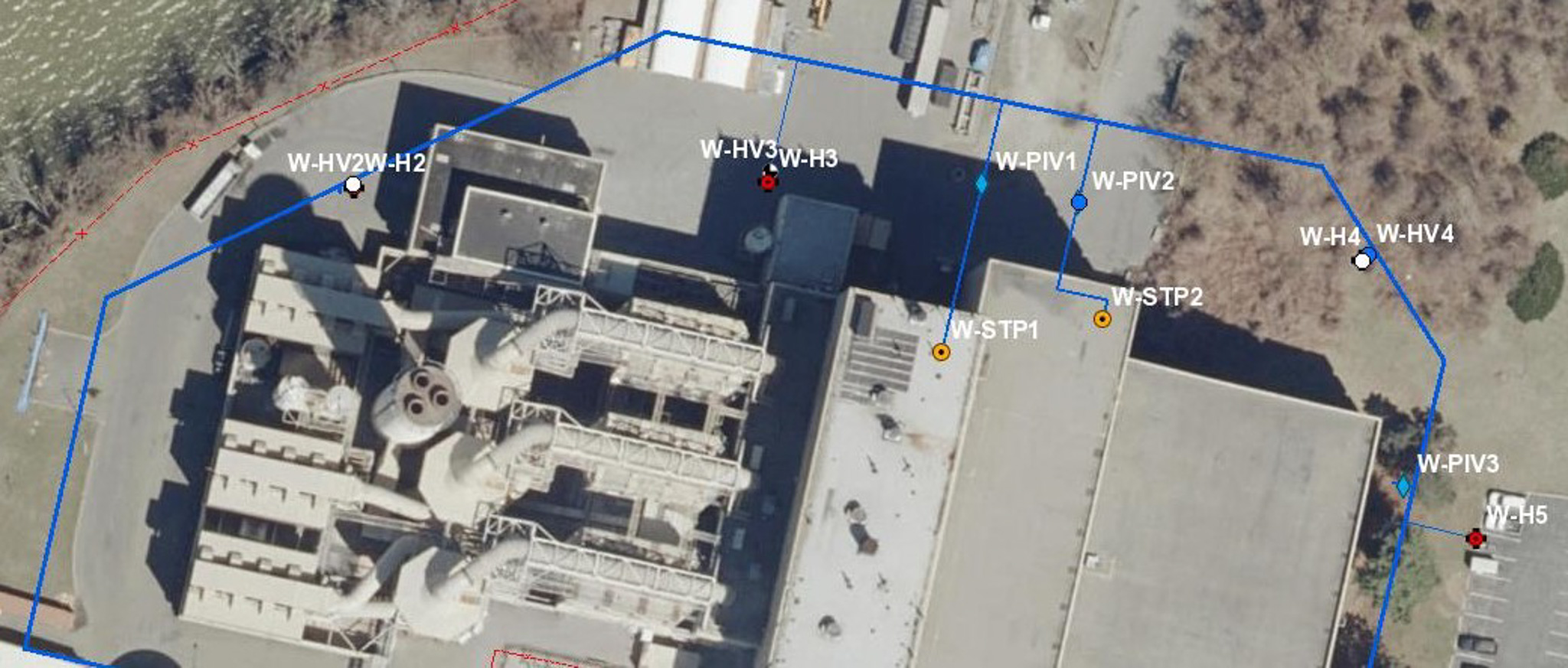
    Aerial site map overlay showing subsurface utility and pipeline routes

    Step 2: The Remedial Action Work Plan (RAWP)

    Once the investigation is complete and the OER approves the Remedial Investigation Report (RIR), we draft the Remedial Action Work Plan (RAWP). This is the "how-to" guide for your cleanup. It outlines exactly how we will handle contaminated soil, install vapor barriers, or manage groundwater.

    The RAWP is a critical document because it dictates your construction costs. If your consultant suggests a massive dig-and-dump strategy when a capping system would suffice, you’re losing money. We advocate for the most efficient remedial path that ensures safety without unnecessary waste.

    "In the world of NYC development, time isn't just money; it's the difference between a successful exit and a stalled project. Navigating the OER is about precision, not just compliance." : Jason Pancoast, CEO of Envicon Strategic Solutions.

    Step 3: Securing the Notice to Proceed (NTP)

    With the RAWP approved, the OER issues a Notice to Proceed (NTP). This is the golden ticket. You take this document to the DOB, and they can finally issue your work permits.

    Keep in mind, for projects that don't involve subsurface disturbance (like a simple interior build-out), we can often skip the heavy lifting and apply for a Notice of No Objection (NNO), which is a much faster track to your permit.
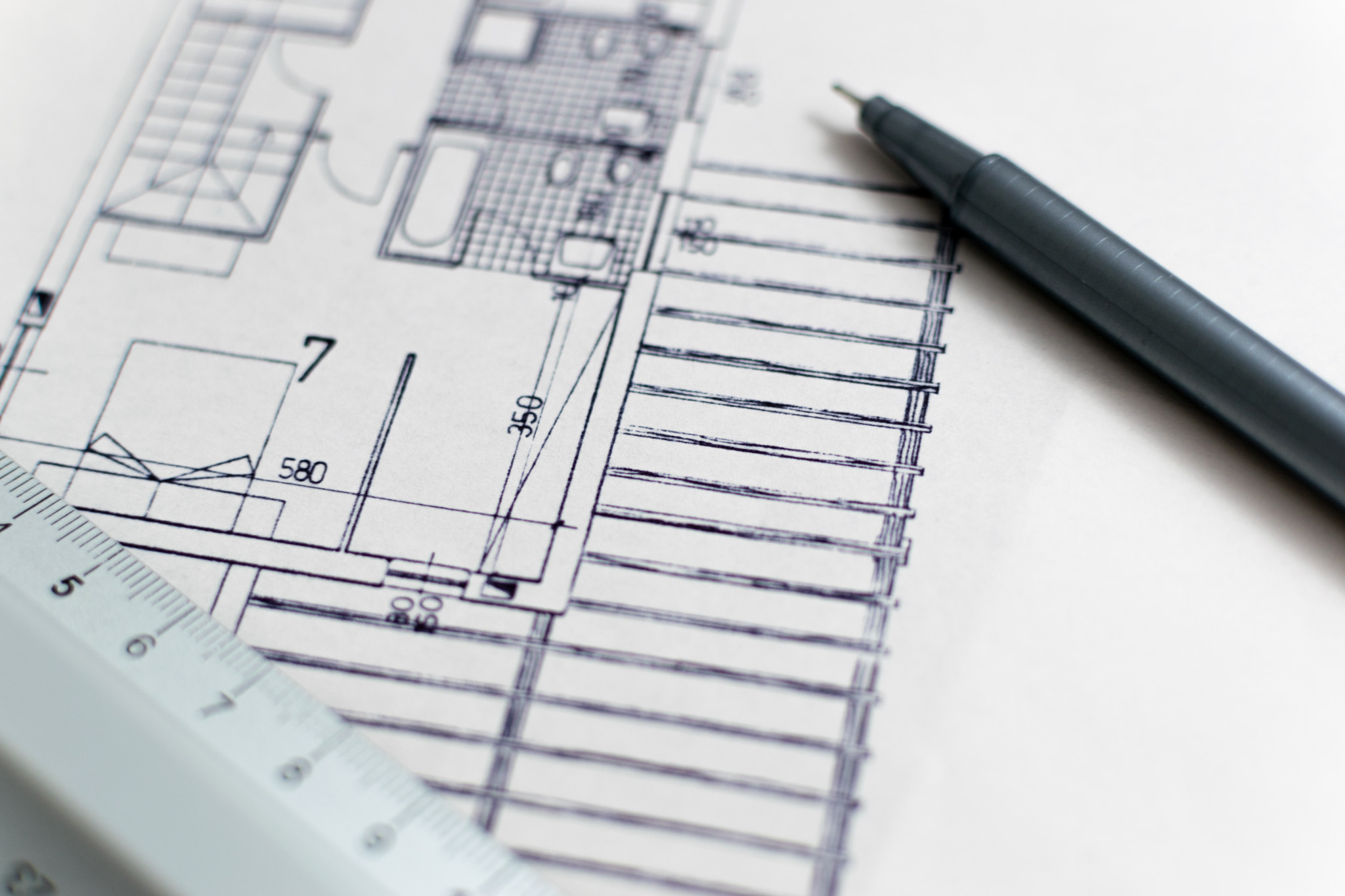
    A close-up image of a construction site plan featuring detailed architectural drawings and measurements

    Step 4: Implementation and Oversight

    This is where the rubber meets the road. During construction, a QEP must be on-site to implement the RAWP. This includes:

    • Community Air Monitoring Plan (CAMP): Ensuring no dust or vapors migrate to neighbors.
    • Soil Management: Documenting where every yard of dirt goes.
    • Vapor Barrier/Composite Cover Installation: Ensuring the engineering controls are installed exactly as planned.

    If you hit an "unexpected" tank or a pocket of contaminated soil, you need a partner who can make a call to the OER immediately, rather than waiting three days for a corporate office to review the file. We pride ourselves on that responsiveness.

    Environmental experts monitoring air quality data at a NYC construction site for OER remediation.

    Step 5: The Final Certification (RAR and NOS)

    Once the building is up and the remediation is complete, we submit a Remedial Action Report (RAR). This report is certified by both a QEP and a Professional Engineer (PE). It includes all the "as-built" drawings, disposal manifests, and monitoring data.

    According to OER guidelines, once the final report is approved, the OER issues a Notice of Satisfaction (NOS). This allows the DOB to issue your Temporary Certificate of Occupancy (TCO). Finally, the Department of City Planning (DCP) can officially remove the E-Designation from the tax lot.

    Specialized Tracks: Air Quality and Noise

    Removing Air Quality and Noise E-Designations is often more straightforward but equally rigid.

    • Air Quality: You must prove that the HVAC systems and fuel sources match the requirements set during the rezoning.
    • Noise: You must provide window/door specs and an installation report showing the required decibel attenuation was met.

    The OER typically certifies these within ten days of receiving the final installation reports, provided everything matches the initial plan.

    The Voluntary Cleanup Program (VCP) Shortcut

    If you’re dealing with a complex NYC OER brownfield cleanup, we often recommend enrolling in the NYC Voluntary Cleanup Program (VCP). The VCP offers several advantages over the standard E-Designation process:

    • Liability Protection: You get a New York City Liability Release.
    • Grants: You may be eligible for NYC Brownfield Incentive Grants (BIG) to help cover the costs of the investigation and cleanup.
    • Green Property Certification: A badge of honor that adds value to your marketing.

    Consultant and developer at a completed green property following a successful NYC brownfield cleanup.

    Why Envicon is the Strategic Choice Over "Big Box" Firms

    Most developers start with the big national firms because they think "big" means "safe." But in the nuances of NYC and NJ environmental law, "big" often means "slow."

    At Envicon Strategic Solutions, we offer a points-of-parity edge that big consultants can’t match:

    • Direct Access: You’re not talking to a junior associate; you’re talking to experts who have sat across the table from OER directors.
    • Speed to Permit: We understand that every day you wait for an NTP is a day you aren’t building. Our regulatory strategy is built for speed.
    • Local Grit: We know the NYC landscape because we live in it. We don't just provide reports; we provide solutions that get your project to the finish line.
    • Visionary Approach: We don't just see a contaminated site; we see the future high-rise, the community park, or the logistics hub that will take its place.

    Summary Checklist for Developers

    To successfully remove an NYC E-Designation, keep these steps in your playbook:

    • Hire a QEP Early: Don't wait until the DOB rejects your permit.
    • Engage the OER: Start the RIWP process before you even think about mobilizing equipment.
    • Budget for Oversight: The CAMP and soil management aren't optional; they are your legal shield.
    • Document Everything: Every manifest and every photo of a vapor barrier is a piece of the final NOS puzzle.
    • Consider the VCP: Evaluate if the BIG grants and liability releases are worth the enrollment.

    A cityscape at dusk featuring high-rise buildings under construction alongside illuminated office towers

    Removing an E-Designation isn't just about cleaning up soil; it's about cleaning up the title of your property so you can realize its full value. Whether you’re an architect, a lawyer, or a developer, we are here to handle the "e" so you can focus on the build.

    Ready to clear your site? Explore our Remediation Services or check out our Project Gallery to see how we’ve cleared the way for NYC’s next great developments.

    Contact Envicon Strategic Solutions today to fast-track your OER cleanup.

  • The Regulatory Cliff: Why “Wait and See” is a Default Strategy for Failure in NJ

    The Regulatory Cliff: Why “Wait and See” is a Default Strategy for Failure in NJ

    Here's the thing about New Jersey environmental compliance: it doesn't wait for you to be ready.

    We're 24 days into Governor Sherrill's 90-day regulatory freeze, and if you're a property owner still waiting to see how things shake out before taking action on that contaminated site, you've already lost time you can't get back.

    The Regulatory Freeze Nobody's Talking About

    On January 23, 2026, Executive Order No. 7 hit the brakes on all regulatory proposals and adoptions across New Jersey state agencies. For 90 days, no new rules, no adoptions, no exceptions. Sounds like a breather, right?

    Wrong.

    What it actually created is a bottleneck where NJDEP can't clarify guidance, LSRPs can't get official rulings on edge cases, and property owners can't get the regulatory certainty they need to move forward: yet all your existing compliance deadlines are still marching forward like nothing changed.

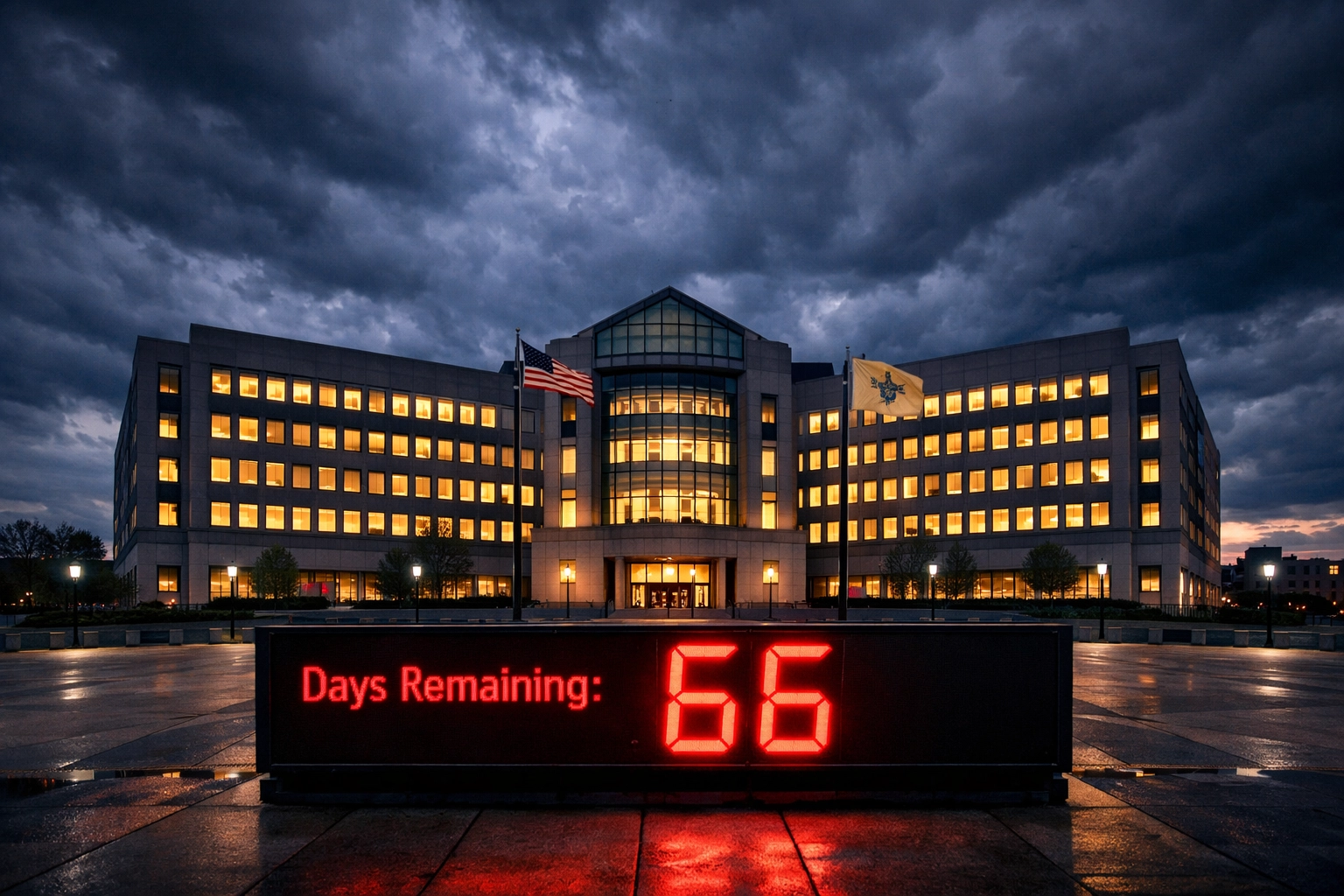
    NJ government building at dusk with countdown timer showing regulatory compliance deadline pressure

    By February 2 (two weeks ago), agencies were supposed to flag rules whose non-adoption would threaten public health or essential operations. That window closed. If your specific environmental compliance issue didn't make that cut, you're operating in a regulatory fog until late April: while the clock on your remediation obligations, your lender's due diligence timeline, and your buyer's environmental contingencies keeps ticking.

    Why "Wait and See" is Actually "Wait and Lose"

    The traditional New Jersey property owner playbook has always included some version of "let's see what NJDEP does" or "we'll wait until the LSRP guidance gets clearer." In a normal regulatory environment, that's cautious. In the current freeze? It's self-sabotage.

    Here's what we're seeing in real time:

    The Pre-Transaction Panic: You're under contract, 60-day due diligence clock running. Your Phase II ESA flags soil contamination that needs NJDEP classification interpretation. Normally, your LSRP could seek informal guidance. Not now. You're making judgment calls with no regulatory backup and your buyer's attorney is already circling.

    The Remediation Standstill: Your Remedial Action Workplan needed a Technical Rule waiver. You filed in January. It's sitting in limbo because NJDEP can't issue new approvals during the freeze. Your contractor's schedule is booked into Q3. Do you mobilize on an unapproved plan or lose your place in line?

    The Financing Freeze-Out: Your lender wants a No Further Action letter before closing. Your LSRP can complete the remediation, but certain NJDEP sign-offs that would normally take 45 days are now question marks. Your construction loan rate lock expires in 60 days.

    The math is brutal: 90-day freeze + normal NJDEP processing times = projects that could be 4-6 months behind schedule, even if you act today.

    The LSRP Paradox

    New Jersey's Licensed Site Remediation Professional program was supposed to streamline this exact situation. LSRPs have authority to make technical determinations without NJDEP approval for most cases. That's true: when the regulations are crystal clear.

    But here's what the freeze exposed: a shocking number of property remediation decisions still rely on interpretive guidance, policy memos, and informal NJDEP consultations that aren't happening right now.

    Your LSRP can still work. They can still file documents, conduct investigations, and oversee remediation. What they can't do is get real-time regulatory clarification when your site hits one of the dozens of gray areas in New Jersey's environmental compliance maze.

    Environmental professionals and LSRP team reviewing contaminated site maps for NJ property remediation

    And if you're waiting to hire an LSRP until "things clear up"? You're compounding the problem. By the time the freeze lifts in late April, every property owner who delayed will be flooding the market with RFPs. Good luck getting a qualified LSRP to prioritize your project when they're already booked through summer.

    What April 23 Won't Solve

    Let's say you make it to April 23 when the regulatory freeze theoretically ends. You breathe a sigh of relief. NJDEP can process things again. Clarity returns.

    Except it doesn't work that way.

    State agencies don't flip a switch and return to normal operations. There's the backlog of everything that got frozen. There are all the clarifications and rulings that piled up during the pause. There's the avalanche of submissions from everyone who waited.

    We're looking at May, June, maybe July before NJDEP processing times return to "normal" (which, let's be honest, was never fast to begin with). For property owners operating on transaction timelines measured in weeks, not quarters, that's the difference between a deal that closes and one that dies in due diligence.

    The Strategic Response: Act in the Dark

    Here's the counterintuitive move: this is actually the time to accelerate, not pause.

    Get your Phase I and Phase II done now. Even if NJDEP guidance is frozen, environmental conditions aren't. Contamination doesn't pause for government moratoriums. The sooner you know what you're dealing with, the sooner you can plan around it.

    Lock in your LSRP relationship immediately. The good ones are taking new clients right now because smart property owners already retained them. By May, you'll be competing with everyone who waited.

    Develop parallel compliance paths. Can't get a Technical Rule waiver approval? Have your LSRP prepare a compliant alternative approach that doesn't require one. Can't get NJDEP to weigh in on a soil classification question? Use the most conservative interpretation and price that risk into your deal structure.

    Document everything obsessively. When regulatory clarity is limited, your paper trail becomes your insurance policy. Detailed Phase I ESAs, comprehensive Phase II workplans, thorough remediation documentation: these become your evidence that you acted reasonably when formal guidance wasn't available.

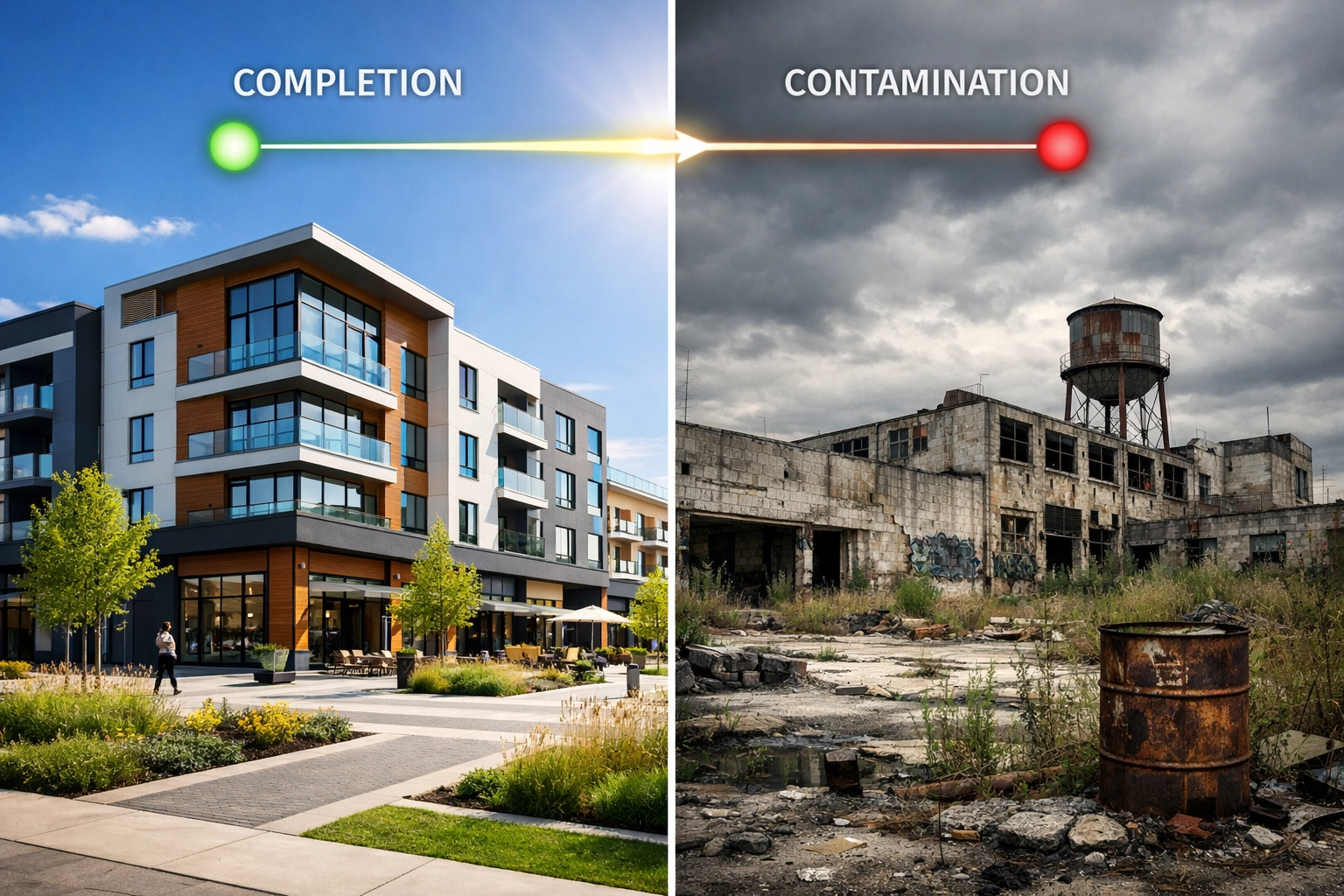
    Before and after NJ brownfield transformation from contaminated industrial site to modern development

    The property owners who are winning right now aren't the ones with regulatory certainty. They're the ones who built enough redundancy and documentation into their process that they can move forward without it.

    The Hidden Opportunity

    Here's what nobody's saying out loud: regulatory freezes create opportunity for sophisticated players.

    While your competition sits on the sidelines waiting for clarity, you're locking in contractor pricing (before the spring rush), you're securing LSRP availability (before the May stampede), and you're getting ahead on due diligence (while sellers are still motivated).

    Properties with environmental complications are actually trading at a discount right now because sellers know buyers are skittish about compliance uncertainty. If you've got the expertise and relationships to navigate environmental compliance in the dark, you're buying assets below market with problems you know how to solve.

    We're working with clients right now who are using this exact window to acquire contaminated properties they couldn't have won in a competitive bidding process six months ago. The environmental issues haven't changed. The regulatory framework hasn't changed. What changed is everyone else's willingness to move forward without perfect information.

    The April Reckoning

    By mid-April, we'll see who played this right.

    The property owners who waited will be scrambling: trying to find available LSRPs, dealing with contractors who are now booked solid, explaining to lenders why their environmental due diligence is 90 days behind schedule.

    The ones who moved forward will be closing transactions, breaking ground on remediated sites, and positioning their next acquisitions while the market is still adjusting.

    The Bottom Line

    New Jersey environmental compliance has never rewarded hesitation, but the current regulatory freeze has made "wait and see" an actively destructive strategy.

    Your site conditions won't improve while you wait for regulatory clarity. Your transaction timelines won't pause for NJDEP to catch up. Your competitors who are willing to operate with less-than-perfect information are already moving.

    The regulatory cliff isn't something that happens in the future. It's happening right now. Every day you wait for conditions to improve is a day you're falling further behind the property owners who decided to act anyway.

    Want to talk about how to navigate NJDEP compliance during regulatory uncertainty? That's literally what we do. Reach out and let's map out a strategy that doesn't require you to wait for the government to get its act together.

    Because in New Jersey, if you're waiting for perfect regulatory conditions to take action, you're not being cautious( you're being reckless.)


    Envicon Strategic Solutions
    Comprehensive site-civil, geotechnical, and environmental engineering & consulting in NY/NJ
    www.envicongroup.com
    Envicon Strategic Solutions logo
  • The 30-Minute Environmental Red Flag Check: What to Look for Before You Even Call an Engineer

    The 30-Minute Environmental Red Flag Check: What to Look for Before You Even Call an Engineer

    You're standing in front of a property that looks like a slam-dunk investment. The numbers work, the location is solid, and your acquisition team is ready to move. But here's the thing: you haven't spent 30 minutes asking yourself the one question that could save you six figures in remediation costs: What environmental surprises are hiding in plain sight?

    Most investors wait until they're deep into due diligence before bringing in environmental engineers. By then, they've already burned time and legal fees on a deal that might have massive subsurface contamination issues. The smarter play? Learn to spot the red flags yourself during your initial walkthrough.

    This isn't about replacing professional Phase I Environmental Site Assessments: those are non-negotiable for any commercial property transaction. This is about arming yourself with the knowledge to walk away early from bad deals or negotiate aggressively when you see warning signs. Think of it as your environmental triage checklist before you bring in the specialists.

    The Exterior Walk: What Your Eyes Should Catch

    Start outside. Seriously. Some of the biggest environmental liabilities announce themselves before you ever unlock the front door.

    Stained Concrete and Soil Discoloration
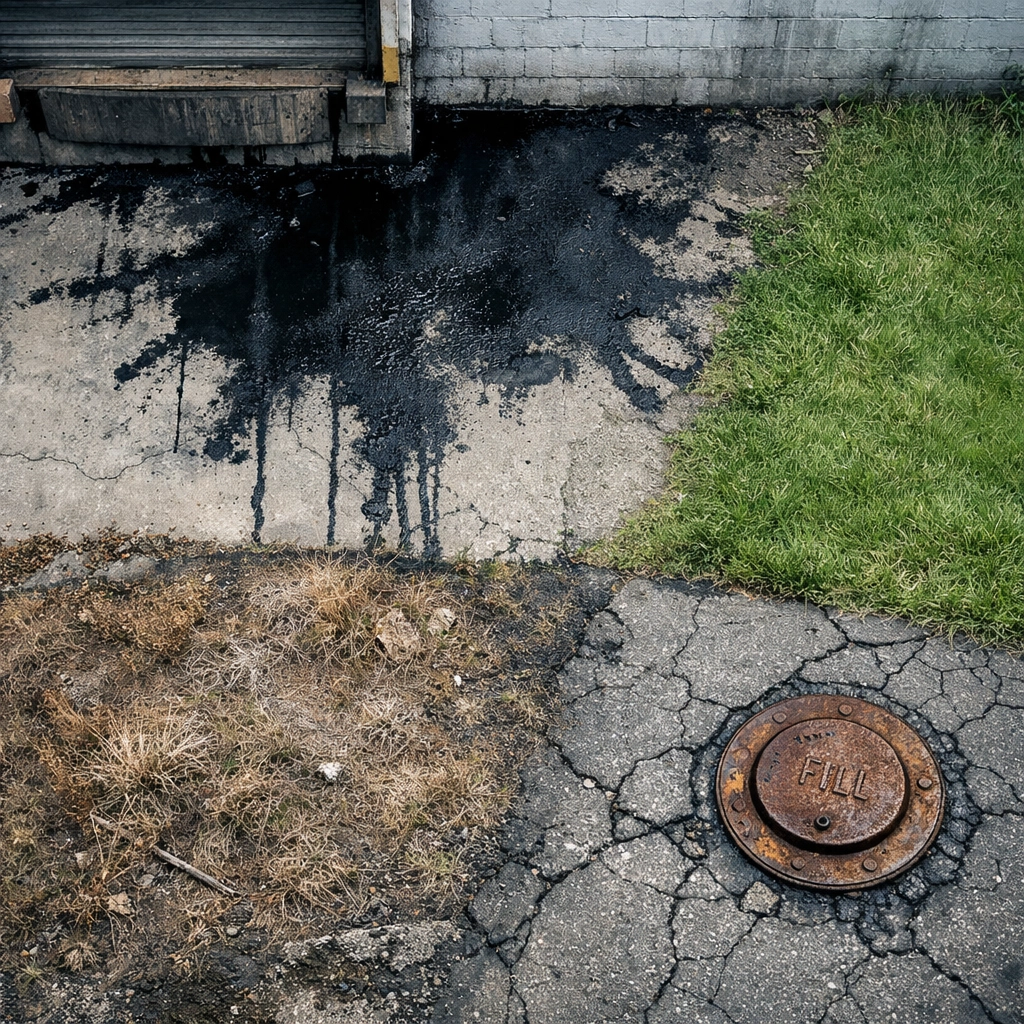
    If you see black staining on concrete pads, loading docks, or parking areas, stop and take note. That's not just weathering: it could be decades of oil, solvents, or other petroleum products seeping into the ground. Same goes for odd patches where vegetation won't grow or soil that looks darker or oily compared to surrounding areas. These are textbook indicators of potential soil contamination that'll show up on a Phase II investigation.

    Underground Storage Tanks (USTs) or Fill Ports
    Look for circular metal caps embedded in concrete, especially near older buildings. Those are fill ports for underground storage tanks. Even if the tank was "properly removed," you'll want documentation proving closure was done to current standards. We've seen too many deals where a "closed" UST from the 1980s still has residual contamination requiring costly remediation.

    Vent Pipes and Strange Protrusions
    See random pipes sticking out of the ground? They could be monitoring wells from previous environmental investigations, vapor mitigation systems, or vents from underground tanks. Each one tells a story: and not always a good one. Take photos and GPS coordinates. Your environmental consultant will want to know about every single one.

    Industrial property showing oil stains on concrete and soil contamination from underground storage tank

    Drainage Patterns and Stormwater Management
    Watch where water flows. Are there catch basins that look rusty or stained? Does runoff seem to collect in certain areas? Properties with poor stormwater management often have sediment accumulation contaminated with heavy metals, PAHs, or other nasties that wash off buildings and parking lots over decades.

    The Historical Deep Dive (From Your Laptop)

    Before you ever schedule that site visit, spend 20 minutes doing digital reconnaissance. Here's what savvy investors check:

    Sanborn Fire Insurance Maps
    These historical maps from the late 1800s through the 1960s show exactly what industrial operations existed on your property and neighboring parcels. Was your potential office building once a dry cleaner? A gas station? A machine shop? Each of those uses carries specific contamination risks. You can access these through local libraries, historical societies, or online databases.

    NJDEP Site Remediation Program & Known Contaminated Sites List
    In New Jersey, the NJDEP maintains a database of known contaminated sites and properties enrolled in remediation programs. A five-minute search can tell you if your property: or the one next door: has a documented contamination case. Properties near contaminated sites can face vapor intrusion issues even if they were never the source.

    Aerial Photography Timeline
    Google Earth's historical imagery tool is your friend. Scroll back through decades of aerial photos. You're looking for changes in land use, demolished structures, former drum storage areas, or evidence of dumping. We once had a client discover through aerial photos that their "clean" industrial site had been used for outdoor chemical storage in the 1970s: something the seller conveniently forgot to mention.

    Indoor Red Flags: The Walkthrough Essentials

    Once you're inside, your environmental radar should stay on high alert. Here's what to look for:

    Floor Drains and Sumps
    Every floor drain is a potential pathway to groundwater contamination. In older industrial facilities, these drains often connected directly to soil without any treatment or separation. Look for staining around drains, unusual odors, or evidence that chemicals were regularly washed down. If you see a sump pump, ask where it discharges: if it's pumping contaminated water to the surface, you've got a problem.

    Stained Walls and Ceilings
    Water stains aren't just a structural issue: they can indicate roof leaks that have been leaching contaminants from roofing materials or HVAC systems. In facilities that handled chemicals, wall staining below old piping or near former storage areas often signals absorption of contaminants into porous materials like concrete block.

    Industrial building floor drains with water stains indicating potential environmental contamination

    Abandoned Equipment and Chemical Residue
    Old drum storage areas, abandoned process equipment, or chemical staining on floors are massive red flags. Even if the operations ceased years ago, residual contamination in building materials often requires costly abatement during renovation. We've seen developers discover that their "quick flip" warehouse renovation required $200K in concrete removal and disposal due to decades-old chemical spills.

    Asbestos and Lead Paint Indicators
    Any building constructed before 1980 likely contains asbestos in floor tiles, pipe insulation, or ceiling materials. Pre-1978 buildings almost certainly have lead paint. While these are regulated building materials rather than soil contamination, they add significant cost and complexity to demolition or renovation. Budget $15-40 per square foot for proper abatement depending on severity.

    The Neighborhood Context Matters

    Your property doesn't exist in isolation. Understanding the surrounding area's environmental history is crucial for assessing vapor intrusion risks and potential off-site contamination migration.

    Dry Cleaners Within 500 Feet
    Dry cleaning operations historically used perchloroethylene (PCE), a dense solvent that sinks through soil and spreads through groundwater. If there's been a dry cleaner within 500 feet of your property: current or historical: you need to evaluate vapor intrusion risk. PCE vapors can migrate significant distances and accumulate in building basements, creating indoor air quality issues requiring expensive mitigation systems.

    Gas Stations and Auto Repair Shops
    Similarly, gas stations and auto repair facilities are notorious for leaking underground storage tanks and soil contamination from petroleum products, antifreeze, and solvents. Check for these operations upgradient of your property (following the natural groundwater flow direction, typically toward lower elevations or nearby water bodies).

    Former Industrial Corridors
    Many of today's hot redevelopment areas were yesterday's industrial zones. Railroad corridors, warehouse districts, and waterfront properties often have a legacy of manufacturing, coal storage, and waste disposal. These areas might look trendy now, but they often carry significant environmental baggage requiring Brownfield remediation or participation in state voluntary cleanup programs.

    When to Call in the Engineers

    Here's the truth: this 30-minute check isn't a substitute for professional environmental due diligence. What it does is help you make smarter decisions about which properties deserve that investment of time and money.

    If you spot multiple red flags, don't walk away immediately: but do factor in realistic remediation costs before you submit your offer. More importantly, engage environmental professionals early in your due diligence period, not at the end when you've already spent money on surveys, legal work, and preliminary architectural plans.

    At Envicon Strategic Solutions, we've guided hundreds of developers and investors through this process. Our integrated civil and environmental engineering approach means we're not just identifying problems: we're designing practical, cost-effective solutions that keep your project moving forward. Because in the New York and New Jersey markets, every property has a story. The question is whether you'll pay to hear it before or after you own it.

    The Bottom Line

    Smart investors don't fear environmental issues: they price them correctly. A 30-minute red flag check gives you the situational awareness to negotiate from a position of knowledge rather than ignorance. You'll know when to bring in the engineers for a Phase I ESA, when to demand environmental reps and warranties from sellers, and when to simply walk away from a deal that's more liability than opportunity.

    The properties that scare off amateur investors often become the best deals for those who understand how to de-risk them. But that starts with knowing what to look for: before you even pick up the phone to call an engineer.

  • Clean Sites are Overrated: Why the Biggest ROI is Hiding in NJ’s Brownfields

    Clean Sites are Overrated: Why the Biggest ROI is Hiding in NJ’s Brownfields

    Let's get one thing straight: that pristine, "never been touched" greenfield site you're eyeing? It's probably going to make you less money than the old industrial property across town with a petroleum tank farm in its past life.

    I know what you're thinking. "Jason, have you lost your mind? Why would I deliberately take on a contaminated site when I can just buy clean?"

    Because the market has already priced in that safety premium, that's why. And while everyone else is fighting over the same clean parcels, driving up land costs and shrinking margins, the real pros are quietly printing money on New Jersey's brownfields.

    The "Clean Site" Premium is Killing Your Returns

    Here's the uncomfortable truth: clean sites in prime NJ locations are trading at a premium that's often disconnected from their actual development value. You're paying for perceived safety, not for superior economics.

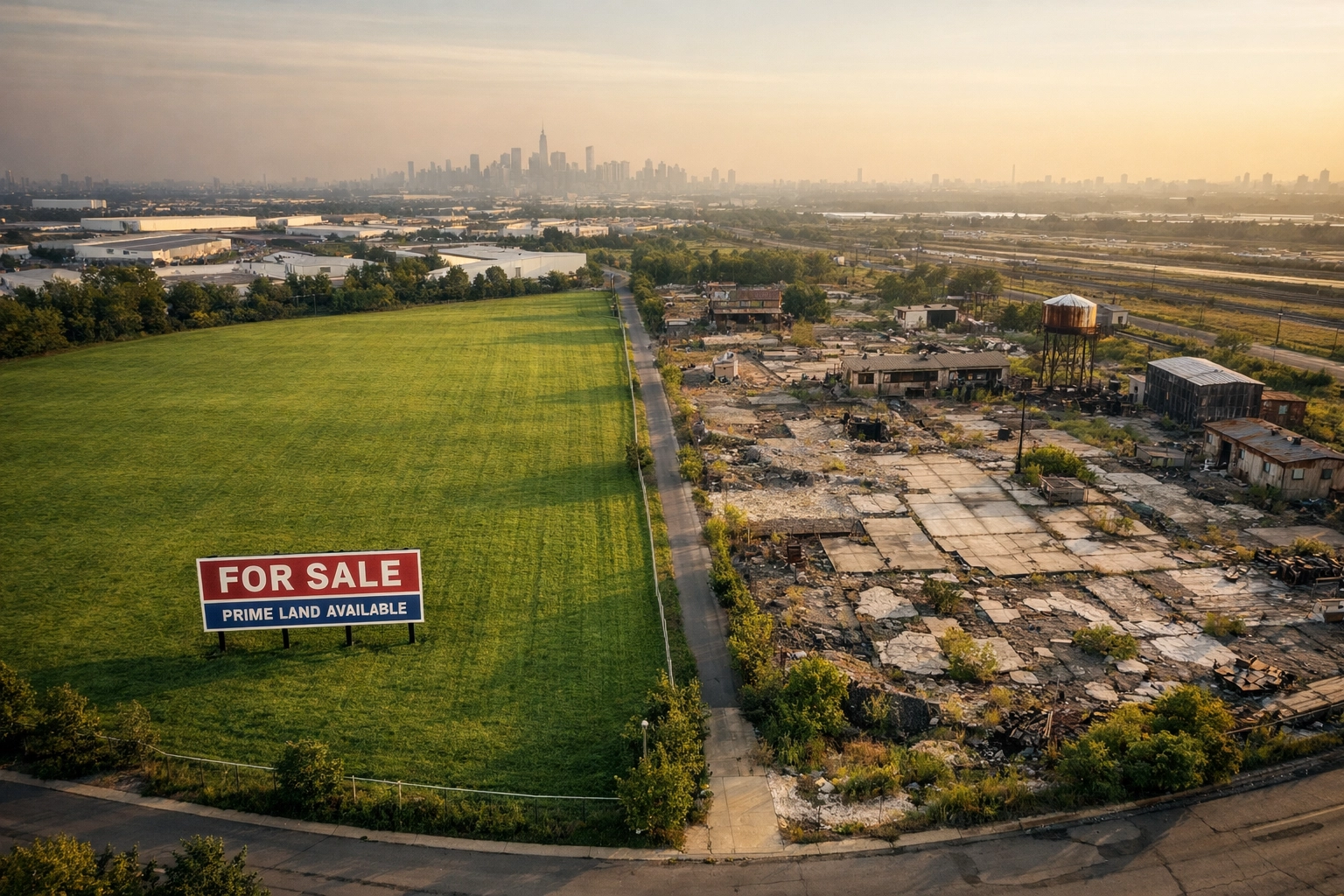
    Meanwhile, brownfield properties: especially in target markets like Hudson County, Newark, and the I-287 corridor: are trading at 30-50% discounts to comparable clean land. That discount alone can fund your entire environmental remediation and still leave you with better land basis than your competitors.

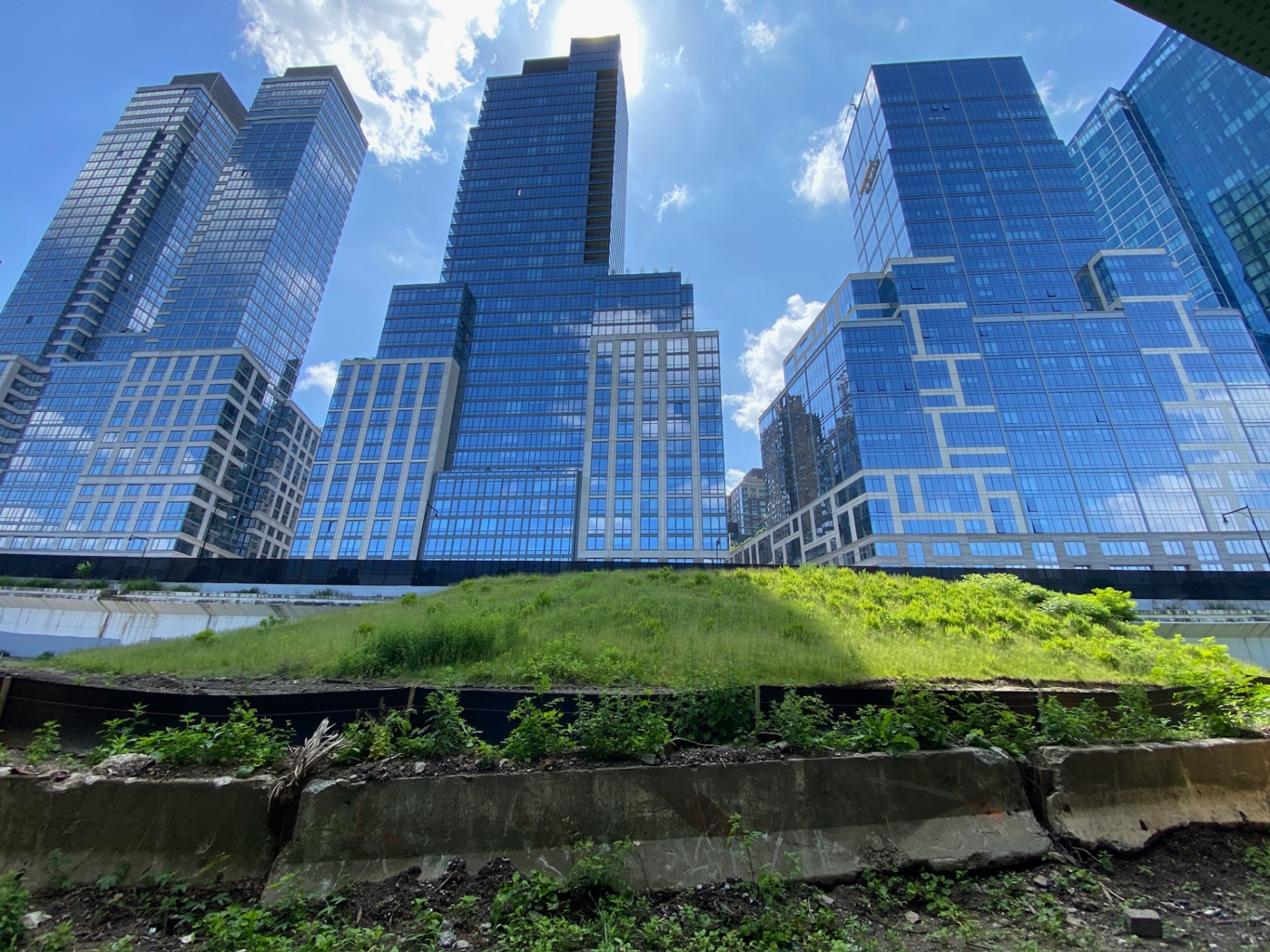
    Aerial comparison of clean greenfield lot versus brownfield industrial site in New Jersey

    The math is simple. If a clean site costs $100 per buildable square foot and a brownfield costs $60 per buildable square foot, you'd need to spend more than $40 per square foot on environmental work just to break even. In reality, most brownfield remediation costs run $10-25 per square foot for typical petroleum contamination scenarios.

    That's not a marginal advantage. That's a game-changer.

    New Jersey Wrote You a Check (and Most Developers Haven't Cashed It)

    Here's where it gets really interesting. The State of New Jersey has essentially subsidized brownfield redevelopment to the point where not pursuing these projects is leaving money on the table.

    The Brownfields Redevelopment Incentive Program offers 50-80% tax credits on remediation costs. Let me repeat that: the state will reimburse you for up to 80% of your cleanup expenses.

    For projects in Government-Restricted Municipalities or Qualified Incentive Tracts, you're looking at:

    • 80% tax credits on remediation costs
    • Up to $12 million in credits per project
    • Transferable credits (meaning you can sell them for 75-85% of face value if you need liquidity)

    For projects elsewhere in New Jersey:

    • 60% tax credits on remediation costs
    • Up to $8 million in credits per project

    Active Urban Construction Site

    Let's run a real-world scenario. You acquire a 2-acre former industrial site in Jersey City for $3 million. Phase II ESA reveals petroleum contamination requiring $1.5 million in remediation. Here's your actual cost structure:

    Without Incentives (Your Competitor on the Clean Site):

    • Land: $5 million (clean site premium)
    • Environmental: $0
    • Total Basis: $5 million

    With Brownfield Strategy:

    • Land: $3 million
    • Remediation: $1.5 million
    • Tax Credit (80%): -$1.2 million
    • Total Basis: $3.3 million

    You're now $1.7 million ahead before you've even broken ground. That's real money that flows directly to your bottom line or gives you pricing flexibility your competitors don't have.

    The Financing Stack Nobody Talks About

    Beyond tax credits, New Jersey offers a financing ecosystem specifically designed to de-risk brownfield projects:

    Brownfield Loan Program: Low-interest financing at 3% base rate with 10-year terms. Try getting that from your commercial lender on a clean site.

    Brownfields Impact Fund: Targets the funding gap during remediation: the period when most conventional financing won't touch you because you're "between" acquisition and construction.

    Brownfield Development Area Program: Up to $4 million in direct state funding for properties within designated areas.

    The reality is that brownfield projects in New Jersey have better access to capital at better terms than clean sites in many cases. The state wants these projects done, and they've engineered the incentive structure to make it profitable.

    Engineers reviewing brownfield remediation plans at New Jersey redevelopment site

    The Competitive Moat You Didn't Know You Were Building

    Here's the visionary part that most developers miss: brownfield expertise is becoming a competitive advantage that's nearly impossible to replicate.

    As urban infill continues to dominate development patterns across the NY/NJ metro, the supply of truly "clean" sites is shrinking. Within 10 years, the majority of available urban land will have some environmental consideration. The developers who've been avoiding brownfields will find themselves at a structural disadvantage.

    Meanwhile, the teams that have been building institutional knowledge around contaminated site redevelopment: working with LSRPs, understanding NJDEP processes, managing remediation contractors: will have a moat around their business that's measured in speed and certainty.

    We've seen this play out dozens of times. While Developer A is still trying to figure out if they should touch a property with petroleum impacts, Developer B (who's done five brownfield projects) has already run the numbers, lined up their LSRP, and made an offer that accounts for the real risk: not the perceived risk.

    Speed wins deals. Expertise creates speed.

    Risk? Let's Talk About Actual Risk

    "But what about liability?" Every first-time brownfield developer asks this question. It's the right question. Here's the right answer:

    New Jersey's LSRP program provides a clear pathway to regulatory closure and liability protection. Once remediation is complete and you receive a Response Action Outcome or No Further Action letter, you've documented the environmental condition and protected yourself from future liability for that contamination.

    Compare that to a "clean" site where you didn't do Phase II investigation. What's your actual liability position? You have no idea what's under there. Previous owners may have generated contamination that you'll inherit upon acquisition. The environmental condition is unknown.

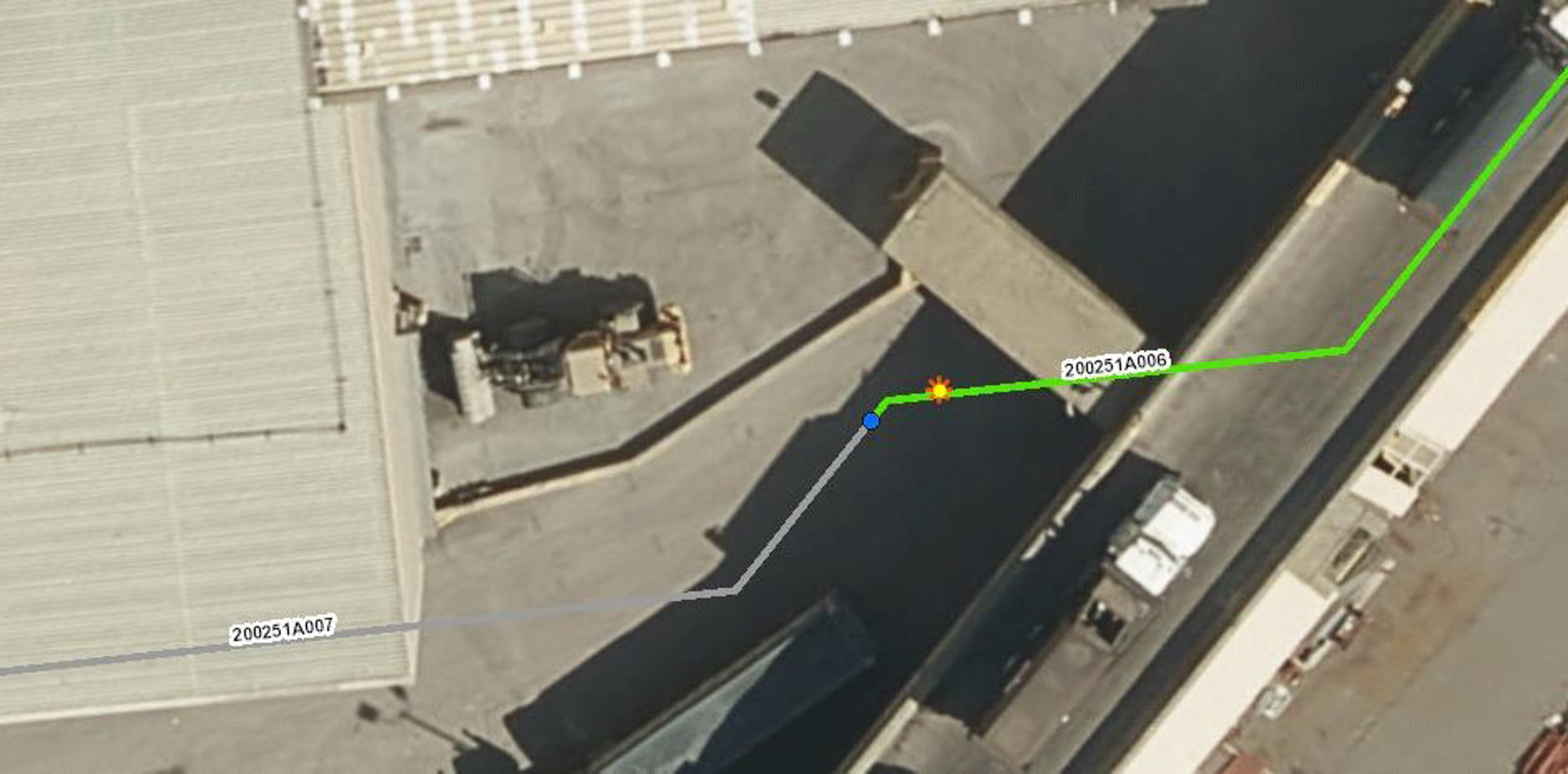
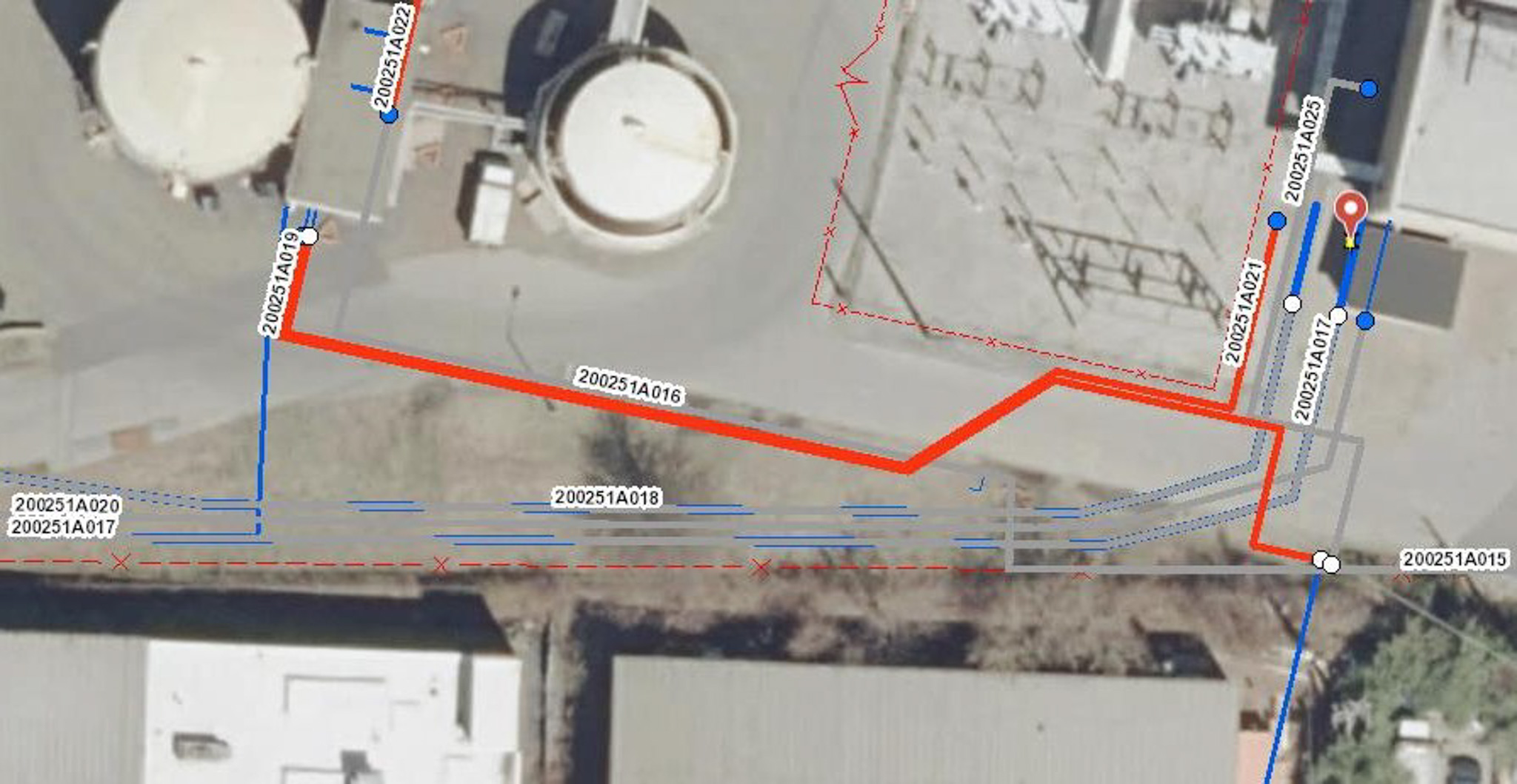
    Aerial Site Image Showing Utilities and Subsurface Investigation

    The irony is that the brownfield property with documented contamination and a remedial action plan is often the lower risk profile, because you've eliminated uncertainty.

    The Integration Advantage

    This is where we need to talk about the difference between transactional environmental consulting and integrated engineering.

    Most developers engage an environmental consultant to "clear" a site: run a Phase I, maybe a Phase II if required, then hand off to separate civil engineers for design. This siloed approach leaves value on the table and creates coordination gaps that blow budgets.

    The winning strategy integrates environmental and civil engineering from day one. Your remediation strategy should inform your site design. Your grading plan should optimize soil management. Your infrastructure layout should account for remediation infrastructure.

    When you approach brownfields with integrated engineering, you're not just managing contamination: you're turning environmental constraints into design opportunities. On-site soil reuse strategies can eliminate hundreds of thousands in export costs. Vapor mitigation systems can be value-engineered into foundation design. Institutional controls can be incorporated into site planning rather than treated as afterthoughts.

    This is where our approach differs from conventional consulting models. We're not in the business of writing reports. We're in the business of making complex sites buildable, financeable, and profitable.

    The 2026 Window

    One more thing to consider: tax incentive programs don't last forever. While New Jersey's brownfield incentives are currently robust, political and fiscal climates change. The $50 million annual allocation to the Brownfields Redevelopment Incentive Program represents a massive state commitment that won't necessarily continue at this level indefinitely.

    Smart developers are building their brownfield pipelines now while the incentive structure is strong. Every year you wait is a year of potential returns you're leaving on the table.

    The Bottom Line

    Clean sites are easy. They're comfortable. They're also increasingly expensive and competitively bid to razor-thin margins.

    Brownfields are complex. They require expertise. They also offer superior returns, better incentive structures, and genuine competitive advantages for developers willing to build the necessary capabilities.

    The biggest ROI in New Jersey real estate isn't hiding in the next clean suburban office park site. It's sitting in plain sight in former industrial properties that most developers are walking past because they're intimidated by environmental considerations that are entirely manageable.

    The question isn't whether brownfield redevelopment makes financial sense. The numbers are clear. The question is whether you're going to build the expertise to capitalize on it: or watch your competitors do it instead.

    If you're ready to stop leaving money on the table and start taking advantage of what New Jersey's brownfield market actually offers, let's talk. We've been doing this long enough to know which projects pencil and which don't: and more importantly, how to make the ones that pencil actually get built.[FOOTER] Envicon Strategic Solutions logo on professional blue footer

  • March 2026 Alert: Navigating the NJDEP Technical Requirements Sunset

    March 2026 Alert: Navigating the NJDEP Technical Requirements Sunset

    If your project involves New Jersey site remediation, March 2026 isn't just another month on the calendar. It's the inflection point where regulatory goalposts could shift beneath your feet.

    NJAC 7:26E: the Technical Requirements for Site Remediation: is entering its regulatory review window. For developers, LSRPs, and lenders navigating brownfield redevelopment, contaminated site cleanups, or deed-restricted properties, this means one thing: the rules you're playing by today might not be the rules in play six months from now.

    We're not here to scare you. We're here to position you ahead of the curve.

    What NJAC 7:26E Actually Controls

    NJAC 7:26E is the backbone of every site remediation project in New Jersey. It dictates:

    • Soil and groundwater sampling protocols
    • Remedial investigation standards
    • Remedial action work plan requirements
    • Deed notice and classification exception area documentation
    • Vapor intrusion screening thresholds
    • Ecological receptor evaluations

    In short, it's the technical playbook that Licensed Site Remediation Professionals (LSRPs) follow to get your site across the finish line. When these rules shift: even incrementally: project timelines extend, costs balloon, and compliance strategies need to be rewritten.

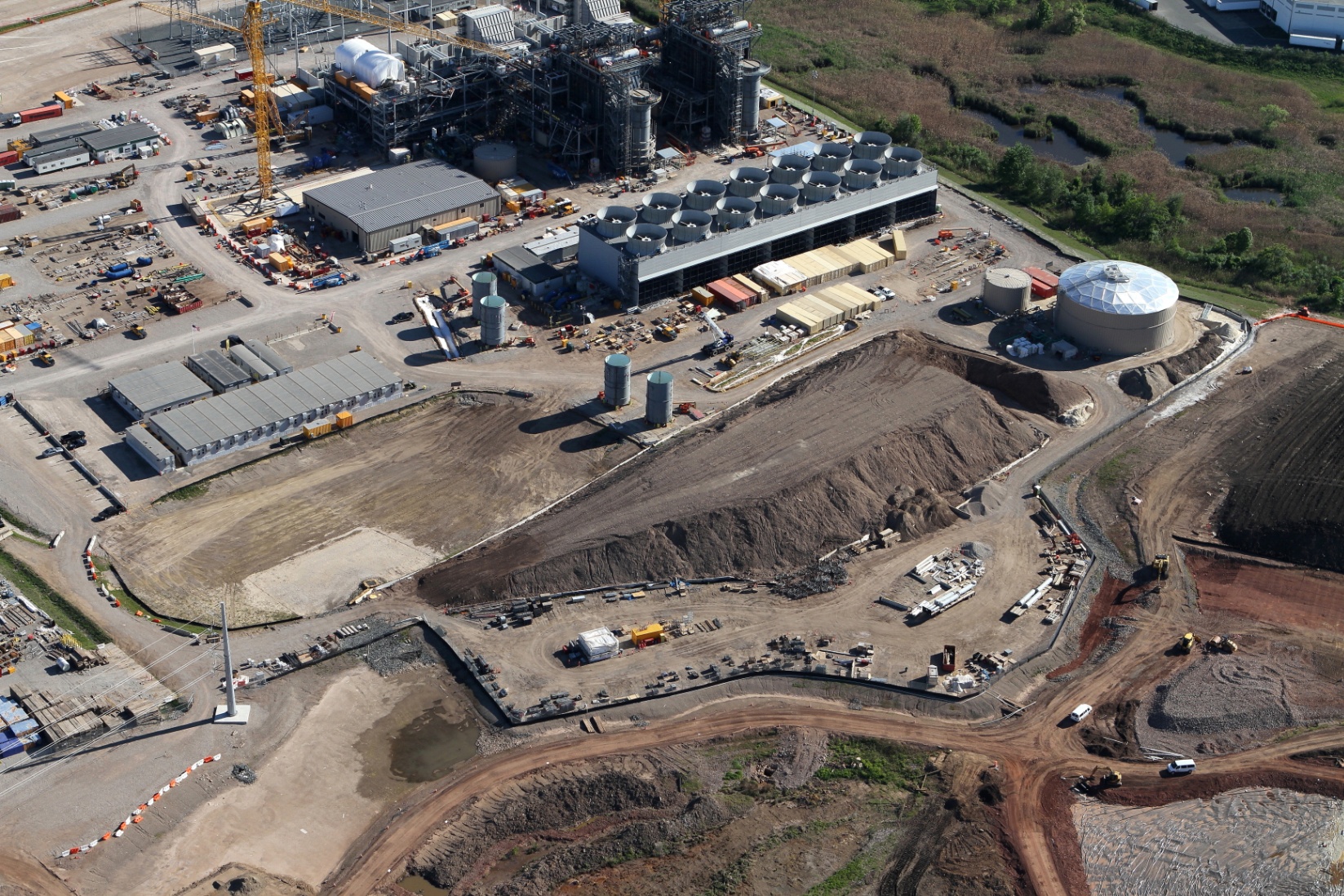
    Aerial view of New Jersey brownfield site remediation with sampling locations and Manhattan skyline

    The Regulatory Review Cycle: Why March Matters

    New Jersey administrative rules don't live forever. By statute, most regulations expire after seven years unless formally readopted by the NJDEP. When readoption happens, the Department often introduces substantive changes: updates that reflect new science, address emerging contaminants, or tighten compliance requirements.

    NJAC 7:26E is approaching that readoption window. While the exact expiration date isn't publicly carved in stone yet, the March 2026 timeframe aligns with the Department's historical review schedule and recent notice patterns for other regulatory chapters.

    Here's what typically happens during a readoption cycle:

    • Public notice period: NJDEP publishes proposed changes 60–90 days before the deadline
    • Comment window: Stakeholders (including developers, consultants, and industry groups) submit feedback
    • Final rule adoption: The Department issues the updated rule, often with modifications based on comments
    • Effective date: New requirements kick in, sometimes immediately

    The problem? If your remedial investigation or remedial action workplan is still in draft form when new rules take effect, you're suddenly playing catch-up. Sampling plans need revision. Risk assessments get recalculated. Review timelines reset.

    What Changes Are on the Horizon?

    While we don't have a crystal ball, we do have decades of experience watching NJDEP regulatory evolution. Based on recent enforcement trends, guidance updates, and federal PFAS regulations trickling down to the state level, here's what we anticipate:

    PFAS Integration

    New Jersey has been ahead of the curve on PFAS regulation: establishing groundwater standards for PFOA and PFOS, issuing soil screening levels, and mandating testing in certain categories of sites. Expect the March 2026 update to formalize these requirements into the core technical rule, potentially expanding the list of regulated PFAS compounds and lowering action thresholds.

    Vapor Intrusion Protocol Updates

    The Department has been refining its vapor intrusion guidance for years. We expect tighter screening protocols, updated attenuation factors, and more rigorous documentation requirements: especially for redevelopment sites with residential or mixed-use components.

    Ecological Receptor Evaluations

    With more brownfield projects incorporating green infrastructure, wetland buffers, and restored habitats, ecological risk assessments are under greater scrutiny. Look for expanded receptor lists and enhanced data requirements for projects near protected areas or overburdened communities.

    Enhanced Quality Assurance/Quality Control

    Sampling and lab QA/QC requirements may get more prescriptive, particularly around chain-of-custody documentation, field duplicate frequency, and laboratory accreditation standards.

    Active Brownfield Redevelopment Site

    The Cost of Waiting: Why 'Submit Now' Beats 'Wait and See'

    We've been through enough regulatory cycles to know how this plays out. Developers who wait to see what changes are coming end up paying a premium in three ways:

    1. Resubmission Rework
    If your Remedial Investigation Report or Remedial Action Workplan is under LSRP review when new rules drop, you'll likely face a "bring it into compliance" request. That means additional sampling, revised risk calculations, and supplemental documentation: none of which was in your original budget.

    2. Extended Timeline Limbo
    Regulatory uncertainty creates review paralysis. NJDEP staff and LSRPs become cautious approvers when rules are in flux, slowing down even straightforward submittals. Projects that could have closed in 90 days suddenly stretch to 180.

    3. Financing Gaps
    Lenders hate moving targets. If your remediation plan is based on standards that might change mid-project, you're introducing financial risk that underwriters will price accordingly: or walk away from entirely.

    "The best time to lock in your remediation pathway is before the rulebook gets rewritten. We've seen projects stall for 12–18 months simply because teams waited for regulatory clarity that never came on their timeline." : Environmental compliance strategist

    Your March 2026 Action Plan

    If you have an active or anticipated remediation project in New Jersey, here's how to stay ahead:

    For Projects in Progress:

    • Accelerate draft document submissions to your LSRP by end of February 2026
    • Confirm that all sampling and investigation work aligns with current NJAC 7:26E standards
    • Schedule internal reviews now to identify gaps before formal submission
    • Build contingency budget for potential supplemental work if rules change mid-review

    For Projects in Planning:

    • Kick off your Preliminary Assessment and Site Investigation immediately
    • Engage an LSRP early to map out a submission timeline that beats the March window
    • Pre-negotiate scope flexibility with your environmental consultant to accommodate potential rule shifts
    • Communicate the urgency to lenders and equity partners: this isn't just a regulatory issue, it's a deal-timing issue

    For Deals in Due Diligence:

    • Conduct Phase II ESAs now and lock in your baseline risk assessment under current rules
    • Build environmental contingency reserves that account for post-March compliance scenarios
    • Include regulatory change provisions in purchase agreements to allocate risk appropriately

    Geotechnical and Environmental Site Assessment at High-Rise Redevelopment

    How Envicon Stays Ahead of the Curve

    At Envicon Strategic Solutions, we don't just react to regulatory changes: we anticipate them. Our team tracks NJDEP rulemaking calendars, participates in stakeholder comment periods, and maintains direct relationships with DEP staff and LSRP leadership across the state.

    When NJAC 7:26E updates drop, we're already positioned to guide our clients through the transition with minimal disruption. That means:

    • Pre-update compliance audits to identify exposure points before rules change
    • Fast-track submission strategies that leverage current regulatory windows
    • Dual-path remediation planning that builds in flexibility for post-update scenarios
    • LSRP coordination to ensure your project gets prioritized review attention

    We've helped developers navigate major regulatory shifts before, from New York's Part 375 overhaul to New Jersey's PFAS rollout. We know how to protect your timeline and your budget when the rules change mid-game.

    Active Urban Brownfield Redevelopment Site

    The Bottom Line

    March 2026 is the dividing line between projects that move forward with clarity and projects that get caught in regulatory limbo. You can't control when NJDEP updates its technical requirements, but you can control your submission timeline.

    The developers who win in this environment are the ones who treat regulatory deadlines like market opportunities: acting decisively while others wait for perfect information that never arrives.

    If you have a New Jersey site in your pipeline, now is the time to pressure-test your remediation strategy, accelerate your LSRP engagement, and lock in compliance under the current rulebook. Because the worst place to be in March 2026 is halfway through a submittal under rules that no longer apply.

    Ready to beat the deadline? Let's talk strategy. Our team is already mapping submission pathways for clients who want to stay ahead of the March window: and we can do the same for you.


    Envicon Strategic Solutions footer with logo

  • Stop Fixing the Soil, Start Fixing the Plan: A Case for Design-First Remediation

    Stop Fixing the Soil, Start Fixing the Plan: A Case for Design-First Remediation

    Here's a question that keeps me up at night: Why are we still treating soil remediation like it's a standalone problem?

    You're eight weeks into a brownfield redevelopment. The Phase II came back hot: petroleum hydrocarbons, maybe some metals. Your environmental consultant hands you a remedial action plan that reads like a medical prescription: excavate, treat, dispose, backfill. Clean the soil, close the case, move on to construction.

    Except that's not how real projects work. And it's costing you a fortune.

    The Old Way is Burning Your Budget

    Traditional remediation operates in a vacuum. Environmental engineers show up, test the soil, write a cleanup plan, and hand it off. Then your civil engineers arrive to design the actual building. Then your architect realizes the foundation needs to shift. Then someone notices the stormwater detention basin is sitting exactly where you just spent $200,000 cleaning soil to residential standards.

    This assembly-line mentality made sense in 1995 when brownfield redevelopment was new and regulatory guidance was thin. In 2026, it's just lazy project management disguised as "best practice."

    The problem isn't the remediation itself: it's the sequencing. We're making permanent, expensive decisions about soil treatment before we've finalized what we're actually building. It's like buying furniture before you know the dimensions of your apartment.

    Traditional soil remediation vs integrated design-first construction approach at brownfield site

    What Design-First Remediation Actually Means

    Design-first remediation flips the script. Instead of treating environmental engineering as the opening act, you integrate it with civil design from day one. You're not asking "how do we clean this site?" You're asking "what's the smartest way to build this project given the conditions we have?"

    This isn't about cutting corners or gaming the system. It's about value engineering at the strategic level. When your environmental team and your civil engineers are sitting in the same room from the jump, magic happens:

    You stop over-remediating. That parking lot doesn't need residential cleanup standards. Those areas under the slab cap can stay in place with institutional controls. The stormwater basin can double as a soil consolidation area. Suddenly your $2 million remediation budget drops to $800,000 because you're only fixing what actually needs fixing for your specific use.

    You identify reuse opportunities early. Clean soil on the western edge of the site can be stockpiled and used as backfill on the eastern edge. That contaminated clay layer at 8 feet? It's stable, low-permeability material perfect for grading: no reason to export it if you're capping anyway.

    You compress your schedule. When remediation and site development are designed together, they can happen simultaneously. Excavation for your foundation becomes excavation for contaminated soil removal. Your environmental compliance monitoring happens during construction oversight, not as a separate phase with separate mobilization costs.

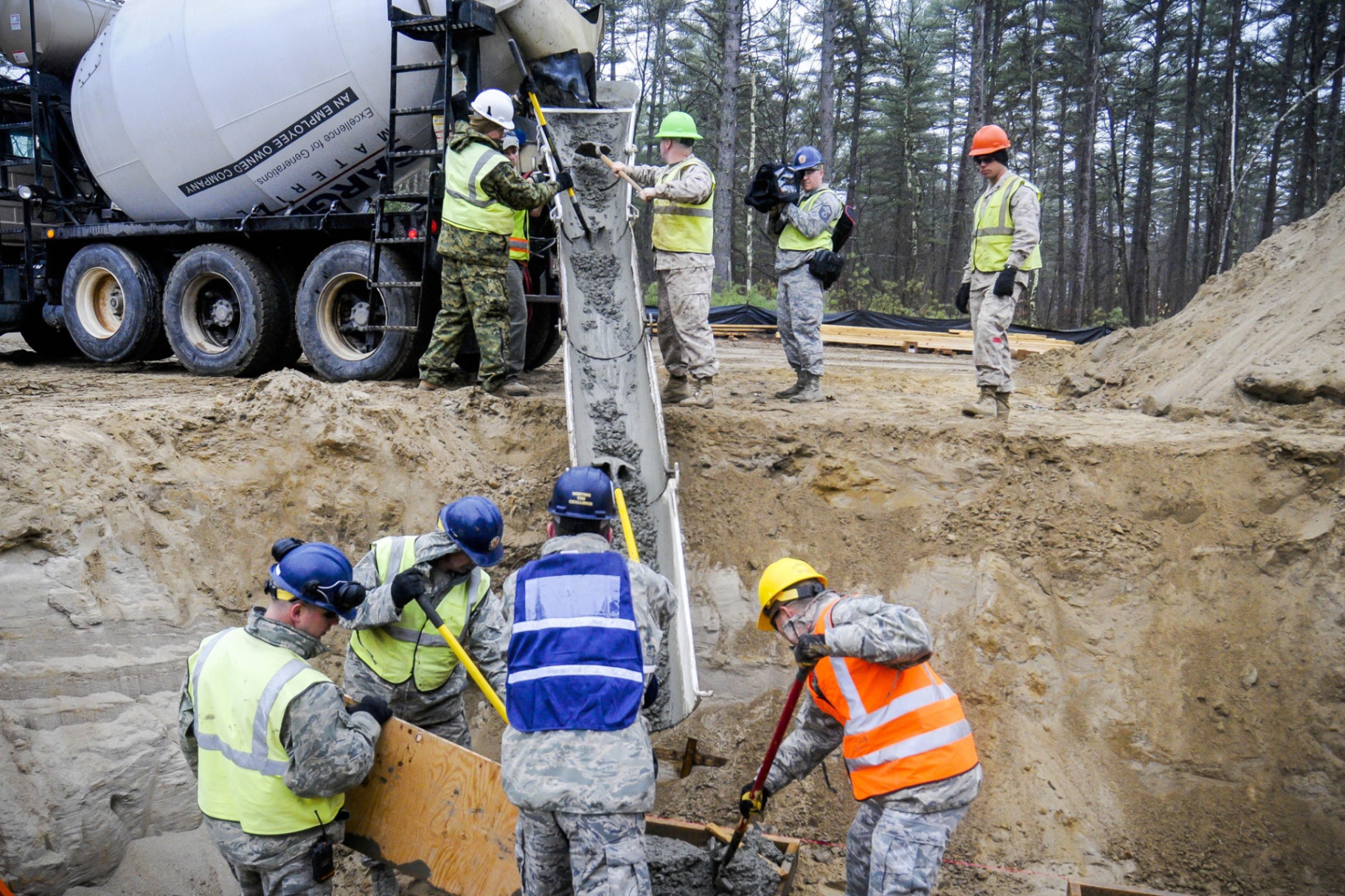
    Construction Crew Pouring Concrete

    The Numbers Don't Lie

    We worked with a multifamily developer in Hudson County last year on a former industrial site: 3.2 acres, petroleum impacts throughout the upper soils, some lead and PAHs near the old building footprints. The initial remedial action plan called for removing 8,500 tons of soil, thermal treatment, clean backfill. Budget: $1.9 million. Timeline: 16 weeks before civil work could start.

    We brought the civil team in early. Ran the engineering alongside the remediation planning. Here's what changed:

    • 40% of the "contaminated" soil stayed on-site as engineered fill under hardscape and the parking structure
    • Foundation excavation doubled as remedial excavation: one mobilization instead of two
    • Stormwater detention design incorporated a soil consolidation area that eliminated off-site disposal of 2,200 tons of marginally impacted material
    • NJDEP approved an Engineering Control/Institutional Control remedy that met deed restriction requirements without the thermal treatment

    Final cost: $740,000. Final timeline: 11 weeks, running concurrent with early civil work. The developer broke ground four months earlier than the original schedule, which in a rising interest rate environment saved another $180,000 in carry costs.

    That's not an outlier. That's what happens when you stop treating remediation as a box to check and start treating it as part of your development strategy.

    Why This Isn't Standard Practice Yet

    You'd think this would be obvious by now, but most firms still operate in silos. Environmental consultants do environmental work. Civil engineers do civil work. Nobody wants to step on toes or blur the lines of professional responsibility.

    And let's be honest: it's a business model issue. If your environmental consultant gets paid by the ton of soil removed and your civil engineer doesn't show up until after the cleanup, where's the incentive to integrate?

    Active construction site

    Large national firms have the same problem in reverse. They have environmental divisions and civil divisions, but those divisions are separate P&Ls with separate project managers who rarely talk until the kickoff meeting. The org chart becomes the project plan, and integration dies in the org chart.

    The other barrier is regulatory literacy. Effective design-first remediation requires someone who understands both NJDEP's LSRP process and foundation engineering. Someone who can read a Phase II ESA and a geotechnical report with equal fluency. Someone who knows when NYC OER will accept a restrictive declaration versus when you actually need to dig.

    That's not a common skillset. Most environmental engineers don't do structural calculations. Most civil engineers don't read vapor intrusion assessments. So projects default to the old sequential model because it's easier to manage, even if it's more expensive to execute.

    How to Actually Implement This

    If you're a developer or project owner looking to adopt design-first remediation on your next site, here's the practical playbook:

    Start with integrated procurement. Don't hire an environmental consultant and then hire a civil engineer. Hire a team: or better yet, hire a firm that does both with real integration, not just two departments in the same building. Your RFP should explicitly require coordination between disciplines.

    Demand a joint kickoff. Environmental and civil teams should review the Phase II and geotechnical data together before anyone writes a work plan. The conversation should start with "what are we building?" not "what's contaminated?"

    Challenge the default assumptions. If your consultant's first instinct is to excavate and haul, ask why. Ask about on-site reuse. Ask about engineering controls. Ask if that cleanup standard is driven by regulation or just habit. A good consultant will welcome these questions. A lazy one will get defensive.

    Align your closeout requirements with your end use. If you're building a warehouse with a slab-on-grade and no groundwater use, you don't need residential standards. Make sure your remediation plan reflects the actual regulatory closure requirements for your Certificate of Completion or No Further Action letter.

    Think like an owner's rep, even if you are the owner. The best projects we've seen have someone internal: an experienced developer, a sharp project manager, a former engineer: who can ask the right questions and hold consultants accountable for real integration, not just coordination calls that go nowhere.

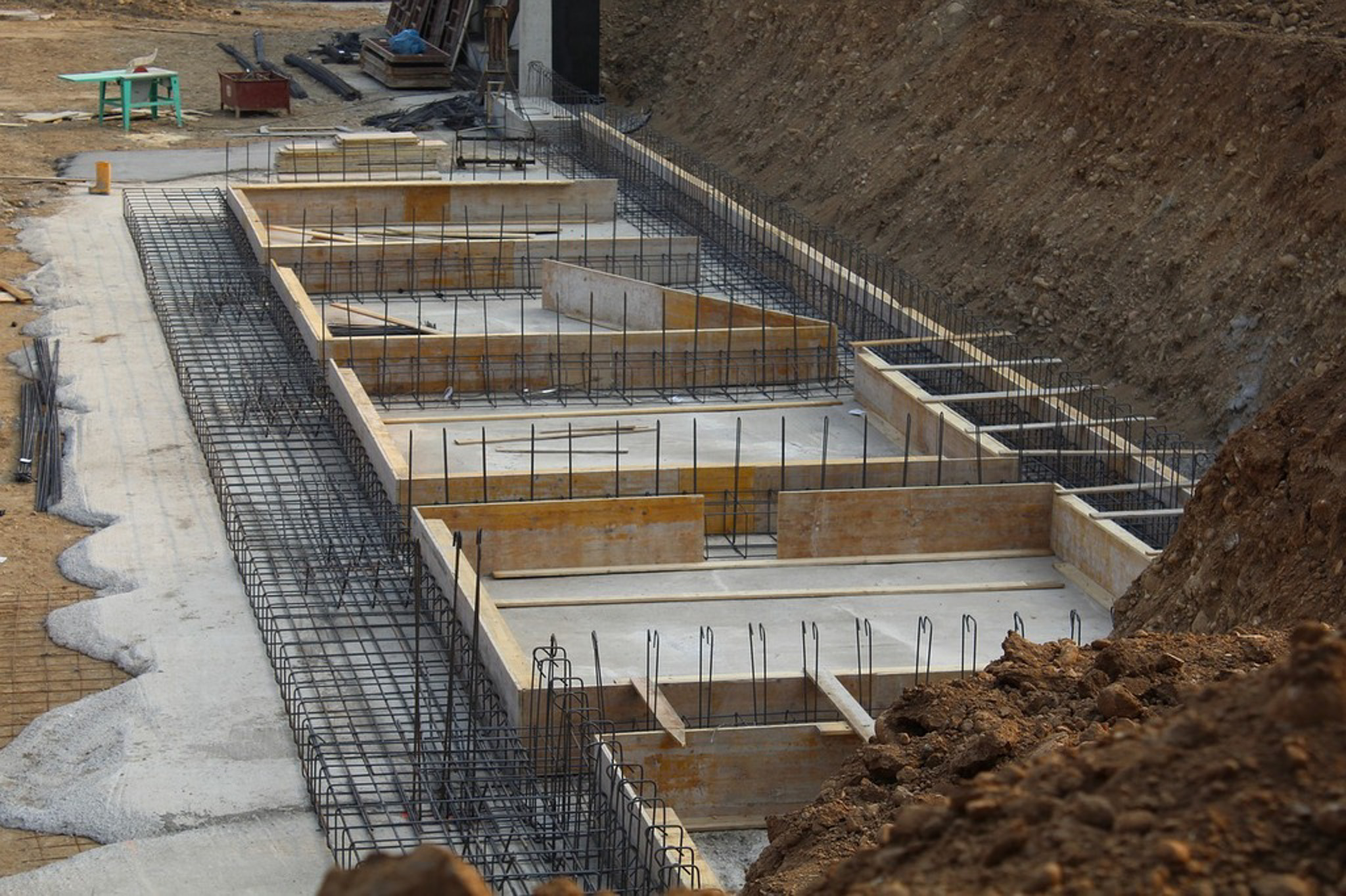
    Concrete Foundation Footing Construction Site

    The Competitive Edge

    Here's the uncomfortable truth: your competition is already doing this. The developers consistently winning bids on competitive brownfield sites aren't the ones with the most capital: they're the ones with the most efficient execution. They're underwriting remediation costs 30-40% lower than yours because they understand value engineering at the site planning level.

    When you integrate environmental engineering with civil design, you're not just saving money. You're compressing timelines, reducing risk, and increasing the flexibility to adapt when conditions change (because they always change). You're turning environmental compliance from a cost center into a strategic advantage.

    That's the difference between treating remediation as a problem and treating it as part of the solution.

    The Path Forward

    The future of brownfield redevelopment isn't cleaner technology or better regulations: it's smarter project delivery. It's recognizing that the line between "environmental work" and "civil work" is artificial and counterproductive. It's demanding that your consultants think like owners, not just technicians following a checklist.

    Design-first remediation isn't a new service offering or a consulting buzzword. It's a mindset shift. It's what happens when you stop asking "how do we fix the soil?" and start asking "how do we build this project in the smartest possible way?"

    If you're tired of watching remediation budgets balloon and schedules slip, the answer isn't finding a cheaper lab or negotiating harder with your hauler. The answer is fixing the plan before you start fixing the soil.

    At Envicon Strategic Solutions, we've built our practice around exactly this kind of integrated thinking: because we've seen what happens when environmental engineering and civil design actually work together instead of just coexisting. If you're planning a redevelopment project and want to explore what design-first remediation could look like for your site, let's talk.

    The soil doesn't care what order you do things in. But your budget and timeline definitely do.

    [FOOTER] Envicon Strategic Solutions

  • 7 Mistakes You’re Making with Phase I ESAs (and How to Fix Them Before Your Lender Finds Out)

    7 Mistakes You’re Making with Phase I ESAs (and How to Fix Them Before Your Lender Finds Out)

    Your lender wants a Phase I Environmental Site Assessment. It's the weekend before closing. You call the cheapest consultant you can find, they send a report, and you assume you're good to go.

    Three months later, during excavation, your contractor hits an underground storage tank. Now you're staring at a $200,000+ remediation bill, construction delays, and a lender threatening to pull funding. Worse, you've lost the liability protection you thought you had.

    This happens more than you'd think, and it's entirely preventable.

    If you're acquiring property in New York or New Jersey, understanding Phase I ESA cost and what actually goes into a quality assessment isn't optional anymore. Here are the seven mistakes we see developers, investors, and property owners make repeatedly, and exactly how to avoid them.

    Mistake #1: Hiring the Cheapest Consultant (Without Checking Credentials)

    Price shopping your Phase I ESA is like hiring a surgeon based on Groupon. Sure, you'll save $1,500 upfront. But when your consultant misses an underground storage tank or fails to identify historical contamination, you're on the hook for six figures in cleanup costs.

    We've seen this play out in real transactions. One consultant failed to identify clear evidence of an underground storage tank at a redevelopment site: it was only discovered during excavation work, halting the entire project. The buyer lost their liability defense because the Phase I didn't meet ASTM standards.

    How to fix it: Before signing any agreement, verify your consultant holds current credentials: Professional Geologist (PG), Professional Engineer (PE), or Certified Environmental Professional (CEP). Interview them directly. Ask about their experience with properties similar to yours in the NY/NJ market. Request references from lenders or attorneys who've worked with them. A quality Phase 1 environmental site assessment cost in NYC typically ranges from $2,500 to $4,500: if someone's quoting you $1,200, there's a reason.

    Active construction site

    Mistake #2: Letting the Seller Order Your Phase I

    This one's subtle but devastating. If the property seller commissions the Phase I ESA, you: the buyer: lose your status as a "bona fide prospective purchaser" (BFPP) under CERCLA. That means if contamination surfaces later, you can't use the defense that you conducted "all appropriate inquiry" before purchase.

    We've had clients walk into our office after closing, holding a seller-provided Phase I, asking why they're now personally liable for soil contamination from a 1970s dry cleaner that operated three doors down. The answer: they weren't the party who commissioned the report.

    How to fix it: The entity taking title to the property must be the one who orders and receives the Phase I ESA report. Period. Even if the seller offers to provide one "to save you money," politely decline and commission your own. This preserves your legal protections and demonstrates compliance with environmental liability regulations. Your lender will thank you.

    Mistake #3: Assuming a Clean-Looking Property Is Actually Clean

    Contamination doesn't announce itself. There's no flashing neon sign that says "PETROLEUM PLUME HERE." That strip mall with fresh asphalt? Could be covering up a former gas station. That vacant lot surrounded by new construction? Might have groundwater contamination migrating from an adjacent industrial site.

    One investor purchased a former auto repair shop in Hudson County without a Phase I because "it looked fine." During foundation work, contractors hit oil-saturated soil. Remediation cost $230,000 and delayed the project nine months. The building permit was suspended until the NJDEP signed off on a cleanup plan.

    How to fix it: Understand that your site visit is only one piece of the puzzle. A thorough Phase I investigates historical records, reviews Sanborn Fire Insurance maps, checks NJDEP databases, and assesses adjacent properties for potential contamination migration. Envicon's Phase I reports include detailed historical research going back decades: because what happened on a property in 1965 absolutely matters in 2026.

    Excavation revealing petroleum-contaminated soil beneath clean parking lot during Phase I ESA investigation

    Mistake #4: Only Ordering Phase I for Industrial Properties

    We hear this constantly: "It's just a mixed-use building, we don't need environmental assessment." Wrong. Retail centers, multi-family apartment buildings, undeveloped land, and even residential properties can carry environmental risks based on historical land use.

    That residential parcel you're eyeing? Check the historical records: it might have been a coal yard in 1940. That retail center? The tenant space on the corner was a dry cleaner for 30 years, and those solvents have a nasty habit of migrating through soil and groundwater.

    How to fix it: Make Phase I ESAs a standard part of every acquisition in NY/NJ, regardless of property type. If your underwriting checklist doesn't include environmental due diligence, you're accepting risk you can't quantify. Our clients who treat Phase I as non-negotiable close faster, negotiate better purchase prices when issues surface, and sleep better at night.

    Mistake #5: Using an Outdated or Non-Compliant Phase I Report

    The ASTM International E1527-21 standard became effective in early 2023, yet we still see Phase I reports prepared using older methodologies or failing to comply with the All Appropriate Inquiry (AAI) Rule. If your Phase I doesn't meet current standards, it won't hold up with your lender: and more importantly, it won't protect you from environmental liability.

    One developer brought us a Phase I from 2024 that failed to address vapor intrusion risks or evaluate the property for PFAS contamination: both critical issues in New Jersey as of 2026. The lender rejected the report, delaying closing by three weeks while we prepared a compliant assessment.

    How to fix it: Before your consultant starts fieldwork, confirm in writing that the Phase I will comply with ASTM E1527-21 and AAI Rule requirements. Request draft language showing how they'll address emerging contaminants like PFAS, 1,4-dioxane, and vapor intrusion pathways. At Envicon, we deliver lender-ready reports that meet or exceed current regulatory standards: because we know your transaction timeline doesn't allow for do-overs.

    Urban Intersection at Dusk

    Mistake #6: Treating Phase I as Your Complete Environmental Checklist

    Here's what a Phase I ESA does not assess: asbestos-containing building materials, lead-based paint, radon, mold, drinking water quality, or compliance with environmental regulations. It's also non-invasive: meaning no soil or groundwater sampling.

    If your Phase I identifies a Recognized Environmental Condition (REC): like historical petroleum storage, dry cleaning operations, or industrial use: you'll need a Phase II ESA to collect physical samples and confirm contamination levels. Skipping this step doesn't make contamination go away; it just means you'll discover it during construction instead of during due diligence.

    How to fix it: Understand Phase I limitations upfront. When RECs are identified, immediately discuss Phase II scope and costs with your consultant. At Envicon, we provide verbal findings within 48 hours of site visits, allowing you to make informed decisions while your inspection contingency is still active. We've helped clients walk away from contaminated properties before signing contracts: and negotiate $500K+ purchase price reductions on others where remediation was feasible.

    Mistake #7: Ignoring Data Gaps and Post-Assessment Activities

    A Phase I ESA is only as strong as the information available to the environmental professional. If historical records are incomplete, tenant interviews aren't conducted, or adjacent property data is unavailable, you'll see "Significant Data Gaps" noted in the report. These gaps can conceal serious risks.

    Additionally, Phase I assessments don't account for activities occurring after the report is completed. If there's a major water leak, chemical spill, or other environmental incident between your Phase I and closing, that report is no longer current.

    How to fix it: Request a draft report and verbal findings immediately following the site visit. This allows you to identify data gaps early and begin addressing RECs before they derail your transaction. Gather old environmental reports, underground storage tank records, and NJDEP correspondence before the Phase I starts. If there's a delay between assessment and closing, discuss with your consultant whether a site re-visit is warranted.

    Construction Crew Pouring Concrete

    The Bottom Line: Speed and Quality Both Matter

    Phase I ESAs aren't just a box to check for your lender. They're your first line of defense against catastrophic environmental liability: and they're critical for de-risking acquisitions in the NY/NJ market.

    At Envicon, we know your transaction timelines are compressed. That's why we deliver lender-ready Phase I reports in 7-10 business days without sacrificing thoroughness. Our team has assessed thousands of properties across New York and New Jersey, from former industrial sites in Newark to mixed-use developments in Brooklyn.

    When you're paying anywhere from $2,500 to $5,000 for a Phase 1 environmental site assessment in New Jersey or NYC, you deserve a consultant who understands local regulations, has relationships with NJDEP and NYSDEC staff, and can turn reports around fast enough to keep your deal on track.

    Because the biggest mistake of all? Thinking environmental due diligence is something you can shortcut.

    Need a Phase I ESA that won't slow down your closing? Contact our team to discuss your project timeline and site-specific risks.


    Envicon Strategic Solutions blue footer with logo


  • The “Red Flag” Audit: 3 Questions Your Consultant Should Be Asking, But Isn’t

    The “Red Flag” Audit: 3 Questions Your Consultant Should Be Asking, But Isn’t

    You've done your homework. You hired an environmental consultant, commissioned a Phase I ESA, maybe even sprung for a Phase II. The report lands on your desk: thick, official-looking, full of boilerplate language about "recognized environmental conditions" and "standard practice." You breathe a sigh of relief and move forward.

    Then, six months into construction, you hit contamination that wasn't supposed to be there. Or your lender gets cold feet over a detail buried on page 47. Or worse: you're staring down a regulatory notice that could freeze your project for months.

    Here's the uncomfortable truth: most environmental due diligence is designed to check boxes, not to actually protect your investment. The standard consultant playbook focuses on compliance and liability transfer, not on the hard questions that determine whether your deal succeeds or implodes.

    After working with property investors across New York and New Jersey for years, we've seen the same blind spots show up again and again. So let's talk about the three questions your consultant should be asking during every environmental audit: but probably isn't.

    Question 1: "What's the Exit Strategy for This Property in 5-10 Years?"

    Most environmental consultants treat due diligence as a snapshot in time. They assess the property as it exists today, for its current intended use. That's fine if you plan to hold the asset forever and never refinance, sell, or reposition it.

    But if you're like most investors, you're thinking about exit multiples, refinancing opportunities, or eventually flipping to an institutional buyer. And here's what nobody tells you: environmental liability is a moving target.

    Active Site Remediation Project

    What qualifies as "clean enough" for an industrial warehouse conversion today might not fly when you try to sell to a REIT in 2031. Regulatory standards change. Lender appetites shift. The discovery of PFAS contamination that was considered a non-issue three years ago? Now it's a deal-breaker for certain buyers.

    A smart environmental consultant should be asking you about your exit timeline and likely buyer profile from day one. They should be stress-testing the property against not just today's regulatory standards, but the trajectory of where regulations are heading.

    Why it matters: We've worked with developers who completed successful remediations under 2023 NJDEP standards, only to discover that their 2026 refinancing required additional investigation because institutional lenders had updated their environmental risk matrices. That's not a consultant problem: that's a strategic planning failure.

    The questions your consultant should be asking:

    • What type of buyer or lender will you approach at exit?
    • Are you planning any use changes that could trigger regulatory review?
    • What regulatory changes are pending that could impact this property class?
    • Should we be documenting conditions that exceed minimum compliance today?

    Question 2: "What Happens When We Actually Start Moving Dirt?"

    Here's a dirty secret about Phase I and Phase II ESAs: they're great at identifying what's in the ground. They're terrible at telling you what happens when you try to get it out.

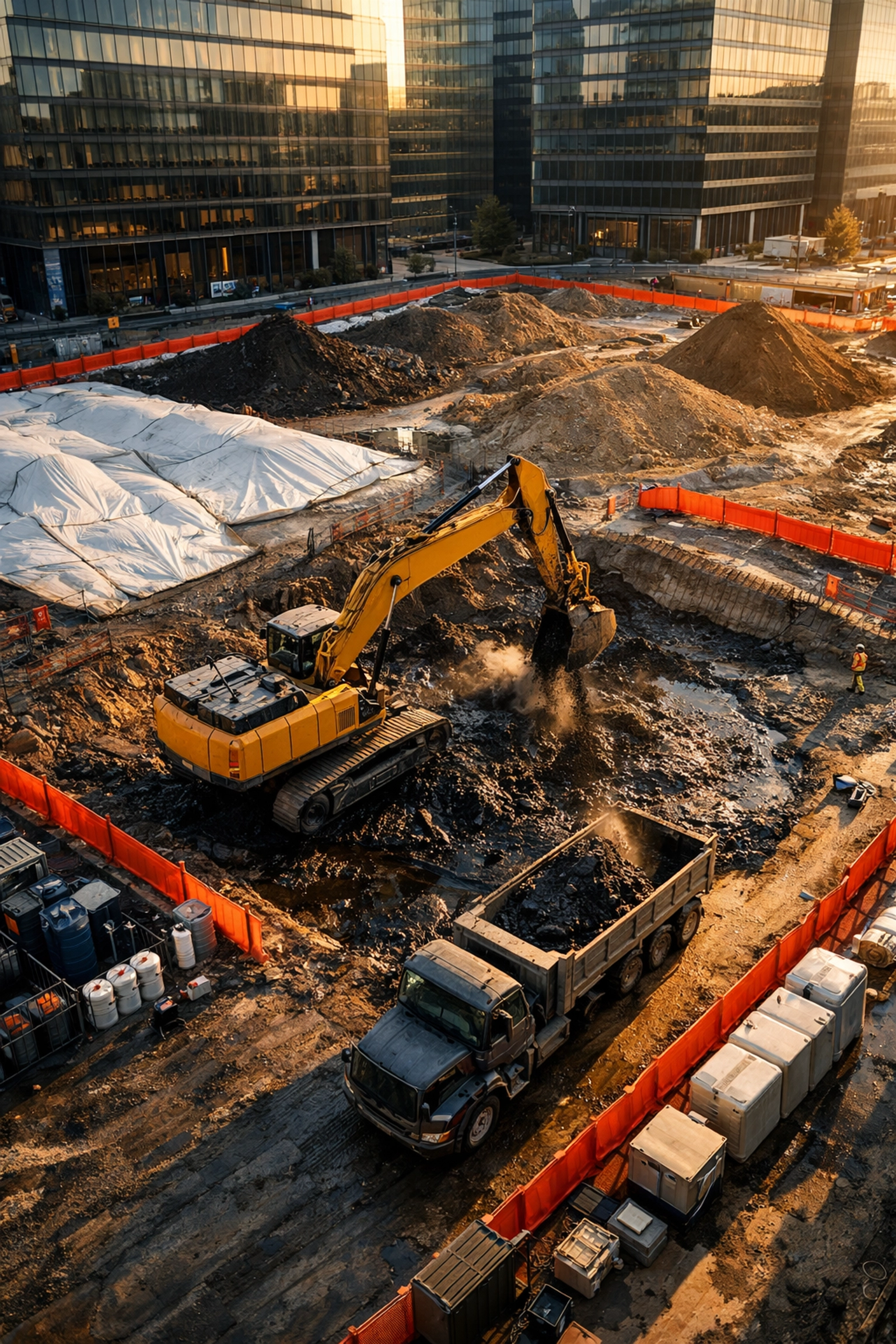
    Excavator removing contaminated soil at urban construction site with staging areas and safety barriers

    Your Phase II might confirm petroleum impacts in shallow soil. Check. You budget for excavation and disposal. But did your consultant ask about:

    • Logistics and staging? Is there enough space on-site to stockpile and test soil before trucking it off? Or will you be paying premium rates for daily hauling?
    • Water table depth? That petroleum may be above the water table now, but what happens when you dig down for your foundation and hit groundwater? Now you've got a dewatering operation and potential groundwater treatment costs nobody budgeted for.
    • Soil classification complexity? Not all contaminated soil goes to the same landfill at the same price. Some loads might be hazardous, some non-hazardous, some can be treated on-site. Did anyone actually model the cost scenarios?

    The gap between "we found contamination" and "here's exactly how we'll remove it and what it will cost" is where budgets go to die.

    Why it matters: We recently supported a client who inherited a Phase II report that identified soil contamination but never addressed the fact that the property was landlocked between active commercial buildings. There was literally no path for excavation equipment or soil trucks without coordinating access easements and off-hours work. A two-week soil removal project turned into a three-month logistical nightmare.

    The questions your consultant should be asking:

    • What's the construction sequence, and how does remediation fit into it?
    • Are there site access or staging constraints that will impact remediation costs?
    • What's the plan if we encounter worse contamination than expected during excavation?
    • Can any soil be reused on-site to reduce disposal costs?

    For insights on how soil management strategies impact project budgets, check out our full range of services.

    Question 3: "What's the Political and Community Context for This Site?"

    This is the question that separates transactional consultants from strategic advisors.

    Your Phase I ESA will tell you if there's a former dry cleaner next door. It won't tell you that the community association has been fighting industrial redevelopment in this neighborhood for five years. It won't mention that the local councilmember is up for reelection and has made environmental justice a campaign cornerstone.

    Urban Redevelopment Site

    Environmental compliance isn't just about passing regulatory tests anymore: it's about navigating community sentiment, political optics, and public perception. A technically compliant cleanup plan can still face months of delays if you haven't thought through the stakeholder landscape.

    Why it matters: In densely populated markets like New York City and Northern New Jersey, community opposition can materialize out of nowhere. We've seen projects that met every NYSDEC and NJDEP requirement still face challenges because nobody thought to brief the local environmental advocates or address neighbor concerns proactively.

    This is especially critical for brownfield sites, where community memories are long and trust is low. If your consultant isn't asking about the site's history in the public consciousness: not just the regulatory file: you're flying blind.

    The questions your consultant should be asking:

    • What's the site's history with the surrounding community?
    • Are there any active environmental justice concerns in this neighborhood?
    • Have previous owners or operators faced public scrutiny or complaints?
    • Will your remediation or construction activities require public notifications or hearings?
    • Should you be planning proactive community engagement as part of your environmental work plan?

    The Real Cost of the Wrong Questions

    Here's what ties these three questions together: they all require your environmental consultant to think like a business advisor, not just a technical specialist.

    The standard Phase I/Phase II process is designed to satisfy ASTM standards and protect against lender liability. That's important. But it's not sufficient for making smart acquisition and development decisions.

    Property investors don't just need to know what contamination exists: they need to know how it impacts deal economics, timeline risk, and exit optionality. They need consultants who can connect environmental findings to business strategy.

    Industrial Brownfield Redevelopment Site

    At Envicon, we've built our practice around this integrated approach. Our environmental engineers work hand-in-hand with our civil engineering and owner's rep teams because we've learned that the best environmental work happens when everyone understands the full project context: not just the soil boring logs.

    The Bottom Line

    If your environmental consultant's questions end at "Is there contamination?" and "Does it meet regulatory standards?": you're not getting the full picture.

    The consultants who add real value are the ones asking about your exit strategy, your construction logistics, and your stakeholder landscape. They're thinking about your project as a business investment, not just a compliance exercise.

    Before you commission your next environmental audit, ask yourself: Is my consultant helping me make better business decisions, or just helping me check boxes?

    The difference between the two could be the difference between a profitable project and a very expensive education.


    Ready for a different kind of environmental due diligence conversation? Let's talk about how integrated engineering can protect your investment( not just your liability.)


    Envicon Strategic Solutions Footer

  • EV Readiness & Environmental Compliance: What Property Owners Need to Know for 2026

    EV Readiness & Environmental Compliance: What Property Owners Need to Know for 2026

    The electric vehicle revolution isn't coming: it's already here, and property owners who aren't preparing for EV infrastructure are about to get left behind. Between new 2026 National Electrical Code mandates, evolving state regulations, and tenant expectations that now include charging access as a standard amenity, the question isn't whether to electrify your property. It's how to do it right the first time without blowing your budget or hitting regulatory roadblocks.

    Here's what actually matters for property owners navigating EV readiness in 2026, stripped of the marketing fluff and focused on the engineering and compliance realities that determine whether your project moves forward or stalls out.

    The 2026 Code Change That Changes Everything

    Let's start with the bombshell: the 2026 National Electrical Code now mandates that "permanently installed electric vehicle power transfer system equipment shall be installed by qualified persons." Translation? Licensed electricians only. No DIY installations. No cutting corners with unqualified contractors.

    This isn't just a technical requirement: it's a liability and insurance issue. Property owners who ignore this mandate expose themselves to:

    • Code violations that can halt occupancy permits
    • Insurance claim denials if electrical failures occur
    • Personal injury liability if installations cause accidents
    • Costly rework when building inspectors flag non-compliant installations

    The upside? Working with licensed professionals from day one means your installation gets done right, passes inspection the first time, and protects you from downstream headaches. Just make sure whoever you hire understands the integrated civil and environmental considerations, not just the electrical work.

    Licensed electrician inspecting EV charging station installation at commercial property

    Site Assessment: More Than Just Counting Electrical Panels

    Most property owners start with the obvious question: "Do we have enough electrical capacity?" That's important, but it's only one piece of the puzzle. A comprehensive EV readiness assessment needs to evaluate:

    Electrical Infrastructure

    • Existing service size and panel capacity
    • Current electrical load and available headroom
    • Distance from panels to parking areas
    • Trenching requirements and subsurface obstacles
    • Transformer upgrade needs

    Civil and Site Conditions

    • Subsurface utilities that impact trenching routes
    • Soil stability for charging station foundations
    • Drainage implications of new hardscape installations
    • ADA-compliant pathways to charging stations
    • Traffic flow and parking layout modifications

    Environmental Considerations

    • Soil disturbance permits for excavation work
    • Stormwater management impacts from impervious surfaces
    • Historic fill or contamination in trenching corridors
    • Erosion and sediment controls during construction

    This is where integrated civil-environmental firms have a massive advantage. We've seen projects delayed by months because electrical contractors started trenching without environmental clearances, hit contaminated fill, and triggered remediation requirements that could have been anticipated with proper upfront assessment.

    The Regulatory Compliance Maze

    Beyond the NEC updates, property owners face a tangled web of overlapping requirements that vary by jurisdiction. Here's what you're navigating:

    • Authority Having Jurisdiction (AHJ) requirements for plan formatting, technical specifications, and code compliance documentation
    • Electrical and building permits with different timelines and review processes
    • National Fire Protection Association (NFPA) standards for installation safety
    • Local zoning ordinances that may restrict charging station locations or require conditional use permits
    • Parking ordinances that dictate ADA-compliant space ratios and accessibility
    • U.S. Access Board guidelines for accessible EV charging design

    In New York and New Jersey specifically, you're also dealing with state-level energy codes, utility interconnection agreements, and potential public access requirements if your property receives certain incentives or falls within specific zoning designations.

    The cost of non-compliance isn't just fines: it's project delays that push timelines by months while you circle back for amended permits or redesigns.

    Active construction site

    Multi-Family and Commercial Property Challenges

    If you own or manage multi-family residential or commercial properties, the complexity multiplies. "Right to charge" laws in many states limit your ability to prohibit tenant-requested installations, but you retain authority to establish:

    • Licensed installer requirements
    • Safety and design standards
    • Cost-sharing arrangements
    • Enforcement protocols for misuse

    For HOAs and condo associations, the key is getting ahead of resident requests with a clear policy framework. Conduct resident surveys to gauge EV ownership and charging interest. Complete electrical capacity assessments before individual unit owners start submitting installation requests. Establish pricing models: resident-paid, amenity, or hybrid: that align with your community's financial structure.

    Some municipalities now require charging stations on private property to be accessible to the public if you receive grant funding or tax incentives. Read the fine print before you accept that check, because ongoing public access brings operational, liability, and maintenance obligations you need to budget for.

    The Financial Equation: Incentives and ROI

    Here's the good news: EV infrastructure installations can pencil out financially with the right incentive stacking and long-term planning.

    Federal Tax Credits
    Property owners installing residential EV charging equipment can claim a 30% tax credit up to $1,000, covering the charging port, essential components, and installation labor. Equipment must be placed in service by June 30, 2026 to qualify. Additional credits are available for associated energy storage systems.

    Property Value Enhancement
    Multiple studies show properties with EV charging infrastructure command higher rents, attract longer-term tenants, and sell at premiums compared to comparable properties without charging access. In competitive markets like New York and New Jersey, charging infrastructure is rapidly shifting from "nice to have" to "must have" for Class A properties.

    Utility Incentive Programs
    Many regional utilities offer rebates and reduced rates for commercial EV charging installations, particularly for projects that incorporate demand management or off-peak charging incentives.

    Brownfield Redevelopment Site

    Implementation Roadmap: Phased Approach

    Smart property owners aren't trying to boil the ocean on day one. A phased implementation strategy minimizes upfront capital requirements while establishing the infrastructure backbone for future expansion:

    Phase 1 (Weeks 1-4): Assessment and Planning

    • Conduct electrical capacity and site civil assessments
    • Complete environmental due diligence for trenching corridors
    • Survey residents or tenants for EV ownership and charging interest
    • Preliminary layout and cost estimation
    • Secure environmental clearances where needed

    Phase 2 (Weeks 3-6): Regulatory and Financial

    • Submit permit applications to all relevant authorities
    • Finalize utility interconnection agreements
    • Apply for available incentive programs
    • Establish access rules and pricing models
    • Design enforcement protocols

    Phase 3 (Weeks 6-12): Construction and Commissioning

    • Install electrical infrastructure with licensed contractors
    • Complete civil work (trenching, foundations, paving)
    • Install charging equipment and network connectivity
    • Final inspections and certificate of occupancy amendments
    • User onboarding and operational rollout

    This timeline assumes no major subsurface surprises or regulatory delays. Properties with contaminated soil, limited electrical capacity requiring service upgrades, or complex permitting jurisdictions should add 8-12 weeks to this baseline.

    The Integrated Advantage

    Here's what separates projects that move smoothly from those that become costly, delayed headaches: integrated civil and environmental expertise from day one.

    Electrical contractors know electrical systems. Civil engineers understand site work and utilities. Environmental professionals handle regulatory compliance and subsurface conditions. But EV charging installations require all three disciplines working in sync, not sequentially.

    When you bring in separate firms for each scope, you're playing project manager trying to coordinate handoffs between contractors who each think their piece is the priority. Trenching starts before environmental clearances. Foundation work conflicts with utility locations. Stormwater designs don't account for new impervious surfaces.

    Integrated firms like Envicon Strategic Solutions assess all three angles simultaneously: electrical, civil, and environmental: identifying conflicts and optimization opportunities before shovels hit the ground. That means fewer change orders, faster permitting, and installations that come in on time and on budget.

    Your Next Move

    The EV charging wave is here. Property owners who move strategically in 2026 will capture premium tenants, qualify for expiring incentives, and future-proof their assets for the inevitable expansion of electric vehicle adoption. Those who wait will play catch-up at higher costs with fewer incentive dollars available.

    Start with a comprehensive site assessment that evaluates electrical capacity, civil constraints, and environmental clearances as integrated factors, not isolated checklists. Engage licensed professionals who understand 2026 code requirements and local regulatory nuances. Build in operational flexibility for future expansion as EV adoption accelerates.

    The infrastructure decisions you make today will determine whether your property leads the market or scrambles to keep pace. Choose wisely, and reach out to firms with integrated civil-environmental expertise who can deliver turnkey solutions rather than piecemeal band-aids.

    Because in 2026, EV readiness isn't just about installing chargers: it's about strategic infrastructure planning that positions your property for the next decade of tenant expectations and regulatory requirements.

  • The ‘Protecting Against Forever Chemicals Act’: What NJ Property Owners Need to Know

    The ‘Protecting Against Forever Chemicals Act’: What NJ Property Owners Need to Know

    New Jersey just drew a line in the sand on PFAS: and if you own property in the Garden State, this isn't just another consumer protection story. Governor Murphy signed the Protecting Against Forever Chemicals Act (S 1042) into law on January 12, 2026, and while the headlines focus on carpets and cosmetics, the real story for property owners and industrial redevelopers is hiding in the fine print.

    This legislation is the opening salvo in what's about to become a much bigger conversation about environmental liability, site assessment protocols, and long-term risk management. Here's what you need to know: and why the clock is already ticking.

    What the Law Actually Does

    Starting January 12, 2028, New Jersey will ban the intentional addition of PFAS (per- and polyfluoroalkyl substances) in carpets, fabric treatments, cosmetics, and food packaging sold within the state. Cookware containing PFAS must carry warning labels. The Division of Consumer Affairs will enforce compliance, with penalties ranging from $1,000 to $25,000 per violation.

    That's the consumer-facing story. But buried in the same legislation is a $5 million allocation to the Department of Environmental Protection for a source reduction program targeting PFAS contamination in New Jersey's air, water, and soil. The DEP is now required to conduct research, monitor environmental contamination, and submit annual reports to the Governor and Legislature with policy recommendations.

    Translation: the state is building the regulatory infrastructure to go after PFAS contamination at its source: and your property might be on that list.

    Environmental laboratory testing soil and water samples for PFAS contamination in New Jersey

    Why Property Owners Should Care Right Now

    If you're developing, acquiring, or managing industrial or commercial property in New Jersey, this law just changed your risk calculus in three significant ways.

    1. Phase I and Phase II ESAs Just Got More Complex

    PFAS is already a recognized environmental contaminant, but New Jersey's aggressive stance signals that environmental consultants conducting Phase I and Phase II Environmental Site Assessments will now need to explicitly evaluate PFAS risk as part of standard due diligence.

    Here's the issue: PFAS compounds have been used in everything from firefighting foam to industrial coatings to fabric treatments for decades. If your property has any history of manufacturing, textile processing, warehousing operations involving treated materials, or fire suppression systems, you're potentially sitting on a PFAS liability: whether you know it or not.

    The traditional approach to Phase II assessments focused on petroleum hydrocarbons, heavy metals, and volatile organic compounds. PFAS requires different analytical methods, specialized labs, and a completely different sampling strategy. We're already seeing lenders and insurance carriers start asking PFAS-specific questions during underwriting.

    2. The "Innocent Purchaser" Defense Just Got Harder

    One of the core protections in environmental law is the innocent purchaser defense: the idea that if you conducted appropriate due diligence and had no reason to know about contamination, you're shielded from liability. But as PFAS regulations tighten, what constitutes "appropriate" due diligence is shifting in real time.

    If you're acquiring property in 2026 and your Phase I ESA doesn't include a PFAS risk evaluation for a site with relevant historical uses, you may not be able to claim you didn't know. Courts tend to hold purchasers to the standard of what a reasonable person should have known given the regulatory landscape at the time of purchase.

    New Jersey's new law: and the DEP's expanded research and monitoring mandate: just raised that bar.

    Urban Corridor Site Assessment

    3. Long-Term Liability Is About to Get Very Real

    The law includes an exemption for products containing "trace amounts" of PFAS from manufacturing processes, ingredient impurities, or packaging migration. That sounds reasonable until you start thinking about soil and groundwater remediation.

    If PFAS contamination is discovered on your property during remediation, you're going to need to prove where it came from. Was it intentionally added during a manufacturing process? Was it an incidental byproduct? Did it migrate from off-site? Those distinctions matter: and they're expensive to sort out.

    The DEP's new source reduction program means the state will be actively tracking PFAS releases and potentially establishing new soil and groundwater standards. New Jersey already has some of the nation's strictest PFAS drinking water standards. It's not a stretch to expect soil cleanup criteria to follow.

    The Brownfield Redevelopment Angle

    If you're eyeing a brownfield project in New Jersey, this law just added another layer of complexity: but also opportunity.

    PFAS contamination historically comes from industrial operations, which means the same sites that qualify for New Jersey's brownfield incentive programs are also the most likely to have PFAS issues. The good news: identifying and addressing PFAS early in the redevelopment process can actually strengthen your project by removing uncertainty.

    New Jersey brownfield site transformation from abandoned industrial facility to modern development

    Lenders hate surprises. If your Phase II ESA proactively addresses PFAS and either clears the site or quantifies the remediation cost upfront, you're de-risking the deal. It's the difference between discovering contamination six months into construction and having a plan: and a budget: from day one.

    The state's investment in PFAS research and monitoring also suggests that funding mechanisms for PFAS remediation may be coming. Smart developers are already positioning themselves to take advantage of those programs as they roll out.

    What You Should Do This Quarter

    Don't wait until 2028 when the product bans take effect. The regulatory momentum is already underway, and early action gives you leverage.

    For property owners:

    • Review your site's historical uses for any PFAS-related activities (manufacturing, textile processing, fire suppression, industrial coatings)
    • Request PFAS-specific language in your next Phase I or Phase II ESA scope of work
    • If you're planning a transaction, consider proactive PFAS sampling to eliminate uncertainty

    For industrial redevelopers:

    • Integrate PFAS assessment into your initial due diligence: don't treat it as a "nice to have"
    • Budget for PFAS analytical work in your Phase II ESAs (it's more expensive than standard testing)
    • Monitor the DEP's annual reports for evolving soil and groundwater standards

    For anyone holding contaminated property:

    • Evaluate whether existing remediation plans need to be updated to address PFAS
    • Consider whether voluntary disclosure to the NJDEP makes sense given the new monitoring mandate
    • Talk to legal counsel about whether existing environmental insurance policies cover PFAS liability

    Aerial View with Monitoring Locations

    The Bigger Picture

    New Jersey's law is part of a national trend. Maine, California, and several other states have passed similar legislation, and federal action appears inevitable. The EPA is already moving forward with PFAS drinking water standards and Superfund designations.

    What makes New Jersey's approach notable is the explicit connection between consumer product restrictions and environmental source reduction. The state isn't just banning PFAS in new products: it's building the regulatory framework to hunt down existing contamination and hold responsible parties accountable.

    For property owners, that means the window for managing PFAS risk proactively is closing. Once the DEP's monitoring program identifies your property as a potential source, you're playing defense. Get ahead of it now, and you control the narrative: and the budget.

    The Bottom Line

    The Protecting Against Forever Chemicals Act isn't a consumer protection law with minor implications for property owners. It's the foundation for a comprehensive regulatory program that will reshape how New Jersey addresses industrial contamination over the next decade.

    PFAS is the new asbestos: a ubiquitous contaminant that was once considered safe, is now recognized as harmful, and will require billions of dollars in remediation across thousands of sites. The difference is that with asbestos, the regulatory framework took decades to develop. With PFAS, it's happening in real time.

    Property owners who treat this as a compliance checkbox are going to get caught flat-footed. Those who see it as an opportunity to de-risk assets, strengthen due diligence, and position for emerging funding programs will come out ahead.

    We're tracking the DEP's implementation closely and working with clients across New Jersey to integrate PFAS assessment into existing site evaluation workflows. If you're uncertain about your exposure or need to update your environmental due diligence protocols, let's talk. The 2028 deadline might seem far off, but the liability clock is already ticking.


    Envicon Strategic Solutions footer logo on blue background