
The short answer? Not necessarily, but you absolutely need PFAS evaluation. And yes, there's a critical difference that could cost you big if you get it wrong.
Since July 8, 2024, when the EPA officially designated PFOA and PFOS as hazardous substances under CERCLA, the rules of the game have fundamentally changed. Property buyers, lenders, and developers who thought they could skip PFAS considerations in their Phase I Environmental Site Assessments are now facing a harsh reality: no PFAS evaluation means no liability protection.
The Regulatory Earthquake That Changed Everything
Let's cut straight to what happened. When the EPA added perfluorooctanoic acid (PFOA) and perfluorooctanesulfonic acid (PFOS) to the list of CERCLA hazardous substances, it wasn't just another bureaucratic update: it was a seismic shift that immediately affected every Phase I ESA moving forward.
To qualify for Superfund liability protections under CERCLA, prospective purchasers must now evaluate PFAS risk within their Phase I assessments using All Appropriate Inquiries (AAI) standards. Miss this step, and you're potentially on the hook for cleanup costs that can reach millions.

The timing couldn't be more critical. Before July 2024, PFAS evaluation wasn't required in Phase I assessments, and the ASTM standard didn't mandate it. Environmental professionals who've been conducting assessments for decades suddenly found themselves navigating uncharted regulatory territory.
What PFAS Evaluation Actually Means in Phase I
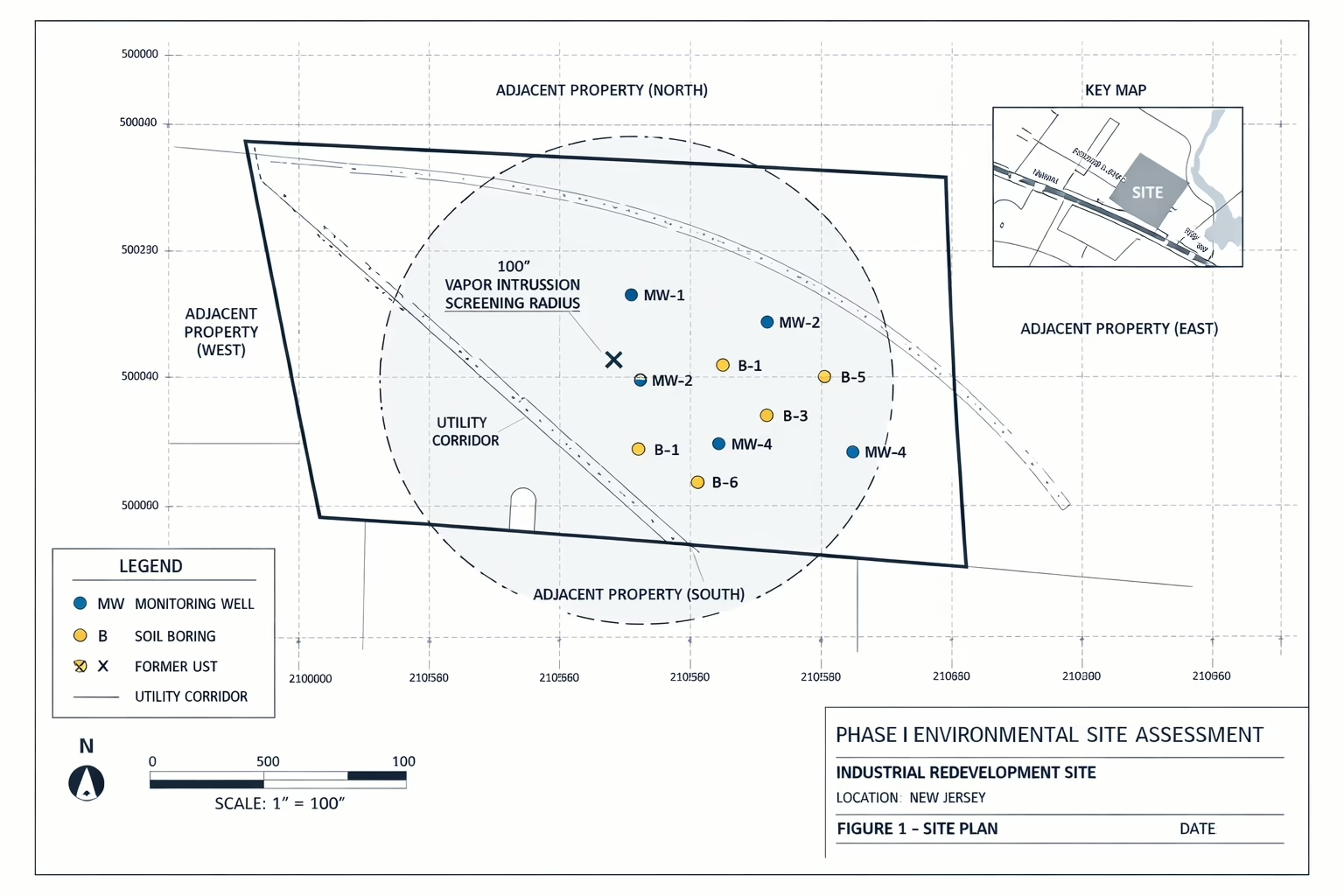
Here's where many property professionals are getting confused: PFAS evaluation in Phase I doesn't automatically mean laboratory testing. Phase I assessments are designed to identify recognized environmental conditions (RECs) through research, interviews, and visual inspection: not through invasive sampling.
When we evaluate PFAS risk during Phase I, we're looking for conditions indicative of releases or threatened releases of PFOA or PFOS. This means examining:
- Historical property use - Was the site ever used for industrial manufacturing, metal plating, or textile operations?
- Fire suppression activities - Has the property or adjacent areas used aqueous film-forming foam (AFFF) for firefighting?
- Waste management history - Were biosolids, compost, or sludge ever applied to the property?
- Proximity to PFAS sources - Are there nearby airports, military installations, or chemical manufacturing facilities?
- Current operations - Do any existing tenants or operations involve PFAS-containing materials?
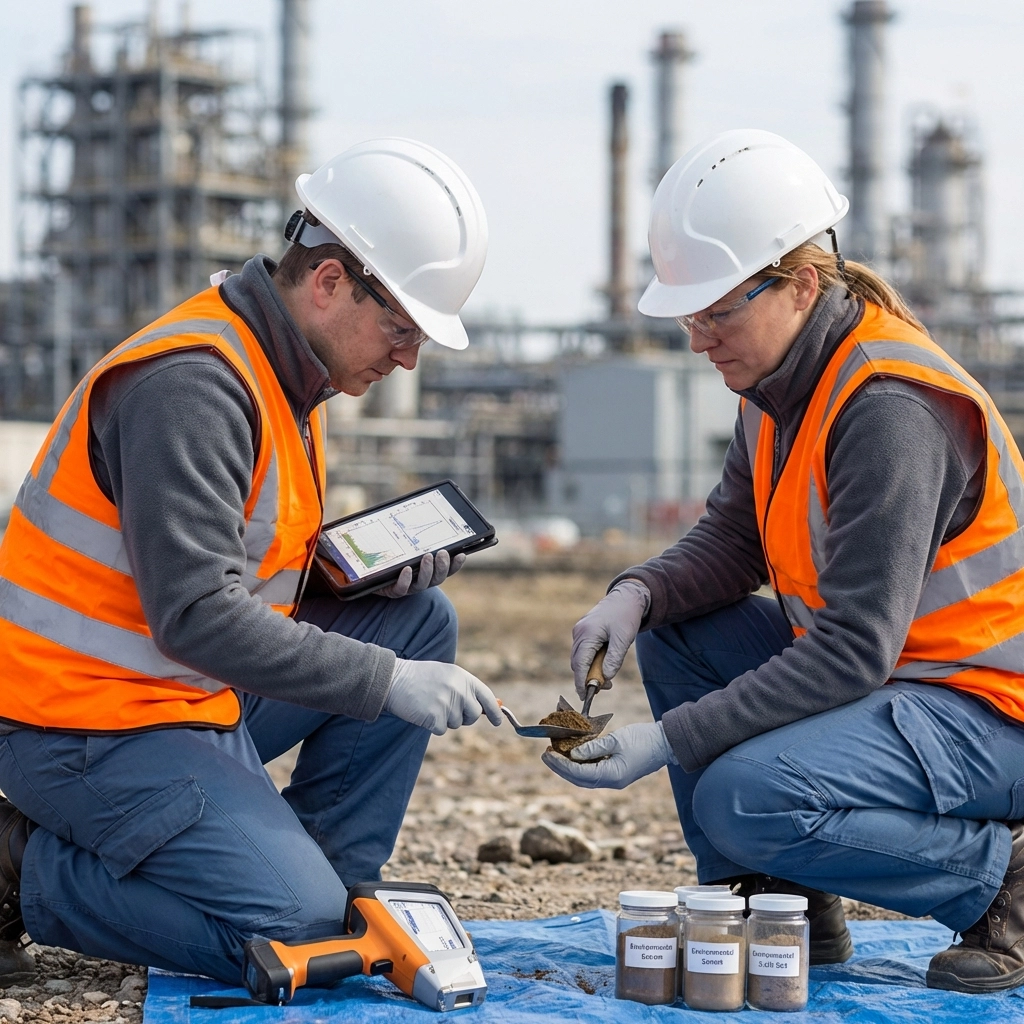
Environmental professionals must now incorporate these PFAS-specific inquiries into their standard assessment protocols. It's about identifying risk factors, not necessarily confirming contamination presence.
Red Flags That Trigger Deeper Investigation
During our Phase I assessments, certain site characteristics immediately raise PFAS concerns. Understanding these red flags can help you anticipate whether your project might require Phase II investigation:
High-Risk Industrial Activities:
- Electroplating and metal finishing operations
- Semiconductor manufacturing
- Textile and carpet manufacturing
- Paper and packaging production
- Chemical manufacturing facilities
Fire Suppression History:
- Airport properties or adjacent areas
- Military installations
- Industrial facilities with fire suppression systems
- Properties with historical firefighting foam releases
Waste Application Sites:
- Agricultural properties with biosolids application
- Sites with historical sludge disposal
- Properties with compost application
- Areas near wastewater treatment facilities
Geographic Considerations:
- Properties within one mile of airports
- Sites near military bases
- Areas downstream from PFAS manufacturing
- Properties in known PFAS contamination zones
The key is recognizing that PFAS can migrate significant distances through groundwater and surface water, making proximity analysis critical.
When You Actually Need PFAS Testing
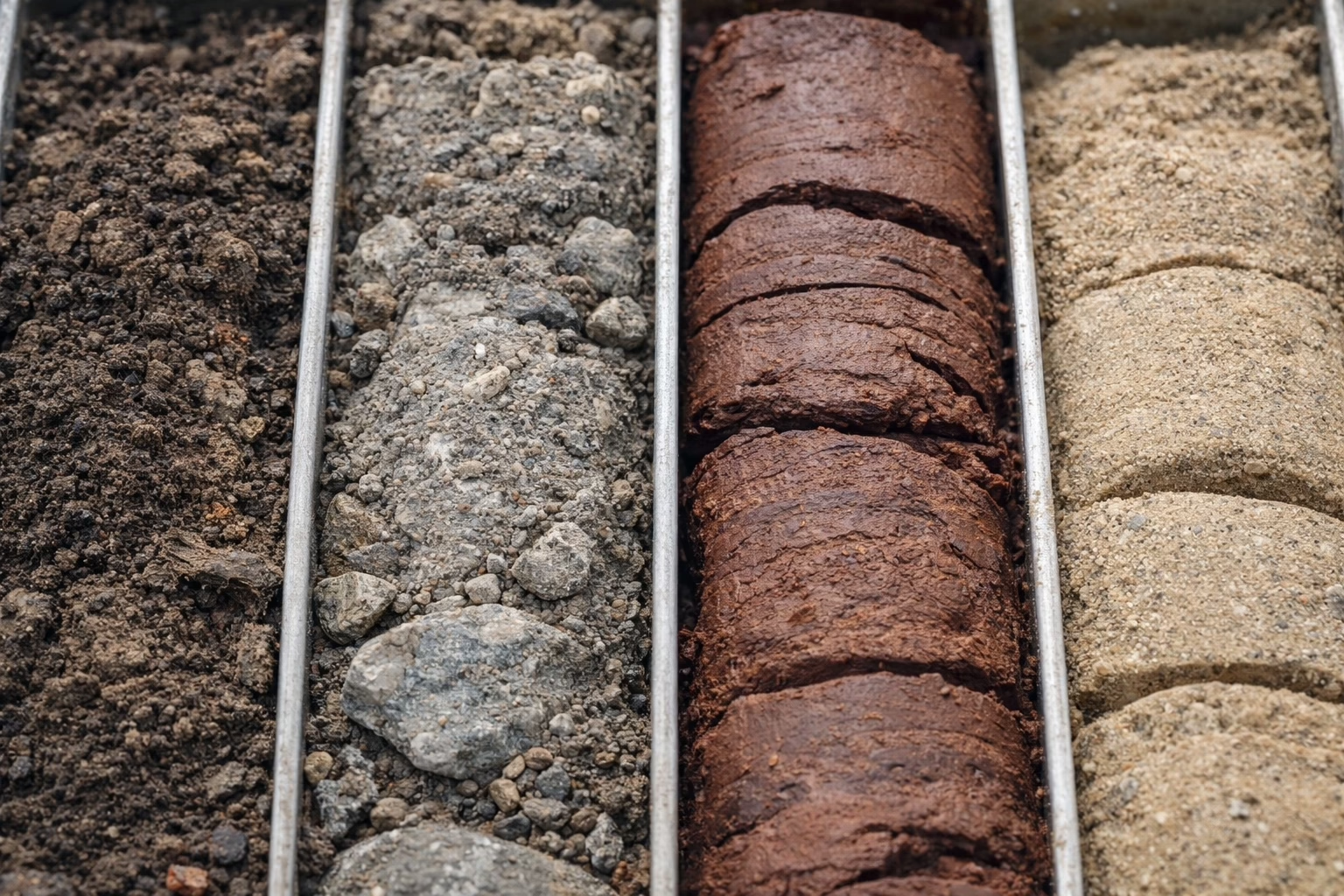
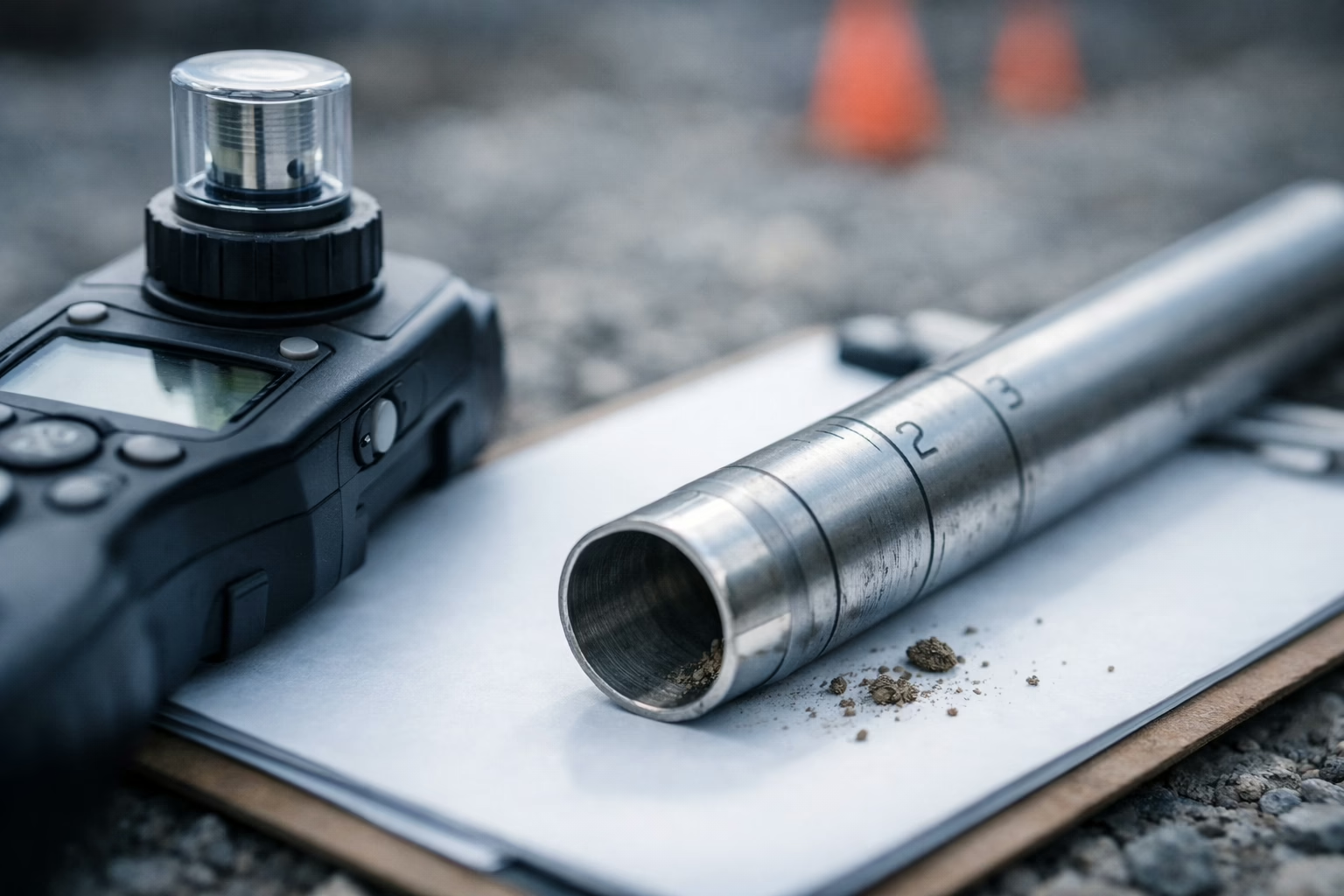
Phase II Environmental Site Assessments: which involve actual soil and groundwater sampling: become necessary when Phase I evaluation identifies potential PFAS concerns. This is where laboratory analysis comes into play, and costs can escalate quickly.
PFAS testing isn't cheap. A comprehensive PFAS analysis can run $500-$1,000 per sample, and you'll likely need multiple samples to properly characterize a site. For a typical commercial property, expect Phase II PFAS investigation costs to range from $15,000 to $50,000 or more.
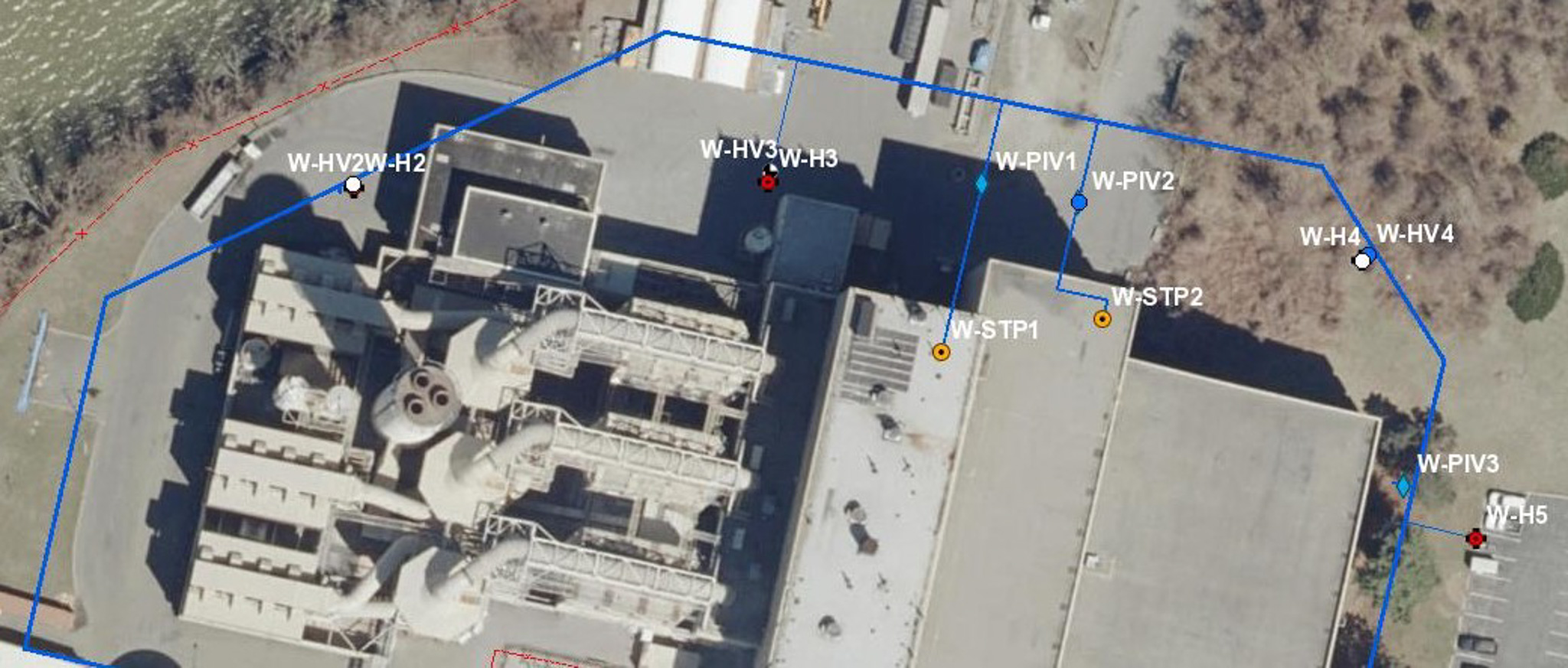
The decision to proceed with Phase II PFAS testing should be based on:
- Specific PFAS-related RECs identified in Phase I
- Transaction risk tolerance
- Lender requirements
- Regulatory compliance needs
- Future liability concerns
The High Cost of Getting It Wrong
Failing to conduct AAI-compliant assessments that include PFAS evaluation carries serious consequences. We're seeing clients face:
Lost Liability Protections: Without proper PFAS evaluation, you can't claim innocent purchaser defense under CERCLA. This leaves you potentially liable for existing contamination, even if you didn't cause it.
Jeopardized Federal Funding: EPA now requires proof that Brownfield grant applicants aren't potentially liable for PFAS contamination before accessing federal cleanup funding. Incomplete assessments can disqualify your project entirely.
Reopened Sites: Previously closed environmental sites could be reopened if PFAS contamination is discovered later, potentially exposing property owners to unexpected remediation costs that weren't anticipated in the original transaction.
Lender Complications: Financial institutions are becoming increasingly sophisticated about PFAS risks. Incomplete environmental due diligence can trigger loan covenant violations or additional collateral requirements.
Strategic Approach to PFAS in Your Next Deal
Smart property professionals are adapting their due diligence approach to address PFAS systematically:
Early Screening: Incorporate PFAS risk evaluation into your initial property screening process. Understanding potential PFAS concerns early helps inform bid strategies and due diligence timelines.
Qualified Professionals: Work with environmental consultants who understand the nuances of PFAS evaluation and have updated their Phase I protocols to meet current AAI standards.
Risk-Based Decision Making: Use Phase I PFAS evaluation to make informed decisions about whether Phase II testing is necessary for your specific transaction and risk tolerance.
Documentation Standards: Ensure your Phase I reports clearly document PFAS evaluation methods and findings to support future liability protection claims.
Looking Ahead: The PFAS Landscape Continues Evolving
The July 2024 CERCLA designation was just the beginning. EPA continues developing additional PFAS regulations, and state agencies are implementing their own PFAS requirements. Properties that seem compliant today might face new obligations tomorrow.
Smart property investors and developers are getting ahead of this curve by building PFAS considerations into their standard operating procedures now, rather than waiting for the next regulatory shoe to drop.
The Bottom Line
PFAS evaluation in Phase I ESAs isn't optional anymore: it's a compliance requirement that directly impacts your legal protections and financial exposure. The question isn't whether you can afford to include PFAS evaluation; it's whether you can afford not to.
The good news? With proper Phase I evaluation, many properties won't require expensive PFAS testing. But you need qualified environmental professionals who understand how to navigate these new requirements and protect your interests.
At Envicon Strategic Solutions, we've updated our Phase I protocols to ensure full AAI compliance while keeping your projects moving efficiently. Because in today's regulatory environment, the right environmental due diligence isn't just good practice: it's essential business protection.
Don't let PFAS uncertainty derail your next deal. Get the evaluation right from the start, and move forward with confidence.