If you're acquiring commercial property in New York or New Jersey, you've probably heard the terms "Phase I" and "Phase II" thrown around like everyone should know the difference. Here's the reality: most developers, lenders, and even some attorneys conflate these two very different assessments. And that confusion can cost you time, money, and deal certainty.
So let's break it down. When do you actually need to put a drill rig on your site and sample soil? And when is a desktop review enough to satisfy your lender and close your deal?
The short answer: you only sample soil in a Phase II ESA, and you only need a Phase II when your Phase I identifies something called a Recognized Environmental Condition (REC). But there's a lot more nuance to this, so let's dig in.
Phase I ESA: The Detective Work (No Digging Required)
A Phase I Environmental Site Assessment is essentially an investigation. Think of it as environmental due diligence detective work. Your consultant reviews historical records, regulatory databases, aerial photographs, Sanborn fire insurance maps, and interviews current and past owners: all to answer one fundamental question:
"Is there a reasonable likelihood that contamination exists on this property?"
Here's what a Phase I includes:
- Site reconnaissance: Walking the property to look for red flags like stained soil, abandoned drums, or suspicious fill material
- Historical use review: Tracing the property's history back to first developed use
- Regulatory database search: Checking federal, state, and local environmental databases for spills, violations, or cleanup sites
- Interviews: Talking to current owners, occupants, and local officials who might have knowledge of past uses
What a Phase I does not include: any physical testing. No soil borings. No groundwater wells. No laboratory analysis. Your consultant isn't collecting samples: they're collecting information.
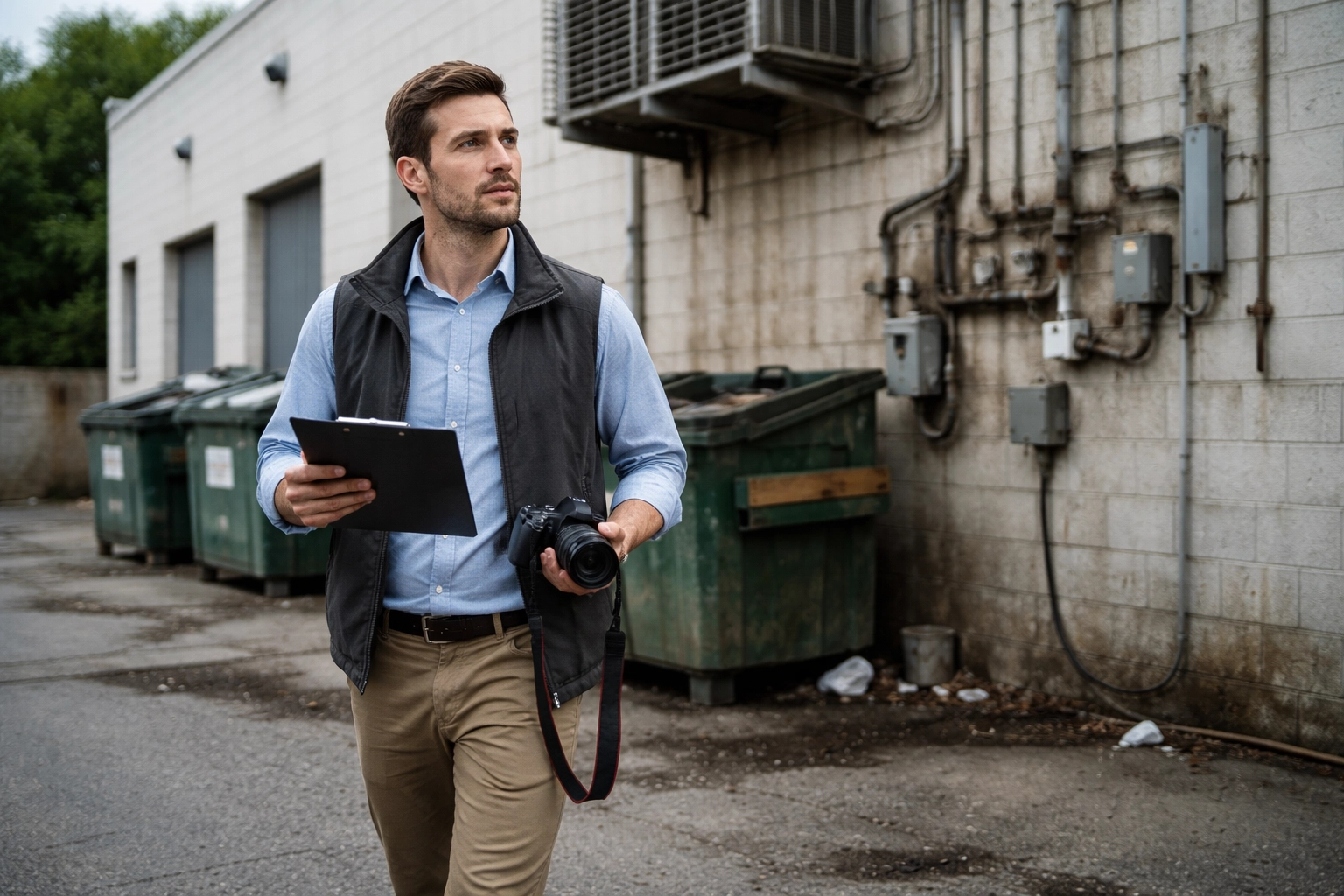
The Phase I follows the ASTM E1527-21 standard, which is what lenders require for "All Appropriate Inquiries" under CERCLA. In plain English: it's the baseline assessment that protects you from inheriting someone else's contamination liability.
Phase II ESA: When You Actually Sample Soil
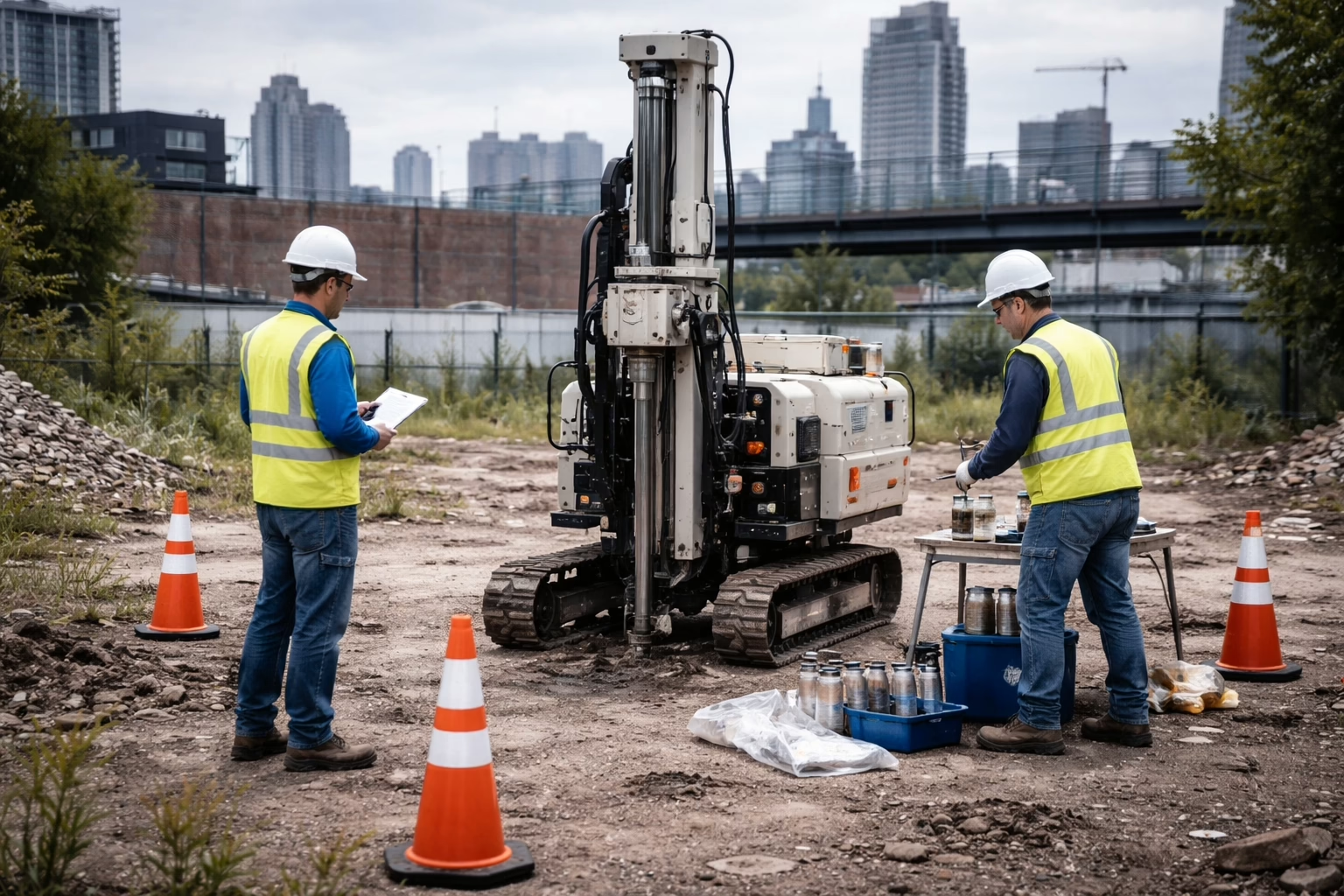
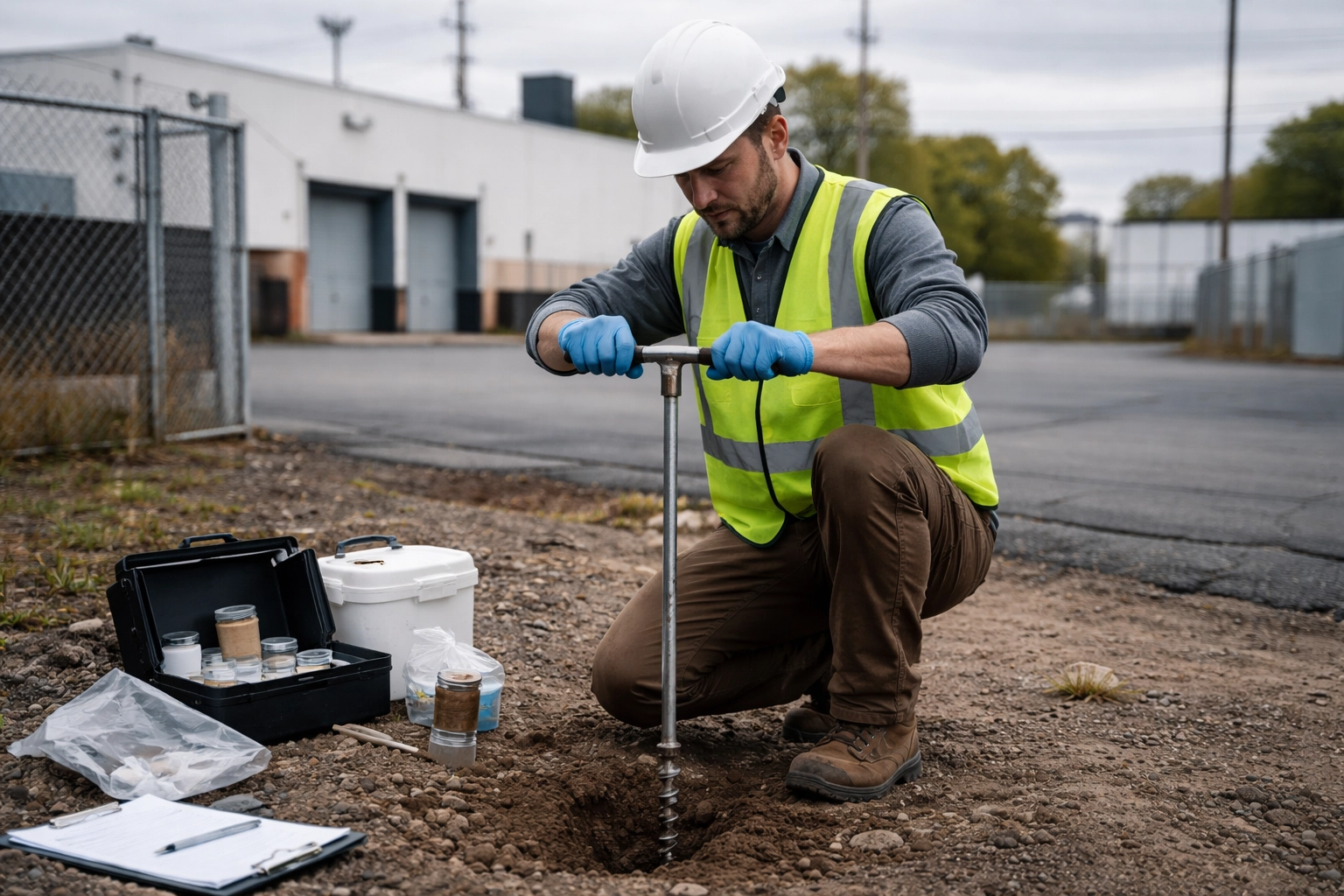
A Phase II Environmental Site Assessment is where the rubber meets the road: or more accurately, where the drill rig meets the subsurface. This is the hands-on investigation that determines whether contamination is actually present and, if so, how bad it is.
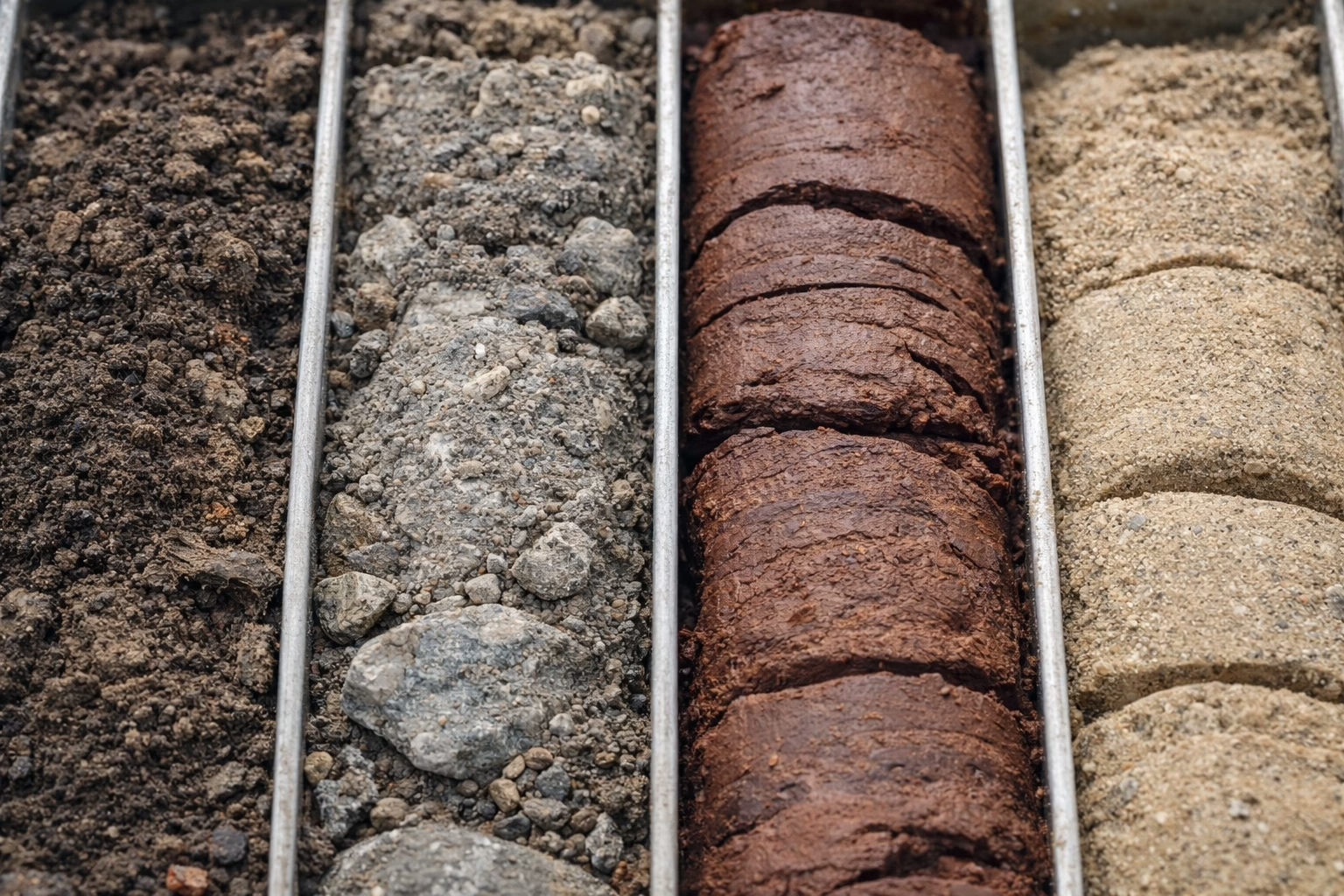
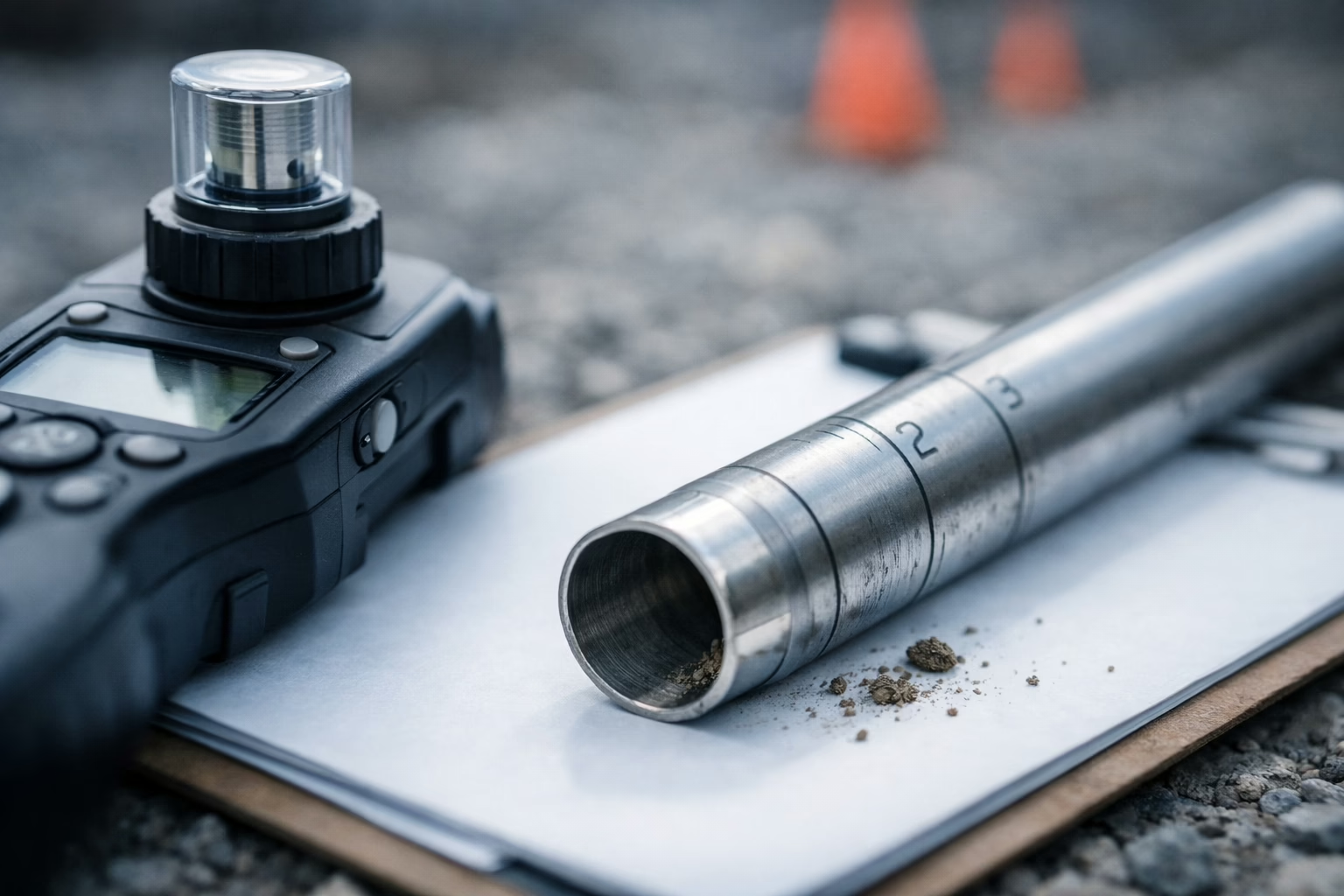
During a Phase II, we collect and analyze:
- Soil samples from targeted locations based on Phase I findings
- Groundwater samples from temporary or permanent monitoring wells
- Soil gas or vapor samples if volatile compounds are a concern
- Surface water samples if applicable to the site conditions
The key word here is targeted. We're not randomly poking holes in your property. Every boring location is selected based on where the Phase I indicated a release is most likely: former tank locations, chemical storage areas, hydraulic lifts, dry cleaners, you name it.
"The Phase I tells us where to look. The Phase II tells us what's actually there."
Once samples hit the laboratory, we compare results against applicable regulatory standards: in New York, that's the NYSDEC Part 375 Soil Cleanup Objectives; in New Jersey, it's the NJDEP Remediation Standards. If concentrations exceed those thresholds, you've got a confirmed contamination issue that needs to be addressed before (or as part of) your redevelopment.
The Trigger: What's a REC and Why Does It Matter?
Here's where most people get tripped up. The decision to move from Phase I to Phase II isn't arbitrary: it's driven by whether the Phase I identifies Recognized Environmental Conditions (RECs).
Under ASTM E1527-21, a REC is defined as:
"The presence or likely presence of any hazardous substances or petroleum products in, on, or at a property due to a release to the environment, under conditions indicative of a release to the environment, or under conditions that pose a material threat of a future release to the environment."
Translation: something happened (or is happening) on this property that could have caused contamination.
Common RECs we encounter in the NY/NJ market include:
- Former gas stations or auto repair shops with underground storage tanks
- Dry cleaning operations that used chlorinated solvents
- Manufacturing facilities with chemical use or storage
- Properties with documented spills in regulatory databases
- Adjacent sites with contamination that could have migrated onto the subject property
- Fill material of unknown origin (extremely common in urban infill sites)
If your Phase I identifies one or more RECs, the standard recommendation is to proceed with a Phase II to characterize the actual subsurface conditions. This isn't us being overly cautious: it's what your lender will require, and it's what protects your investment.
When You Don't Need a Phase II
Good news: not every Phase I leads to a Phase II. If your environmental consultant reviews the property history, walks the site, checks the databases, and finds no RECs, the assessment process typically ends there.
Properties with clean histories: think newer construction on previously undeveloped land, or office buildings with no industrial neighbors: often sail through the Phase I process without triggering additional investigation.
That said, "no RECs" doesn't mean "no concerns." Your Phase I might identify de minimis conditions (minor issues unlikely to rise to the level of a REC) or business environmental risks (issues outside the ASTM scope but still relevant to your transaction). A good consultant will flag these clearly so you can make informed decisions.
When You Absolutely Need a Phase II
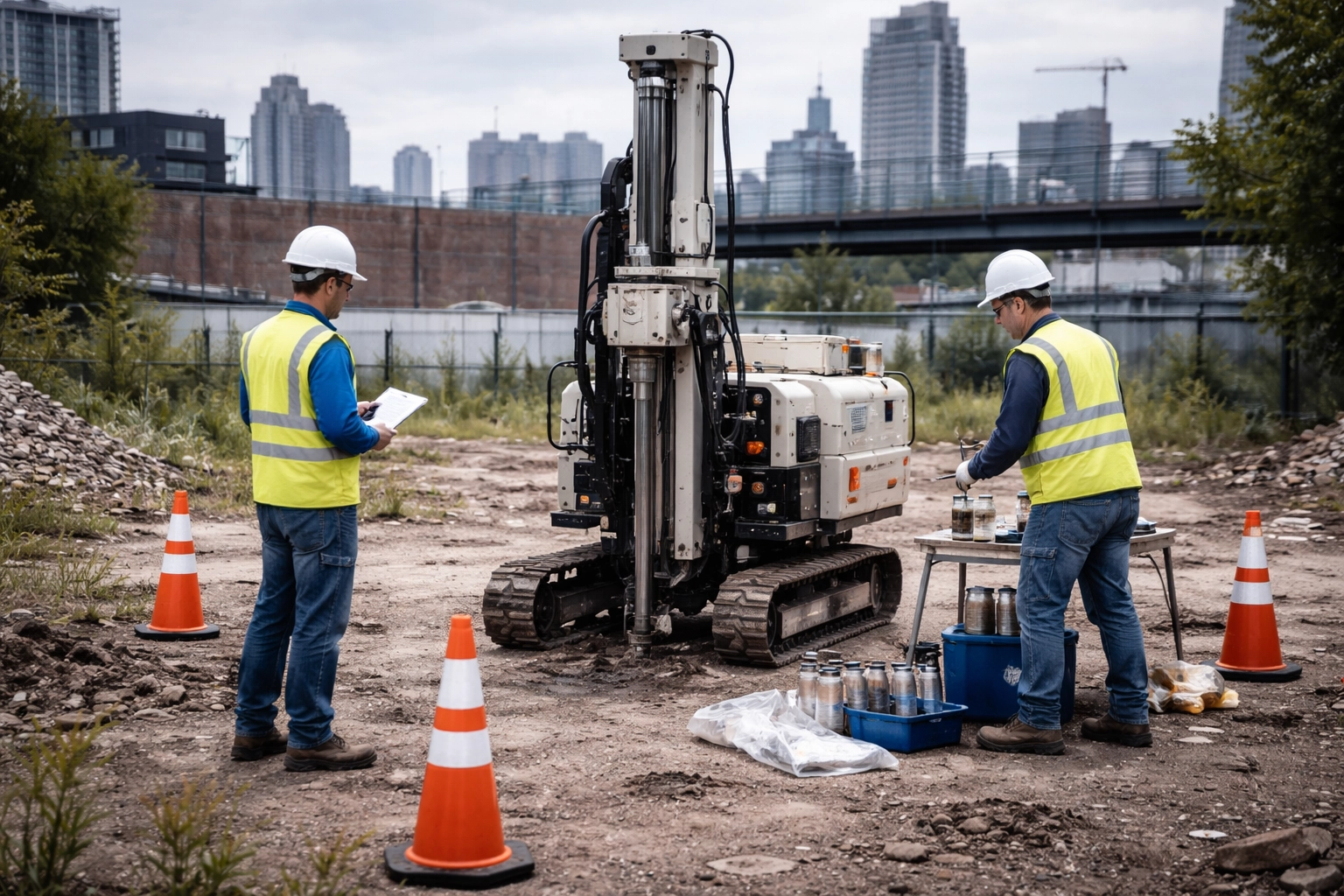
Let's be direct about the scenarios where a Phase II is non-negotiable:
1. Your Phase I identified RECs. This is the textbook trigger. Lenders won't close, and you shouldn't close, without understanding what's in the ground.
2. You're pursuing NYSDEC BCP or NJDEP LSRP remediation. If you're entering a regulatory cleanup program to access tax credits or liability protections, a Phase II (at minimum) is required to characterize site conditions. For more on the Brownfield Cleanup Program and whether those tax credits are worth the timeline, check out our insights on Part 375 changes.
3. Your lender or investor requires it regardless of Phase I findings. Some institutional lenders have blanket policies requiring Phase II for certain property types (industrial, gas stations, dry cleaners) even if the Phase I is technically "clean."
4. You're planning ground disturbance and want to avoid surprises. Even without RECs, some developers opt for a limited Phase II as a proactive measure before excavation. Finding contamination mid-construction is exponentially more expensive than finding it during due diligence.
The Timeline and Cost Reality
Here's the practical breakdown for NY/NJ transactions:
| Assessment | Typical Timeline | Cost Range |
|---|---|---|
| Phase I ESA | 2-3 weeks | $2,500 - $4,500 |
| Phase II ESA | 3-6 weeks | $8,000 - $25,000+ |
Phase II costs vary significantly based on the number of borings, depth of investigation, laboratory analysis required, and whether groundwater sampling is needed. A straightforward investigation of a former gas station looks very different from characterizing a multi-acre industrial facility with decades of varied chemical use.
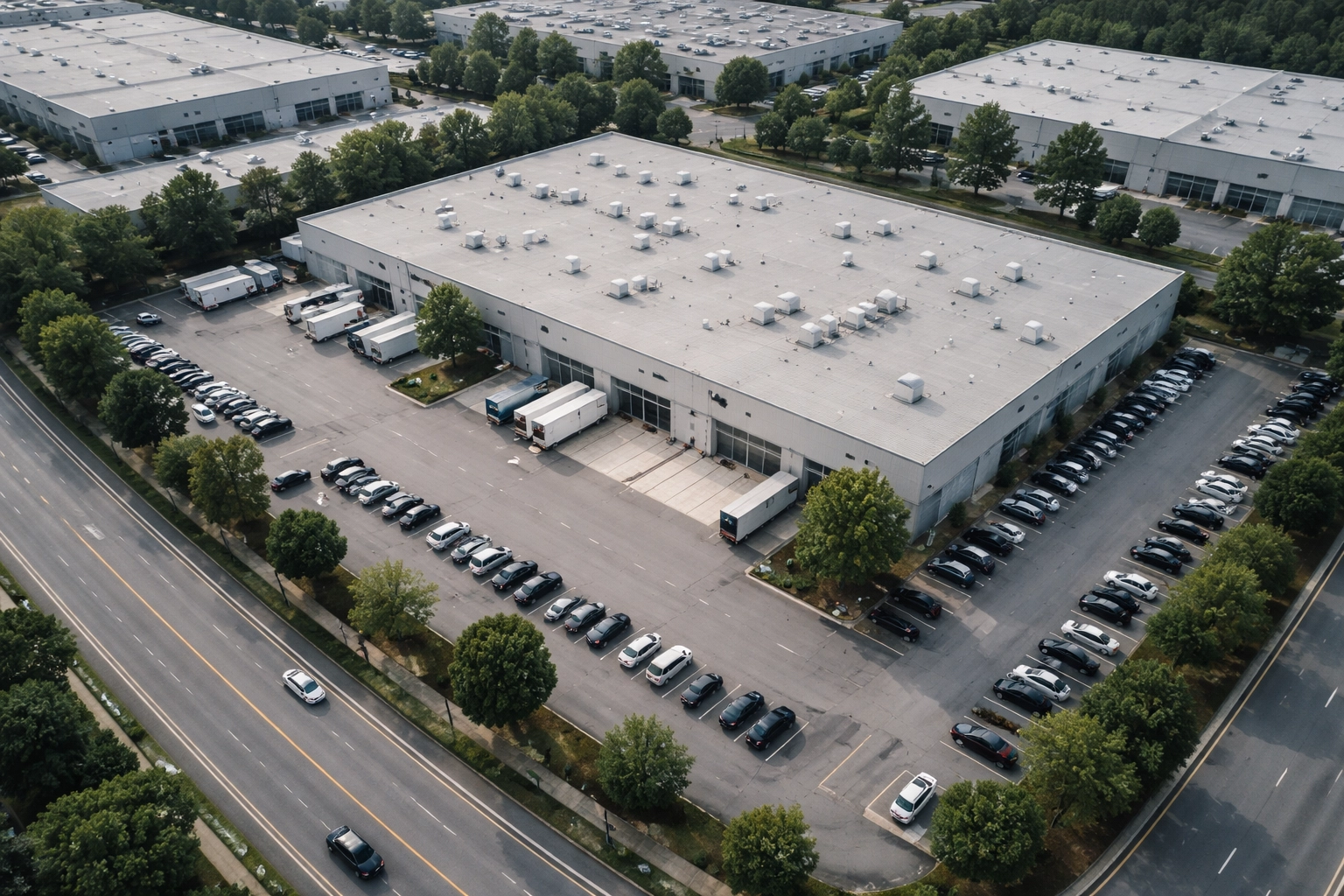
The key takeaway: budget for the possibility of a Phase II in any acquisition involving older properties, urban sites, or industrial history. It's far better to have contingency funds available than to scramble when your Phase I comes back with RECs three weeks before closing.
The Bottom Line
The Phase I vs. Phase II decision isn't complicated once you understand the framework:
- Phase I is a records-and-reconnaissance investigation that identifies whether potential contamination concerns exist
- Phase II is a subsurface sampling investigation that confirms whether contamination is actually present
- RECs are the trigger: if your Phase I identifies Recognized Environmental Conditions, a Phase II is the logical and often required next step
At Envicon, we've guided hundreds of developers, investors, and property owners through this exact decision point across the NY/NJ market. Our approach is straightforward: give you the information you need to make smart decisions, on a timeline that keeps your deal moving.
Got a property under contract and need to figure out your environmental due diligence path? Reach out to our team: we'll tell you exactly what you need and, just as importantly, what you don't.