Stormwater violations don't announce themselves. They show up as a notice in your inbox, a stop-work order on your gate, or a fine that wipes out your project contingency. In 2026, both New Jersey and New York have sharpened their enforcement focus on Stormwater Pollution Prevention Plans (SWPPPs), and inspectors are no longer giving warnings for what they used to call "minor" issues.
If you're developing, constructing, or redeveloping a site in the NJ/NY metro, here's what you need to know to keep your project moving: and your budget intact.
Why SWPPP Enforcement Has Intensified in 2026
The regulatory landscape has shifted. NJDEP's updated stormwater permit now places explicit emphasis on fining violations of Private Stormwater Management Plans, and inspection/reporting requirements have expanded significantly. New York's State Pollutant Discharge Elimination System (SPDES) general permit for construction activities continues to tighten timelines and documentation standards.
The message from regulators is clear: stormwater isn't an afterthought. It's a compliance priority with real financial consequences.
"The days of treating your SWPPP as a binder that sits in the trailer are over. Inspectors want to see active implementation, not just documentation." : Senior Environmental Compliance Manager, NYC Region
For developers and contractors, this means one thing: proactive compliance is cheaper than reactive fines.
What Non-Compliance Actually Costs You
Let's talk numbers. NJDEP can assess penalties up to $50,000 per day for stormwater violations. New York's DEC has similar authority under the Environmental Conservation Law. But the direct fines are only part of the story.
The real costs of a SWPPP violation include:
- Stop-work orders that delay your schedule by weeks
- Re-inspection fees and mandatory corrective action plans
- Increased scrutiny on future permit applications
- Lender and investor concerns that can affect financing
- Reputational damage with municipalities you need for future approvals
A $10,000 fine can easily balloon into a $100,000 project delay. That's why we tell our clients: the cheapest SWPPP violation is the one you prevent.
The 5 Most Common SWPPP Violations We See in NJ/NY
After years of supporting construction projects across Hudson County, the Bronx, Queens, and throughout the region, we've seen the same violations come up again and again. Here's what inspectors are flagging most often in 2026:
1. Inadequate or Missing Inspection Records
This is the number one issue. Your SWPPP requires regular inspections: typically weekly and after every storm event of 0.25 inches or more. But having a plan isn't enough. You need documented proof that inspections happened, what was observed, and what corrective actions were taken.
Inspectors aren't just checking if you have a SWPPP. They're checking if you're actually using it.
2. Failed Erosion and Sediment Controls
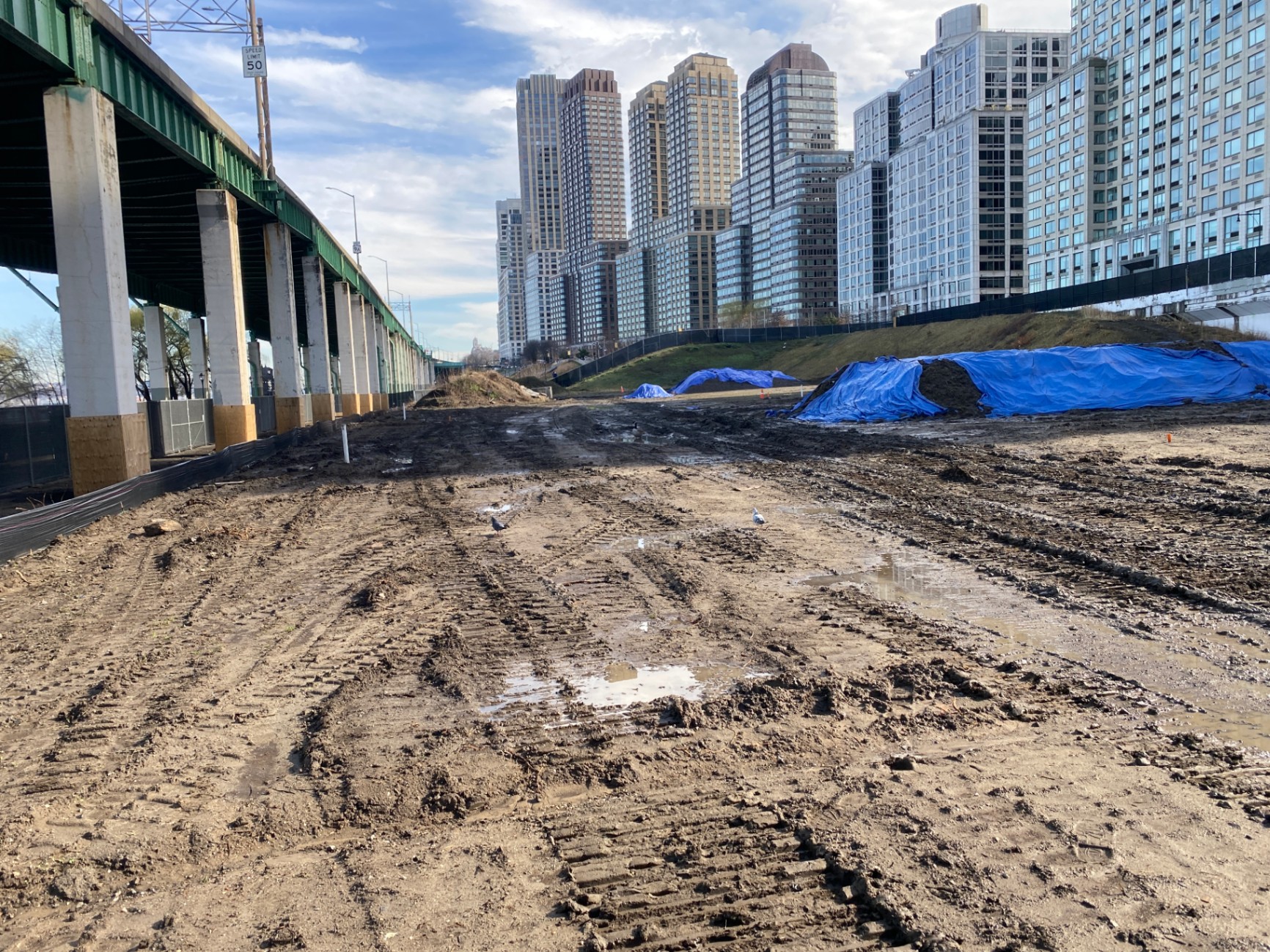
Silt fences that have fallen over. Inlet protection that's clogged and bypassing. Stabilization measures that were never installed on disturbed areas. These visible failures are easy targets for inspectors: and they photograph well in violation reports.
The 2026 NJDEP permit specifically expands requirements for preventative measures, meaning you need to maintain controls before they fail, not after.
3. Improper Material Storage and Handling
Concrete washout areas that aren't contained. Fuel storage without secondary containment. Construction debris piled near storm drains. These are the "low-hanging fruit" violations that inspectors can cite in minutes.
4. Outdated or Incomplete SWPPP Documentation
Your SWPPP is a living document. If your site conditions have changed: new phases, altered grading, additional outfalls: your plan needs to reflect that. We regularly see projects get cited because their SWPPP still shows the original site plan from six months ago.
5. Failure to Train Personnel
Everyone on your site needs to understand basic stormwater requirements. If an inspector asks your foreman about the location of the concrete washout area and they can't answer, that's a problem. Training records should be part of your compliance file.
NJ-Specific Requirements You Can't Ignore
New Jersey's updated stormwater permit has added several requirements that catch projects off guard:
- Enhanced recordkeeping: You must maintain inspection, monitoring, maintenance, and recordkeeping plans that demonstrate ongoing site performance: not just initial compliance.
- Local ordinance alignment: Your SWPPP must comply with municipal stormwater ordinances, which can be more stringent than state requirements. Don't assume state compliance covers you locally.
- Private stormwater management plan enforcement: NJDEP has explicitly authorized fining violations of private plans, closing a loophole that some projects previously exploited.
If you're working in New Jersey, your compliance strategy needs to account for both state and municipal layers. We help clients navigate this through our compliance and permitting services.
NY-Specific Requirements Worth Noting
New York's SPDES General Permit for Stormwater Discharges from Construction Activity (GP-0-24-001) has its own set of expectations:
- Notice of Intent (NOI) timing: You must file your NOI and receive authorization before any soil disturbance begins. Starting work "while the paperwork is processing" is a violation.
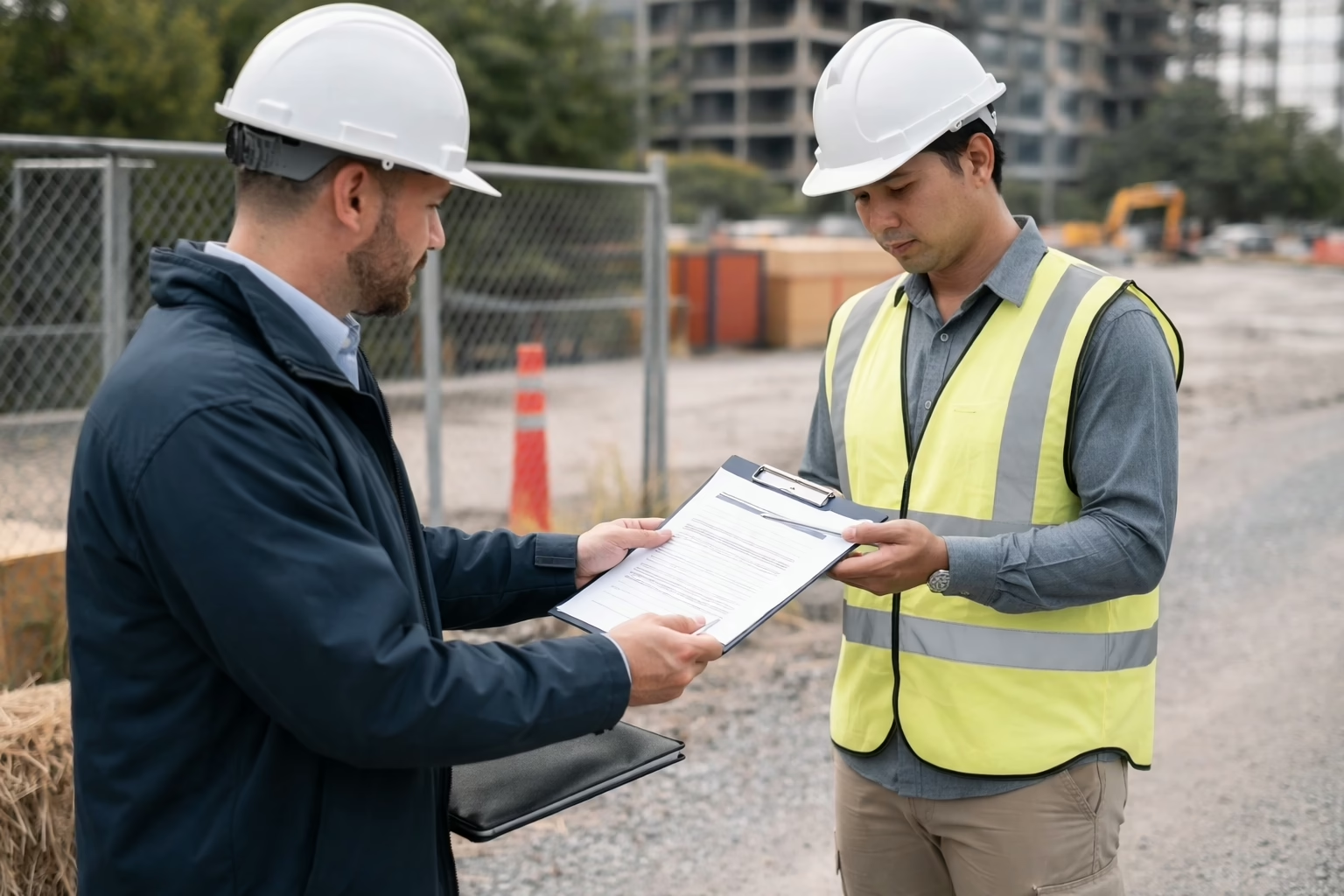
- Qualified inspector requirements: Inspections must be conducted by someone meeting the state's qualified inspector criteria. Not just anyone with a clipboard.
- Post-construction requirements: Your SWPPP must address long-term stormwater management, not just construction-phase controls.
For projects in NYC specifically, coordination with DEP and adherence to the city's stormwater management requirements adds another layer. Our teams working on projects like Jerome Ave and throughout the Bronx deal with these overlapping jurisdictions daily.
Your 2026 SWPPP Compliance Checklist
Here's what we recommend every project team review before their next inspection:
Documentation
- SWPPP is current and reflects actual site conditions
- Inspection logs are complete with dates, findings, and corrective actions
- Training records are on file for all site personnel
- NOI/permit authorization is posted and accessible
Site Controls
- All erosion and sediment controls are installed per the plan
- Controls are maintained and functional (not just present)
- Stabilization measures are in place on inactive disturbed areas
- Inlet protection is clear and functioning
Materials Management
- Concrete washout area is designated and contained
- Fuel and chemical storage has secondary containment
- Construction debris is managed away from drainage pathways
- Waste containers are covered
Inspection Readiness
- Designated SWPPP contact is identified and available
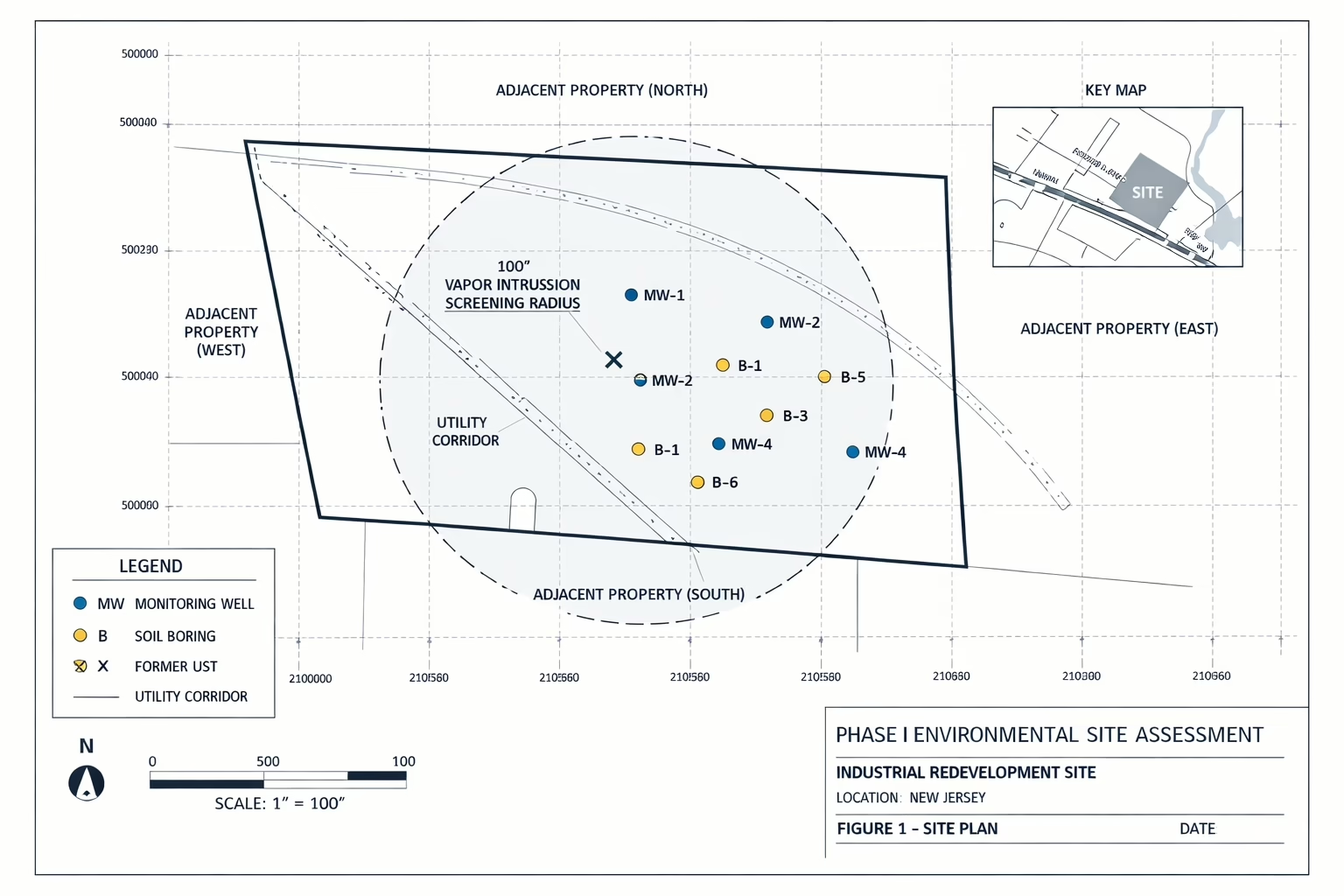
- Site map showing BMP locations is accessible
- Previous inspection reports are organized and available for review
The Bottom Line: Compliance is a Competitive Advantage
Here's the reality: most of your competitors treat SWPPP compliance as a box to check. They create a plan at permit submission and forget about it until something goes wrong.
That approach doesn't work in 2026. Regulators have the tools, the authority, and the mandate to enforce stormwater requirements aggressively. Projects that treat compliance as an ongoing operational requirement: not a one-time paperwork exercise: avoid the fines, the delays, and the headaches.
At Envicon, we integrate environmental compliance with our civil and site engineering work because we've seen what happens when these disciplines operate in silos. Your SWPPP shouldn't be disconnected from your grading plan, your construction sequencing, or your site logistics. When they're aligned, compliance becomes easier: and violations become rare.
Key Takeaways
Stormwater compliance in NJ/NY has real teeth in 2026. The most common violations: inspection gaps, failed controls, outdated documentation: are all preventable with the right systems in place. Whether you're breaking ground on a new development or managing an active construction site, the time to audit your SWPPP compliance is now, not after the inspector arrives.
Need a compliance review before your next inspection? Our team works with developers and contractors across the region to identify gaps and implement practical solutions that keep projects on schedule. Reach out to Envicon to talk through your specific situation.