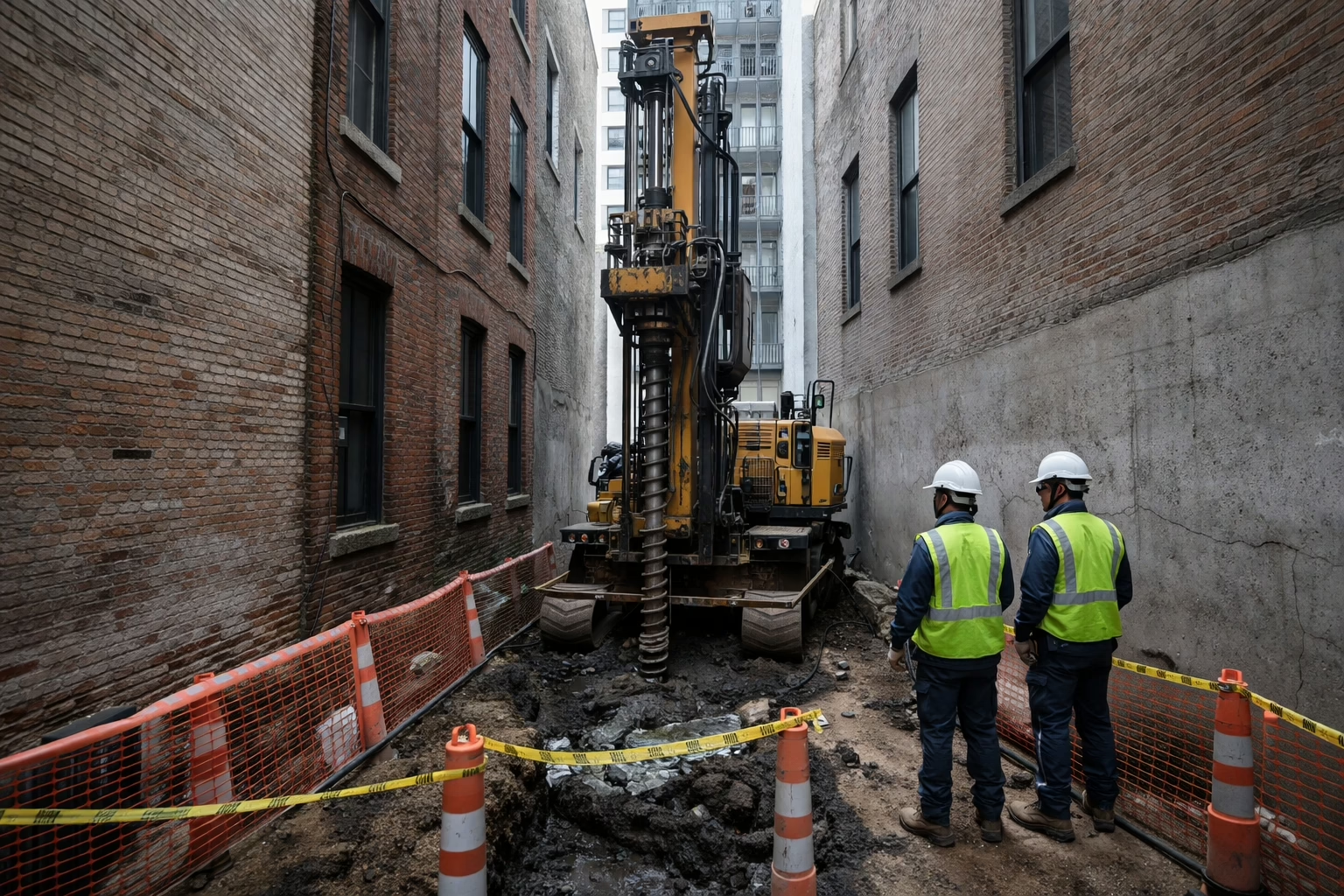
You've locked down your infill site in Brooklyn. The zoning works, the financing is lined up, and the architect is ready to finalize foundation drawings. Then your contractor asks a simple question: "What's actually under there?"
If you can't answer that question with hard data, you're not ready to break ground.
NYC infill development is a high-stakes game. You're building on land that's been used, reused, and sometimes abused for over a century. Former gas stations, industrial facilities, demolished structures with abandoned foundations: the city's subsurface is a patchwork of unknowns. A geotechnical investigation isn't just a box to check. It's the only way to understand what you're building on before your budget and timeline go sideways.
What a Geotechnical Investigation Actually Tells You
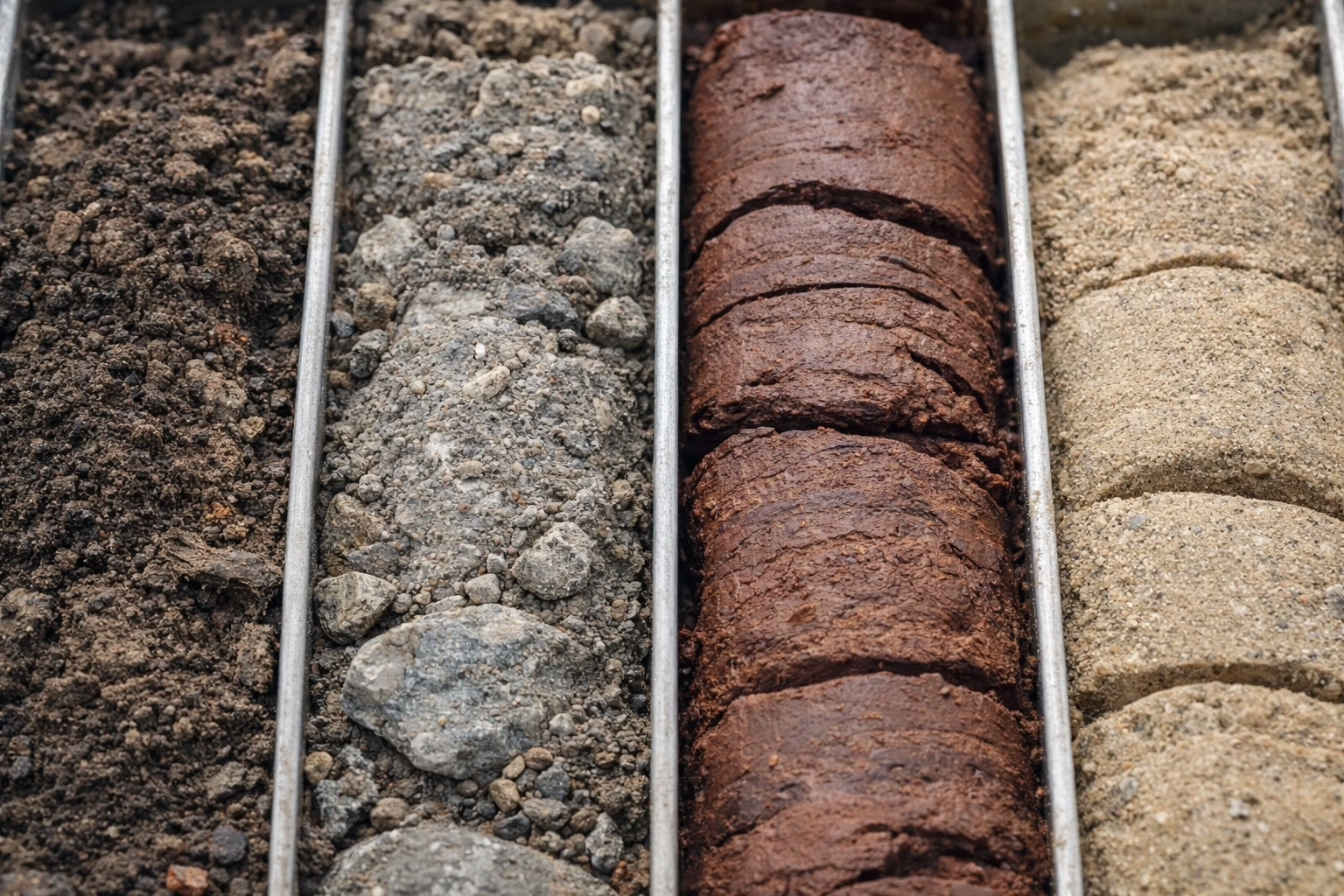
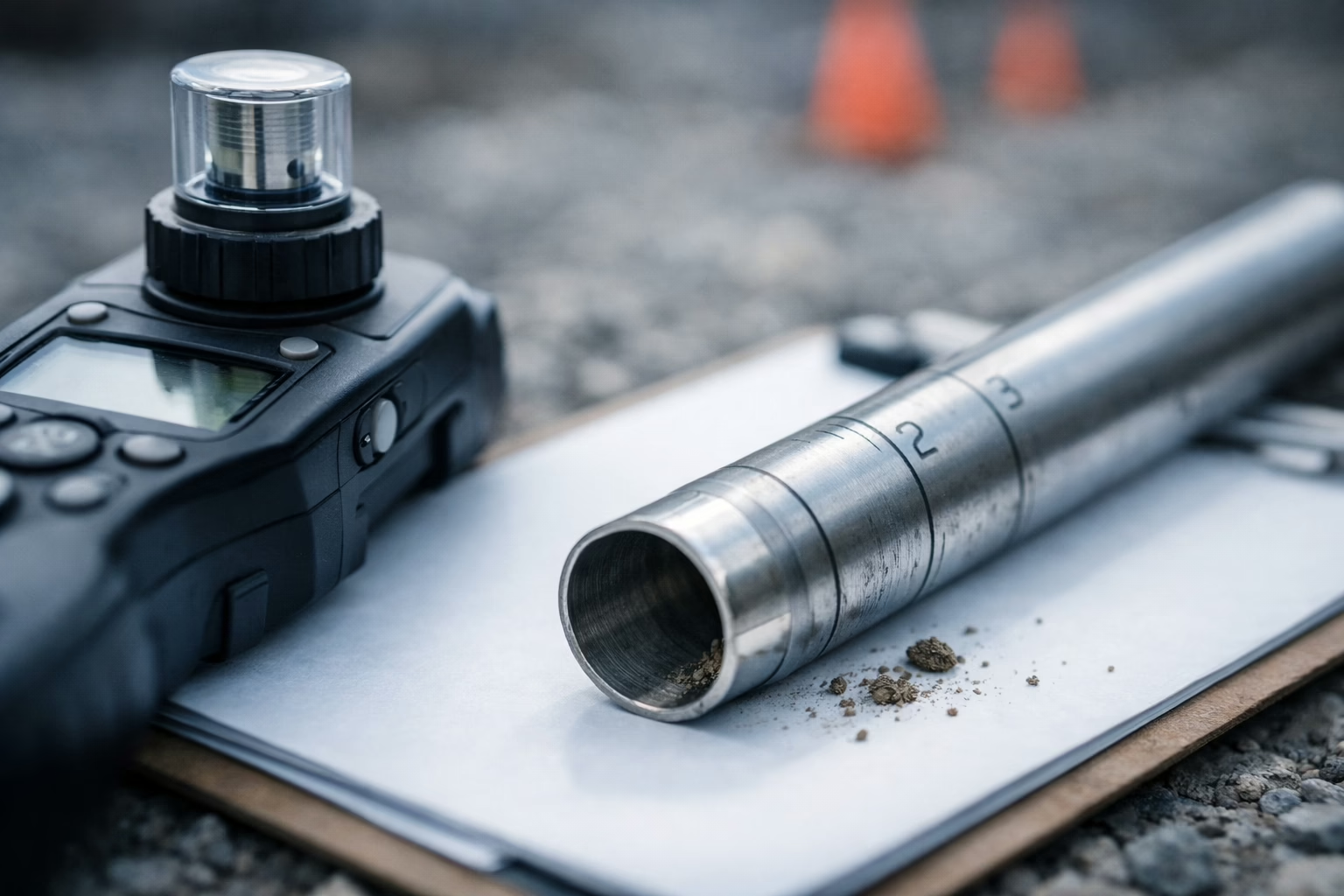
A geotechnical investigation is a systematic analysis of subsurface conditions at your project site. Through soil borings, test pits, and laboratory analysis, we determine the physical and engineering properties of the ground beneath your feet.
Specifically, you'll learn:
- Soil characteristics and classification : Is it fill, native clay, glacial till, or something else entirely?
- Soil permeability rates : Critical for stormwater management and foundation drainage design
- Depth to groundwater : Affects excavation methods, dewatering requirements, and foundation type
- Depth to bedrock : Determines whether you're looking at spread footings, driven piles, or rock-socketed caissons
- Presence of existing structures or debris : Old foundations, utilities, and buried tanks are common on NYC infill sites
This data forms the foundation (literally) of every design decision that follows.
The Unique Challenges of NYC Infill Sites
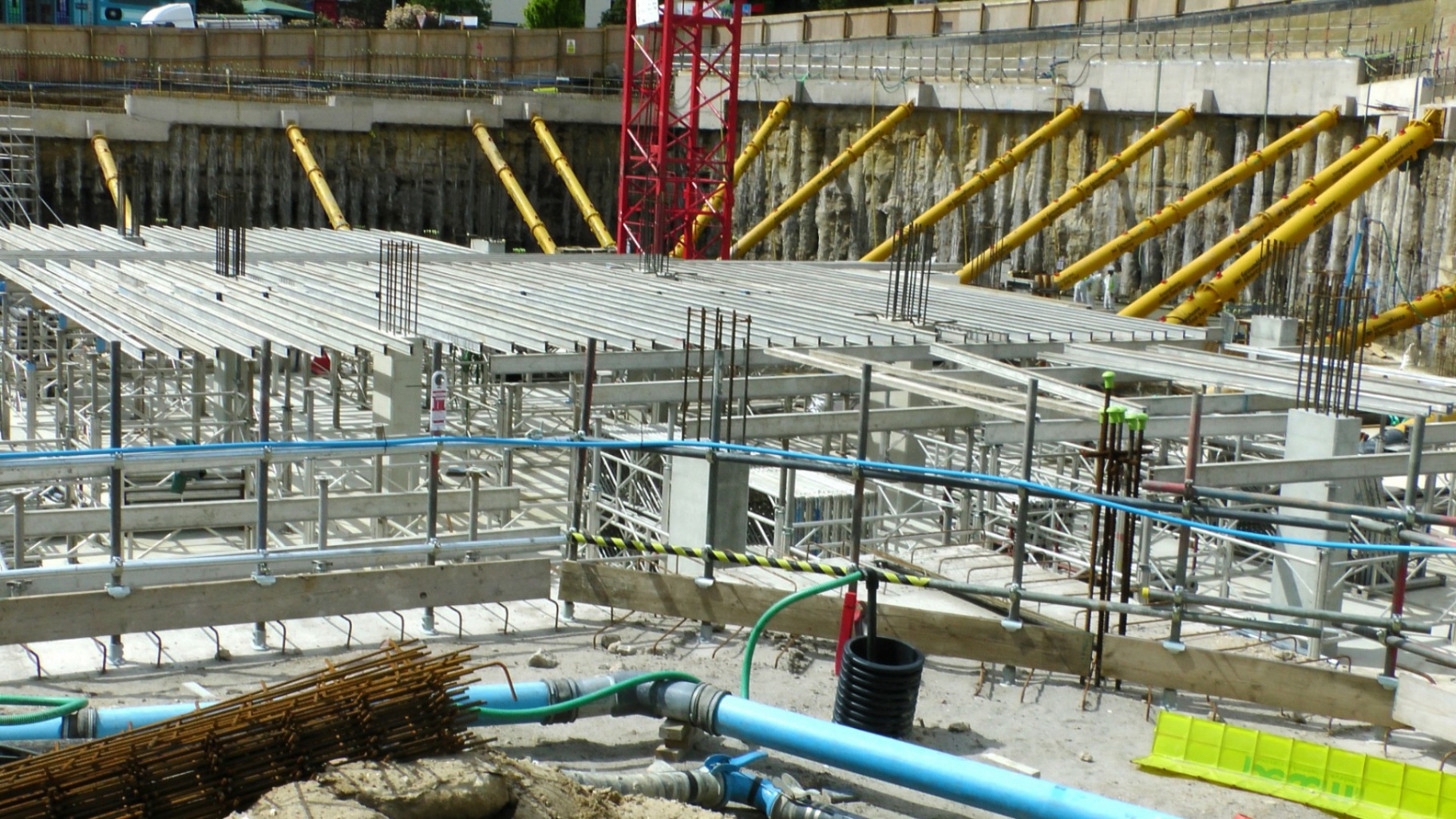
Building on a greenfield site upstate is straightforward. Building on a tight lot in Queens where a warehouse stood for 80 years? That's a different animal entirely.
NYC infill sites come with a predictable set of complications:
Historic fill and urban debris. Much of the city's developable land has been filled over time with everything from construction rubble to ash to industrial byproducts. You won't know what you're dealing with until you drill.
Variable subsurface conditions. Soil conditions can change dramatically across a single lot. We've seen sites where one corner sits on competent rock at 15 feet while the opposite corner has 40 feet of loose fill. Uniform assumptions lead to expensive surprises.
Existing utilities and abandoned infrastructure. That old building may be gone, but its foundations, fuel tanks, and utility connections might still be waiting underground. Your drilling plan requires utility mark-outs and documentation of every subsurface condition encountered.
Contamination potential. Former industrial and commercial uses leave their mark. If our investigation encounters debris, odors, ash, petroleum, slag, or other indicators of contamination, drilling stops immediately and the borehole is filled. Early detection protects you from costly remediation and environmental liability down the road.
"In urban infill development, what you don't know underground will cost you more than what you do know."
NYC Regulatory Requirements You Can't Ignore
The City doesn't give you a choice on this one. Geotechnical investigations are mandated before various types of infill work can proceed.
Stormwater management compliance: If you're proposing a stormwater management practice (SMP) to comply with the NYC DEP Stormwater Construction Permit, an on-site geotechnical investigation is required. The investigation must record soil properties and infiltration rates at minimum: without this data, you cannot design an approvable system.
Right-of-way green infrastructure: Projects involving city right-of-way green infrastructure require a Limited Geotechnical Investigation prior to design. These investigations must be performed by a licensed Professional Engineer and submitted to the appropriate city agency.
Building Department submissions: For any foundation work requiring DOB approval, you'll need geotechnical data to support your structural engineer's design. Trying to permit a foundation without subsurface data is a non-starter.
The regulatory framework exists because the city learned the hard way what happens when people dig first and ask questions later.
Contamination: The Risk That Can Kill Your Deal
Here's where infill sites get genuinely dangerous: not just to your budget, but potentially to your entire project.
NYC's industrial history means contamination is always a possibility on previously developed land. During a geotechnical investigation, our field teams are trained to watch for warning signs: unusual odors, discolored soil, debris that doesn't belong, petroleum sheens on groundwater, slag, ash deposits, and other red flags.
When contamination indicators appear, protocol is clear: drilling terminates immediately, the borehole is filled, and the proposed location is abandoned. This isn't overcaution: it's protecting you from turning a routine site investigation into a reportable environmental incident.
Early contamination detection gives you options. You can adjust your site plan, budget for remediation, or walk away before you're too deep into the deal. Discovering contamination during excavation? That's when projects stall, costs explode, and regulators get involved.
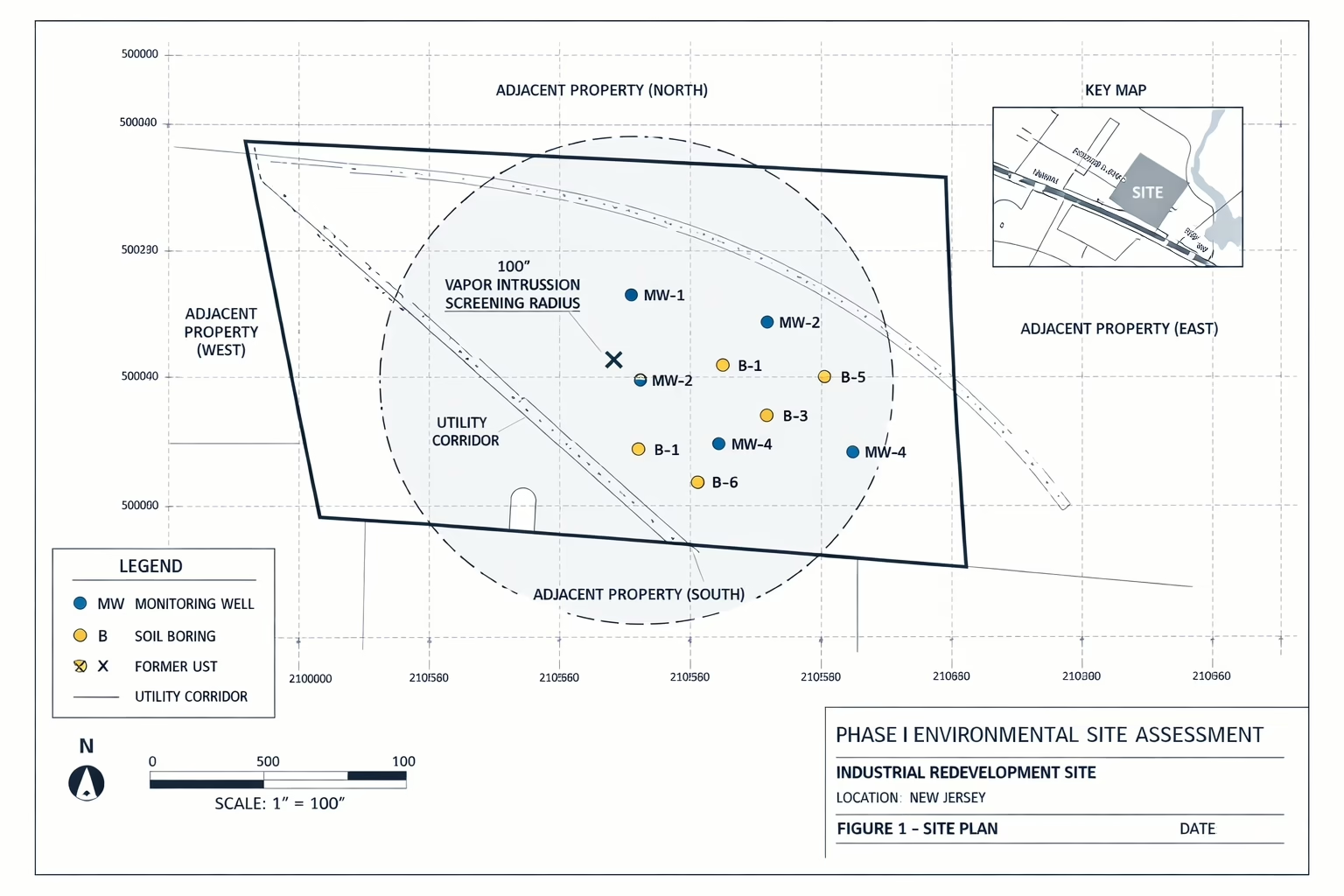
This is why we often recommend coordinating your geotechnical investigation with a Phase I Environmental Site Assessment. Understanding both the physical and environmental conditions of your subsurface gives you a complete picture before you commit.
How Geotechnical Data Shapes Your Design
The investigation isn't just about avoiding problems: it's about designing the right solution for your specific site.
Foundation selection: Your structural engineer can't specify a foundation system without knowing what's below grade. Spread footings work when you have competent bearing soils near the surface. Deep foundations become necessary when you're building over fill or need to reach bedrock. The geotechnical report tells you which approach makes sense.
Excavation planning: Depth to groundwater determines whether you need dewatering systems and what excavation support methods are appropriate. Knowing this upfront prevents mid-construction surprises.
Stormwater design: Infiltration-based stormwater systems only work when soil permeability supports them. If your site has tight clays or high groundwater, your civil engineer needs to design alternatives. The geotechnical data makes this determination possible.
Cost estimation accuracy: Every foundation system has different cost implications. Designing to actual site conditions: rather than assumptions: means your bids reflect reality.
The Real Cost of Skipping the Investigation
We understand the temptation. Geotechnical investigations take time and money, and when you're trying to close on a property or meet a construction deadline, another study feels like another delay.
But consider what happens when you proceed without data:
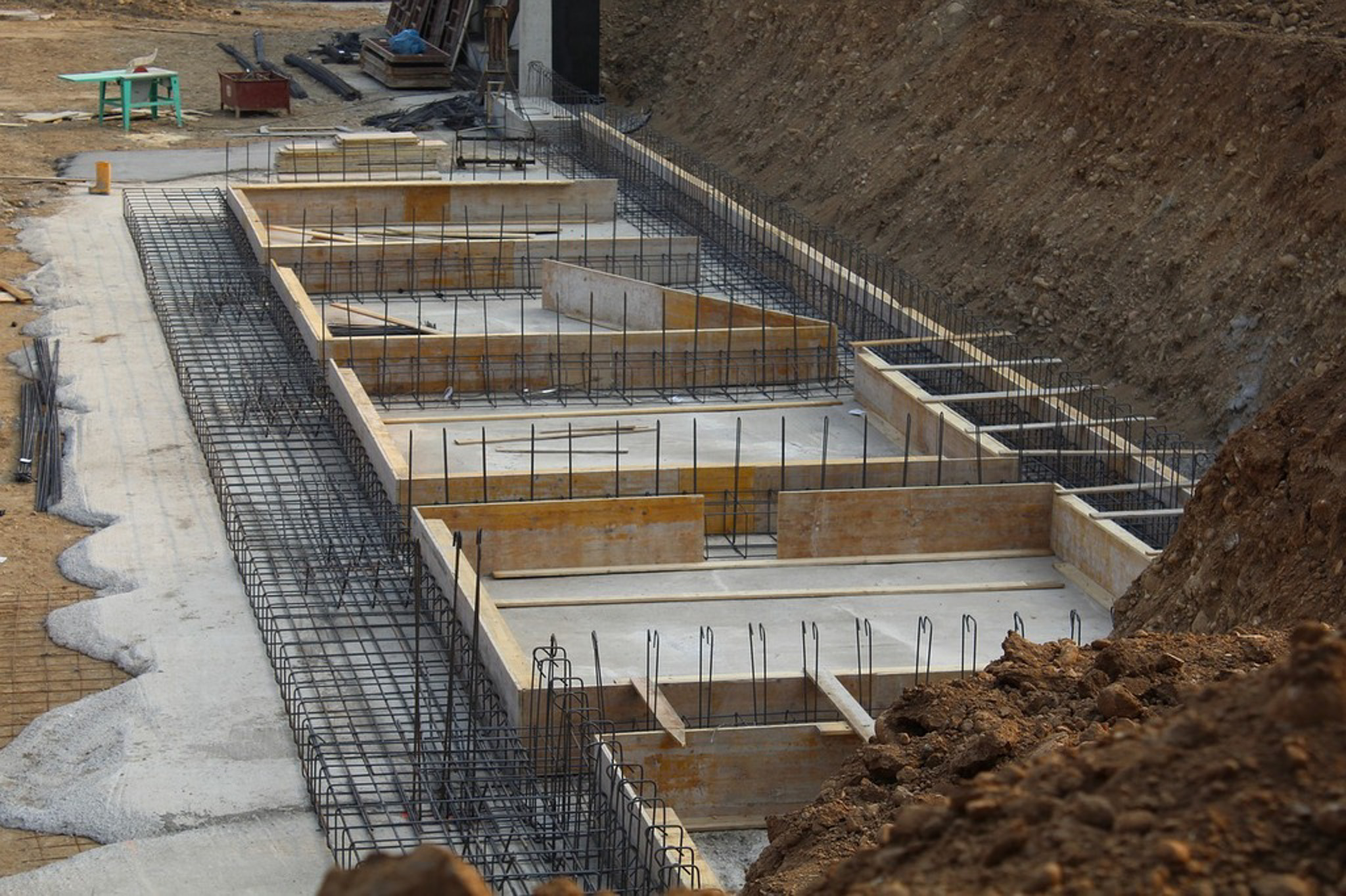
- Foundation redesigns mid-construction when actual conditions don't match assumptions
- Change orders that blow through contingency budgets
- Schedule delays while you scramble to address unforeseen conditions
- Regulatory violations when your stormwater or foundation systems don't meet code
- Environmental liability when you disturb contamination you didn't know existed
The cost of a geotechnical investigation is a rounding error compared to the cost of any one of these scenarios. We've seen infill projects lose months and hundreds of thousands of dollars because someone wanted to save a few weeks on the front end.
"A two-week investigation beats a two-month delay every time."
How We Approach NYC Infill Investigations
At Envicon, we've conducted geotechnical investigations across all five boroughs. We understand that NYC infill sites aren't textbook: they require experienced field personnel who know what to look for and how to adapt when conditions change.
Our approach integrates geotechnical investigation with environmental assessment and civil engineering, so you're not coordinating between three different firms. When we identify a subsurface issue, we can immediately advise on how it affects your environmental compliance, your foundation design, and your project timeline.
Whether you're developing a mixed-use building in the Bronx, tackling a complicated rezoning site in Queens, or navigating brownfield redevelopment anywhere in the metro area, we bring the integrated expertise your project demands.
Key Takeaways
NYC infill development doesn't reward shortcuts. Before you commit to a site, before you finalize foundation designs, and certainly before you mobilize excavation equipment, you need to know what's underground.
A geotechnical investigation provides:
- Definitive soil and groundwater data for design
- Identification of existing structures, utilities, and debris
- Early warning on contamination before it becomes your problem
- Regulatory compliance documentation for DEP and DOB submissions
- Accurate information for cost estimation and scheduling
The subsurface conditions on your infill site aren't going to change. Your only choice is whether you discover them on your terms or theirs.
Build smart. Investigate first.