
In the high-stakes world of New York and New Jersey real estate development, environmental due diligence is often viewed as a hurdle: a necessary evil required by lenders or regulators. But at Envicon Strategic Solutions, we see it differently. We see it as the single most important tool for protecting your capital, your reputation, and your vision for the future.
Whether you are navigating the complexities of an NYC OER brownfield cleanup or assessing a commercial lot in Jersey City, the difference between a profitable project and a financial disaster often comes down to the quality of your initial investigation. Unfortunately, many developers fall into the same traps, relying on outdated methods or "budget" consultants who lack the local expertise to see the full picture.
Here are the seven most common mistakes we see developers making with environmental due diligence and, more importantly, how to fix them before they derail your next acquisition.
1. Skipping the Phase I ESA Based on "Gut Feelings"
One of the most dangerous phrases in real estate is, "The property looks clean." Assuming that a vacant lot or a seemingly modern office building doesn't have environmental baggage is a recipe for disaster. A Phase I Environmental Site Assessment (ESA) isn't just a visual inspection; it is a deep dive into the historical use of the land, adjacent properties, and regulatory records.
Without a Phase I, you forfeit your "Innocent Landowner Defense" under CERCLA. This means if contamination is discovered later, you are 100% liable for the cleanup, regardless of whether you caused it.
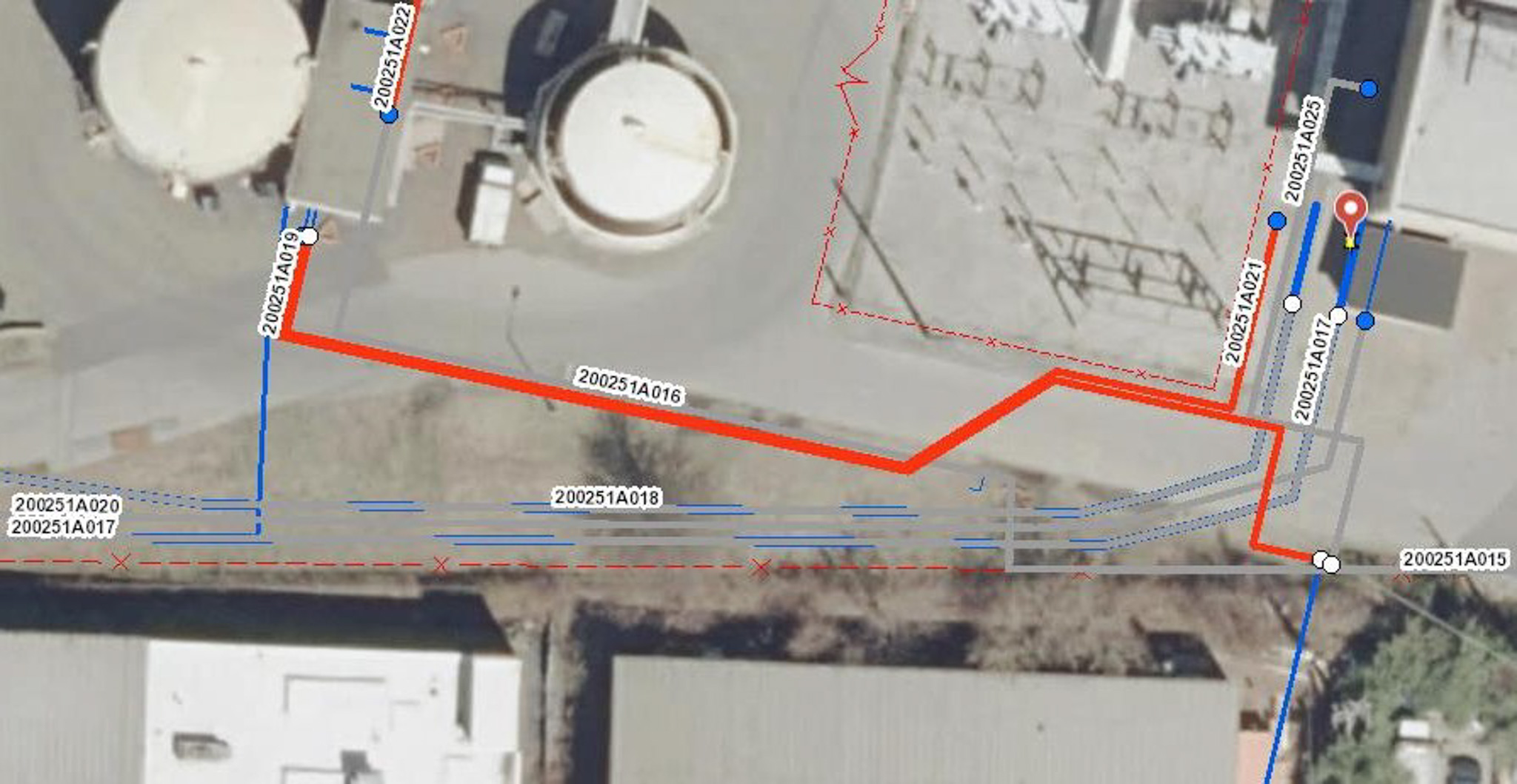
The Fix: Never skip the Phase I. It is your foundational defense. Even if the property looks pristine, the historical record might reveal a buried heating oil tank or a former dry cleaner two doors down that has impacted the groundwater.
2. Delaying Assessments Until After the Closing
We understand the pressure to close a deal quickly. However, waiting to complete your environmental due diligence for developers NJ until after you hold the deed is an enormous gamble. Once the title transfers, so does the liability.
If you discover that you need an intensive Phase II environmental site assessment NJ after the closing, you’ve lost your leverage. You can no longer negotiate the purchase price down or request that the seller perform the remediation.
The Fix: Make environmental due diligence a non-negotiable part of your pre-closing checklist. If the timeline is tight, work with a partner like Envicon that prioritizes responsiveness and can mobilize quickly to give you the data you need to make an informed "go/no-go" decision.
3. Fearing the Phase II and Phase III Recommendations
It’s a common reaction: a Phase I report identifies a Recognized Environmental Condition (REC), and the developer's first instinct is to push back on the recommendation for a Phase II. The fear is often rooted in cost and schedule. But ignoring a REC is like ignoring a "Check Engine" light while driving at 80 mph.
In New Jersey, specifically, ignoring a Phase II can lead to massive long-term issues. If a leaking underground storage tank (UST) is left unaddressed, the plume will continue to migrate, significantly increasing your eventual remediation costs.
The Fix: View Phase II and Phase III assessments as risk-mitigation investments, not expenses. Characterizing the soil and groundwater early allows you to accurately budget for PFAS remediation costs NJ or other contaminants. Knowledge is power: knowing the extent of the issue allows you to bake those costs into your pro forma from day one.
4. Relying on "Stale" Environmental Reports
The ASTM E1527-21 standard is clear: a Phase I ESA has a shelf life. Most parts of the report are only valid for 180 days. If you are relying on an environmental report that the seller provided from two years ago, you are effectively flying blind.
Furthermore, regulations change. What was considered "acceptable" five years ago may now be a major regulatory trigger under the current NJDEP or NYC OER frameworks.
The Fix: If a report is older than six months, it needs an update. This ensures that any new regulatory listings or recent activities on neighboring properties are accounted for. You can learn more about our process for updated assessments on our services page.

5. Choosing the Lowest-Bid Consultant
In the world of environmental consulting, you truly get what you pay for. Choosing a firm solely because they submitted the lowest bid often leads to "commodity" reporting: templated documents that miss the nuances of your specific site.
A "check-the-box" consultant might miss the subtle signs of a vapor intrusion risk or fail to understand how a specific NYC OER brownfield cleanup requirement will impact your foundation design. This results in change orders, regulatory delays, and unexpected costs during construction that far outweigh the $2,000 you saved on the initial report.
The Fix: Partner with an expert who understands the intersection of environmental science and civil engineering. At Envicon, we don't just identify problems; we provide strategic solutions. We understand how geotechnical investigation costs NJ interact with environmental remediation, allowing us to streamline your site preparation.
6. Ignoring Emerging Contaminants like PFAS
The regulatory landscape is shifting beneath our feet. "Emerging contaminants," particularly Per- and Polyfluoroalkyl Substances (PFAS), are becoming a primary focus for the NJDEP. Because these "forever chemicals" were used in everything from firefighting foam to waterproof coatings, they are ubiquitous.
If your due diligence doesn't account for these, you could be blindsided by astronomical PFAS remediation costs NJ mid-way through your project. Standard Phase I reports from five years ago likely didn't even mention them.
The Fix: Ensure your consultant is looking forward, not backward. Ask specifically about PFAS and vapor intrusion risks during the due diligence phase. Early detection allows for the integration of treatment systems into your site's infrastructure, which is significantly cheaper than retrofitting them later.
7. Failing to Establish "User" Reliance
This is a technicality that kills deals. Often, a lender will commission a Phase I report. The developer pays for it, but the report is addressed to the bank. If the developer is not named as an authorized "user" or does not have a formal reliance letter, they have no legal standing to rely on that report’s findings for liability protection.
The Fix: Always ensure that you, as the purchaser or developer, are explicitly identified as a "user" of the report. This establishes a legal relationship between you and the environmental firm, ensuring you are covered by their professional liability insurance and can use the report as part of your legal defense.
The Envicon Advantage: Why Switch From Your "Big Box" Consultant?
Most large, national consulting firms treat environmental due diligence like an assembly line. Your project is just another number, handled by a junior associate in a different time zone who has never stepped foot in Hudson County or the Five Boroughs.
At Envicon Strategic Solutions, we offer a different path. We are local experts who live and work in the very communities you are building. When you work with us, you aren't just buying a report; you are gaining a strategic partner who understands the local political and regulatory climate.
- Integrated Expertise: We bridge the gap between environmental science, civil engineering, and geotechnical investigation. We don't just tell you there’s an issue; we tell you how it affects your foundation, your utility tie-ins, and your bottom line.
- Accountability: We don't hide behind layers of corporate bureaucracy. You have direct access to our senior leadership, including our CEO, Jason Pancoast.
- Visionary Strategy: We see the potential in brownfields where others see only liability. We help you navigate the NYC OER brownfield cleanup process to unlock tax credits and grants that turn "unbuildable" sites into landmarks.
"Environmental due diligence shouldn't be a roadblock; it should be the roadmap for a successful development." : The Envicon Team
Summary & Takeaways
To ensure your next project in NY or NJ stays on track and under budget, keep these points in mind:
- Foundation First: Never skip a Phase I ESA, and never let it go "stale" (180 days).
- Timing is Everything: Complete all investigations before closing to maintain negotiation leverage.
- Look Beyond the Surface: Factor in emerging risks like PFAS and vapor intrusion early.
- Expertise Over Price: A cheap report is the most expensive thing you can buy if it misses a critical liability.
- Get it in Writing: Ensure you have proper "user" reliance on every report you use.
Don't let hidden environmental issues turn your vision into a liability. Let’s build something better, together.
Ready to de-risk your next acquisition?
Contact Envicon Strategic Solutions today to discuss your project and see how our integrated approach to environmental and civil engineering can streamline your development. Explore our past projects to see how we’ve helped developers transform complex sites into thriving assets.
Leave a Reply