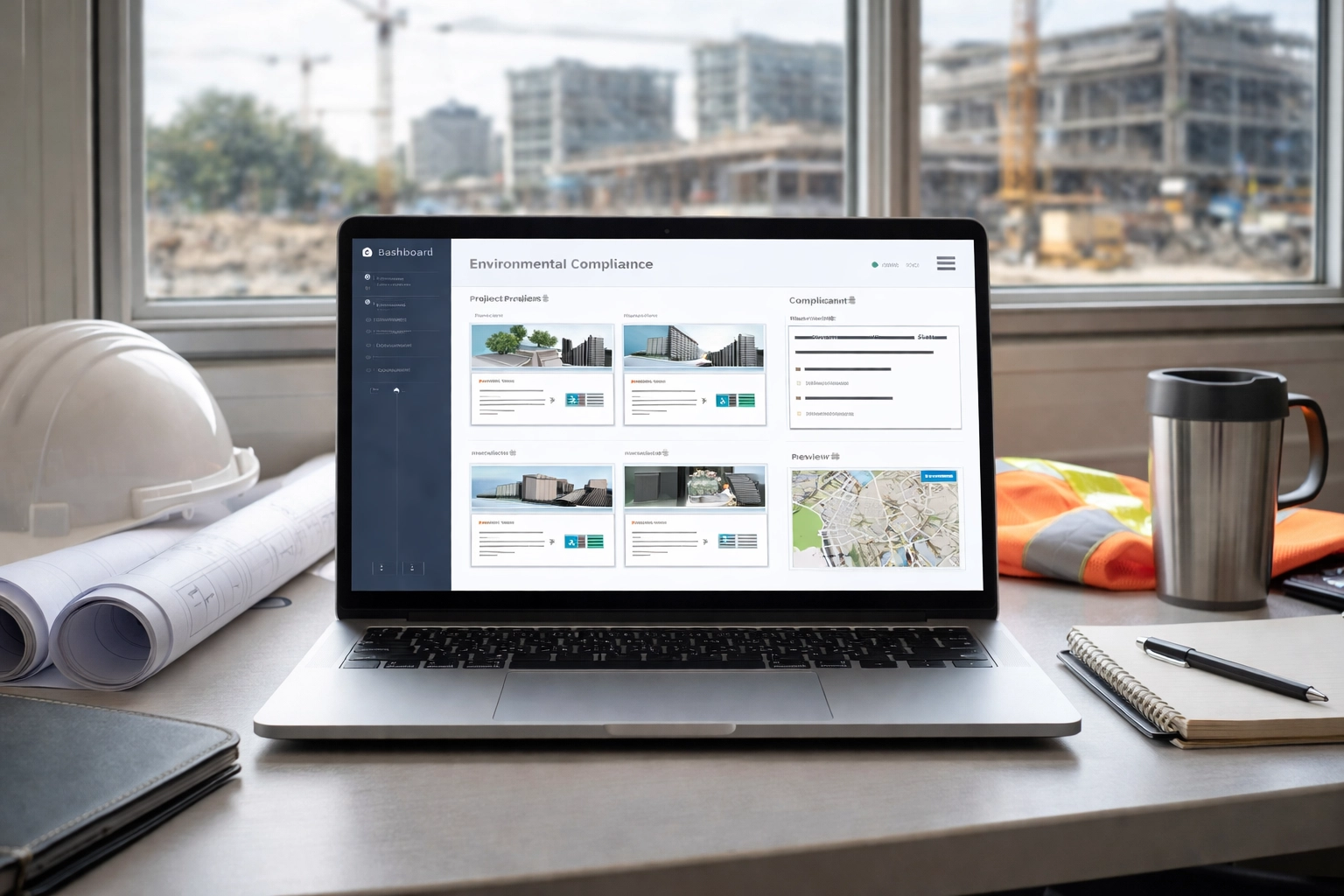
If you've acquired a property in New York City with an E-Designation, you already know the clock is ticking. Every day that E-Designation sits uncleared is another day your project can't move forward, and another day of carrying costs eating into your margins.
The NYC Office of Environmental Remediation (OER) EPIC portal is the gateway to clearing these designations, but for many developers, it feels more like a black box than a streamlined process. We've guided dozens of projects through this system, and the difference between a 5-day clearance and a 60-day nightmare often comes down to preparation, strategy, and knowing exactly what OER wants to see.
Here's your insider playbook for getting through the EPIC portal faster.
What Is an E-Designation and Why Does It Matter?
An E-Designation is a zoning map notation placed on properties where environmental concerns, hazardous materials, air quality impacts, or elevated noise levels, must be addressed before development can proceed. The City Planning Commission assigns these designations during the land use review process, and they stay attached to the property until you satisfy OER's requirements.
The practical impact is straightforward: you cannot obtain certain Department of Buildings permits until OER issues the appropriate clearance documentation. For new construction, major alterations, or conversions to residential or commercial office use, that means your project timeline is hostage to the EPIC portal process.
"The E-Designation isn't just a regulatory checkbox," as one of our project managers puts it. "It's a gate that controls your entire construction schedule. Clear it fast, and you're building. Miss a step, and you're waiting."
Understanding Your Clearance Pathway
Not all E-Designation clearances are created equal. The first strategic decision you'll make is identifying which clearance pathway applies to your project, and this choice alone can mean the difference between a 5-day turnaround and a multi-month process.
Notice of No Objection (NNO): If your project involves minor alterations that don't trigger hazmat, air quality, or noise reviews, you may qualify for an NNO. This is the fast track, OER typically processes these within 5 business days, though they officially reserve a 30-day window. If your scope qualifies, this is where you want to be.
Notice to Proceed (NTP) and Notice of Satisfaction (NOS): For new buildings or conversions to residential or office uses, you'll need to go through the full process. This involves submitting investigation reports, remedial action plans, and demonstrating compliance with all applicable environmental requirements before receiving final clearance.
The mistake we see most often? Developers assuming their project requires the full NTP/NOS pathway when they actually qualify for an NNO. That misclassification can add weeks or months to your timeline for no reason.
Setting Up for Success: Before You Touch the Portal
The EPIC portal requires an account before you can submit anything. Create your account immediately upon acquisition, don't wait until you're ready to submit. This administrative step takes time to process and shouldn't be the thing delaying your first submission.
More importantly, gather your documentation before logging in:
- Site investigation reports that meet OER's current technical requirements
- Remedial Action Plans (RAPs) using OER's latest templates
- Air quality and noise assessments if applicable to your designation
- Site plans and survey documents showing the property boundaries and proposed development
OER periodically updates their templates within EPIC Environment, particularly for Air Quality and Noise RAP submissions. Using an outdated template is one of the fastest ways to trigger a revision request and restart the review clock. Always download fresh templates directly from the portal before preparing your submission.

Pro-Tips for Faster EPIC Portal Navigation
1. Don't Pay Fees Upfront
This trips up first-timers constantly. Do not submit payment until OER issues a fee notice confirming your project warrants the clearance you're requesting. Premature payments create administrative confusion and can actually delay your review. Wait for OER's determination, then pay promptly.
2. Match Your Submission to Your Actual Scope
OER reviews submissions based on the specific work you're proposing. If you're only doing interior alterations on a property with an E-Designation for hazardous materials, your submission should reflect that limited scope. Over-submitting: providing investigation data and remediation plans for issues your project doesn't trigger: invites unnecessary scrutiny and extends review timelines.
3. Front-Load Your Quality Control
Every revision request from OER resets the review clock. Before you hit submit, verify:
- All required attachments are included and properly labeled
- Your submission references the correct Block and Lot numbers
- Investigation data is complete and formatted to OER specifications
- Proposed remediation aligns with current regulatory guidance
We've seen projects delayed by weeks because a single attachment was mislabeled or a table was formatted incorrectly. These are preventable errors.
4. Coordinate with Your Environmental Consultant Early
If your project requires enrollment in the Voluntary Cleanup Program (VCP) or involves complex contamination issues, bring your environmental consultant into the process before you begin EPIC submissions. Consultants who regularly work within EPIC Environment understand the system's quirks and can structure submissions to minimize revision requests.
5. Track OER's Review Timeline Actively
OER officially allows 30 days for review, but actual timelines vary based on submission quality and current workload. Don't assume silence means progress. Follow up professionally if you're approaching the 30-day mark without a response: sometimes submissions get stuck in queues.
Common Mistakes That Kill Your Timeline
Submitting incomplete site investigations. If your Phase II Environmental Site Assessment doesn't adequately characterize contamination or leaves data gaps, OER will send you back to do more fieldwork. That's not a paperwork delay: that's mobilizing drill rigs and waiting for laboratory results.
Ignoring the air quality and noise components. E-Designations often include multiple environmental concerns. Developers focused on hazmat clearance sometimes neglect the air quality or noise requirements, only to discover late in the process that they need additional studies.
Underestimating remediation complexity. A Remedial Action Plan that looks good on paper but isn't practically implementable will get flagged. OER reviewers have seen thousands of these submissions: they know when a plan won't actually work in the field.
Waiting until permits are needed to start the process. The EPIC clearance should be running in parallel with your design development, not sequentially. By the time you need DOB permits, your E-Designation clearance should already be in hand or nearly complete.
When Strategic Support Makes the Difference
For straightforward NNO applications on properties with minor environmental concerns, many developers can navigate the EPIC portal independently. But for complex sites: particularly those with contamination requiring active remediation, multiple E-Designation components, or tight construction timelines: the cost of delays far exceeds the cost of expert support.
Our team at Envicon has guided projects through the full spectrum of OER clearances, from simple NNO applications to complex VCP enrollments with extensive remediation requirements. We understand what OER reviewers are looking for and how to structure submissions that clear on the first pass.
If you're facing an E-Designation on a property with real timeline pressure, explore our compliance and permitting services or review our environmental assessment capabilities to see how we approach these challenges.
The Bottom Line
Clearing an E-Designation through the NYC OER EPIC portal isn't inherently difficult: but it demands precision, preparation, and an understanding of how the system actually works. The developers who move through this process quickly are the ones who identify their clearance pathway correctly, submit complete and properly formatted documentation, and avoid the common pitfalls that trigger revision requests.
Your E-Designation doesn't have to control your project schedule. With the right approach, it becomes a manageable checkpoint rather than an indefinite roadblock.
Key Takeaways:
- Create your EPIC account before you need it
- Determine whether you qualify for the faster NNO pathway
- Use current OER templates for all submissions
- Don't pay fees until OER issues a fee notice
- Front-load quality control to avoid revision requests
- Start the clearance process early: don't wait for permit applications
The difference between a project that clears in days and one that drags for months often comes down to these details. Get them right, and you're building while your competitors are still waiting on paperwork.
Leave a Reply