
If you’re a developer in New Jersey, you’ve heard the term "PFAS" enough to know it’s the new regulatory boogeyman. These "forever chemicals" have sent shockwaves through the industry, leading to stalled deals, inflated remediation budgets, and a general sense of panic.
But here’s the truth: PFAS is not a project-killer. It’s a technical challenge, certainly, but it’s one that can be managed if you stop treating it like a standard petroleum cleanup. At Envicon Group, we’ve spent years navigating the nuances of the NJDEP and the evolving science of remediation. We don’t sell you a 500-page report that tells you what you can’t do; we deliver the truth and a cleared path to your Certificate of Occupancy.
If your project is hitting a wall with PFAS, you’re likely making one of these seven common mistakes. Here is how to fix them and keep your project moving.
1. Waiting for the "Final" Rules to Act
The biggest mistake we see is the "wait and see" approach. Many developers are holding off on comprehensive sampling because the NJDEP’s proposed rules for compounds like GenX are still being codified for 2025-2026.
The Fix: Be proactive. The NJDEP already requires the person responsible for remediation to evaluate if PFOA or PFOS were ever manufactured, used, or stored at a site. If you wait until the formal standards are etched in stone to start your site investigation, you’re handing the regulator a reason to reject your closure later. Early data gives you leverage. It allows you to bake costs into your pro forma now rather than facing a mid-construction surprise.
2. Treating PFAS Like a Standard Petroleum Spill
Most consultants grew up on petroleum remediation. They think in terms of "dig and dump" or natural attenuation. PFAS doesn’t work that way. It doesn’t degrade. It’s highly mobile in groundwater. If you apply a 1990s remediation mindset to a 2026 PFAS problem, you’re going to burn through your budget with zero results.
The Fix: You need a specialized remedial design. This often means advanced carbon filtration (GAC), ion exchange resins, or innovative destructive technologies. Don't let a "big-box" firm give you a cookie-cutter plan. You need a strategy that accounts for the unique molecular stability of these chemicals.
3. Underestimating the Lab and Analytical Gap
PFAS is measured in parts per trillion (ppt). To put that in perspective, one part per trillion is roughly equivalent to a single drop of water in 20 Olympic-sized swimming pools. Because the detection limits are so low, cross-contamination in the field is a massive risk. If your consultant’s field team wears the wrong boots, uses the wrong sampling liners, or even uses certain brands of aluminum foil, your samples are junk.
The Fix: Ensure your team has HAZWOPER-certified experts who understand the rigorous sampling protocols required for PFAS. At Envicon, our field-first approach means we control the variables. We use the most current EPA methods (like Method 1633) and vet our labs to ensure they can hit the detection limits required by the NJDEP.

4. Failing to Account for Incredibly Stringent Stream Standards
New Jersey is leading the nation in aggressive PFAS regulation. In some cases, the state's stream standards are nearly 25,000 times more stringent than federal drinking water standards. If your project involves discharging treated groundwater into a local waterway, your standard treatment system is going to fail.
The Fix: This is where civil engineering meets environmental science. You must design your dewatering and treatment systems with these effluent limitations in mind from day one. If you don't, the NJDEP will shut down your discharge permit, and your excavation will turn into a very expensive lake.

5. Budgeting for the Report, Not the Remedy
A common pitfall is hiring a firm that offers a cheap Phase I or Phase II ESA. They give you a low price for the "report," but because they lack a clear path to closure, the "remedy" ends up costing five times the industry average. They write reports for "CYA" (Cover Your Assets), not for project completion.
The Fix: Look at the total cost of ownership for the site. PFAS remediation costs in NJ are high, but they are manageable if you have an LSRP who knows how to navigate "background" versus "discharged" contamination. We focus on getting you to the Response Action Outcome (RAO) as quickly as possible. We don't just identify the problem; we engineer the solution that fits your budget and timeline.
"PFAS isn't a project-killer; it’s a strategy test. The developers who win are the ones who stop reacting and start planning." : Jason Pancoast, CEO, Envicon Group.
6. The "Background Contamination" Trap
Because PFAS is ubiquitous: found in everything from fire-fighting foam to non-stick pans: it is everywhere in the NJ environment. If your consultant doesn't know how to differentiate between a localized discharge on your site and the general "anthropogenic background" of a dense urban area like Jersey City or Newark, you might end up paying to clean up the whole neighborhood’s problems.
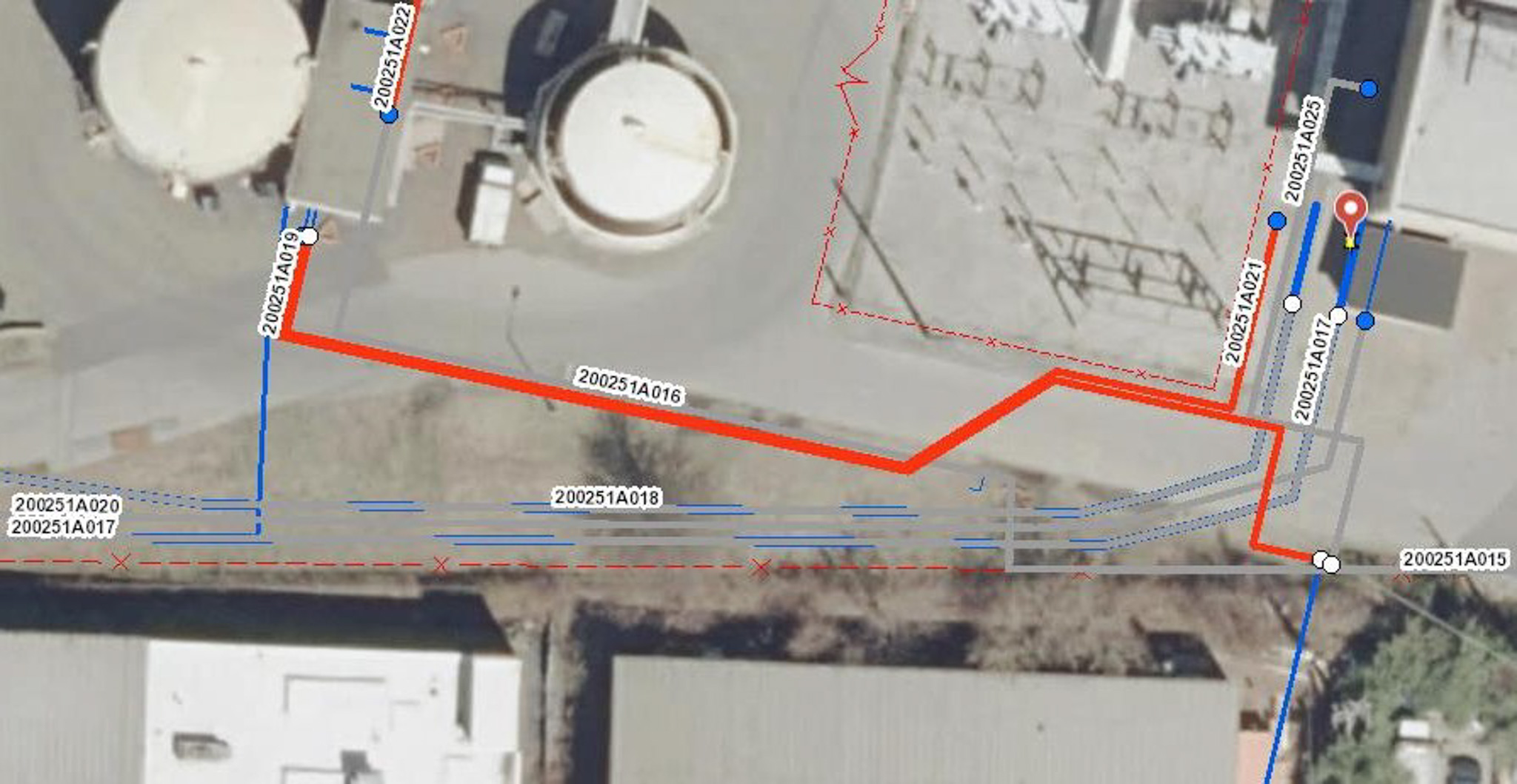
The Fix: You need a consultant who can perform a high-level subsurface utility and pathway analysis. By mapping out regional groundwater flow and potential off-site sources, we can often argue that the PFAS on your site didn't start there. This can save you millions in remediation costs.
7. Hiring a Firm Without Local "Regulator Rapport"
When you hire a massive national firm, your project is a number in a database. Their staff in a satellite office might not know the specific NJDEP reviewer handling your case. In the world of PFAS, where rules are changing monthly, that lack of relationship is a liability.
The Fix: Work with a firm that sits at the table with the regulators. At Envicon, we have 20 years of direct agency relationships in the NY/NJ metro area. We know how the NJDEP thinks because we talk to them daily. We don't wait in a queue; we pick up the phone. This relationship-driven approach is how we move projects through the Brownfield Redevelopment process while others are still waiting for a callback.

The Envicon Edge: Why Switch From Your "Big Box" Consultant?
If your current consultant is giving you "vague concerns" instead of "concrete steps," it's time for a change. Most big firms are designed to minimize their risk, not yours. They produce bloated, defensive reports that protect their insurance policy while your carry costs skyrocket.
Envicon is different because:
- We Are Field-First: We don't just sit in an office. We are on-site at 7 AM, making sure the excavator is moving dirt in the right direction.
- We Use Tech to Speed Up Results: From AI-driven data analysis to real-time field monitoring, we use technology to find the most efficient path to compliance.
- We Own the Outcome: We don't just hand you a report. We stay with you until the site is buildable and compliant.
Summary & Takeaways
PFAS remediation in New Jersey is complex, but it shouldn't stop your development. To keep your project on track:
- Start early: Don't wait for the 2026 rules to be finalized.
- Watch the water: NJ's stream standards are the real hurdle.
- Differentiate: Make sure you aren't paying for "background" contamination.
- Choose the right partner: A local, LSRP-led firm will always outpace a national bureaucracy.
Stop letting PFAS stall your deal. Whether you're looking for Phase I/II ESAs, Geotechnical Engineering, or full-scale Remediation Oversight, we are here to clear the path.
Ready to move your project forward? Contact Envicon Group today and let’s get to work.

Leave a Reply