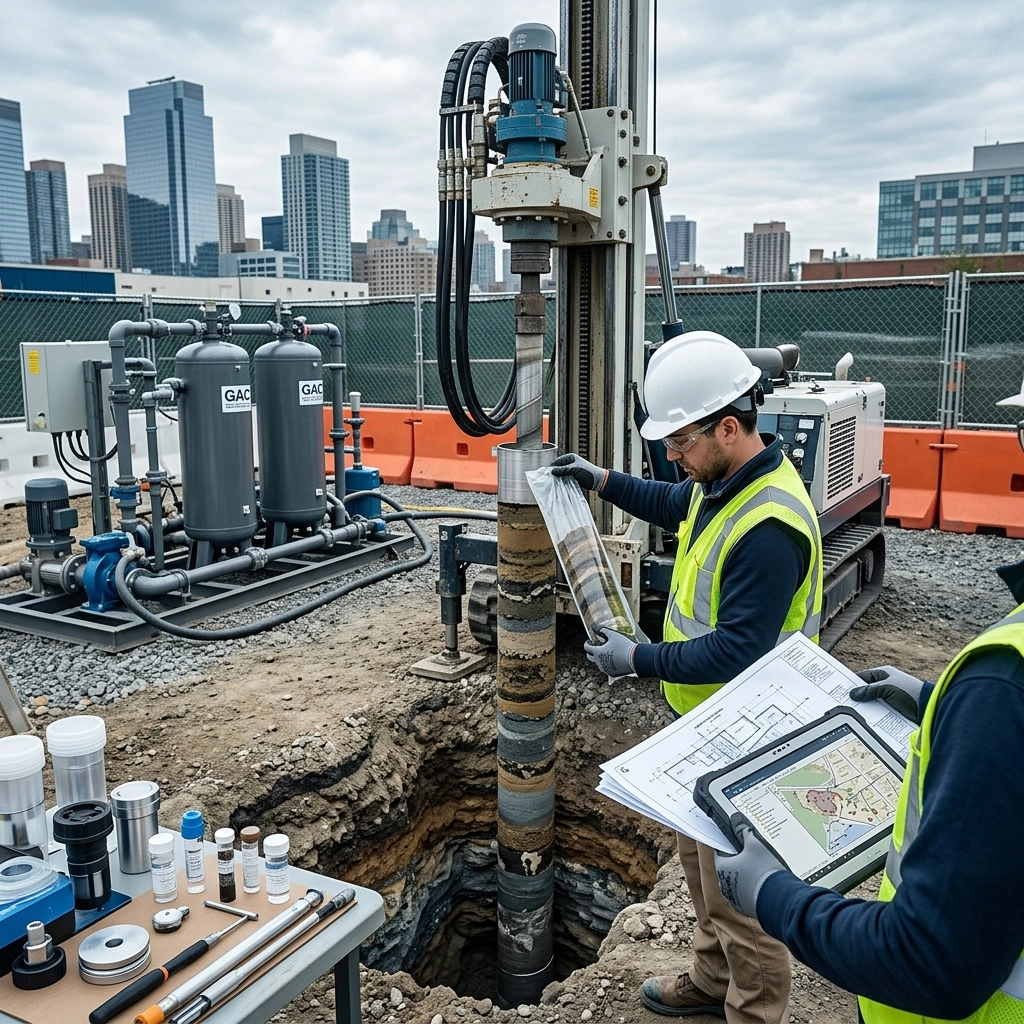
You found the perfect lot. Maybe it’s a corner in Long Island City or a former industrial strip in North Brooklyn. The location is prime, the zoning works, and your vision is set. But then you look at the tax map and see it: the "E-Designation." Or perhaps you’re looking to enter the New York City Voluntary Cleanup Program (VCP) to access grants and liability relief.
Suddenly, your straightforward development project just became a complex environmental puzzle.
Navigating the NYC Office of Environmental Remediation (OER) process isn't just about soil samples and lab results. It’s about managing a rigorous regulatory lifecycle that, if handled poorly, can stall your financing, delay your permits, and eat your margins. At Envicon Group, we don't just hand you a report and wish you luck. We take ownership of the entire process, from the first boring to the final Notice of Satisfaction (NOS).
Here is how we navigate the full cleanup lifecycle to get your project across the finish line.
The Investigative Foundation: Beyond the Phase I
Every brownfield cleanup starts with investigation. In the NYC OER world, this means moving from a Phase I Environmental Site Assessment (ESA) into a Remedial Investigation (RI).
Many big-box firms treat the RI as a checkbox. They send a junior staffer out to poke a few holes, collect some dirt, and write a bloated report that protects the firm more than the client. We do things differently. We approach the investigation with the "end game" in mind. We aren't just looking for what’s in the soil; we’re looking for how what’s in the soil will impact your foundation design, your disposal costs, and your timeline.
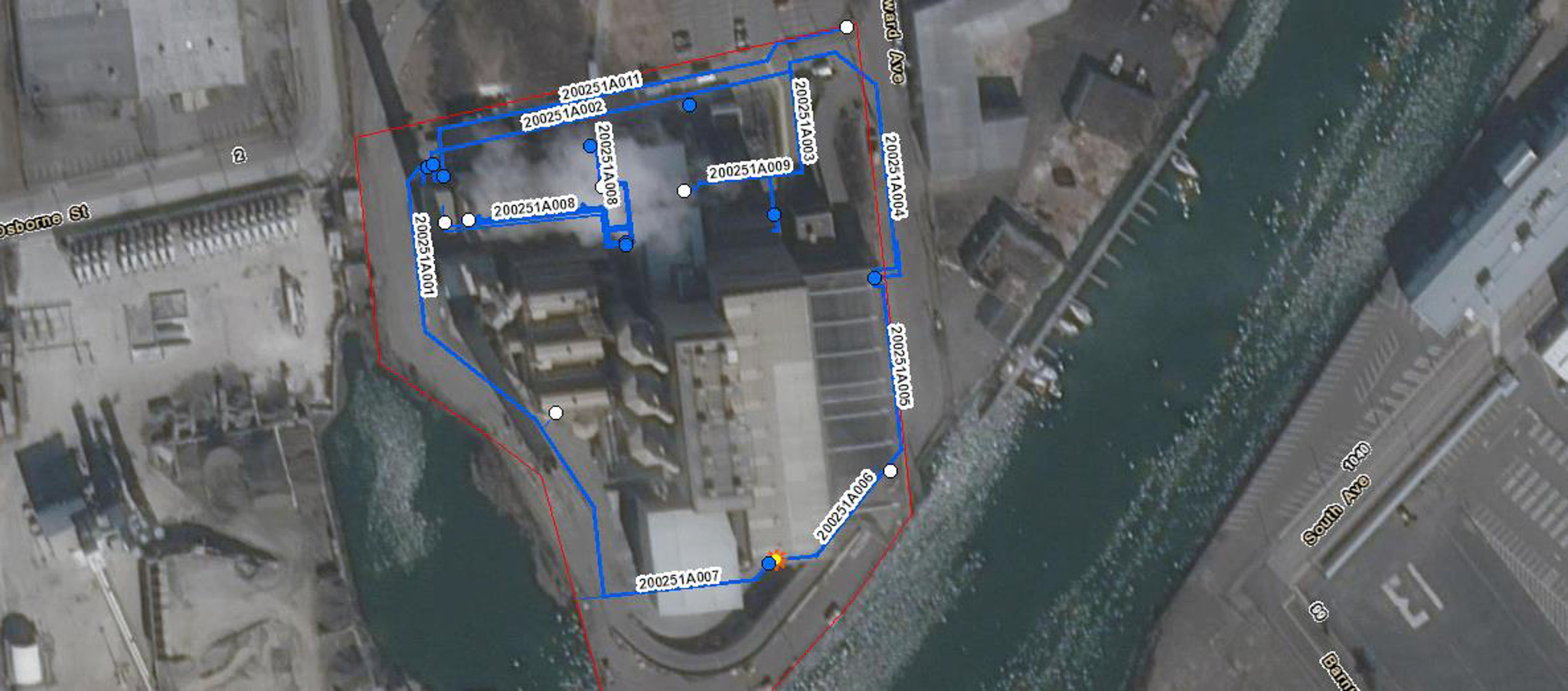
Our team develops a Remedial Investigation Report (RIR) that OER actually wants to read. We identify the exact nature and extent of contamination early, so there are no surprises when the excavators show up. By establishing a clear baseline, we set the stage for a realistic budget and a predictable schedule.
Designing the Solution: The Remedial Action Plan (RAP)
Once the investigation is approved, we move into the design phase. This is where the Remedial Action Plan (RAP) comes into play. The RAP is your roadmap. It outlines how we will handle soil management, vapor barriers, and any necessary groundwater treatment.
This is a critical juncture for closing real estate deals. Your lenders and partners need to know that the environmental risks are quantified and controlled. A poorly designed RAP can lead to "scope creep" during construction: the silent killer of development budgets.
"We don’t sell reports. We sell cleared paths. Integrity in this business means delivering the truth about a site’s condition immediately, so you can make informed decisions before the first shovel hits the dirt." : Jason Pancoast, CEO of Envicon Group.
We work directly with your architects and structural engineers to ensure the remedial design integrates seamlessly with your building’s footprint. We don’t just throw a generic vapor barrier spec at the problem; we select systems that satisfy OER while respecting your construction's physical and financial constraints.
The Boots on the Ground: Remediation Oversight
When construction begins, the environmental work moves from the office to the field. This is where most consultants fall short. They might show up once a week to "check-in." At Envicon, we believe in active remediation oversight.

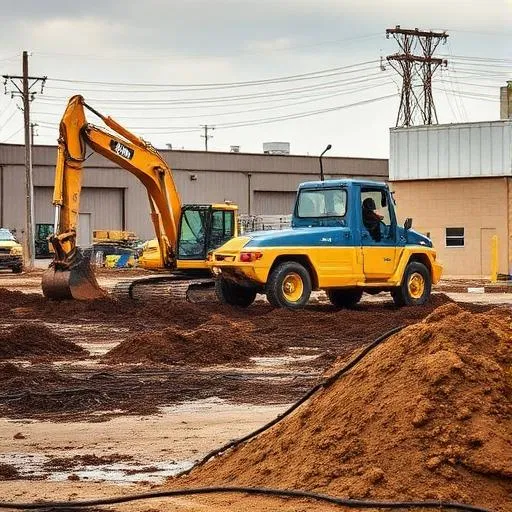
During the excavation phase, we manage the soil. In New York City, "dirt" is a major line item. Properly characterizing soil for disposal at the right facilities can save a developer hundreds of thousands of dollars. We oversee the loading, manifest the trucks, and ensure every yard of soil is tracked according to OER standards.
We also manage the Community Air Monitoring Plan (CAMP). Keeping your neighbors happy and the regulators satisfied requires constant vigilance. Our field teams use real-time data to ensure that dust and vapors are controlled, preventing the dreaded "Stop Work Order" that can haunt a high-profile NYC job site.
Real-Time Data and Regulatory Coordination
The mid-point of a project is often where the paperwork pile-up begins. While the building is going up, the documentation for the cleanup must be meticulously maintained. This isn't just about filing papers; it's about constant communication with the OER project manager.
We use modern project analytics to track our progress. Whether it’s confirming the installation of a vapor barrier or documenting the depth of a clean soil cap, we capture the data in real-time. This proactive approach means that when construction wraps up, we aren't "reconstructing" the story of the cleanup: we already have it ready.
This level of coordination is what separates an expert advisor from a mere vendor. We know the OER reviewers by name. We understand their concerns and anticipate their questions. By maintaining a transparent, professional relationship with the regulators, we move your project through the queue faster than the national firms that treat NYC as just another satellite office.
The Final Milestone: Reaching the Notice of Satisfaction (NOS)
The ultimate goal of any OER project is the Notice of Satisfaction (NOS). This is the gold seal. It signifies that the site has been successfully remediated in accordance with the RAP and that the "E-Designation" or VCP requirements have been met.
Without an NOS, you may face hurdles in obtaining your final Certificate of Occupancy (CO) or closing on your permanent financing. The transition from the Remedial Closure Report (RCR) to the NOS is where many projects stall. Big-box firms often lose interest once the heavy lifting is done, leaving the developer to nag them for the final paperwork.
At Envicon, we push the RCR through the finish line with urgency. We understand that for you, "finished" doesn't mean when the soil is gone: it means when the deal is closed and the building is full. We stay on the job until the NOS is in your hand.

Why Envicon? The Insider Advantage
You have choices when it comes to environmental consultants. You could hire a national firm with 10,000 employees. You’ll get a nice pitch from a senior partner, and then you’ll likely never see them again. Your project will be handed off to a junior associate who is learning the NYC OER manual on your dime.
At Envicon Group, we offer a different experience:
- PE-Led, Field-First: Our leadership stays involved in the field. We are on-site, talking to your contractors at 7:00 AM, not just sitting in a boardroom.
- Zero-Fluff, All Action: We don't write reports for the sake of writing reports. We provide actionable outcomes that move the project forward.
- Regional Fluency: We’ve spent 20 years building relationships with OER, NYSDEC, and NJDEP. We know the local rules because we help navigate them every single day.
- Ownership of Outcomes: If there’s a field challenge, we own it. We coordinate with the architects, the attorneys, and the regulators to find a solution that works for the project, not just the consultant’s liability insurance.
Summary: A Cleared Path to Success
Navigating a brownfield cleanup in NYC is a marathon, not a sprint. Success requires a partner who understands every step of the lifecycle: from the initial RIR to the final NOS.
By choosing a firm that prioritizes precision, urgency, and integrity, you remove the environmental obstacles between you and a buildable site. We help you transform underused, contaminated properties into thriving, compliant assets.
Ready to clear the path for your next project?
Whether you're dealing with an E-Designation or looking to enter the Voluntary Cleanup Program, let’s talk. At Envicon, we don't just identify problems: we deliver the truth and the solutions to overcome them.
Contact us today to discuss your site and how we can get you to closing.
Key Takeaways for Developers:
- Investigation matters: A thorough RIR prevents expensive surprises during excavation.
- Design for construction: Ensure your RAP is integrated with your building's structural and architectural plans.
- Oversight is essential: Active soil management and air monitoring keep your project compliant and on schedule.
- Documentation is the deal-closer: The RCR is the final hurdle to getting your NOS and your Certificate of Occupancy.
- Choose a local expert: Relationship-driven firms with regional fluency navigate NYC OER more effectively than national conglomerates.

Leave a Reply