
In the high-stakes world of New Jersey real estate, we’ve reached a tipping point. For decades, environmental compliance was seen as a hurdle: a "check-the-box" nuisance that stood between a developer and their certificate of occupancy. You’d hire a consultant to tell you the bare minimum required to keep the regulators at bay, and you’d move on.
But the world changed in early 2026. With the NJDEP’s adoption of the Resilient Environments and Landscapes (REAL) Rules and the upholding of the strict Environmental Justice Rules, the "bare minimum" is no longer a safety net. It’s a trap.
At Envicon, we’re seeing a massive shift in how the most successful property investors and public agencies view their land. They aren't just looking for a "clean" report; they are looking for Environmental Integrity. They’ve realized that in today’s market, integrity isn’t just a moral choice: it’s the new gold standard for property value.
The Regulatory Tsunami: Why 2026 Changed Everything
If you’ve been paying attention to the news out of Trenton this year, you know the stakes have never been higher. The January 20, 2026, adoption of the REAL Rules fundamentally altered how we look at coastal zone management, flood hazards, and stormwater. This isn't just about protecting the environment; it’s about protecting your investment from becoming a permanent liability.
When the New Jersey Appellate Court affirmed the Environmental Justice Rules in January, they sent a clear message: the community matters as much as the concrete. For developers, this means that if your project doesn't demonstrate a deep, foundational integrity regarding its environmental footprint, you aren't just facing delays: you’re facing a total stop.
We’ve moved from an era of "remediation" to an era of "stewardship." And as a visionary investor, that should be music to your ears. Why? Because properties built on integrity hold their value while the "cut-corner" projects of the past crumble under the weight of new regulations and public scrutiny.

Integrity as the Ultimate Insurance Policy
Think of high-quality environmental work as an invisible shield. When we perform a Phase I or Phase II Environmental Site Assessment, we aren’t just looking for toxins in the dirt. We’re looking for the ghosts that could haunt your balance sheet ten years from now.
Selling "Legacy" means looking beyond the immediate closing. It’s about asking: “Will this property be an asset or a headline in 2040?”
When you prioritize environmental integrity, you are buying the ultimate insurance policy.
- Lenders breathe easier: Banks are increasingly wary of climate risk and "legacy" contamination. An Envicon report on the cover of your deal is a signal to the gatekeepers that the work has been done right the first time.
- Future-Proofing: By exceeding current standards today, you insulate yourself against the regulatory shifts of tomorrow.
- Marketability: In a world where ESG (Environmental, Social, and Governance) scores drive institutional capital, a property with a documented history of integrity is a magnet for top-tier tenants and buyers.
"The best time to solve an environmental problem was twenty years ago. The second best time is during your due diligence period today."
The "Big Box" vs. The Envicon Way
We often get called in as the "second firm." A developer goes with a massive, national "big box" firm because they recognize the name. Six months later, they’re stuck in a DEP feedback loop, their costs are spiraling, and the report feels like it was written by a robot that’s never actually set foot in Jersey City or Newark.
That’s where we’re different. We don’t just provide expert knowledge; we provide Authority.
Our integrated approach combines civil engineering, geotechnics, and environmental science into a single, cohesive strategy. We don't just hand you a list of problems; we hand you a roadmap to resolution. While the big firms are busy checking boxes, we’re in the room where it happens, using our 20+ years of local "dirt" experience to simplify the complex. We’re the ones who see through the soil to the intuition that only decades in the field can build.

Suggested prompt: A close-up, professional shot of a hand-shake between a developer in a suit and an engineer in a high-visibility vest on a clean construction site, symbolizing trust and partnership.
From Blight to Bright: Selling Community, Not Just Development
There is a deep emotional satisfaction in brownfield redevelopment that often gets lost in the spreadsheets. At Envicon, we believe that turning a "Keep Out" sign into a "Welcome Home" mat is the highest form of professional service.
When you take a contaminated, forgotten industrial site and transform it into a vibrant multi-family residential development, you aren't just making a profit. You’re building a legacy. You’re fixing the mistakes of the past to provide a cleaner, safer future for the next generation.
This is the "soul" of our work. When we help a client navigate the NJDEP LSRP (Licensed Site Remediation Professional) process, we aren't just pushing paper. We’re acting as the guardians of that community's future. That’s a story worth telling your investors, your stakeholders, and your family.

The Environmental Due Diligence Checklist for NJ Investors
If you’re looking at a deal in the NY/NJ metro area right now, here is what your "Integrity Audit" should look like:
- Look Beyond the ASTM Standard: Don't just settle for a standard Phase I. Ensure your consultant is looking at the new REAL rules and how they affect the site’s 50-year viability.
- Verify the LSRP’s Track Record: In NJ, your LSRP is the judge and jury. You need someone with the authority to move projects through the system, not just someone who follows the manual.
- Integrated Geotech: Never separate your environmental and geotechnical work. Soil conditions affect remediation costs, and remediation affects foundation design. Our integrated approach saves time and prevents "scope gap" disasters.
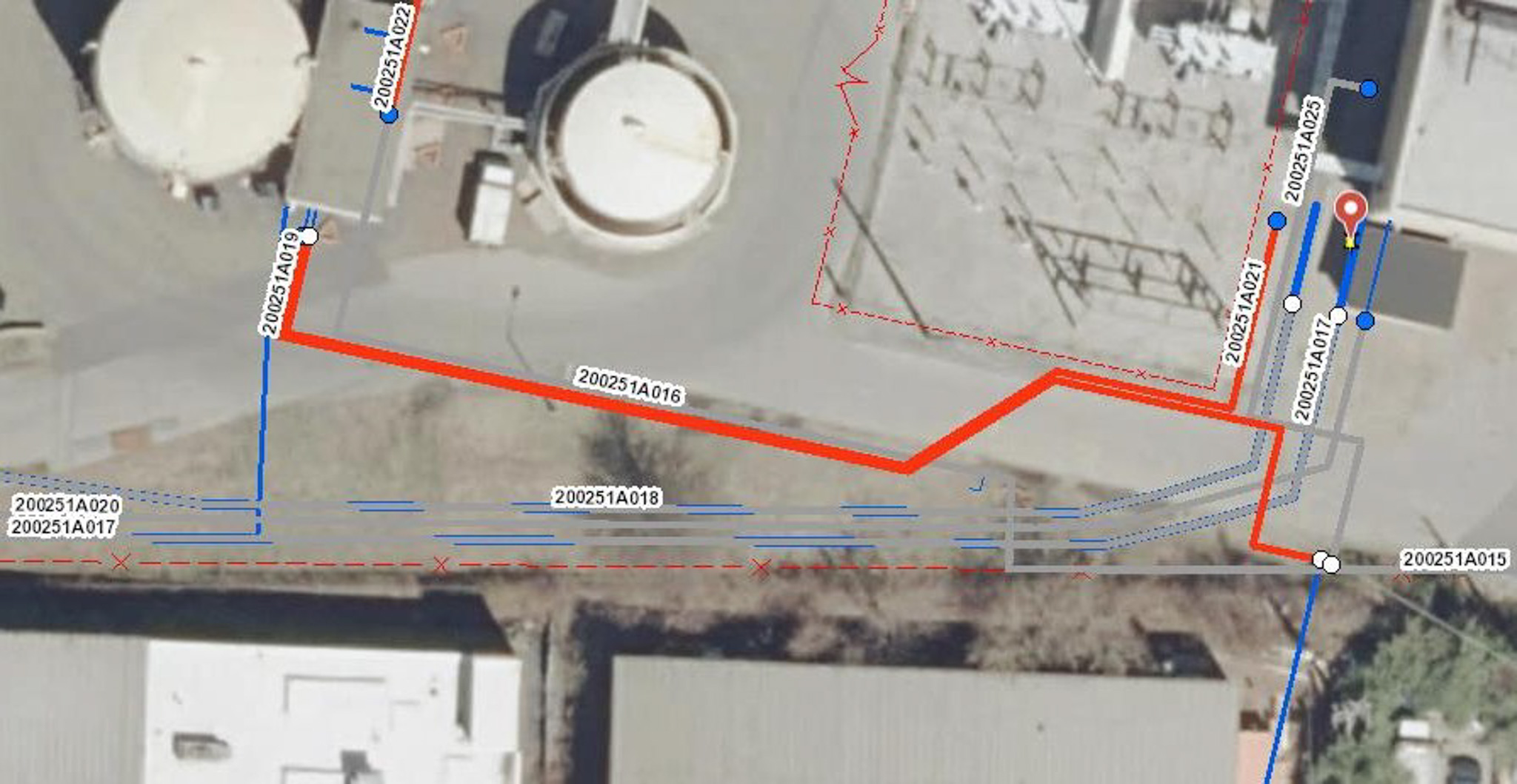
- Technology as Transparency: Use real-time monitoring and digital site maps to keep all stakeholders informed. Transparency builds the trust necessary for fast-paced approvals.
The Bottom Line: Your Name is on the Deed
At the end of the day, we aren't just selling services. We’re selling the peace of mind that comes from knowing your name is attached to a project of integrity.
Whether you are a public agency looking to revitalize an urban corridor or a private investor eyeing a complex acquisition, remember this: Liability is temporary, but legacy is permanent.
We’ve built our reputation on being the firm that doesn't cut corners on the dirt. We see the risks so you don’t have to live with them. That is the Envicon standard.
Key Takeaways:
- Regulatory Shift: The 2026 REAL and EJ Rules have made "bare minimum" compliance a major business risk.
- Value Creation: Environmental integrity increases long-term ROI and exit valuations.
- Integrated Strategy: Combining environmental, geotech, and civil engineering is the only way to de-risk complex urban projects.
- Trust Over Templates: Choose a partner who understands the local landscape and prioritizes your long-term legacy over short-term reports.
Ready to turn your potential liability into a lasting legacy? Contact Envicon Group today and let’s look at what’s really under the surface of your next project. We’re here to help you build the New Jersey of tomorrow, starting today.
Leave a Reply