
Here's the reality: most property investors in New Jersey and New York waste thousands of dollars on environmental assessments they don't need: or worse, they skip the ones they do need and end up with six-figure cleanup bills after closing.
The difference between a Phase I and Phase II Environmental Site Assessment isn't just technical jargon. It's the difference between a $3,500 insurance policy and a $25,000+ investigation that may kill your deal. Understanding which you actually need (and when) can save your transaction: and your balance sheet.
What a Phase I ESA Actually Does (Spoiler: No Digging)
A Phase I Environmental Site Assessment is pure detective work. No soil samples. No groundwater testing. No lab analysis. Just research, observation, and documentation designed to answer one question: Does this property have a history that suggests environmental contamination?

Your Phase I consultant will review historical records (sometimes dating back to the 1800s for older industrial areas), conduct a site walkthrough, interview current and past owners, and check regulatory databases like the NJDEP Site Remediation Program or the EPA's CERCLIS list. The goal is identifying Recognized Environmental Conditions (RECs): past or present uses that could have contaminated the property.
Here's what triggers a Phase I requirement:
- Commercial property purchases or sales
- Refinancing commercial real estate
- SBA loans for business acquisition
- Investor due diligence for multifamily or mixed-use projects
- Lender requirements (virtually all institutional lenders require Phase I)
In New Jersey and New York, lenders won't touch a commercial transaction without a Phase I. It's not optional: it's the baseline. The assessment typically costs between $2,500 and $5,000 for standard properties, though complex sites with extensive industrial histories may run higher.
The real value? CERCLA liability protection. If you complete a Phase I ESA that meets ASTM E1527-21 standards and shows no RECs, you establish yourself as an "innocent landowner" or "bona fide prospective purchaser" under federal law. That means if contamination is discovered later, you're not automatically on the hook for cleanup costs that could reach millions.

When Phase II Becomes Non-Negotiable
A Phase II ESA is triggered by one thing: your Phase I identified potential environmental concerns that need quantification. Maybe the site was a dry cleaner. Maybe there's a 10,000-gallon underground storage tank still in the ground. Maybe the property sits downgradient from a Superfund site.
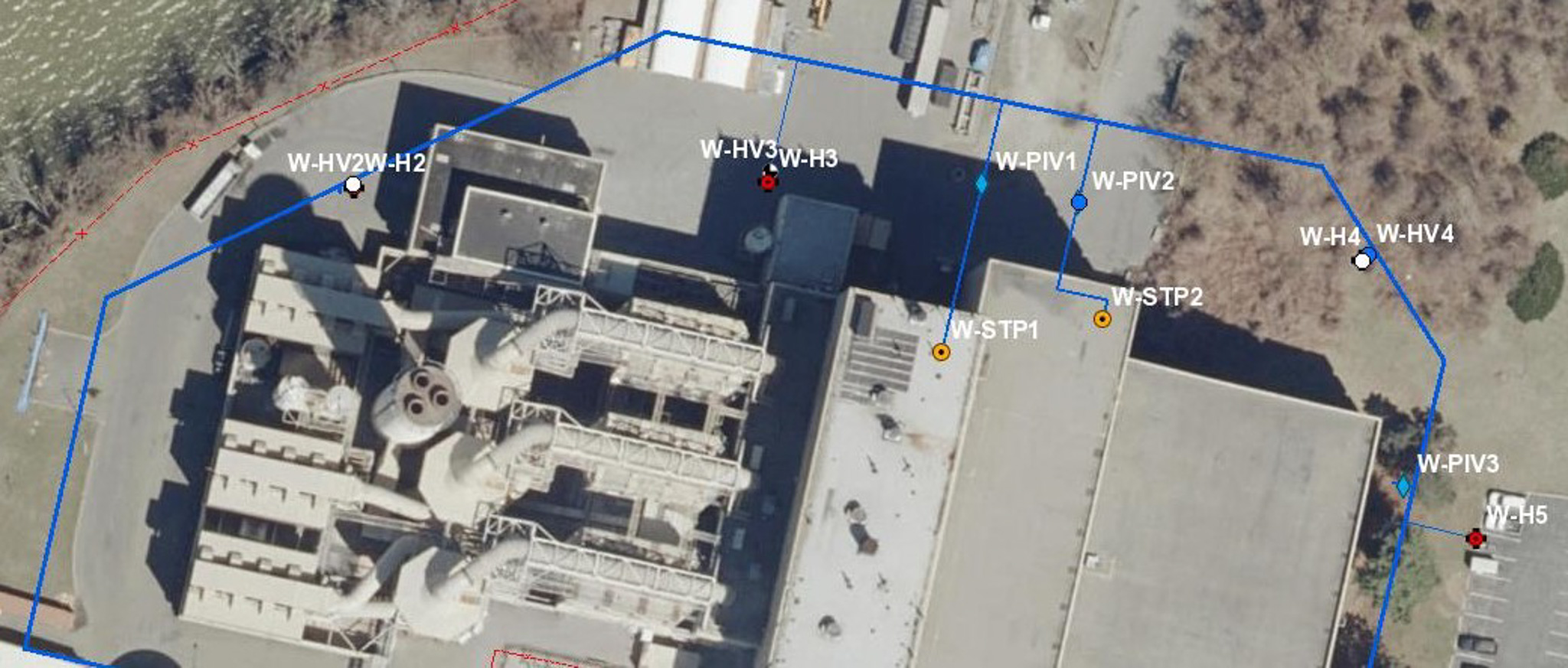
Unlike Phase I's paper trail approach, Phase II is empirical. We're drilling soil borings, installing monitoring wells, collecting samples, and sending them to certified labs. We're measuring concentrations of volatile organic compounds (VOCs), petroleum hydrocarbons, heavy metals, or increasingly, PFAS.
Phase II environmental site assessment NJ cost breakdown:
- Basic investigation (4-6 soil borings): $8,000–$15,000
- Comprehensive assessment (soil + groundwater monitoring wells): $15,000–$35,000
- Extended investigations (PFAS, vapor intrusion, off-site migration): $35,000–$75,000+
The price depends on site size, suspected contaminants, and how deep we need to go, literally and figuratively. A quarter-acre former gas station might need six borings to 15 feet. A three-acre industrial site might require twelve borings to 25 feet plus three monitoring wells.
Here's the distinction property investors miss: you don't choose Phase II. The Phase I findings choose it for you. If your Phase I comes back clean with no RECs, you're done. If it identifies concerns, your lender will require Phase II before closing, or you'll need it to accurately price remediation into your acquisition.
The "Maybe" Zone: When Phase II Is Strategic, Not Required
There's a gray area where Phase II becomes a business decision rather than a compliance requirement. Your Phase I might identify a Historical Recognized Environmental Condition (HREC): something that was remediated years ago and closed out by NJDEP or NYSDEC.
Example scenario: You're acquiring a 1950s warehouse in Hudson County. The Phase I finds that the property was remediated in 2003 for heating oil contamination and received a No Further Action letter from NJDEP. Your lender accepts the Phase I. Do you proceed or commission Phase II sampling?
We've worked both sides of this calculation with clients. If you're planning a quick flip to another commercial user, the NFA letter and Phase I might be sufficient. If you're converting to residential condos or installing a childcare center, you're likely commissioning Phase II regardless of what the NFA says: because your future buyers or tenants (and their attorneys) will demand current data.
The environmental due diligence NJ cost equation changes based on your exit strategy. Spending $15,000 on confirmatory Phase II sampling might reveal clean conditions that add $200,000 to your property value by eliminating buyer uncertainty. Or it might find residual contamination that requires a deed notice or ongoing monitoring: information that reshapes your entire development pro forma.
The Liability You're Actually Buying
Here's what keeps our clients up at night: New Jersey operates under strict joint and several liability for contaminated properties. If contamination exists: even if you didn't cause it: NJDEP can compel you to investigate and remediate as the current owner.
A Phase I ESA that meets All Appropriate Inquiries (AAI) under CERCLA provides federal liability protection. But state programs like New Jersey's Industrial Site Recovery Act (ISRA) and the Brownfield and Contaminated Site Remediation Act have their own requirements. Your Phase I might satisfy your lender, but it won't necessarily shield you from NJDEP enforcement if contamination migrates off-site or creates a human health risk.
The decision tree looks like this:
- Phase I shows no RECs: You're clear to close with standard liability protection
- Phase I identifies RECs: Phase II is mandatory for accurate risk assessment and pricing
- Phase I identifies HRECs with regulatory closure: Phase II is strategic based on end use and risk tolerance
- No Phase I conducted: You assume 100% liability for any environmental conditions, known or unknown
What Property Investors Actually Need to Know
After managing hundreds of environmental due diligence projects across New Jersey and New York, we see the same pattern: investors who treat environmental assessments as compliance checkboxes end up surprised. Those who treat them as business intelligence tools end up profitable.
Your Phase I costs $3,500 and takes 7-10 business days. It's required, non-negotiable, and protects you from catastrophic liability. Budget it into every commercial acquisition.
Your Phase II costs $15,000+ and takes 3-6 weeks. It's only needed when Phase I findings demand it: but when you need it, you really need it. Don't let false economies convince you to skip soil sampling when your Phase I identifies legitimate concerns. The cost of Phase II is finite. The cost of undiscovered contamination is not.
The real question isn't "Which assessment do I need?" It's "What liability am I willing to accept?" A $40,000 Phase II investigation that finds contamination isn't a failed assessment: it's a successful one. You've quantified the problem before you own it. You can negotiate remediation costs into the purchase price, walk away from the deal, or factor cleanup into your development budget with actual numbers.
We've watched developers save seven figures by walking away from properties where Phase II findings revealed contamination that would have bankrupted the project. We've also helped investors acquire brownfield properties in New Jersey at steep discounts by using Phase II data to negotiate purchase price reductions that more than covered remediation costs.
The Bottom Line for Your Next Transaction
Start with Phase I. Always. No exceptions, no shortcuts. It's required by lenders, protects you legally, and costs less than 1% of most commercial property values.
Proceed to Phase II when the data demands it. If your Phase I consultant identifies RECs, don't debate whether you need Phase II. You do. The only question is scope and budget.
Use environmental due diligence strategically. The assessment isn't overhead: it's risk intelligence. Properties with environmental concerns aren't automatically bad deals. They're opportunities for investors who understand the numbers and timeline for remediation.
The difference between a profitable redevelopment and a legal nightmare often comes down to knowing what you're buying before you sign the contract. Phase I tells you what might be there. Phase II tells you what is there. Both answer the only question that matters: what's this going to cost you?
If you're evaluating a property transaction in New Jersey or New York and need straight answers about environmental due diligence costs and timelines, we're happy to talk through your specific situation. Because the best time to discover contamination is before you own it.
Leave a Reply