
If you own or are eyeing an industrial property in the NY/NJ market, there's a regulatory deadline barreling toward you that most people aren't talking about yet: TSCA PFAS reporting. And unlike those "aspirational" compliance timelines we all love to joke about, this one has teeth: and it's coming in hot.
The EPA is finalizing a revised PFAS reporting rule expected in June 2026, requiring manufacturers and importers to disclose PFAS materials manufactured or imported into the U.S. from 2011 to 2022. That's a 11-year lookback. If your site had any industrial operations, supply chain activity, or chemical inputs during that window, you've got homework to do. And if you're acquiring a property with that kind of history? You need to know what's lurking in those records before you sign.
Why This Matters More Than Your Average Compliance Update
Here's the reality: PFAS: those "forever chemicals" we keep hearing about: aren't just in firefighting foam anymore. They're in coatings, textiles, electronics manufacturing, metal plating operations, plastics production, packaging materials, and dozens of other industrial processes. If your site touched any of those sectors between 2011 and 2022, there's a decent chance PFAS was part of the equation.

The EPA isn't messing around with enforcement, either. We're talking civil penalties up to $40,000 per violation, per day. One incomplete disclosure or missed material could turn into a seven-figure liability faster than you can say "confidential business information." And that doesn't even include the operational disruptions: shipment detentions, CBP audited status, or the nightmare scenario of a deal falling apart mid-closing because the Phase II ESA uncovered undisclosed PFAS use.
For property owners, this is about more than just checking a compliance box. It's about understanding your liability exposure and making sure a past tenant's chemical practices don't torpedo your future development plans.
The 2011 Lookback: Harder Than It Sounds
Let's be honest: most companies don't have pristine records going back to 2011. Suppliers change. Formulations get updated. Staff turns over. That industrial coating you used in 2014? Good luck tracking down the MSDS from the vendor who went out of business in 2018.
But here's what the EPA expects you to produce:
- CAS numbers and chemical names for every PFAS-containing substance
- Production volumes or import quantities by year
- Use categories and how those materials were deployed on-site
- Supply chain documentation proving where materials came from
- Exposure data for workers and environmental pathways
If you're acquiring a property, this is where the due diligence gets real. You need to reconstruct that operational history: not just for the current owner, but for every tenant and operator who touched the site during the reporting window. One gap in the chain, and you're on the hook for someone else's compliance failure.
The Section 8(d) Curveball Nobody's Ready For
While everyone's focused on the June PFAS rule, there's another deadline that's even closer: Section 8(d) reporting on May 22, 2026: less than four months away. This covers 16 designated chemicals that may already be part of your site's operations or supply chain.
If your facility manufactures or imports any of these substances, you need accurate submissions covering production volumes, uses, and exposure data. Legal and compliance teams should be reviewing obligations now, especially around confidential business information handling. Miss this one, and you're already behind when the PFAS reporting hits in June.
What an Environmental Compliance Audit Actually Needs to Cover
A real PFAS audit isn't a box-checking exercise. It's a forensic dive into your site's operational DNA. Here's what we look for when we're de-risking an acquisition or prepping a client for reporting:
Supply Chain Reconstruction
We trace every chemical input back to its origin: vendor invoices, shipping manifests, formulation specs. If a coating contained PFAS, we need proof of when it was purchased, how much was used, and where it ended up (waste stream, emissions, wastewater discharge).
Tenant History Analysis
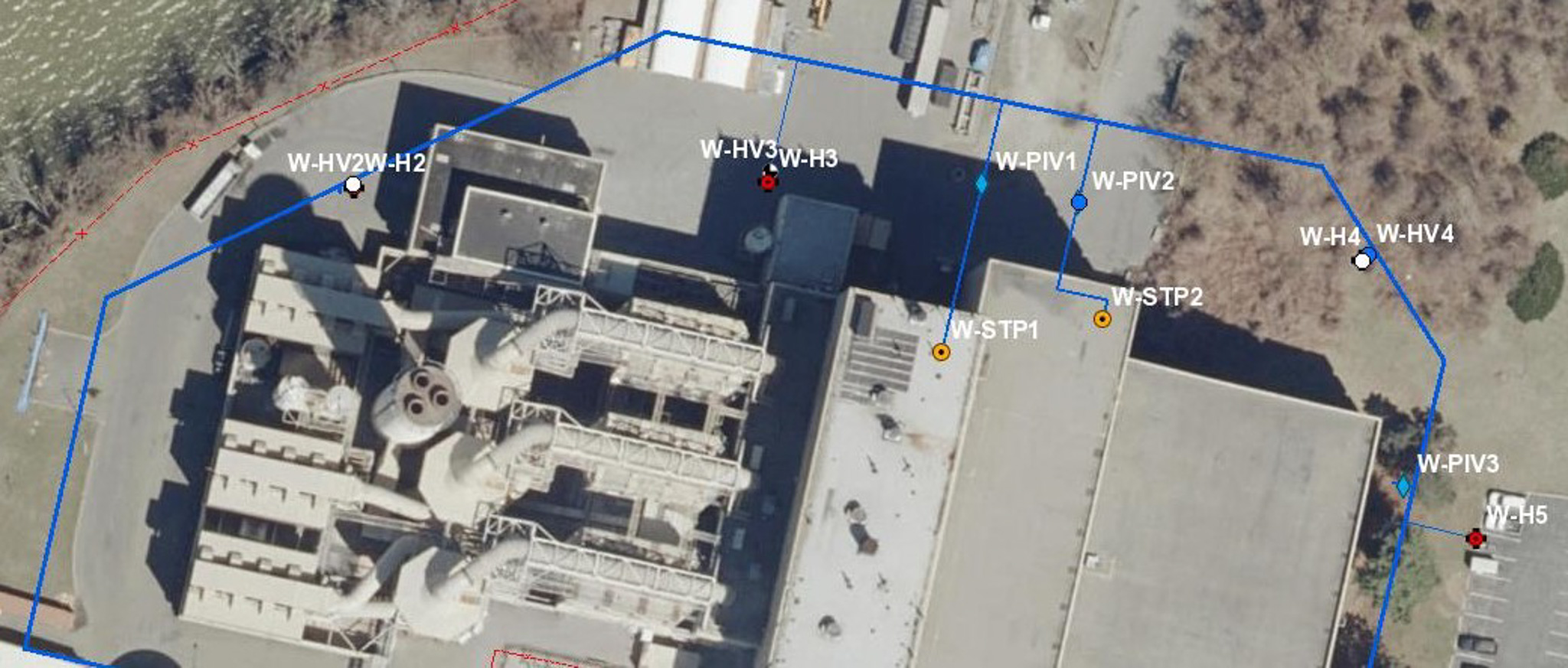
For multi-tenant industrial properties, this gets messy fast. We pull lease agreements, permitted activities, historical aerial photos, and any available environmental reports to map which operations happened where and when. A metal plating shop in 2013 carries very different PFAS risk than a dry goods warehouse.
Waste Management Trail
Where did your waste go? If PFAS-containing materials left the site, we need documentation showing proper disposal or recycling. Undocumented waste streams are red flags for regulators: and deal-killers for lenders.
Recordkeeping System Validation
The EPA requires records maintained for at least three years, but the lookback goes to 2011. We verify that your current systems can actually produce what the EPA will demand: and if they can't, we help reconstruct what's missing before the deadline hits.
How This Changes the M&A Game
If you're buying or selling an industrial property in 2026, PFAS compliance is now a core deal term. Smart buyers are building TSCA audit costs into their due diligence budgets. Smarter sellers are getting ahead of it and conducting their own compliance audits before listing: because the last thing you want is a buyer walking away at the 11th hour because their Phase II uncovered undisclosed PFAS use that tanks their financing.
We've seen this play out repeatedly with brownfield redevelopment projects. A site that looks clean on paper suddenly becomes a liability minefield when the PFAS question comes up. Lenders want certainty. They want to know that the compliance risk is quantified, disclosed, and manageable. An environmental compliance audit that covers TSCA obligations gives them that confidence: and keeps your deal on schedule.

The phrase we keep coming back to with clients is "de-risking acquisitions." That's what a proper audit does. It transforms an unknown liability into a known quantity. It gives you leverage in negotiations. And it prevents the nightmare scenario where you discover a compliance gap six months after closing, when it's your problem and your wallet.
The Envicon Approach: Audits That Actually Protect You
Here's the thing about TSCA compliance: it's not just an environmental issue. It's a business risk issue. It touches procurement, operations, legal, finance, and real estate: and if those departments aren't talking to each other, you're exposed.
Our audits start with a simple question: What's the worst-case scenario, and how do we eliminate it? We reverse-engineer compliance from the regulator's perspective. What would the EPA flag in an inspection? What would a buyer's counsel red-line in the purchase agreement? What would a lender's environmental consultant call out as a financing risk?
Then we build the documentation package that answers those questions before they're asked. Chemical inventories cross-referenced against TSCA listings. Supply chain evidence tied to CAS numbers. Historical use patterns mapped to waste manifests. Disclosure statements that cover every base without over-disclosing and creating unnecessary liability.

For clients with complex site histories: former manufacturing facilities, multi-tenant industrial parks, properties with legacy operations: we treat the audit like an investigation. We interview former staff, pull archived permits, review historical site plans, and piece together operational timelines that would otherwise be lost to institutional memory.
The goal isn't just compliance. It's confidence. When a buyer asks about PFAS during due diligence, we want you saying "Here's the audit, here's the disclosure, and here's why this isn't a deal risk." When a lender requests TSCA documentation, we want you handing over a complete package that moves the transaction forward instead of stalling it.
What You Should Be Doing Right Now
If you're sitting on an industrial property: or about to close on one: here's your action plan before the June deadline:
- Audit your chemical inventory immediately. Pull every purchase order, MSDS, and formulation spec from 2011 forward. If you can't produce documentation, flag it now.
- Map your tenant history. If the site had multiple operators, identify who was doing what and when. Don't assume the previous owner's disclosures are complete.
- Review your waste management records. Confirm that disposal documentation exists and is traceable for every chemical waste stream that left the site.
- Assess your recordkeeping systems. Can you actually produce what the EPA will demand? If not, reconstruct what's missing while there's still time.
- Talk to your lender or buyer early. If you're mid-transaction, get ahead of the PFAS question. Proactive disclosure beats reactive damage control every time.
The May 22 Section 8(d) deadline is the warm-up act. The June PFAS reporting rule is the main event. And if you're not ready for either, you're gambling with six-figure penalties and deal-breaking delays.
The Bottom Line
TSCA compliance in 2026 isn't optional, and it's not something you can paper over with a standard Phase I ESA. The PFAS reporting requirements are fundamentally changing how industrial properties are valued, transacted, and financed. Properties with clean, documented compliance histories will move faster and command better terms. Properties with gaps or unknowns will face scrutiny, delays, and discounted valuations.
We've built our practice around helping clients navigate exactly these kinds of regulatory inflection points. Whether you're managing an existing portfolio or evaluating a new acquisition, the time to act is now: not three weeks before the deadline when everyone else is scrambling.
The clock is ticking. Let's make sure you're ahead of it.
Want to discuss your site's PFAS exposure or schedule a compliance audit? Reach out to our team: we'll walk you through what a proper TSCA audit looks like and how we keep your projects on schedule while managing regulatory risk.

Leave a Reply