
Let me tell you about a deal that died on a Tuesday afternoon.
A developer in Hudson County had a 2.3-acre former industrial site under contract. Beautiful location, solid zoning, market-rate residential demand through the roof. The Phase I ESA flagged some concerns, no surprise for an old manufacturing property, so they moved to Phase II. Standard protocol: drill some borings, collect samples, send them to the lab.
Then boring B-7 came back hot. Really hot. Benzene concentrations that would make your environmental attorney lose sleep for a week.
The developer's financing evaporated within 72 hours. The seller refused to renegotiate. The deal collapsed. The kicker? Three subsequent borings drilled within 10 feet of B-7 came back clean. That single sample, likely compromised during drilling or handling, cost everyone involved about $1.2 million in sunk costs, lost opportunity, and legal fees.
This isn't a rare horror story. It happens more often than anyone in our industry wants to admit.
Why One Sample Carries So Much Weight
Here's the reality: lenders, investors, and risk managers don't think like engineers. They see contaminant concentrations above regulatory thresholds, and their mental math goes straight to worst-case scenarios. That one elevated reading doesn't just represent a data point, it represents potential liability, cleanup costs, schedule delays, and regulatory entanglements.
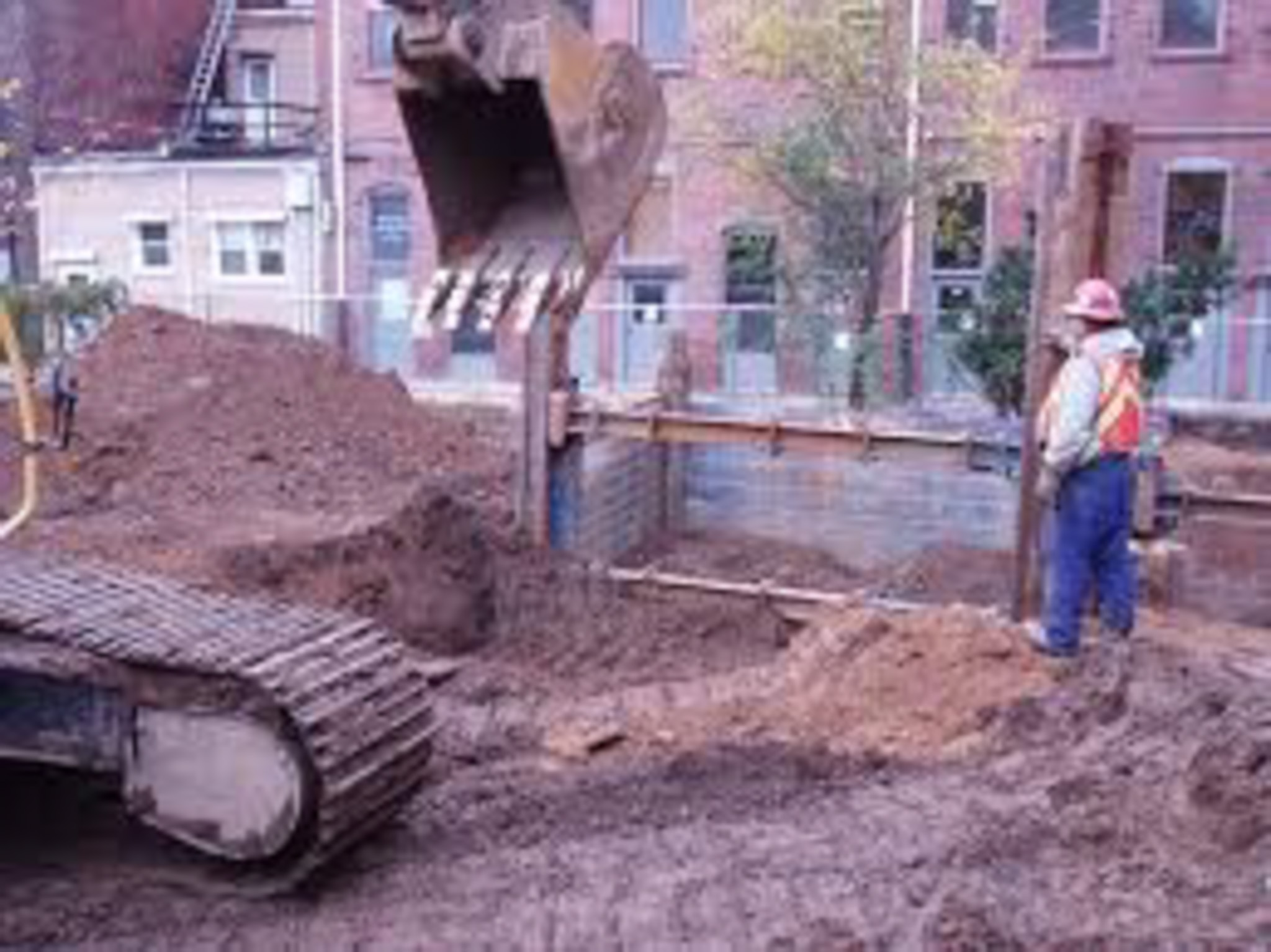
In a Phase II ESA, you're essentially creating a snapshot of subsurface conditions using a limited number of sampling points. Every boring represents thousands of cubic yards of soil, and every sample becomes a proxy for a much larger volume of earth. When one sample goes sideways, it casts doubt over the entire site characterization.
The problem compounds because most purchase agreements include environmental contingencies with specific thresholds. A single exceedance can trigger termination rights, price renegotiations, or demands for additional investigation, all of which burn time and trust.
What Makes a Sample "Bad"
A "bad" sample isn't always contaminated soil. Sometimes it's a good sample that got compromised. Sometimes it's a genuinely contaminated sample collected in the wrong location. And sometimes it's a clean sample that got cross-contaminated during handling.
The usual suspects:
- Cross-contamination during drilling – Poor decontamination protocols between borings, drilling fluid additives that interfere with analysis, or equipment that's seen too many contaminated sites
- Improper sample handling – Wrong container types, broken chain of custody, temperature excursions during shipping
- Laboratory errors – Sample mix-ups, contaminated blanks, instrument calibration issues
- Unrepresentative sampling locations – Hitting a buried drum, a former loading area, or a concentrated spill zone that doesn't reflect broader site conditions
- Interference compounds – Naturally occurring substances or fill materials that can produce false positives for certain analytes
The worst part? By the time you realize a sample is questionable, you're already in damage control mode. The lender has seen the report. The investor is nervous. The clock is ticking on your due diligence period.
The Real Cost of a Bad Sample
That $1M figure in the title isn't hyperbole. Let's break down what actually happens when a deal-killing sample shows up:
Immediate hard costs:
- Additional Phase II investigation to confirm or refute findings: $25,000–$75,000
- Extended due diligence period (if seller agrees): potential lost opportunity cost
- Legal review and renegotiation: $15,000–$50,000
- Remediation design and cost estimating: $10,000–$30,000
Soft costs that add up fast:
- Carrying costs on earnest money and deposits
- Team time (attorneys, engineers, lenders) multiplied across weeks or months
- Opportunity cost of capital tied up in a stalled deal
- Reputational risk with lenders if you walk from multiple deals
Deal structure impacts:
- Purchase price reductions demanded by buyers (typically 2-5x the estimated remediation cost)
- Escrow holdbacks that tie up capital post-closing
- Increased insurance premiums or loss of coverage
- Seller financing becoming unavailable
For a $10M acquisition, a single questionable sample can realistically trigger $500K–$1.5M in combined direct and indirect costs. And that assumes the deal survives at all.
The Smart Sampling Strategy
Here's what the developers who consistently close deals understand: Phase II site investigations aren't just about checking regulatory boxes. They're about generating defensible data that supports transactions.
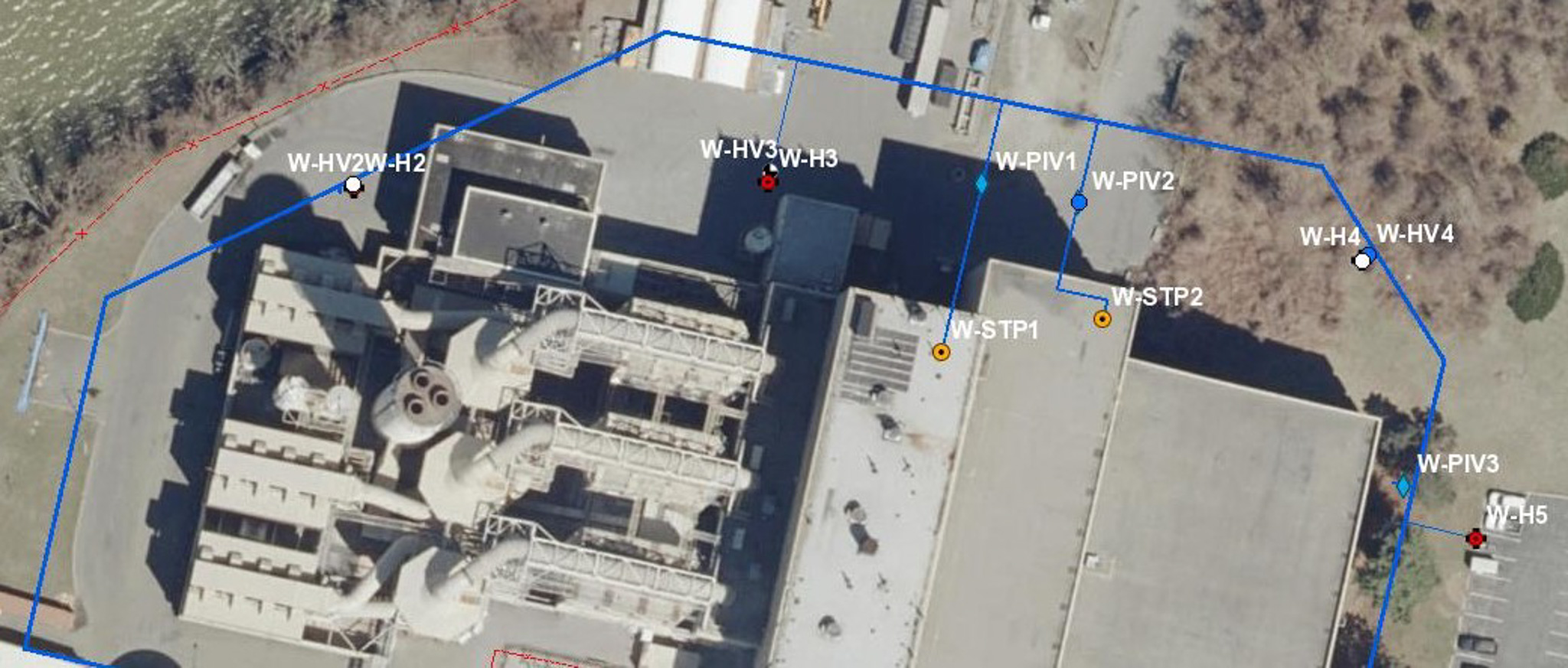
Start with a battle plan, not a boring grid. Your Phase II work plan should reflect actual site history, operations, and potential exposure pathways, not just a generic template. Former loading docks, underground storage areas, waste disposal zones, and drainage patterns should drive your sampling locations.
Collect duplicate and split samples strategically. On high-stakes sites, we collect field duplicates and split samples for critical boring locations. Yes, it adds cost upfront ($2,000–$5,000), but it provides instant insurance if a result comes back questionable. You can immediately send the split to a second lab for confirmation.
Use real-time screening where appropriate. For volatile organic compounds, field screening with a photoionization detector (PID) or portable GC-MS can identify contamination in real time, allowing you to adjust your sampling strategy on the fly. This prevents the nightmare scenario where you're back on-site for a second mobilization.
Document everything obsessively. Chain of custody forms, decontamination logs, field photos, sample container lot numbers: treat your Phase II like a legal proceeding, because it might become one. The more documentation you have, the easier it is to identify and explain anomalous results.
Build in confirmation sampling from day one. On any site with known or suspected contamination, include contingent confirmation borings in your scope and budget. If you get a hot sample, you're already authorized to drill three more locations the same day. This turns a three-week delay into a three-hour adjustment.
Working with the Right Investigation Team
Not all environmental consultants approach Phase II investigations the same way. Some treat them as paperwork exercises. Others understand they're high-stakes technical and financial documents that need to survive scrutiny from lenders, attorneys, and regulators.
What to look for:
- LSRP credentials in New Jersey or similar state-specific qualifications that demonstrate regulatory expertise
- Experience in transaction-driven investigations where speed and defensibility matter as much as technical rigor
- In-house laboratory relationships where turnaround times can be negotiated and data quality is consistently high
- Integration with civil and geotechnical engineering – soil boring programs that serve multiple purposes (environmental, geotechnical, foundation design) save time and money
At Envicon, we've structured our site investigation services specifically around transaction timelines. Our approach isn't just about collecting samples: it's about generating lender-proof reports that keep deals moving forward.
What to Do When You Get a Bad Number
Despite your best planning, sometimes you'll still get a result that doesn't make sense. Here's the immediate playbook:
Hour 1-24: Assess and validate
- Review the lab report for qualifiers, flags, and quality control data
- Check field documentation for any irregularities during that specific sampling event
- Compare the result to adjacent boring locations: is this an isolated anomaly or part of a trend?
- If you have a split sample, send it to a second lab immediately
Day 2-7: Supplemental investigation
- Mobilize for confirmation sampling around the questionable location
- Collect samples from depths above and below the original sample point
- Document any visual or olfactory observations that might explain contamination
- Consider if the result could reflect a very localized condition (buried debris, former spill location)
Week 2: Strategic response
- If confirmation sampling validates the original result, develop a focused remedial action plan
- If confirmation sampling contradicts it, prepare technical justification for why the original sample was unrepresentative
- Engage your environmental attorney and lender early: surprises destroy credibility
The key is controlled urgency. Panic kills deals. Methodical, well-documented response saves them.
The Bottom Line
That one soil boring: that one sample: can absolutely kill a million-dollar deal. But it doesn't have to.
The difference comes down to strategy, execution, and working with a team that understands both the technical nuances and the transaction realities. Phase II investigations aren't just environmental paperwork. They're risk management tools that can either derail your acquisition or provide the confidence you need to close.
Smart developers don't just budget for the investigation: they budget for doing it right the first time. Because the cost of a bad sample isn't just the remediation. It's the deal you lose, the financing that evaporates, and the six months you spent on a project that's now radioactive to every lender in the market.
If you're staring at a Phase II ESA scope of work right now, ask yourself: is this designed to generate defensible data, or just check a box? Your answer might be worth a million dollars.
Want to talk through a Phase II strategy before your next boring goes in the ground? Let's have that conversation. We've seen enough deals die to know exactly how to keep yours alive. Envicon Group
Site-Civil • Geotechnical • Environmental
www.envicongroup.com
Leave a Reply