If you're buying, financing, or redeveloping property in New York City or New Jersey, Phase I ESA cost is not a side issue. It affects your closing timeline, your lender relationship, and your downside risk.
At Envicon Group, we see the same mistake over and over: teams shop for the lowest number on paper, then lose far more in delays, lender comments, rework, or a missed site issue. In NYC, that mistake gets expensive fast. Carrying costs for developers can easily hit $20,000 per week on a stalled project, which means a cheap report can become the most expensive line item in your due diligence process.
As Jason Pancoast puts it: “We don’t sell reports. We sell cleared paths.”
How much does a Phase I ESA cost?
For 2026, typical lender-grade pricing in the NYC and NJ market looks like this:
- Standard Phase I ESA: $2,200–$4,500
- Rush Phase I ESA: $3,500–$5,500
Those ranges cover many common commercial transactions, but not every site is priced the same. A clean office property in a low-complexity setting is different from an urban redevelopment parcel with multiple historic uses, adjacent spill cases, or open agency files.
What pushes Phase I ESA pricing up or down
The biggest cost drivers are usually:
- Property type: industrial, mixed-use, multifamily, retail, and vacant land all carry different research burdens
- Site history: former gas stations, dry cleaners, auto uses, manufacturing, and fill-related sites require deeper review
- Location complexity: NYC sites usually take more work than suburban parcels
- Turnaround speed: rush delivery costs more because it compresses records review, scheduling, and reporting
- Agency context: properties tied to open environmental files or redevelopment programs often need closer analysis
- Lender expectations: some banks want a basic compliant report, while others issue detailed review comments
The “NYC Premium” is real
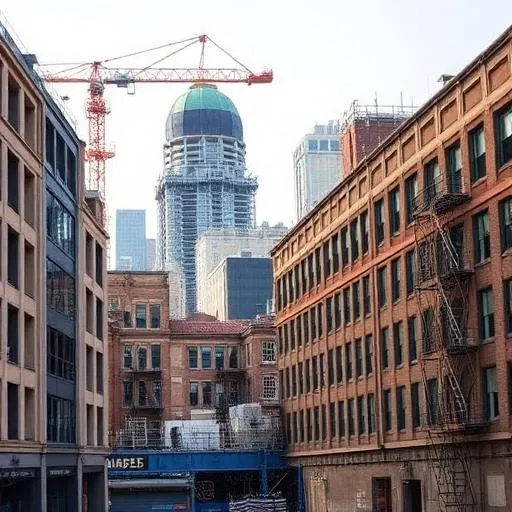
Developers ask us all the time why a Phase I ESA in Manhattan, Brooklyn, Queens, the Bronx, or Staten Island often costs more than the same assignment elsewhere. The answer is simple: history and density.
A typical NYC parcel may have had several uses over the last century. One lot might have been a warehouse, then an auto shop, then a dry cleaner, then a mixed-use building. Sorting that out takes time. The “NYC Premium” usually comes from:
- NYC OER context: sites may involve NYC Office of Environmental Remediation records, E-Designation review, or redevelopment-related file history
- Historical density: Sanborn maps, fire insurance records, city directories, and building records often show multiple former uses on a small footprint
- Urban adjacency: what happened next door matters in NYC, especially where historic petroleum, manufacturing, or commercial operations were tightly packed
- More lender scrutiny: local and institutional lenders know NYC risk is not theoretical
That is why a Phase I ESA here is not just a form. It is an interpretation exercise. Big-box firms often treat that work like a template assignment. We don’t. We read the site, the file history, and the business objective behind the transaction.
Why the cheapest Phase I often costs the most
A low fee can look attractive until the report lands on a lender’s desk. Then the real cost shows up.
1. ASTM compliance problems
The current standard for All Appropriate Inquiries is ASTM E1527-21, which the EPA recognizes for AAI. You can review the EPA’s AAI framework here. If your consultant cuts corners on historical research, records review, or opinion language, the report may not hold up when the bank’s environmental reviewer starts asking questions.
2. Over-calling or under-calling risk
Inexperienced consultants usually make one of two mistakes:
- They miss obvious red flags because they do not understand local context
- They over-label issues as RECs because they are writing defensively
Neither helps your deal. One exposes you to liability. The other forces unnecessary follow-up, extra fees, and transaction delay.
3. Rejection by the lender or investor
We routinely hear from owners and developers who bought the cheapest report first, then had to order a second Phase I ESA under a rush schedule because the first one did not satisfy the bank. That means you paid twice and lost time.
As we tell clients: “Fast is valuable. Cheap and wrong is expensive.”
What a lender-grade Phase I ESA should include
If you want a report that helps move the deal instead of slowing it down, you should expect:
- ASTM E1527-21 compliance
- A clear opinion on RECs, HRECs, and CRECs
- Strong historical research
- Local regulatory awareness in NYC and NJ
- A practical recommendation section
- Delivery on the schedule your closing actually requires
This is where regional fluency matters. A national consultant can say they “cover” NYC and New Jersey. That is not the same as working these jurisdictions every week.
NYC and NJ service areas we support
If you need a Phase I ESA quote or want to compare site risk by borough or city, start with your local market:
- Manhattan Phase I ESA services
- Brooklyn Phase I ESA services
- Queens Phase I ESA services
- Bronx Phase I ESA services
- Staten Island Phase I ESA services
- Jersey City Phase I ESA services
- Newark Phase I ESA services
Use our tools before you commit
If you want pricing clarity before you call anyone, start with our tools:
- Cost Estimator: a fast way to understand likely Phase I ESA pricing based on your site and timeline
- Risk Screener: a quick way to gauge environmental red flags before you get deep into diligence
Most firms still make you wait for a proposal just to get basic pricing direction. We built these tools because clients deserve a clearer path from question to action.
Summary: buy clarity, not just a report
A 2026 Phase I ESA in NYC or NJ typically costs $2,200–$4,500 for standard service and $3,500–$5,500 for rush service. But the real question is not just what the report costs. It is what delay costs you.
For many NYC developers, that number is $20,000 per week in carrying costs, missed timing, and lender friction. That is why the right Phase I consultant does more than issue a PDF. We help you solve environmental and engineering challenges with precision, speed, and trust.
If your consultant is treating your due diligence like a commodity, you are probably paying for the wrong thing.
Why clients switch from big firms to Envicon
Every credible consultant can offer a Phase I ESA. That is the point of parity. The difference is how the work gets done when your closing date is real and your lender is not flexible.
At Envicon, clients come to us because they want:
- Direct access to the people doing the work
- Clear pricing without scope games
- Faster turnaround when timing matters
- Regional fluency in NYC and NJ
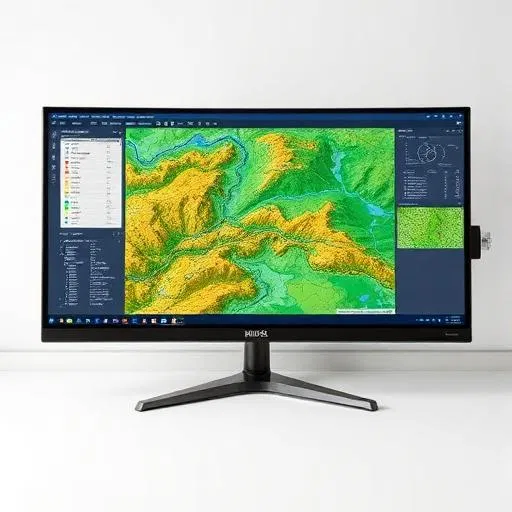
- Technology that gives visibility instead of black-box project management
We do not hand you a bloated report and disappear. We help you understand what the findings mean, what comes next, and how to keep the deal moving.
Final takeaway
If you are budgeting a Phase I ESA in 2026, use $2,200–$4,500 as a realistic standard range and $3,500–$5,500 for rush work in the NYC and NJ market. If the site is complex, the timeline is compressed, or the property sits inside the kind of dense historical fabric common in New York City, expect the “NYC Premium” to show up.
The cheapest proposal rarely reflects the full cost of getting to closing. In this market, one bad report can cost more than the difference between firms in a single week.
Call to Action
Ready to price your Phase I ESA the smart way?
- Call now: (917) 764-2171
- Try the Cost Estimator tool
- Check your property risk with the Risk Screener
- Book a free consultation
Leave a Reply