Let’s be honest: nobody gets excited about a three-ring binder.
In the world of New York and New Jersey construction, the Stormwater Pollution Prevention Plan (SWPPP) is often treated like a high school diploma. You work hard to get it, you’re relieved when it’s done, and then you stick it in a drawer (or a job site trailer) and hope you never have to look at it again.
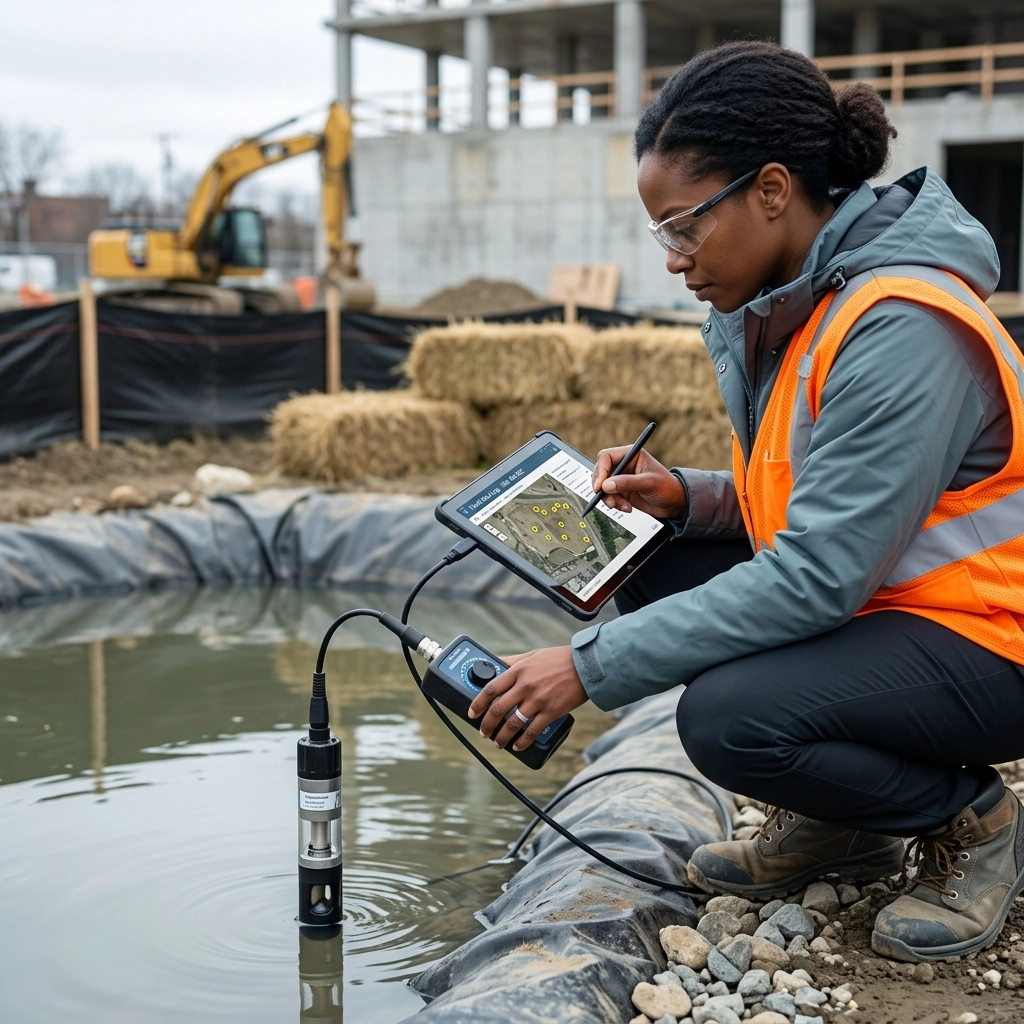
But here’s the reality I see every week at Envicon Group: the binder doesn’t stop the NJDEP or the NYSDEC from handing out fines. A piece of paper doesn't keep sediment out of the Hudson River or the local storm drain. Only field-level QA/QC: actual eyes on the ground and boots in the mud: does that.
If you’re treating your SWPPP as a "check-the-box" administrative task, you aren't just risking the environment; you’re risking your project’s timeline, your budget, and your reputation.
The Paperwork Trap
Most environmental consultants are great at writing reports. They’ll give you a 200-page document full of technical jargon and site maps that look beautiful in a PDF. But once that report is delivered, many of those "big-box" firms disappear. They leave the implementation to a site super who is already juggling ten other priorities or, worse, to a junior staffer who wouldn't know a failing silt fence if they tripped over it.
This is the "Paperwork Trap." You feel compliant because the binder is on the shelf. But stormwater compliance isn't a static event; it’s a daily battle against gravity, weather, and site wear-and-tear.
When a regulator pulls up to your site after a two-inch rainfall, they aren’t going to read your executive summary first. They’re going to look at the perimeter. They’re going to look at your stabilized construction entrance. They’re going to look for evidence that your Best Management Practices (BMPs) are actually working. If the field reality doesn't match the paperwork, the paperwork becomes evidence against you, not a defense for you.

Why Field-Level QA/QC is Your Real Defense
Field-level Quality Assurance and Quality Control (QA/QC) is the bridge between what the engineers planned and what the contractors built. At Envicon, we don't just deliver a plan; we provide construction oversight that ensures the plan actually works.
Here is why active field monitoring is your best defense against fines:
1. The SWPPP is a "Living Document"
According to the EPA and state-level guidelines, a SWPPP must be amended and updated to reflect actual site conditions. If you move a soil stockpile or change an access road, your plan is technically out of compliance until it's updated. Field-level QA/QC ensures that these changes are documented in real-time. Without someone actively managing this, your "living document" becomes a dead record that regulators will pick apart.
2. Qualified SWPPP Practitioner (QSP) Oversight
In many jurisdictions, specifically across NY and NJ, you are required to have a Qualified SWPPP Practitioner (QSP) or a similarly credentialed professional perform regular inspections. This isn't just a suggestion; it’s a regulatory mandate. These inspections must happen:
- Weekly during active construction.
- Before and after "qualifying rain events."
- During extended storms.
- Once a month, even if the site is inactive.
If your consultant is sitting in an office in another state, they aren't seeing the gap under the silt fence or the track-out on the public road. Field-level QA/QC catches these issues before the inspector arrives.

The High Cost of "Good Enough"
We’ve seen it happen. A developer tries to save a few thousand dollars by hiring a discount consultant who provides the bare minimum oversight. Then, a storm hits. The hay bales fail. Sediment-laden water enters a protected wetland or a municipal sewer system.
The result?
- Civil Penalties: Fines can reach tens of thousands of dollars per day per violation.
- Stop-Work Orders: Every day your site is shut down while you scramble to fix environmental issues, your carry costs are ticking.
- Third-Party Lawsuits: In areas like NYC and Northern Jersey, environmental advocacy groups are hyper-vigilant. A visible plume of mud in a river is an invitation for a lawsuit.
At Envicon, we believe in "cleared paths." We don't just tell you there's a problem; we work with the site crew to fix it. We speak the language of the contractor and the regulator. If we see a BMP that’s poorly installed, we don’t just write a note in a report: we get it corrected on the spot.

The Envicon Difference: More Than a Report
When you work with a national firm, you often get a junior inspector who is following a checklist. They lack the authority to make decisions and the experience to see where a site is heading.
At Envicon Group, we bring 20 years of local experience in redevelopment and civil engineering. Here is why our approach to SWPPP and field QA/QC is different:
- PE-Led and Field-First: Our leadership is involved. You get experts who have sat across the table from the NYSDEC and NJDEP for two decades. We know what they’re looking for because we’ve built those relationships.
- Proactive, Not Reactive: We don't wait for the rain to tell us a site is vulnerable. We look at the grading and the schedule and tell you where the weak points are before the clouds roll in.
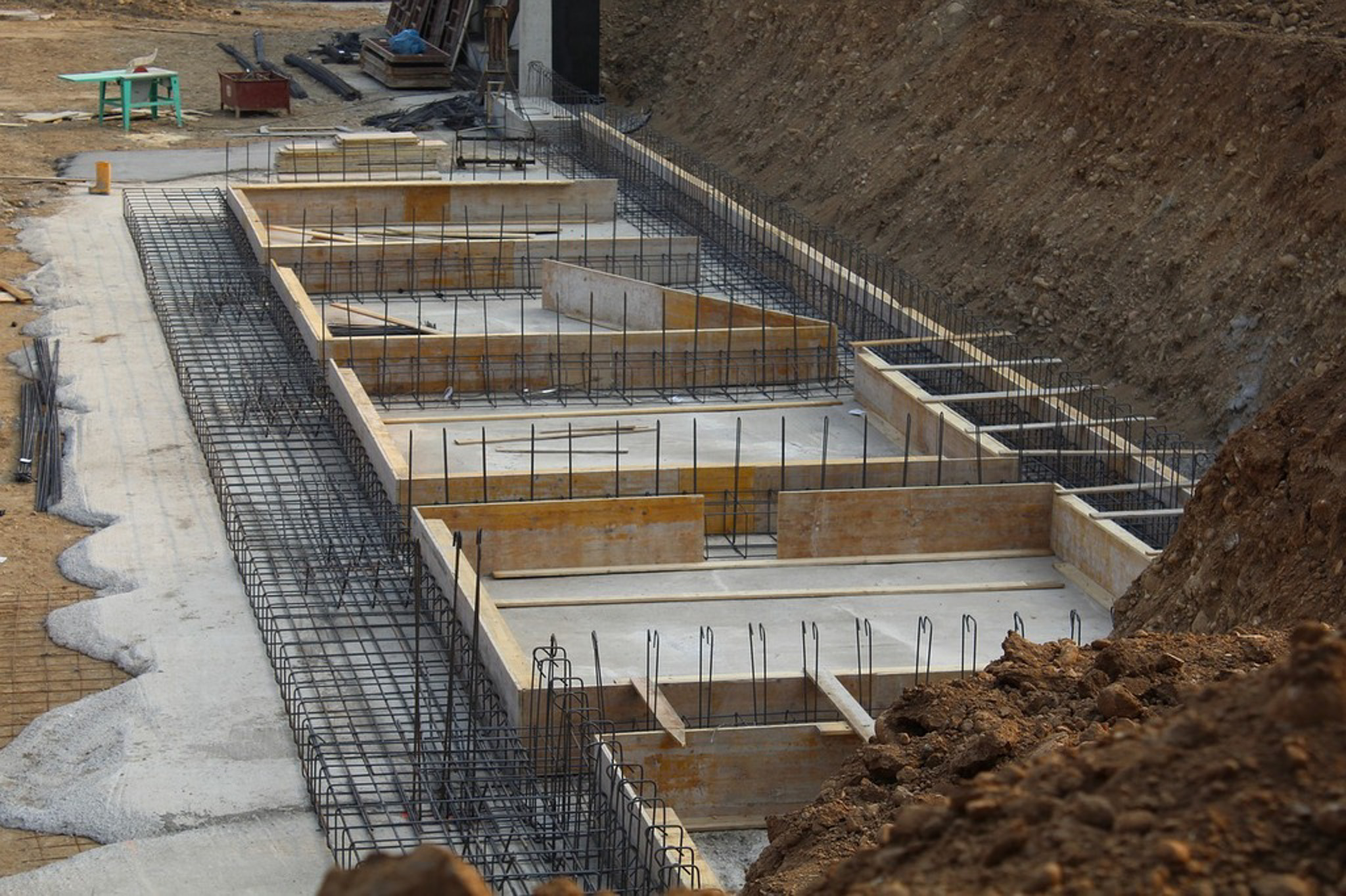
- Integrated Solutions: Because we handle civil engineering, geotechnical, and environmental consulting, we see the big picture. We understand how a foundation pour affects your stormwater runoff.
- Responsiveness: If there’s an issue on a Friday afternoon, we aren't "checking out." We’re on-site or on the phone, making sure your project stays compliant through the weekend.
"Collaboration is not a buzzword: it’s how we work. We don't just deliver services; we help transform underused properties into thriving assets by removing the obstacles in your way." : Jason Pancoast, CEO.
Moving Beyond the Binder
Stormwater compliance shouldn't be a source of anxiety. It should be a predictable, managed part of your project lifecycle. By investing in field-level QA/QC, you aren't just "buying insurance" against fines: you’re ensuring that your project moves forward without the friction of environmental delays.
Whether you are working on a waterfront transfer station in Hudson County or a renewables project in upstate New York, the rules are getting tighter. The agencies are getting more aggressive. The binder on the shelf is no longer enough.
Summary & Key Takeaways
- Paperwork is just the start: A SWPPP is a roadmap, but you still have to drive the car. Field-level implementation is where compliance actually happens.
- Inspect to Protect: Regular inspections by a qualified professional (QSP) are your early warning system. Catching a failing BMP on Tuesday is much cheaper than paying a fine on Wednesday.
- Stay "Live": Keep your SWPPP updated. If the site changes, the plan must change. An outdated plan is a non-compliant plan.
- Hire for the Field, Not the Office: Choose a consultant that prioritizes site-level QA/QC and has the local regulatory fluency to keep your project moving.
Don't let a "check-the-box" mentality stall your project. If you're tired of big-firm overhead and junior-staff execution, let's talk. We specialize in turning complex, environmentally challenged sites into clean, buildable, and compliant assets.
Your project is too important to leave to a binder. Let’s get it right in the field.
Contact Envicon Group Today to discuss your next project’s SWPPP and environmental monitoring needs.
Leave a Reply