Category: Industry Insight

  • PFAS Liability Nightmare: 7 Mistakes Property Investors Are Making with Phase I ESAs (And How to Fix Them)

    PFAS Liability Nightmare: 7 Mistakes Property Investors Are Making with Phase I ESAs (And How to Fix Them)

    The PFAS liability landscape shifted dramatically on July 8, 2024, when new federal requirements took effect for Phase I Environmental Site Assessments. Yet months later, we're still seeing property investors make critical mistakes that expose them to massive CERCLA liability: mistakes that could cost millions and derail acquisitions entirely.

    As environmental professionals working daily with NY/NJ property transactions, we've identified seven recurring errors that are putting investors at serious risk. The good news? Each one is entirely preventable with the right approach.

    Mistake #1: Skipping PFAS Database Screening Entirely

    The Problem: Many Phase I ESA reports completely omit PFAS regulatory database screening, or worse, perform superficial searches that miss critical contamination indicators.

    The Reality: Proper PFAS due diligence requires screening Environmental Risk Information Services (ERIS) databases and EPA's PFAS Analytic Tools. Your Phase I report should explicitly state whether database searches identified PFOA or PFOS listings at the subject property, adjoining sites, or nearby properties within standard search distances.

    The Fix: Demand that your environmental consultant confirm database screening was completed and document findings in writing. A simple statement like "PFAS database screening conducted with no listings identified" provides essential liability protection. If listings are found, require detailed analysis of contamination sources and migration potential.

    image_1

    Mistake #2: Using Outdated ASTM Standards

    The Problem: Two months after the July 8, 2024 deadline, we still encounter Phase I ESA reports that don't meet current ASTM E1527-21 requirements for PFAS evaluation.

    The Critical Detail: To qualify for CERCLA liability defenses: Innocent Landowner, Bona Fide Prospective Purchaser, or Contiguous Property Owner status: your Phase I ESA must satisfy "all appropriate inquiries" requirements, which now include PFAS analysis under ASTM E1527-21.

    The Fix: Verify your assessment explicitly states ASTM E1527-21 compliance for PFAS evaluation. Reports completed before July 2024 or without this compliance may not provide adequate liability protection. Don't risk your CERCLA defenses on outdated standards.

    Mistake #3: Ignoring Historical Property Uses

    The Problem: Investors frequently focus only on current site conditions while overlooking past manufacturing activities, waste disposal practices, and historical use of PFAS-containing materials.

    Why This Matters: Industries with biosolids application, electroplating, textile manufacturing, firefighting foam usage, or landfill operations present elevated PFAS risk. Historical aerial photographs, city directories, and regulatory files often reveal contamination sources that current site conditions don't reflect.

    The Fix: Request comprehensive historical research as part of your Phase I assessment. Your consultant should review decades of aerial photographs, insurance maps, and regulatory records to identify potential PFAS sources. This detective work often prevents costly surprises during due diligence.
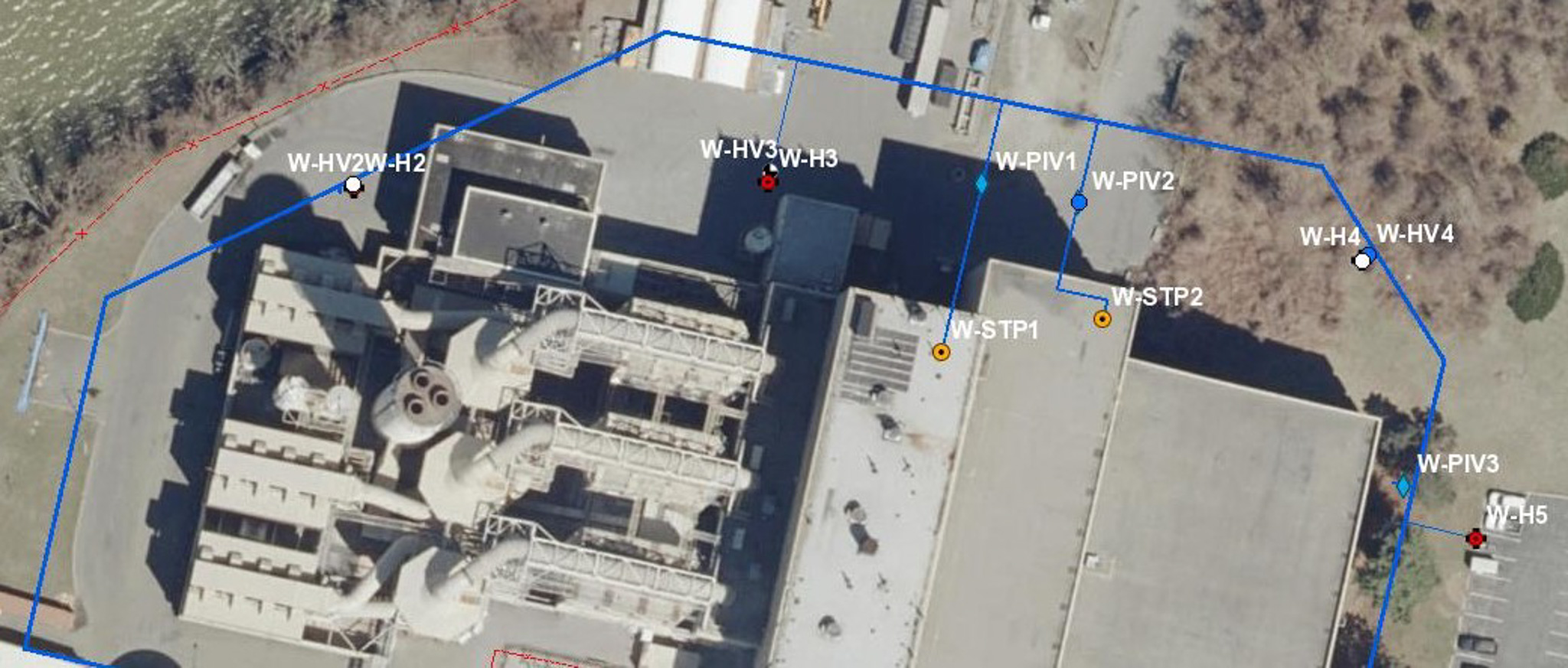
    Environmental assessment showing aerial site mapping

    Mistake #4: Misunderstanding Site Topography and Groundwater Flow

    The Problem: Many assessments fail to analyze drinking water sources, soil permeability, groundwater depth, and groundwater gradient: factors that directly impact contamination extent and regulatory response.

    The Regulatory Reality: Environmental agencies prioritize PFAS impacts on drinking water supplies. Sites with shallow groundwater, high permeability soils, or proximity to public water wells face intensified scrutiny and potentially massive remediation costs.

    The Fix: Ensure your Phase I includes detailed hydrogeological analysis. Understanding groundwater flow direction, depth to water table, and downgradient receptors is essential for assessing contamination potential and regulatory liability. This analysis often determines whether PFAS discovery triggers immediate action or allows for risk management strategies.

    Mistake #5: Misinterpreting Industry Risk Classifications

    The Problem: A dangerous misconception persists that if a property has an industry on EPA's PFAS risk list, contamination is automatically present: or conversely, that industries not on risk lists are automatically clean.

    The Truth: Industry classification doesn't automatically indicate a recognized environmental condition (REC) or PFAS release. Manufacturing facilities that never used PFAS-containing materials may pose minimal risk, while seemingly low-risk properties might have received contaminated materials or waste.

    The Fix: Demand site-specific analysis rather than generic industry classifications. Your assessment should distinguish between industries with documented PFAS use and actual confirmed contamination at your specific site. This nuanced approach prevents both unnecessary alarm and dangerous oversights.

    Mistake #6: Overlooking Future Property Use Implications

    The Problem: Investors evaluate PFAS risk based on current property conditions without considering how contamination discovery affects intended future use.

    The Business Impact: PFAS contamination can severely limit development options, particularly for residential projects, childcare facilities, schools, or any use involving groundwater exposure. Remediation requirements vary dramatically based on intended land use.

    The Fix: Before proceeding with acquisition, assess whether potential PFAS contamination restricts your development plans or creates remediation obligations that exceed project budgets. This forward-thinking approach prevents costly pivots mid-project.

    Construction and development site showing active remediation work

    Mistake #7: Avoiding Phase II Investigations When Warranted

    The Problem: When Phase I findings suggest potential PFAS risk, some investors skip Phase II subsurface investigations to limit upfront costs: creating massive unquantified liability exposure.

    The Expensive Reality: Unknown contamination extent makes accurate cost projections impossible and complicates financing, insurance, and exit strategies. As one industry expert recently noted, "The cost of not knowing often exceeds the cost of investigation by orders of magnitude."

    The Fix: Based on Phase I findings and transaction objectives, determine whether Phase II investigation provides better risk management than proceeding with uncertainty. Sometimes confirming contamination absence or extent enables more informed decision-making than hoping problems don't exist.

    Protecting Your Investment and CERCLA Defenses

    The regulatory landscape for PFAS continues evolving rapidly, with federal cleanup standards still under development. This uncertainty makes proper due diligence even more critical: you can't rely on established cleanup thresholds to predict costs and timelines.

    To maintain CERCLA liability protections, work with environmental professionals experienced in ASTM E1527-21 requirements and coordinate with legal counsel to document compliance. Remember that even properly conducted assessments may not identify all contamination sources, given PFAS's widespread historical use and environmental persistence.

    The stakes couldn't be higher. PFAS liability can transform profitable acquisitions into financial disasters, but systematic due diligence following current standards provides essential protection. Property investors who understand these seven critical mistakes: and take action to avoid them: position themselves for success in an increasingly complex regulatory environment.

    When it comes to PFAS liability in property transactions, the cost of proper due diligence always beats the cost of getting it wrong. Your future self will thank you for the thoroughness you invest in today.


    Need expert guidance on PFAS compliance and Phase I ESA requirements? Contact our team to discuss your specific project needs and ensure your due diligence meets current regulatory standards.


  • Brownfield Tax Credits on Hold? Here's Your 2026 Survival Guide for NJ Redevelopment Projects

    Brownfield Tax Credits on Hold? Here's Your 2026 Survival Guide for NJ Redevelopment Projects

    Let's clear something up right away: New Jersey's Brownfields Redevelopment Incentive Program isn't on hold. But if you're planning a redevelopment project in 2026, you're walking into a landscape that's about to shift dramatically.

    The New Jersey Economic Development Authority (NJEDA) is rolling out updated program rules in 2026, and while the $50 million annual allocation remains intact, everything else could be up for grabs. Smart developers are already positioning themselves for these changes: here's how you can do the same.

    What's Actually Happening in 2026

    The confusion around "credits on hold" stems from NJEDA's current rule development process. They're not suspending the program: they're retooling it based on recent legislative changes under P.L. 2025, c.111. This means new application procedures, updated evaluation criteria, and potentially different eligibility requirements.

    The program continues as a competitive, rolling application process, but the playbook you've been using might not work come spring 2026. Projects that understand these shifts now will have a significant advantage over those scrambling to adapt later.

    image_1

    Current Program Status: What Still Works

    Before we dive into changes, here's what remains consistent about New Jersey's Brownfields program:

    Award Structure:

    • Government-Restricted Municipalities (GRM) or Qualified Incentive Tracts: 80% of remediation costs, up to $12 million maximum
    • Other New Jersey locations: 60% of remediation costs, up to $8 million maximum
    • Solar projects on closed landfills: Up to 100% of remediation costs with the same geographic caps

    Core Requirements:

    • Projects must demonstrate economic infeasibility without the tax credit
    • Prevailing wage compliance is mandatory
    • Municipal letter of support required
    • Multi-agency coordination with DOL, Treasury, and NJDEP

    Automatic Disqualifiers:

    • Cannabis license holders (any controlling party with NJ Cannabis Regulatory Commission licenses or certifications)
    • Projects that can proceed profitably without incentives

    The 2026 Rule Changes: What We Expect

    While NJEDA hasn't released specifics, our analysis of the legislative framework suggests several areas ripe for modification:

    Application Timing: The current rolling application process might shift to defined application periods, creating more competitive windows but potentially longer wait times.

    Evaluation Criteria: Expect enhanced focus on environmental justice considerations, job creation metrics, and regional economic impact: not just remediation costs.

    Documentation Requirements: More robust financial feasibility analysis and enhanced community benefit demonstrations will likely become standard.

    Award Processing: New rules may streamline or complicate the current multi-stage approval process, depending on NJEDA's administrative priorities.

    Aerial Site Map - Waterfront Industrial Property

    Your 2026 Survival Strategy

    1. Lock in Current Applications

    If your project meets current eligibility requirements and you can submit before the new rules take effect, do it. The transition period creates uncertainty that could delay future applications by months.

    2. Diversify Your Incentive Portfolio

    Don't put all your eggs in the Brownfields basket. New Jersey offers multiple redevelopment incentives:

    • Opportunity Zone benefits
    • Historic Preservation Tax Credits
    • Green building incentives
    • Municipal tax abatements

    3. Strengthen Municipal Relationships

    The municipal support letter requirement isn't changing, but its importance might increase. Communities with strong local partnerships often see faster approvals and higher award amounts.

    4. Prepare for Enhanced Due Diligence

    Start assembling comprehensive environmental assessments, financial feasibility studies, and community impact analyses now. The bar for documentation is likely rising.

    Critical Action Items for Q1 2026

    Monitor NJEDA Announcements: Sign up for NJEDA updates and watch for rule release dates. First-mover advantage matters in competitive programs.

    Reassess Project Economics: With potential rule changes, your original pro forma might not hold. Run sensitivity analyses on different award scenarios.

    Engage Legal Counsel Early: Environmental and development attorneys familiar with New Jersey incentive programs will be crucial for navigating new requirements.

    Document Everything: Start building your paper trail now. Enhanced documentation requirements mean projects with robust records will move faster.

    image_2

    The Broader Context: Why This Matters

    New Jersey's brownfield program operates within a larger economic development strategy that balances environmental remediation with job creation and community revitalization. The 2026 rule updates reflect evolving priorities around environmental justice, climate resilience, and equitable development.

    "The goal isn't just cleaning up contaminated sites: it's creating sustainable economic opportunities in communities that need them most," explains our experience working with municipal partners across Hudson and Essex counties.

    Projects that align with these broader objectives won't just survive the rule changes: they'll thrive under them.

    What Success Looks Like in 2026

    Successful brownfield projects in the new landscape will demonstrate:

    • Clear community benefit beyond remediation
    • Financial necessity for public incentives
    • Environmental justice alignment
    • Regional economic impact through job creation or supply chain benefits
    • Technical feasibility with realistic timelines and budgets

    Planning Your Next Move

    The smartest redevelopment teams are already stress-testing their projects against multiple scenarios. Whether the 2026 rules become more restrictive or more streamlined, projects with strong fundamentals and community support will adapt successfully.

    If you're evaluating a brownfield opportunity, don't let rule uncertainty paralyze your planning. The core economics of brownfield redevelopment in New Jersey remain strong, and the state's commitment to the program is clear through continued funding allocation.

    The key is building flexibility into your approach and maintaining relationships across the regulatory ecosystem. Projects that can pivot quickly when new guidance drops will capture the best opportunities in 2026.

    Ready to navigate New Jersey's evolving brownfield landscape? The teams that start preparing now will be the ones closing deals when the dust settles. At Envicon Strategic Solutions, we're helping clients position for these changes while maximizing current opportunities: because in redevelopment, timing isn't everything, but preparation definitely is.

  • Urban Dirt: What the EPA’s New Soil Standards Mean for Redevelopment

    In urban redevelopment, the past is never truly buried, especially in cities like New York and Newark where history is often written into the ground. Now, with new federal and state-level soil regulations, that legacy is taking on fresh significance for developers, landowners, and city planners.

    EPA Lowers Lead Thresholds in Residential Soil

    In January 2024, the U.S. Environmental Protection Agency (EPA) finalized a major revision to its soil lead hazard standards, marking the first significant update in over a decade. The new rules cut the allowable concentration of lead in residential soil at Superfund and brownfield cleanup sites by half, from 400 parts per million (ppm) to 200 ppm. In areas with multiple sources of lead exposure, such as properties with legacy plumbing or lead-based paint, the standard drops further to 100 ppm.

    This shift reflects a growing scientific consensus: there is no safe level of lead exposure, particularly for children. The new EPA benchmarks are rooted in decades of health data and are already influencing local policy.

    NJDEP Adopts Stricter Soil Cleanup Standards

    In May 2024, the New Jersey Department of Environmental Protection (NJDEP) adopted the EPA’s 200 mg/kg limit for residential properties, aligning state remediation requirements with the updated federal thresholds. This change effectively lowers the threshold for triggering cleanup across most redevelopment sites, including brownfields and legacy industrial parcels.

    For developers and property owners, this means tighter margins, increased scrutiny, and more rigorous predevelopment planning.

    Why It Matters: Risk, Cost, and Compliance

    Consider a vacant site in Jersey City that previously recorded a lead content of 350 ppm. Under earlier standards, that parcel might have required limited controls or no action at all. Today, that same property likely demands a full Remedial Action Work Plan (RAWP), regulated soil removal, and potential long-term monitoring.

    Projects in predesign or early permitting stages may need to:

    • Update outdated Phase I/II environmental assessments
    • Recalculate soil export volumes and budgets
    • Redesign drainage and stormwater plans to address soil constraints
    • Revisit compliance timelines or negotiate amended cleanup agreements

    The Brownfield Cleanup Program and Redevelopment

    Sites enrolled in the New York State Brownfield Cleanup Program (BCP) or operating under a Consent Order with the NYSDEC will face tighter oversight under these new standards. Projects relying on legacy soil sampling or outdated modeling will likely be flagged during regulatory review.

    There is an upside. Tighter health-based cleanup targets often unlock enhanced state or federal funding, including brownfield tax credits, environmental justice grants, and access to revolving loan funds.

    What Developers and Owners Should Do Now

    At Envicon, we’re advising our clients to take a proactive stance. If you’re working on projects in New York or New Jersey, here’s what to do next:

    • Refresh your data: If your Phase I/II ESA is more than two years old or predates 2024, get it updated.
    • Reassess soil handling needs: Even moderately contaminated sites may now require offsite disposal under new thresholds.
    • Design with remediation in mind: Smart grading and engineered capping strategies can reduce or eliminate excavation.
    • Engage your environmental team early: Early modeling can save money and mitigate delays later.

    Looking Ahead

    The EPA’s updated lead standards are a regulatory shift and also a development signal. They push our region toward safer, healthier urban spaces while raising the bar for environmental performance. In practice, they require more thorough predevelopment planning, stronger remediation designs, and better alignment between health goals and land use strategies.

    At Envicon, we specialize in navigating this evolving regulatory landscape. Whether you’re assembling a pro forma or breaking ground, we’ll help you strike the right balance between compliance and constructability because better standards should lead to better projects.d if you’re planning a project in this region, we can help you walk that line between opportunity and obligation—without falling through the cracks.