Category: Industry Insight

  • Brownfield to ROI: Strategic Remediation Plans That Turn Contaminated Lots Into Market-Ready Assets

    Brownfield to ROI: Strategic Remediation Plans That Turn Contaminated Lots Into Market-Ready Assets

    That contaminated parcel everyone else passed on? It might be the most valuable piece of land in your portfolio: if you know how to approach it.

    In the competitive real estate markets of NYC and Northern New Jersey, the cleanest sites are long gone. What remains are the former gas stations, dry cleaners, industrial facilities, and manufacturing plants that developers have avoided for decades. But here's the reality: brownfield redevelopment isn't just about environmental cleanup. It's about strategic asset conversion that turns liability into leverage.

    The difference between a money pit and a market-ready asset comes down to one thing: your remediation strategy. Get it right, and you unlock value that competitors never see. Get it wrong, and you're burning capital on over-engineered solutions that delay your exit date by years.

    Why Smart Developers Are Chasing "Dirty" Sites

    The math is straightforward. In markets like Hudson County, the Bronx, or Queens, prime developable land commands premium prices: when you can find it at all. Brownfield sites often trade at significant discounts to their uncontaminated neighbors, creating an arbitrage opportunity for developers who understand the remediation process.

    The key insight? Not all contamination is created equal. A site with petroleum impacts from a former heating oil tank requires a fundamentally different approach than one with chlorinated solvents from a dry cleaning operation. Your remediation plan needs to match your contamination profile, your intended use, and your project timeline.

    "The optimal brownfield strategy depends on project goals, market context, and risk tolerance. Brownfield sites can offer superior ROI in strong urban markets, especially when incentives and higher property values outweigh remediation costs."

    We've seen clients acquire contaminated parcels at 40% below market value, execute targeted remediation, and achieve returns that make clean-site developments look pedestrian by comparison.
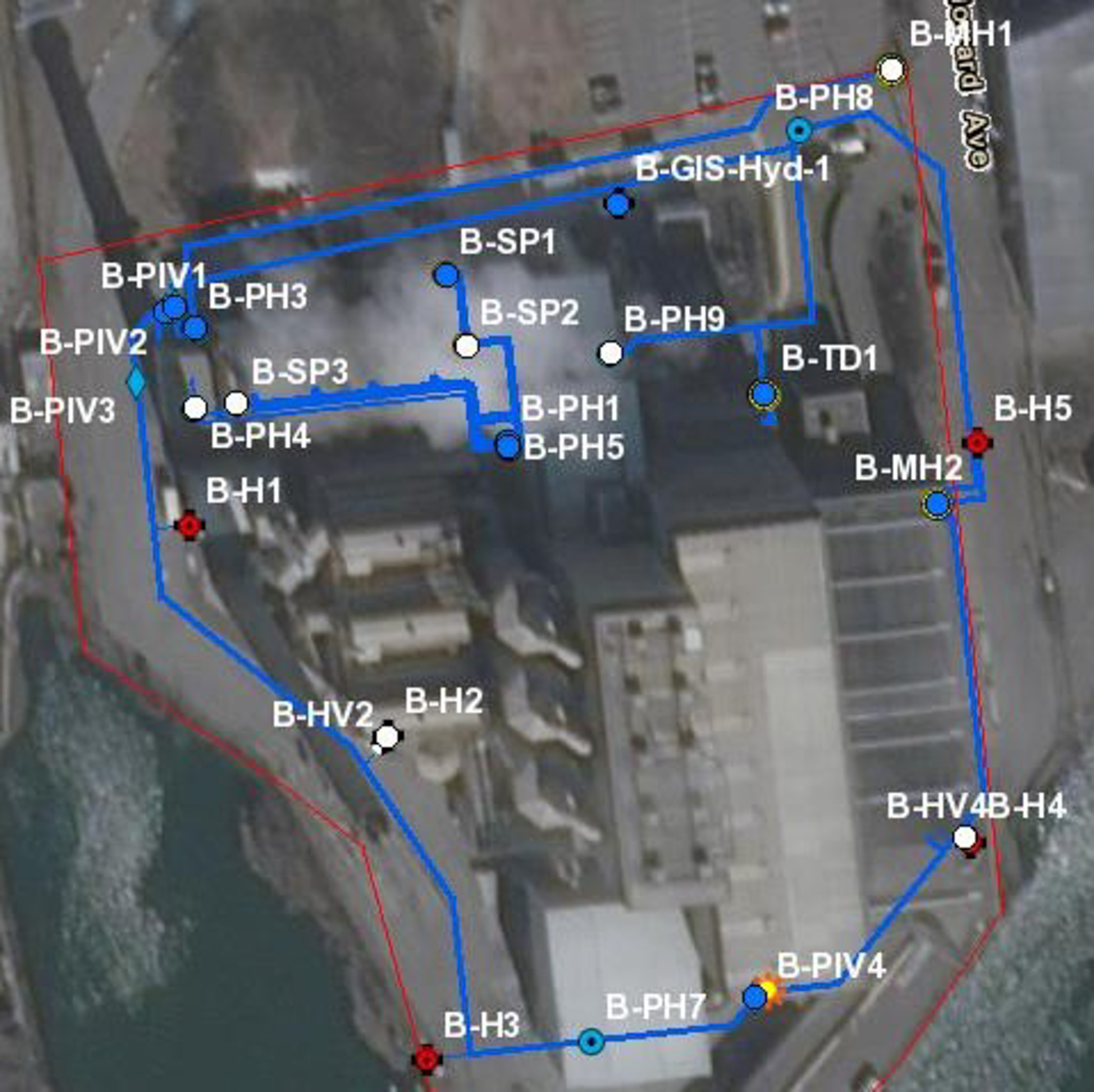
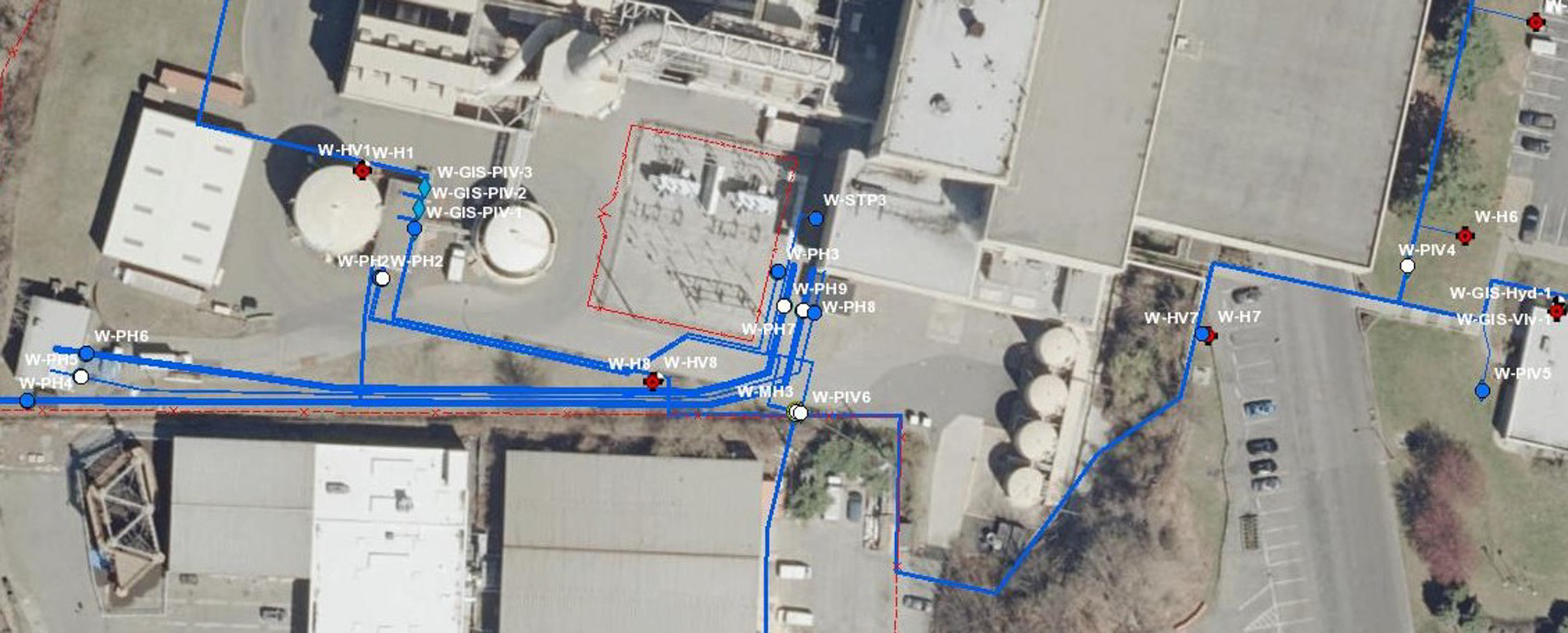
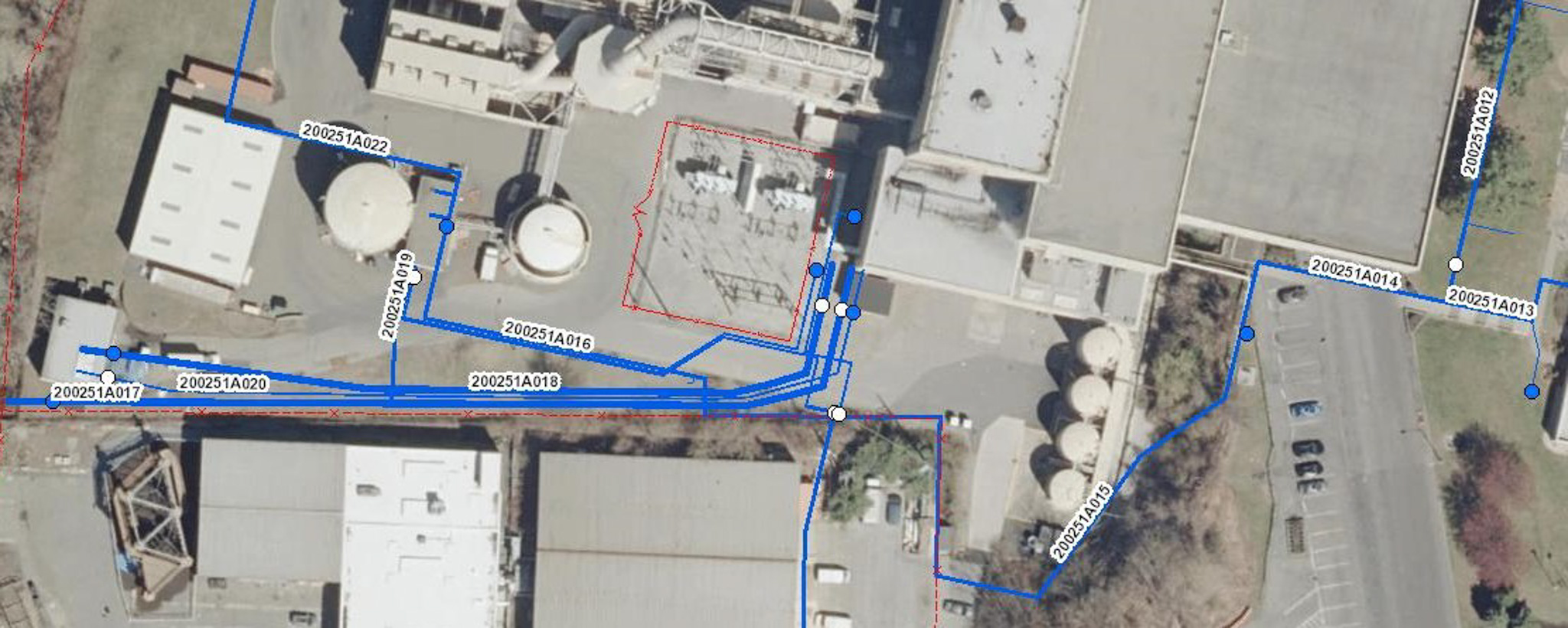
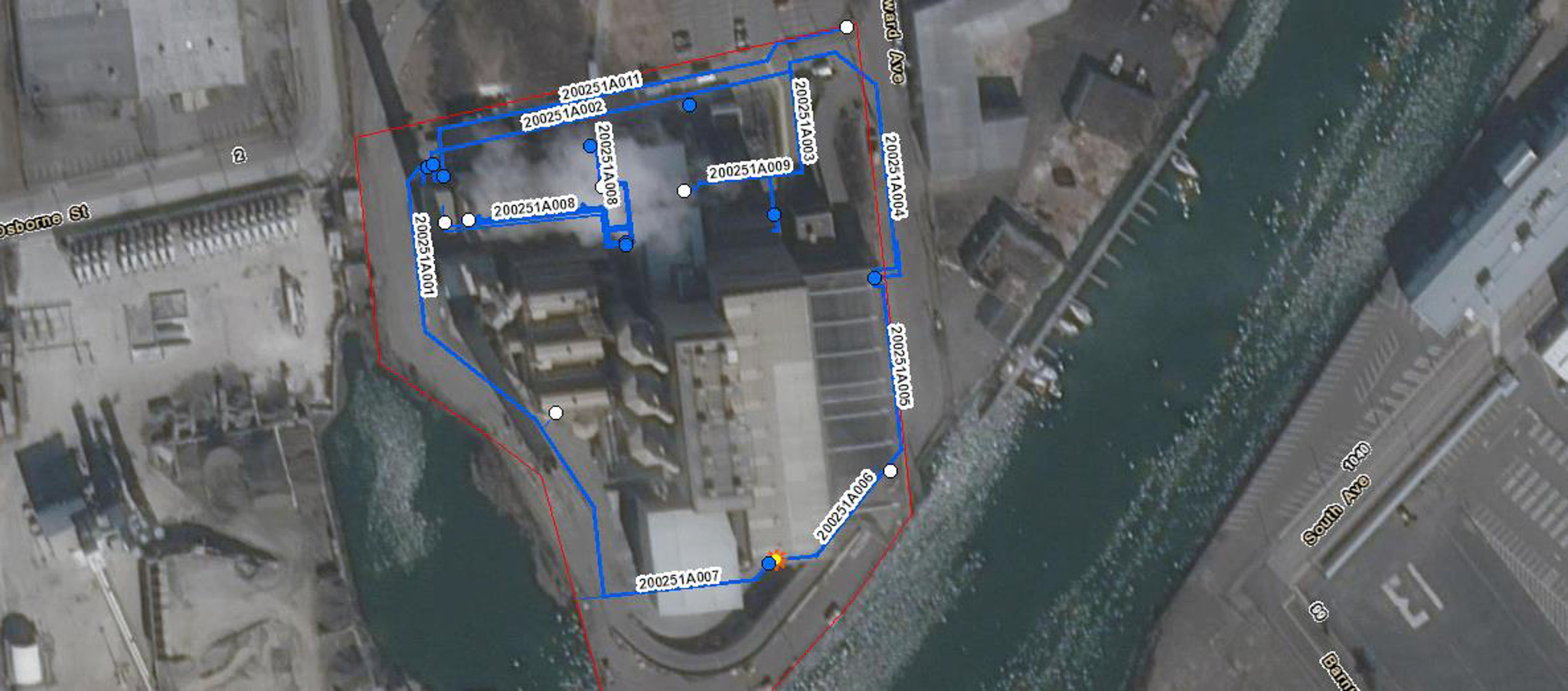
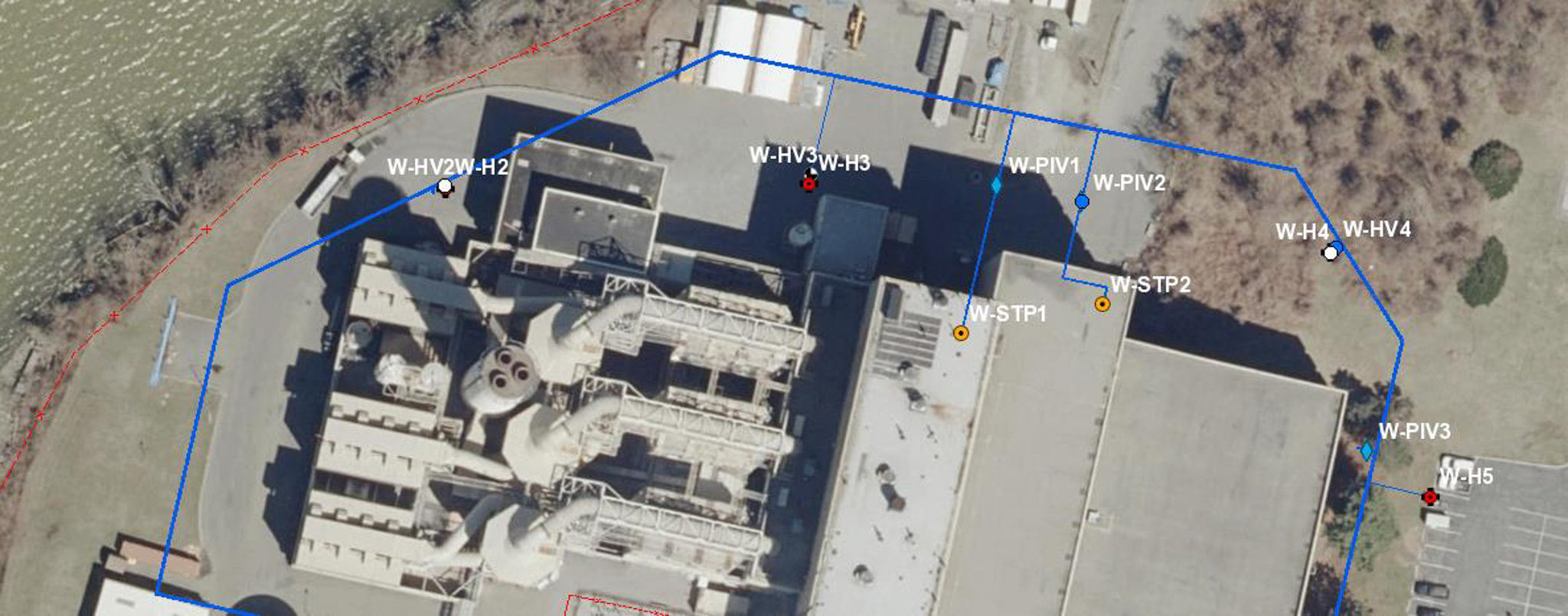
    Aerial site map with sampling and monitoring locations

    Start With the Investigation: Not the Solution

    The biggest mistake we see? Developers who skip straight to remediation without understanding what they're actually dealing with. A robust Phase II Environmental Site Assessment isn't just a regulatory checkbox: it's the foundation of every cost-effective remediation plan.

    Strategic soil sampling and groundwater investigation tell you:

    • What contaminants are present and at what concentrations
    • Where the contamination is located horizontally and vertically
    • How it's moving through soil and groundwater
    • What the source was and whether it's been removed
    • What regulatory standards apply based on your intended use

    This last point is critical. Residential redevelopment triggers different cleanup standards than commercial or industrial use. A site that requires $2 million in remediation for a residential project might only need $400,000 in work for a commercial development. Your investigation needs to inform your land use strategy, not the other way around.

    Choosing the Right Remediation Approach

    Once you understand your contamination profile, you can select remediation techniques that balance effectiveness, cost, and timeline. The goal isn't necessarily to remove every molecule of contamination: it's to reduce risk to acceptable levels for your intended use while protecting human health and the environment.

    Excavation and Disposal

    The most straightforward approach: dig it up and haul it away. Excavation works best for localized contamination: think underground storage tanks or small spill areas. It's fast and provides regulatory certainty, but costs escalate quickly for larger volumes or deeper contamination. In the NYC metro area, disposal fees alone can run $150-300 per ton depending on contaminant type.

    Capping and Engineering Controls

    Sometimes the smartest move isn't removal: it's isolation. Installing clean soil caps, vapor barriers, or hardscape covers can effectively manage contamination at a fraction of excavation costs. This approach works particularly well when you're developing the site anyway. That parking structure or building slab? It doubles as a containment system.

    In-Situ Treatment

    Chemical oxidation, bioremediation, and other in-place treatments can address contamination without the disruption and expense of excavation. These technologies are especially valuable for groundwater contamination or sites where excavation would destabilize neighboring structures. The tradeoff: treatment timelines often extend 12-24 months or longer.

    Monitored Natural Attenuation

    For certain contaminants, natural processes like biodegradation can reduce concentrations over time. This approach requires patience and ongoing monitoring but can be highly cost-effective for sites where you have timeline flexibility.
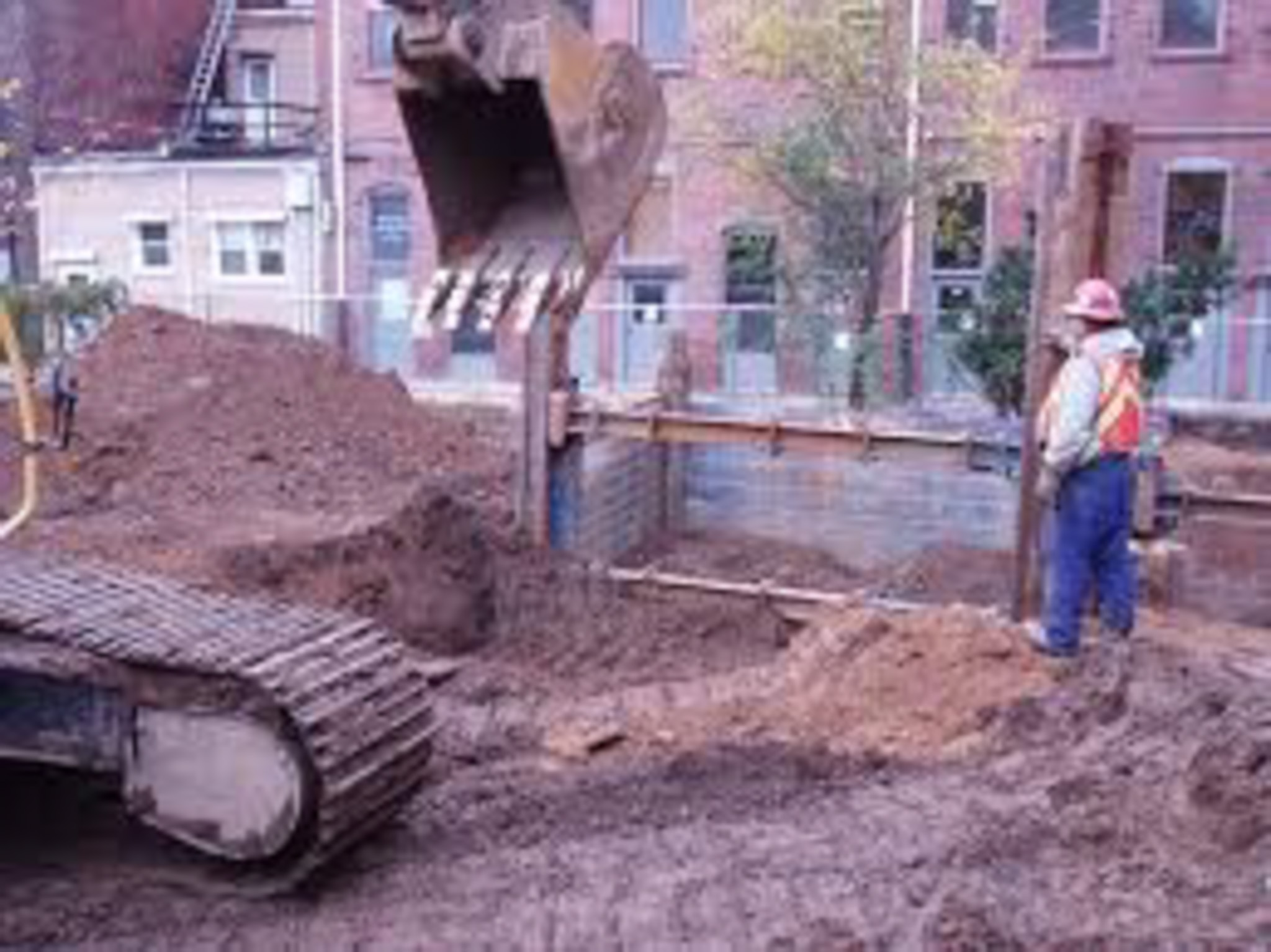
    Excavator and Crew at Urban Redevelopment Site

    The LSRP Advantage in New Jersey

    If your brownfield sits in New Jersey, you're operating under the Licensed Site Remediation Professional (LSRP) program. This matters for your bottom line.

    The LSRP program allows qualified professionals to oversee remediation without direct NJDEP case management, dramatically accelerating timelines. Projects that once took 5-7 years under the old system now routinely close in 18-36 months. For developers, that timeline compression translates directly to faster returns.

    But here's what separates good LSRPs from great ones: strategic remediation design. The regulations allow flexibility in how you achieve compliance. An LSRP who understands your development goals can design remediation that integrates with your construction schedule, uses your building as an engineering control, and phases work to match your capital deployment.

    Financial Levers That Maximize ROI

    Smart brownfield developers don't just manage remediation costs: they actively leverage financial incentives that can transform project economics.

    State Brownfield Programs

    Both New York and New Jersey offer substantial incentives for brownfield redevelopment. New Jersey's Brownfield Tax Credit can reimburse up to 75% of eligible remediation costs. New York's Brownfield Cleanup Program provides tax credits tied to site preparation costs and tangible property investments. These aren't minor subsidies: we've seen projects where incentives covered the entire remediation budget with room to spare.

    Environmental Insurance

    Pollution legal liability policies can cap your exposure, satisfy lender requirements, and provide comfort to future buyers or tenants. For sites with residual contamination or ongoing institutional controls, insurance often makes the difference between a financeable project and one that stalls.

    Strategic Land Use Decisions

    Remember: cleanup standards vary by use. Sometimes the highest ROI comes from adjusting your development plan to match the site's contamination profile rather than forcing expensive remediation to enable a predetermined use.
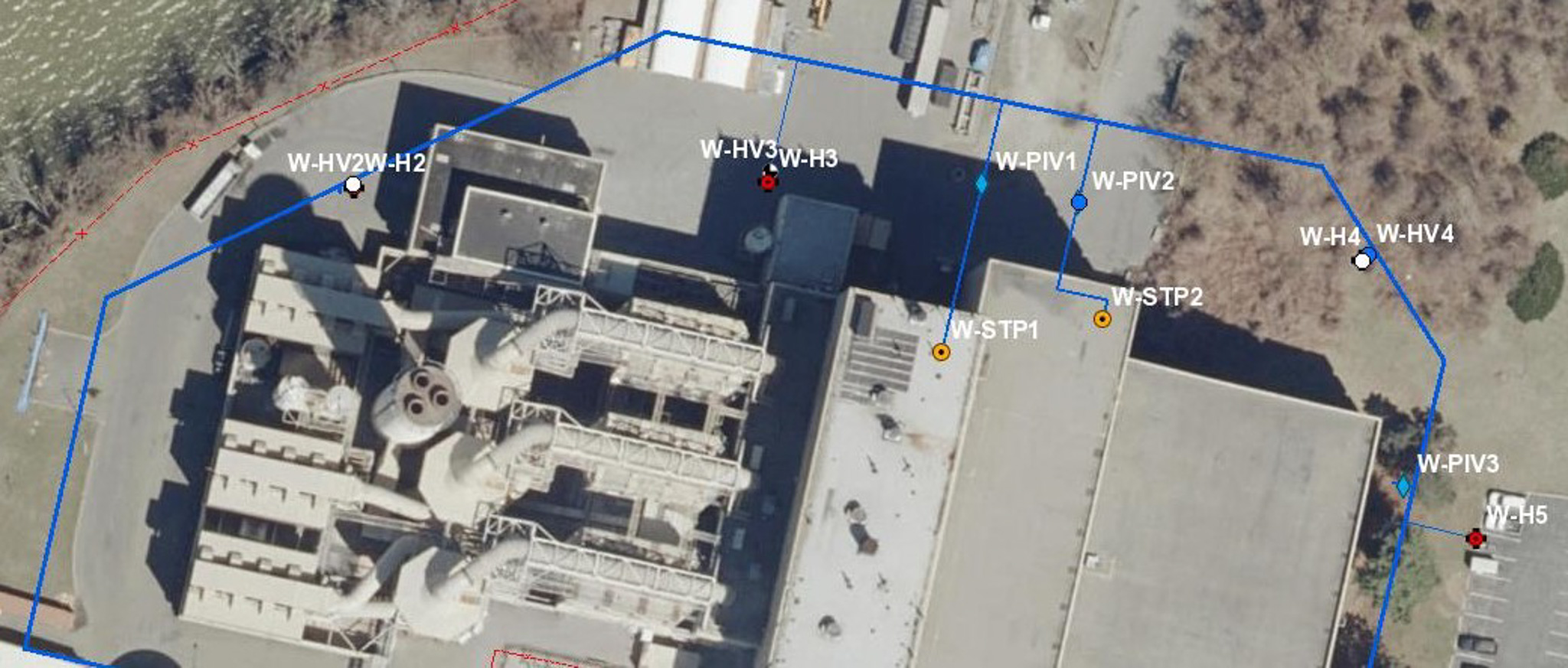
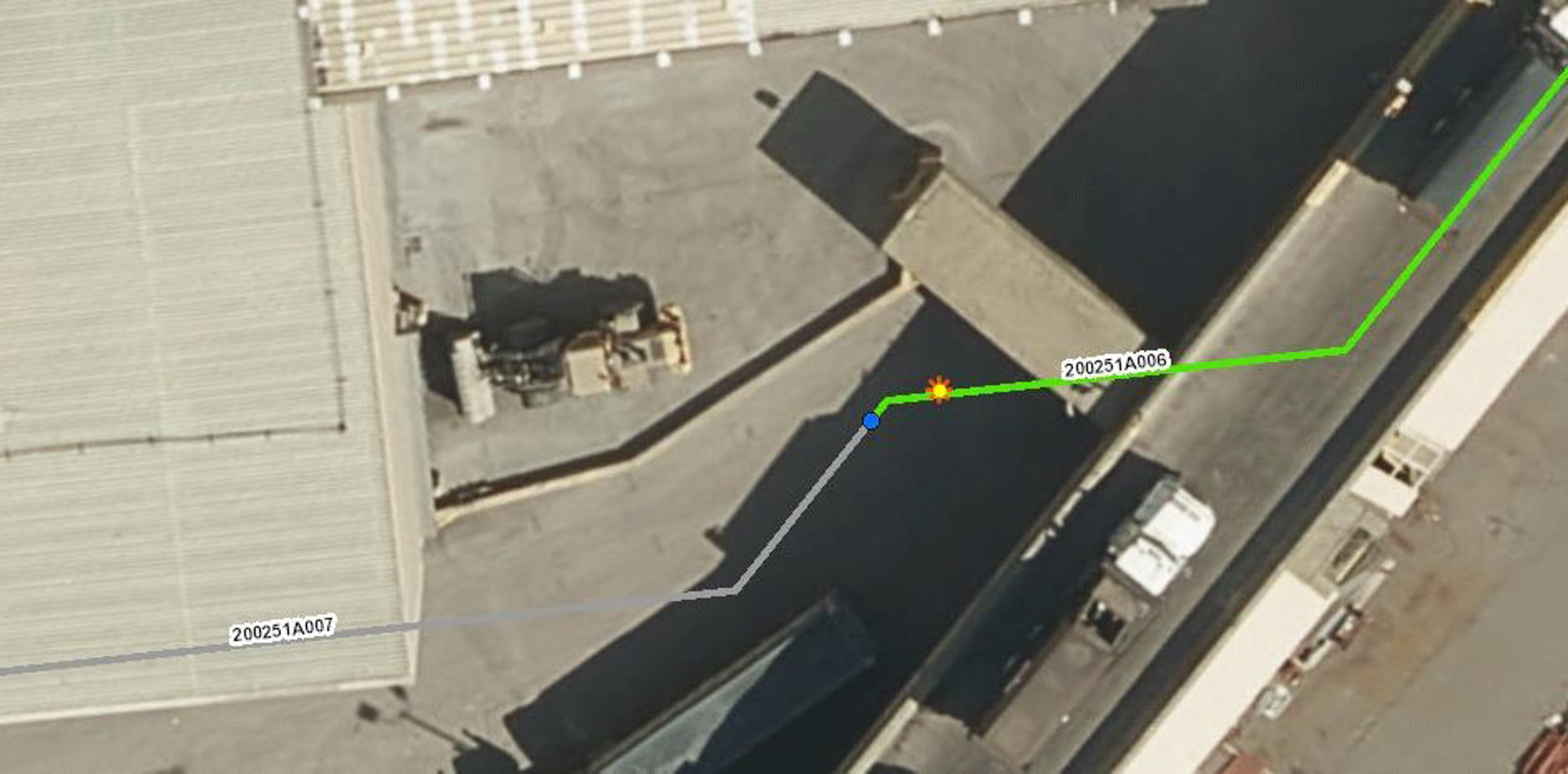
    Aerial View with Monitoring Locations

    Integrating Remediation With Development

    The most cost-effective brownfield projects treat remediation and development as a single integrated process: not sequential activities. This requires coordination between your environmental consultant, civil engineer, and construction team from day one.

    Design decisions that reduce remediation costs:

    • Locating building footprints to avoid the most contaminated areas
    • Using foundation systems that don't penetrate into impacted zones
    • Incorporating vapor mitigation into standard building envelope design
    • Timing excavation to coincide with basement or underground parking construction
    • Using clean fill requirements as an opportunity to improve site grades

    At Envicon, our integrated approach to civil and environmental engineering means these decisions happen at the design table, not as expensive change orders during construction.

    The Path Forward

    Brownfield redevelopment isn't for the faint of heart, but for developers who approach it strategically, contaminated sites offer opportunities that clean parcels simply can't match. The formula is straightforward:

    1. Investigate thoroughly before you commit capital
    2. Match your remediation strategy to your contamination profile and intended use
    3. Leverage every available incentive to offset costs
    4. Integrate remediation with development to eliminate redundant work
    5. Engage experienced advisors who understand both the technical and financial dimensions

    The developers who master this process aren't just cleaning up contaminated sites: they're creating market-ready assets while their competitors fight over the scraps of clean land that remain.

    That abandoned industrial parcel everyone else walked away from? With the right strategy, it's not a liability. It's your competitive advantage.

  • Lender-Ready Phase II ESA Checklist: Avoid These 5 Red Flags in Your Next Loan App

    Lender-Ready Phase II ESA Checklist: Avoid These 5 Red Flags in Your Next Loan App

    You found the perfect property. The numbers work. Your development timeline is tight. Then your lender kicks back your Phase II Environmental Site Assessment with questions, and suddenly, your closing date is slipping further away.

    We see this scenario play out constantly with developers and investors across the NY/NJ market. The Phase II ESA looked complete. The consultant delivered a thick report. But somewhere between the soil borings and the signature page, critical details got missed that make underwriters nervous.

    Here's the reality: lenders aren't environmental experts. They're risk managers. And when your Phase II ESA doesn't clearly communicate risk, or worse, raises more questions than it answers, your loan application hits a wall.

    Let's break down the five red flags that make lenders hesitate and, more importantly, how to avoid them before you even submit your application.

    Red Flag #1: Sampling Locations That Don't Match the Site History

    Every Phase II ESA starts with a Phase I that identifies Recognized Environmental Conditions (RECs). The Phase II is supposed to investigate those specific concerns through targeted soil and groundwater sampling.

    The problem? We routinely review Phase II reports where sampling locations seem almost random. A Phase I identifies a former dry cleaner on the northeast corner of a property, but the Phase II borings are clustered in the center of the site. That disconnect is a red flag lenders notice immediately.

    Aerial View with Monitoring Locations

    What lenders want to see:

    • Clear rationale connecting each sampling location to a specific REC or area of concern
    • A site map showing boring locations overlaid with historical features
    • Explanation of why certain areas were prioritized over others

    When your sampling strategy tells a logical story, underwriters can follow along. When it doesn't, they assume something was missed.

    Red Flag #2: Vague or Missing Data Quality Objectives

    Data Quality Objectives (DQOs) are the technical foundation of any defensible Phase II ESA. They define what you're testing for, why you're testing for it, and what standards you're comparing results against.

    Here's where many reports fall short: they include pages of laboratory data without clearly stating what those numbers mean in context. A soil sample showing 150 mg/kg of lead sounds alarming, until you realize the NJDEP Residential Direct Contact Soil Remediation Standard is 400 mg/kg.

    "Lenders don't want to interpret raw data," says one commercial loan officer we've worked with extensively. "They want conclusions backed by clear regulatory benchmarks."

    What lenders want to see:

    • Explicit identification of applicable regulatory standards (NJDEP, NYSDEC, etc.)
    • Clear comparison tables showing results versus standards
    • Statement of whether contamination exceeds unrestricted use criteria

    Without this framework, your Phase II is just a collection of numbers. With it, you have a decision-making tool.

    Red Flag #3: Contamination Without Boundaries

    Finding contamination isn't necessarily a deal-killer. Plenty of commercial real estate transactions close on properties with known environmental issues. What kills deals is uncertainty about the extent of that contamination.

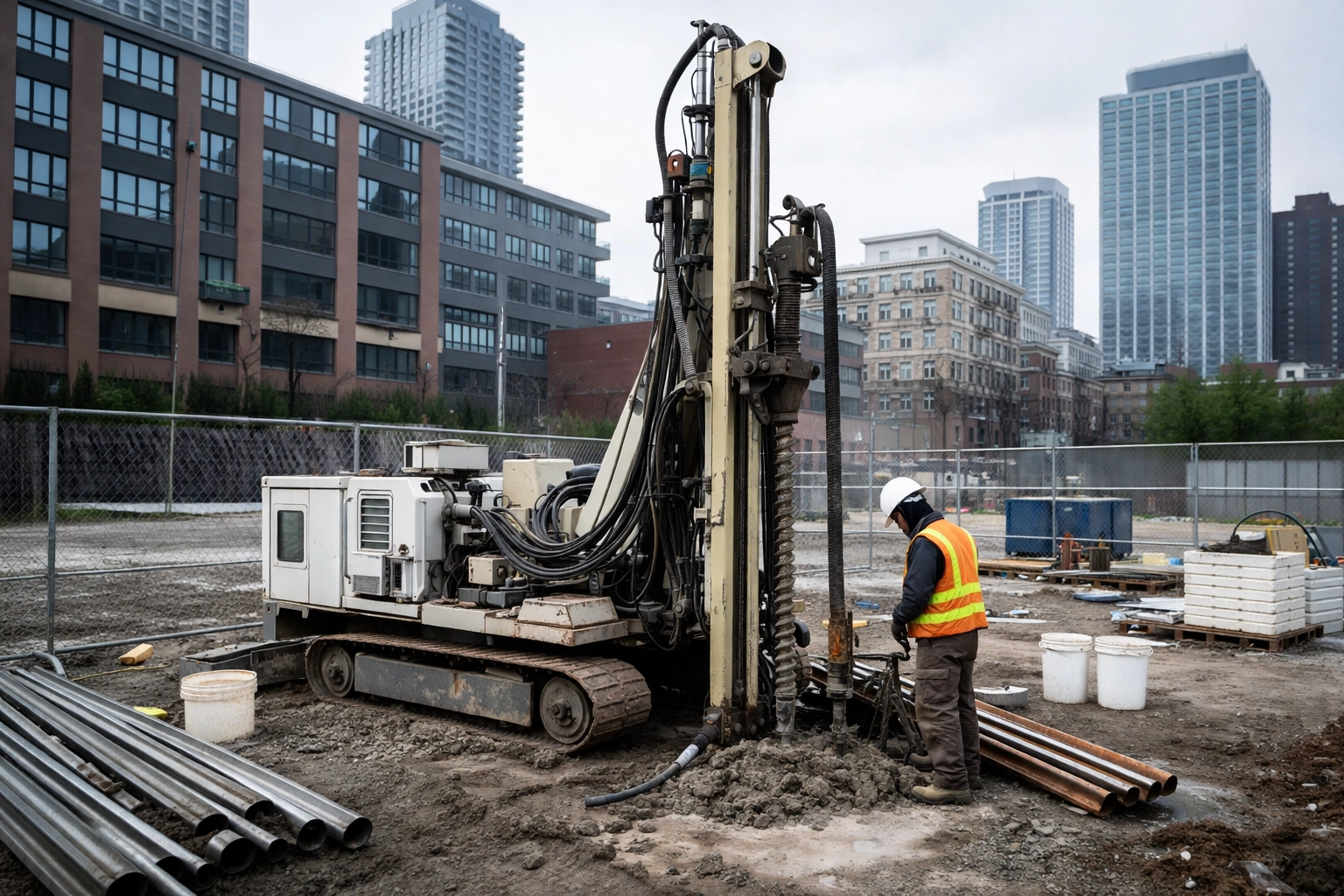
    Excavator and Crew at Urban Redevelopment Site

    When a Phase II identifies petroleum-impacted soil at one location but doesn't include step-out borings to define the plume boundaries, lenders get nervous. Why? Because undefined contamination means undefined liability, and undefined remediation costs.

    What lenders want to see:

    • Horizontal and vertical delineation of any contamination identified
    • Clear statement of whether contamination is "bounded" or requires additional investigation
    • Preliminary volume estimates if remediation appears necessary

    We've seen transactions close smoothly with significant contamination present, because the Phase II clearly defined the problem and provided enough data to estimate cleanup costs. Conversely, we've seen deals collapse over minor contamination that wasn't properly characterized.

    The difference is delineation.

    Red Flag #4: Conclusions That Don't Address Risk

    Here's where many Phase II reports lose lenders entirely: the conclusions section reads like a technical summary rather than a risk assessment.

    A typical weak conclusion might read: "Soil sampling identified petroleum hydrocarbons exceeding residential soil cleanup criteria at boring B-3."

    That's a finding, not a conclusion. Lenders need to understand: What does this mean for the transaction? What are the potential costs? What are the options moving forward?

    What lenders want to see:

    • Clear risk characterization (low, moderate, high) with supporting rationale
    • Discussion of potential remediation pathways and order-of-magnitude costs
    • Assessment of whether contamination affects the intended use of the property
    • Recommendations for next steps (additional investigation, remediation, or closure)

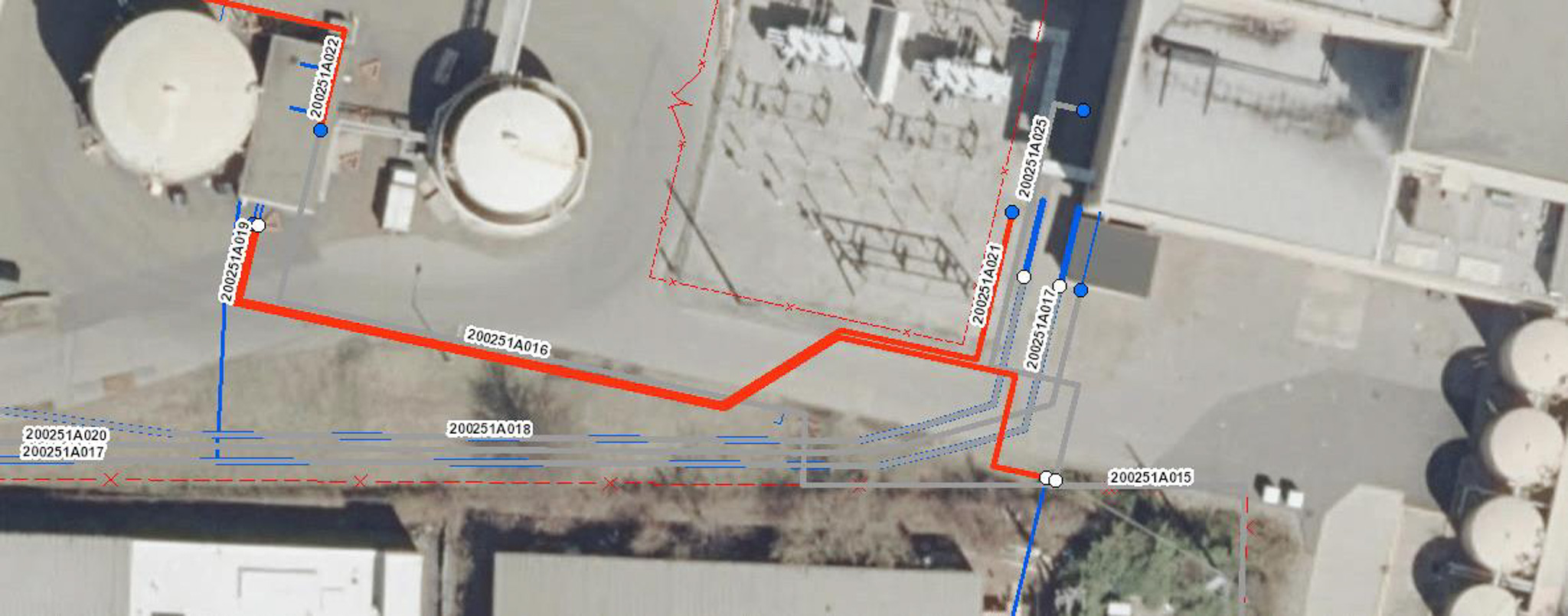
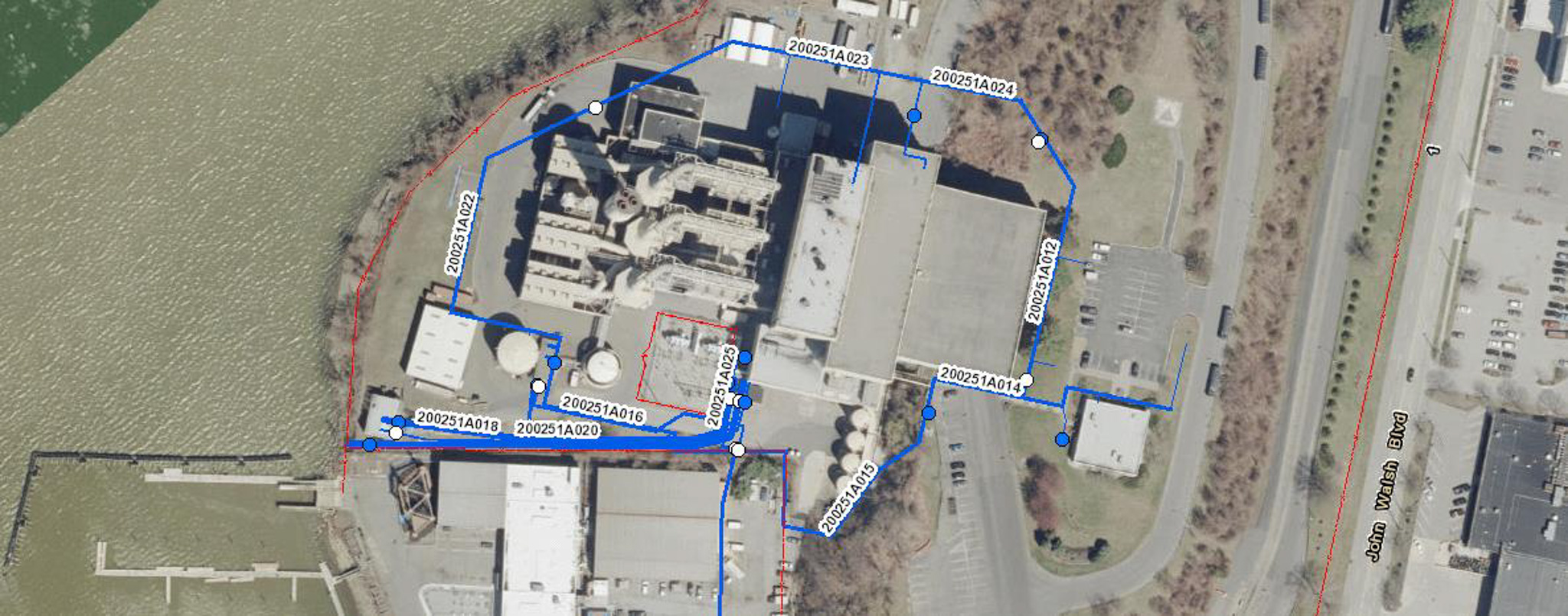
    Aerial Site Map with Utilities

    At Envicon Strategic Solutions, we structure our Phase II conclusions around a simple question: Does this property represent an acceptable environmental risk for this transaction? Everything in the conclusions section builds toward answering that question clearly.

    Red Flag #5: Documentation Gaps and Chain of Custody Issues

    This red flag is the most avoidable, and the most damaging when it appears. Lenders and their environmental risk consultants review Phase II reports looking for signs of professional rigor. Documentation gaps signal the opposite.

    Common issues we see in competitor reports:

    • Missing or incomplete chain of custody forms
    • Laboratory reports from non-accredited labs
    • Photographs that don't clearly show sampling locations or conditions
    • Field logs with incomplete information about sampling methods
    • Inconsistent boring/well identification between text and figures

    "Documentation issues make us question everything else in the report," notes a risk manager at a regional bank. "If the basics aren't right, how confident can we be in the conclusions?"

    What lenders want to see:

    • Complete chain of custody documentation for all samples
    • Laboratory certifications for all applicable parameters
    • Detailed field logs with sampler identification, methods, and observations
    • Professional photographs documenting site conditions and sampling activities
    • Consistent nomenclature throughout all report sections and appendices

    Construction Crew in Action

    These details might seem administrative, but they're the foundation of a defensible assessment. When documentation is airtight, the entire report carries more weight.

    The Lender-Ready Difference

    So what separates a Phase II ESA that sails through underwriting from one that triggers weeks of back-and-forth?

    It comes down to anticipating the questions lenders will ask, and answering them before they're asked.

    At Envicon, our environmental assessment services are built around lender expectations because we've navigated hundreds of commercial real estate transactions across NYC, New Jersey, and the broader Northeast. We know what makes underwriters comfortable and what keeps them up at night.

    Our lender-ready approach includes:

    • Pre-investigation coordination with your lender's environmental risk team
    • Sampling strategies explicitly tied to Phase I findings
    • Regulatory framework clearly stated upfront
    • Complete delineation of any contamination identified
    • Risk-based conclusions with actionable recommendations
    • Documentation packages that withstand scrutiny

    We also integrate our environmental expertise with civil engineering capabilities, meaning we can speak directly to remediation feasibility, site development constraints, and construction timelines, questions that inevitably arise when contamination is present.

    Key Takeaways for Your Next Transaction

    Before you submit your next Phase II ESA with a loan application, run through this quick checklist:

    • Sampling rationale is clear: Every boring location connects to a specific concern from the Phase I
    • Regulatory standards are stated: Results are compared against applicable criteria with clear pass/fail determinations
    • Contamination is bounded: Any impacts identified are delineated horizontally and vertically
    • Conclusions address risk: The report answers "what does this mean for the deal?" not just "what did we find?"
    • Documentation is complete: Chain of custody, lab certs, field logs, and photos are all present and consistent

    Get these five elements right, and your Phase II becomes an asset in your loan application rather than an obstacle. Get them wrong, and you're looking at delays, additional investigation costs, and potentially a dead deal.

    Your lender isn't trying to kill your transaction. They just need enough information to say yes. A lender-ready Phase II ESA gives them exactly that.

    Ready to discuss your next acquisition? Reach out to our team to ensure your environmental due diligence clears underwriting the first time.

  • Is Your Geotech Report Too Conservative? How Smarter Site Investigations Save Thousands in Foundation Costs

    Is Your Geotech Report Too Conservative? How Smarter Site Investigations Save Thousands in Foundation Costs

    You get the geotechnical report back. The structural engineer reviews it. And suddenly, your foundation budget just ballooned by $75,000.

    The culprit? Recommendations for deep foundations, over-engineered footings, or excessive soil remediation: all based on a report that played it safe rather than played it smart. This scenario happens more often than most developers realize, and it's costing projects real money.

    Here's the thing: a conservative geotechnical report isn't necessarily a bad report. But an overly conservative one? That's a different story entirely. When soil investigation protocols default to worst-case assumptions rather than site-specific realities, you end up paying for foundation systems your project doesn't actually need.

    Let's break down why this happens and what you can do about it.

    Why Geotechnical Reports Default to Conservative

    Geotechnical engineers carry significant liability. If a foundation fails, fingers point directly at the geotech report. This reality creates a professional culture where recommending more robust (read: more expensive) foundation solutions is the safer career move.

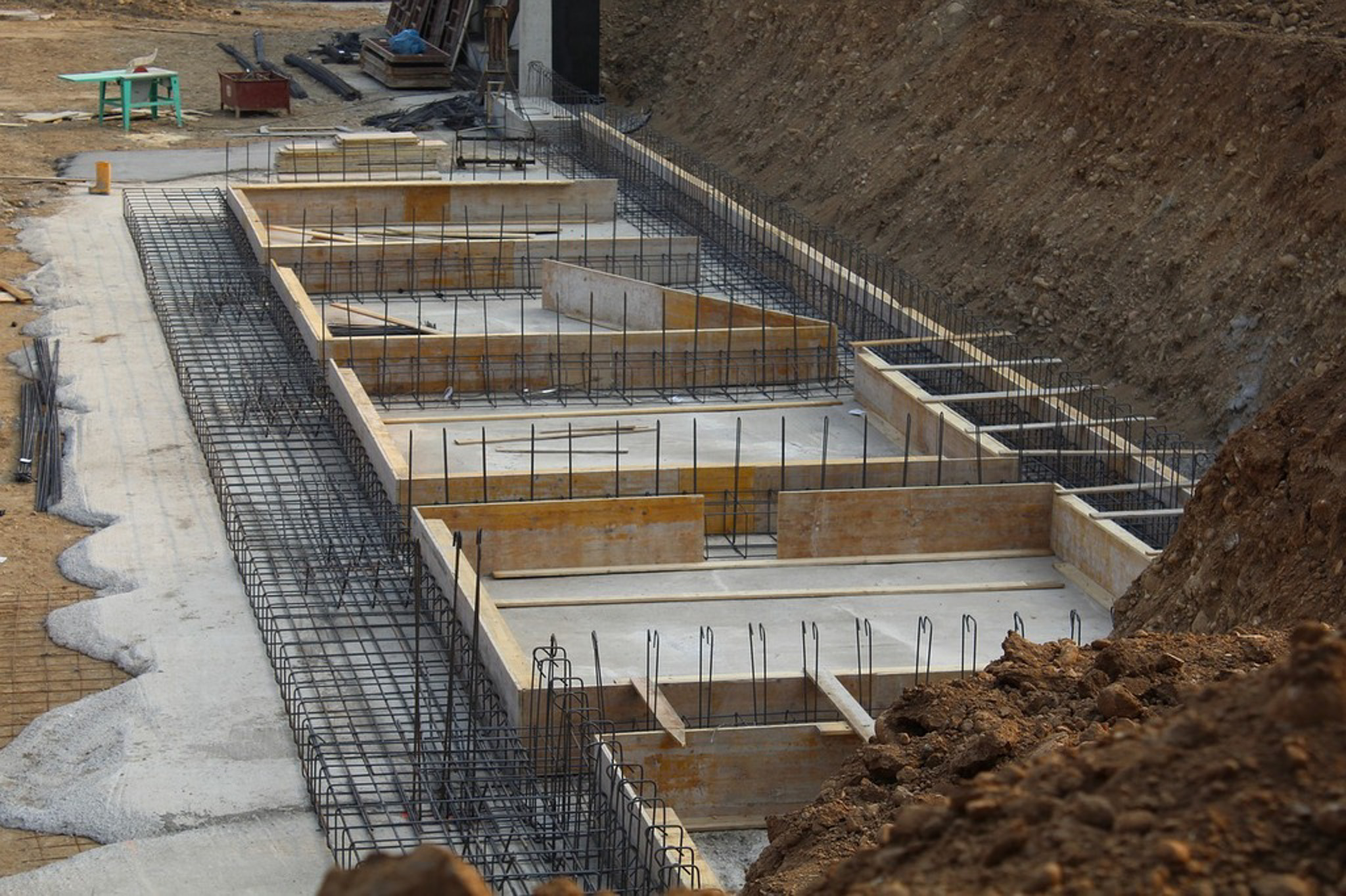
    Concrete Foundation Footing Construction Site

    Here's what typically drives overly conservative recommendations:

    • Limited boring locations – When budget constraints reduce the number of test borings, engineers have less data. Less data means more assumptions. More assumptions mean wider safety margins.

    • Generic soil parameters – Some reports rely heavily on published soil tables rather than site-specific lab testing. These tables represent conservative averages, not your actual conditions.

    • One-size-fits-all scoping – Cookie-cutter investigation programs don't account for what you're actually building. A three-story mixed-use building has different foundation demands than a warehouse.

    • Liability protection language – Many reports include boilerplate recommendations that cover every possible scenario, even ones that don't apply to your site.

    As one industry veteran put it: "The cheapest geotech report is often the most expensive foundation." That cuts both ways: skipping proper investigation entirely can cost you $30,000 or more in foundation surprises, but an investigation that doesn't ask the right questions wastes money on the front end and the back end.

    The Real Cost of Over-Engineering

    Let's put numbers to this. A typical geotechnical investigation runs $1,000 to $5,000, with most projects landing around $2,700. That's a modest investment against your total project budget.

    But foundation costs? Those scale dramatically based on what the geotech report recommends.

    Consider the difference between these scenarios:

    Foundation Type Typical Cost Impact
    Spread footings on competent soil Baseline
    Spread footings with over-excavation +15-25%
    Mat foundation (when not needed) +40-60%
    Deep foundations (piles/caissons) +100-300%

    When a report recommends deep foundations based on conservative assumptions rather than confirmed site conditions, you're potentially adding six figures to your project. That's not engineering: that's guesswork with expensive consequences.

    Active construction site

    We've seen projects in the NYC metro area where the original geotech report called for driven piles through 30 feet of "questionable" fill. A more targeted investigation: additional borings, better lab testing, and actual engineering analysis rather than conservative defaults: revealed competent bearing soils at 12 feet. The foundation redesign saved the client over $200,000.

    What a Smarter Site Investigation Looks Like

    The difference between a conservative report and a smart report comes down to investigation design. Here's what separates the two:

    Strategic Boring Locations

    Generic investigations place borings on a grid pattern regardless of where your building loads actually concentrate. A targeted approach puts borings where they matter most: under elevator pits, at column locations, along proposed retaining walls. Better data where it counts means tighter recommendations where it matters.

    Appropriate Testing Depth

    Some investigations drill to arbitrary depths regardless of the structure being built. A single-story retail building doesn't need the same subsurface profile as a 15-story residential tower. Right-sizing the investigation scope to your actual project saves money without sacrificing data quality.

    Site-Specific Lab Testing

    Standard penetration test (SPT) data only tells part of the story. For projects where foundation costs are sensitive, investing in lab testing: consolidation tests, direct shear, unconfined compression: provides actual soil strength parameters rather than conservative estimates from correlation tables.

    Excavator at Remediation Site

    Historical Context

    In developed areas like Northern New Jersey and New York City, most sites have history. Previous investigations, construction records, and adjacent project data can inform your investigation scope. Why drill blind when neighboring buildings already proved the subsurface conditions?

    Questions to Ask Before Your Next Investigation

    Before you sign off on a geotech proposal, push back with these questions:

    • "How did you determine the boring locations?" If the answer is "standard practice" rather than "based on your building layout," that's a red flag.

    • "What assumptions will you make if we encounter variable conditions?" Understanding the engineer's default position helps you anticipate conservative creep.

    • "Can we phase the investigation?" Sometimes a preliminary investigation with targeted follow-up borings delivers better data at lower total cost than a single comprehensive program.

    • "What lab testing do you recommend, and why?" Generic lab programs add cost without adding value. Make sure every test serves a purpose.

    • "Have you worked on adjacent sites?" Local experience translates directly to better-calibrated recommendations.

    When Conservative Actually Makes Sense

    To be clear: we're not advocating for cutting corners. Some sites genuinely require conservative approaches.

    Brownfield redevelopment projects with unknown fill materials need wider safety margins until contamination and soil variability are fully characterized. Sites with known seismic concerns or slope stability issues warrant additional analysis. Projects with zero tolerance for settlement: think sensitive manufacturing or medical facilities: justify more robust foundation systems even when basic bearing capacity isn't the concern.

    Brownfield Redevelopment Site

    The goal isn't eliminating conservatism. It's eliminating unnecessary conservatism that adds cost without adding value. Smart geotechnical engineering matches the investigation intensity and recommendation rigor to your project's actual risk profile.

    The Integrated Approach Advantage

    Here's where working with firms that combine geotechnical and environmental services creates real value. On many sites: especially urban infill and brownfield redevelopment: environmental conditions directly affect foundation decisions.

    Contaminated soils may require removal regardless of their bearing capacity. Groundwater management for environmental compliance can double as dewatering for foundation construction. Understanding both disciplines simultaneously prevents the expensive scenario where your geotech engineer recommends one approach and your environmental consultant requires another.

    Our work on complex infrastructure projects across the NYC metro area has reinforced this lesson repeatedly: the best geotechnical recommendations emerge when engineers understand the full project context, not just the soil column.

    The Bottom Line

    Your geotechnical report shouldn't be a liability shield masquerading as engineering. It should be a strategic tool that optimizes your foundation investment against actual site conditions.

    The $2,700 you spend on a soil investigation can save: or cost: ten times that amount depending on how the investigation is designed and how the recommendations are developed. Demand more from your geotech program than conservative defaults. Demand site-specific analysis, strategic boring locations, and recommendations calibrated to what you're actually building.

    Because in foundation engineering, "safe" and "smart" aren't always the same thing. The smartest approach accounts for real conditions, real loads, and real project economics: not worst-case assumptions that protect everyone except your budget.

    Need a second opinion on a geotechnical report, or planning an investigation for an upcoming project? Reach out to our team to discuss how targeted site investigation can optimize your foundation costs without compromising structural integrity.

  • Value Engineering or Cost-Cutting? How Integrated Civil-Environmental Design Actually Saves Your Bottom Line

    Value Engineering or Cost-Cutting? How Integrated Civil-Environmental Design Actually Saves Your Bottom Line

    Here's a scenario we see all the time: A developer gets their Phase I ESA back, reviews the civil site plan, and immediately starts looking for line items to slash. The environmental consultant gets siloed. The civil engineer works in isolation. And suddenly, "saving money" means cutting corners that come back to haunt the project six months later.

    That's not value engineering. That's cost-cutting dressed up in a hard hat.

    The difference between these two approaches can mean hundreds of thousands of dollars on a complex site development, and we're not exaggerating. When civil and environmental engineering work together from day one, the savings compound in ways that isolated cost-cutting simply cannot achieve.

    Value Engineering Is Not a Fancy Term for "Cheaper"

    Let's clear this up immediately: value engineering is a systematic methodology that improves project outcomes while reducing costs. Cost-cutting just reduces costs, often at the expense of quality, schedule, or regulatory compliance.

    When you hire separate firms for civil design and environmental assessment, you're essentially paying two teams to solve problems that are deeply interconnected. Your geotechnical report informs your foundation design. Your environmental investigation dictates your soil management plan. Your stormwater design affects your remediation strategy. These aren't parallel tracks, they're woven together.

    "True value engineering maintains or improves quality while reducing expenses. It's about rethinking methods and materials, not compromising performance."

    Integrated engineering design brings civil and environmental experts to the same table from project inception. We've seen this collaborative approach identify solutions that neither discipline would discover working alone, and those solutions consistently outperform the "let's just cut the budget" alternative.

    Concrete Foundation Footing Construction Site

    Why Integration Beats Isolation Every Time

    Consider a typical infill development in the Bronx or Hudson County. You've got a former industrial site with known contamination, tight lot lines, challenging subsurface conditions, and aggressive permitting timelines. The traditional approach looks like this:

    1. Hire an environmental consultant for the Phase I and Phase II ESA
    2. Hire a civil engineer for the site plan
    3. Hire a geotechnical firm for the borings
    4. Watch all three submit reports that don't talk to each other
    5. Discover conflicts during construction
    6. Pay change orders to fix them

    The integrated approach? One team coordinates the subsurface investigation to serve environmental, geotechnical, and civil design needs simultaneously. The boring locations inform both contamination delineation and foundation design. The remediation strategy gets built into the earthwork plan. The stormwater management system accounts for contaminated soil handling requirements.

    This isn't theoretical, it's how we approach every project at Envicon Strategic Solutions. When your environmental assessment team is coordinating directly with your civil design team, you eliminate the costly surprises that plague siloed projects.

    The Numbers Don't Lie: Quantifiable Savings

    Skeptical? Let's talk data.

    Research on integrated design approaches shows that incorporating coordinated engineering strategies can deliver:

    • 37% reduction in annual operating costs through smarter system sizing
    • 2% reduction in total construction costs through material and process efficiency
    • 8-10 year payback periods on upfront investments that cost-cutting would eliminate

    One case study found that integrated sustainable features reduced first costs by up to $2.60 per square foot. On a 50,000 square foot development, that's $130,000 in savings, before you even factor in the long-term operational benefits.

    But here's where it gets really interesting for developers: integrated civil-environmental design doesn't just save money on construction. It saves money on:

    • Permitting delays (coordinated submittals move faster through regulatory review)
    • Change orders (conflicts get resolved on paper, not in the field)
    • Remediation costs (soil management plans that account for civil earthwork reduce disposal volumes)
    • Carrying costs (faster schedules mean less time paying interest)

    When we work with clients on complex sites, like our work on the NJ Turnpike or Pulaski Skyway projects, this integrated approach isn't optional. It's the only way to deliver on budget and on schedule.

    Active construction site

    How Environmental Integration Actually Reduces Costs

    Let's get specific about where the savings come from when you integrate environmental considerations into civil design from the start.

    Smarter Soil Management

    On a contaminated site, your civil earthwork plan and your remediation plan are essentially the same document, or they should be. When they're developed separately, you end up with excavation sequences that don't account for soil segregation requirements, or grading plans that mobilize contaminated material unnecessarily.

    Integrated design means your cut-and-fill calculations factor in contamination boundaries. Stockpile locations get planned around soil classifications. Disposal volumes get minimized because clean and impacted material never get mixed. We've seen this approach alone save clients 20-30% on soil disposal costs.

    Right-Sized Infrastructure

    When environmental constraints inform civil design early, you can optimize your infrastructure systems. Stormwater management features can be designed to avoid contaminated zones. Utility corridors can be routed to minimize exposure to impacted groundwater. Foundation systems can be selected based on actual subsurface conditions rather than conservative assumptions.

    "Involving all stakeholders early allows construction waste recycling, eliminates disposal costs, and identifies space-efficient designs that meet all objectives at lower total cost."

    Coordinated Permitting

    In New York and New Jersey, your environmental permits and your civil permits are reviewed by different agencies, but they affect each other constantly. An integrated approach to compliance and permitting means your SWPPP accounts for your soil management plan. Your NJDEP submissions align with your municipal site plan approval. Your NYC OER deliverables coordinate with your DOB filings.

    This coordination doesn't just reduce consultant hours. It dramatically reduces the back-and-forth that causes permitting delays, and on a project with significant carrying costs, that timeline compression is worth real money.

    Modern Multi-Family Residential Development - Brownfield Redevelopment

    Long-Term Value vs. Short-Term Cuts

    Here's the uncomfortable truth about traditional cost-cutting: it usually just shifts costs from today to tomorrow.

    Skip the detailed subsurface investigation? Pay for it in change orders when you hit unexpected conditions. Eliminate the environmental oversight during construction? Pay for it when the NJDEP finds a release you should have documented. Separate your civil and environmental teams to "shop for the best price"? Pay for it in coordination failures and schedule delays.

    Integrated civil-environmental design takes a lifecycle view. Yes, initial coordination costs may be marginally higher. But the total project cost: including construction, permitting, schedule, and long-term operational considerations: is consistently lower.

    This is especially true for brownfield redevelopments, where the interaction between contamination and civil design is constant. Our work on projects like Jerome Ave and SW Brooklyn MTS demonstrates how integrated approaches turn challenging sites into successful developments.

    What This Means for Your Next Project

    If you're a developer, attorney, or lender evaluating a complex site in the NY/NJ metro area, here's your takeaway:

    • Ask your consultants how they coordinate. If your environmental firm and civil engineer have never met, you're setting up for costly surprises.
    • Demand integrated investigation programs. Every boring should serve multiple purposes. Every site visit should advance multiple deliverables.
    • Evaluate total project cost, not just line-item fees. The cheapest Phase I ESA isn't valuable if it misses issues that blow up your schedule.
    • Build value engineering into your approach from day one. It's not something you do at the end to cut costs: it's a methodology that shapes the entire project.

    The developers who consistently deliver successful projects in challenging markets understand this. They're not looking for the lowest bidder on each discipline. They're looking for integrated teams that solve problems before they become expensive.

    That's the difference between cost-cutting and value engineering. And in a market where margins are tight and timelines are aggressive, that difference is your competitive advantage.

    Ready to see how integrated civil-environmental design can improve your next project's bottom line? Explore our services or reach out to discuss your specific site challenges.

  • How Integrated Civil & Environmental Engineering Saved $100k on This NJ Site Plan

    How Integrated Civil & Environmental Engineering Saved $100k on This NJ Site Plan

    Here's a scenario we see all the time in New Jersey site development: A developer hires an environmental firm to handle contamination issues. Then they hire a separate civil engineering firm to design the site plan. Both teams work in their own little bubbles, rarely talking to each other, and definitely not coordinating their designs.

    The result? Redundant soil testing. Grading plans that ignore contamination boundaries. Change orders that make your accountant cry. And a timeline that stretches longer than the Turnpike at rush hour.

    We recently wrapped up a warehouse redevelopment project in central New Jersey where our integrated approach: civil and environmental engineering working as one team from day one: saved the client over $100,000 in construction costs. No magic. No cutting corners. Just smart coordination that most firms simply don't offer.

    Let's break down exactly how that happened.

    The Expensive Problem with "Siloed" Consulting

    Traditional consulting models treat environmental and civil engineering as completely separate disciplines. And honestly? That made sense 30 years ago when environmental regulations were simpler and sites were less complicated.

    Today, it's a recipe for wasted money.

    When you hire separate firms, here's what typically happens:

    • The environmental team completes their Phase I and Phase II ESAs, identifies contamination, and develops a remediation plan: all without knowing how the site will actually be graded or developed.
    • The civil team designs stormwater systems, parking layouts, and utility connections: often without fully understanding where the contaminated soil sits or what restrictions exist.
    • Nobody talks until there's a problem. And by then, you're already deep into construction with change orders piling up.

    We've seen projects where developers paid to excavate and dispose of contaminated soil, only to have the civil contractor come back weeks later and dig up the exact same area for utility installation. That's not bad luck: that's bad coordination.

    Excavator at Remediation Site

    The Project: A Central NJ Warehouse Redevelopment

    The site was a former light industrial property in Middlesex County: about 8 acres with a long history of manufacturing operations. The client, a logistics company, wanted to develop it into a modern distribution facility. Pretty standard stuff for the NJ market right now.

    The catch? Previous environmental assessments had identified petroleum contamination in the soil across roughly 40% of the property. The client's original plan was to hire us for the environmental compliance work and bring in their usual civil engineering firm for the site design.

    We suggested a different approach: let us handle both. One team. One set of drawings. One coordinated strategy.

    They were skeptical at first: most developers are used to the siloed model. But when we showed them how the numbers could work in their favor, they gave us the green light.

    Where the $100k Savings Actually Came From

    This wasn't about cutting corners or skipping steps. Every permit was filed. Every NJDEP requirement was met. The savings came from three specific areas where integration created efficiency.

    1. Coordinated Grading and Soil Management

    In a traditional setup, the environmental team would have flagged the contaminated areas and recommended excavation and off-site disposal. Standard approach. Safe approach. Expensive approach.

    Our civil engineers looked at the same data and asked a different question: What if we design the grading plan around the contamination?

    By adjusting the building footprint and parking layout, we were able to cap contaminated soil in place under impervious surfaces (the warehouse slab and parking areas) rather than hauling it off-site. This approach met all NJDEP requirements for institutional controls while eliminating approximately 3,200 cubic yards of soil disposal.

    At roughly $85 per cubic yard for excavation, transport, and disposal of contaminated soil in New Jersey, that single decision saved over $270,000 in remediation costs.

    Concrete Foundation Slab at Early-Stage Construction Site

    2. Stormwater Infrastructure That Did Double Duty

    Here's where value engineering gets fun.

    The site needed a stormwater management system to meet NJ Stormwater Rules. The environmental side needed groundwater monitoring wells and a soil vapor extraction system for ongoing compliance.

    A siloed team would have designed these as completely separate systems. Our integrated team designed them together.

    We positioned the stormwater infiltration basins to also serve as access points for environmental monitoring. The underground detention system was designed with clean-out access that doubles as sampling locations. One set of excavations. One set of installations. Two functions.

    Savings: approximately $45,000 in reduced excavation and installation costs.

    3. Phased Construction That Actually Made Sense

    The original project schedule: built on the assumption that environmental work would be "done" before civil work "started": had a 14-month timeline.

    Our integrated schedule? 9 months.

    By coordinating activities that could happen simultaneously (environmental monitoring during civil earthwork, for example), we compressed the timeline without rushing anyone. The client saved five months of carrying costs on their construction loan.

    At their interest rate, that translated to roughly $85,000 in reduced financing costs.

    When you add it all up and account for some additional coordination fees on our end, the net savings landed right around $100,000.

    Aerial Utility Infrastructure Site Map

    Why This Matters for Your Next NJ Project

    New Jersey has some of the most complex environmental regulations in the country. Between NJDEP oversight, LSRP requirements, and increasingly strict stormwater rules, every site development project involves layers of compliance that most states don't deal with.

    That complexity creates opportunity: if you know how to find it.

    "The best cost savings in site development don't come from doing less work. They come from doing the right work in the right order."

    When civil and environmental teams operate as one unit, they can identify these opportunities early, before designs are locked in and before contractors are mobilized. That's where real value engineering happens.

    Here's what to look for when evaluating your next project team:

    • Single point of accountability. When problems arise (and they always do), you want one firm that owns the solution: not two firms pointing fingers at each other.
    • Shared software and data. Our civil and environmental teams work from the same CAD files and GIS databases. No translation errors. No version conflicts.
    • Experience with NJ-specific regulations. Understanding how NJDEP, local soil conservation districts, and municipal planning boards interact isn't something you can learn from a textbook. It takes years of local project experience.

    The Bottom Line

    The traditional model of hiring separate environmental and civil engineering firms made sense when projects were simpler and regulations were fewer. Today, that approach leaves money on the table: sometimes six figures worth.

    Our integrated model isn't about being a jack-of-all-trades. It's about recognizing that modern site development requires disciplines to work together from the very first site walk.

    If you're planning a redevelopment project in New Jersey: especially one with any environmental history: the question isn't whether you need environmental and civil engineering support. The question is whether those teams are actually talking to each other.

    Ready to see how integration could work for your next project? Reach out to our team for a no-pressure conversation about your site. We'll give you an honest assessment of where the opportunities are: and whether we're the right fit to capture them.

  • Owner's Rep Support: How to Keep Your Multi-Million Dollar Infrastructure Program on Schedule

    Owner's Rep Support: How to Keep Your Multi-Million Dollar Infrastructure Program on Schedule

    A $50 million infrastructure program doesn't fail all at once. It fails in increments: a delayed permit here, a miscommunication there, a contractor dispute that festers for weeks before anyone escalates it. By the time you realize your project is six months behind schedule, you've already burned through contingency budgets and stakeholder goodwill.

    This is the reality facing public agencies and large-scale developers across the NY/NJ region every single day. The projects are bigger, the regulatory landscape is more complex, and the margin for error keeps shrinking. Yet the solution isn't necessarily more staff or bigger budgets. It's smarter oversight.

    That's where owner's representative support changes the game.

    The Hidden Cost of "Managing It Ourselves"

    Here's what we see constantly: A public agency or developer kicks off a major infrastructure program with capable internal teams. They've got project managers, engineers, and procurement specialists. On paper, they have everything they need.

    Six months in, the cracks start showing. The construction manager is making decisions without full context. Procurement timelines aren't syncing with engineering deliverables. Environmental compliance issues that should have been flagged early are now causing work stoppages.

    The problem isn't incompetence: it's bandwidth. Your internal team is juggling day-to-day operations while trying to maintain strategic oversight of a complex, multi-phase program. Something has to give, and usually, it's the proactive coordination that prevents small issues from becoming project-killing delays.

    "An owner's representative isn't a luxury: it's insurance against the compounding costs of reactive project management."

    Active Construction Site at Dusk

    What an Owner's Representative Actually Does

    Let's cut through the jargon. An owner's representative is your dedicated advocate on a construction or infrastructure program. They work exclusively for you: not the contractor, not the construction manager, not anyone else with competing interests.

    Their job is to protect your schedule, your budget, and your project objectives by maintaining continuous oversight and coordinating all the moving pieces that can derail a program if left unmanaged.

    For multi-million dollar infrastructure programs, this means:

    • Establishing realistic schedules before ground is broken: not optimistic timelines that look good in presentations but collapse under real-world conditions
    • Identifying critical path activities that determine whether you hit your milestones or miss them by months
    • Coordinating procurement, engineering, and construction so these parallel workstreams actually align instead of creating bottlenecks
    • Proactively flagging risks before they become change orders or claims
    • Serving as the single point of contact between you and every other stakeholder on the project

    In short, they keep everyone honest and keep everything moving.

    The Four Pillars of Schedule Protection

    After decades of supporting infrastructure programs across New Jersey and the greater NYC metropolitan area, we've identified four non-negotiable elements that determine whether a program stays on schedule.

    1. Upfront Schedule Development That's Actually Realistic

    Most schedule problems don't start during construction: they start during planning. Overly optimistic timelines get baked into contracts, stakeholder expectations, and funding agreements. Then reality hits.

    An effective owner's representative pushes back on unrealistic assumptions before they become contractual obligations. They work with your team to build schedules using the Critical Path Method, identifying which activities have zero float and which have room for adjustment.

    This isn't pessimism. It's pragmatism. A realistic schedule with built-in contingencies will outperform an aggressive timeline that requires everything to go perfectly.

    2. Continuous Monitoring and Stakeholder Coordination

    Construction programs involve dozens of stakeholders with competing priorities. Contractors want to minimize costs. Subcontractors want to protect their margins. Regulatory agencies want compliance documentation. Your internal team wants to hit milestones.

    Without someone actively coordinating these interests, misalignment is inevitable. Procurement delays cascade into construction delays. Design changes don't get communicated to the field. Environmental compliance gets treated as an afterthought until it triggers a work stoppage.

    Owner's representatives maintain constant presence: on-site visits, regular progress meetings, and direct communication channels with every party involved. They catch problems when they're still small and solvable.

    Construction Site Plan Close-Up

    3. Proactive Risk Management

    Every infrastructure program carries risk. Weather delays. Supply chain disruptions. Unforeseen site conditions. Contractor performance issues. The question isn't whether problems will arise: it's whether you'll be prepared when they do.

    Owner's representatives conduct ongoing risk assessments throughout the program lifecycle. They identify potential schedule threats, develop contingency plans, and ensure your team isn't blindsided when conditions change.

    For projects involving environmental assessment or regulatory compliance, this proactive approach is especially critical. A contamination issue discovered mid-construction without a response plan can add months to your timeline. The same issue discovered early, with mitigation strategies already in place, becomes a manageable challenge.

    4. Centralized Communication and Decision-Making

    Here's a scenario that plays out constantly on large programs: A contractor identifies an issue that requires an owner decision. They tell the construction manager. The construction manager emails your project manager. Your project manager schedules a meeting for next week. By the time a decision is made, two weeks have passed and the contractor has moved crews to other projects.

    Owner's representatives short-circuit this dysfunction by centralizing communication and ensuring decisions happen when they need to happen. They understand your priorities, have the authority to escalate issues appropriately, and maintain the relationships necessary to resolve conflicts quickly.

    "The single point of contact model isn't about creating bureaucracy: it's about eliminating the communication gaps that kill schedules."

    When Owner's Rep Support Makes the Difference

    Not every project requires dedicated owner's representative support. But certain program characteristics make it essential:

    • Multi-phase programs spanning multiple years with overlapping construction activities
    • Multiple prime contractors requiring coordination across separate scopes
    • Complex regulatory environments involving federal, state, and local compliance requirements
    • Public funding sources with strict reporting and milestone requirements
    • Aggressive timelines with limited schedule float
    • High-stakes outcomes where delays carry significant financial or political consequences

    If your program checks more than two of these boxes, managing it without dedicated owner's representation is a gamble you probably can't afford.

    Underneath Steel Bridge Structural View

    What This Looks Like in Practice

    Consider a major transportation infrastructure program: highway reconstruction, bridge rehabilitation, or transit system expansion. These projects typically involve:

    • Environmental site assessments and remediation coordination
    • Compliance and permitting across multiple agencies
    • Geotechnical investigations and foundation engineering
    • Civil site design and stormwater management
    • Construction oversight and quality assurance
    • Ongoing regulatory reporting and documentation

    Each of these workstreams has its own timeline, dependencies, and potential failure points. Without someone maintaining visibility across all of them: and actively managing the interfaces between them: schedule slippage is almost guaranteed.

    Our work on major transportation corridors and critical infrastructure protection projects has reinforced this lesson repeatedly. The programs that stay on schedule are the ones with dedicated oversight from day one.

    The Bottom Line

    Multi-million dollar infrastructure programs fail for predictable reasons: unrealistic schedules, poor coordination, reactive risk management, and communication breakdowns. These aren't mysteries. They're management failures that compound over time until they become catastrophic.

    Owner's representative support addresses all four failure modes simultaneously. It provides the dedicated oversight, proactive coordination, and centralized decision-making that complex programs require to stay on track.

    The cost of this support is a fraction of what you'll spend on schedule delays, change orders, and stakeholder conflicts if you try to manage without it. For public agencies accountable to taxpayers and developers accountable to investors, that math is straightforward.

    Your infrastructure program is too important: and too expensive: to leave to chance. Build the oversight structure it deserves from the start.

    Envicon Strategic Solutions provides integrated owner's representative support for infrastructure programs throughout the NY/NJ metropolitan region. Explore our full range of services to see how we keep complex projects on schedule and on budget.

  • NJDEP PFAS Update 2026: How New Soil Standards Impact Property Valuations

    NJDEP PFAS Update 2026: How New Soil Standards Impact Property Valuations

    If you're acquiring, developing, or refinancing property in New Jersey right now, there's a regulatory shift you need on your radar: NJDEP's evolving PFAS soil standards are fundamentally changing how sites are evaluated, remediated, and: critically: valued.

    As of January 2026, the compliance landscape has tightened significantly. The days of PFAS being a "future problem" are over. These forever chemicals are now a present-day factor in every transaction involving New Jersey real estate.

    Here's what property owners, developers, and lenders need to understand to protect their investments and keep deals moving forward.

    What Changed: The 2026 Regulatory Landscape

    New Jersey has long been at the forefront of PFAS regulation, and 2026 marks another significant step forward. Effective January 8, 2026, legislation now prohibits the sale, manufacture, and use of Class B firefighting foams containing intentionally added PFAS throughout the state.

    But the bigger impact for property transactions comes from the enforcement of interim soil remediation standards NJDEP established for four key PFAS compounds:

    • PFNA (Perfluorononanoic acid)
    • PFOA (Perfluorooctanoic acid)
    • PFOS (Perfluorooctane sulfonic acid)
    • GenX (a PFOA replacement chemical)

    These standards set specific concentration limits ranging from 0.047 to 3.9 mg/kg, depending on the chemical compound, exposure pathway, and whether the property is classified as residential or nonresidential.

    Aerial Site Image Showing Utilities and Subsurface Investigation

    The practical effect? Any property currently undergoing cleanup: or undertaking future cleanup activities: must now investigate for these contaminants and remediate them to levels below applicable standards. That includes sites that previously received remediation certifications but lack a No Further Action (NFA) letter.

    The February 2026 Deadline You Can't Miss

    There's a critical compliance deadline that caught many property owners off guard: February 4, 2026 is the cutoff for submitting remedial action work plans or reports to maintain reliance on previous standards during the six-month phase-in period.

    If your site is mid-remediation and you haven't submitted updated documentation by this date, you lose the ability to operate under the transitional framework. That means immediate compliance with the stricter 2026 standards: and potentially significant additional investigation and remediation costs.

    "The properties most at risk are the ones where PFAS was never part of the original investigation scope. We're seeing deals stall because what looked like a clean site now requires additional assessment."

    This isn't hypothetical. We're working with clients right now who are scrambling to meet this deadline. If you're in the middle of a transaction or remediation project, this date should be circled in red on your calendar.

    How PFAS Standards Are Affecting Property Valuations

    Here's where the regulatory meets the financial. PFAS contamination: or even the suspicion of it: is now a material factor in property valuations across New Jersey.

    Increased Due Diligence Costs

    Phase I Environmental Site Assessments have always flagged potential PFAS concerns based on historical use (think fire training areas, manufacturing facilities, airports, and industrial sites). But now, the threshold for triggering a Phase II investigation is lower. Lenders and buyers are more cautious, and the cost of that caution gets built into deal economics.

    Remediation Cost Uncertainty

    Unlike petroleum or chlorinated solvents, PFAS remediation is still an evolving science. Treatment technologies exist: granular activated carbon, ion exchange, high-temperature incineration: but costs can vary dramatically based on soil type, contamination depth, and volume.

    Aerial Utility Infrastructure Site Map

    When buyers or appraisers can't confidently estimate cleanup costs, they discount aggressively. We've seen properties lose 10-25% of their anticipated value when PFAS is identified without a clear remediation pathway.

    Expanded Scope for Previously Cleared Sites

    Perhaps the most frustrating scenario for property owners: sites that received remediation certifications years ago: but without an NFA letter: are now potentially back in play. NJDEP's expanded enforcement means these properties may require additional PFAS-specific investigation, even if they were considered "closed" under prior standards.

    This creates unexpected liability for sellers and complicates title transfer for buyers.

    Which Properties Face the Highest Risk?

    Not every property in New Jersey carries equal PFAS risk. Based on our experience working with clients across the NY/NJ metro area, these property types warrant the closest scrutiny:

    • Former industrial sites with historical manufacturing operations
    • Properties near airports or military installations
    • Sites with fire training areas or heavy equipment maintenance facilities
    • Landfills and waste handling facilities
    • Properties with legacy underground storage tanks that may have used PFAS-containing firefighting foam
    • Dry cleaners and metal finishing operations (secondary exposure pathways)

    If your acquisition target falls into any of these categories, PFAS should be explicitly addressed in your environmental assessment scope: not left as a potential surprise during due diligence.

    What Smart Developers Are Doing Right Now

    The developers who are navigating this successfully aren't waiting for problems to surface. They're taking proactive steps to manage PFAS risk before it derails timelines or valuations.

    1. Expanding Phase I Scope

    Standard ASTM Phase I protocols don't require PFAS-specific investigation. But adding a PFAS historical use screening to your Phase I: even as a supplemental assessment: gives you early warning without the cost of full soil and groundwater sampling.

    2. Building PFAS Contingencies into Purchase Agreements

    We're seeing more sophisticated buyers include PFAS-specific indemnification language and remediation cost caps in their purchase agreements. If you're not doing this already, you're leaving yourself exposed.

    3. Engaging Regulators Early

    For complex sites, early coordination with NJDEP can prevent costly surprises later. Understanding which standards apply, what investigation scope is expected, and whether your site qualifies for any regulatory flexibility can save months of back-and-forth.

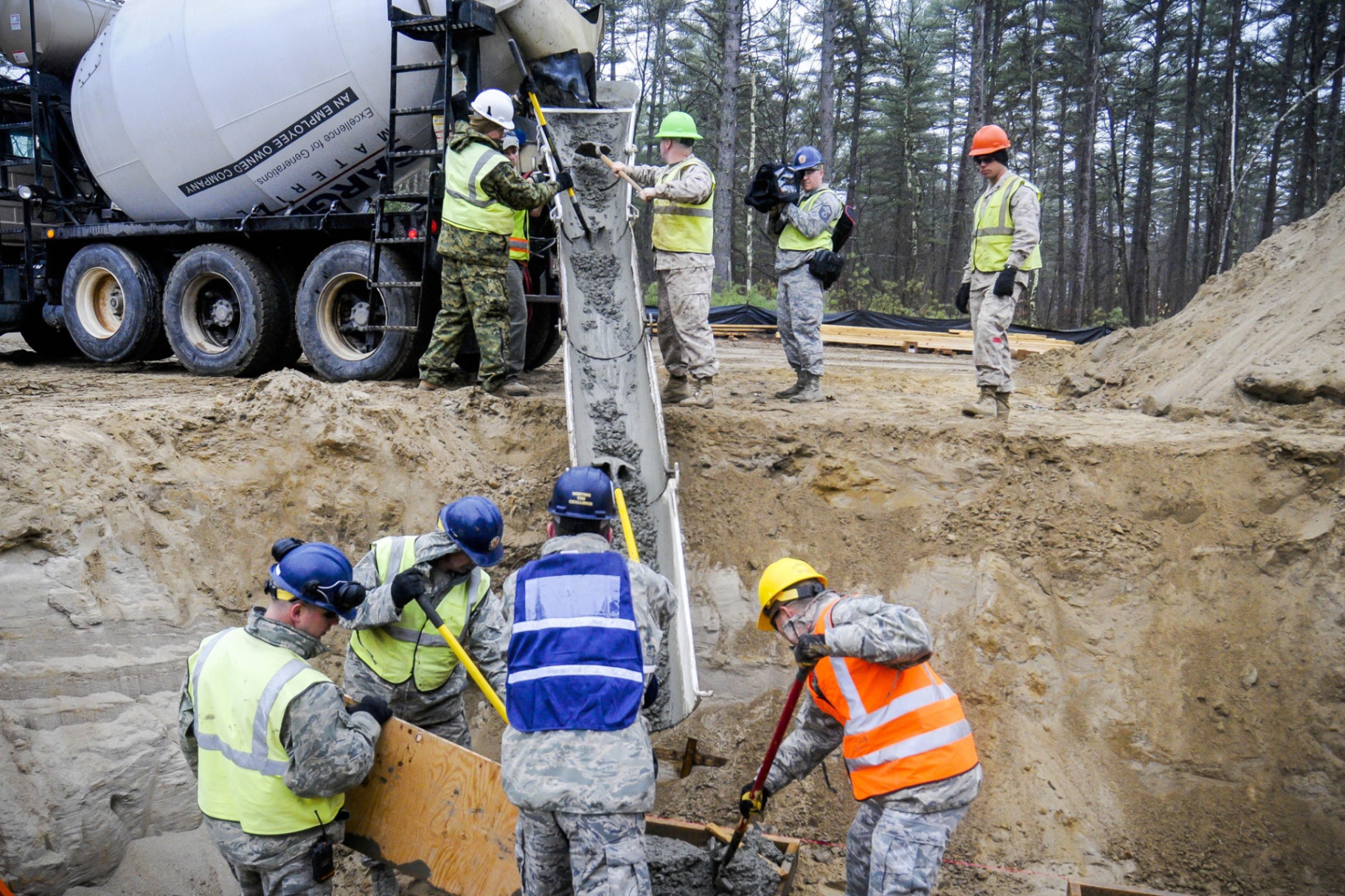
    Construction Crew Pouring Concrete

    4. Integrating Remediation with Site Development

    Here's where an integrated approach pays dividends. When your environmental consultant and civil engineer are working together from day one, you can often sequence remediation activities with site work: excavation, grading, utility installation: to reduce overall project cost and timeline.

    This is exactly the kind of value engineering that separates projects that close on schedule from those that languish in regulatory limbo.

    The Bottom Line for New Jersey Property Transactions

    PFAS isn't going away. The regulatory framework will only get stricter, the list of regulated compounds will expand, and enforcement will intensify. New Jersey is leading this charge nationally, which means what's happening here will likely become the template for other states.

    For property owners and developers, this creates both risk and opportunity. The risk is obvious: unexpected contamination, remediation costs, and deal delays. The opportunity? Properties that others overlook due to perceived PFAS risk may be undervalued: if you have the expertise to accurately assess and manage that risk.

    Key Takeaways

    • January 8, 2026: New legislation bans PFAS-containing firefighting foams in New Jersey
    • February 4, 2026: Deadline to submit remedial action work plans under transitional standards
    • Soil standards: NJDEP has set limits for PFNA, PFOA, PFOS, and GenX ranging from 0.047 to 3.9 mg/kg
    • Valuation impact: Properties with PFAS uncertainty are seeing 10-25% value discounts
    • Previously cleared sites: Properties without NFA letters may require new PFAS investigation

    The firms that thrive in this environment are the ones that understand both the technical requirements and the business implications. At Envicon, we help clients navigate exactly this intersection: turning regulatory complexity into actionable strategy.

    If you're evaluating a New Jersey property and need clarity on PFAS exposure, our team can help you understand your risk and chart a path forward. Because in this market, what you don't know absolutely can hurt you.

  • The Developer's Guide to Slashing NYC Construction Oversight Costs Without Risking Compliance

    The Developer's Guide to Slashing NYC Construction Oversight Costs Without Risking Compliance

    Let's cut to the chase: NYC construction oversight costs are eating into your margins, and you're not alone in feeling the squeeze. Between DOB inspections, environmental compliance requirements, and the alphabet soup of permits and certifications, it's tempting to either overspend on consultants or cut corners that come back to bite you.

    Here's the thing: neither approach works. Overspending kills your ROI, and shortcuts lead to stop-work orders, fines, and project delays that cost exponentially more than doing it right the first time.

    The developers who consistently deliver projects on time and under budget aren't lucky. They're strategic. They understand that construction oversight isn't just a line item to minimize: it's a lever to optimize.

    We've worked with enough NYC developers to know exactly where the money goes (and where it doesn't have to). This guide breaks down the proven strategies for reducing your oversight costs while keeping every regulator happy.

    The Real Cost of "Saving Money" on Oversight

    Before we talk about cutting costs, let's talk about what happens when you do it wrong.

    A single compliance violation in NYC can trigger:

    • Stop-work orders that freeze your entire project
    • Fines ranging from thousands to hundreds of thousands of dollars
    • Extended timelines that blow through your carrying costs
    • Lender concerns that jeopardize your financing

    The irony? Most developers who try to save money on oversight end up spending 2-3x more when problems surface mid-construction. The goal isn't to spend less: it's to spend smarter.

    Active construction site at dusk

    Front-Load Your Planning (It's Where the Real Savings Live)

    The most expensive construction oversight problems are the ones you discover after breaking ground. By that point, your options are limited and every solution comes with a premium price tag.

    Smart developers invest heavily in early project scoping. This means bringing in your environmental and engineering consultants before your budget is locked, not after. According to NYC's Department of Design and Construction, front-loaded planning allows teams to analyze cost reduction options before construction begins: preventing the budget variance, schedule delays, and change orders that escalate oversight complexity during actual construction.

    What does early scoping look like in practice?

    • Phase I and Phase II ESAs completed before acquisition closes, not after
    • Geotechnical investigations that inform foundation design decisions early
    • Regulatory pathway analysis that identifies which permits you'll need and how long they'll take
    • Site-specific compliance calendars that map inspection requirements to your construction schedule

    This isn't about spending more on consultants. It's about spending on the right consultants at the right time. A thorough environmental assessment during due diligence costs a fraction of what remediation or redesign costs mid-project.

    Optimize Your Procurement Strategy

    Here's a stat that should get your attention: joint bidding on capital projects and utility work has reduced utility-related delays from 28 months to just 7 months in NYC: saving an average of $4.3 million per project.

    That's not a typo. Four point three million dollars.

    When the city bids construction and utility work simultaneously, developers avoid the extended negotiations that stall projects and inflate costs. The utilities share overhead and construction management costs under these arrangements, generating additional savings across the board.

    For your projects, this means:

    • Coordinating with utility providers early rather than waiting for conflicts to emerge
    • Bundling related scopes of work to reduce overhead on multiple contracts
    • Aligning inspection schedules so you're not paying for multiple mobilizations

    "The developers who consistently deliver projects on time and under budget aren't lucky. They're strategic."

    The principle extends beyond utilities. Every time you can consolidate oversight functions under a single qualified provider: environmental compliance, civil engineering, construction monitoring: you eliminate redundant costs and communication gaps.

    Active Urban Construction Site

    Implement Real-Time Cost Tracking

    If you're still tracking construction costs in spreadsheets updated weekly, you're flying blind. By the time you see a problem, it's already baked into your budget.

    Modern construction management requires instant visibility into spending. That means:

    • Daily cost tracking against baseline budgets
    • Automated alerts when line items exceed thresholds
    • Change order documentation that captures full scope and cost impact in real-time
    • Monthly forecasting that projects final costs based on current burn rates

    The technology exists. The question is whether you're using it.

    A disciplined change order process is particularly critical for NYC construction. Every scope change needs proper documentation and review before work proceeds: not after. We've seen projects hemorrhage money because change orders were approved verbally and reconciled months later at inflated rates.

    Regular audits keep your cost data accurate and allow project managers to respond before issues escalate into budget emergencies.

    Streamline Without Sacrificing Compliance

    There's a difference between cutting red tape and cutting corners. The developers who get this wrong end up in enforcement actions; the ones who get it right move faster than their competition while staying bulletproof on compliance.

    NYC has actually made this easier in recent years. The VENDEX threshold increase to $250,000 reduced paperwork for smaller contractors. Procurement reforms have removed some duplicative oversight steps. The DDC Authority model streamlines certain processes without compromising regulatory requirements.

    Your job is to stay current on which requirements are actually mandatory versus which are legacy processes that no one's challenged. A consultant who knows the regulatory landscape: and has relationships with the relevant agencies: can identify legitimate shortcuts that save time and money.

    This is especially true for compliance and permitting on complex sites. The difference between a 6-month permit timeline and a 14-month timeline often comes down to knowing which documents the reviewer actually needs and in what format.

    Concrete Foundation Footing Construction Site

    The Integrated Approach: Why Siloed Consultants Cost You More

    Here's what we see constantly: a developer hires one firm for environmental, another for geotech, a third for civil engineering, and a fourth for construction oversight. Each firm does competent work in their lane. And the project still goes sideways.

    Why? Because nobody owns the interfaces.

    The environmental consultant doesn't know about the foundation design changes. The geotech doesn't flag the soil conditions that affect remediation. The civil engineer designs drainage without understanding the contamination pathways. And the construction monitor is left trying to reconcile conflicting requirements on the fly.

    Every handoff is a potential failure point. Every gap in communication is a potential cost overrun.

    The alternative is an integrated approach where environmental, civil, and geotechnical expertise lives under one roof. When your engineering and environmental services come from a single team, information flows freely. Problems get caught early. Solutions account for all the constraints, not just the ones in one consultant's scope.

    We've seen this approach cut oversight costs by 15-25% on complex NYC projects: not by reducing the work, but by eliminating the redundancy and rework that fragmented teams create.

    "Every handoff is a potential failure point. Every gap in communication is a potential cost overrun."

    Your Action Plan

    Slashing NYC construction oversight costs without risking compliance isn't about finding magic tricks or gaming the system. It's about disciplined execution of proven strategies:

    • Invest in early scoping before budgets are locked
    • Coordinate procurement to bundle work and align schedules
    • Track costs in real-time with robust change order processes
    • Stay current on regulatory streamlining opportunities
    • Integrate your consulting team to eliminate handoff failures

    The developers who execute on these principles consistently outperform their competition: finishing faster, spending less, and avoiding the compliance nightmares that derail projects.

    At Envicon, we've built our practice around this integrated, strategic approach to NYC construction. We understand that our job isn't just to check boxes: it's to help you deliver successful projects. If you're planning a development and want to talk through how to optimize your oversight strategy, reach out to our team.

    Because in NYC construction, the smartest money is always spent before the first shovel hits the ground.

  • Navigating the NYC OER EPIC Portal: Pro-Tips for Clearing E-Designations Faster

    Navigating the NYC OER EPIC Portal: Pro-Tips for Clearing E-Designations Faster

    If you've acquired a property in New York City with an E-Designation, you already know the clock is ticking. Every day that E-Designation sits uncleared is another day your project can't move forward, and another day of carrying costs eating into your margins.

    The NYC Office of Environmental Remediation (OER) EPIC portal is the gateway to clearing these designations, but for many developers, it feels more like a black box than a streamlined process. We've guided dozens of projects through this system, and the difference between a 5-day clearance and a 60-day nightmare often comes down to preparation, strategy, and knowing exactly what OER wants to see.

    Here's your insider playbook for getting through the EPIC portal faster.

    What Is an E-Designation and Why Does It Matter?

    An E-Designation is a zoning map notation placed on properties where environmental concerns, hazardous materials, air quality impacts, or elevated noise levels, must be addressed before development can proceed. The City Planning Commission assigns these designations during the land use review process, and they stay attached to the property until you satisfy OER's requirements.

    The practical impact is straightforward: you cannot obtain certain Department of Buildings permits until OER issues the appropriate clearance documentation. For new construction, major alterations, or conversions to residential or commercial office use, that means your project timeline is hostage to the EPIC portal process.

    "The E-Designation isn't just a regulatory checkbox," as one of our project managers puts it. "It's a gate that controls your entire construction schedule. Clear it fast, and you're building. Miss a step, and you're waiting."

    Aerial Site Map - Waterfront Industrial Property

    Understanding Your Clearance Pathway

    Not all E-Designation clearances are created equal. The first strategic decision you'll make is identifying which clearance pathway applies to your project, and this choice alone can mean the difference between a 5-day turnaround and a multi-month process.

    Notice of No Objection (NNO): If your project involves minor alterations that don't trigger hazmat, air quality, or noise reviews, you may qualify for an NNO. This is the fast track, OER typically processes these within 5 business days, though they officially reserve a 30-day window. If your scope qualifies, this is where you want to be.

    Notice to Proceed (NTP) and Notice of Satisfaction (NOS): For new buildings or conversions to residential or office uses, you'll need to go through the full process. This involves submitting investigation reports, remedial action plans, and demonstrating compliance with all applicable environmental requirements before receiving final clearance.

    The mistake we see most often? Developers assuming their project requires the full NTP/NOS pathway when they actually qualify for an NNO. That misclassification can add weeks or months to your timeline for no reason.

    Setting Up for Success: Before You Touch the Portal

    The EPIC portal requires an account before you can submit anything. Create your account immediately upon acquisition, don't wait until you're ready to submit. This administrative step takes time to process and shouldn't be the thing delaying your first submission.

    More importantly, gather your documentation before logging in:

    • Site investigation reports that meet OER's current technical requirements
    • Remedial Action Plans (RAPs) using OER's latest templates
    • Air quality and noise assessments if applicable to your designation
    • Site plans and survey documents showing the property boundaries and proposed development

    OER periodically updates their templates within EPIC Environment, particularly for Air Quality and Noise RAP submissions. Using an outdated template is one of the fastest ways to trigger a revision request and restart the review clock. Always download fresh templates directly from the portal before preparing your submission.

    Team of environmental consultants discussing E-Designation clearance in a modern NYC office overlooking the city skyline

    Pro-Tips for Faster EPIC Portal Navigation

    1. Don't Pay Fees Upfront

    This trips up first-timers constantly. Do not submit payment until OER issues a fee notice confirming your project warrants the clearance you're requesting. Premature payments create administrative confusion and can actually delay your review. Wait for OER's determination, then pay promptly.

    2. Match Your Submission to Your Actual Scope

    OER reviews submissions based on the specific work you're proposing. If you're only doing interior alterations on a property with an E-Designation for hazardous materials, your submission should reflect that limited scope. Over-submitting: providing investigation data and remediation plans for issues your project doesn't trigger: invites unnecessary scrutiny and extends review timelines.

    3. Front-Load Your Quality Control

    Every revision request from OER resets the review clock. Before you hit submit, verify:

    • All required attachments are included and properly labeled
    • Your submission references the correct Block and Lot numbers
    • Investigation data is complete and formatted to OER specifications
    • Proposed remediation aligns with current regulatory guidance

    We've seen projects delayed by weeks because a single attachment was mislabeled or a table was formatted incorrectly. These are preventable errors.

    4. Coordinate with Your Environmental Consultant Early

    If your project requires enrollment in the Voluntary Cleanup Program (VCP) or involves complex contamination issues, bring your environmental consultant into the process before you begin EPIC submissions. Consultants who regularly work within EPIC Environment understand the system's quirks and can structure submissions to minimize revision requests.

    5. Track OER's Review Timeline Actively

    OER officially allows 30 days for review, but actual timelines vary based on submission quality and current workload. Don't assume silence means progress. Follow up professionally if you're approaching the 30-day mark without a response: sometimes submissions get stuck in queues.

    Aerial View with Monitoring Locations

    Common Mistakes That Kill Your Timeline

    Submitting incomplete site investigations. If your Phase II Environmental Site Assessment doesn't adequately characterize contamination or leaves data gaps, OER will send you back to do more fieldwork. That's not a paperwork delay: that's mobilizing drill rigs and waiting for laboratory results.

    Ignoring the air quality and noise components. E-Designations often include multiple environmental concerns. Developers focused on hazmat clearance sometimes neglect the air quality or noise requirements, only to discover late in the process that they need additional studies.

    Underestimating remediation complexity. A Remedial Action Plan that looks good on paper but isn't practically implementable will get flagged. OER reviewers have seen thousands of these submissions: they know when a plan won't actually work in the field.

    Waiting until permits are needed to start the process. The EPIC clearance should be running in parallel with your design development, not sequentially. By the time you need DOB permits, your E-Designation clearance should already be in hand or nearly complete.

    When Strategic Support Makes the Difference

    For straightforward NNO applications on properties with minor environmental concerns, many developers can navigate the EPIC portal independently. But for complex sites: particularly those with contamination requiring active remediation, multiple E-Designation components, or tight construction timelines: the cost of delays far exceeds the cost of expert support.

    Our team at Envicon has guided projects through the full spectrum of OER clearances, from simple NNO applications to complex VCP enrollments with extensive remediation requirements. We understand what OER reviewers are looking for and how to structure submissions that clear on the first pass.

    If you're facing an E-Designation on a property with real timeline pressure, explore our compliance and permitting services or review our environmental assessment capabilities to see how we approach these challenges.

    Aerial map of industrial facility along John Walsh Blvd

    The Bottom Line

    Clearing an E-Designation through the NYC OER EPIC portal isn't inherently difficult: but it demands precision, preparation, and an understanding of how the system actually works. The developers who move through this process quickly are the ones who identify their clearance pathway correctly, submit complete and properly formatted documentation, and avoid the common pitfalls that trigger revision requests.

    Your E-Designation doesn't have to control your project schedule. With the right approach, it becomes a manageable checkpoint rather than an indefinite roadblock.

    Key Takeaways:

    • Create your EPIC account before you need it
    • Determine whether you qualify for the faster NNO pathway
    • Use current OER templates for all submissions
    • Don't pay fees until OER issues a fee notice
    • Front-load quality control to avoid revision requests
    • Start the clearance process early: don't wait for permit applications

    The difference between a project that clears in days and one that drags for months often comes down to these details. Get them right, and you're building while your competitors are still waiting on paperwork.

  • The Attorney's Secret Weapon: Leveraging Engineering Expertise to De-Risk Complex Property Transactions

    The Attorney's Secret Weapon: Leveraging Engineering Expertise to De-Risk Complex Property Transactions

    Every environmental attorney has experienced that moment. The deal is moving forward, the documents are drafted, and then: buried in a technical report or hidden beneath decades of industrial use: a liability emerges that threatens to derail everything. The question isn't whether these surprises will happen. It's whether you'll catch them before closing or discover them in litigation.

    The attorneys who consistently protect their clients in complex property transactions aren't just skilled negotiators. They've built relationships with engineering experts who can decode the technical realities that drive transaction risk. In the NY/NJ market, where contaminated sites, aging infrastructure, and regulatory complexity are the norm rather than the exception, that partnership isn't optional: it's essential.

    The Technical Gap in Property Transactions

    Here's the reality: environmental and geotechnical conditions can make or break a deal's economics. A Phase I Environmental Site Assessment might flag "recognized environmental conditions," but what does that actually mean for your client's bottom line? Is it a $50,000 soil removal or a $2 million groundwater remediation program that extends five years past closing?

    Most attorneys aren't trained to interpret subsurface investigations, evaluate remediation cost estimates, or assess whether a seller's environmental consultant is being appropriately conservative: or strategically vague. That's not a criticism; it's simply the nature of specialized expertise.

    "When attorneys work alongside professionals with engineering backgrounds, they can draft more precise contracts that account for technical realities."

    The gap between legal due diligence and technical due diligence is where deals go wrong. And in our experience supporting transactions across New York City and New Jersey, that gap is where the most significant liabilities hide.

    Aerial Site Map with Facility Layout and Monitoring Points

    What Engineering Expertise Actually Delivers

    When we partner with environmental attorneys on property transactions, we're not just producing reports. We're translating technical findings into actionable intelligence that shapes negotiation strategy, contract language, and closing conditions.

    Here's what that looks like in practice:

    Technical Document Review and Interpretation

    Environmental reports are dense. Phase II ESAs, remedial investigation reports, NJDEP case files, NYC OER correspondence: each contains technical details that directly impact liability allocation and deal structure. We review these documents with an eye toward what matters for the transaction: What contamination exists? Who's responsible? What will cleanup actually cost? What regulatory milestones remain?

    Independent Site Assessment

    Sometimes the existing environmental documentation is incomplete, outdated, or conducted by a consultant with interests that don't align with your client's. We conduct independent environmental assessments that give you an unbiased picture of site conditions: one that holds up under scrutiny and supports your negotiating position.

    Remediation Cost Analysis

    A seller's remediation estimate is just that: an estimate. We provide independent cost projections based on actual site conditions, current contractor pricing in the NY/NJ market, and realistic timelines. This analysis often reveals significant discrepancies that directly affect purchase price negotiations or escrow requirements.

    Regulatory Pathway Evaluation

    In New Jersey, LSRP-driven remediation programs have specific milestone requirements that affect property transfer. In New York City, E-Designations and OER oversight create compliance obligations that run with the land. We map out the regulatory pathway for your client's specific situation, identifying potential delays, cost drivers, and deal-breakers before they become surprises.

    The Pre-Transaction Advantage

    The most valuable engineering support happens before problems emerge. Similar to how experienced litigators prepare for trial while hoping to settle, sophisticated transactional attorneys engage engineering expertise early: when findings can still shape the deal rather than just document what went wrong.

    Urban Redevelopment Corridor

    Pre-transaction engineering assessment accomplishes several critical objectives:

    • Identifies hidden liabilities before your client commits to terms that don't account for them
    • Establishes technical baseline that protects against post-closing claims
    • Informs contract provisions with specific, defensible technical requirements
    • Supports negotiation leverage with objective data rather than speculation
    • Reduces closing delays by surfacing issues when there's time to address them

    We've seen too many transactions where environmental issues were "discovered" after the LOI was signed, forcing attorneys into reactive positions with limited leverage. The attorneys who consistently protect their clients bring engineering expertise to the table from day one.

    How This Partnership Works in Practice

    Let's be specific about what collaboration between environmental attorneys and engineering consultants looks like in the NY/NJ market.

    Scenario: Brownfield Acquisition in Hudson County

    Your client is acquiring a former industrial property for mixed-use redevelopment. The seller has an active LSRP case and claims the site is "nearly closed." Our role:

    1. Review the complete NJDEP case file and all investigation/remediation reports
    2. Assess whether the LSRP's approach and timeline are realistic
    3. Identify remaining investigation gaps and potential cost overruns
    4. Evaluate whether institutional controls will affect your client's intended use
    5. Provide a detailed memo supporting specific contract provisions around remediation responsibility, milestone requirements, and escrow terms

    Scenario: NYC Development Site with E-Designation

    Your client is purchasing a site with an existing E-Designation requiring OER approval before construction. The seller claims all environmental work is complete. Our role:

    1. Review OER correspondence and approved remedial documents
    2. Assess whether the site actually meets Notice of Satisfaction requirements
    3. Identify any remaining vapor mitigation, soil management, or groundwater monitoring obligations
    4. Advise on realistic timelines for OER approval based on current agency workload
    5. Support contract language that protects your client if approval is delayed

    Aerial View of Coastal Urban Development

    Beyond Environmental: The Integrated Approach

    Environmental contamination gets the most attention in property transactions, but it's rarely the only technical risk. Geotechnical conditions affect foundation design and construction costs. Utility infrastructure determines site development feasibility. Stormwater management and permitting requirements can delay projects by months.

    At Envicon, we provide integrated engineering services that address the full spectrum of technical due diligence needs. When you engage us as your technical partner, you get:

    • Environmental assessment and remediation expertise for contamination-related issues
    • Geotechnical evaluation for foundation and construction risk
    • Civil engineering perspective on site development feasibility
    • Regulatory navigation across NJDEP, NYC DEP, and OER requirements

    This integrated approach means one phone call, one relationship, and one team that understands how technical issues interact with each other: and with your client's transaction objectives.

    Choosing the Right Engineering Partner

    Not every environmental consultant is equipped to support transactional due diligence. The work requires not just technical competence, but an understanding of how engineering findings translate into legal and business implications.

    When evaluating potential engineering partners, consider:

    • Local regulatory expertise: Do they understand NJDEP LSRP requirements and NYC OER processes specifically?
    • Transaction experience: Have they supported property acquisitions, or do they primarily work on compliance projects?
    • Communication skills: Can they explain technical findings in terms that support legal strategy?
    • Responsiveness: Can they meet transaction timelines, which rarely align with typical consulting schedules?
    • Independence: Will they provide objective findings, even when those findings complicate the deal?

    "Engineering assessment conducted before formal legal proceedings helps attorneys identify potential issues early… reducing the likelihood of costly disputes after closing."

    The Bottom Line

    Complex property transactions in the NY/NJ market carry technical risks that legal due diligence alone can't fully address. Environmental contamination, geotechnical conditions, regulatory obligations: these factors drive deal economics and post-closing liability in ways that require specialized engineering expertise to evaluate.

    The attorneys who consistently protect their clients have learned to integrate that expertise into their practice. They bring engineers to the table early, use technical findings to inform negotiation strategy, and draft contracts that reflect the actual conditions their clients are acquiring.

    At Envicon Strategic Solutions, we've built our practice around supporting environmental attorneys and their clients through the most complex transactions in the region. From brownfield acquisitions to development sites with regulatory encumbrances, we provide the technical intelligence that de-risks deals and protects investments.

    Your clients deserve technical due diligence that matches the sophistication of your legal work. Let's talk about how we can support your next transaction.