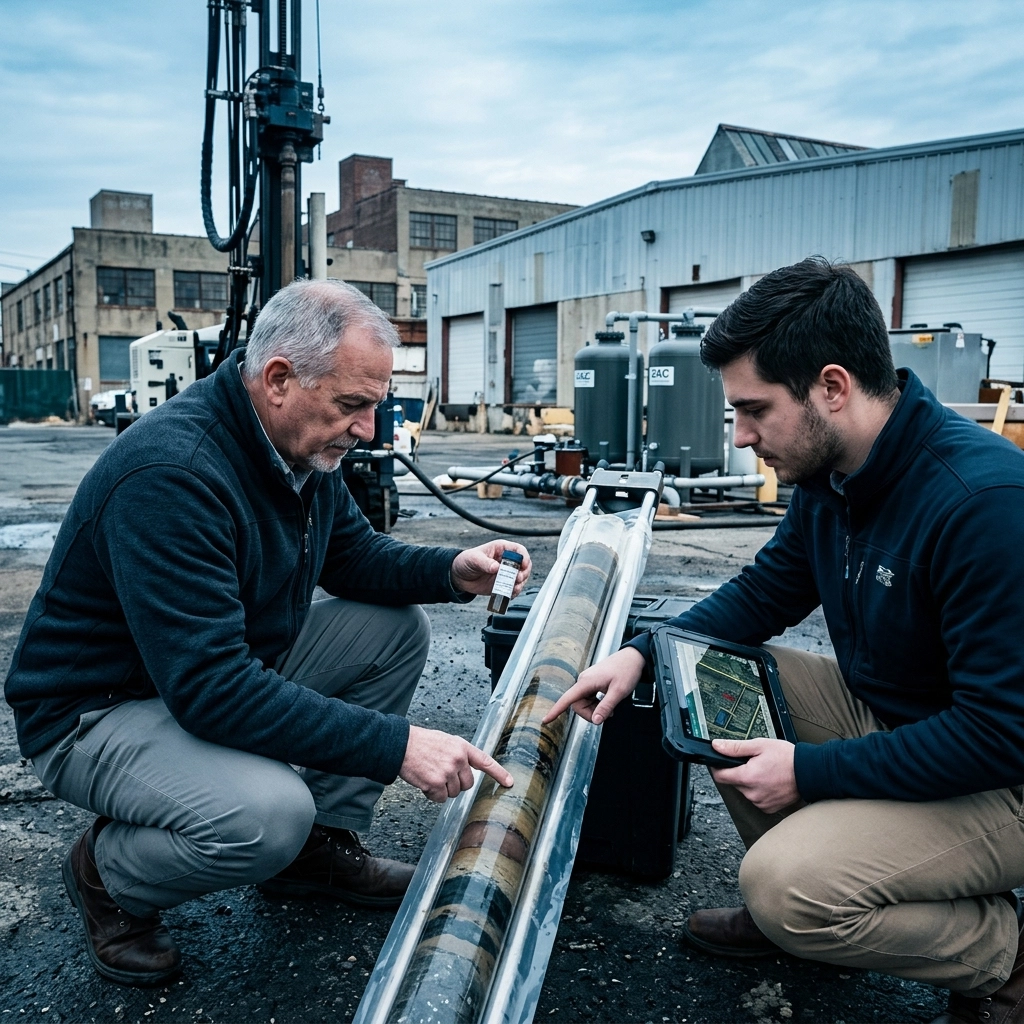
You just received the final draft of your Phase I Environmental Site Assessment (ESA). It’s 400 pages long, bound in a heavy gloss cover, and it satisfied your lender’s checkbox. Your insurance broker says the pollution liability policy is bound. You feel protected.
But here is the reality: that report wasn't written to move your project forward. It was written to protect the consultant’s professional liability insurance.
In the high-stakes world of New York and New Jersey real estate, "insurance-driven" reporting is a silent project killer. While a big-box firm is busy padding their findings with "limitations" and "qualifications," your carry costs are mounting, and your buildable site is still a pipe dream. At Envicon Group, we see this every day. We don’t sell defensive reports; we sell cleared paths.
The "Defensive Writing" Trap of National Firms
If you’ve worked with a large national consulting firm, you know the drill. You talk to a senior partner during the pitch, but once the contract is signed, the project is handed off to a junior staffer who has never stepped foot on a Jersey City brownfield.
The result is a report written for "CYA": Cover Your Assets. These reports are characterized by:
- Vague Conclusions: Phrases like "cannot be ruled out" or "may require further investigation" are used to force you into an endless loop of Phase II and Phase III sampling.
- Boilerplate Limitations: Pages of text explaining why the consultant isn't responsible if they missed something obvious.
- Lack of Context: A report that treats a site in the Newark Ironbound the same as a greenfield in Nebraska.
These firms aren't looking for a solution; they are looking for a way to ensure their own insurance carrier never has to pay a claim. They provide "data," but they don't provide a strategy. If your consultant’s primary goal is protecting their own liability, who is looking out for yours?
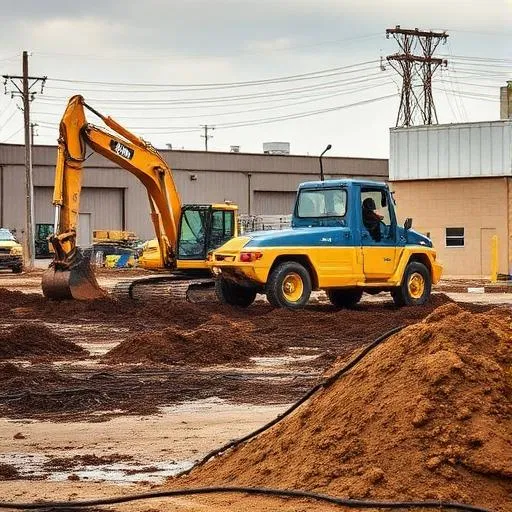
The NY/NJ Subsurface: A Complex Story
In our region, the soil isn't just dirt: it’s history. From the glacial till of the Hudson Highlands to the historic fill that makes up much of Long Island City and the Jersey waterfront, the subsurface is a complex puzzle of contaminants, varying strata, and unpredictable groundwater flow.
Most insurance-driven reports fail because they don't respect the local geology. They apply a cookie-cutter approach to a landscape that is anything but standard.

Visual: A detailed cross-section diagram of typical NYC/NJ soil strata, showing layers of historic fill, organic silt, and bedrock, with potential contamination plumes mapped against regulatory thresholds.
When you understand the soil strata, you can stop guessing. A "defensive" report will tell you that contamination exists. An Envicon report will tell you exactly where it is, how deep it goes, and: most importantly: how to manage it within your construction budget. We look at the strata as a roadmap, not an obstacle.
Why 'Insurance-Driven' Reporting Leaves You Exposed
There is a common misconception that having a "clean" insurance-driven report and a pollution policy means you are safe. The reality, as supported by recent New York court rulings regarding pollution exclusions, is that insurance is often a house of cards.
- The Exclusion Gap: Most standard General Liability (GL) policies have "Absolute Pollution Exclusions." If your report is vague and an incident occurs, the insurer will use that vagueness to deny the claim, arguing the condition was "pre-existing" or "not properly disclosed."
- Regulatory Misalignment: Insurance carriers care about financial loss; the NYSDEC and NJDEP care about environmental compliance. An insurance-driven report might satisfy a broker but fail to meet the rigorous standards of a Case Inventory Document (CID) or a Remedial Action Work Plan (RAWP).
- The Cost of "Maybe": When a consultant writes a defensive report, they often over-scope the remediation to "be safe." This leads to hundreds of thousands of dollars in unnecessary soil disposal and groundwater treatment costs. You aren't paying for cleanup; you're paying for their peace of mind.
Envicon: We Sell Cleared Paths, Not Paper
At Envicon Group, our mission is to resolve complex environmental and engineering challenges with precision and urgency. We believe that integrity isn't just about ethics: it’s about delivering the truth and never cutting corners to hide behind a report.
We sit at the table with the NYC OER, the NYSDEC, and the NJDEP. We don’t wait in a queue; we pick up the phone. We know the reviewers by name, and we understand how they think. This regional fluency allows us to navigate regulatory hurdles that leave national firms stuttering.
The Envicon Approach vs. The Big Box Pain
| Feature | The Big Box Firm | The Envicon Group |
|---|---|---|
| Project Leadership | Junior staff execution; Partner is invisible. | Hands-on leadership from the first call to project close. |
| Reporting Style | Defensive, bloated, and full of "maybes." | Actionable, clear, and designed for a path to closure. |
| Regulatory Knowledge | Cookie-cutter "national" playbook. | 20 years of direct relationships with NYC/NJ agencies. |
| Pricing | Notorious for change orders and scope creep. | Transparent pricing with a focus on project efficiency. |
| Goal | Protecting the consultant's liability. | Unlocking the full potential of your buildable site. |
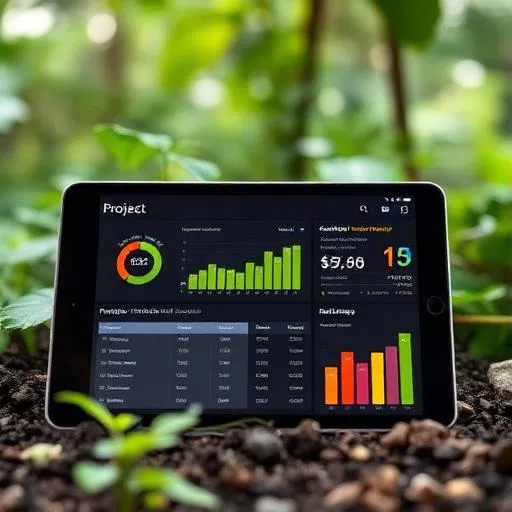
Real-Time Data, Not Old Reports
One of the ways we move faster than the competition is by integrating technology directly into the field. We don't wait three weeks for a lab to tell us what we already suspected. We use real-time project analytics and environmental data dashboards to track progress.
When we are on-site for a Phase II or a remedial excavation, we are looking at the data as it happens. This allows us to make "audible" calls in the field, potentially saving our clients days of downtime and thousands in mobilization costs. If we see a pocket of clean fill that can be reused on-site, we document it immediately and get the sign-off. That is the difference between a consultant and a partner.
The Psychology of Trust in Development
Development is inherently a game of risk. Your lender, your investors, and your community all need to trust that the ground under the project is safe. You don't build that trust with a 400-page defensive document that no one wants to read. You build it with authority.
We sell authority. When we sign off on a site handling plan or a closure report, it’s backed by two decades of PE-led experience in the toughest jurisdictions in the country. We don't just deliver a service; we transform underused, contaminated properties into thriving assets. We take ownership of the outcome so you can focus on the vertical.
Summary: What You Actually Need
If your current environmental consultant is handing you reports that raise more questions than they answer, you are exposed. You are exposed to carry costs, regulatory delays, and insurance denials.
To truly protect your investment in NY/NJ, you need:
- Geographic Specificity: A consultant who knows the difference between the soil in Hudson County and the Bronx.
- Regulatory Fluency: Direct lines to the people who approve your permits.
- Actionable Outcomes: Reports that don't just identify "Areas of Concern" but provide a line-item budget for how to clear them.
- Integrity: The truth about your site, delivered with a plan to fix it.
Every week your project is stalled is a week of lost revenue. Stop paying for reports that protect the consultant. Start paying for a path to ground-break.
Your project is more than a set of samples. It's a buildable site waiting to happen. Let’s get to work.

Ready to stop the defensive reporting cycle? Whether you're navigating a Phase I for a new acquisition or need a Remedial Action Work Plan that actually works, Envicon Group is your partner in the field. Contact us today to discuss your site.
Leave a Reply