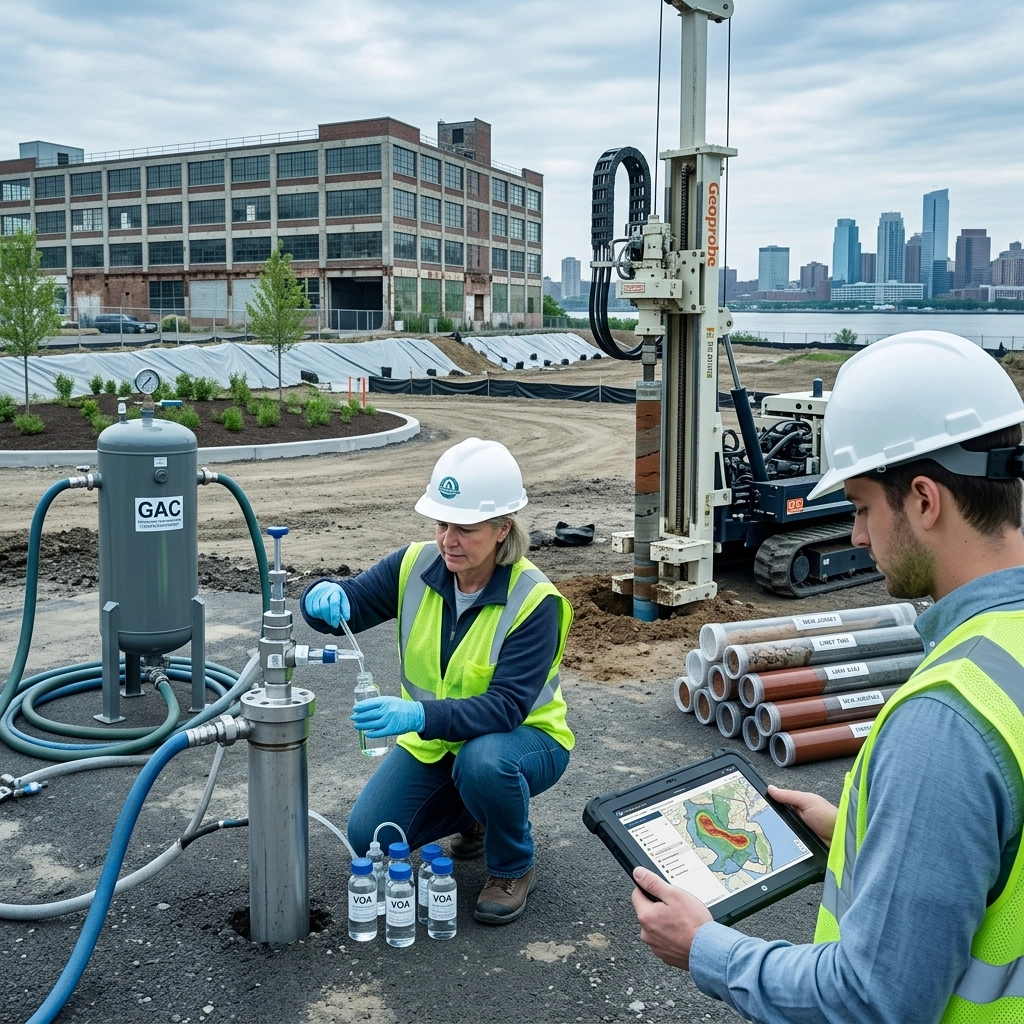
In the New Jersey real estate market, land is the ultimate finite resource. If you are looking at a prime location in Jersey City, Newark, or even the sprawling industrial corridors of Woodbridge, chances are that "prime" site has a history. Often, that history involves soil or groundwater contamination that makes traditional lenders nervous and developers hesitate.
But here is the reality: the most profitable projects in the next decade won't be built on virgin greenfields. They will be built on brownfields. Thanks to the New Jersey Brownfield Redevelopment Incentive Program (BRIP), what used to be an environmental liability is now one of the most powerful financial levers in your capital stack.
At Envicon, we don't just see the contamination; we see the path to a buildable site. We understand that for a developer, a tax credit isn't just a "nice to have": it is often the difference between a project that pencils out and one that sits dormant for another twenty years.
The $50 Million Opportunity: Understanding BRIP
The New Jersey Economic Development Authority (NJEDA) manages a $50 million annual pool specifically designed to offset the costs of environmental remediation. This isn't a grant you have to beg for; it’s a competitive, one-time transferable tax credit program meant to bridge the "feasibility gap" that contaminated sites create.
In September 2024, Governor Phil Murphy signed legislation that significantly sweetened the deal. If you haven’t looked at the program since the early 2020s, the numbers have changed in your favor. The state has realized that to meet housing and commercial demands, they need to make it easier for you to clean up these sites.
Why the 2024 Enhancements Matter
The updated rules didn't just add more money to the pot; they targeted the specific pain points of urban redevelopment. By increasing the percentages of costs covered and raising the total caps per project, the state has made it possible to tackle more complex, deeply contaminated sites that were previously untouchable.
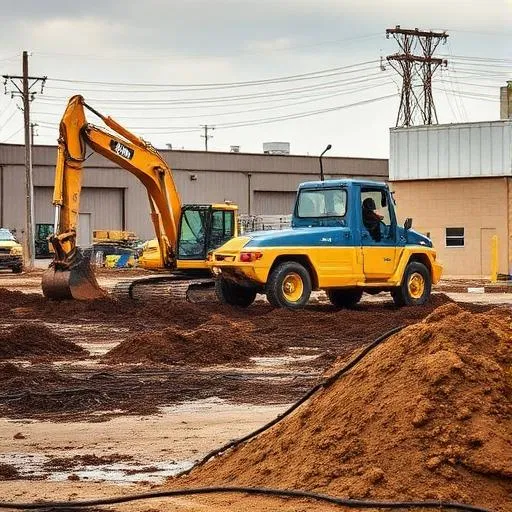
Breaking Down the Percentages: What’s in it for You?
The BRIP program is structured to reward developers who take on the hardest projects in the areas that need them most. The credit amounts vary based on where your project is located and what you are building:
- Standard Projects: For sites outside of special incentive zones, you can receive a credit for 40% of remediation costs, capped at $4 million.
- Targeted Areas: If your project is in a qualified incentive tract or a government-restricted municipality, the credit jumps to 80% of remediation costs, with a cap of $12 million. (This is a massive increase from the previous 60% and $8 million limits).
- Solar on Landfills: If you’re looking at a renewables project involving a closed landfill, the credit can cover 100% of cleanup costs, capped at $12 million in qualified areas.
These aren't just small rebates. When you are looking at a multi-million dollar remediation involving soil excavation, groundwater treatment, or vapor mitigation, an 80% credit fundamentally changes your ROI.
The Power of Transferability: Cash in Hand
One of the biggest misconceptions about tax credits is that you need a massive New Jersey tax liability to use them. That’s not how Envicon helps our clients navigate this.
These credits are transferable. If your development entity doesn't have the tax appetite to use a $10 million credit, you can sell it. Historically, these credits sell for 75% to 85% of their face value.
Think about that as a liquidity event during or shortly after your remediation phase. You perform the cleanup, verify the costs, receive the credit, and sell it to a major corporation with a high New Jersey Franchise Tax bill. You get immediate capital back into your project, reducing your debt load or funding the next phase of vertical construction.
The Envicon Approach: More Than a Report
If you go to a "Big Box" national consulting firm, they will happily bill you for a 500-page report that describes your contamination in excruciating detail. They’ll hand it to you, wish you luck with the NJEDA, and send a change order for the next meeting.
Envicon works differently. We are a field-first, PE-led firm. We don't sell reports; we sell cleared paths. When it comes to NJ Brownfield Tax Credits, our role is to act as your strategic partner from the initial Phase I ESA through the final certificate of completion.
The Problem with "Big Firm" Consulting
At a national firm, your project is a number in a queue. You talk to a partner during the pitch, but a junior staffer in a satellite office is the one actually looking at your data. They write "defensive" reports: meaning they are more concerned with protecting the firm from liability than moving your project forward.
The Envicon Difference
We bring 20 years of direct agency relationships. We know the reviewers at the NJDEP and the NJEDA. We understand the nuances of the LSRP (Licensed Site Remediation Professional) program and how to document costs in a way that the state actually accepts.
- Precision in Budgeting: We help you identify the "feasibility gap" early. If the project won't qualify for the credit because it's too "easy" to clean up, we tell you the truth upfront.
- Urgency in Execution: Every week your site sits behind a fence is a week of carry costs. We coordinate subcontractors and remediation teams with the mindset of a contractor, not an academic.
- Regulatory Fluency: We sit at the table with the regulators. We don’t wait for them to call us; we proactively resolve issues before they become "Notice of Deficiencies."

Navigating the Fine Print: Eligibility and Compliance
To get the money, you have to play by the rules. The NJEDA has two major hurdles that catch unprepared developers off guard:
- The "But For" Test: You must demonstrate that the project is not economically feasible but for the tax credit. This requires sophisticated financial modeling and a clear environmental cost estimate.
- Prevailing Wage: Any project receiving these credits must comply with prevailing wage requirements for both the remediation and the subsequent building services. If you haven't factored this into your construction budget, the tax credit might be offset by higher labor costs.
This is where Envicon’s strategic support becomes invaluable. We help you balance the environmental costs against the regulatory requirements to ensure the math actually works in your favor.
Real-Time Data, Real-World Results
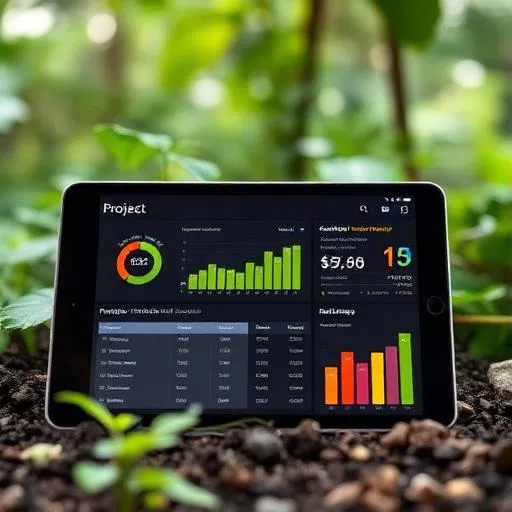
In today’s market, you can't manage a brownfield project with paper logs and "we'll get back to you next week" updates. Envicon utilizes advanced project analytics and real-time data tracking to monitor remediation progress.
When we are on-site, we are tracking every yard of soil and every gallon of treated water. This level of precision isn't just for our records: it is the documentation you need to justify your tax credit application to the state. When the NJEDA auditors look at an Envicon-managed project, they see a clear, transparent trail of data that matches the requested credit.
Why Now is the Time to Move
The $50 million annual cap for the BRIP program is a "rolling" application process, but it is competitive. As more developers realize the potential of these 2024 enhancements, the queue will grow.
Waiting to start your environmental due diligence means you are giving your competitors a head start on the same pool of funds. Whether you are looking at a site in Hudson County or a sprawling industrial tract in South Jersey, the window of opportunity is widest right now.
Summary: Your Brownfield Action Plan
- Identify the Opportunity: Don't walk away from a site just because it's a brownfield. Look at the location and the potential for a 40-80% credit.
- Vet the Math: Use the "But For" test to see if the project qualifies. Factor in prevailing wage and the 75-85% sale value of the credits.
- Hire Local Fluency: Skip the national firms that treat NJ as a "regional territory." Hire a firm that knows the dirt and the regulators personally.
- Document Everything: Success in the BRIP program is 50% engineering and 50% documentation. Ensure your consultant has the technology to track every dollar of remediation.
Your project is stalled? Your consultant handed you a report that creates more questions than answers?
It’s time to switch to a firm that takes ownership of the outcome. At Envicon, we believe in doing the work right, standing behind our word, and keeping projects moving. We don't just identify problems; we clear the obstacles between you and a buildable site.
Contact Envicon today to discuss your site and see how we can help you turn your environmental liabilities into profitable assets.
Envicon Group
Precision. Urgency. Integrity.
Leave a Reply