It’s 7:00 AM on a Tuesday. You’re at the job site in Hudson County, the coffee is still hot, and an NJDEP inspector is walking toward your trailer. He’s not here for a social call. He wants to see your Stormwater Pollution Prevention Plan (SWPPP) and, more importantly, he wants to see how it’s being executed in the field.
For most developers, a SWPPP is a 200-page binder that sits on a shelf until someone asks for it. But in 2026, with the NJPACT (New Jersey Protecting Against Climate Threats) and REAL (Resilient Environments and Landscapes) rules now in full effect, that "check-the-box" mentality is a fast track to five-figure fines and stop-work orders.
At Envicon Group, we don’t treat stormwater as a permit hurdle. We treat it as a civil engineering opportunity. If you’re looking for SWPPP services in NJ, you need to know the "secrets" that separate a stalled project from a buildable asset.
The 2026 Reality: Why Your Old SWPPP Is Obsolete
As of January 20, 2026, the NJDEP fundamentally changed the game. The updated N.J.A.C. 7:8 standards and the new 2026 NJ Stormwater BMP Manual aren't suggestions: they are the law of the land for any major development.
If your consultant is still using 2023 templates, you’re already behind. The new framework mandates:
- Mandatory Green Infrastructure (GI): You can no longer just pipe water into a giant hole in the ground. You must use bioretention, pervious paving, or green roofs to meet recharge and quality standards.
- Climate-Adjusted Rainfall Data: We’re designing for the storms of 2050, not 1990. This means larger basins, smarter routing, and zero margin for error in your hydrologic modeling.
- 95% TSS Removal for C1 Waters: If your site discharges to Category One waters, the bar for Total Suspended Solids (TSS) removal has been raised. Standard "off-the-shelf" solutions won't cut it anymore.
Secret #1: Smart Civil Design Is the Ultimate Cost-Saver
Most "big box" firms look at stormwater as an isolated environmental requirement. They design a site plan, then hand it to a junior environmental staffer to "add the SWPPP."
That’s backwards.
At Envicon, our civil and environmental teams sit at the same table. We integrate Green Infrastructure BMPs into the site’s early grading and utility plans. Why? Because a bioretention basin that doubles as a landscaped amenity saves you square footage. A pervious paving system that handles parking and groundwater recharge simultaneously reduces your infrastructure spend.
By designing for operational compliance from day one, we prevent the "not my problem" finger-pointing between consultants that typically leads to expensive change orders during construction.

Secret #2: The "Defensive Report" vs. The Actionable Plan
When you hire a massive national firm, they give you a bloated report written to protect their liability, not your timeline. It’s full of "if/then" statements and vague requirements that leave your contractor guessing.
Envicon produces clean, field-ready documentation. Our SWPPPs include:
- Clear Erosion & Sediment Control (ESC) Plans: No jargon. Just clear instructions on where the silt fence goes, how the stabilized entrance must be maintained, and exactly when to call for an inspection.
- LSRP-Aligned Strategies: In New Jersey, your stormwater often intersects with contaminated soil. We are one of the few firms with LSRP services on staff to ensure your SWPPP doesn't accidentally trigger a multi-million dollar remediation issue by infiltrating water through "hot" zones.
- Audit-Ready Logs: When that 7 AM inspector arrives, our clients hand over a tablet with real-time, timestamped inspection logs. It turns a potential confrontation into a 15-minute verification.
Secret #3: Agency Relationships Move the Needle
Regulatory coordination shouldn't be a black box. If your consultant doesn't know the reviewer at the NJDEP or the local Soil Conservation District by name, you’re just another file in the queue.
For 20 years, we’ve sat across the table from NJDEP, NYC OER, and NYC Parks. We understand their specific pain points: like the current push for small-scale GI over centralized basins. We design to meet their unwritten expectations, which is why our permits are often accepted on the first submission.
"Envicon designed our stormwater management system under a 3-week deadline that two other firms refused. Their NJDEP permit application was accepted without revision."
: Amanda Foster, Project Director, Garden State Developers
The Hidden Danger: The "Wait and See" Mistake
The biggest mistake developers make is waiting until the tail end of the design phase to worry about the SWPPP. With the REAL rules now affecting coastal redevelopment and parking lot reconstructions, your stormwater strategy can dictate your entire site layout.
If you reconstruct more than an acre of parking in NJ today, you aren't just repaving; you're triggering full stormwater treatment requirements. If you haven't budgeted for the GI BMPs needed to treat that runoff, your pro forma is already broken.
Envicon’s Tech-Powered Advantage
We’ve replaced spreadsheet chaos with real-time environmental dashboards. Our clients get:
- Live Inspection Tracking: See exactly when our field team completes an ESC inspection.
- Automated Alerts: Get notified if a rain event triggers a mandatory 24-hour inspection.
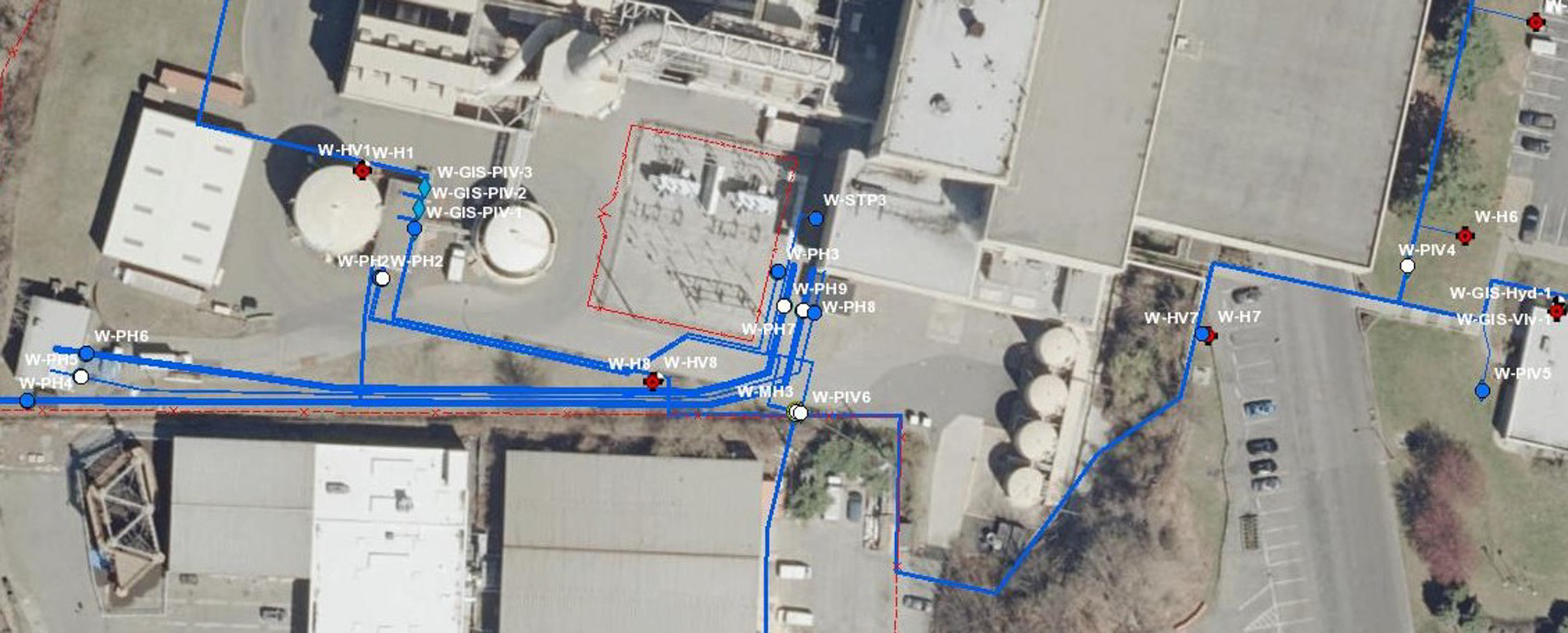
- Data-Driven Visuals: Professional maps and pollutant removal calculations that satisfy both lenders and regulators.
This level of transparency changes the dynamic of a project. Decisions are made faster, and you’re never in the dark about your compliance status.

Summary: A Clear Path to a Buildable Site
Stormwater management in New Jersey is no longer a peripheral concern: it is a core engineering challenge. To avoid NJDEP fines and keep your project moving, you need a partner who understands:
- The 2026 NJPACT/REAL standards and how to design for them.
- Integrated Civil & Environmental engineering to maximize land use.
- Proactive communication with agency reviewers to accelerate permits.
At Envicon, we don't just sell reports. We sell cleared paths. We take full responsibility for the outcomes: whether it's securing a permit under a tight deadline or managing complex field challenges.
Your project is too valuable to sit in a queue.
Contact Envicon Group today for a site-specific SWPPP audit or to discuss how our integrated civil-environmental team can de-risk your next NJ development.
Takeaway Checklist for NJ Developers in 2026:
- Verify Major Development Status: Does your site exceed 1 acre of disturbance or 0.25 acres of new impervious surface?
- Review GI Requirements: Are you using the Chapter 9/10 BMPs from the 2026 Manual?
- Check C1 Discharge: Are you meeting the 95% TSS removal threshold?
- Audit Your Consultant: Is your current firm providing real-time data or just "CYA" reports?
Leave a Reply