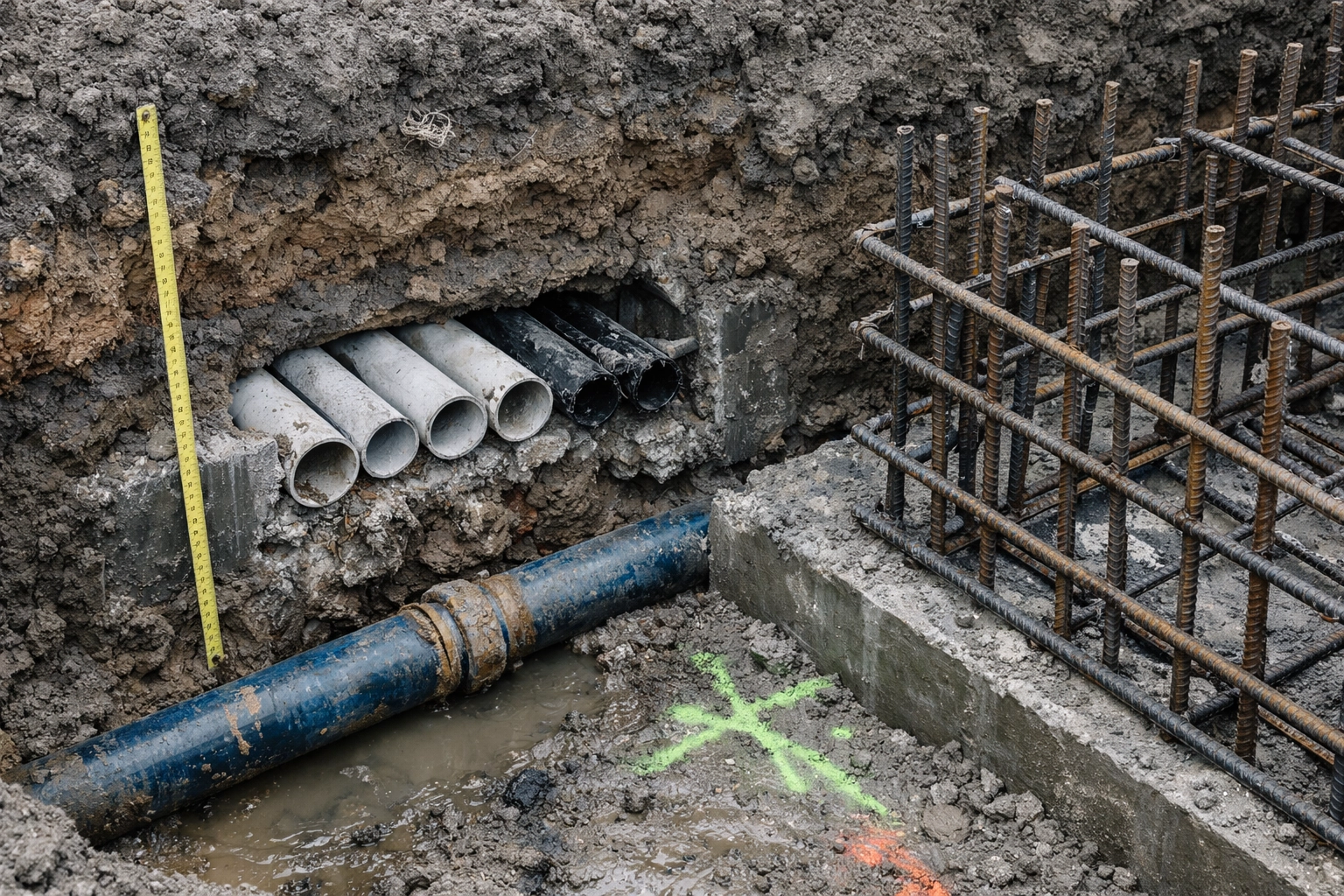
You've spent years running your industrial facility in New Jersey or New York. The market's heating up, institutional buyers are circling, and you're finally ready to cash out. But here's the thing nobody tells you until it's too late: the environmental liability sitting under your property could crater your deal, or worse, follow you home after closing.
In 2026, the stakes are higher than ever. Buyers aren't just kicking tires anymore. They're bringing environmental consultants to the first tour. Lenders are requiring Phase II ESAs before they'll even talk loan terms. And if you think you can just "disclose and move on," you're in for a brutal awakening when the buyer's LSRP starts finding things you didn't know existed.
The solution? Audit your environmental liability before you list. Not after you've accepted an offer. Not during due diligence. Before the sign goes up.
The New Reality: Buyers Control the Narrative (Unless You Don't Let Them)
Let's talk about what's changed. Ten years ago, you could sell an industrial property with a Phase I ESA and a handshake. The buyer's attorney would ask a few questions, you'd sign some disclosures, and the deal would close.
That world is dead.
Today's institutional buyers, the private equity groups, the REIT funds, the family offices, are hiring the same consultants who work for the NJDEP and NYSDEC. They're not looking for deal-killers; they're expecting to find them. And when they do, they'll use your environmental liability as leverage to renegotiate price, demand escrows, or walk entirely.
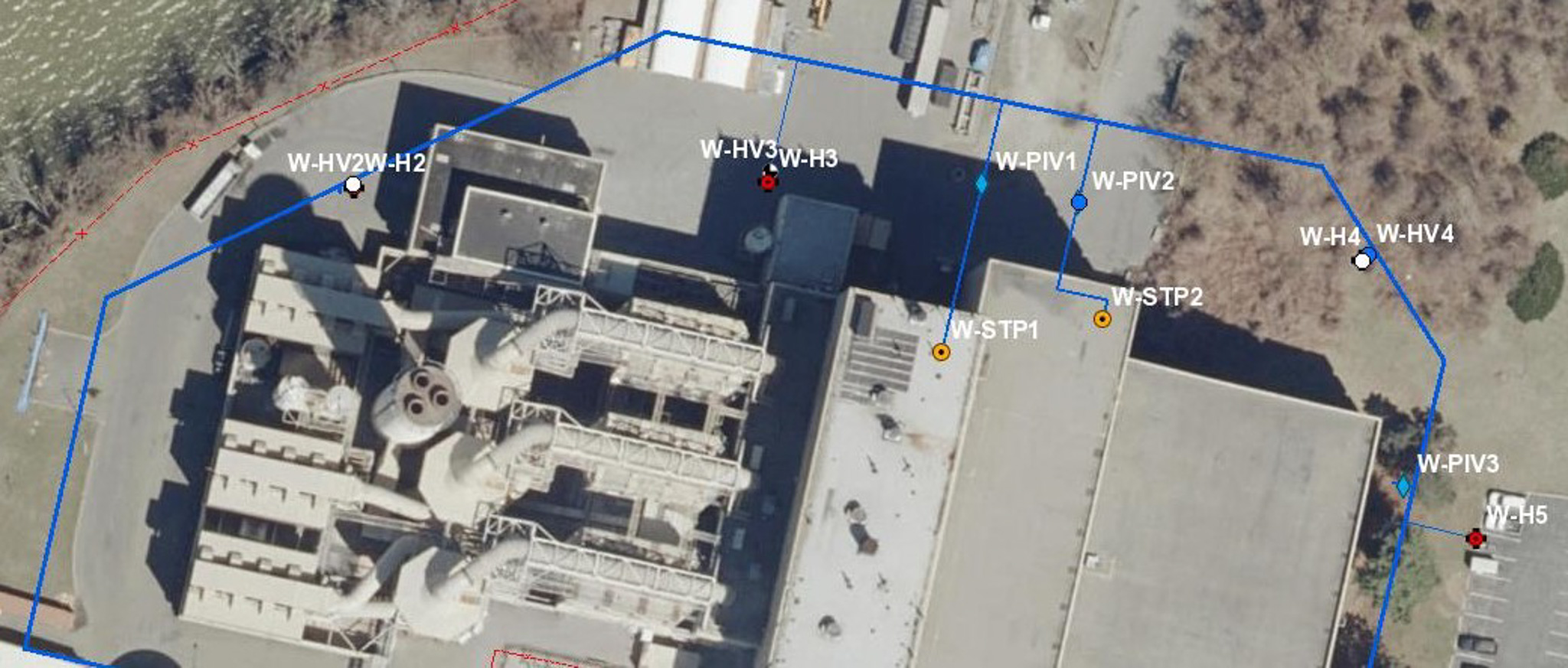
Here's the problem: if they control the discovery process, they control the narrative. They'll interpret every soil boring, every groundwater sample, every historical aerial photo through the lens of maximum liability. And you'll be stuck defending a property you've owned for decades against questions you didn't even know to ask.
The fix? Beat them to it. Run your own environmental audit six months before you list. Get ahead of the contamination story. Understand your actual liability, not your buyer's worst-case fantasy version of it.
What an Exit-Focused Environmental Audit Actually Looks Like
This isn't your standard Phase I ESA. A pre-sale environmental audit is a strategic document designed to answer one question: What will sink this deal, and how do we fix it now?
Here's what we look for:
Undisclosed Historical Uses
That corner of your property that "used to be a gas station" in the 1960s? If it's not in your Phase I, it's going to show up in the buyer's. We pull Sanborn maps, talk to municipal archives, and dig through NJDEP case files to make sure there are no surprises.
Vapor Intrusion Pathways
If you've got contaminated groundwater anywhere within 100 feet of your building footprint, a sophisticated buyer is going to model vapor intrusion risk. In NYC, this is an automatic E-designation trigger. In New Jersey, it's a mandatory LSRP review. Either way, you need to know before the buyer's consultant puts it in a report.
Ongoing Compliance Gaps
Are your underground storage tanks properly registered? Is your stormwater permit current? Do you have an active remediation case that hasn't been closed out? These aren't environmental liabilities in the contamination sense, but they're transactional liabilities that will delay closing and erode buyer confidence.
Off-Site Migration Potential
This is the nightmare scenario: contamination that started on your property but has migrated onto your neighbor's. In New Jersey, under the LSRP rules, you can be held liable for off-site impacts even if the contamination predates your ownership. If groundwater is flowing off your property, we need to know where it's going and what it's carrying.

The Valuation Impact: Why "Clean Enough" Isn't Good Enough
Let's talk money. In 2026, environmental liability doesn't just affect whether your property sells: it affects the price, the terms, and the speed of the transaction.
We've seen deals where unaudited environmental liability resulted in:
- 15-25% price reductions after the buyer's Phase II came back with contamination the seller "didn't know about"
- $250,000+ escrow holdbacks for potential remediation costs that never materialized
- 120+ day closing delays while the buyer's LSRP worked through NJDEP permitting
- Post-closing clawback provisions that kept the seller on the hook for years after the sale
Now compare that to properties where the seller did the work upfront. They walked into negotiations with a completed Phase II, a closed NJDEP case, or a No Further Action letter. Those properties closed at asking price, in 60 days, with zero post-closing liability.
The math is simple: spending $50,000 on an environmental audit today can save you $500,000 in lost value tomorrow.
Regulatory Landscape: Why 2026 is Different
If you've been sitting on an exit strategy for a few years, here's what you need to know about the regulatory environment in 2026:
NJDEP's LSRP Program is Maturing
The Licensed Site Remediation Professional program isn't new, but it's finally hitting its stride. Case timelines are tightening, compliance requirements are stricter, and the NJDEP is starting to audit LSRP decisions retroactively. If your property has an open case or a delayed closure, expect buyers to demand a clear pathway to NFA before they'll sign a purchase agreement.
NYSDEC Part 375 Updates
The NYSDEC recently finalized major changes to Part 375, New York's soil cleanup regulations. New soil cleanup objectives, updated brownfield credit structures, and revised vapor intrusion guidance all affect how contaminated properties are valued and transacted in 2026.
PFAS is No Longer "Emerging"
Per- and polyfluoroalkyl substances (PFAS) have moved from "emerging contaminant" to "regulated liability" in both New York and New Jersey. If your facility manufactured, used, or stored firefighting foam, certain plastics, or industrial coatings, PFAS is now a mandatory part of your environmental due diligence: and your buyer's.

The Timeline: When to Start (Hint: It's Earlier Than You Think)
Most sellers think about environmental audits during the listing process. That's six months too late.
Here's the right timeline:
18 Months Before Sale: Initial Audit
Commission a comprehensive environmental liability audit. This includes Phase I and targeted Phase II sampling, historical research, regulatory compliance review, and off-site migration assessment.
12-15 Months Before Sale: Remediation (If Needed)
If the audit identifies contamination that will affect value or marketability, start the cleanup process now. NJDEP closures take 6-12 months minimum. NYSDEC brownfield enrollments can take even longer.
6 Months Before Sale: Transaction Readiness
Update your audit with any new data, obtain closure letters where possible, and package everything into a "seller's environmental data package" that you can hand to qualified buyers on day one.
Listing Phase: Transparency and Control
Market the property with full environmental transparency. Sophisticated buyers will appreciate the proactive approach and view it as a sign of competent ownership.
What This Looks Like in Practice
We worked with an industrial owner in Hudson County who was preparing to sell a 4-acre manufacturing facility. The property had been in operation since the 1950s, and the owner "knew" there was probably some contamination, but had never formally investigated.
Eighteen months before listing, we ran a comprehensive audit. We found:
- Petroleum impacts from former underground storage tanks (closed in 1998 but never remediated)
- Solvent contamination in shallow groundwater from historical degreasing operations
- An unregistered discharge case with the NJDEP that had fallen through the cracks in the 1980s
None of it was catastrophic. But all of it would have killed the sale if discovered during buyer due diligence.
We spent 12 months cleaning it up. Remediated the petroleum, enrolled in the ISRA program, closed out the NJDEP case with a Response Action Outcome. Total cost: $180,000.
The property sold for $7.2 million: $900,000 more than comparable properties in the area. The buyer loved the clean title. Closing took 45 days. Zero post-closing liability.
The Takeaway: Environmental Audits Are Exit Strategy
Here's what property owners need to understand in 2026: environmental compliance isn't a box-checking exercise anymore. It's a value driver. It's a negotiation tool. It's the difference between controlling your exit and having your exit controlled for you.
If you're planning to sell an industrial property in the next two years: whether it's a warehouse in Newark, a manufacturing plant in Queens, or a distribution center in Long Island City: start with an environmental audit. Not because you're worried about liability (though you should be). But because it's the smartest business move you can make.
The buyers are coming prepared. Make sure you are too.
Need help understanding what's under your property before you list? Let's talk. We've been doing this for 30 years, and we know exactly what buyers' consultants will look for( because we train them.)
Site-Civil • Geotechnical • Environmental
Northern NJ & NYC • [www.envicongroup.com](https://wp.envicongroup.com)
Leave a Reply