If you’ve spent five minutes on a construction site in New Jersey or New York, you know the sound of money burning. It’s the sound of an excavator idling while a foreman stares at a utility line that wasn't on the plans. It’s the sound of a "revision" email hitting your inbox at 4:30 PM on a Friday.
Change orders are the parasites of construction management. They eat your contingency, kill your schedule, and sour the relationship between owners and contractors. In the old days, we chalked this up to the "cost of doing business."
At Envicon Group, we don’t accept that. The technology exists today to virtually eliminate the "oops" factor. We call it the Digital Twin, and it’s how we’re delivering civil engineering in NJ with a level of precision that makes the big-box consulting firms look like they’re still using rotary phones.
What is a Digital Twin? (And No, It’s Not Just BIM)
A lot of people confuse a Digital Twin with a standard Building Information Model (BIM). They aren't the same. A BIM is a static snapshot: a digital blueprint of what should be there.
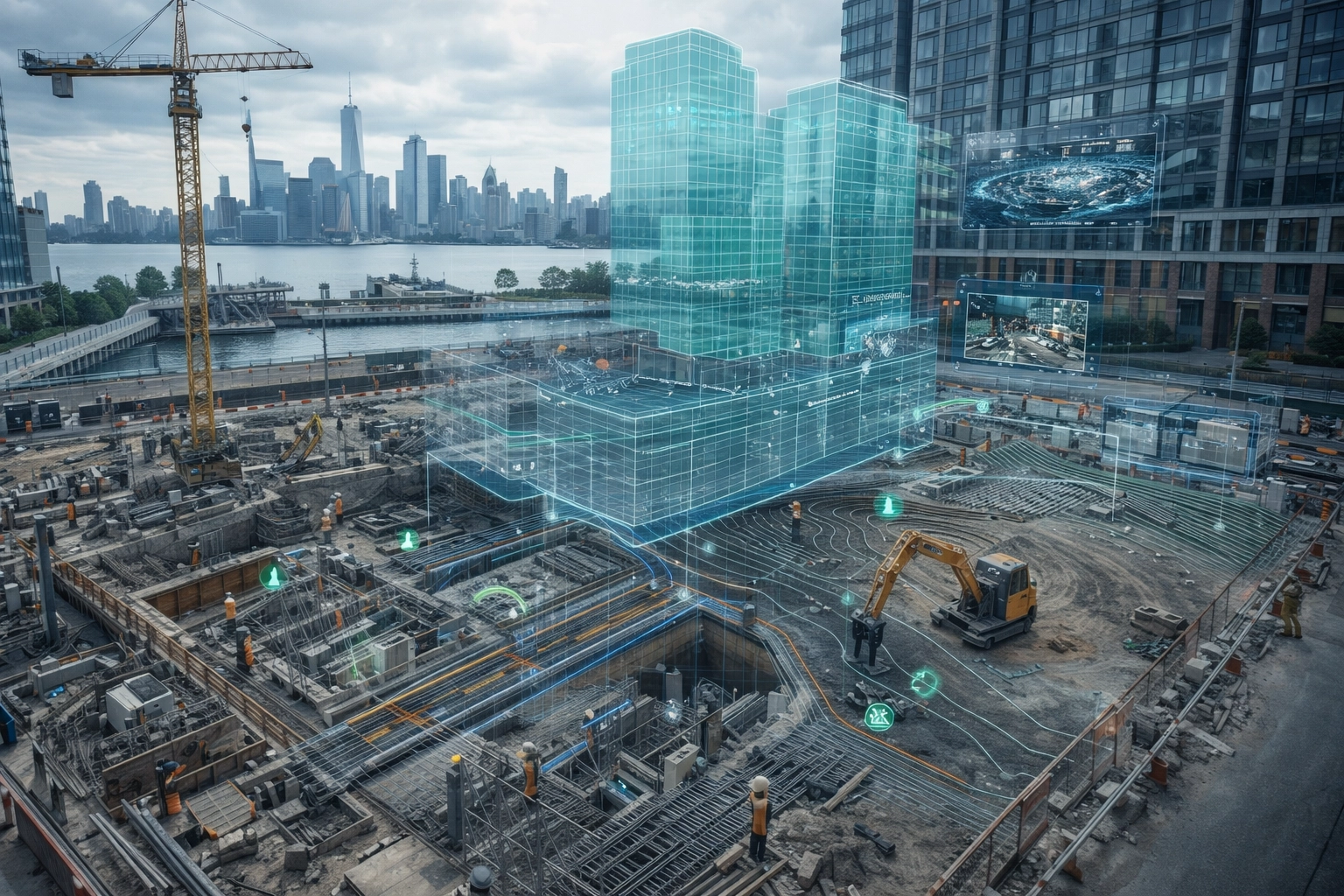
A Digital Twin is a living, breathing digital replica of your actual jobsite. It integrates real-time data from drones, sensors, and field reports to show you exactly what is there. When we talk about civil engineering NJ, we’re talking about complex sites with decades of legacy utilities, varying soil compositions, and tight regulatory constraints.
A digital twin allows us to overlay our site-civil planning with real-world conditions as they evolve. It creates a single source of truth. No more "I thought the water main was three feet to the left." We know exactly where it is because the model is fed by constructible data, not just architectural theory.
Stopping the Change Order Before It Starts
Why do change orders happen? Usually, it's one of three things:
- Incomplete Data: You didn't know a foundation pier was in the way.
- Miscommunication: The field crew is working off an outdated set of prints.
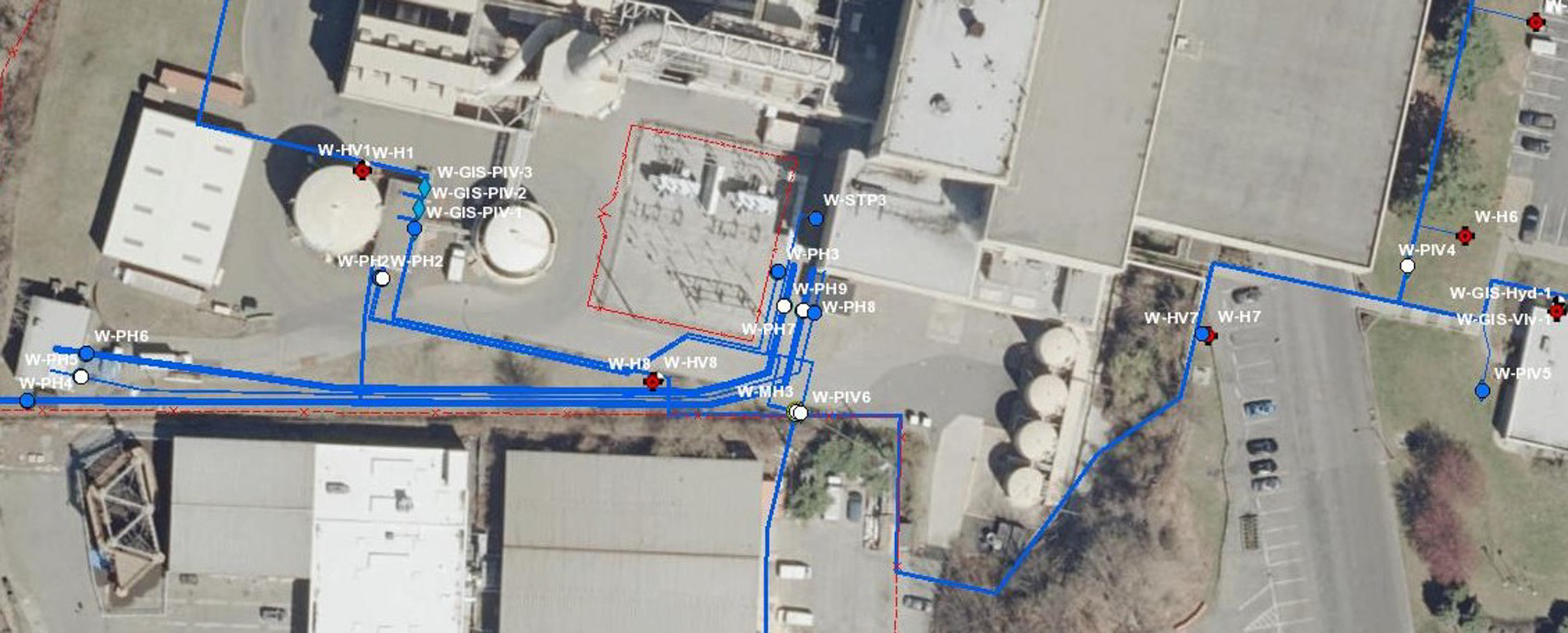
- Design Conflicts: The drainage pipe clashes with the electrical conduit.
Modern software eliminates these by moving the "discovery" phase from the field to the screen.
1. Pre-Construction Simulation
Before a single shovel hits the dirt, we run simulations. We can virtually "construct" the project, identifying every clash between structural elements and utilities. Research shows that digital twins reduce uncertainty by allowing teams to explore how equipment and workflows function in real-world conditions before mobilization. If the excavator doesn't have the swing radius to clear a neighbor's fence while digging the retention pond, we find that out in January, not in the middle of a July heatwave.
2. Real-Time Coordination
Our team at Envicon doesn’t sit in a glass tower. We’re field-first. By using cloud-based site software, the 3D model in the field is the same one the engineer is looking at in the office. When we perform construction oversight, we are verifying the digital twin against the physical reality every single day. If a deviation is found, it’s addressed in minutes, not through a two-week RFI process.
 A technical 3D visualization showing a "clash detection" event where a proposed drainage pipe intersects with an existing underground fiber optic line, highlighted in red.]
The NJ/NY Reality: High Stakes, Low Margin for Error
Developing in the Tri-State area isn't like developing in a greenfield in the Midwest. We deal with NYC OER, NJ DEP, and high-density urban infrastructure. The risks are higher. A single utility strike in Jersey City can shut down a block and trigger six-figure fines.
When you hire a "national firm," you’re often paying for a logo. You get a junior staffer who’s following a cookie-cutter playbook designed for suburbs, not the Hudson County waterfront. They deliver a 200-page report that’s written to protect their liability, not to move your project forward.
At Envicon, we use digital twins to manage these environmental and civil risks proactively. We don’t just hand you a report and wish you luck. We provide a cleared path. By integrating geospatial data analysis into our models, we can identify contaminated soil pockets or groundwater issues before they trigger a stop-work order.
Transparent Pricing through Technical Precision
One of the biggest complaints we hear about big consultants is "scope creep." The project starts at $50k and ends at $150k because of "unforeseen complexities."
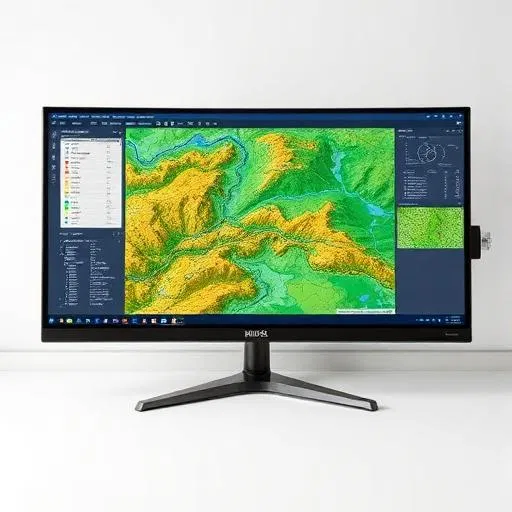
Modern software changes the pricing game. Because we have a more accurate view of the site through digital modeling, our estimates are based on reality, not guesswork. We focus on transparent execution. If we know exactly how much soil needs to be moved and exactly where the subsurface obstructions are, we can price with confidence.
Our philosophy is simple: Integrity is delivering the truth, even when it’s inconvenient. We’d rather tell you about a potential $20,000 issue during the design phase than let you find it during excavation when it becomes a $100,000 disaster.
"Collaboration is not a buzzword: it’s how we work. The digital twin is the ultimate collaborative tool because it removes ego from the equation. The data doesn't lie." : Jason Pancoast, CEO
Why the "Big-Box" Approach is Failing You
If your current consultant is still relying on 2D CAD files and physical site visits once a month, they are costing you money.
- The Big Firm Pain: You talk to a partner during the pitch, then never see them again. You’re passed off to a junior engineer who doesn't know your site's history or your regulator's name.
- The Envicon Answer: You get hands-on leadership. We are PE-led and field-first. We know the reviewers at NJ DEP and NYC OER because we talk to them every day. We use technology to bridge the gap between the office and the dirt.
We don't sell reports. We sell buildable sites. Whether it's Phase I & II ESAs or complex stormwater management, our goal is to get you to vertical construction as fast as humanly possible.
Summary: The Digital Twin Takeaway
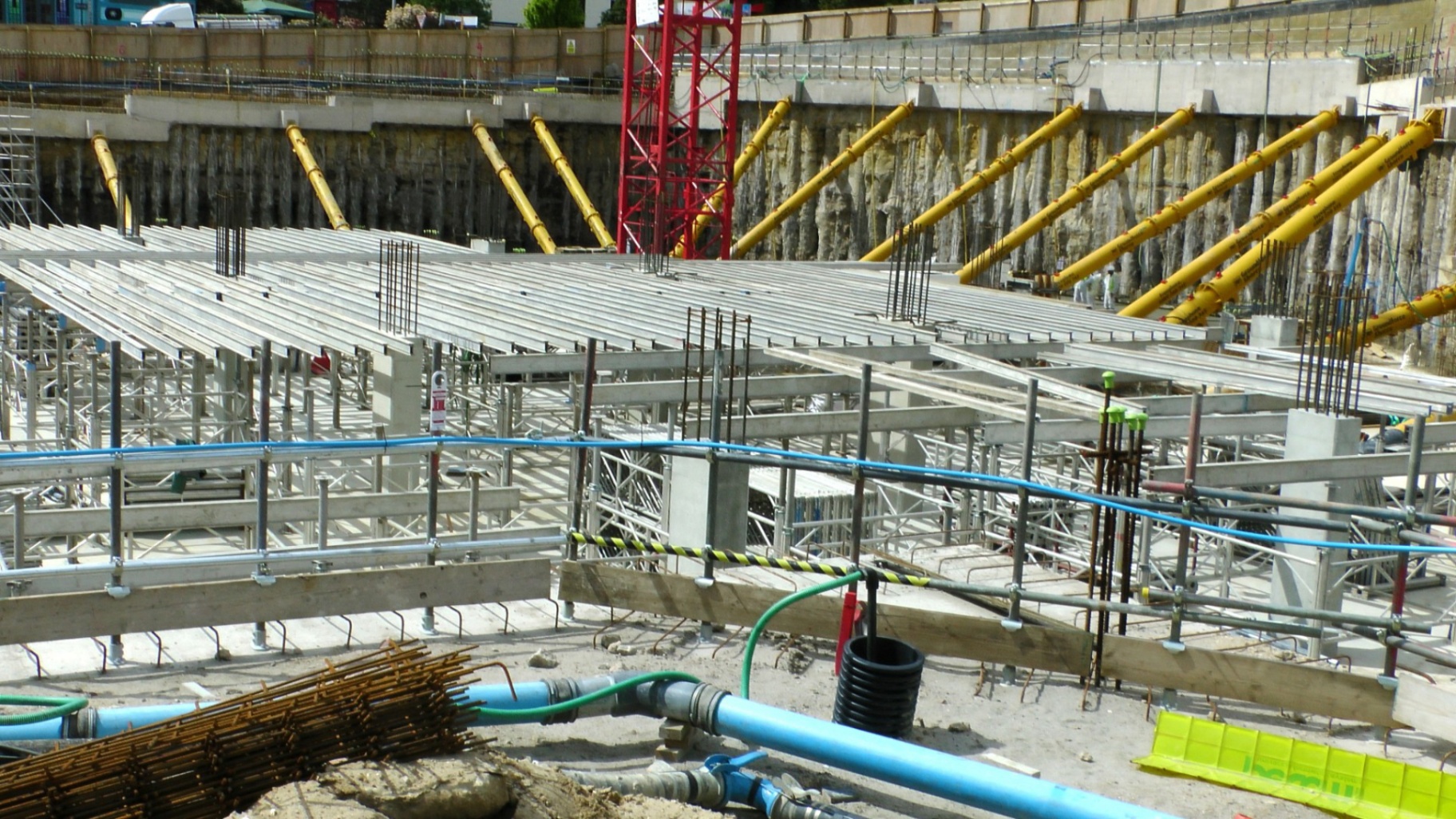
The digital twin is no longer a luxury for billion-dollar infrastructure projects. It is a necessary tool for any developer who wants to protect their margins in the NJ/NY market.
- Eliminate Surprises: Identify clashes and utility conflicts before mobilization.
- Real-Time Data: Move from static PDFs to living models that reflect current site conditions.
- Budget Certainty: Reduce the reliance on "contingency" by getting the data right the first time.
- Regulatory Speed: Present clear, 3D evidence to regulators to speed up permitting and closures.
If your project is stalled or you’re tired of the "change order dance" with your current consultant, it’s time for a different approach. We don't just identify problems; we resolve them with precision, urgency, and trust.
Ready to see your jobsite in 3D before you break ground?
Contact Envicon Group today to discuss how we can bring modern site software and expert civil engineering to your next project. Let’s clear the path to your buildable site.

Leave a Reply