
Let's get something out of the way upfront: the traditional engineering consulting model is broken. Not "needs some tweaks" broken. Not "could use a refresh" broken. Fundamentally, structurally, expensively broken.
We know this because we came from that world. We saw how it operated from the inside. And in 2020, we made a decision to burn it down and build something better.
This isn't a rant. It's a reckoning. And if you've ever felt like your engineering consultant was treating your project like a billable-hours buffet rather than a business problem that needs solving: this one's for you.
The Traditional Model: Death by a Thousand Silos
Here's how most traditional engineering firms operate: You need environmental site assessment? Call Environmental. Civil design? Different department. Geotechnical analysis? That's a third group. Value engineering to keep costs down? Good luck: that's nobody's department.
Each silo operates independently, generating reports that rarely talk to each other. Your Phase II ESA identifies contaminated soil. Your civil team designs grading and drainage. Your geotech recommends foundation types. Then, six months into construction, someone realizes the soil management plan conflicts with the civil design, the excavation depth creates vapor intrusion concerns, and suddenly you're bleeding budget and time.

The traditional model is built around specialization to the point of fragmentation. Departments protect their turf. Scope creep becomes revenue strategy. And the client? You're the project manager nobody asked you to be, coordinating consultants who should be coordinating themselves.
We fired that model because it doesn't serve clients: it serves billable hours.
The Integration Imperative
At Envicon, we built something different from day one: integrated engineering. Not as a buzzword. As a business model.
When we say integrated, we mean your environmental consultant and civil engineer are in the same room: often the same person: from the feasibility study through final sign-off. We mean soil boring logs inform foundation design in real time. We mean remediation strategies are designed around reuse and value engineering, not maximum dig-and-haul invoices.

This isn't just more efficient. It's fundamentally better engineering. Because contamination doesn't care about departmental org charts. A vapor intrusion pathway doesn't wait for the civil team to finish their drawings before it becomes a problem. Real sites are messy, interconnected systems: and they need consultants who think that way.
Here's what integrated engineering looks like in practice:
- Single point of accountability: One team, one proposal, one throat to choke if something goes sideways
- Continuous risk assessment: Environmental constraints inform civil design from day one, not as surprises during bidding
- Value engineering as standard practice: We're optimizing soil reuse, excavation phasing, and remediation sequencing before you even ask
- Speed: No waiting for Department A to finish so Department B can start: we're running parallel from the beginning
The result? Projects that move faster, cost less, and deliver cleaner risk profiles for lenders and buyers.
Value Engineering Isn't an Upsell: It's How We Think
Let's talk about value engineering, because most firms treat it like an optional add-on service you purchase after the "real" engineering is done. That's backwards.
Value engineering should be woven into every decision from site selection through closeout. It's not about cheapening the work: it's about eliminating waste, optimizing sequences, and finding the path that delivers regulatory compliance and project goals at the lowest true cost.
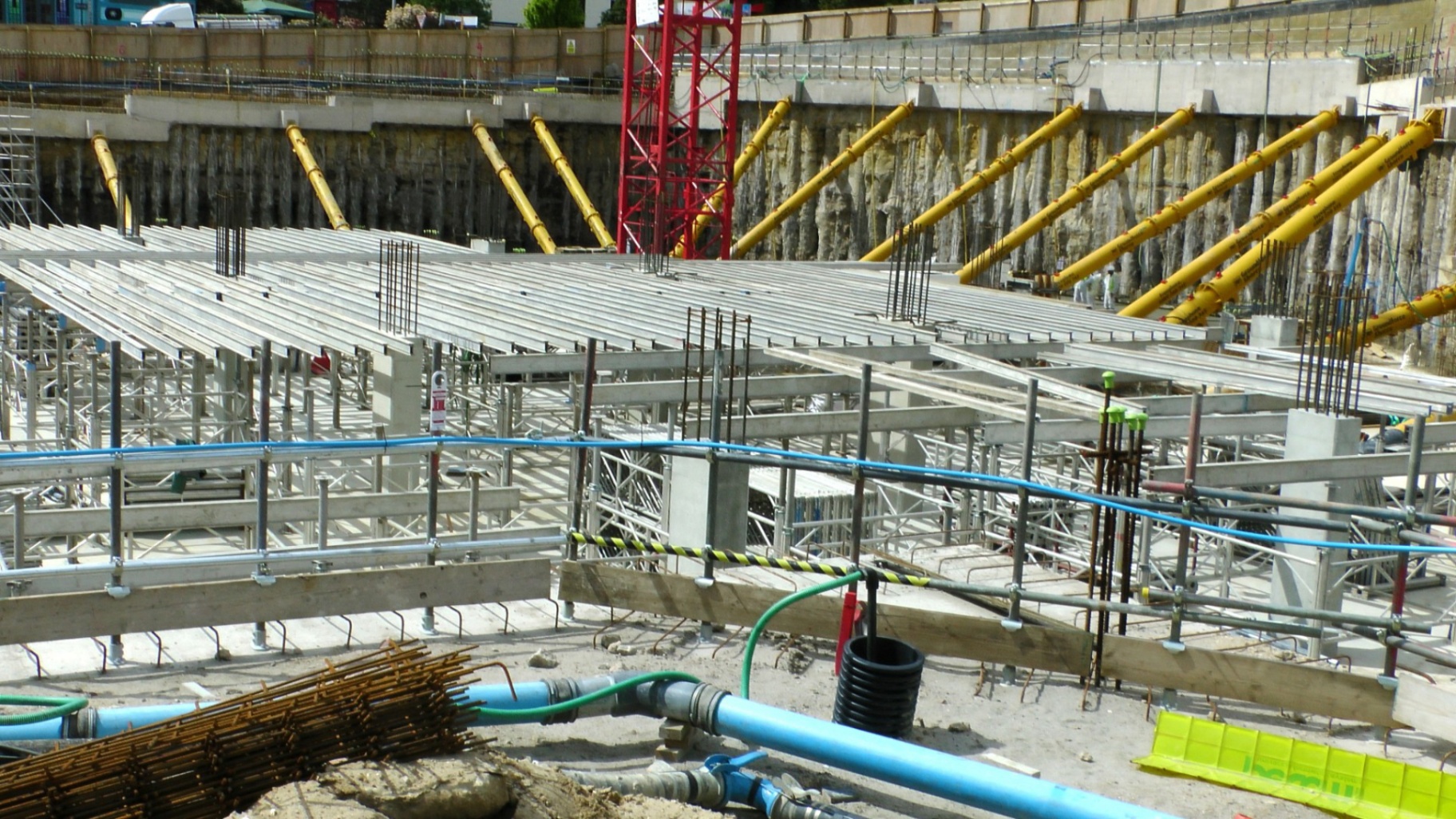
Here's where traditional firms leave money on the table:
Soil management: The default move is "characterize, profile, and export." We start with: Can we reuse this on-site? Can we treat and reuse? Can we sequence excavation to balance cut-and-fill? On a typical urban infill project, this approach can save $100,000 to $500,000 in export and import costs.
Remediation design: Traditional Phase II reports give you contamination data. Period. Our Phase II reports include preliminary remediation cost estimates, reuse scenarios, and risk-based alternatives. You're not paying for data: you're paying for decision-making intelligence.
Regulatory strategy: Big-box firms follow the playbook. We write new plays. Whether it's navigating NJDEP LSRP timelines, NYC OER negotiations, or NYSDEC Part 375 pathways, we're finding the fastest compliant route: not the most conservative one that protects the consultant's liability at your expense.
This is what it means to act like an owner's representative, not a vendor. We're on your side of the table.
Speed is a Competitive Advantage (And We're Fast)
In real estate development, time isn't just money: it's everything. Financing costs. Market windows. Lease-up schedules. Every month of delay is a month of carrying costs and a month closer to the next economic hiccup.
Traditional engineering firms operate on "industry standard" timelines that were set in 1995 and haven't been questioned since. A Phase I takes three weeks. A Phase II takes six to eight weeks. Remediation design takes another month. Why? Because that's how long it takes when nobody's incentivized to move faster.
We've collapsed those timelines by rethinking the workflow:
- Phase I ESAs: One week turnaround, standard. Because we're not waiting for a mailroom to route hard copies between departments.
- Phase II ESAs: Results in three weeks, including lab turnaround, because we're coordinating sampling, analysis, and reporting as a single integrated process.
- Regulatory submissions: We draft as we go, not after the engineering is "done." Your NJDEP submissions go in weeks faster because we're building the administrative record in parallel with the fieldwork.

Speed without quality is recklessness. But speed with quality? That's a market advantage. And it only happens when you're not fighting internal bureaucracy every step of the way.
The Manifesto (The Actual Bullet Points)
So here it is: the operating philosophy that drives every project we touch:
1. Integration over silos. Environmental and civil engineering are one discipline, not two departments fighting over scope.
2. Value engineering is standard, not optional. Every project gets cost optimization baked in from day one.
3. Speed is a deliverable. Timelines are commitments, not estimates. We move at the speed of your business, not industry inertia.
4. Regulatory navigation, not regulatory compliance theater. We find the fastest legally defensible path, not the most conservative one that protects our liability at your expense.
5. Transparency on risk. We tell you what's actually risky and what's just CYA. You deserve to make informed decisions, not be scared into scope creep.
6. Owner's rep mindset. We work for you, not the regulator, not the lab, not our billable hours target. Your win is our win.
This isn't marketing copy. This is how we bid, how we staff, how we execute, and how we measure success.
Why This Matters to You
If you're a developer, attorney, or property owner reading this, you've probably experienced the traditional model's dysfunction firsthand. You've gotten the Phase II report that was technically thorough but strategically useless. You've watched consultants pass the buck between departments while your closing date slips. You've paid for "expertise" that felt more like checking boxes than solving problems.
The Envicon model is built for clients who are tired of that experience. Clients who want a consultant that thinks like an owner, moves like a startup, and delivers like a specialist.
We're not for everyone. If you want the comfort of a household name and don't mind paying the big-box premium for it, there are plenty of options. But if you want faster, smarter, more integrated engineering that actually moves your project forward: we should talk.
Because the traditional model? We already fired it. And we're not looking back.
Leave a Reply